
Buick Envision Export Buying Guide for Overseas Buyers
Buy a Buick Envision from China with expert guidance on trims, 20T and 28T engines, export pricing, MOQ, shipping, homologation and key rivals.
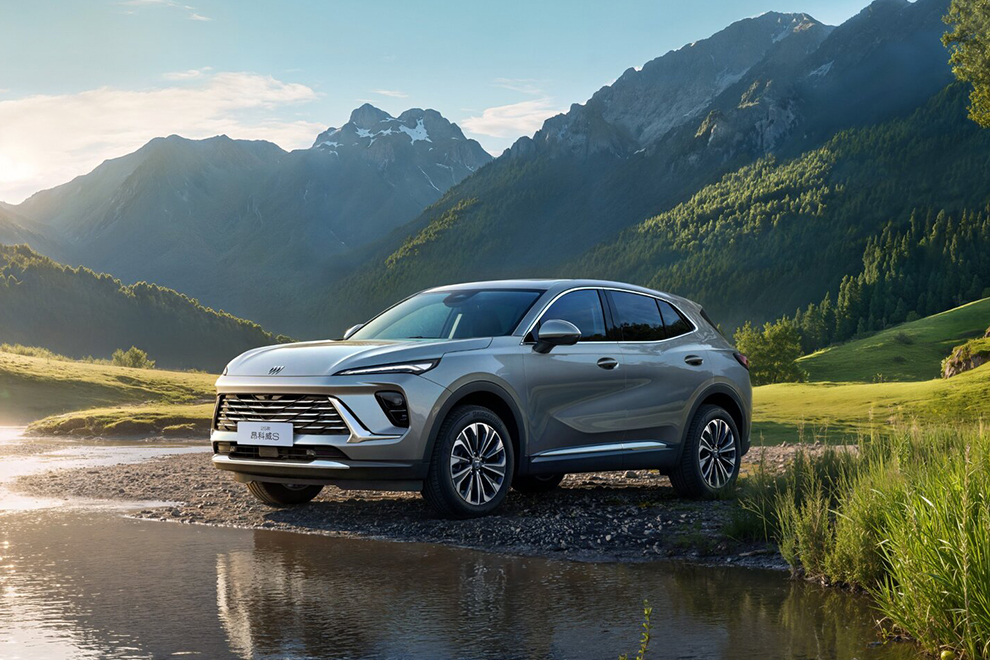
At a glance
- The Envision is a Chinese-built midsize Buick crossover with five-seat and selected seven-seat configurations.
- Buick Envision specs vary across 20T, 25T and 28T turbo gasoline entries and two- or four-wheel-drive layouts.
- New vehicles suit predictable fleets; used examples can broaden model-year and trim choice after inspection.
- A Buick Envision export price guide should compare specification, condition, currency, freight, tax and Incoterm.
- Confirm steering side, destination homologation, parts support and exact per-unit terms in the live listings.
Why the Buick Envision matters for export markets
The Buick Envision is Buick's midsize crossover SUV, and it occupies a useful middle ground for overseas buyers: a more substantial five-door alternative to compact SUVs, with some Envision Plus configurations offering seven-seat layouts. Chinese-built examples are exported in multiple model years, with 20T and 28T turbo powertrains and two- or four-wheel-drive versions represented in the lineup. That combination gives dealers a familiar Buick badge, a practical body style and several powertrain pathways. For an importer, the buying decision should focus on body configuration, drive layout, condition and destination-market suitability.
Global demand should be treated as a market-by-market proposition rather than assumed from the Buick badge. Envision can appeal to importers seeking a comfortable, gasoline-powered family SUV, but brand familiarity, fuel-tax treatment, parts support and resale expectations differ greatly between countries. A model that is practical in one market may face weak residual values or compliance obstacles in another. Overseas buyers should therefore assess whether local buyers value Buick's comfort-oriented positioning, the available drivetrain and whether a dealer can support the vehicle after delivery through local parts supply and transparent servicing.
The Envision is especially relevant to three buying scenarios: a dealer filling a mid-size SUV gap, a fleet buyer standardizing on a proven combustion platform, and an importer testing a second Chinese-manufactured marque in a market where Buick already has some recognition. It is less compelling as an untested volume import. Catalogue searches can also surface closely related Enclave names within Envision-related results, so buyers must read the full vehicle title, VIN, model designation and photographs rather than relying on a broad search label before requesting a binding quotation.
- Midsize five-door crossover; selected Envision Plus versions add seven seats.
- 20T and 28T turbo gasoline powertrains with multiple drive layouts.
- Verify model designation, VIN and full listing title.
Model range, trims and powertrain variants: how the lineup is structured and how to choose
The lineup is easier to understand by separating body style from trim hierarchy. Envision S entries generally represent the conventional five-seat family crossover, while Envision Plus listings can introduce a distinct five- or seven-seat proposition, depending on model year. Trim names such as Luxury, Elite, Premium and Avenir denote equipment and positioning rather than a single mechanical package. Listings also use 2WD, FWD, 4WD and AWD labels, so a seemingly similar name can describe different road layouts. Always treat the exact listing as the configuration record for quotation, comparison and eventual import.
Power choices center on turbocharged gasoline engines identified in the marketplace by 20T and 28T designations, with newer listings also carrying a 25T designation. These codes help narrow the powertrain family but are not a substitute for the vehicle specification sheet. Exact displacement, output, transmission calibration and China V or China VI designation can change with model year and trim. Most examples use an automatic gearbox. Because the Envision is combustion-powered, range and charging figures are not meaningful selection criteria; fuel consumption, engine service and real-world range matter instead for route planning and fleet budgeting.
A practical choice starts with operating conditions. Two-wheel-drive or front-wheel-drive versions can suit buyers focused on paved urban use, lower complexity and favourable fuel economy in their home market. Four-wheel-drive or all-wheel-drive versions add traction capability and may be preferable for regional travel, wet climates or towing duties, but they usually carry a higher acquisition and servicing burden. Seven-seat Plus variants should be chosen for passenger capacity rather than assumed to offer the same cargo flexibility as the five-seat model. The live vehicle record should confirm every point before contracting.
- Envision S: conventional family crossover.
- Envision Plus: distinct five- or seven-seat variants.
- Luxury, Elite, Premium and Avenir are hierarchy labels.
New vs used Buick Envision: how export inventory is structured and how buyers choose
A live export catalogue can contain both factory-new and previously registered Envisions, and that structural difference should drive the first screening step. New vehicles offer a clearer condition history and more predictable specification, while used vehicles broaden the choice of model years, trims and drivetrains at a potentially lower acquisition cost. The current balance is visible in the live listings rather than being a fixed characteristic of the model. Buyers should filter for the condition they need and compare total expected cost, including likely refurbishment, registration and early-life maintenance planning.
For a used Envision, the listing photographs and price are only the beginning of due diligence. Obtain the VIN, registration documents, production or model year, exact trim, engine designation, drive system and evidence of maintenance. Inspect body construction, paint, panel gaps, tyres, braking hardware, suspension, cabin wear and the condition of the infotainment and driver-assistance systems. A four-wheel-drive unit needs extra scrutiny of its transfer case, differential and electronic systems. Independent inspection is particularly valuable when the seller cannot provide a recent, verifiable service history or clear and documented test-drive results.
New examples are generally preferable for fleet rollouts where identical specifications, warranty handling and predictable delivery matter. They reduce uncertainty about wear, accident repair and previous commercial use. The trade-off is that the buyer may pay more for that assurance and should still verify production dates, factory status, option consistency and warranty transfer rules. A used vehicle can make better sense for a dealer seeking a specific older configuration, absorbing a lower purchase budget, or placing a vehicle into service after inspection. Neither condition removes the need to confirm destination-market eligibility.
- New: predictable condition and specification.
- Used: broader years and potentially lower acquisition cost.
- Inspect VIN, structure, service history, electronics and drive system.
How export pricing works: the factors behind a live listing price, and how to read one
An Envision export quotation is the output of several interacting variables, not a permanent price attached to the model. Model year and trim set the starting point, while the 20T, 25T or 28T engine choice, two- or four-wheel-drive layout, seating configuration and factory options can materially change the vehicle. For a used example, mileage, service history, accident repair, paint condition and warranty position also matter. On top of the vehicle's commercial terms come exchange-rate movements, destination freight, marine insurance, port charges, customs duties, taxes and the chosen Incoterm at the time of sale.
When reading a live listing, first establish what the displayed price covers. A vehicle quotation may be separate from ocean or Ro-Ro freight, insurance, terminal handling, inland transport, duty, VAT or other taxes, and registration or inspection in the destination country. Compare the trim, engine, drivetrain, seating, condition and model year rather than comparing headline figures alone. Ask the seller for a written quotation tied to the VIN or SKU, state the destination port and request an all-in delivered estimate. That converts a catalogue number into a comparable commercial offer.
A disciplined comparison should calculate a landed budget per vehicle and per order. Start with the live vehicle price, add the selected Incoterm, international freight and insurance, then estimate destination handling, taxes and compliance work. Divide unavoidable fixed charges across the number of units if consolidating a shipment. A higher trim may be worth paying for only if local demand supports its equipment; a four-wheel-drive model may not justify its cost on urban routes. Currency and freight can move before a contract is signed, so each quote should be dated.
- Age, trim, engine, drive and condition affect vehicle value.
- Freight, insurance, duties, taxes and Incoterm affect landed cost.
- Request a written quote tied to the VIN or SKU.
MOQ, ordering and payment: single units vs consolidating a container
Minimum-order requirements should be checked on the selected vehicle and confirmed in the pro forma invoice, not inferred from a general marketplace impression. Some export offers can be purchased unit by unit, which suits a dealer testing demand or a fleet buyer needing a small replacement. Other supply arrangements may require a larger production or shipment quantity, especially when the seller consolidates stock into a container. A request for several units can improve freight planning, but it should not be treated as permission to combine vehicles with different homologation, specification or documentation requirements.
The normal ordering sequence is to choose a specific unit, verify its documents and condition, negotiate the commercial terms, pay an agreed deposit, and settle the balance against the agreed milestones. The pro forma invoice should identify the vehicle, price basis, Incoterm, payment method, validity period and cancellation or refund conditions. Before release, use a signed inspection report and clear photographs to confirm that the exported vehicle matches the agreed trim and condition. Payment should go only to the verified company account, with changes to beneficiary details independently authenticated in writing.
Consolidating several Envisions into one vehicle-carrier shipment can spread freight and handling costs across more units, but it converts a retail purchase into a larger inventory commitment. Match model years and trims where fleet consistency matters, yet keep demand diversity to reduce the risk of a slow-moving specification. Confirm every VIN, export certificate, bill-of-sale process and destination document before loading. Mixed loads can work, but the importer remains responsible for ensuring that each vehicle can be registered and supported after arrival. Support may mean local parts stock, technician familiarity and warranty handling.
- Confirm listing-specific MOQ before placing an order.
- Single-unit purchases suit cautious market testing.
- A Buick Envision wholesale request should specify destination, quantity and Incoterm.
Shipping, homologation and market compliance caveats: LHD/RHD and import rules by country
Steering configuration is an early non-negotiable check. Vehicles exported from China commonly arrive with left-hand drive, while some export programmes or conversion specialists can supply right-hand drive. An Envision listing should therefore state the steering side rather than leaving it to inference. For right-hand-drive markets, verify the steering wheel, accelerator and brake arrangement, instrument cluster, lighting, parking sensors, infotainment and owner manuals. A conversion can affect cost, warranty and regulatory acceptance, so a factory-configured example is generally easier to homologate and support. Confirm availability in the live listings before contracting.
Import eligibility is destination-specific and cannot be inferred from a China VI badge or a valid Chinese registration. The importing country may apply emissions, safety, noise, cybersecurity, type-approval, VIN, customs-classification, age and inspection rules to vehicles built in China. Confirm the engine displacement, emissions standard, VIN format, gross vehicle information and supporting documents with a licensed customs broker or the relevant authority before committing funds. Used vehicles may face additional restrictions or taxes. Local homologation work, if required, should be included in the landed-cost calculation with the responsible local specialist.
Vehicle shipping usually uses a purpose-built Ro-Ro or vehicle carrier, and the quote should state the loading port, discharge port, transport mode and insurance coverage. Freight cost and transit time vary with origin and destination ports, sailing frequency, carrier space, season, route disruption, terminal handling and the size of the consignment; no universal figure applies to every Envision order. At the origin, inspect the vehicle, photograph its condition and check fuel, 12-volt battery, tools, tyre condition and loose equipment before loading. At destination, complete customs, port and local registration steps before delivery.
- Confirm LHD or RHD before ordering.
- China VI does not guarantee destination-country approval.
- Specify ports, Incoterm and insurance in freight terms.
Who should buy the Envision — and who should pick a different vehicle
The Envision fits a buyer who wants a Buick-badged, gasoline-powered midsize crossover with useful equipment and a choice of drive layouts. It is particularly suitable for a dealer serving families or business travellers who need more space than a compact SUV but do not require the luxury positioning or operating costs of a full-size premium model. The five-seat versions offer the simpler ownership brief; selected Envision Plus units answer a seven-seat requirement. A buyer who values Buick comfort, familiar controls and a manageable transition from compact to midsize SUV will find it worth evaluation.
Different priorities point to different vehicles. A buyer in a market with strong electric-vehicle incentives, widespread charging and favourable import treatment may prefer a battery-electric crossover, especially if operating costs dominate the business case. A budget-led importer who only needs transport space may find a smaller internal-combustion SUV or a commercial van easier to stock. Buyers seeking a premium European badge, a specific seven-seat luxury configuration or a highly capable off-road tow package should also avoid forcing the Envision into a role another segment serves better. Confirm the core requirement first.
Fleet buyers should evaluate the Envision on total operating and resale economics rather than acquisition cost alone. Compare expected fuel use, tyre and brake wear, service intervals, parts lead times, insurance and repairability against the likely local resale window. A mixed fleet can use front-wheel-drive units for routine routes and four-wheel-drive units where traction is essential, subject to local demand. Before placing a larger order, check that technicians understand the selected engine and drive system, that common service parts are available, and that warranty handling has a documented local route.
- Best for mid-size, Buick-badged family and fleet needs.
- Consider an EV where charging and tax policy dominate.
- Match drivetrain and seating to operating duties.
Main rivals and how the Envision compares
The closest alternatives depend on how the Envision is specified, but three useful benchmarks are the Volkswagen Tiguan, Jeep Grand Cherokee and Hyundai Santa Fe. The Tiguan is a useful engineering and ownership benchmark for compact-to-midsize SUVs, with diesel availability varying by market. The Grand Cherokee occupies a similar midsize, four-wheel-drive-oriented space and appeals where trailering and utility matter. The Santa Fe competes more directly on mainstream family-SUV positioning and, in some versions, seven-seat practicality. These are positioning comparisons, not claims of identical equipment or performance. Compare local availability and evidence.
Against the Tiguan, the Envision differentiates through Buick positioning, a comfort-oriented family-SUV brief and a visible 20T or 28T turbo choice. The buyer should compare the exact engines, automatic calibrations, fuel economy, cabin equipment, service costs and residual prospects because badges alone do not establish superiority. Against the Grand Cherokee, the Envision should be considered for road-focused family use, whereas the Jeep can better satisfy buyers whose priority is traditional four-wheel-drive capability and utility-led use. Against the Santa Fe, the Envision's brand image and higher-grade trims are the main considerations.
There is no universal winner because import rules, fuel taxes, parts support and the buyer's route pattern can outweigh segment fit. For a dealer, the Envision makes the most sense when Buick has recognition, the chosen 20T or 28T configuration has an understandable service story, and the seven-seat option is genuinely needed. For a private buyer, compare a test drive, ownership costs and local insurance. For a fleet manager, model a replacement cycle and resale plan before committing. The most reliable comparison is therefore a specification-by-specification test using the same destination assumptions.
- Tiguan: compact-to-midsize ownership benchmark.
- Grand Cherokee: four-wheel-drive and utility alternative.
- Santa Fe: mainstream family-SUV and seven-seat alternative.
Live Buick Envision export inventory
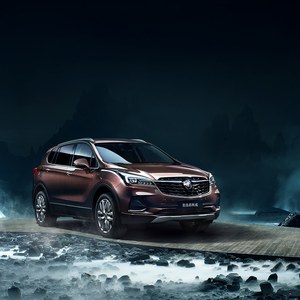
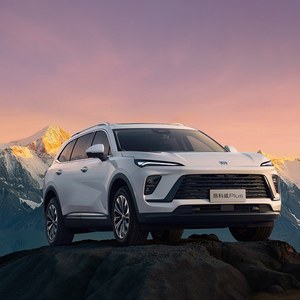
View all listings →Real units currently on ChinaCarDirect with per-unit asking prices and MOQ. Availability updates live from the catalogue.
How to buy a Buick Envision from China
-
1
Set the destination and operating brief
Define the destination country, steering side, passenger capacity, drivetrain and urban or regional use. Include local fuel, insurance, registration and service expectations in the business case.
-
2
Search and shortlist live units
Review the live Envision inventory and compare exact model years, trims, engines, drive systems and seating. Read the full title carefully because broad searches may also surface related Enclave nomenclature.
-
3
Request a dossier and itemized quote
Ask for the VIN or SKU, specification sheet, photographs, registration or factory documents, condition report and an itemized quote. State the destination port and preferred Incoterm.
-
4
Complete the compliance review
Have a customs broker or relevant local authority check emissions, type approval, VIN, customs classification, age restrictions and registration requirements. Confirm any conversion or homologation work before paying.
-
5
Agree payment milestones
Use a pro forma invoice that identifies the vehicle, price basis, Incoterm, deposit, balance trigger, validity period and refund terms. Authenticate beneficiary details independently before transferring funds.
-
6
Inspect before release
Use an independent inspection to confirm the vehicle matches the agreed trim, engine, drivetrain and condition. Record body condition, mileage, service evidence and any discrepancies before shipment.
-
7
Book freight and complete the import
Arrange insured vehicle-carrier or Ro-Ro transport to the stated discharge port. Complete customs clearance, port charges, local inspection, registration and delivery before releasing the vehicle to customers.
Envision vs rivals
| Volkswagen Tiguan | A compact-to-midsize ownership benchmark that may appeal where diesel availability, handling and lower-size logistics matter. Compare the Envision's family-cargo brief and 20T/28T choices against exact equipment and local running costs. |
|---|---|
| Jeep Grand Cherokee | A closer alternative for buyers prioritizing four-wheel-drive identity, towing and utility. The Envision is positioned more toward comfort-oriented family use, so selection should follow confirmed equipment and local service support. |
| Hyundai Santa Fe | A mainstream midsize family-SUV competitor with similar household use and selected seven-seat versions. The Envision's main distinctions are Buick positioning and its 20T/28T trim spread; compare fuel economy, parts, warranty and resale locally. |
Frequently asked questions
How is the export price of a Buick Envision determined?
It is a live, vehicle-specific quote based on model year, trim, 20T, 25T or 28T engine, drivetrain, seating, condition, options, exchange rate, freight, insurance, duties, taxes and Incoterm. Compare like-for-like vehicles and ask for a written quote tied to the VIN or SKU. Current per-unit prices are shown in the live ChinaCarDirect inventory.
What engine, drivetrain and range options does the Envision have?
The export catalogue includes 20T and 28T turbo gasoline versions, with some newer entries marked 25T, plus FWD/2WD and AWD/4WD layouts depending on year and trim. The Envision is a combustion vehicle, so EV-style rated range and charging figures do not apply; assess real-world fuel range and consumption instead. Confirm the exact engine, transmission and drive system on the selected live listing.
Is a used Buick Envision more cost-effective than a new one?
A used Envision may cost less and can provide access to older trims or model years, but condition, mileage and repair history create more risk. A new Envision is generally easier to standardize for fleet use and comes with clearer condition history and defined warranty terms. Compare total landed and expected maintenance cost, not the vehicle price alone.
What is the MOQ for an Envision export order?
There is no safe catalogue-wide assumption; the requirement shown for the selected listing and stated in the pro forma invoice controls. Some offers can be bought as individual vehicles, while multi-unit or container arrangements may require a larger quantity. Confirm any MOQ, deposit and balance terms in writing before payment.
What determines shipping time and cost for a Buick Envision?
The route, loading and discharge ports, carrier space, season, shipping schedule, terminal handling, insurance and consignment size all affect freight. Vehicle-carrier or Ro-Ro transport is normally used, and local port charges, customs, duties and inland transport affect the delivered total. Ask for an all-in landed quotation using a specific destination port.
Are spare parts available for an exported Buick Envision?
Parts availability depends on the destination, model year, engine and trim, and whether the local Buick network can support them. Before ordering, request a parts list for the exact engine and drivetrain, including wear items and service components, and establish realistic lead times for locally unavailable parts. A documented warranty route is also important for fleet buyers.
Can I buy a right-hand-drive Buick Envision?
RHD availability varies by vehicle and supplier, so do not assume that a China-export listing is RHD. Ask for the steering side, relevant controls and market approvals, and use the live inventory to identify any RHD unit. A factory RHD example is generally easier to support than a later conversion.
How do I buy a Buick Envision from China?
Shortlist the exact live listing, request documents and a written quotation, complete destination-compliance checks, and then sign a pro forma invoice with clear deposit and balance milestones. Inspect the unit against that agreement before release, then arrange insured freight, customs clearance and local registration. An RFQ helps the supplier confirm configuration, quantity and landed-cost assumptions.
Ready to source the Buick Envision?
Send ChinaCarDirect your destination, preferred Envision configuration and required quantity to request a current unit-level quotation.
Request a quote