
Buick Excelle Export Buying Guide for Dealers and Fleet Buyers
Plan a Buick Excelle purchase from China with practical guidance on trims, engines, export pricing, MOQ, payment, shipping, homologation and rival models.

At a glance
- The Buick Excelle is a front-wheel-drive compact gasoline sedan, with Excelle GT and Model Wagon labels appearing in the range.
- Engine choices include 1.5L, 1.6L, 15N, 15T and 18T designations, paired with manual, automatic or DCT transmissions by trim.
- The model best fits value-focused private buyers, taxi and ride-hailing operators, and fleets with local parts and service support.
- Export price, condition and binding MOQ are unit-specific and should be checked in the live listings, while landed cost depends on freight, Incoterm and destination charges.
- RHD availability and country-specific homologation are critical pre-order checks for a China-spec Excelle.
Why the Buick Excelle matters for export markets
The Buick Excelle is a compact, front-wheel-drive gasoline sedan positioned below Buick’s more premium models. For overseas dealers, importers and local fleet operators, its attraction is practical rather than prestige: a recognizable marque, conventional layout and several engine and transmission combinations. Its familiarity in many markets can help a distributor explain the vehicle to customers who know Buick as a mainstream or near-mainstream brand. It is therefore relevant to buyers seeking an affordable four-door sedan for everyday motoring. That balance can suit both private buyers and commercial users comparing it with global compact-sedan alternatives.
Export demand for the Excelle comes from its ability to cover the basics of a mainstream family car without moving into the premium segment. The four-door body is easier to commercialize than a niche sports model, while the model’s long-running Chinese-market presence supports parts familiarity, inspection routines and used-vehicle knowledge. That does not mean every overseas configuration is identical: equipment, emissions wording, transmission choices and right- or left-hand-drive availability can differ. Buyers should treat the Excelle as a China-spec compact platform, not assume every global Buick feature is transferable without prior inspection.
The strongest use cases are taxi and ride-hailing operations, hotel and business fleets, small distributors, and private buyers seeking a straightforward sedan. These buyers typically prioritize low acquisition complexity, fuel familiarity, cabin space and the ability to obtain common service parts. They should also accept trade-offs: China-market trims may not offer the latest driver-assistance suite, and imported components can take longer to arrive. A Buick badge can support resale positioning, but local demand still depends on brand recognition, fuel choice and the importer’s after-sales support for the destination market.
- Value-focused Buick compact sedan
- Manual, automatic and turbo choices
- Useful for taxis and fleets
Model range, trims and powertrain variants: how the lineup is structured and how to choose
Buick Excelle specs and naming vary across more than one interpretation of the model name. Standard Excelle vehicles are compact sedans, while Excelle GT listings apply a more sporting label; a Model Wagon designation also appears as a separate body style. Trim names include Progressive, Elite, Flagship, Fashion Edition, Luxury and Connected variants, often combined with an engine designation and transmission. These names help identify a car, but they do not guarantee identical equipment across production years or markets. Always match the exact trim, gearbox and option list on the vehicle’s papers before reserving a unit.
Available engine labels span 1.5L, 1.6L, 15N, 15T and 18T, so buyers should compare mechanical complexity and operating priorities rather than relying on displacement alone. The 15N and the 1.5L or 1.6L entries are logical choices for simple fleets that value familiar service procedures. The 15T and 18T labels indicate turbocharged offerings for buyers wanting stronger performance and, in some versions, DCT or automatic transmission. Exact output, torque and consumption are not established by the trim name and must be confirmed in the live listing and vehicle documents from the seller.
For transmission choice, manual models suit drivers who prefer direct control, lower-cost mechanical simplicity and a shorter learning curve in some markets. Automatic versions reduce driver workload and suit taxis, shuttles or buyers moving from larger luxury cars. DCT models can balance convenience with a more performance-oriented character, but they may require more specialized service and careful judgment about operating conditions. A wagon derivative may be more useful where cargo volume matters. Before choosing, compare fuel rules, local driving conditions, maintenance capability and the resale target rather than selecting the highest trim automatically.
- Excelle GT is a sporting derivative
- Manual, automatic and DCT
- Match engine to service capability
New vs used Buick Excelle: how export inventory is structured and how buyers choose
ChinaCarDirect’s export catalogue should be read as a set of unit-level opportunities rather than a fixed annual production mix. Buyers may encounter new vehicles, used examples or parallel-import stock, and the structure can change as suppliers release and withdraw inventory. Model year is only a starting point: a later car may still be new, while an earlier car may be used or simply carry a different market specification. The reliable starting point is each live listing’s year, condition, mileage, trim, gearbox, VIN and seller information, all of which should be reconciled before an order is placed.
A new Excelle is the easier choice when consistency, warranty administration and known condition matter most. New cars reduce uncertainty around wear, accident repair and interior condition, and their emissions designation can be clearer at purchase. The trade-off is that the buyer pays for that condition and may face features or colours that have weak local demand. Before treating a new listing as suitable, ask whether the manufacturer warranty is valid in the destination country and whether the vehicle will be registered as new rather than as a later parallel import.
A used Buick Excelle can make sense for a buyer with a clear resale plan and access to independent inspection. The vehicle’s age may reduce acquisition cost, but the buyer assumes more variability in mileage, service history, tyres, paint, interior wear and previous repairs. A low asking price is not automatically a good deal. Review the VIN, registration documents, maintenance records, emissions label, accident evidence and condition, then include recommissioning and transport costs in the decision. For a first import, a documented new unit or an inspected used car is usually easier to justify.
- Confirm condition, mileage and VIN
- Check warranty portability
- Inspect used cars before commitment
How export pricing works: the factors behind a live listing price, and how to read one
A Buick Excelle export price guide should separate the vehicle’s asking price from the landed cost. The listing price is shaped mainly by model year, trim, engine, transmission, condition, mileage where applicable, equipment, colour demand and the seller’s terms. Currency movements can alter an export quote, while port handling, insurance, freight, inland transport, customs duties, taxes and registration may add substantial cost. A cheaper listing is not necessarily cheaper after arrival if it carries a less favorable delivery term or needs more preparation before local sale, registration or immediate fleet deployment.
Read the Incoterm and quote inclusions before comparing vehicles. An EXW-style quotation may leave export preparation, loading and international freight to the buyer, while FOB, CIF and DDP place progressively different responsibilities and risks with the seller. The label alone is not enough: confirm the named port, shipment method, insurance coverage, document fees, customs responsibility, delivery scope and whether local taxes are included. Ask for every charge that could land at the destination. A transparent quotation should identify exclusions, payment milestones, validity period and the party responsible if an exception occurs.
The most reliable comparison method is to open the current Buick Excelle live listings, shortlist similar trims and record each unit’s displayed price and MOQ. Then ask the seller for a written, destination-specific quotation using the same Incoterm for every candidate. Compare what is actually included rather than relying on headline numbers or discounted promotional language. The live listing remains the source for the current per-unit price, stated condition and binding MOQ; freight, taxes and compliance work should be added only through a documented landed-cost estimate before signing any purchase order.
- Separate price from landed cost
- Compare under one Incoterm
- Use live price and MOQ
MOQ, ordering and payment: single units vs consolidating a container
MOQ is a term that should be checked on the individual listing, not inferred from the model name or from a dealer’s description. Some unit-based suppliers will release a single vehicle, while others set a batch or container minimum for a trim, colour or production run. If a buyer needs one Excelle for a pilot sale, state that requirement immediately and obtain written confirmation of the minimum, whether it is refundable, and how the balance is handled. Do not treat an inquiry as a reservation until the seller confirms the unit and terms.
Wholesale buyers can sometimes consolidate several Excelle units or mix eligible trims into one container, subject to the supplier’s loading, color and documentation rules. Consolidation can improve freight efficiency, but it should not be treated as an automatic discount. Separate purchase values from shared logistics: the vehicle price, domestic handling, export charges, ocean freight, insurance and destination costs remain distinct. Ask for a container plan that shows allocation, packing method, gross weight and volume, loading photos, and responsibility for loss or delay. A mixed load is useful only when every vehicle’s margin and compliance status still works.
A sound ordering process starts with a pro forma invoice that identifies the exact vehicle, options, price, MOQ, deposit, balance trigger, production or stock status, and expected readiness. Payment commonly follows a deposit and a balance stage linked to inspection or shipping documents, but the actual sequence and refund conditions must be negotiated rather than assumed. Confirm accepted payment method, bank charges, invoice currency, title and lien status, and cancellation terms. Keep every approval, photograph and report in the transaction file so the final unit can be reconciled with the signed order.
- Confirm listing-specific MOQ
- Request a container plan
- Use milestone-based payment
Shipping, homologation and market compliance caveats: LHD/RHD and import rules by country
Most China-origin Excelle vehicles are left-hand-drive, while the destination market may require or strongly prefer right-hand-drive. RHD availability should never be assumed from a model name, and converting the steering position does not automatically satisfy local safety or registration rules. Buyers in RHD markets should ask the supplier to confirm the original configuration, then approach a local converter or specialist importer if modification is needed. The request should include any destination requirements for lights, mirrors, seat belts, wipers, instrumentation and other equipment. Budget for conversion, testing and downtime only after receiving a written feasibility assessment.
China V, China VI or another emissions label on the vehicle is not the same as approval in the destination country. Import rules may cover type approval, emissions, safety, VIN, customs valuation, duties, taxes, noise, lighting, crash-related components and restrictions on vehicle age or used status. The importer should confirm the competent authority’s current requirements before committing. Obtain the homologation certificate, build plate, VIN record, emissions documentation, customs and ownership documents, and service information in the correct language. If local approval is uncertain, use a specialist broker and treat the vehicle as not yet importable until the pathway is documented.
Shipping method, route and loading condition affect both cost and risk. A sedan can move in a car carrier or container when the supplier’s packing and weight rules allow, but the safer option depends on available space, value, voyage length and handling frequency. Confirm whether the quotation includes export inspection, loading, insurance, ocean freight, terminal charges, customs clearance and inland delivery. Obtain a bill of lading or equivalent transport document, export documents, VIN and chassis information, and loading evidence. Incoterms should align with insurance and the importer’s ability to receive the vehicle at the named port or destination.
- Confirm LHD or RHD first
- Complete destination homologation
- Define freight and insurance scope
Who should buy the Excelle — and who should pick a different vehicle
The Excelle suits buyers who need a conventional, fuel-familiar sedan and can support its service requirements without assuming European or North American equipment parity. It is particularly relevant to value-focused private importers, local taxi or fleet operators, and distributors seeking multiple body and transmission choices from a marque with established Chinese-market presence. The business case improves when the vehicle has a clear local customer base, economical parts planning and a mechanic who understands the selected engine and transmission. It is less suitable when the importer’s entire strategy depends on the latest hybrid, plug-in or battery-electric offerings.
Buyers should choose another vehicle when cargo capacity, rear-seat flexibility or towing is central to the use case; a larger wagon, MPV or pickup may serve better. Premium buyers may find that a Buick badge does not compensate for China-specific equipment, parts lead times or weaker resale recognition compared with an established global model. Those prioritizing highway refinement, advanced safety, electric efficiency or broad right-hand-drive availability may prefer newer rivals. Do not force the Excelle into a segment where its age, specification or logistics create a higher total cost than a suitable alternative.
A practical decision starts by ranking the non-negotiables: fuel compatibility, driving side, homologation, service access, cargo needs and target resale price. Then compare shortlisted Excelle trims on purchase terms, likely fuel use, gearbox suitability and parts support rather than on appearance alone. For a fleet pilot, one or several units can test parts turnover and customer acceptance before larger consolidation, provided the supplier confirms the commercial terms. For a private buyer, a well-documented vehicle with transparent history and a realistic total-cost estimate is more persuasive than the newest or most powerful badge.
- Strong fit for value fleets
- Requires local parts support
- Choose elsewhere for modern EV
Main rivals and how the Excelle compares
The Toyota Corolla is the most globally established alternative, with broad service familiarity and strong resale recognition in many markets. It is a safer choice when those advantages matter more than the Excelle’s Buick badge or its wider selection of China-specific manual and turbo configurations. However, Corolla specifications, hybrid availability and right-hand-drive supply vary by country, so the comparison must be made at trim level. An Excelle can offer more equipment for the money in some markets, yet a buyer should value standardized global servicing and parts availability over badge-driven assumptions.
The Hyundai Accent and Kia Cerato compete from the value side of the compact-sedan class. Both can be attractive where fuel efficiency, widespread service knowledge and established resale patterns outweigh a desire for a more upscale badge. The Excelle differentiates itself with a Buick identity and the possibility of manual, automatic or turbo-led trims, but that distinction does not automatically improve economics. Compare warranty coverage, parts interchange, fuel consumption, safety equipment and insurance classification. A rival with a simpler approval route and lower parts risk may ultimately fit an importer better than a better-equipped Excelle.
Use a weighted buying matrix rather than declaring a universal winner. Give the most weight to legal importability, driving-side availability, aftersales support and resale demand; then score engine choice, fuel use, equipment, warranty and delivered cost. The Excelle ranks well when a buyer wants a Buick-badged compact sedan, has a sensible parts plan and can source a configuration absent from some global rivals. It ranks less well when priority is maximum global standardization, latest electrified drivetrains or effortless import into a tightly regulated market. The correct rival therefore depends on the destination and fleet mission.
- Corolla: global service familiarity
- Accent and Cerato: value ownership
- Compare approved configurations
Live Buick Excelle export inventory
View all listings →Real units currently on ChinaCarDirect with per-unit asking prices and MOQ. Availability updates live from the catalogue.
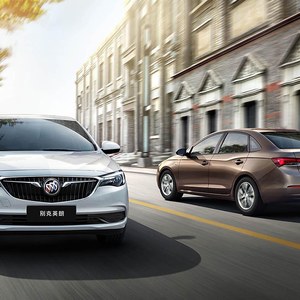
Buick Buick Excelle GT 2019 18T Automatic Connected Flagship (China V)
How to buy a Buick Excelle from China
-
1
Define the destination and operating requirement
State the country, driving side, fuel rules, fleet or private use, passenger capacity and cargo needs. Use those constraints to exclude unsuitable trims before comparing quotes.
-
2
Compare comparable live listings
Review current Excelle listings with similar model year, engine, transmission, condition and equipment. Record the displayed unit price, stated condition and binding MOQ, then verify them with the seller.
-
3
Request documents and a landed quotation
Ask for the VIN, build plate, emissions documents, ownership papers, option list and service information. Request a written quotation naming the Incoterm, route, freight method, insurance and all excluded destination charges.
-
4
Confirm MOQ and payment milestones
Establish whether one unit is acceptable or whether consolidation is required. Put the exact vehicle, minimum quantity, deposit, balance trigger, refund conditions and cancellation terms into the pro forma invoice.
-
5
Complete the compliance pre-check
Confirm local import, type-approval, emissions, safety and registration requirements with an experienced importer or broker. For RHD markets, validate the original steering configuration and the feasibility of any conversion.
-
6
Reserve, inspect and authorize shipment
Pay only according to the agreed milestones, document the vehicle’s condition, and verify loading evidence before release. Reconcile the shipped VIN and option list with the signed order and transport documents.
Excelle vs rivals
| Toyota Corolla | The Corolla generally offers stronger global service familiarity and resale recognition, although local hybrid, equipment and RHD availability vary. The Excelle offers a Buick badge and broader China-specific manual and turbo options, but buyers should confirm local parts support and homologation. |
|---|---|
| Hyundai Accent | The Accent is a value-focused compact sedan with established service familiarity in many markets. The Excelle provides a more upscale brand identity and additional powertrain choices, while the Accent may be operationally simpler where it has wider local parts coverage. |
| Kia Cerato | The Cerato competes through mainstream ownership costs, equipment and broad market recognition. The Excelle can appeal to buyers wanting a distinct Buick presentation and a wider selection of transmissions, but actual value depends on the destination’s approvals, parts network and resale demand. |
Frequently asked questions
How is the Buick Excelle export price determined?
The live price reflects the specific unit’s model year, trim, engine, transmission, condition and seller terms. Landed cost also depends on exchange rates, freight route, insurance, Incoterm, port charges, customs duties, taxes, registration and compliance work. Current per-unit price, availability and binding MOQ are shown in ChinaCarDirect’s live Excelle inventory, while a written destination-specific quote should provide the binding landed estimate.
What engine and transmission options does the Excelle have?
The represented range includes 1.5L, 1.6L, 15N, 15T and 18T labels with manual, automatic or DCT transmissions, depending on trim. It is a gasoline internal-combustion model, so buyers should plan around fuel consumption rather than battery-electric range. Confirm the exact engine, output, gearbox and equipment in the live listing and vehicle documents.
Is a new or used Buick Excelle better for export?
A new vehicle minimizes condition uncertainty and makes warranty and emissions administration easier to plan. A used car can suit a buyer with a firm budget and independent inspection, but it adds age, mileage, wear, repair and parts risk. Compare the live listing’s condition and history rather than inferring either from model year alone.
How does MOQ work for the Buick Excelle?
MOQ is agreed per listing and transaction rather than set by the model name. A supplier may accept one unit or require a batch or container minimum for particular configurations. Read the minimum on each live listing and obtain written confirmation in the pro forma invoice; for consolidation, ask which trims can share a container and how allocation and shared charges are handled.
What determines shipping time and cost?
Origin and destination ports, carrier schedules, available vessel space, container or carrier method, cargo handling, insurance, customs clearance and destination charges all affect the result. A quote should name the route, transport method, Incoterm and included services. Transshipment, port congestion, compliance work and inland delivery can alter both timing and the final landed cost.
Are spare parts available for the China-spec Excelle?
Parts support varies by body, engine, transmission and electronic equipment, so buyers should confirm availability before ordering. Some components may require supplier support or longer lead times than parts for a globally standardized rival. Build a service-parts plan covering routine maintenance, wear items and electronics, and include expected parts support in the resale calculation.
Is a right-hand-drive Buick Excelle available for export?
Most China-origin Excelle vehicles are left-hand-drive, and right-hand-drive supply should not be assumed. A steering conversion does not by itself satisfy local registration or safety rules. Buyers should request the original configuration, consult a qualified RHD importer or converter and complete destination-country approval before paying for a vehicle they cannot legally register.
How do I buy a Buick Excelle from China?
Shortlist current live listings, request written specifications and a destination-specific quotation, then compare units under the same commercial terms. Confirm the exact vehicle, MOQ, deposit, balance trigger, inspection process, documents and cancellation conditions in the pro forma invoice. Complete compliance checks before authorizing shipment and use an RFQ to ask the supplier for confirmation of the selected configuration.
Ready to source the Buick Excelle?
Send ChinaCarDirect your destination, required trim and quantity for a current Buick Excelle export quotation.
Request a quote