
Buick Gl6 Export Buying Guide for Overseas Dealers
Plan a Buick Gl6 export purchase with practical guidance on trims, used units, pricing, MOQ, shipping, compliance and market fit for overseas buyers.
At a glance
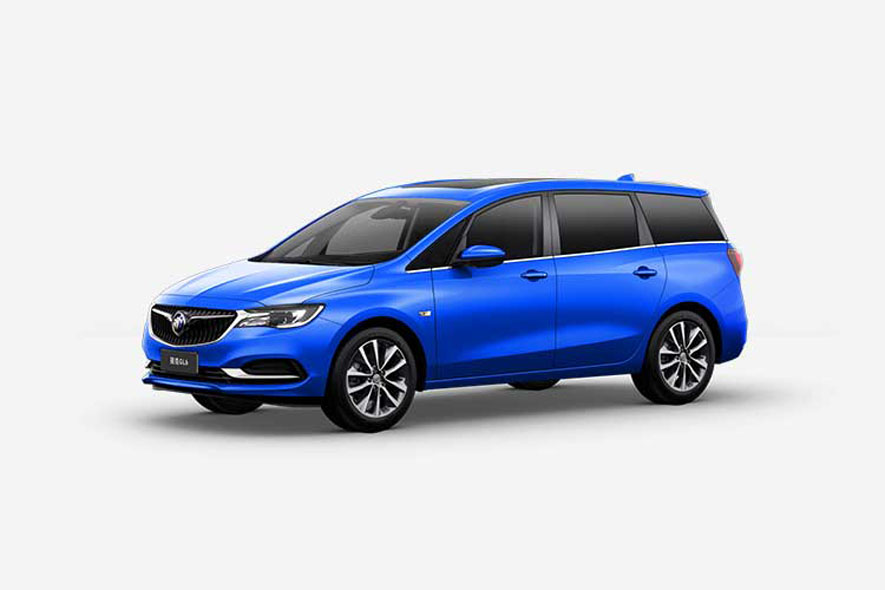
- The Gl6 is a compact petrol MPV with five- and six-seat layouts, 18T turbo variants and a 323T mild-hybrid option.
- Buyers should compare complete trim names, equipment evidence and destination approval rather than assuming a badge hierarchy.
- A used Buick Gl6 can suit a defined fleet role when inspection, service history and parts access support the holding period.
- Export price is vehicle- and quote-specific; current figures and availability must be checked in the live inventory.
- Single-unit and multi-unit orders may have different MOQ, payment and inspection terms, all of which should be confirmed in writing.
Why the Buick Gl6 matters for export markets
The Buick Gl6 is positioned as a compact, five- or six-seat multi-purpose vehicle for buyers who need more passenger flexibility than a conventional sedan but do not need the size and cost of a large MPV. Its combination of a Buick badge, Chinese-manufactured platform and family-car packaging gives overseas dealers an alternative to compact crossovers. The model is especially relevant in markets where imported Chinese vehicles are already supported by local servicing, parts and homologation channels. Its appeal is strongest when a buyer values a comfortable, flexible cabin and a lower ownership burden than a premium import, while remaining realistic about service coverage.
For overseas buyers looking to buy a Buick Gl6 from China, that utility explains why the model can interest several groups rather than only private family purchasers. Dealers can position it as an economical people carrier for airport transfers, hotel courtesy vehicles and executive shuttles, while family importers can compare it with compact seven-seat crossovers. Fleets should note that the Gl6 is a passenger MPV, not a cargo van: its strongest commercial case depends on carrying people comfortably, securely and economically over repeated road use. Before placing a fleet order, compare payload, luggage volume, duty cycles and local commercial-registration rules, because passenger-car comfort does not automatically translate into the lowest operating cost for every route.
For export strategy, the Gl6 works best as a locally supportable product rather than as an unsupported specification gamble. Dealers should map the nearest authorised service points, confirm access to common service items and test whether replacement parts can reach the port or bonded warehouse efficiently. That diligence is especially important for a model sold with several seating and powertrain configurations: parts planning, insurance classification and buyer expectations should match the exact unit selected, not merely the Buick Gl6 name. Clear evidence also improves resale confidence where buyers compare equipment with familiar local alternatives.
- Position the Gl6 as a compact family MPV, not a cargo van.
- Match the five- or six-seat layout to passenger and luggage duties.
- Confirm local service access and parts reachability before importer volume.
- Use a Buick alternative only when the trim equipment is clearly documented.
Model range, trims and powertrain variants: how the lineup is structured and how to choose
The export-facing Gl6 lineup should be read by seating configuration, engine family and equipment tier. The catalogue includes 18T petrol versions with six seats, plus selected five-seat derivatives, and it also identifies a 323T mild-hybrid connected variant. Within the 18T range, names such as Luxury, Elite, Prestige, Premium and Connected Luxury indicate different equipment bundles rather than a simple performance ladder. A buyer should therefore compare the complete trim name, not assume that a higher-sounding label guarantees every desirable feature. Connected badging should be checked against the actual vehicle because infotainment hardware can vary by market and production period.
China V and China VI labels form another important layer of the naming system. They identify the Chinese emission-standard generation shown in the listing and help separate otherwise similar trims, but they do not tell an overseas buyer whether the vehicle has been approved for local registration. The six-seat 18T variants cover several equipment tiers; five-seat versions may suit buyers who prioritize rear-seat comfort or a different cabin layout, while the 323T mild hybrid offers a different efficiency-oriented proposition without changing the fundamental family-MPV format. Also verify that seat flexibility and luggage capacity meet the intended duty.
Choosing between the 18T and 323T families requires more than comparing a trade-name label. Request the engine displacement, output, transmission type, fuel requirement, hybrid components, emissions documentation and service history for the exact listing. The 18T designation identifies the turbo-petrol family, while the 323T entry is explicitly a mild-hybrid version; however, acceleration, economy and maintenance implications depend on the complete specification. For buyers comparing Buick Gl6 specs, a worksheet covering purchase factors, expected consumption, service intervals and likely resale demand is more reliable than a generic trim hierarchy, especially when the listing title contains limited technical information.
- Compare complete trim names and option evidence, not badge order alone.
- Separate China V and China VI labels from destination-market approval.
- Choose the five- or six-seat layout around cabin and loading requirements.
- Verify displacement, transmission, fuel and hybrid details for each unit.
New vs used Buick Gl6: how export inventory is structured and how buyers choose
Export inventory for the Gl6 can include both newer low-mileage vehicles and used examples from earlier model years, so new and used should be treated as condition bands rather than a single quality ranking. A new or nearly new unit is attractive when a buyer wants predictable cosmetic condition, current equipment and a simpler warranty conversation. A used example can be equally rational when the vehicle will fill a defined fleet role, the inspection supports its age and mileage, and the expected holding period is short enough to limit depreciation exposure. The correct comparison is total cost and suitability over the intended service life, not the newest year badge alone.
Used-unit inspection should focus on more than mileage. Ask for exterior and interior photographs, body-panel repair evidence, tire condition, service records, accident disclosures, roadworthiness information and a cold-start or inspection video where available. Check that seat count and trim equipment still match the listing, and verify whether wear affects passenger comfort, ride height or safety-related components. For a vehicle exported after use in another market, also request the original registration history so ownership and age can be assessed before a deposit is paid. A third-party pre-purchase inspection is sensible when the seller cannot provide equivalent documentary evidence.
Newer or newer-looking stock may reduce immediate refurbishment work, but age alone does not reveal how a vehicle was treated or maintained. Conversely, an older used MPV can be a sound fleet purchase if its condition report is clear, its remaining service life is understood and replacement-part lead times are acceptable. Buyers planning to resell locally should select a specification that mainstream dealers can explain and that their own market recognises; buyer education, warranty clarity and parts availability can matter more than the newest model-year badge. Do not let cosmetic polish substitute for mechanical evidence when comparing units.
- Use condition, inspection and service life—not age alone—to grade used units.
- Request registration history, repair evidence and a current inspection.
- Favor newer vehicles for long holding periods or highly visible resale.
- Use a used MPV where the planned duty supports the depreciation profile.
How export pricing works: the factors behind a live listing price, and how to read one
A Buick Gl6 export price guide should treat every listing as a vehicle-specific starting point rather than a universal market price. The vehicle-side drivers are model year, trim, seating layout, 18T or 323T powertrain, mileage, service history, condition and whether the unit is new or used. Market-side drivers include the renminbi-to-destination-currency exchange rate, freight, insurance, port charges and the selected Incoterm. Because those inputs can change, a buyer should treat any displayed figure as live and reconfirm it in writing before committing funds. A written quotation should carry a validity period.
To read a live listing correctly, separate the vehicle price from the landed cost. Confirm whether the amount covers the car only, export documentation, inland transport, terminal handling, marine insurance, inspection and freight, or only some of those elements. Check the Incoterm and named delivery point, because the same vehicle can carry materially different obligations depending on whether the seller or buyer arranges the main carriage. Destination taxes, customs duties, registration charges and dealer margins sit outside the listing unless explicitly stated and should not be treated as hidden assumptions. Ask for an itemized pro forma invoice showing each charge.
Buyers should compare like with like: the same year band, trim, engine family, seat count, condition and intended Incoterm. A quote for a lower-trim used unit cannot benchmark a newer connected vehicle without adjustment, and an ex-port vehicle price cannot be compared directly with a delivered, duty-paid price. Record the quote validity, payment milestones, inspection right and remedies for mismatch. Exact current vehicle prices, applicable MOQ and availability should be taken from the live Buick Gl6 inventory, then converted into a landed-cost worksheet for the destination market. This method also makes exchange-rate movements easier to manage.
- Compare equivalent year, trim, powertrain, seating, condition and Incoterm.
- Ask whether documents, inland haulage, insurance and freight are included.
- Add duties, VAT, registration and dealer margin to reach landed cost.
- Use current live listing prices only, then reconfirm the quote in writing.
MOQ, ordering and payment: single units vs consolidating a container
MOQ is a supplier or listing term, not a permanent property of the Buick Gl6 name. Some live offers may accept one vehicle, while a vehicle consignment, special configuration or multi-unit wholesale arrangement may carry a higher minimum. Buyers should confirm the MOQ and whether it applies per trim, per model year or across mixed units before assuming that one unit is immediately available. This is particularly important when planning a Buick Gl6 wholesale order, because a one-unit test purchase and a containerized order can follow different commercial terms. Ask whether the minimum changes after inspection or negotiation.
A practical approach for a dealer is to begin with the operational requirement rather than an abstract container target. If demand is unproven, a single unit or small mixed batch can validate trim preference, customer acceptance and service costs before larger exposure. If several customers are already committed, compare consolidation savings against the risk of holding a mixed, slow-moving batch. Container space should be justified by realistic dispatch dates, not by a theoretical full-container price, especially when six-seat and five-seat variants appeal to different buyers. Model demurrage and storage exposure if sales take longer than expected.
Before paying, the purchase contract should identify the exact vehicle or approved selection criteria, condition, mileage, trim, seat count, powertrain, documents, inspection, warranty and delivery terms. Clarify deposit and balance timing, acceptable payment method, title-transfer process, refund conditions, and who bears charges if the vehicle differs materially from its description. Keep every invoice, VIN, photograph and inspection result in the file. A staged payment structure tied to inspection and document readiness is generally easier to manage than relying on informal promises. Do not release the balance solely because photographs appear consistent.
- Confirm MOQ for the exact listing, trim mix and order size.
- Test demand with a small batch before committing to container volume.
- Tie deposit and balance milestones to inspection and document readiness.
- Model demurrage, storage and slow-moving-stock risk for consolidated units.
Shipping, homologation and market compliance caveats: LHD/RHD and import rules by country
Most Chinese-origin vehicles are configured for left-hand drive, and the Gl6 should be treated as a left-hand-drive product unless the exact listing states otherwise. Right-hand-drive demand therefore cannot be met simply by assuming local availability. A buyer needing RHD must ask the seller to confirm the configuration, steering position, controls and any conversion history; a conversion can affect cost, lead time, parts availability and resale acceptance. Never assume a marketplace tag or an overseas model name proves that a unit is suitable for the destination. Fleet specifications should be confirmed in writing before any deposit is paid, and physical controls should be checked during inspection.
China V and China VI descriptions are not destination-market approvals. Import rules may include age and condition limits, emissions or environmental requirements, roadworthiness tests, customs valuation, tariff classification, VAT or sales tax, insurance, registration fees and restrictions on used passenger vehicles. Local authorities may also require proof that the vehicle was used in China, among other documents. Because regulations and tax treatment change, an importer should obtain a current written assessment from its local customs broker or vehicle-compliance specialist for the exact configuration and intended use. The same vehicle may therefore be viable in one market but difficult to register in another.
Container and vehicle logistics should be planned together. Secure space with dimensions appropriate for the exact Gl6 configuration, then confirm whether the unit is shipped by roll-on/roll-off, enclosed container or another method. The vehicle must be secured, protected from damage and accompanied by the correct export, customs and title documents. Freight time and cost depend on origin and destination ports, sailing or trucking schedules, container availability, insurance, fuel surcharges, terminal charges, congestion and customs inspections. Allow contingency time rather than promising a delivery date from vehicle readiness alone, because final-mile transport and registration can extend the timetable.
- Treat the Gl6 as LHD unless the exact unit is confirmed otherwise.
- Do not treat China V or China VI as destination-market homologation.
- Confirm age, emissions, customs, tax and used-vehicle import rules locally.
- Use an RHD conversion only after cost, safety, parts and resale review.
Who should buy the Gl6 — and who should pick a different vehicle
The Gl6 is a strong candidate for family importers, ride-hailing or hotel operators, airport-transfer businesses and small executive fleets that need a comfortable people carrier with flexible seating. It is particularly useful when the operating brief calls for five or six passengers, moderate luggage and a vehicle that feels more substantial than a compact sedan. Dealers can also use it to offer buyers a Buick alternative within the Chinese import segment. The strongest business case appears where local service coverage, fuel availability and a credible resale market for the same configuration already exist.
It is less suitable for buyers whose priority is maximum cargo volume, payload, heavy-duty use or all-terrain travel. The 323T mild-hybrid version is not a plug-in hybrid or battery electric vehicle, so a buyer seeking zero-emission urban operation or substantial electric-only range should choose an EV instead. Buyers focused on performance, advanced driver assistance or a prestige badge should compare other models. Those who require an established nationwide service network may prefer a vehicle already common in their market, especially if imported parts could cause long delays. Confirm towing limits before equipping vehicles for trailer or recovery work.
A switch to another vehicle is also sensible when the buyer cannot support a left-hand-drive fleet, when local used-car restrictions make the selected unit ineligible, or when the expected holding period is too short to recover purchase, shipping and compliance costs. Fleet managers should model total cost per seat or per trip rather than compare vehicle stickers alone, including depreciation, fuel, maintenance, insurance, downtime and resale. For private buyers, the decision should combine seating needs, safety, serviceability, luggage, driving position and the availability of a clear inspection and ownership history before shipment.
- Strong fit: families, transfers, hospitality vehicles and small executive fleets.
- Weak fit: maximum cargo, heavy payload, off-road use or zero-emission operation.
- Check the service network, parts lead time and local resale recognition.
- Compare total cost per passenger or trip, not purchase price alone.
Main rivals and how the Gl6 compares
There is no single direct substitute because the Gl6 combines a Buick badge, compact MPV packaging, petrol power and a practical imported-vehicle position. Mitsubishi Xpander Cross is a useful people-car alternative for buyers who prioritize a tall crossover format and flexible family transport; its availability and ownership economics vary by country. Toyota Corolla Cross offers a more conventional compact-crossover proposition and broad brand familiarity. Neither matches the Gl6 exactly, so compare usable cabin space, seat count and total running cost rather than badge or body style alone. The selection should reflect passenger duty, not simply the closest badge.
Kia Carnival is the closest large-family-MPV alternative in purpose, but it is generally a larger, more expensive vehicle with different fuel and service requirements. It suits buyers who need more cabin volume and can accept the higher operating and purchase burden. By contrast, the Gl6 is more compact and positioned below van-sized people carriers. For a shuttle or fleet buyer, the meaningful questions are passenger comfort, luggage accommodation, acquisition method, maintenance support and expected resale rather than whether either vehicle wins an abstract MPV category. The right benchmark depends on the route and the buyer’s market.
Dealers should build a like-for-like comparison sheet covering passenger-cabin dimensions, seating, luggage, engine family, transmission, safety equipment, infotainment, emissions documentation, parts access and ownership cost. Test-drive and inspect the final shortlisted unit because trim names can conceal meaningful equipment differences. The Gl6 has a credible case when a buyer values its Buick presentation, compact footprint and broad choice of seating and petrol configurations. It loses ground when a rival has stronger local aftersales, lower compliance friction or a powertrain better aligned with fleet policy. That makes the model a channel decision, not only a product decision.
- Xpander Cross: family-car alternative with a taller crossover format.
- Corolla Cross: conventional compact crossover with broad brand familiarity.
- Carnival: larger MPV alternative when cabin volume justifies the extra burden.
- Compare the exact shortlisted units because equipment and market support vary.
Live Buick Gl6 export inventory
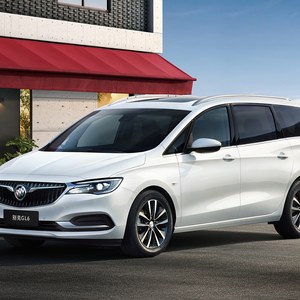
View all listings →Real units currently on ChinaCarDirect with per-unit asking prices and MOQ. Availability updates live from the catalogue.

How to buy a Buick Gl6 from China
-
1
Define the market requirement
Set the destination, LHD or RHD requirement, passenger count, luggage needs, routes, fuel availability and expected holding period before choosing a trim.
-
2
Shortlist live inventory
Review the live Buick Gl6 listings by model year, seating layout, 18T or 323T powertrain, trim and condition. Open each relevant unit to check its complete description.
-
3
Request an itemized quotation
Ask the seller to separate the vehicle price from export documentation, inland transport, insurance, freight, port charges, duties and the selected Incoterm. Confirm the quote validity period.
-
4
Order a vehicle inspection
Require current photographs, service and ownership records, repair disclosures and an independent inspection. Pay particular attention to structural repairs, tires, controls and the stated seat configuration.
-
5
Approve the contract and documents
The contract should identify the exact vehicle or approved selection criteria, inspection rights, warranty, title documents, payment milestones and remedies for a material mismatch.
-
6
Plan shipping and compliance
Obtain a current local compliance assessment for age, emissions, customs, tax, insurance and registration. Confirm LHD or RHD suitability, shipping method, securement and pre-shipment inspection.
-
7
Pay, dispatch and track
Release funds only against agreed milestones, retain the inspection file and confirm export documents before loading. Track the vessel or truck, customs clearance, final delivery and registration.
Gl6 vs rivals
| Mitsubishi Xpander Cross | A close functional substitute for family buyers who prefer a taller, crossover-styled people carrier with flexible seating. It is not an identical Buick alternative, and the exact market, powertrain, equipment and aftersales package should be compared with the Gl6. |
|---|---|
| Toyota Corolla Cross | A compact-crossover alternative for buyers who prioritize a conventional driving format and familiar brand ownership rather than MPV seating flexibility. It may suit lighter luggage and smaller-family use, but it is not a direct six-seat MPV substitute. |
| Kia Carnival | A larger MPV that suits buyers needing more cabin and luggage capacity, generally with a higher purchase and operating burden. The Gl6 is the more compact option for operators seeking passenger utility without moving into a large people carrier. |
Frequently asked questions
How is the export price for a Buick Gl6 determined?
Export pricing is built from the specific unit’s year, trim, seating, 18T or 323T powertrain, mileage and condition, then affected by exchange rates, freight, insurance, port charges and the selected Incoterm. A listing amount may not include destination duties, VAT, registration or final delivery, so request an itemized quotation with a validity period. Current per-unit figures and availability are shown in the live Buick Gl6 listings.
What powertrain and range should overseas buyers expect?
The named export range includes 18T turbo-petrol versions and a 323T mild-hybrid version; neither is presented as a battery-electric or plug-in hybrid. Buyers should therefore assess usable fuel range and consumption rather than electric-only range, with results varying by load, speed, tires and test cycle. Confirm displacement, output, transmission, fuel type and hybrid components for the exact listing.
What are the main new versus used Buick Gl6 trade-offs?
A used Buick Gl6 may suit a defined fleet role, while a newer unit can reduce immediate refurbishment needs and improve retail presentation. The better choice depends on inspection quality, mileage, service records, expected holding period and parts availability. Do not infer condition from the model year or trim name alone, and document every discrepancy before paying.
How does MOQ work when ordering a Buick Gl6?
MOQ is negotiated or set by the individual offer; it may apply to one unit, a particular configuration or a mixed wholesale batch. Ask the seller to confirm the minimum, whether it can mix years or trims, and the payment schedule in the sales contract. The live listings and RFQ process should be used to establish the applicable terms for the current order.
What determines shipping time and cost?
Shipping time and cost depend on origin and destination ports, sailing or trucking schedules, container availability, fuel surcharges, terminal charges, insurance, congestion and customs inspections. Vehicle preparation, final-mile transport and registration can add time beyond the port-to-port leg. Ask for the planned routing, charge inclusions and latest estimated milestones in the quotation.
How are spare parts handled for an imported Gl6?
Before ordering, identify the exact trim and powertrain, then ask for common service-part references, expected part categories and supply channels in the destination country. Buyers should not assume every related version uses identical service parts without confirmation. A local distributor, authorised service network or specialist importer can reduce downtime and clarify warranty claims.
Is a right-hand-drive Buick Gl6 available?
Most China-origin Gl6 examples are left-hand drive, and RHD availability should never be inferred from a general model listing. A buyer requiring RHD should request confirmation of the steering position, controls and any conversion work, then examine the vehicle before shipment. A conversion may increase cost and lead time and affect parts support or resale.
How do I order a Buick Gl6 from China?
Start with the live Buick Gl6 inventory, select the seating, powertrain and condition that fit the market, and send an RFQ with the destination and required quantity. Request an itemized quotation, inspection rights, document list, payment milestones and delivery terms before paying a deposit. The final sales contract should identify the exact vehicle or approved selection criteria and explain remedies if the delivered unit does not match.
Ready to source the Buick Gl6?
Request a current Buick Gl6 RFQ with your destination, passenger layout, powertrain and required quantity for a unit-level quote and landed-cost review.
Request a quote