
Buick Lacrosse Export Buying Guide for Overseas Buyers
Buy a Buick Lacrosse from China with clear guidance on trims, 2.0T and 2.4L powertrains, export pricing, MOQ, shipping, compliance and sourcing.
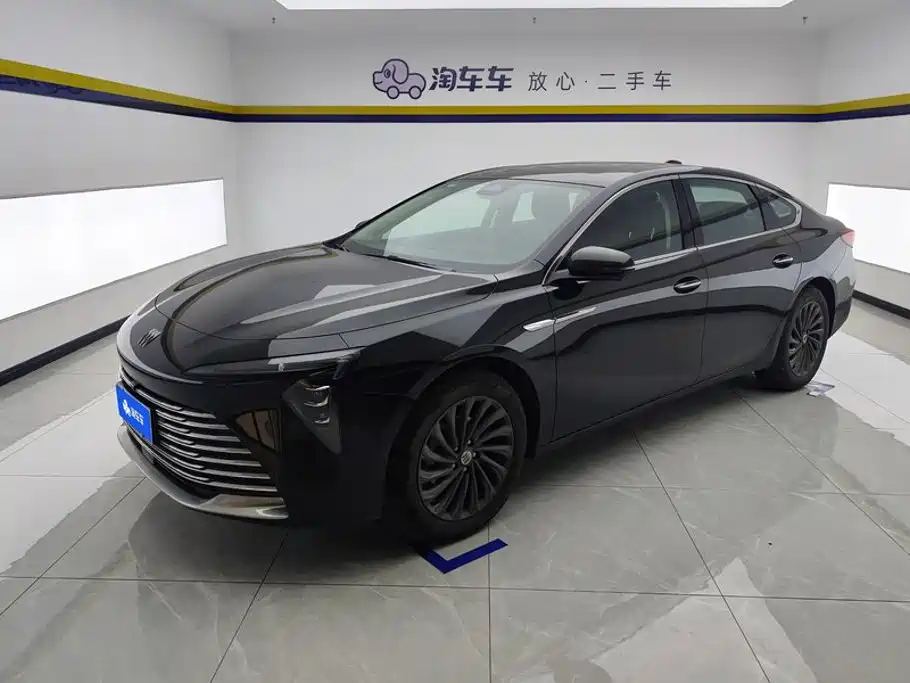
At a glance
- A China-origin Buick midsize sedan with 2.0T, 2.4L SIDI and selected 48V-assisted applications.
- Trim families include 20T, 28T, 552T, 652T, 2.4L and several Avenir editions.
- Equipment levels span Luxury, Premium, Platinum, Yuezun, Elite and Flagship configurations.
- Export value depends on year, trim, condition, freight, Incoterm and destination compliance.
- Ordering can be structured for a single vehicle or consolidated shipment, subject to seller terms.
- LHD is typical; RHD availability and homologation require destination-specific confirmation.
Why the Buick Lacrosse matters for export markets
For buyers searching for a Buick Lacrosse for export, the model is a China-market midsize sedan built around three useful propositions: Buick's brand identity, generous sedan proportions, and a broad choice of gasoline powertrains and equipment levels. It competes in the same broad space as mainstream sedans such as the Toyota Camry and Honda Accord, but it may offer a lower acquisition cost in a like-for-like comparison. That makes the model relevant to distributors seeking margin, corporate fleet managers prioritizing cabin space, and importers seeking a familiar nameplate without moving up to a premium European sedan, especially for a large fleet rollout.
For overseas buyers, the Lacrosse's appeal is primarily practical rather than image-led. The long-wheelbase cabin supports executive transport, airport transfers and mixed fleets where passengers value space and ride comfort more than sports handling. Its front-wheel-drive layout and automatic transmissions also simplify daily operation and fleet handover compared with less conventional export mixes. Trims range from practical Luxury and Premium grades to Platinum, Yuezun, Elite and Avenir-oriented cars, allowing a buyer to match equipment spend with resale positioning rather than treating every vehicle as an undifferentiated base model in export markets.
The export case still depends on destination economics and after-sales support. Buick recognition is stronger in some markets than others, and Chinese-specification sedans may lack the homologation, parts references or residual-value recognition enjoyed by locally established rivals. Dealers should therefore model support costs before calling a low vehicle price attractive. The strongest opportunities are usually where the buyer can maintain spare-part stock, understand the exact Buick platform, and serve corporate or premium-sedan demand; the weakest are destinations where weak brand awareness makes every vehicle dependent on heavy discounting at resale.
- China-derived midsize sedan with broad trims.
- Long-wheelbase executive and fleet appeal.
- Destination-specific brand and parts support.
Model range, trims and powertrain variants: how the lineup is structured and how to choose
LaCrosse nomenclature can look complicated because Buick has used several labels for closely related 2.0-liter turbo applications. The 20T name appears on 20T Elite and Leading versions, while 28T, 552T and 652T occur across different model years and grade structures. Some of these applications include a 48-volt mild-hybrid system; the label should not be treated as a promise of identical power or economy. Buyers should therefore start with the model year and then verify the engine, transmission, drivetrain and standard equipment on the individual listing and compare it against destination rules.
The 2.4L SIDI Luxury Comfort trim represents a different, naturally aspirated branch of the range. It may suit buyers prioritizing a simpler gasoline configuration, established mechanical familiarity, or a vehicle without a hybrid-assistance label. Across the broader range, 28T Premium, Luxury and Platinum editions form a mainstream equipment ladder, while Yuezun adds a more comfort- and technology-oriented position. Avenir First Edition, Flagship and Avia First Edition labels occupy higher-designation positions and need to be assessed feature by feature rather than assumed to be the top trim for export buyers.
For fleet specification, the practical choice starts with duty cycle. A high-mileage operator may prioritize fuel economy, cabin durability, air conditioning and serviceability; an executive buyer may prioritize rear-seat space, materials, infotainment and ride refinement. Compare the live vehicle's equipment list against those requirements and check whether the engine label, transmission, drive configuration and emissions information match the model year. The Lacrosse is a gasoline sedan, so electric range and charging figures are not applicable to this model. Labels support decisions but never replace a documented inspection before final ordering.
- Trim labels vary by model year.
- Some 2.0T applications use 48V assistance.
- 2.4L SIDI is a separate branch.
New vs used Buick Lacrosse: how export inventory is structured and how buyers choose
A sound export buying strategy begins by separating vehicle condition from seller category. New means the vehicle is represented as unregistered or otherwise new in the export channel; used means it has a registration or use history. Export stock can come from dealer channels, fleet disposal, parallel-trade channels or private consignment, so labels alone do not prove provenance. The responsible comparison is based on VIN, registration date, odometer disclosure, title or ownership documents, inspection history and the seller's right to export the vehicle. This applies to every vehicle, regardless of how many are purchased.
A new Lacrosse generally reduces uncertainty about wear, accident repair and warranty claims. It is often the cleaner choice for fleet launch, demonstration fleets or customers who want predictable preparation. Even then, a buyer should inspect paint, panel gaps, tyres, cabin condition and production date, because new status can differ between sellers. Ask whether the car has been registered, displayed, exported or prepared in a way that changes its commercial classification, and require the supporting documents in the sales contract before the vehicle is released for export or final payment.
A used Buick Lacrosse can make more financial sense when the target market values established depreciation rather than first-owner condition. The saving may absorb refurbishment, freight, tax and compliance work that would be difficult to recover on a higher-priced vehicle. Conversely, an imported used car carries more uncertainty in wear, repairs and title status. For a fleet, a mixed purchase can be efficient: newer vehicles for customer-facing roles and carefully inspected used vehicles for higher-mileage operations, subject to local rules and warranty expectations. Each vehicle still needs its own inspection and title check.
- Labels do not replace VIN and title checks.
- New reduces wear uncertainty.
- Used may reduce acquisition cost.
How export pricing works: the factors behind a live listing price, and how to read one
A live Lacrosse export price is the output of several variables rather than a fixed model-level tariff. Model year sets the depreciation and specification baseline, while trim, engine designation, production date and factory equipment influence the base value. Mileage, accident history, paint condition, interior condition and whether the vehicle has been registered can move a used price. Currency movements also matter because the vehicle is priced in China but paid for abroad; freight, insurance, port charges, documentation, destination taxes and the chosen Incoterm determine what the importer ultimately spends locally.
Read a listing as a starting quotation, not automatically as a landed cost. Establish whether the displayed amount is an FOB, CIF, EXW or other basis, and check whether roll-on/roll-off handling, export clearance, inland transport, marine insurance, taxes, duty and destination charges are included. A lower vehicle figure can still produce a higher landed total if it is paired with a narrower shipping scope. Request an itemized quote naming the exact vehicle and the exclusions in writing before committing funds. This makes the comparison repeatable across sellers and protects the buyer.
When comparing options to buy a Buick Lacrosse from China, normalize every quote to the same currency, Incoterm, destination, vehicle specification and condition standard. Then add the same destination-side cost assumptions, including registration, compliance modifications and contingency. The exact price, availability and seller MOQ shown for each unit in ChinaCarDirect's live inventory are the binding inputs to quote requests, not an article-level price or permanent catalogue promise. Recheck the listing when a seller sends a proposal because vehicle allocation and commercial terms can change. Apply the same discipline to promotional, adjusted and seller-issued quotes within the same market.
- Compare specification before price.
- Confirm freight, tax and insurance inclusions.
- Use live per-unit prices.
MOQ, ordering and payment: single units vs consolidating a container
MOQ depends on the seller's commercial setup and the way you order. A buyer can approach a live listing as a one-vehicle procurement rather than automatically buying a full container, but should obtain written confirmation of the applicable minimum, unit allocation and any mixed-model rules. Consolidated container orders may improve freight efficiency and give a dealer stronger unit pricing, yet they also concentrate capital in several vehicles whose individual trim, condition and documentation must all be correct before shipment. The better route depends on sell-through speed, not just the nominal quantity.
A typical order process begins with vehicle selection, then a written specification and quote, followed by payment terms and a sales contract. Deposit and balance arrangements, accepted payment methods, refund triggers and ownership-transfer timing should all be stated rather than assumed. Before the balance becomes due, connect final payment to satisfactory inspection and receipt of agreed title, export and vehicle documents. A clear contract also identifies the exact VIN or SKU for each unit and prevents a deposit intended for one specification from being applied to another vehicle without consent.
For a dealer organizing a Buick Lacrosse wholesale shipment, ask how vehicles will be allocated, photographed, inspected and released. Confirm whether the seller provides a single set of export declarations, which documents travel with the vessel, and who is responsible if one vehicle differs from the agreed description. Currency, bank charges, inspection fees and payment deadlines should be reconciled against the landed-cost model. This is particularly important when a shipment combines trims or model years that look similar in a catalogue but have materially different equipment and market appeal for the importing dealer and its customers.
- Confirm MOQ for single or consolidated orders.
- Tie payment to inspection and documents.
- Verify each unit before release.
Shipping, homologation and market compliance caveats: LHD/RHD and import rules by country
Most Chinese-market Lacrosse vehicles are left-hand drive, which makes them operationally straightforward for countries that use LHD traffic. Right-hand-drive demand should be raised before purchase, not after booking: availability can be limited, and a local conversion is not automatically acceptable for registration, safety, equipment or insurance purposes. Ask the seller to state the steering configuration from the VIN and photographs, and provide the destination country's written requirements. If no compliant RHD example is available, choose an LHD market or a different model with suitable availability confirmed locally and field support.
Import rules are destination-specific and can outweigh the vehicle's export terms. A buyer may need to address VIN and title consistency, customs classification, emissions standards, roadworthiness, safety equipment, emissions or environmental taxes, and local inspection. A Chinese domestic certificate does not by itself establish approval in another country. Use a licensed customs broker or local compliance adviser, and obtain confirmation of the homologation route before paying the balance. Rules can also restrict vehicle age, engine capacity, ownership type or the number of units imported. Local use can change the applicable route and evidence.
Freight method follows the shipment size and urgency. Full-container, roll-on/roll-off and consolidated approaches have different handling, securing and cost structures, while air or expedited sea may reduce transit time but rarely offers the best economics for a complete fleet. Quote door-to-door delivery, marine insurance, port handling, customs brokerage and any pre-delivery inspection separately. Confirm roadworthiness for the discharge port and destination carrier availability before shipment, because damage or inspection delays can become expensive once the vehicles have left the origin. Early booking also gives the buyer time to correct documentation issues.
- Verify steering configuration before ordering.
- Validate local homologation and import rules.
- Price freight, insurance and handling separately.
- Plan for customs and destination inspection.
Who should buy the Lacrosse — and who should pick a different vehicle
The Lacrosse is a strong candidate for corporate fleets, executive transport, hotels, airport services, regional distributors and buyers who want a comfortable, recognizable sedan with substantial rear-seat space. It is especially logical where Chinese vehicle supply is established, spare parts can be consolidated with other Buick purchases, and the vehicle can be sold or redeployed after a defined fleet cycle. Its broad trim ladder also supports a mixed specification strategy: simpler cars for operational roles and better-equipped trims for customer-facing or senior use. Fuel use should be estimated from real routes.
It is a weaker choice for buyers whose priority is battery-electric running costs, emissions-free urban access, off-road utility, high cargo capacity or the strongest resale network in their market. Markets with limited Buick recognition may also struggle to absorb the car at a sensible residual value, while buyers in very hot climates should scrutinize cooling performance and heat management. A driver focused on dynamic handling should test the Lacrosse against sharper rivals, because comfort, quietness and cabin space are more central to its positioning than sports performance. A short road test can settle that preference.
Before committing, compare three alternatives: the total acquisition and operating cost, the likely resale route, and the service evidence available in the destination. If those support a comfortable sedan program, the Lacrosse can deliver useful scale and equipment value. If the business case depends on low-energy operating costs, a broad global parts network or minimal cross-border compliance work, the wrong vehicle can become expensive despite an attractive initial quotation. The best decision is the one whose assumptions remain valid after tax, freight, maintenance, preparation and unsold-stock risk is properly included.
- Suits corporate, executive and hotel fleets.
- Weak fit for EV-first, off-road and cargo buyers.
- Model tax, freight, service and residual risk.
Main rivals and how the Lacrosse compares
The Toyota Camry is the most direct global benchmark because it occupies the same mainstream midsize-sedan class and is widely available with efficient gasoline-electrified choices. The Lacrosse generally offers a more Buick-oriented combination of comfort, presence and listed equipment value, while the Camry benefits from broader international recognition and often easier residual-value expectations. A dealer with strong Toyota aftersales demand may prefer the Camry; a value-focused importer able to support Buick parts and positioning may find the Lacrosse more commercially suitable. Neither should be chosen on badge alone or sticker appeal.
The Honda Accord is another credible rival, especially for buyers who value driving engagement, packaging efficiency and established powertrain familiarity. Its reputation for balanced handling gives it a clearer appeal to drivers than the comfort-led Lacrosse, and hybrid availability can suit markets focused on fuel economy. The Lacrosse counters with a more formal rear-seat environment, a broader visible-equipment ladder and potentially attractive acquisition economics. Where corporate residual values and service familiarity dominate, the Accord often carries less risk for the importer. Exact powertrain choices and resale results remain market-specific and should be checked.
The Volkswagen Passat is the relevant alternative for buyers who prefer a European design and engineering image or already operate Volkswagen service networks. Depending on the market, it may offer a more conservative ownership proposition, but the exact comparison depends on specification and local residuals. The Lacrosse distinguishes itself through Buick comfort, a broad China-sourced trim range and the potential to offer more equipment for the same acquisition budget. The final decision should follow a like-for-like landed-cost and support comparison, not a generic brand ranking. Service evidence should be checked locally.
- Camry has stronger global familiarity.
- Accord is driver-focused with hybrid alternatives.
- Passat suits existing VW networks.
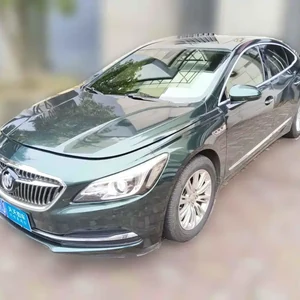
Live Buick Lacrosse export inventory
View all listings →Real units currently on ChinaCarDirect with per-unit asking prices and MOQ. Availability updates live from the catalogue.
How to buy a Buick Lacrosse from China
-
1
Define the destination and duty cycle
Record the destination country, steering-side requirement, import rules, expected annual mileage and the passenger or fleet role. This determines which specifications can be registered and used commercially.
-
2
Shortlist the year, trim and engine
Use the live Lacrosse inventory to compare 20T, 28T, 552T, 652T and 2.4L SIDI applications. Match the powertrain and equipment to the operating requirement rather than selecting by trim name alone.
-
3
Verify each vehicle and listing
Review the photographs, production details, odometer disclosure, VIN availability, ownership status and stated equipment. Ask for additional images or documents where a trim or condition detail is unclear.
-
4
Request an itemized destination quote
Ask for a written quotation based on the exact vehicle, destination and Incoterm. Require clear identification of freight, insurance, handling, taxes, documentation and other exclusions.
-
5
Confirm MOQ, payment and contract terms
Decide whether to request one vehicle or consolidate a shipment, then obtain the seller's applicable MOQ in writing. Record deposit and balance conditions, refund triggers, ownership transfer and the VIN or SKU covered by the agreement.
-
6
Inspect and approve before final payment
Use an independent pre-shipment inspection covering paint, tyres, cabin, engine bay, underbody, VIN and equipment. Tie final payment to the agreed condition and receipt of title and export documents.
-
7
Arrange freight, customs and delivery
Compare container, roll-on/roll-off, consolidated and expedited options against the full landed cost. Confirm insurance, port handling, customs brokerage, destination inspection and carrier availability before shipment.
Lacrosse vs rivals
| Toyota Camry | The Camry's broader international recognition and generally stronger residual expectations can reduce ownership risk, while the Lacrosse may offer more visible comfort equipment for a lower acquisition outlay. Choose the Camry where Toyota support dominates; choose the Lacrosse when value, comfort and Buick positioning justify local support. |
|---|---|
| Honda Accord | The Accord is more driver-focused and offers established hybrid alternatives in many important markets, whereas the Lacrosse prioritizes a formal cabin, rear-seat space and broad equipment. The Accord is often the safer service and residual-value choice; the Lacrosse can suit importers prioritizing comfort and acquisition value. |
| Volkswagen Passat | The Passat appeals to buyers seeking a European design and existing Volkswagen service infrastructure. The Lacrosse offers a distinct Buick comfort character and broad China-sourced trim range, so the better choice depends on local support, residual expectations and the fully landed cost. |
Frequently asked questions
How is Buick Lacrosse export pricing determined, and where can I see the live price?
Pricing is influenced by model year, trim, powertrain, condition, mileage, equipment, currency movements, freight, insurance, documentation, destination taxes and the selected Incoterm. The exact price for each available vehicle appears in ChinaCarDirect's live Lacrosse listings. Buyers should request an itemized quote for the specific unit and destination rather than rely on a general model-level price.
Which engines and powertrains are available on the Buick Lacrosse?
Depending on model year, listings use 20T, 28T, 552T and 652T labels for 2.0-liter turbo applications, with some incorporating 48V mild-hybrid assistance. A separate 2.4L SIDI naturally aspirated branch also appears. Electric range and charging figures do not apply, and the exact engine and transmission pairing should be checked on the individual listing.
Is a new or used Buick Lacrosse better for export?
A new vehicle generally reduces uncertainty about wear, repairs and prior use, which can suit fleet launches and customer-facing roles. A used vehicle may offer better depreciation economics for high-mileage operations, but requires more scrutiny of mileage, condition, title, service history and export documents. The best choice depends on the fleet budget, resale plan and inspection findings.
What is the MOQ when ordering a Buick Lacrosse from China?
MOQ is seller- and shipment-specific rather than a permanent model requirement. A buyer can request a single vehicle or discuss a consolidated order, but should obtain written confirmation of the applicable minimum, unit allocation and mixed-model rules. The live listing and seller quotation should be checked before any deposit is paid.
How long does shipping take, and what determines the cost?
Transit time depends on origin and destination ports, vessel or air schedules, consolidation, customs clearance and destination handling. Cost is driven by the shipping method, vehicle dimensions and weight, fuel and surcharges, insurance, port charges, brokerage, inspection and inland delivery. Compare a door-to-door landed quote rather than freight alone.
Can Buick Lacrosse spare parts be sourced for an exported vehicle?
Parts can be ordered by VIN and exact trim, but compatibility should be confirmed because Chinese-market vehicles may differ from other national specifications in equipment and components. Ask for the relevant parts reference, lead time, interchange options and shipping cost before the fleet is delivered. Stocking common wear items with an initial shipment can reduce downtime.
Is a right-hand-drive Buick Lacrosse available for export?
Most Chinese-market examples are left-hand drive, while right-hand-drive availability can be limited. Buyers should state the destination requirement before selection and have the seller confirm the steering configuration from the VIN and photographs. A local conversion may not satisfy registration, safety, equipment or insurance rules in every country.
How do I order a Buick Lacrosse from China?
Select a vehicle from the live listings, verify its specification and condition, and request an itemized destination quote. Confirm MOQ, payment terms, inspection, ownership documents and shipment responsibilities in a written contract. After final approval, arrange freight, customs clearance, destination inspection and delivery.
Ready to source the Buick Lacrosse?
Request an RFQ with your destination, preferred model year and trim, quantity, and Incoterm to obtain a current, itemized Buick Lacrosse quotation.
Request a quote