
Buick Regal Export Buying Guide for Overseas Buyers
Buick Regal export guide for overseas buyers: compare trims, understand pricing, MOQ, shipping and compliance before placing a China wholesale order.
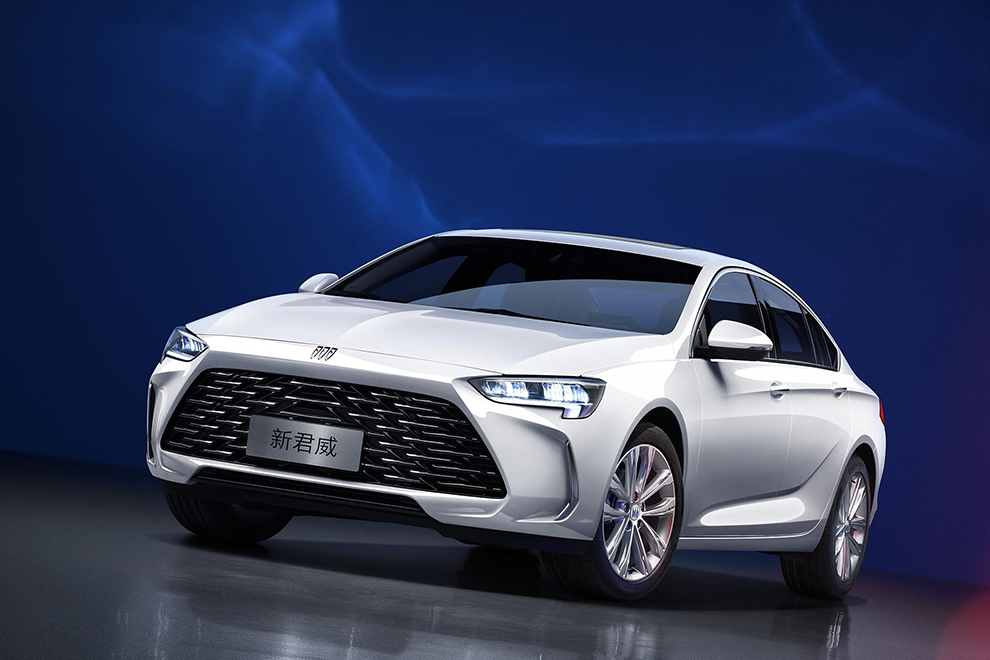
At a glance
- A mid-size Chinese Buick petrol sedan with comfort, technology and GS-oriented versions.
- Engine and equipment must be verified by VIN, not inferred from a trim code.
- Live export quotes vary by unit; landed cost also depends on freight, duties and Incoterms.
- MOQ, steering configuration and destination compliance require written confirmation.
- A Regal fleet works best when imported-parts, inspection and service support are ready.
Why the Buick Regal matters for export markets
The Buick Regal occupies a useful middle ground in the Chinese export catalogue: a mid-size saloon with a Buick badge, a broad selection of petrol-powered versions, and equipment tiers that range from value-oriented trims to comfort and GS performance-focused models. That positioning matters overseas because it offers an alternative to the familiar Japanese and German family sedans without moving into the larger, more expensive executive-car category. For a Buick Regal for export, the appeal is not a single global specification but the breadth of Chinese-market configurations an importer can compare.
Demand is strongest with buyers wanting a comfortable, road-oriented sedan for private customers, chauffeur use, company fleets or regional distribution. Chinese versions can carry infotainment, driver-assistance and comfort equipment, while the GS naming identifies sport-oriented variants that may suit buyers wanting styling and a firmer character. However, demand should not be inferred from badge or trim name alone. Buyers should test whether the vehicle’s dimensions, emissions specification, software, parts support and serviceability suit their destination market. This is important where local rules, service networks and resale expectations differ from China.
For Buick Regal wholesale planning, the Regal should be positioned as a flexible, mid-size Chinese sedan rather than as a single export-only derivative. The same family may include naturally aspirated, turbocharged and differently labelled power versions, so an importer can balance equipment, fuel use and purchase cost without moving to a completely different vehicle class. The practical first step is to separate buyer priorities—price positioning, comfort, performance, fuel economy and after-sales support—then match those priorities to verified per-unit specifications rather than assumptions based on model name or export photographs alone.
- Mid-size saloon below executive sedans.
- Comfort, technology and GS versions.
- Serviceability matters as much as equipment.
Model range, trims and powertrain variants: how the lineup is structured and how to choose
The Chinese-market Regal lineup is best decoded by trim name, engine label and standard-equipment list rather than by a single global specification. Available naming in the export catalogue includes 1.6T, 2.0L, 20T, 25T, 28T, 552T and 652T versions, alongside Leading Tech, Luxury, Premium, Elite, Smart, Comfort and GS grades. The letter T commonly signals turbocharging, but buyers should not assume that a sales code alone confirms output, transmission, battery equipment or emissions compliance. The vehicle identification number and manufacturer data plate remain the controlling references for an export transaction and should be checked before ordering.
Trim choice normally works in three layers. First, choose the power family: a 1.6T or 2.0L version may suit buyers prioritizing lower purchase cost or simpler specification, while 20T, 25T and 28T labels need comparison using official output, tax and emissions data. Second, select the equipment grade, from Smart or Elite-led trims through Premium and Luxury to Ultra Comfort. Third, decide whether the GS visual and dynamic package adds enough appeal for the intended customer. A trim badge is a shorthand, not a substitute for a verified full option list.
The 552T and 652T labels require care because they are market version names, not universal displacement or range descriptions. For a buyer searching for Buick Regal specs, request the VIN, engine designation, transmission type, fuel system, output, emissions standard and equipment sheet for each candidate. Also confirm whether the vehicle is a pure petrol model or carries hybrid assistance. That check prevents a buyer from assuming battery range where none is listed, and it allows fleet operators to compare fuel-use expectations against alternative powertrains without making an unsupported technical claim.
- Verify engine labels by VIN.
- Compare equipment grades and options.
- 552T/652T are version codes.
New vs used Buick Regal: how export inventory is structured and how buyers choose
Chinese export inventory for the Regal is not a pool of identical cars. It can include late-model factory-new vehicles, dealer-prepared cars, ex-display units and previously registered examples offered as used. Market age, trim scarcity, paint condition, mileage and service history all affect classification and value. For a used Buick Regal, the critical distinction is not simply whether the odometer is lower; it is whether the vehicle has been inspected, described and supported with documentation that matches its stated condition. A low reading without records can create more risk than value.
New inventory is preferable where the buyer values known condition, warranty clarity, model-year consistency and presentation. It can simplify fleet onboarding because several cars can be specified in a repeatable configuration. The trade-off is that popular trims, paint choices or equipment packages may be harder to secure, and depreciation begins once the vehicle is registered. Dealer-prepared or ex-display cars can sit between these categories: they may be sold as new while carrying mileage, wear or prior use, so the written condition report and delivery preparation should determine their true value.
The practical method for choosing new versus used is a comparison sheet with matching fields: model year, trim, engine, mileage, service records, paint or repair history, tyres, options, warranty and registration status. Model total cost of ownership rather than acquisition price alone, including freight, import tax, insurance, registration, servicing and expected fuel use. Older examples can suit a price-sensitive buyer with a serviceable vehicle, but check parts availability before committing. A newer car may reduce repair risk yet still lose value faster if import charges and running costs are substantially high.
- Match condition to mileage and history.
- New cars simplify fleet specification.
- Used cars need full inspection.
How export pricing works: the factors behind a live listing price, and how to read one
A live Buick Regal export price is a vehicle quotation, not automatically the landed cost. The unit price can move with model year, trim, engine version, mileage, condition, paint, options and the number of units requested. Currency movements also matter because the Chinese supplier may price in local currency while an importer may settle in dollars, euros or another currency. For buyers using this Buick Regal export price guide, read each quote as a dated offer that must be reconfirmed before payment and shipment, when exchange rates or freight costs move.
To understand a listing, separate cost layers: vehicle and seller margin; export preparation; inland transport; ocean or air freight with insurance; and destination charges such as duty, tax, customs work and local registration. Compare the Incoterm and named place carefully, because EXW, FOB, CIF and delivered terms assign different responsibilities and risk points. A quoted figure can exclude terminal handling, documentation, inspection, storage, demurrage or inland delivery. Ask for an itemized pro forma invoice that identifies the unit, trade terms, payment method, quote validity and every charge included or excluded.
Compare like-for-like cars, not different-looking listings. Put the model year, trim, engine, condition, mileage and option list beside offers, then recalculate each quote in one currency. Clarify whether the displayed amount is a selling price or a cash price before discounts, and whether taxes are included in the vehicle description. Binding figures for each Buick Regal should be taken from the live inventory, while broad market assumptions are only context and cannot replace a written quote. This discipline prevents a lower sticker figure from becoming an expensive landed purchase for the importing buyer.
- Compare equivalent units in one currency.
- Read Incoterm and named place.
- Confirm all charges.
MOQ, ordering and payment: single units vs consolidating a container
Minimum order quantity is a commercial term attached to an offer, not a permanent model feature. Some sellers or offers may accept one unit; others may set a batch requirement, especially when matching several cars to a shipment plan. The live listing’s MOQ field is a useful first reference, but the binding answer belongs in the seller’s written quotation. A buyer intending to purchase one Buick Regal from China should therefore ask for single-unit confirmation, the unit price at that quantity and any container or handling fees before reserving funds.
Ordering one vehicle and filling a container are different workflows. A single-unit purchase may be suitable for a dealer test, company car or customer order, with the vehicle shipped or consolidated with other compatible orders. A fleet purchase can involve units of one specification, reducing variation for staff and maintenance. Where a seller requires a larger batch, a buyer may still request a mixed allocation, but must confirm that the seller will reserve trims, colours and model years and whether mixed units qualify for the same trade terms in writing.
Payment should follow a documented sequence tied to verifiable goods and documents. The pro forma invoice should identify the vehicle or allocation, price, MOQ, currency, Incoterm, deposit and balance terms, readiness date, inspection rights and refund conditions. Confirm the seller’s legal entity, account details and document requirements through the marketplace, not through unsolicited instructions. Use a protected payment method where available, release the balance only after the agreed inspection and shipment evidence, and ensure final handover includes transport, customs and original-sales documents rather than informal promises made in chat messages.
- Verify MOQ in writing.
- Reserve vehicles before balance payment.
- Use protected payment procedures.
Shipping, homologation and market compliance caveats: LHD/RHD and import rules by country
Begin the shipping plan before committing to a unit because the route can change the total cost and the vehicle’s eligibility for registration. A left-hand-drive Chinese car may require conversion for a right-hand-drive destination, with consequences for controls, safety, tax treatment and approval. Parts, paint and wiring can also differ from the local model. Buyers should ask for the steering configuration and equipment, then obtain an import assessment covering age limits, emissions, VIN, safety requirements, customs classification, duty and VAT. Local rules—not the seller’s description—determine admissibility in that country.
Freight choice depends on urgency, quantity and value. Consolidated ocean shipment is the economic choice for multiple cars; roll-on/roll-off, container or break-bulk handling can affect damage protection and loading requirements. Air freight or dedicated vehicle transport may be faster but is less economical. Door-to-door quotations are convenient, yet the buyer should know the port of loading, vessel or carrier, route, insurance coverage, destination terminal, estimated transit and who bears customs clearance. Incoterms set commercial responsibility, not the physical reality, so inspection, damage claims and demurrage still need clearly named owners.
A Chinese-market Regal is not automatically export-ready. Depending on the destination, authorities may require safety, emissions, lighting, noise, cybersecurity or type-approval compliance; aftermarket changes or conversions can affect approval. The importer should confirm whether the exact vehicle is accepted as-is, what modifications are permissible, and whether a conformity certificate, customs release or local technical inspection is needed. Arrange insurance that begins before loading, periodic shipping inspections, port storage planning and a document set. These steps avoid discovering a compliance problem only after payment and shipment and costly corrective work at destination.
- Confirm LHD or RHD before purchase.
- Check emissions and approval.
- Assign customs and inspection duties.
Who should buy the Regal — and who should pick a different vehicle
The Regal suits an overseas dealer or fleet buyer wanting a mid-size petrol sedan with recognizable branding, Chinese-market trims and a choice between comfort-focused and GS-oriented character. It can suit company-car programs, executive transport, permitted ride-hailing, regional mobility projects and customers seeking more equipment than a basic fleet sedan. Its appeal is strongest when the importer understands Chinese specifications, can arrange compliant inspection and shipping, and has realistic local servicing support. It is less compelling to buyers prioritizing maximum fuel efficiency, a known local warranty network or effortless parts availability.
Choose the Regal over a conventional fleet model when its equipment, styling and driver appeal justify import effort. It may attract buyers seeking a comfortable saloon with a more distinctive image than an entry-level Japanese sedan, or importers creating a coherent resale range from several Chinese specifications. Conversely, a buyer focused only on lowest operating cost should compare official fuel-use data, service intervals, tyre availability and residual-value support. Do not assume a hybrid advantage: verify whether an alternative actually provides the efficiency benefit the operating model needs in that market.
A different vehicle is wiser when the importing country has age limits, the target market is dominated by right-hand-drive hybrids with residual values, or the buyer cannot support Chinese documentation and parts logistics. A local combustion sedan or hybrid may be easier to insure, register and maintain, despite the Regal’s specification variety. Before committing, ask the supplier for the VIN, emissions document, steering position and service intervals, and ask local specialists about conformity and ownership costs. This turns a preference into a decision based on deployability, compliance and lifecycle cost.
- Best for comfort, equipment and styling.
- Strong when parts support exists.
- Weaker where hybrid efficiency dominates.
Main rivals and how the Regal compares
The Toyota Camry is an obvious alternative because it occupies the same global mid-size saloon class. Its international presence can simplify parts sourcing, insurance and used-car benchmarking for buyers entering markets with established Toyota support. The Regal, however, may offer a different Chinese specification and equipment proposition, with comfort, technology and GS alternatives worth examining. Which is cheaper depends on the exact vehicle, destination and landed quote; the Camry is generally the safer benchmark for hybrid efficiency and fleet acceptance, while the Regal may be more distinctive for selected importers.
The Honda Accord is a close rival in size, pricing intent and use as a private or company car. It has a familiar global nameplate, and market-specific variants make it useful when buyers prioritize residual values, parts availability or a known ownership experience. The Chinese Regal can offer trim and equipment variety not always mirrored locally. Compare the engine, safety systems, cabin equipment and service package rather than assuming either model is universally superior. The Accord may be the lower-risk resale choice; the Regal may better suit a differentiated range.
The Volkswagen Passat is the third relevant benchmark, especially for fleet and company-car buyers used to a conservative European saloon. Passat availability and specification vary by destination, so direct comparison requires matching model year and equipment. The Regal stands out through Chinese-market comfort and technology content and GS styling, while the Passat’s established badge can be easier to position with mainstream fleet customers. Neither wins automatically: compare engine approvals, boot practicality, fuel use, servicing, safety equipment and landed cost. The suitable rival depends on the buyer’s channel, not badge prestige.
- Toyota Camry: fleet and hybrid benchmark.
- Accord: familiar direct sedan rival.
- Passat: conservative fleet benchmark.
Live Buick Regal export inventory
View all listings →Real units currently on ChinaCarDirect with per-unit asking prices and MOQ. Availability updates live from the catalogue.
How to buy a Buick Regal from China
-
1
Define the buying brief
Set the destination market, preferred steering configuration, trim, equipment priorities, fleet size and the condition acceptable to your customers. Separate the vehicle budget from freight, duty, tax, insurance, registration and local servicing costs.
-
2
Compare the live inventory
Review equivalent Buick Regal listings by model year, trim, engine, condition, mileage, options and MOQ. Treat the live listing as the source for current unit-specific availability and commercial figures.
-
3
Verify the individual vehicle
Request the VIN, manufacturer data plate, engine designation, transmission, output, emissions version, equipment list, service history and condition report. Do not rely on trim-code photographs or descriptions alone.
-
4
Request an itemized quotation
Ask for a written pro forma invoice showing the unit, quantity, MOQ, price, currency, Incoterm, named place, payment milestones, readiness date and included or excluded charges. Ask for an equivalent quotation in your settlement currency.
-
5
Clear destination compliance
Check import age limits, emissions, safety and type-approval requirements, customs classification, taxes, VIN documentation and LHD or RHD rules with the relevant authority or an experienced broker. Resolve modifications before payment.
-
6
Confirm the contract and payment
Verify the seller’s legal entity and account details, then record inspection rights, document requirements, refund conditions and shipment milestones in the sales contract. Use protected payment methods and avoid informal off-platform instructions.
-
7
Arrange inspection and shipment
Confirm pre-shipment inspection, insurance, loading arrangements, transit routing, terminal charges and original-document delivery. After arrival, complete customs clearance, unloading checks, registration steps and an initial mechanical inspection.
Regal vs rivals
| Toyota Camry | The Camry is the safer global benchmark where Toyota parts, servicing and resale support are already established, including for hybrid-focused fleets. The Regal differentiates through Chinese-market comfort, technology and GS versions, but the economic choice depends on the verified unit and landed quote. |
|---|---|
| Honda Accord | The Accord competes directly in the mid-size private- and company-car segment and often benefits from familiar ownership and residual-value support. The Regal may offer broader Chinese specification and equipment variety; compare local service access and exact equipment before selecting one. |
| Volkswagen Passat | The Passat is a conservative fleet benchmark for buyers who prioritize an established European saloon profile. The Regal can offer more Chinese-market comfort and technology content plus GS styling, while the better choice depends on approvals, servicing and total landed cost. |
Frequently asked questions
How is the export price of a Buick Regal determined?
The live figure for each unit reflects its model year, trim, engine, condition, mileage and commercial terms. Exchange rates, freight, insurance, duty, tax and the selected Incoterm can change the landed cost. Current binding prices and MOQ are shown per unit in the live ChinaCarDirect Buick Regal inventory, while a written pro forma invoice should confirm the final quote.
What engine and range should I expect?
The export range includes market labels such as 1.6T, 2.0L, 20T, 25T, 28T, 552T and 652T, but these labels are not universal global specifications. Request the VIN, engine designation, transmission and emissions documents; do not assume battery range or a particular output from a trim code. Petrol range is not a fixed figure because it depends on the verified engine, vehicle condition, driving and local testing.
Are new or used Buick Regals better for export?
New vehicles usually offer clearer condition and warranty positioning, while used examples can reduce purchase cost but add documentation, wear and parts uncertainty. Dealer-prepared or ex-display cars may be classified as new even when they have mileage or prior use. Compare condition reports, service records, accident history, tyres, warranty and registration status for the exact unit.
How does MOQ work when ordering a Buick Regal?
MOQ is set by the seller and offer, not permanently by the Regal model. A single-unit order may be possible, while some sellers require batches; check the listing field and obtain written confirmation of the quantity-specific price. Fleet buyers can request a mixed allocation of trims or colours if the seller will reserve those units under the same terms.
How long does shipping take and what affects the cost?
Shipping time and cost depend on origin and destination ports, carrier schedule, vessel space, consolidation, customs clearance and inland delivery. Ocean freight is generally more economical for multiple cars; air or dedicated transport may reduce transit time but usually costs more. Ask for the routing, loading point, estimated transit, insurance, terminal charges and Incoterm rather than relying on a generic schedule.
Can spare parts be sourced for an exported Buick Regal?
Spare-parts support depends on whether the Chinese specification can be serviced locally and whether common components have a direct equivalent. Ask for a parts list, VIN-based identification and recommended service intervals before ordering, especially for electronics, lighting, driver-assistance systems and trim-specific parts. If local support is weak, factor specialist sourcing and shipping into operating cost.
Is a right-hand-drive Buick Regal available?
Right-hand-drive availability is market- and unit-specific, so do not assume a left-hand-drive Chinese Regal can simply be exported to an RHD market. A conversion can affect cost, safety, conformity, insurance and registration. Search the live listings for the steering configuration and obtain destination-country approval before placing an order.
How do I buy a Buick Regal from China?
To buy a Buick Regal from China, start with the live Buick Regal listings, shortlist equivalent units, request VIN-level documents and a written quote, then clear compliance before payment. The quote should identify the vehicle, MOQ, price, currency, Incoterm, payment milestones, readiness date, documents and inspection rights. Release funds against verified goods and shipment evidence, and use a written sales contract rather than informal assurances.
Ready to source the Buick Regal?
Send a Buick Regal RFQ with your destination, trim, quantity and Incoterm, and request a unit-specific written quote and compliance checklist.
Request a quote