
Buick Verano Export Buying Guide for Overseas Dealers
Buy a Buick Verano from China with clear guidance on 15S and 20T trims, export pricing, MOQ, shipping, compliance, overseas buying risks and practical checks.
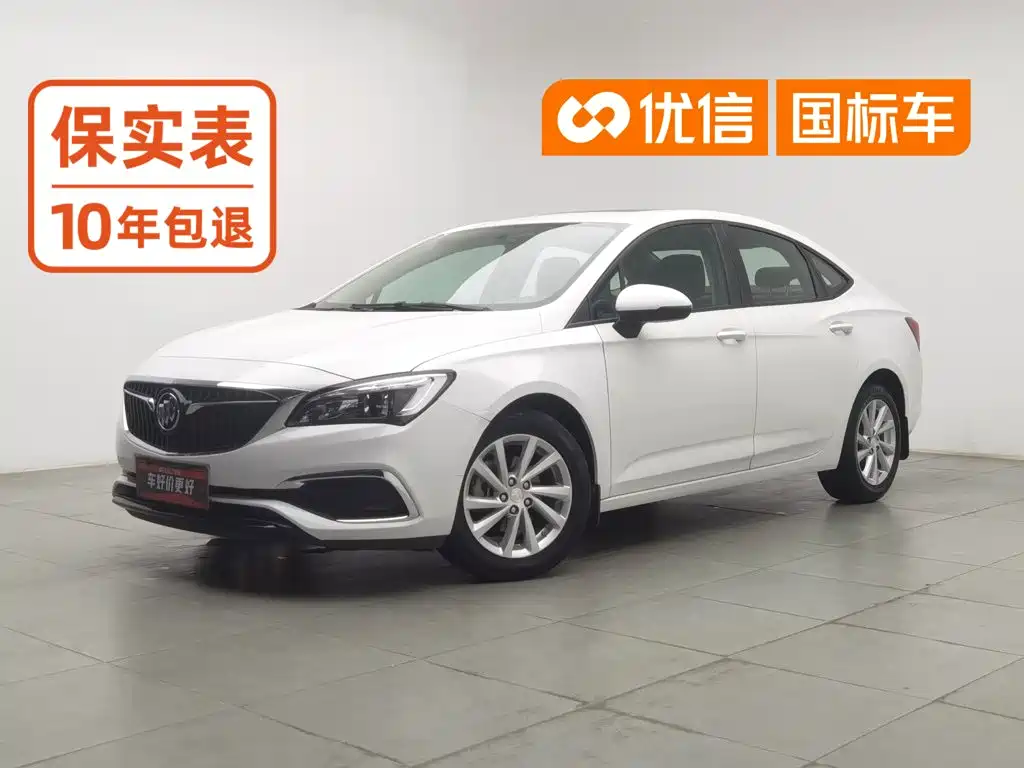
At a glance
- The export-oriented Verano range includes sedan and five-door hatchback forms, depending on model year and trim.
- The 15S naturally aspirated engine prioritizes operating simplicity, while the 20T turbo option adds stronger performance.
- Buick identity, compact packaging, and comfort make the Verano relevant to private buyers, fleets, and smaller dealers.
- Price, MOQ, condition, and availability are unit-specific and should be confirmed in current listings.
- LHD or RHD suitability, homologation, import age rules, and local service support can determine whether a vehicle is viable.
Why the Buick Verano matters for export markets
The Buick Verano occupies an accessible middle ground between a basic family sedan and a premium model. Its appeal for overseas buyers is the combination of a recognized Buick badge, gasoline powertrains, compact dimensions, and a selection that includes sedans and five-door hatchbacks. For a dealer, that can make the Verano easier to position as an upmarket alternative without moving to a luxury model. It is not a halo car; its export value is commercial: familiar proportions, higher perceived value than mainstream brands, and configurations suited to private buyers, ride-hailing, company cars, and fleets.
That positioning works best where Buick is already recognized and where a compact car must balance comfort, operating simplicity, and perceived status. The sedan is the easier choice for distributor programs because its luggage-carrying shape is understood. The hatchback adds loading flexibility for fleet or family use, but local demand may be weaker and parts planning should account for the different body structure. Buyers should not assume recognition creates resale demand; market research should compare the Verano with locally popular compact sedans and hatchbacks before committing display space or a bulk order.
Demand also varies by powertrain preference and import rules. The naturally aspirated 15S is easier to position as a sensible, familiar fleet choice, while the 20T gives dealers a more powerful option for buyers who prioritize acceleration or carrying a higher-grade badge trim. A low-emissions jurisdiction may restrict older Chinese-specification cars even when the mechanical model is sound. Therefore, the Verano is best treated as a market-by-market import product: attractive where compact size, Buick identity, and the selected transmission meet local tax, safety, emissions, and service expectations, and after-sales support.
- Choose sedan or five-door hatchback.
- Match 15S or 20T to the buyer.
- Validate local Buick recognition and service support.
Model range, trims and powertrain variants: how the lineup is structured and how to choose
The export-facing Verano lineup is not simply one specification repeated across markets. Chinese-market listings commonly appear as sedans or five-door hatchbacks and use the 15S and 20T engine labels. Within those families, trim names such as Leading, Progressive, Elite, Luxury Sport, and Passion Sport indicate equipment and positioning rather than a separate platform. The GS label is associated with sport-oriented 20T dual-clutch cars in the available naming. Because production and equipment can change by model year, a trim name should be translated into a feature checklist rather than treated as identical across years.
The 15S is the naturally aspirated gasoline engine family, normally selected when lower mechanical complexity, predictable city running, and an automatic transmission matter more than performance. Some listings also identify a manual 15S, but that should be matched to the buyer's market and fleet operating pattern. The 20T denotes the turbocharged family and appears with dual-clutch, and in one named configuration, CVT transmissions. A dual-clutch car suits drivers who value response and a sportier character, while transmission choice should be judged for local traffic, service capability, and resale expectations.
For a practical comparison, begin with body style, then engine, then transmission, and only then trim equipment. Sedan buyers who carry equipment or travel with luggage may prefer the three-box layout; hatchback buyers gain an opening and flexible rear loading. Progressive and Leading trims should be compared feature by feature, while Elite, Luxury Sport, Passion Sport, and Gale Edition naming may point to equipment or special treatment. Ask for seat upholstery, infotainment, driver-assistance functions, climate control, wheels, and accessories in the live listing, because trim naming alone does not resolve differences or regulatory compatibility.
- 15S favors simplicity; 20T favors performance.
- Automatic, manual, DCT, and CVT options appear.
- Confirm equipment by model year.
New vs used Buick Verano: how export inventory is structured and how buyers choose
A Buick Verano export listing should be read as a configuration record, not simply as “Verano.” The useful fields are model year, sedan or hatchback, 15S or 20T, transmission type, named trim, condition, mileage, factory options, ownership status, export-document availability, and the seller's stated minimum order. The same trim can cover different equipment depending on year, and a newer model year does not guarantee a particular option. This structure lets buyers compare cars like for like while leaving condition, price, and availability to the live inventory rather than an outdated snapshot.
For a vehicle presented as new, assess age, demonstration or storage history, paint and panels, tires, underbody condition, option fit, and documentary completeness. A new designation can simplify warranty, first-service, and fleet-accounting treatment, but it does not remove the need for a pre-delivery inspection. An older model-year new car may already carry depreciation before first registration, improving acquisition value but reducing residual performance. For a used Buick Verano, mileage is only one part: service history, accident repair, engine and transmission condition, cooling, brakes, and consumable-component age also deserve equal attention.
New-versus-used choice should follow the route to market. A dealer reselling quickly may favor recognizable newer configurations, while a fleet operator may accept an older, well-equipped car if inspection and parts planning are disciplined. For used sourcing, require the VIN to match the invoice, registration papers, physical plate, and service records, then verify that the seller can issue the export and ownership documents required at destination. Neither a low listing price nor the word “new” substitutes for evidence; choose the configuration with the lowest verified total operating and compliance risk.
- New does not mean recently registered.
- Used buying starts with VIN-level evidence.
- Inspect condition beyond stated mileage.
How export pricing works: the factors behind a live listing price, and how to read one
An export price is not a market value for the Buick Verano name. It is a unit-specific quote that starts with model year, then reflects body style, 15S or 20T engine, transmission, trim, factory options, condition, and mileage. Supply and demand for a configuration also affect the seller's position. Because values change and are live commercial terms, buyers should open the current Verano listings for the displayed per-unit price and compare the same year, body, engine, transmission, condition, and equipment rather than using an old catalogue figure as a benchmark.
After vehicle-level factors, the commercial quote may also reflect currency movements, seller margin, payment terms, inspection, export documentation, insurance, and the selected Incoterm. FOB, CIF, and delivered pricing place different freight, insurance, and destination-risk responsibilities on the buyer or seller. A listing or preliminary quotation may also exclude ocean freight, terminal handling, customs brokerage, duties, VAT or sales tax, registration, inland delivery, and destination-market charges. Therefore, compare the full landed-cost worksheet, not only the displayed vehicle amount, and establish which party bears delay, damage, and documentation risk before reserving funds.
To read a live listing, save the listing reference and trim, then open its price, MOQ, condition, location, and Incoterm fields together. Ask the seller to confirm whether the amount includes export clearance and shipping documents, whether the car is reserved after deposit, and whether discounts depend on order size. Request a pro forma invoice itemizing the vehicle, options, transport, freight basis, insurance, handling, and bank charges. Treat that invoice, the signed purchase terms, and the inspection record as the binding basis; text alone should not be assumed to fix every charge.
- Compare like-for-like configurations.
- Confirm what the quote includes.
- Build landed cost before payment.
MOQ, ordering and payment: single units vs consolidating a container
Minimum order quantity is a seller or listing term, not a fixed property of the Buick Verano model. Some offers are open to a single vehicle, while other sellers may impose a model-specific allocation, require a minimum batch for a selected specification, or offer better unit economics at a larger quantity. A buyer searching to buy one Buick Verano from China should therefore read the MOQ shown on each live listing and obtain written confirmation before treating the vehicle as available to order. Do not infer a blanket MOQ from a general marketplace page; configuration-level commitments can differ.
A single-unit wholesale purchase can suit a dealer testing local demand, a fleet buyer adding mixed-model cars, or an importer consolidating vehicles from a source. It reduces inventory exposure but offers less protection against unit-specific price changes or a seller's allocation constraints. Container consolidation can improve freight utilization, but it also concentrates capital and makes a damaged car, missing option, or compliance problem more disruptive. Mixed-model loading may fill a container better, yet every vehicle still needs a clear purchase contract, inspection, export file, VIN record, and delivery plan; consolidation should not obscure those controls.
After commercial terms are agreed, the normal ordering sequence is quotation, written specification, pro forma invoice, deposit, production or stock confirmation, pre-shipment inspection, balance payment, document release, and booking. The precise sequence can vary, so the contract should state payment milestones, inspection standard, cancellation terms, and the party responsible for correcting a mismatch. For a larger shipment, approve a loading plan and serial-number list before release, and consider payment protection through a recognized bank or escrow mechanism where available. Confirm whether the seller, consolidator, or freight forwarder will coordinate customs and terminal appointments.
- Read MOQ on each live listing.
- Single units support market testing.
- Consolidation improves freight utilization.
Shipping, homologation and market compliance caveats: LHD/RHD and import rules by country
A vehicle bought from China should be planned as a controlled export chain rather than a simple collection from a port. The process commonly covers seller handover, payment and export clearance, buyer-mandated pre-shipment inspection, loading, ocean or air freight, discharge, destination customs, and final registration. Full-container load, less-than-container load, and air shipment each change cost, handling frequency, and exposure to delay. The chosen Incoterm should define where risk transfers; it does not replace the need to specify insurance, packing, document originals, inspection timing, and who pays demurrage, storage, or return charges if clearance is delayed.
Steering configuration is an early eligibility check. Chinese-market examples are generally left-hand-drive, while some destination markets require or prefer right-hand-drive vehicles. A buyer for an RHD market should ask whether an RHD example is available before placing a non-refundable deposit. Converting a LHD car is not simply a matter of moving the steering wheel: hardware, dashboard connections, lighting, safety systems, and local type approval may be affected, and the work can complicate insurance, registration, parts supply, and resale. For fleet use, confirm whether the destination will accept LHD vehicles rather than assuming conversion is necessary or permitted.
Import permission is decided at the destination and may depend on emissions standard, VIN and age rules, safety and equipment requirements, customs valuation, duties, taxes, and proof of prior ownership. Chinese-specification infotainment, radio systems, software languages, lighting, and driver-assistance functions may not be equivalent to local homologated versions. The buyer should obtain the document set—invoice, packing list, bill of lading or air waybill, export declaration, title or cancellation evidence, VIN and plate records, and maintenance records—and confirm acceptance with a customs broker or vehicle-compliance specialist. Used-car age restrictions and local emissions bans can eliminate otherwise attractive vehicles.
- Check LHD or RHD before deposit.
- Verify local homologation and age rules.
- Match inspection to contract and Incoterm.
Who should buy the Verano — and who should pick a different vehicle
The Buick Verano is most suitable for an overseas dealer or fleet buyer seeking a compact, comfort-oriented car from an established marque rather than an obscure budget model. It can suit private buyers who value Buick recognition, gasoline operation, and a choice of sedan or hatchback packaging. The 15S is the starting point for organizations prioritizing straightforward operation and acquisition cost, while the 20T broadens the offer for buyers who want performance or a sportier trim image. Local Buick awareness remains important, and a strong brand badge cannot substitute for parts and workshop support.
A fleet buyer should match the car to duty. Sedans are easier to standardize and may be more familiar to chauffeurs or rental customers, while the hatchback can improve loading flexibility in hotel, sales, or light-service operations. The Verano is less suitable where buyers require an electric powertrain, elevated ground clearance, severe-duty durability, or the lowest possible acquisition and fuel costs. It is not a luxury flagship; buyers seeking a prestigious rear-seat environment, premium equipment, or advanced driver assistance as standard should compare higher-tier models and verify functions rather than infer them from the Buick name.
A risk-adjusted purchase is important for a used Buick Verano. Inspect the unit rather than relying on photographs, verify service records and title continuity, and budget for tires, brakes, suspension wear, and age-related maintenance. The same discipline applies to an older model-year car presented as new. A buyer without procurement experience should use an inspector and freight forwarder, define acceptance criteria in the contract, and avoid concentrating a first shipment in one trim until local demand is tested. The best Verano buyer understands configuration and market fit, not simply seeks the lowest displayed amount.
- Best for compact comfort and Buick identity.
- 15S fits fleets; 20T fits performance buyers.
- Avoid where EV, clearance, or premium status is required.
Main rivals and how the Verano compares
The closest alternatives vary by destination, but the Hyundai Elantra, Chevrolet Cruze, and Ford Focus are useful benchmarks for compact export buyers. The Elantra emphasizes mainstream sedan packaging, efficient powertrain options, and a broad Hyundai service footprint; it can be the safer commercial choice where the buyer already supports Hyundai vehicles. The Chevrolet Cruze is another familiar compact-sedan comparison, with widespread name recognition in many markets, although its body and engine choices differ across model years. Neither comparison is automatic, because local availability, tax treatment, spare-parts support, and homologation often decide which car is more practical.
The Verano's distinguishing case is the combination of a Buick badge, sedan and hatchback forms in the lineup, and the choice between the 15S and 20T families. Some Buick trims may offer a comfort-focused presentation compared with a mainstream sedan, while GS 20T versions give the model a performance-oriented alternative to the Focus. That breadth can help a dealer serve two buyer groups, but it creates configuration complexity. A buyer should not assume the Verano wins on every criterion; compare the rival's powertrain, equipment, service network, safety approval, and expected resale locally.
When comparing totals, use the same checklist for each model: purchase price method, specification, condition, inspection, freight basis, duties and taxes, registration, parts plan, and warranty support. The Elantra may be preferable for fleet standardization and established support; the Cruze for Chevrolet familiarity; the Focus for a hatchback-led, driver-focused range. The Verano is most persuasive where Buick has dealer recognition and the buyer values its badge and broad Chinese sourcing options without choosing a premium-price vehicle. A short market test—supported by actual local quotations and service feedback—usually gives a better answer than a generic specification sheet.
- Elantra: service familiarity and fleet simplicity.
- Cruze: Chevrolet familiarity in compact sedans.
- Focus: hatchback and driver-focused alternatives.
Live Buick Verano export inventory
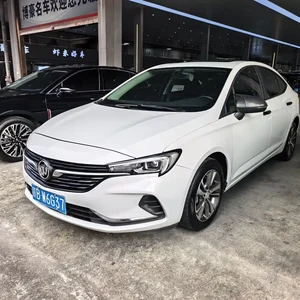
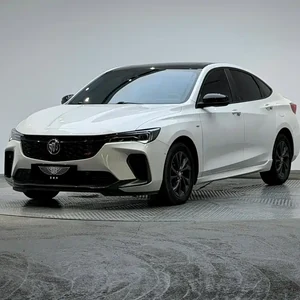
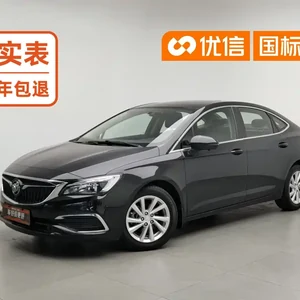
View all listings →Real units currently on ChinaCarDirect with per-unit asking prices and MOQ. Availability updates live from the catalogue.
How to buy a Buick Verano from China
-
1
Define the destination and use case
State the destination country, road conditions, passenger or cargo needs, and whether a sedan or hatchback is required. Then shortlist a 15S or 20T and any transmission preference before reviewing listings.
-
2
Review and compare live units
Use current Verano listings and record the listing ID, model year, body, engine, transmission, trim, condition, options, location, MOQ, and displayed price. Compare equivalent units rather than mixing model years or specifications.
-
3
Request a written specification
Ask the seller to confirm the engine, transmission, equipment, VIN, ownership and export documents, inspection requirements, and which costs are included in the quoted Incoterm. Use the pro forma invoice as the commercial reference.
-
4
Model the landed cost
Build a worksheet from the unit price through inland transport, freight, insurance, handling, customs, duties, taxes, registration, and final delivery. State clearly which party bears each charge and risk.
-
5
Confirm MOQ and payment
Ask whether the current MOQ applies per configuration and whether single-unit or mixed-model orders are permitted. Agree deposit and balance milestones, cancellation, refund, inspection, and title-transfer terms before payment.
-
6
Approve inspection and documents
Use an independent inspector to assess the body, interior, mechanical condition, VIN, options, warning lights, cold start, visible leaks, and maintenance items. Approve shipment release only after documentation or vehicle discrepancies are resolved.
-
7
Book freight and complete import
Select a container, less-than-container, or air approach according to quantity and urgency. Have the forwarder confirm routing, schedule, insurance, Incoterm, ports, customs requirements, RHD suitability, homologation, and registration steps.
Verano vs rivals
| Hyundai Elantra | A direct compact-sedan benchmark with familiar Hyundai service support and efficient powertrain choices. Choose it when fleet standardization and established parts support matter more than Buick-specific branding. |
|---|---|
| Chevrolet Cruze | A mainstream compact-sedan comparison with strong Chevrolet recognition in many export markets. Compare the exact body, engine, condition, and local approval; the Verano's sedan or hatchback breadth and GS 20T options may be the differentiator. |
| Ford Focus | A close hatchback-led alternative for buyers prioritizing sportier character and flexible loading. Where the Focus is locally approved and supported, it may suit buyer tastes better, but market availability and powertrain choices vary. |
Frequently asked questions
How is Buick Verano export pricing determined?
Export pricing is set per unit from model year, body style, trim, engine, transmission, options, condition, and mileage, then adjusted for currency, payment terms, freight, insurance, and Incoterm. The live Verano listings show the current per-unit price and MOQ, while availability must be confirmed for the referenced vehicle. Use the signed pro forma invoice as the binding commercial quote once specifications and landed charges are agreed.
Which Buick Verano engine and transmission options are available?
The lineup includes 15S naturally aspirated and 20T turbocharged gasoline engine families. Depending on model year and trim, listings can identify automatic, manual, dual-clutch, or CVT transmissions. Confirm the exact powertrain, drivetrain, and equipment in the live listing rather than assuming every trim shares one specification.
Is a new or used Buick Verano better for export?
A new vehicle avoids prior wear and can simplify fleet accounting, but an older model year may already have depreciated before registration. A used Verano can offer a lower entry cost, but condition, service history, accident repair, and mechanical wear require stronger inspection. The best choice depends on the buyer's budget, risk tolerance, parts capability, and local resale expectations.
How does MOQ work when buying a Buick Verano from China?
MOQ is set by the seller or individual listing rather than by the Buick Verano model itself. Check the MOQ on each live listing and request written confirmation for the selected configuration. Buyers may be able to purchase one unit or combine vehicles, but that should be agreed before a deposit and should not be assumed from a general marketplace page.
What determines shipping time and cost for an exported Verano?
Shipping cost and timing depend on the origin and destination ports, transport mode, container or vehicle-space availability, route, season, handling requirements, insurance, and the selected Incoterm. Duties, taxes, customs brokerage, and inland delivery can add further landed cost. A freight forwarder should quote the complete route and clarify which charges and risks are included.
How should I plan spare parts for an exported Verano?
Plan parts using the exact VIN, body style, engine, transmission, and model year, because similar trims may not use identical components. Confirm whether the destination has a Buick workshop or a reliable cross-border parts channel, and include common service consumables in the initial operating plan. For uncommon versions, verify availability and lead time before committing to a larger shipment.
Can I buy a right-hand-drive Buick Verano from China?
Chinese-market examples are generally left-hand-drive, while some destinations require or strongly prefer right-hand-drive vehicles. A buyer should request an RHD example and verify its availability before making a non-refundable deposit. Converting an LHD vehicle may affect registration, insurance, safety approval, parts supply, and resale, so it should not be treated as a routine modification.
How do I order a Buick Verano through ChinaCarDirect?
Start with the current Verano listings, select a comparable configuration, and submit an RFQ with the destination, body style, engine, transmission, condition preference, and target quantity. Confirm the written specification, current MOQ, Incoterm, payment milestones, inspection standard, and export documents before paying. After approval and shipment preparation, use a qualified forwarder or broker to complete freight, customs, and local registration.
Ready to source the Buick Verano?
Send your destination, preferred body style, 15S or 20T choice, and target quantity for a current Buick Verano quotation.
Request a quote