
BYD F0 Export Buying Guide for Dealers and Importers
Buy a BYD F0 from China with clear guidance on trims, used condition, export pricing, ordering, shipping, compliance and rival options for overseas buyers.
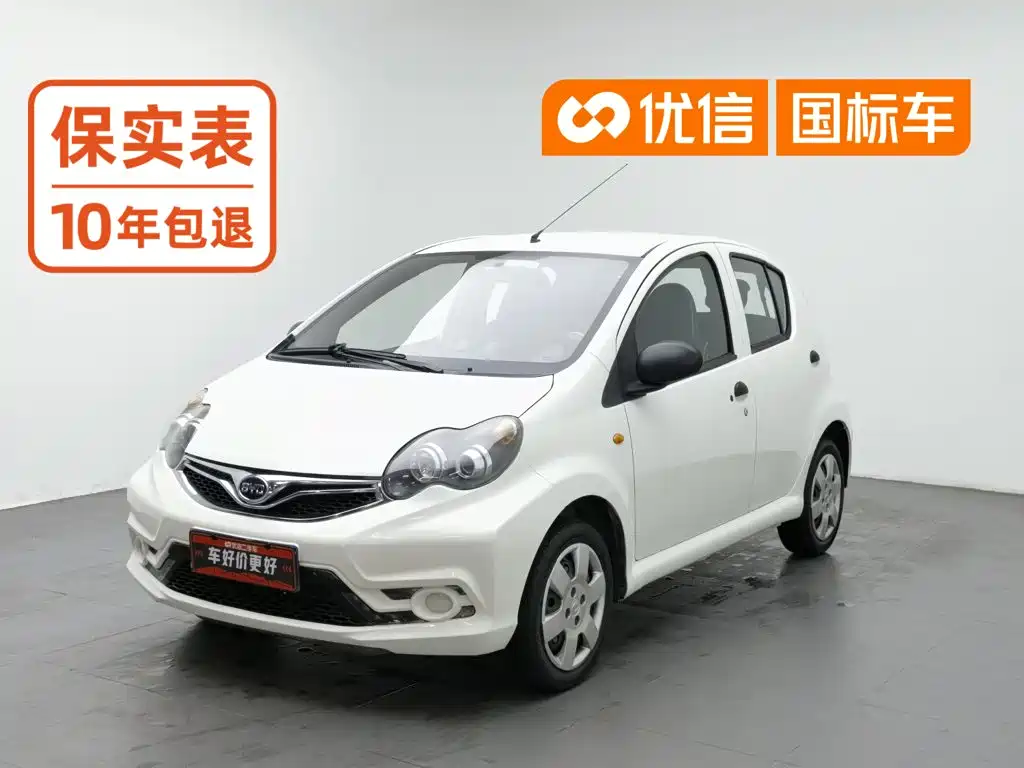
At a glance
- The BYD F0 is a compact petrol city hatchback, not a battery-electric vehicle.
- BYD F0 specs center on a 1.0-litre engine with manual or AMT choices.
- The F0 best suits urban fleets and budget-conscious overseas importers.
- Used-car history, rust and repair evidence deserve more attention than trim wording.
- Confirm LHD or RHD, homologation and landed cost before paying a deposit.
Why the BYD F0 matters for export markets
The BYD F0 is an affordable, ultra-compact city hatchback, not a utility vehicle or a battery-electric car. Its 1.0-litre petrol configuration, five-door layout and small footprint suit urban dealers, commuter fleets and buyers prioritising acquisition cost and easy parking. The model can be especially relevant in dense cities where a large vehicle is inconvenient. Its case is strongest when it will spend most of its life in low-speed urban use rather than frequent motorway travel, where comfort, refinement and outright performance matter less. For overseas trade, evaluate it as a practical fleet asset rather than a lifestyle vehicle.
Global interest in the F0 is driven by operating simplicity and capital efficiency rather than badge appeal. A small petrol car can be easier to insure, fuel and park than a larger vehicle, while a well-maintained used example offers an accessible route into fleet replacement. Dealers can serve budget-conscious private buyers or place the car with ride-hailing, delivery and campus shuttle operations. The strongest candidates are those with verifiable service history, clean title documents and a transmission suited to the local duty cycle; cosmetic novelty alone does not create resale demand.
The F0's export proposition also comes with age-related caveats. Most examples encountered through Chinese vehicle channels are used, so buyers should expect a vehicle designed for a different regulatory and road-maintenance environment than their destination market. That does not make the model unsuitable for export, but it changes the diligence required: check rust, suspension wear, accident repairs, emissions equipment and whether the car has been operated as a high-mileage fleet vehicle. Treat the F0 as a value purchase only when its inspection evidence supports the intended resale or fleet role.
- Urban-first positioning.
- Petrol, manual or AMT.
- Condition diligence is critical.
Model range, trims and powertrain variants: how the lineup is structured and how to choose
The F0 range is built around a 1.0-litre petrol powertrain, with the differences concentrated in transmission type, equipment and trim naming. Listings may use names such as XuanKu, Joyful, Xuan Cool or edition labels, and English translations are not always consistent across export channels. Rather than ranking names alone, compare the exact gearbox, standard equipment, condition and documentation. The AMT versions are automated-manual cars; the non-AMT versions should be identified as manual units from the listing and vehicle photos. Confirm the VIN-linked designation before placing a deposit or arranging freight.
For a buyer, gearbox choice is an operating decision rather than a cosmetic trim decision. An AMT reduces the driver's workload in stop-start traffic and can be attractive for urban fleets, while a manual can suit drivers comfortable with a clutch and may offer a simpler, more conventional service proposition. The hardware still needs inspection: for an AMT, review gear-change quality, clutch engagement and warning behaviour; for a manual, review clutch bite, gear engagement and linkage wear. Neither gearbox choice overrides the importance of maintenance history. Original service evidence matters for either.
Choose the trim by matching equipment to the operating scenario rather than assuming the highest-sounding name is best. City fleet buyers may prioritise air conditioning, ease of use and durable interior trim, while private buyers may care more about options, paint, restraint equipment and presentation. Confirm whether equipment is original, functional and consistent with the trim label. Because listings can mix translated trim names, ask for the model badge, option list and VIN-linked documents. A disciplined VIN and equipment check reduces the risk of paying for a description that does not match the car.
- Check the actual gearbox.
- Match VIN-linked equipment.
- Use specification, not trim name.
New vs used BYD F0: how export inventory is structured and how buyers choose
ChinaCarDirect's live BYD F0 search should be treated as a changing mix of used and new examples rather than a fixed catalogue. The model is primarily encountered as a used vehicle because of its age, while any new stock must be assessed on its own documentation and production status. Do not infer a vehicle's history from the model year or seller label alone. Start with the listing's year, mileage indication, ownership statement, trim, gearbox, photos and service records, then shortlist units that match one target specification. Current unit availability is shown in the live listings.
For a used F0, the most valuable evidence is a coherent history: service invoices align with stated mileage, wear matches the age, accident claims are disclosed, and the VIN is consistent across the listing and paperwork. Inspect panel gaps, paint uniformity, underbody corrosion, suspension bushings, wheel bearings, cooling system and brake condition. A cold start and road test can reveal faults that clean photographs hide. For fleet use, ask about duty cycle, number of previous keepers and whether the vehicle was modified or used for ride-hailing; these factors can affect remaining life.
A new F0 may reduce uncertainty about wear and prior repairs, but it does not automatically provide the lowest total cost, and the model's age makes new stock selective. Compare only equivalent vehicles: a lightly used, documented example can offer a better balance of condition, purchase outlay and known history. Conversely, a new or low-mileage car may suit buyers who value handover condition and predictable servicing. The decision should be based on a documented inspection, a maintenance reserve and the resale expectations of the destination market, not on the words 'new' or 'used' alone.
- Filter the live inventory.
- Reconcile mileage and service history.
- Inspect every used unit.
How export pricing works: the factors behind a live listing price, and how to read one
A BYD F0 export price is a combination of vehicle attributes and transaction costs, not a fixed model-level rate. Model year, trim, manual versus AMT gearbox, mileage, exterior and interior condition, accident or restoration history, service records, options and production relevance all affect the amount a seller will accept. Seller confidence, ownership documentation and the number of suitable alternatives can also influence the ask. For used imports, rust, engine condition and transmission repair history may matter more than cosmetic differences. Compare equivalent units and request the reason for any price movement rather than assuming every listing follows the same formula.
Freight and trade terms can be as important as the vehicle price. The final landed cost may include export handling, inland transport, ocean or air freight, insurance, destination charges, customs duties, taxes and dealer margin. The Incoterm determines where responsibility passes between seller and buyer, but it does not automatically include every charge in the destination country. Ask for a quotation that states the port or airport, transport mode, insurance scope, documentation fee and whether duties and taxes are excluded. This avoids comparing a vehicle-only figure with an all-in delivered offer.
To read a live listing, separate the vehicle ask from the landed estimate and verify which fields are populated. Check whether the displayed amount includes domestic Chinese charges, export preparation or freight; the listing may only show the seller's basis for comparison. Review the unit's year and specification against the photos, then ask for the VIN, a condition report and an itemised quote. ChinaCarDirect's live F0 inventory carries the current per-unit numbers; use those pages for binding price and availability, then recalculate your budget after freight, tax and compliance costs.
- Compare equivalent vehicles.
- Separate vehicle and freight costs.
- Read the live unit quote.
MOQ, ordering and payment: single units vs consolidating a container
For BYD F0 wholesale planning, MOQ is a negotiation and platform-setting question, not something to assume from the model name. A live listing may accept a single vehicle, while some sellers or shipment plans may apply a lot requirement, particularly when arranging a container or combining several units. Confirm the minimum order quantity attached to the selected listing and whether it changes after negotiation. For a first transaction, a single-unit purchase can reduce inventory exposure and allow the importer to test demand, repairs and local homologation before committing to a larger programme. The purchaser's quantity should be written into the pro forma invoice.
Consolidating several F0 units can improve freight efficiency and give a dealer better purchasing terms, but it concentrates risk. A mixed container may include different years, trims and gearbox types, complicating spare-parts planning, insurance valuation and customer presentation. If the objective is a repeatable fleet programme, specify one build standard, colour tolerance, key quantity, document pack and acceptance rule before release. Keep enough budget for port handling, inspections and pre-delivery work; the vehicle purchase is rarely the only cash requirement. Freight savings should be tested against slower access to each unit and the cash tied up in stock.
Payment structure should follow the shipping sequence and the seller's identity. A typical workflow uses a signed pro forma invoice, an agreed deposit, balance payment against agreed milestones, and release of original documents or shipment evidence. Confirm the accepted payment method, account beneficiary, refund terms, title status and what happens if inspection or shipping documents fail. Keep copies of the specification, VIN, condition report, commercial invoice, packing list and correspondence. For a first order, an independent pre-shipment inspection and clear release conditions are more valuable than a small saving from an ambiguous payment request.
- Confirm listing-specific MOQ.
- Define inspection release terms.
- Put all terms on the invoice.
Shipping, homologation and market compliance caveats: LHD/RHD and import rules by country
Steering configuration is an early gate, not a closing formality. The F0 is principally associated with the Chinese left-hand-drive market, so a right-hand-drive requirement should be checked on the individual live listing rather than assumed from the model name. If the destination fleet only accepts RHD, reject an LHD car before purchase unless local conversion is lawful, practical and included in the budget. Mechanical conversion can affect geometry, safety, registration and parts availability. For either configuration, confirm the destination's minimum age, inspection, emissions, noise and equipment rules before treating the vehicle as commercially deliverable.
Import requirements differ by country, so compliance must be verified with a local customs broker or vehicle-homologation specialist. The importer may need a VIN check, customs classification, proof of ownership, emissions evidence, roadworthiness testing, an inspection certificate, approved lighting, mirrors, restraints and sometimes a local conformity approval. Duties, taxes, registration fees and age restrictions can outweigh the purchase price for an older car. Do not assume that Chinese-market approval permits registration elsewhere, and do not ship assuming paperwork can be corrected; unresolved holds can create storage and return costs.
Plan the physical export as carefully as the legal file. Confirm whether the vehicle will travel by Ro-Ro, container or air, and ask the forwarder how it will be secured, protected from moisture and inspected for leaks or movement damage. Used vehicles should be checked for water ingress, broken seals and corrosion before loading. At destination, arrange customs clearance, port extraction, PDI and local registration before the vehicle is offered to customers. An experienced specialist familiar with small Chinese city cars is valuable because loading straps, battery isolation and port clearance can affect damage and cost.
- Verify steering configuration.
- Check local homologation.
- Inspect before loading.
Who should buy the F0 — and who should pick a different vehicle
The F0 fits buyers whose core requirement is inexpensive, uncomplicated urban transport. It is a sensible candidate for city-based used-car dealers, small rental fleets, last-mile delivery operators, campus shuttle buyers and cost-conscious private importers. It also works as a low-cost display or shuttle vehicle when appearance is secondary to ease of use. The model can be particularly attractive where roads are congested and parking space is scarce. The business case should include conservative running-cost assumptions, realistic residual values and a maintenance budget, because low purchase cost alone does not guarantee low cost per kilometre.
Choose the F0 when a manual or AMT vehicle can meet local driving expectations and when parts support is accessible. An urban duty cycle reduces stress on the powertrain, and a documented service history makes a used example easier to manage. Fleets should standardise on one gearbox and trim where possible, simplifying driver familiarisation, key management and parts ordering. For dealer programmes, small mixed batches can be used to gauge price resistance before scaling. This staged approach is more prudent than buying a large container based solely on the assumption that low acquisition cost will guarantee quick turnover at the destination.
Pick a different vehicle when the mission requires modern crash-safety credentials, stronger highway performance, a larger boot, electrified driving, a long warranty or predictable residual values. Older Chinese microcars may lack the restraint, stability and pedestrian-protection systems expected in newer markets, and local inspection rules can expose those differences. Buyers seeking an EV should choose a battery-electric model with verified usable range and charging compatibility, not a combustion F0. High-mileage fleet work or harsh climates also call for newer vehicles with stronger corrosion protection, warranty support and established parts networks. A replacement is often cheaper than remediation after import.
- Best for city fleets.
- Weak for modern safety.
- Not an EV substitute.
Main rivals and how the F0 compares
The closest historical rivals are the Chery QQ and Geely CK, both small Chinese petrol hatchbacks competing on low purchase cost, simple engineering and limited road presence. The Chery QQ generally offers an established budget-city-car proposition, while the Geely CK trades basic packaging and modest performance for straightforward ownership. Against either, the F0's advantage is its long-established export visibility and awareness among used-car buyers, but age and condition can expose it to the same rust, parts and resale-value risks. Compare these cars on condition and support rather than brochure-era new prices. Neither badge eliminates destination-market compliance.
The Kia Picanto represents a newer, more internationally developed alternative. It is generally better aligned with modern safety expectations, global homologation and established RHD supply, which can reduce conversion and compliance uncertainty. It does not necessarily offer the lowest acquisition cost for an older Chinese import, and its parts and resale network depends on the destination. The F0 is more compelling when capital cost dominates and local mechanics can support an ageing platform. The Picanto is stronger when safety, refinement, warranty and turn-around residual value carry more weight for the buyer.
Use a consistent comparison worksheet: inspect equivalent vehicles, verify engine and gearbox condition, compare dimensions and equipment, estimate landed cost, and check local registration before ranking options. The F0 should win only if its verified condition and all-in economics leave room for repairs, compliance and resale. A rival with a cleaner history, easier parts access or lower compliance burden may produce the better commercial result even if its vehicle price is higher. Review current BYD F0 options on ChinaCarDirect, then request a quote for the VIN and destination. That unit-specific check is more reliable than any broad model comparison.
- QQ: direct budget rival.
- CK: simple domestic alternative.
- Picanto: newer global option.
Live BYD F0 export inventory
View all listings →Real units currently on ChinaCarDirect with per-unit asking prices and MOQ. Availability updates live from the catalogue.
How to buy a BYD F0 from China
-
1
Define the target specification
Set the destination, steering requirement, budget method, intended duty cycle and preferred gearbox before selecting a vehicle. Decide whether the priority is low acquisition cost, easier operation, a modern cabin or fleet-standardisation.
-
2
Search the live BYD F0 inventory
Use the BYD F0 search to shortlist vehicles by year, trim, gearbox, condition and mileage indication. Review the current per-unit price and availability directly on each live listing.
-
3
Verify identity and history
Request the VIN, registration document, ownership statement, service invoices and clear photographs of the model badge and options. Reconcile the information with the listing description.
-
4
Commission an independent inspection
Arrange a pre-purchase or pre-shipment inspection covering the engine, transmission, brakes, suspension, underbody, accident evidence and fluid condition. For an AMT, include a road test of clutch engagement and gear changes.
-
5
Request a landed quotation
Ask for an itemised written quote stating the Incoterm, named port or airport, transport mode, insurance scope, documentation charges and treatment of duties and taxes. Compare the total landed cost, not only the vehicle ask.
-
6
Lock the order and payment terms
Confirm the listing-specific MOQ, refund conditions, deposit, balance-payment milestone and documents to be released. Record the agreed VIN, specification, inspection standard and quantity in the pro forma invoice.
-
7
Ship, clear and release the vehicle
Use an experienced export forwarder, arrange customs clearance and destination PDI, and complete local registration before sale or fleet deployment. Retain the inspection, shipping, customs and registration files for future buyers.
F0 vs rivals
| Chery QQ | The QQ is a close budget-sized Chinese microcar rival with a similar urban and low-cost role. The F0 may have greater used-export visibility in some markets, but age, corrosion, parts support and local homologation should receive equal scrutiny. |
|---|---|
| Geely CK | The CK is an even simpler historical alternative for buyers prioritising basic transportation and low entry cost. The F0 has broader modern used-market recognition, but neither model offers the global safety and warranty infrastructure of a newer vehicle. |
| Kia Picanto | The Picanto is a newer international rival with stronger alignment to modern safety expectations and established RHD supply. It may reduce compliance uncertainty, while the F0 can suit buyers whose decision is driven mainly by capital cost and local repair familiarity. |
Frequently asked questions
How is BYD F0 export pricing determined?
The live per-unit price is influenced by year, trim, gearbox, mileage, condition, repair history, service records, options and title documentation. Freight, insurance, duties, taxes and the chosen Incoterm affect the landed cost. Check the live F0 listings for the current vehicle price, then request an itemised destination-specific quotation.
What engine, transmission and range does the BYD F0 have?
The F0 in this market uses a 1.0-litre petrol engine, with a manual or AMT depending on the trim. It is not a battery-electric model, so EV range, traction-battery capacity and charging figures do not apply. Confirm output, consumption and dimensions against the exact live listing.
Should I buy a new or used BYD F0?
A used F0 offers a broader selection and may provide better value when its service history and condition are well documented. A new or low-mileage example can reduce uncertainty but should be compared on the same equipment and specification. The better choice depends on inspection evidence, maintenance reserves and local resale expectations.
How does MOQ work when buying BYD F0 wholesale?
MOQ is set by the selected seller or shipment arrangement and must be confirmed for each live listing. Some transactions may permit a single unit, while container plans may require a lot or consolidated order. Put the agreed quantity, specification and release conditions in the pro forma invoice.
What determines shipping time and cost for a BYD F0?
Shipping cost and timing depend on the origin port, destination, transport mode, unit size, freight market, insurance, documentation and destination charges. Ro-Ro or container shipment is normally more economical than air freight for a vehicle. Obtain a current forwarder quotation before treating the vehicle price as a landed budget.
Can I obtain spare parts for the BYD F0?
Parts availability depends on the exact trim, gearbox and production year, as well as the importing country's distributor network. Ask the seller for known reference numbers and confirm that common service items are available before purchase. For fleet programmes, standardize components where possible and include spare-parts planning in the import budget.
Is a right-hand-drive BYD F0 available for export?
The F0 is principally associated with the Chinese left-hand-drive market, so RHD availability should never be assumed. Check the steering configuration of each live unit and confirm the destination's registration rules before paying. A local conversion may be possible, but it can add cost and affect safety, geometry and parts availability.
How do I order a BYD F0 from China?
Select and verify a unit through the live BYD F0 listings, then request a VIN-specific quotation covering specification, MOQ, payment milestones and freight terms. Use a pro forma invoice, independent inspection and written release conditions. Complete payment, export preparation, shipping, customs clearance and destination registration according to the agreed plan.
Ready to source the BYD F0?
Send ChinaCarDirect your target BYD F0 specification, destination, steering requirement and quantity for a unit-specific export quotation.
Request a quote