
BYD F3 Export Buying Guide for Overseas Dealers
Buy a BYD F3 from China with confidence: compare used trims, 1.5L engines, export pricing factors, shipping, compliance and main rivals before ordering.
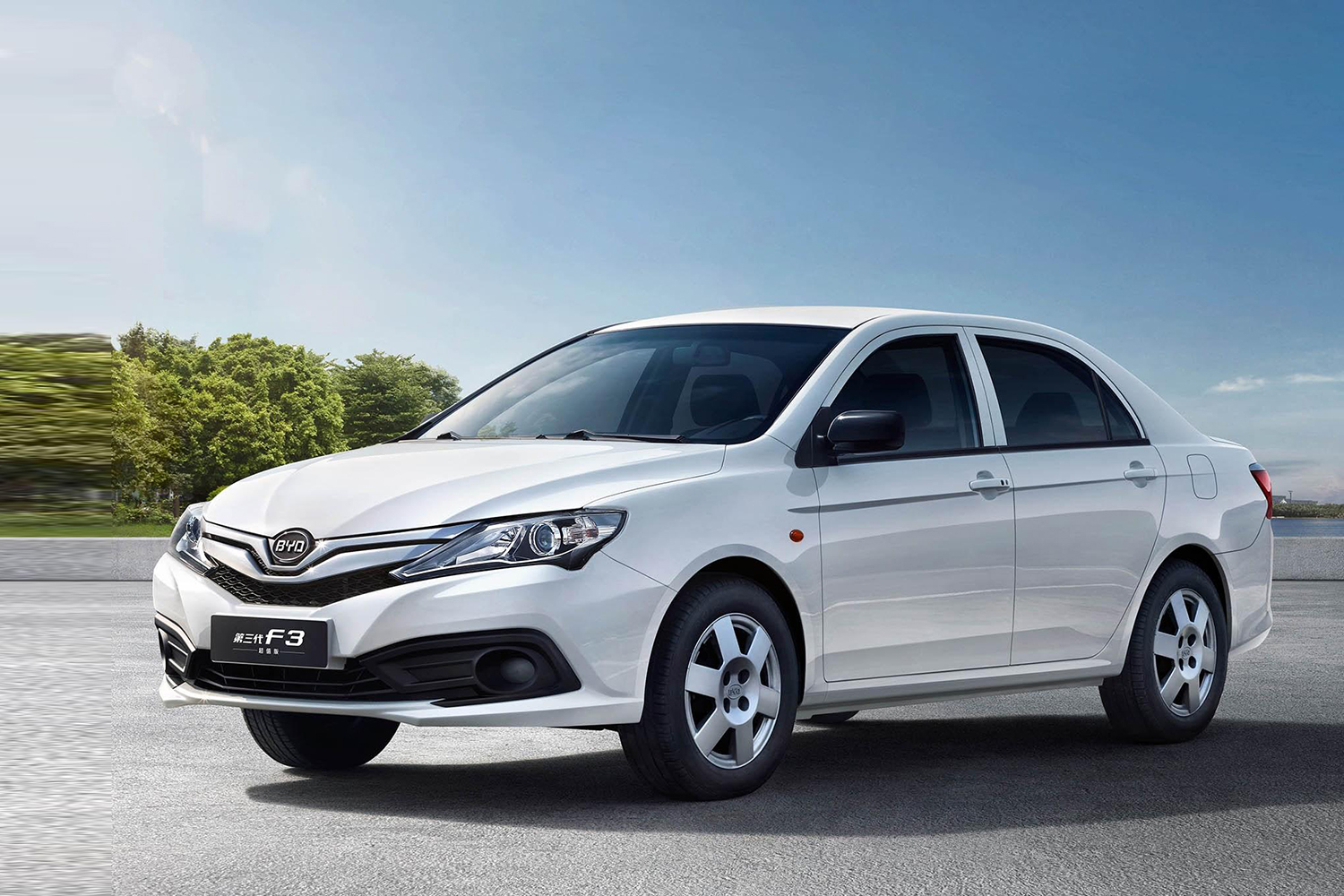
At a glance
- The F3 is a compact 1.5L petrol sedan suited to straightforward fleet and distributor needs.
- Manual and automatic versions span Classic, Value, Comfort, Luxury, Elite and Platinum trim labels.
- Energy-Saving wording describes an efficiency-oriented trim, not battery-electric range.
- Used-unit selection depends more on service history, inspection and documents than model-year prestige.
- Landed cost, RHD availability, emissions compliance and parts support determine export suitability.
Why the BYD F3 matters for export markets
The BYD F3 is a compact petrol sedan built around a practical proposition: straightforward transportation, a familiar 1.5L mechanical layout and a comparatively accessible entry into Chinese vehicle supply. For overseas dealers and fleet buyers, its value is rarely about prestige or the newest technology. It is about finding a legible sedan that can be inspected, exported and deployed where durable, economical vehicles are in demand. That makes the F3 relevant to replacement fleets, local driving schools, taxi or ride-hailing operations, and distributors serving price-sensitive commercial customers with clear parts and servicing requirements.
Demand for this type of car is strongest where buyers prioritize operating cost, familiarity and repairability over latest cabin technology. The F3’s long-running Chinese-market presence gives buyers a large base of experience with its service routines, while its conventional engine-and-transmission format avoids the charging-network and battery-support issues that accompany electrified vehicles. That does not make it automatically suitable for every market, but it gives fleet operators a useful baseline: a vehicle class already understood by drivers, workshops and parts channels, subject to local safety and emissions rules before individual units are imported.
Export buyers should nevertheless separate global usefulness from regulatory readiness. A Chinese-market F3 may differ from other-market configurations in safety equipment, emissions tuning, lighting, instrumentation and homologation. Its appeal is therefore strongest in destinations that can lawfully accept the specification being offered and where the importer has a realistic maintenance plan. For a distributor, the key question is not simply whether the model is popular in China, but whether each vehicle can be registered, insured, maintained and resold profitably after every import and compliance cost is included.
- Value-focused fleet applications.
- Straightforward 1.5L petrol format.
- Local registration rules apply.
Model range, trims and powertrain variants: how the lineup is structured and how to choose
The export-relevant F3 lineup is structured around 1.5L petrol engines with manual or automatic transmissions, then divided into descriptive trim labels such as Classic, Value, Comfort, Luxury, Elite and Platinum. Some cars carry Energy-Saving or Energy-Efficient wording. For this model, those labels should be read as trim or efficiency designations, not evidence of a battery-electric powertrain. Names also come from Chinese-market configurations and may not correspond one-for-one with trim names used elsewhere. Buyers should compare the actual equipment list rather than treating the badge as a complete specification or a guarantee of condition.
Transmission choice is often more useful to a fleet buyer than cosmetic equipment. A manual can suit drivers familiar with it, intensive use and markets where self-service maintenance matters; an automatic may reduce workload in congested traffic or where manual skills are less common. Available F3 records include both, but the mix changes by unit, year and seller. Manuals and automatics can differ in service requirements and wear, so match the transmission to the duty cycle and confirm that the gearbox is covered by the inspection and documented repair history for the vehicle.
Equipment priorities should reflect the mission. For commercial drivers, durable upholstery, working climate control, straightforward controls and reliable core systems may matter more than alloy wheels or decorative trim. For private buyers, comfort features, audio, convenience and the availability of parts for the exact variant become more important. Automatic Luxury, Manual Luxury and Comfort versions may be attractive when a listing is properly documented, but a higher trim can carry higher repair exposure if specialty components are harder to source. The correct choice is the best-supported vehicle, not automatically the most decorated one.
- Verify engine and gearbox.
- Energy labels are not EV proof.
- Match trim to duty cycle.
New vs used BYD F3: how export inventory is structured and how buyers choose
For export buyers, the F3 is principally encountered as a used vehicle, so condition becomes the central selection criterion. Its age and specification spread make individual histories more useful than broad model years. A low-mileage car with a complete service record can have different commercial value from an equally clean-looking example with uncertain ownership or missing documents. Used export inventory is fragmented by year, trim, transmission, seller and location, so each unit represents a separate purchasing decision. It also lets a buyer target a particular transmission and trim without waiting for a new production allocation. Check the live inventory for the condition, location and sale status of each available unit.
New-car benefits—factory warranty, confirmed delivery history and known production specification—can be attractive, but a buyer should not assume that every F3 listing is new or that new inventory will match a required market. A used BYD F3 can be more rational when its documents, inspection and serviceability are stronger than an available alternative. Conversely, a used unit may be unsuitable for a new fleet if its wear is inconsistent or no credible repair history can be produced. Condition evidence should outweigh age labels, seller photographs and the presentation of a listing.
A disciplined used-car inspection should cover identity and ownership documents, VIN matching, service history, engine and transmission operation, steering and braking, suspension, tyres, air conditioning, electrical equipment, body structure, corrosion and evidence of accident repair. Ask for cold-start and road-test observations, OBD scan results where available, and close photographs of the underbody, engine bay and interior. For fleet use, also review cooling-system condition, brake wear, seat durability and suitability of the tyre specification. A pre-purchase inspection by an independent local specialist is a sensible control against distance and seller-selected photographs that may hide defects.
- Verified service history matters.
- Inspect before payment.
- Match VIN and ownership documents.
How export pricing works: the factors behind a live listing price, and how to read one
A live BYD F3 export price is the outcome of several variables, not a fixed model-level rate. The vehicle’s year, trim, transmission, mileage, condition, repair history, ownership documents and readiness for loading all influence the seller’s starting point. Comparison currency also matters: an overseas buyer’s total cost can move when the renminbi, local currency or dollar exchange rate changes. Freight, marine insurance, origin charges, destination handling and port fees may be quoted separately. Buyers should distinguish the vehicle’s sale price from the complete landed cost before comparing supplier offers on a like-for-like basis.
Read each listing as a unit-level commercial proposal. Confirm the stated year, exact trim, gearbox type, odometer reading, condition notes, export documents, vehicle location and whether the displayed amount is an asking price, a deposit, or subject to negotiation. Then examine which costs are included in the Incoterm and which remain the importer’s responsibility. The same F3 description can produce different economics if one vehicle needs refurbishment, another has recent tires and service, and a third is not yet road-ready. Normalize those differences before deciding that one quote is better than another.
The most useful comparison is a worksheet showing vehicle price, inspection and repairs, inland transport, export documentation, freight, insurance, customs duties, taxes and destination charges. Some figures cannot be finalized until the VIN, destination and delivery term are known, so ask for a written quotation with validity, payment milestones and exclusions. If the seller is not responsible for import clearance, state that clearly. Live listings on ChinaCarDirect show the current per-unit price and availability, while a binding quote should be confirmed for the exact vehicle and route. A low asking price can still be expensive after condition and logistics are priced.
- Compare total landed cost.
- Read Incoterm inclusions.
- Request written unit quotes.
MOQ, ordering and payment: single units vs consolidating a container
Minimum order quantity should be checked on each live listing rather than assumed for the F3 model. Some export marketplaces allow an individual used car to be purchased, while a wholesale program intended for container consolidation may set a larger commitment for a particular seller or batch. One-unit purchasing suits a test fleet, replacement order or importer validating residual demand. A consolidated order suits a distributor able to manage more vehicles, shared freight and onward sales. The question is whether per-vehicle logistics savings exceed the extra capital, storage and risk from holding several units before sale.
When ordering, align vehicle selection, payment terms and release documents before funds are committed. The purchase contract should identify the VIN or agreed selection criteria, trim, transmission, condition standard, sale price, Incoterm, inspection rights, deposit, balance trigger, export documents and the process if the vehicle fails inspection or cannot be loaded. Confirm which party holds title, whether payment is protected by an agreed escrow arrangement, and what refund or cancellation conditions apply. Never rely on a generic catalogue promise for a used vehicle: acceptance criteria should be written against the actual unit and inspection report.
Container consolidation changes the buying workflow. The importer must coordinate several VINs, trim mixes, inspection appointments, payment releases, export declarations and loading instructions, then maintain inventory while the vessel moves. Mixed transmissions or condition standards can complicate resale planning, so batch purchasing should follow a clear allocation rule rather than opportunistic accumulation. Freight is usually easier to understand per container, yet demurrage, storage, financing and unsold stock can erase the apparent saving. Model the full cash cycle, including expected sales time and who bears risk if a vehicle is rejected, damaged in transit or fails destination inspection.
- Check listing-specific MOQ.
- Define inspection and refund terms.
- Model storage and demurrage.
Shipping, homologation and market compliance caveats: LHD/RHD and import rules by country
Sea freight is generally the practical default for exporting a complete F3, using a roll-on/roll-off vessel or container service according to origin, destination and available sailing. The vehicle can be loaded early if operational rules permit, but congestion, customs holds, missed bookings, weather, transshipment and terminal handling can change the schedule. Ocean freight is usually more economical than moving a whole car by air, while Ro-Ro handling may simplify loading compared with driving the car into a container. Any quote should state the loading and destination ports, sailing frequency, free-time limits, insurance and excluded charges.
Steering configuration is a critical pre-purchase check. Chinese-market vehicles are commonly encountered with left-hand drive, but left- and right-hand-drive availability can vary by year, trim and source market; neither should be assumed from the model name. A right-hand-drive conversion may alter cost, warranty, parts lead time, registration and safety conformity, and an informal conversion can create import problems. Ask for the VIN, steering position and supporting documents, then verify the configuration with the destination authority. Where no compliant RHD example is available, professional local conversion may be more realistic than claiming the car was originally RHD.
Import eligibility must be checked country by country. Relevant rules can cover vehicle age, emissions standard, safety equipment, roadworthiness, customs valuation, duties, taxes, VAT, registration, local authorization and proof of ownership. A Chinese F3 may need an emissions certificate, customs clearance and a roadworthiness inspection before local registration. Do not assume that a vehicle exported from China is homologated for another market. Buyers should engage a destination-side customs broker or compliance specialist early, provide the VIN and vehicle documents for a pre-clearance assessment, and preserve evidence of modifications or conversions before shipment.
- Verify VIN and steering side.
- Pre-clear destination compliance.
- Allow for terminal delays.
Who should buy the F3 — and who should pick a different vehicle
The F3 is a strong candidate for a cost-conscious importer that understands Chinese sedans, can inspect vehicles quickly and has a realistic parts plan. It can suit a fleet operator replacing older cars, a dealer testing a lower-cost segment or a workshop equipped to service petrol vehicles. Its straightforward mechanical format can make ownership easier to explain to drivers and technicians. The case is strongest where affordability and uptime matter more than new driver aids, software, warranty or premium resale image, and where the importer can control quality one vehicle at a time.
It is a weaker choice for buyers who require a factory warranty on every vehicle, the latest crash-warning and driver-assistance systems, a modern infotainment interface or predictable premium resale values. An older F3 may also be difficult to justify where imported used cars face strict age limits, a national emissions standard excludes the exact version, or spare-part lead times are long. High-mileage examples can be economical to acquire but expensive to operate if tyres, suspension, cooling or transmission work is due. Compare a documented lower-risk unit with the full maintenance reserve, not just the acquisition figure.
Used-car status also changes the financing and risk calculation. Banks, leasing companies or fleet-credit providers in some markets restrict older imported vehicles, while insurers may use age, condition or steering configuration in underwriting. Obtain feedback on financing, registration and expected resale before committing to a larger batch. For parts, identify engine, transmission, brake, electrical and body references from the VIN before shipment; electronic modules and model-specific climate-control parts can take longer than wear items. A supplier with an established parts channel and access to Chinese technical information reduces downtime, but maintain a small critical-spares buffer for high-use vehicles.
- Strong for value-led fleets.
- Weaker for premium tech buyers.
- Validate financing and parts support.
Main rivals and how the F3 compares
The closest global alternatives depend on the market, but three useful benchmarks are the Toyota Corolla, Hyundai Elantra and Honda Civic. All are compact sedans, yet each represents a different buying proposition. The Corolla generally benefits from newer generations, broad international service recognition and, in some markets, hybrid choices. The Elantra emphasizes modern styling, efficiency and a newer feature set, while the Civic generally places more emphasis on refinement and driving engagement. These comparisons concern product positioning; an imported used F3 should still be judged against the exact age, condition and specification of the local rival.
Against the Corolla, the F3 may offer a more accessible route to a basic Chinese sedan, but the Corolla’s wider global recognition and parts and residual-value ecosystem can reduce long-term risk. Against the Elantra, the F3 is generally older and less technologically advanced, so it should win only when acquisition and operating costs are clearly favorable. The Civic tends to appeal to buyers who value a more engaging driving character and better cabin refinement, not fleets seeking the simplest purchase. For all three, compare landed cost, warranty support and real-world running costs.
A useful shortlist starts with the F3’s strongest use cases: value-focused fleet replacement, a dealer’s entry into Chinese sedans, or a market familiar with the model. It also applies a rejection test: if the required RHD configuration is unavailable, parts support is weak, local age or emissions rules exclude the car, or a new-unit alternative offers stronger warranty economics, the F3 should not proceed. Compare direct rivals against a specific budget and use case. The best vehicle is not simply the oldest or newest badge; it is the one whose compliance, maintenance and resale assumptions remain credible after shipping.
- Compare total ownership cost.
- Weigh support against acquisition value.
- Reject noncompliant options.
Live BYD F3 export inventory
View all listings →Real units currently on ChinaCarDirect with per-unit asking prices and MOQ. Availability updates live from the catalogue.
How to buy a BYD F3 from China
-
1
Define the destination and use case
Record the destination, steering requirement, duty cycle, budget and expected annual mileage. Ask a local compliance specialist to screen age, emissions, safety, customs and registration requirements before selecting a vehicle.
-
2
Shortlist the right F3 specification
Filter the live inventory by 1.5L engine, manual or automatic transmission, trim, condition and location. Treat Classic, Comfort, Luxury, Elite, Platinum and energy-saving labels as prompts for equipment verification, not complete specifications.
-
3
Check every live unit
Request the VIN, production year, exact trim, odometer, service records, ownership documents, photographs and steering position. Confirm the current price, availability and listing-specific MOQ on the individual unit page.
-
4
Order a pre-purchase inspection
Use an independent inspector to assess the engine, transmission, brakes, steering, suspension, bodywork, corrosion, cabin condition and emissions-related equipment. Require a written report with clear defects and photographs before paying the balance.
-
5
Request an all-in written quotation
Ask for a unit-specific quote showing the vehicle price, inspection, repairs, inland transport, freight, insurance, export documents, Incoterm and destination charges. State the destination and delivery term so excluded costs can be identified.
-
6
Agree payment and release terms
Document title, ownership, deposit, balance trigger, inspection rights, export paperwork, refund conditions and the consequences of loading failure. Confirm which party arranges export clearance and receives the vehicle for shipment.
-
7
Arrange freight and destination clearance
Book the named-port freight service, marine insurance and export documentation, then provide the VIN and vehicle papers to the destination broker for clearance. Complete any approved RHD conversion, inspection and registration process before releasing the vehicle to customers.
F3 vs rivals
| Toyota Corolla | The Corolla usually offers newer used examples, broad global parts recognition and stronger residual-value expectations. The F3 can make more sense when minimizing acquisition cost matters more than long-term support depth. |
|---|---|
| Hyundai Elantra | The Elantra generally brings a newer platform, more modern safety and feature presentation and broader market appeal. The F3 is the older, inspection-dependent alternative for buyers focused on basic value and fleet utility. |
| Honda Civic | The Civic generally provides a more refined cabin and driver-focused character, but usually requires a higher acquisition and repair budget. The F3 better serves buyers prioritizing straightforward transportation over polish or driving engagement. |
Frequently asked questions
How is BYD F3 export pricing determined?
Export pricing is unit-specific and reflects year, trim, transmission, mileage, condition, repair history, documentation, currency movements, freight, insurance, port charges and the chosen Incoterm. Read the live BYD F3 listings for current per-unit asking prices, then request a written quote for the exact vehicle and route. Compare total landed cost rather than the displayed vehicle price alone.
What engine and transmission does the BYD F3 use?
The export F3 selection uses a 1.5L petrol engine with manual or automatic transmissions. Trim labels cover Classic, Value, Comfort, Luxury, Elite and Platinum, including Energy-Saving or Energy-Efficient designations; these labels do not indicate battery-electric range. Confirm the exact engine, gearbox and equipment in the VIN-specific listing because Chinese trim names may not map to other markets.
Should I buy a new or used BYD F3?
Used vehicles let you select a particular year, trim, transmission and condition, but they carry more uncertainty in wear, ownership and service history. A new vehicle may offer clearer provenance and warranty terms if one is actually available and compliant for the destination. The best choice is the unit with the strongest inspection, documents and lifetime-cost case, not simply the lowest acquisition price.
What is the MOQ for a BYD F3 wholesale order?
MOQ is shown on the live listing and may depend on the seller, vehicle and purchasing program. Do not assume a model-wide commitment: one used vehicle may suit a trial order, while a batch order may require consolidation. Ask for quantity-specific terms, including price treatment, inspection coverage, payment schedule and freight basis.
How long does BYD F3 shipping take and what affects the cost?
Transit time depends on origin and destination ports, sailing frequency, transshipment, customs clearance, congestion, documentation and terminal availability. Cost is affected by the route, Ro-Ro or container method, insurance, fuel and port surcharges, free time and destination charges. Obtain a freight quote with named ports and an Incoterm, and confirm who is responsible for excluded charges.
Are BYD F3 spare parts available for export?
Parts availability depends on the exact engine, transmission, trim and electronic components, so identify parts references from the VIN before shipment. Common mechanical wear items are generally easier to source than body panels, modules or model-specific climate-control and electrical parts. Use the supplier’s parts channel or a local Chinese-parts supplier and carry a small critical-spares buffer.
Is a right-hand-drive BYD F3 available?
RHD availability cannot be inferred from the BYD F3 model name and can vary by year, trim and source market. Verify the steering configuration and documents for the individual vehicle before ordering; do not assume a Chinese-market car is already RHD. If no compliant RHD unit exists, obtain local authority approval and professional conversion advice because informal changes can complicate registration and insurance.
How do I order a BYD F3 from China?
Start with the live BYD F3 inventory, select a vehicle, request a VIN-specific inspection report and written quotation, then agree payment, title, export documents, Incoterm and release conditions. Confirm destination-country customs, emissions, safety and registration compliance before the balance is paid. Submit the chosen unit details through the RFQ channel for a route-specific response.
Ready to source the BYD F3?
Request a VIN-specific BYD F3 quotation and export checklist through ChinaCarDirect’s RFQ service.
Request a quote