
BYD Qin Export Guide: Choose the Right Trim for Your Market
Compare BYD Qin trims, DM-i and EV options, export pricing, shipping, MOQ and rivals, then build a compliant import plan for your overseas market.
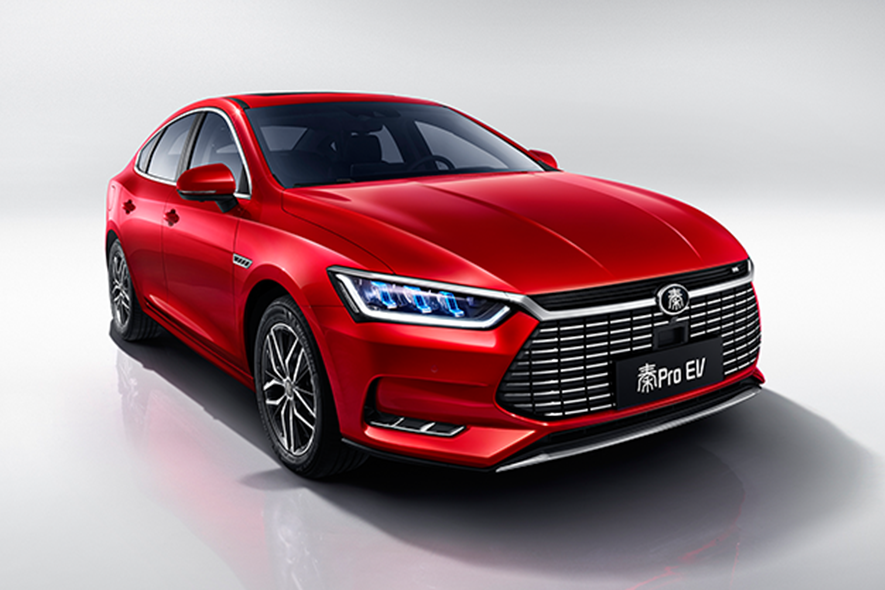
At a glance
- The Qin is a compact sedan family spanning petrol, DM-i plug-in hybrid and battery-electric versions, so the exact powertrain matters more than the badge.
- Range-labelled DM-i and EV versions offer distinct duty-cycle choices, but the test protocol and destination-market homologation must be confirmed.
- Used BYD Qin purchases can reduce acquisition cost, yet mileage, service history, battery condition and documentation require close scrutiny.
- Export pricing is vehicle-specific and changes with specification, condition, exchange rates, freight, Incoterms, taxes and compliance work.
- Right-hand-drive availability, local homologation, spare-parts support and residual-value prospects should be settled before a wholesale order.
Why the BYD Qin matters for export markets
Buyers seeking to buy BYD Qin from China should see it as a compact-sedan option for overseas dealers serving urban commuters, company-car fleets and drivers who prefer a conventional body rather than an SUV. Export listings include Qin Pro, Qin PLUS and Qin L versions, with petrol, DM-i plug-in-hybrid and electric branches. That breadth lets a dealer match operating needs instead of forcing every market into one powertrain, while fleet buyers gain a premium-brand badge without the footprint of a large saloon. It also fits high-mileage urban fleets seeking efficient operation.
The export case is strongest where buyers want lower operating emissions without depending entirely on a public-charging network. A DM-i Qin can cover routine journeys electrically after charging and retain a petrol engine for longer trips, although the result depends on charging habits, the test-cycle rating and the exact battery version. Full-electric Qin variants suit operations with dependable charging, while petrol versions are easier to explain where charging networks remain limited. For importers, that mix supports a staged portfolio strategy across private, depot and public charging environments in different regions.
Global relevance should not be confused with global uniformity. A vehicle sourced for one country may be sold in another only after checking steering position, emissions rules, type approval, charging compatibility, software and service arrangements. Buyers should also ask whether the nameplate, generation and equipment level are supported locally. Use ChinaCarDirect’s live BYD Qin listings to compare actual vehicles, then request a destination-specific quotation instead of assuming that a similarly named trim is directly importable. This discipline is especially important when several model years and generations share the Qin name.
- Match powertrain to routes.
- Compare each Qin version.
- Approve for destination use.
Model range, trims and powertrain variants: how the lineup is structured and how to choose
When comparing BYD Qin specs, remember that Qin is not a single trim ladder. Qin Pro, Qin PLUS and Qin L identify different versions with their own equipment, dimensions and market positioning, while a listing may combine an older Qin name with an EV or petrol badge. Start with the exact model year, generation and trim, not simply the Qin label. Confirm dimensions, wheel and tyre sizes, gross weight, battery configuration and installed equipment against the intended vehicle. Ask for a full specification sheet where the listing field is uncertain.
For DM-i buyers, the most visible decision is the stated electric range. Export listings include 55, 80, 120 and 210 km range-labelled versions. A shorter-range model may suit predictable daily routes and can carry a lower price and charging demand in some cases; a longer-range version adds packaging and cost but may reduce frequent charging. These labels should not be treated as one common real-world figure because test protocols and homologated values can differ. Confirm the applicable protocol, usable battery context and destination-market rating in writing before finalising the order.
The Qin range also includes EV versions labelled 400 km and 500 km, plus petrol cars using 1.5-litre or 1.5T engines with manual or automatic transmissions. The right choice depends on charging access, route length, fuel policy, driver familiarity and service support. For a dealer trial, an automatic DM-i or EV may suit mixed drivers, while a petrol manual may be easier to position for customers prioritising simplicity. Do not infer battery size, motor output or charging time from a range badge. Obtain unit-specific technical data before making a firm commitment.
- Compare DM-i range labels.
- Compare EV range labels.
- Verify unit-specific data.
New vs used BYD Qin: how export inventory is structured and how buyers choose
ChinaCarDirect’s Qin inventory contains both new and used vehicles from several Qin generations and versions. New listings can provide newer styling, assistance systems and a closer relationship with the version sold in China. Used listings open access to Qin Pro, Qin PLUS, Qin L, petrol, DM-i and EV hardware that may be unavailable as new stock in a particular export configuration. Availability is unit-specific, so filter the live listings by body version, powertrain and model year before discussing a shipment program rather than relying on broad stock assumptions at all.
The attraction of a used BYD Qin is lower acquisition cost and access to a familiar sedan format, but the apparent saving can be consumed by repair, refurbishment and resale uncertainty. Check mileage against the dashboard, service records, accident or structural history, tyre condition, warning lights, fluid leaks and interior condition. For a DM-i or EV, request battery state-of-health and charging diagnostics, not only an odometer photograph. For petrol cars, inspect the engine, cooling system and service evidence with equal care before agreeing to the final landed cost in writing.
New vehicles reduce age-related wear and make model-year comparison simpler, yet they do not remove import risk. Chinese-market warranty may not transfer, software and equipment may differ, and parts support may still be limited in the destination. Used vehicles can suit a tested route or lower-budget fleet, provided inspection and documentation are purchase conditions. The decision links condition to the intended duty cycle. Choose a vehicle that can be supported and resold locally. For fleet tenders, compare warranty response, charging support and expected parts lead times alongside the acquisition decision.
How export pricing works: the factors behind a live listing price, and how to read one
Every live BYD Qin export price should be read as a vehicle-specific commercial quote, not a permanent model price. The starting point normally reflects model year, Qin Pro, PLUS or L version, trim, petrol versus DM-i versus EV configuration, electric-range or battery version, mileage, condition and service history. A dealer should also consider whether the unit is new or used, whether ownership history is documented, and whether the description discloses visible defects. These variables can move similarly badged vehicles to very different landed totals. Confirm every factor in the written quotation.
Logistics and deal structure sit on top of the vehicle price. Exchange-rate movement affects the seller’s cost base; freight, fuel, insurance, port charges, terminal handling and inland delivery affect the route; and the Incoterm determines which party bears cost and risk at each transfer point. Import duty, VAT or GST, registration, emissions charges and compliance work may also sit outside the vehicle quote. Ask whether all charges are included and whether the amount is per vehicle or for a mixed shipment. Treat customs and taxes as destination-specific estimates until assessed.
To read a live listing correctly, open its full detail page and record the SKU, model year, exact trim, condition, mileage for used units, photos, equipment, seller location and stated Incoterm. Check the price-validity period, deposit terms, payment currency, inspection right, document list and remedies if the vehicle does not conform. Current per-unit price, stated MOQ and availability must come from the live ChinaCarDirect Qin inventory, not an old article or remembered range. Convert the listing into a binding landed quote through the seller’s RFQ before allocating funds to the importer account.
- Read each unit listing.
- Check the stated Incoterm.
- Request a landed quote.
MOQ, ordering and payment: single units vs consolidating a container
MOQ is the smallest sale quantity a seller will accept for a particular transaction; it is not a permanent characteristic of the Qin model. A vehicle offered as an individually listed unit may be purchasable alone, but that does not mean every seller or shipment format has the same rule. A dealer moving several cars may request a container-size order, while a smaller importer may need an LCL or consolidation solution. Confirm the MOQ on the chosen listing and in the pro forma invoice, especially if the seller mixes separate SKUs.
Container consolidation changes purchasing risk. Before promising a loading plan, obtain each car’s exterior dimensions, gross weight, roof height and battery-related handling information, then compare them with the selected carrier’s capacity. Small overruns, differing trims or late inspection findings can consume usable space and alter freight cost. Grouping cars with compatible documentation, destination and service plans simplifies customs and after-sales support, but it should not force an importer to buy a range or condition it does not need. Use actual measurements rather than catalogue assumptions before reserving space with carriers.
The normal ordering sequence begins with account onboarding and a written specification, followed by a deposit, vehicle inspection, balance payment and release against agreed documents and shipping evidence. The exact sequence can vary, and payment milestones must be written down rather than assumed from chat messages. Require clear refund or remedy terms if inspection fails, confirm the beneficiary account matches the seller entity, and retain the listing, invoice, inspection report and correspondence. The RFQ should state quantity, destination, Incoterm and the evidence required before releasing funds under the agreed timeline.
- Confirm MOQ per transaction.
- Measure before consolidation.
- Document payment milestones.
Shipping, homologation and market compliance caveats: LHD/RHD and import rules by country
Shipping cost is not a freight rate. It depends on origin and destination ports, vehicle dimensions, route, carrier method, container or consolidation plan, customs clearance, port congestion, insurance, security requirements and the number of vehicles ready together. EV and DM-i units may require battery documentation or additional handling instructions from the carrier. Ask for a door-to-door or port-to-port breakdown, identify every charge, and establish which party arranges customs, terminal handling and inland delivery under the chosen Incoterm. Delivery timing also depends on booking, cargo readiness, transport availability and customs clearance.
Steering configuration is a gating issue. Do not assume that a Qin is left- or right-hand drive: availability of a genuine right-hand-drive car must be confirmed for trim and export configuration, and it should never be inferred from the model name. A conversion can alter parts, warranty, insurance and approval status, so it is not equivalent to sourcing a factory right-hand-drive car. Include steering side in the purchase specification and have dashboard, VIN and factory-label photographs checked before shipment. For fleet use, confirm that the exact configuration is accepted locally.
Market compliance is determined in the destination country, not by the fact that a vehicle is roadworthy in China. Importers may need customs classification and duty assessment, VIN and identity checks, safety and emissions approval, type approval, local registration, insurance, and technical acceptance for electric or plug-in-hybrid systems. Charging connectors, radio rules, cybersecurity or software requirements and incentive eligibility can also vary. Use a destination-country customs broker or homologation specialist before contracting, and make final payment conditional on agreed documents and inspection. Obtain written confirmation of road legality there.
Who should buy the Qin — and who should pick a different vehicle
The Qin is a strong candidate for overseas dealers that want a compact, premium-badged sedan and can support an electrified drivetrain. DM-i versions suit fleet managers seeking electric daily operation with a petrol fallback, especially where workplace or depot charging is available. EV versions fit high-utilisation urban fleets with controlled routes and reliable charging, while petrol variants remain relevant where charging access is sparse. The strongest case is a mixed portfolio serving different duty cycles without fragmenting parts and training. It also gives a dealer room to test plug-in demand before scaling.
Choose a different vehicle if the operating environment removes the Qin’s main advantage. Without dependable charging, a petrol Qin may be simpler, but a conventional hybrid from a rival brand can offer lower real-world operating complexity and more familiar service support. A battery-electric rival may be preferable for a depot-only fleet if charging compatibility, warranty service and residual-value evidence are stronger locally. Decide on total operating cost and uptime under the buyer’s actual routes, not the headline range label. Also model charging downtime, policy changes and the cost of technician training.
Buyers needing more cargo volume, higher ground clearance, seven seats or a commercial-duty platform should consider an SUV, MPV or light commercial vehicle instead. Those needing long-distance confidence without charging stops may prefer a proven combustion-powered sedan or hybrid with established after-sales coverage. Importers should also consider resale: a locally familiar model with transparent spare-parts pricing may be easier to place than a newer Chinese import. Select the Qin where its electrified sedan proposition and your local support plan reinforce each other. If they do not, change the vehicle specification.
- Depot charging supports DM-i.
- Simplify without charging.
- Cargo needs favour larger vehicles.
Main rivals and how the Qin compares
Toyota Corolla Hybrid is a credible benchmark for buyers prioritising proven fuel efficiency, conventional hybrid technology and established dealer familiarity. It does not offer the same plug-in charging proposition as a DM-i Qin, and that distinction matters where daily electric mileage is commercially important. The Corolla may hold the advantage for risk-averse importers with strong Toyota service coverage; the Qin may suit buyers wanting a newer electrified sedan range and stronger plug-in-hybrid flexibility. Availability and tax treatment must be checked for the destination market before drawing a final conclusion locally.
Hyundai Elantra Hybrid competes in the same efficient compact-sedan territory, often appealing through a mix of comfort, technology and familiar residual-value support. The Qin’s advantage is access to several DM-i and EV configurations under one export-focused family, whereas the Elantra comparison may depend heavily on whether the local market offers a hybrid rather than a plug-in version. Buyers should compare the exact powertrain, landed cost, tax treatment and local service rather than model names alone. A local test-drive and parts quotation can reveal differences hidden by the badge before purchase.
Volkswagen Jetta ABT, where the plug-in-hybrid version is sold, is a closer direct competitor to the Qin’s DM-i proposition because both pair a compact sedan body with electric-assisted daily driving. The Jetta benefits from a familiar Volkswagen identity and may be easier for some importers to support, while the Qin offers a broad China-sourced catalogue and multiple electric-range labels. A pilot purchase, verified local homologation and a credible parts plan are more informative than unsupported assumptions about superiority. Compare landed cost, fuel use and service intervals over the intended ownership period.
- Compare local configurations.
- Include service support.
- Pilot before scaling.
Live BYD Qin export inventory
View all listings →Real units currently on ChinaCarDirect with per-unit asking prices and MOQ. Availability updates live from the catalogue.
How to buy a BYD Qin from China
-
1
Define the market and duty cycle
Specify the destination country, typical routes, charging access, payload and resale plan before selecting a powertrain.
-
2
Filter the live Qin inventory
Review current BYD Qin listings by model version, model year, energy type, range label, condition and steering configuration.
-
3
Verify the exact vehicle and documents
Request the VIN or chassis identity, trim details, equipment list, ownership record and export documents for the selected unit.
-
4
Commission an inspection
Check mileage, service history, condition, warning codes and, for DM-i or EV cars, battery health and charging diagnostics.
-
5
Request a destination-specific landed quote
Ask for the vehicle price, freight, insurance, port charges, Incoterm, compliance costs, taxes and quote-validity period to be stated separately.
-
6
Confirm MOQ and payment terms
Put the order quantity, unit allocation, deposit, balance, inspection condition, remedies and beneficiary details in writing.
-
7
Book transport and complete the import
Release the vehicle against agreed documents, use an approved carrier, appoint local customs support and complete registration and insurance.
Qin vs rivals
| Toyota Corolla Hybrid | The Corolla Hybrid is the safer benchmark for buyers prioritising proven conventional-hybrid efficiency and established Toyota support. A DM-i Qin offers charging flexibility and electric daily driving, making it more suitable where depot charging and plug-in demand are reliable. |
|---|---|
| Hyundai Elantra Hybrid | The Elantra Hybrid competes through comfort, technology and familiar residual-value support in markets where it is established. The Qin gives importers access to several DM-i and EV configurations, but buyers should compare the exact local powertrain, tax treatment and service coverage. |
| Volkswagen Jetta ABT | The Jetta ABT is a direct compact plug-in-hybrid sedan competitor where offered, with the advantage of a familiar Volkswagen identity. The Qin provides a broader China-sourced range and multiple electric-range labels, so local homologation and parts support should decide the outcome. |
Frequently asked questions
How is BYD Qin export pricing determined?
The live price starts with the unit’s year, trim, powertrain, range or battery version, mileage, condition and seller terms. Freight, insurance, port handling, exchange rates, Incoterm, import taxes and compliance costs affect the landed total. Current per-unit price, stated MOQ and availability appear in the live BYD Qin inventory; request a written destination-specific quote before paying.
Which BYD Qin powertrains, engines and range options are available?
The Qin range includes petrol cars with 1.5-litre or 1.5T engines and manual or automatic transmissions. DM-i versions carry 55, 80, 120 or 210 km range labels, while EV versions carry 400 or 500 km labels. The labels are not a substitute for the unit specification because protocols and homologated figures can differ by market. Confirm battery, motor, charging and test-cycle details on the exact listing.
Should an overseas buyer choose a new or used BYD Qin?
New vehicles generally reduce age-related wear and provide a clearer model-year story, but Chinese-market warranty and software support may not transfer. Used vehicles can lower acquisition cost and access older Qin Pro, PLUS or L configurations, yet they require stronger mileage, service, title and battery-condition checks. For fleet use, compare expected downtime, parts lead times and resale support rather than choosing by age alone.
How does MOQ work when ordering a BYD Qin from China?
MOQ is set by the seller for the specific listing and transaction, not by the Qin model itself. If a listing permits an individual vehicle purchase, that stated quantity governs; a container or consolidated order may carry a different requirement. Put the quantity, unit allocation, deposit, balance and cancellation terms in the pro forma invoice and sales contract.
What determines shipping time and cost for a BYD Qin?
Shipping time and cost depend on origin and destination, route, carrier availability, vehicle dimensions, consolidation, customs clearance, insurance and port conditions. Electrified vehicles may also require battery documentation or handling instructions, which can affect acceptance and timing. Ask for a route-specific breakdown under the selected Incoterm rather than assuming a fixed transit time or freight rate.
Are spare parts readily available for exported BYD Qin vehicles?
Parts support varies because Qin Pro, PLUS, L, petrol, DM-i and EV versions are not automatically interchangeable. Request exact part numbers, catalogue availability, lead times and a local support route from the seller before purchase. A DM-i or EV importer should also confirm diagnostic equipment and technician support, especially for battery-related work.
Is right-hand-drive BYD Qin available for export?
Right-hand-drive Qin availability must be confirmed for the exact trim and source configuration; it should not be inferred from the Qin name. A steering-wheel conversion is not the same as a factory right-hand-drive vehicle and can affect approval, insurance and parts. Request dashboard photographs, VIN and factory labels, and confirmation from the destination market’s approval specialist.
How do I order a BYD Qin for export?
Start with the live BYD Qin listings, shortlist the correct powertrain and version, and send an RFQ stating quantity, destination and Incoterm. Verify the seller entity, vehicle documents and condition report, then approve a written quotation with inspection, payment, shipping and remedy terms. Final payment should follow the agreed inspection, with the vehicle released only against the specified documents.
Ready to source the BYD Qin?
Request a destination-specific BYD Qin export quotation through the ChinaCarDirect RFQ page.
Request a quote