
BYD Qin Pro Export Buying Guide for Overseas Dealers
Buy BYD Qin Pro from China with guidance on DM and EV variants, trims, export pricing, MOQ, shipping, compliance and rivals for overseas buyers.
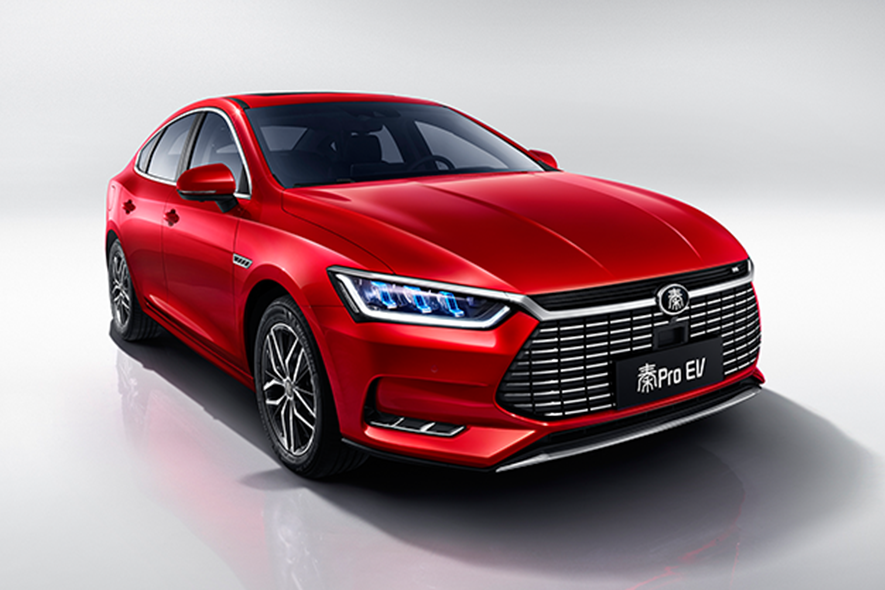
At a glance
- The Qin Pro is a compact sedan offered in DM plug-in hybrid and battery-electric forms.
- The line spans 1.5TI automatic and manual DM trims with different comfort and technology levels.
- EV500 trim wording is not a substitute for verified battery capacity and destination-cycle range.
- Used cars demand battery, history and inspection scrutiny; new cars still require export and warranty checks.
- Current price, per-unit MOQ and availability should be taken from live Qin Pro listings.
Why the BYD Qin Pro matters for export markets
The BYD Qin Pro is best understood as a compact, four-door export sedan built around two electrification paths: DM plug-in hybrid versions and battery-electric versions. That mix gives overseas dealers a useful middle ground between a conventional hybrid and a fully electric car. It suits buyers who want lower-emission urban operation, practical passenger capacity and a vehicle that can be assessed on range, charging and fuel needs rather than badge appeal alone. Importantly, it is a China-market model: specification, software, emissions labelling and service arrangements must be checked for the destination rather than assumed to match a domestic BYD sold elsewhere.
Demand for this type of vehicle comes from practical segments rather than one universal use case. Private-car dealers can offer a modern electrified sedan at a comparatively accessible vehicle class, while ride-hailing and company-fleet buyers can evaluate total energy use, uptime and charging access. A DM version may suit mixed-duty routes that need both electric operation and a combustion engine; an EV version can suit fleets with dependable charging and controlled daily mileage. The deciding factor is infrastructure and duty cycle, not simply whether a listing is labeled “new energy.”
Export suitability also depends on brand support, which is often more decisive than a long equipment list. Parts availability, technician familiarity with high-voltage systems, diagnostic-software access and confidence in residual values can determine real operating cost. The Qin Pro is most attractive where an importer can support the product or has a credible plan to do so. For fleet tenders, ask for a parts-and-service plan, technician training pathway and repair-lead-time estimate before finalizing the vehicle order. Local language support for infotainment and driver assistance should also be verified against the exact trim and model year.
- Compact electrified market entry.
- Assess DM and EV separately.
- Service affects ownership cost.
Model range, trims and powertrain variants: how the lineup is structured and how to choose
The Qin Pro line-up should first be separated by energy type. “DM” identifies the plug-in hybrid family, while trim names containing “EV” or “EV500” identify battery-electric versions. Within DM cars, the market has used 1.5TI engines with either automatic or manual transmissions, depending on the trim. Across the range, names such as Elite, Dynamic, Enjoyment, Flagship, Prestige, Luxe, Fengshang, Speedy, Beyond and Surpass signal different equipment and comfort positioning, not separate body styles. A buyer should therefore match the Chinese trim label to the body, powertrain and option list shown in photographs, rather than interpret the marketing name alone.
For a DM version, the practical choice starts with operating pattern. Drivers who can charge regularly may value electric running for daily trips, while those covering long distances need to understand the real fuel use when the battery is depleted and the availability of fuel support. Automatic transmissions reduce driver workload in urban traffic, while the manual versions appearing in the range may appeal where price sensitivity and driver familiarity dominate. The selection should be made on total cost, charging access and duty cycle, not on trim prestige or badge image.
For an EV version, battery and range become the central checklist. Exact usable capacity, motor output, charging interfaces and rated range vary by trim and market configuration, so the live unit specification must take precedence over the “EV500” wording in a trim name. If a listing cites CLTC range, treat it as a Chinese test-cycle figure and compare it cautiously with the destination cycle. Also verify whether charging cables, equipment and cold-weather or high-speed limitations are included. A dealer should ask for the battery specification sheet and charging test evidence before quoting customers.
- Separate DM and EV use.
- Trim labels are incomplete.
- Verify battery, range, charging.
New vs used BYD Qin Pro: how export inventory is structured and buyers choose
A BYD Qin Pro export listing can represent either a factory-new vehicle or a used Chinese-market car, so condition and documentation must be separated from the attractive trim name. Used units may be easier to source in particular configurations and can suit buyers focused on acquisition cost, but the vehicle’s history becomes part of the product. New units offer a cleaner ownership chain and a clearly documented factory configuration for that production period, yet overseas delivery, homologation and warranty transfer still depend on the destination. Confirm status in writing before paying a deposit.
For a used Qin Pro, condition should be investigated in layers. First inspect bodywork, tires, cabin wear and the VIN-linked service record for evidence of accident repair, flood exposure or deferred maintenance. Then review the high-voltage battery state of health, charging history, warning messages and whether software updates were completed. For a DM car, ask a qualified technician to inspect the engine, transmission, hybrid controls and fuel system; for an EV, pay equivalent attention to battery modules and electric drive. Independent inspection is more valuable than seller-supplied photographs alone for buyers.
A new Qin Pro should still be treated as an export transaction rather than a domestic retail purchase. Confirm that the VIN, factory build specification and option list match the invoice, and ask whether the car has been prepared for export, registered or driven. Factory warranty coverage may depend on time, mileage and service in the country of use, so obtain the warranty terms in writing. For either condition, verify whether connected features, apps, maps, radio bands and driver-assistance functions will work in the destination market before delivery is accepted.
- Used: inspect battery, history.
- New: verify export, warranty.
- Match inspection to powertrain.
How export pricing works: the factors behind a live listing price, and how to read one
The price shown on a live Qin Pro listing is the starting point for a transaction, not a universal export price. The same model name can cover a different year, transmission, DM or EV architecture, battery/range version, mileage and condition. Those variables alter the vehicle’s value before transport begins. Sellers may also price negotiation factors such as ownership history, option content, production date and the credibility of the documentation. Buyers should compare only vehicles whose core specifications are equivalent. Otherwise, a lower displayed amount may simply reflect an older or different vehicle.
Logistics can move the final acquisition figure as much as the vehicle itself. Freight, insurance, port handling, export clearance, inland delivery and the chosen Incoterm determine which costs the seller includes and which remain with the buyer. Exchange-rate movement also affects a quote made in one currency and settled in another. For a realistic comparison, ask each supplier to use the same destination, port, trade term, insurance level and tax treatment, then record whether customs duty and local VAT are excluded. That avoids comparing unlike landed-cost assumptions before payment.
To read a live listing correctly, open the unit-level page rather than relying on a model thumbnail or a previous inquiry. Check the year, exact trim, DM/EV status, transmission, mileage or condition, battery/range specification, VIN availability, photos, inspection notes and stated MOQ. Confirm whether the displayed amount is a vehicle-only figure or includes a named transport service, and note the quote validity. ChinaCarDirect’s live Qin Pro inventory is where the current binding price, availability and seller-specific terms can be compared; those figures should be copied into the purchase contract verbatim.
- Compare equivalent configurations.
- Separate vehicle and logistics costs.
- Use the live unit quote.
MOQ, ordering and payment: single units vs consolidating a container
MOQ and ordering mechanics depend on the seller and the selected vehicle, so verify them on the live unit rather than assume a catalogue-wide rule. Some Qin Pro stock may suit a single-car importer or pilot fleet, while a container purchase requires several compatible units. For a single vehicle, check the listing’s MOQ field, reservation process, deposit, cancellation terms and the time allowed for inspection and payment. If one-unit ordering is not offered, the practical route is to ask whether the seller can accept a smaller mixed consignment directly instead.
Consolidating a container changes the risk profile. Ask the supplier to group vehicles by compatible body, powertrain, trim and battery specification, and to provide individual VINs, condition reports and photographs before release. Establish who pays for loading, securing, export declaration, terminal charges and damage during transport. Fleet buyers may also want a common inspection standard and a delivery schedule rather than a collection of unrelated vehicles. A written packing list and condition record are essential for identifying discrepancies at destination. Check the same documents against the production and dispatch photos.
Payment structure should be settled before vehicles move. The purchase contract should identify the unit or agreed VIN list, vehicle price, Incoterm, deposit, balance trigger, documentary requirements and the party responsible for each charge. Ask which payment method is accepted, when funds are converted and what happens if inspection, export paperwork or shipping cannot proceed as agreed. Keep the invoice, vehicle agreement, identity and title documents, and correspondence in one file; these records should match the VINs and the final bill of lading or the transport document actually issued later.
- Confirm per-unit MOQ.
- Align container VINs and inspections.
- Match documents to shipment records.
Shipping, homologation and market compliance caveats: LHD/RHD and import rules by country
Steering configuration is the first physical export check. Qin Pro units originating in the Chinese market are commonly left-hand drive, while right-hand-drive availability must be confirmed separately; the marketplace label alone does not prove either configuration. Ask for clear cockpit, dashboard and control-pedal photographs, plus the VIN and production specification. Converting steering and related components is not a substitute for a factory-built right-hand-drive car because wiring, controls, safety systems and homologation may also be affected. It also raises questions about parts availability and the accuracy of any pre-conversion condition report.
Import and market compliance are country-specific. A China VI label or a Smart Connect designation does not automatically satisfy local emissions, vehicle type approval, safety, cybersecurity, radio, data, charging or tax rules. For example, European and United Kingdom buyers may need a whole-vehicle approval route, while Gulf and Southeast Asian markets may impose separate age, inspection, emissions and right-hand-drive rules. The importer should identify the destination’s homologation route, customs classification, applicable duties, taxes and evidence required for used vehicles, then confirm the supplier can provide matching invoices and supporting documents. Where local approval is uncertain, use a qualified customs broker or vehicle-compliance specialist before committing vehicles to a sailing. This avoids costly delays at the border or after arrival.
Shipping method and preparation can affect both cost and vehicle condition. Ro-Ro, container and specialist battery transport each have different handling, securing and documentation requirements; battery-electric or plug-in hybrid vehicles require the carrier to be briefed on high-voltage battery restrictions and supplied with the required transport safety documents. Confirm the route, vessel or carrier, insurance coverage, securing method, export customs procedure and expected delivery process. Photograph the vehicle at loading and receiving, retain inspection evidence and define the claims process before dispatch. For a pilot shipment, one experienced vehicle consolidator can reduce mistakes.
- Confirm steering before payment.
- Check local approval, taxes.
- Match carrier handling, batteries.
Who should buy the Qin Pro — and who should pick a different vehicle
The Qin Pro fits buyers who need a compact sedan with meaningful electrified capability and a practical acquisition route through China. It is particularly relevant to an importer testing demand for Chinese electrified sedans, a ride-hailing operator with controlled routes and charging access, or a company fleet seeking an alternative to a conventional compact saloon. DM models suit mixed operating needs, while EV versions suit fleets able to manage charging and mileage. The strongest case is a dealer or operator with local servicing capability and a clear route to homologation.
It is a weaker choice when the mission requires SUV cargo space, higher ground clearance, seven seats or a tow-handing package that the sedan cannot provide. Buyers without dependable charging should not treat an EV version as a drop-in replacement for a combustion vehicle, and buyers without fuel access should not assume a DM model will always deliver the expected economy. Market-access constraints can also rule out a particular configuration. A large fleet may prioritize mature global parts networks, familiar diagnostics and established residual values over the Qin Pro’s configuration variety.
Before choosing the Qin Pro, turn the use case into a written scorecard covering payload, daily distance, charging reliability, fuel availability, service intervals, software needs, safety expectations and resale plans. Compare the total cost of acquisition, registration, energy, maintenance, insurance and eventual disposal, rather than the vehicle price alone. For a dealer, test one or several representative units before scaling. A pilot can reveal parts delays, diagnostic issues and customer reactions that a catalogue comparison cannot, making the Qin Pro a credible choice only when the operating model is ready.
- Good fit: compact fleet pilots.
- Poor fit: SUV or no-charge needs.
- Use total-cost duty-cycle scoring.
Main rivals and how the Qin Pro compares
There is no single substitute for the Qin Pro because the closest rival depends on whether the buyer wants a plug-in hybrid, a battery-electric sedan or a non-plug hybrid. The JAC E5, also known as the Sehol E5 in some markets, is a direct Chinese compact plug-in-hybrid comparison. Its relevance is strong for buyers evaluating Chinese new-energy sedans, but battery, range, taxation, certification and after-sales terms should be compared for the exact export version. The Qin Pro line includes multiple named trims and both DM and EV routes, but destination availability remains a live check.
The Toyota Corolla Hybrid is a more mature global benchmark, with broad brand recognition, established parts and service expectations and a conventional hybrid format that avoids plug-in charging. It is a compelling alternative for a buyer prioritizing long-term support, familiar resale channels or simpler fleet training. The Qin Pro offers a different proposition: more explicit Chinese electrified-sedan positioning and, depending on the chosen version, plug-in capability or a full battery-electric configuration. The decision should follow charging access, duty cycle and the importance of local aftersales network depth and cost transparency.
The MG5 is another relevant compact-sedan alternative, especially where the available MG version and price align with the Qin Pro’s market tier. Depending on the country, MG5 offerings may center on petrol or non-plug hybrid powertrains, so buyers should not assume charging capability or compare unlike range claims. The Qin Pro can be stronger for buyers specifically seeking a DM plug-in hybrid or an EV Qin Pro, while MG5 may appeal where its local distribution and simpler powertrain are more established. Compare homologation, service coverage, real-world consumption and resale before selecting.
- JAC E5: direct PHEV peer.
- Corolla Hybrid: non-plug alternative.
- MG5: market-dependent compact rival.
Live BYD Qin Pro export inventory
View all listings →Real units currently on ChinaCarDirect with per-unit asking prices and MOQ. Availability updates live from the catalogue.
Used BYD Qin Pro New Energy 2019 DM Super Edition 1.5TI Automatic Smart Connect Speedy Model China VI Standard
Used BYD Qin Pro New Energy 2019 DM Super Edition 1.5TI Automatic Smart Connect Speedy Model China VI Standard
Used BYD Qin Pro 2020 Beyond Edition 1.5TI Automatic Prestige Version
How to buy a BYD Qin Pro from China
-
1
Set the destination and use case
Specify the destination country, required steering configuration, typical mileage, charging access and passenger or fleet duty cycle. This determines whether a DM, EV or non-plug alternative is more suitable.
-
2
Build an equivalent shortlist
Review live Qin Pro listings and shortlist vehicles with comparable year, trim, transmission, powertrain and condition. Treat broad model names as search categories, not evidence of an identical specification.
-
3
Request unit-level evidence
Ask the seller for the VIN, build or specification sheet, dashboard and steering photos, mileage or condition report, service history and battery information where applicable. Resolve any mismatch between the listing title and documents before payment.
-
4
Compare the landed cost
Use the same destination, Incoterm, insurance level and tax assumptions for every quote. Separate the vehicle price from freight, port charges, customs, duties, VAT and inland delivery.
-
5
Lock MOQ and payment terms
Confirm the selected listing’s MOQ, deposit, cancellation policy, inspection period and balance trigger. For a container, agree the VIN list, packing plan and condition-report standard in the contract.
-
6
Clear compliance before dispatch
Work with a local compliance specialist or customs broker on type approval, emissions evidence, used-vehicle documents, HS classification, taxes and battery transport requirements. Confirm LHD or RHD status for every unit.
-
7
Inspect, ship and receive
Complete or commission a pre-shipment inspection, photograph the vehicle at loading, and retain shipping and customs documents. Reconcile the VIN, condition and packing list against the receiving inspection before release.
Qin Pro vs rivals
| JAC E5 (Sehol E5) | The closest direct peer for a Chinese compact plug-in hybrid; compare the exact battery, range, tax treatment, homologation and after-sales support. The Qin Pro may suit buyers wanting a broader selection of named trims or access to both DM and EV routes. |
|---|---|
| Toyota Corolla Hybrid | A mature global alternative with established brand recognition, parts support and a non-plug hybrid format that removes charging dependence. The Qin Pro offers more explicit Chinese electrified-sedan positioning and potentially plug-in or battery-electric capability. |
| MG5 | A price-tier-relevant compact sedan whose petrol or hybrid configuration depends on the destination market. The Qin Pro is the stronger fit for buyers specifically seeking a DM plug-in hybrid or EV version, while local MG distribution may favor some fleet buyers. |
Frequently asked questions
How is BYD Qin Pro export pricing determined?
Price is driven by year, exact trim, DM or EV configuration, battery or range version, mileage or condition, and also by exchange rates, freight, insurance and Incoterm. A vehicle-only figure is not necessarily a landed cost. ChinaCarDirect’s live Qin Pro listings show the current per-unit price, MOQ and availability, which should be combined with the seller’s written quote.
What powertrain and range does the BYD Qin Pro have?
The Qin Pro includes DM 1.5TI plug-in-hybrid versions with automatic or manual transmissions, plus battery-electric versions identified by some trim names. Battery capacity, motor output, charging details and range vary by unit, so check the live listing. If CLTC range is stated, do not treat it as directly equivalent to a destination-market range figure.
Are used BYD Qin Pro vehicles suitable for export?
They can be suitable when the vehicle has a clear ownership record, matching documentation and a satisfactory independent inspection. Used buyers should focus on battery health, accident or flood history, service records, software status and remaining component life. A used unit offers lower acquisition exposure, but less warranty protection and more uncertainty than a properly documented factory-new vehicle.
What is the MOQ for a Qin Pro order?
MOQ depends on the selected unit and seller, so verify the live listing rather than assume a model-wide rule. A single-vehicle order may be available for suitable stock, with the listing’s deposit, reservation and cancellation terms applying. For a container, agree the VIN list, configuration mix and inspection standard before making a wholesale payment.
What determines shipping time and cost?
The route, sailing or carrier schedule, port, handling charges, insurance, customs work and Incoterm all affect the delivered cost. A DM vehicle and an EV require different carrier preparation and documentation. Obtain a written freight quotation that states the route, included services, insurance level, validity period and charges excluded from the price.
How are spare parts supplied for an exported Qin Pro?
Confirm whether parts can be ordered through the supplier, a BYD distributor or another authorized channel, and ask for the exact part-number process before purchase. Trim-specific body, electronic and high-voltage components may have different supply paths. A buyer should also assess workshop access, diagnostic software and expected lead times for common service items.
Is right-hand-drive Qin Pro availability confirmed?
Chinese-market Qin Pro examples are commonly left-hand drive, but factory right-hand-drive availability depends on the source and destination. Do not infer RHD from a listing title; request cockpit, VIN and build-specification evidence. A steering conversion can affect wiring, safety systems, parts support and homologation, so it should be treated as a separate compliance decision.
How do I buy a BYD Qin Pro from China?
Begin with the live Qin Pro listings, compare equivalent units and send a request specifying the destination, preferred DM or EV configuration, steering requirement and quantity. Then obtain unit documents, a landed-cost quotation, written MOQ and payment terms, and an inspection plan. After compliance is confirmed, complete payment, export preparation, shipping and receiving inspection under the agreed Incoterm.
Ready to source the BYD Qin Pro?
Send ChinaCarDirect your destination, preferred DM or EV configuration and required quantity to request a current, unit-specific Qin Pro quotation.
Request a quote