
BYD Seal 06 Export Buying Guide for Dealers and Fleet Buyers
Buy BYD Seal 06 from China with a clear guide to DM-i and BEV trims, range, pricing, MOQ, shipping, compliance and live export inventory for overseas dealers.
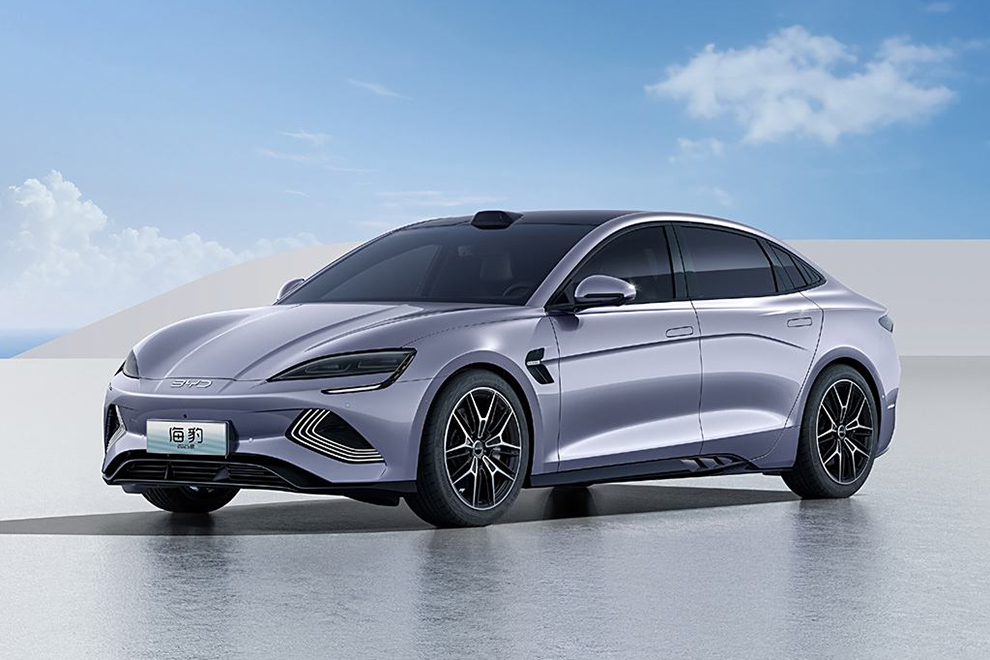
At a glance
- The Seal 06 range spans DM-i plug-in hybrid and battery-electric sedan and GT configurations.
- CLTC range variants should be matched to charging access, route patterns and realistic operating conditions.
- New inventory offers greater standardisation, while used vehicles require detailed history, condition and battery checks.
- Export comparisons must normalise trim, condition, currency, Incoterm, freight and destination charges.
- RHD availability, homologation, parts support and warranty should be confirmed before ordering.
Why the BYD Seal 06 matters for export markets
The BYD Seal 06 matters to overseas buyers because it combines BYD’s electrified drivetrain technology with a practical four-door sedan format. The model family includes plug-in hybrid DM-i versions and battery-electric Seal 06 and Seal 06 GT listings, giving importers different ways to address fuel use, charging access and customer demand. Its appeal is strongest where buyers want a modern EV or PHEV without moving to a large premium sedan. For dealers, that means a potentially broader customer set than a single-powertrain product. It also gives fleet buyers a passenger car option with different operating assumptions from conventional hybrids.
Demand should be assessed by market, not inferred from global EV headlines. In cities with dependable charging networks, the battery-electric versions can appeal to private buyers seeking lower running costs and straightforward zero-tailpipe-emissions operation. In regions where long trips dominate or drivers cannot charge regularly, a DM-i plug-in hybrid may offer a more workable balance: electric capability for daily commuting plus a petrol engine for longer journeys. The right proposition depends on infrastructure, fuel prices and customer habits. For export planning, local charging access is more useful than headline range.
Position the Seal 06 against the buyer’s operating requirement rather than against a single global bestseller. Confirm whether the target market expects a plug-in hybrid, a full battery-electric sedan, or a lower-emission conventional hybrid; catalogue labels can be confusing across export versions. Evaluate where vehicles will be registered, how many are likely to remain on the home market, and how much charging support can realistically be offered. This prevents an attractive export specification from becoming difficult to support locally. Serviceability, spare-parts coverage and realistic residual values should be assessed before committing.
- Match powertrain to local charging habits.
- Compare operating costs with hybrid alternatives.
- Validate local service support early.
Model range, trims and powertrain variants: how the lineup is structured and how to choose
The Seal 06 line-up is easiest to understand as two electrified pathways. DM-i versions use a 1.5-litre petrol engine, an electric motor and BYD’s dual-mode plug-in hybrid system, with CLTC electric-range labels of 80, 120 and 150 km. Seal 06 and Seal 06 GT battery-electric listings add 505, 545 and 605 km range variants. Names such as Luxury, Prestige, Flagship, Premium, Honor and Smart Drive describe commercial tiers or equipment packages, but exact content should be checked for the model year and export destination. Do not infer standard equipment from a translated trim title.
Choose the DM-i version by charging routine and electric-range need. The shorter-range car may suit buyers who can charge at home and want a lower-cost entry into plug-in driving. The 120 and 150 km versions can reduce routine fuel use for employees with inconsistent public charging or long daily duties. Range labels are CLTC test values, not guaranteed real-world distance; weather, speed, load, tyre pressure and driving style matter. A buyer should reproduce likely routes and confirm local consumption claims rather than compare headline numbers alone under realistic duty cycles.
The battery-electric versions suit a different brief. A longer CLTC label can improve confidence between charging stops, but range alone does not reveal charging speed, battery usable capacity or luggage practicality. The GT-oriented listings add a sportier body character, while standard Seal 06 BEV listings may target a more conventional sedan audience. Before ordering, verify motor output, driven axle, battery capacity, charging connector, payload and equipment. These specifications can vary by trim and should not be inferred from the range badge or model name. Ask for a signed specification sheet.
- Treat CLTC range as a test value.
- Map routes to realistic charging needs.
- Verify equipment on the exact vehicle.
New vs used BYD Seal 06: how export inventory is structured and how buyers choose
Export inventory can contain both new and used BYD Seal 06 vehicles, but the two categories should be evaluated as separate buying propositions. New examples generally offer the clearest relationship between model year, factory specification and warranty, provided the warranty is valid in the destination market. Used examples can widen equipment choice or reduce acquisition cost, yet they transfer a known usage history. The best choice depends less on the badge and more on evidence, documentation and the buyer’s ability to manage uncertainty. Start by defining acceptable age, mileage and risk.
For a used Seal 06, request a physical or documented inspection covering body panels, paint, tyres, brakes, suspension, cabin wear and service intervals. Ask for the in-vehicle system or app mileage, prior ownership records, accident and flood evidence, recall completion, and battery state-of-health information where the supplier can provide it. On a PHEV, also verify that both the petrol engine and electric drive system operate correctly; on a BEV, battery condition and charging faults deserve particular attention. An independent inspection is sensible for a higher-value individual purchase before final payment.
New inventory may be easier to standardise for fleet resale, particularly when the buyer needs several vehicles with the same range variant, equipment level and colour. It can also simplify initial software and warranty setup if the seller is authorised and the vehicle has not been registered elsewhere. However, new does not eliminate destination questions: confirm whether it is factory-new, export-prepared or previously displayed, and whether local warranty, service and parts support are included. Document expected delivery condition, handover process and accessories in the written sales contract before final dispatch.
- Confirm warranty and handover status.
- Inspect history, mileage and battery condition.
- Match condition to fleet standardisation.
How export pricing works: the factors behind a live listing price, and how to read one
A BYD Seal 06 export price is not a single fixed figure because the quoted vehicle can differ in model year, body version, powertrain, electric-range variant, trim, equipment, mileage and condition. New-versus-used status also changes the risk attached to the price. Export logistics add further variables, especially exchange rate, freight, marine insurance, port charges, inland transport and the Incoterm. Consequently, compare the vehicle price and the landed cost separately; a lower vehicle quotation can become more expensive after logistics, compliance and financing costs are added at the final destination port.
When reading a live listing, first identify what the seller’s price includes. It may represent an ex-warehouse vehicle amount, while the buyer is responsible for inland collection, export declaration, origin handling, sea or air freight, insurance and destination charges. Other commercial terms can alter the payable total even when the apparent vehicle price is unchanged. Treat the listing as a precise starting point for that unit, then ask the seller for a written quotation using a named Incoterm and delivery port. That makes it possible to compare quotations with the same scope.
Buyers seeking a BYD Seal 06 export price guide should build a comparison sheet rather than chase the lowest displayed number. Record the exact model year, DM-i or BEV route, range label, trim, condition, mileage, equipment, currency, payment term and delivery basis for every quote. Then add recurring local costs such as registration, insurance, charging installation or fuel, plus a reserve for parts and aftersales. Exact current pricing and availability should be taken from the ChinaCarDirect live Seal 06 inventory, where each unit’s binding details are shown. Request an RFQ for a shipment-specific offer.
- Confirm currency, Incoterm and destination.
- Calculate total landed cost.
- Use live listings and written RFQs.
MOQ, ordering and payment: single units vs consolidating a container
The MOQ shown on an individual BYD Seal 06 listing applies to that seller’s commercial setup and should be checked before planning a purchase. Some marketplace offers can be bought by the unit, while an importer ordering a container may need a minimum allocation for a particular trim, colour, production batch or destination specification. MOQ can also depend on whether several range versions or body versions count as one mixed order. Do not transfer a MOQ shown for one vehicle to another listing; request confirmation for the exact configuration and intended shipment quantity.
A single-unit purchase can suit a dealer testing demand, a fleet buyer adding a few vehicles, or an importer consolidating with another brand. In that case, prioritise the exact specification and accept potentially higher unit logistics. A container consolidation can improve freight efficiency, but requires careful model-year planning, colour and trim matching, allocation deposits, production coordination and a realistic shipping window. Mixed configurations may create a simpler loading plan but can complicate parts standardisation and resale. Compare total capital tied up, not only the freight rate or theoretical container capacity.
The ordering workflow should be documented from reservation to release. A typical process begins with a written specification and quotation, followed by a clearly stated MOQ, deposit, production or inspection confirmation, balance payment, export preparation and final documents. Payment stages should be tied to verifiable milestones, and the contract should identify the vehicle identity, agreed condition, delivery scope and remedies if the supplier cannot meet them. Use a verified account and beneficiary name, retain the pro forma invoice, and avoid payment methods that prevent recourse. For used vehicles, link final balance to satisfactory inspection and handover.
- Check MOQ for the exact configuration.
- Clarify mixed-container rules.
- Tie payments to documented milestones.
Shipping, homologation and market compliance caveats: LHD/RHD and import rules by country
Chinese-market Seal 06 specifications cannot automatically be assumed compliant for an overseas destination. Before contracting, ask whether the vehicle is built for left-hand-drive or right-hand-drive use and whether the exact trim has local type approval. Check VIN, emissions, noise, safety, cybersecurity, data, lighting, charging and local consumable standards as applicable. A CLTC range label also does not create an approved WLTP or local fuel figure. Import rules, taxes and registration may favour one powertrain or body version over another, so obtain a written assessment from an experienced local vehicle importer.
RHD availability should be treated as a supply question, not an assumption. BYD export programmes and production allocations can differ by market, and a left-hand-drive export vehicle may not be registrable without extensive local modification. Ask for the steering position shown in the VIN and production specification, and require photographs of controls and dashboard. If right-hand-drive is essential, reserve an approved source rather than plan to convert units later. Conversion can affect safety approval, warranty, software functions, parts availability and residual value, and it may be prohibited or impractical in some jurisdictions.
Shipping planning begins with the vehicle and its documents. Confirm the VIN, bill of sale, export declaration, packing list, battery transport file where applicable, insurance and destination certificates, then verify customs classification with a licensed broker. Sea freight is generally economical for volume shipments, while air or rail may suit urgent or smaller orders; cost and lead time depend on origin and destination handling, season, routing and capacity. The vehicle should be protected against movement and moisture, and loading, lashing, discharge and insurance responsibilities must be explicit in the transport contract.
Who should buy the Seal 06 — and who should pick a different vehicle
The Seal 06 is a strong candidate for an overseas dealer targeting value-conscious customers who want electrified technology in a practical sedan. A DM-i version can appeal to mixed-duty fleets where charging is occasional but fuel consumption and range anxiety matter. BEV versions suit businesses and private buyers with dependable charging access and a clear operating plan. The car is less suitable for buyers prioritising a rugged commercial platform, a large seven-seat cabin, towing-intensive work or minimal electronic complexity. Fit the body, powertrain and support package to the customer, not simply to the lowest procurement quote.
Choose a DM-i Seal 06 when daily routes are predictable, drivers can charge regularly and the organisation values the flexibility of petrol backup. It may be especially useful where public charging is developing but cannot yet be relied upon for every journey. Choose a BEV version where operations support predictable routes, depot charging and an attractive total-cost case. Confirm payload, charging time, software functions and local tax treatment. Neither electrified drivetrain removes the need for sensible route planning, driver training and a dependable maintenance network in the destination country.
Used BYD Seal 06 vehicles can suit budget-led buyers, but the business case should include expected rectification, battery uncertainty and lower resale confidence. A new unit may make more sense when fleet uniformity, warranty and predictable handover matter. For either route, verify the local availability of tyres, brakes, filters, lamps, infotainment modules and high-voltage service parts, and confirm whether diagnostic software requires dealer access. Also assess roadside support and insurance coverage. A vehicle that is inexpensive to acquire but difficult to maintain can be a poor wholesale or fleet asset over its operating life.
- Suitable for mixed-use electrified fleets.
- BEV duty cycles need dependable charging.
- Verify parts, diagnostics and warranty.
Main rivals and how the Seal 06 compares
The closest direct alternative for many buyers is the Changan Qin Plus DM-i, another Chinese plug-in hybrid sedan aimed at value and efficiency. It provides a useful comparison on size, equipment, range strategy, software and aftersales, although specifications and homologation differ by market. The Seal 06 may appeal to buyers who recognise BYD’s brand and hybrid architecture, while the Qin Plus can be attractive where local Changan support or a different specification package suits the customer. Compare approved versions rather than general catalogue entries or headline range labels for export.
The Toyota Corolla Hybrid is a more conservative benchmark for markets where hybrid sedans are familiar and buyers prioritise reliability perceptions, efficiency and resale rather than plug-in capability. It does not provide the Seal 06 DM-i’s ability to charge externally for electric-only daily travel, but that may not be decisive in a mature hybrid market. The Seal 06 offers a more advanced electrified proposition and a wider equipment choice, yet buyers should examine local warranty, parts and resale evidence. Brand familiarity and total operating cost often matter more than imported specification.
For BEV buyers, the MG4 is a relevant alternative in the compact electric hatchback and affordable-EV segment. It offers a different body proposition, while the Seal 06 and Seal 06 GT provide sedan or liftback styling. The choice comes down to approved range, charging, boot usability, software, safety equipment and after-sales support, not badge or catalogue range alone. Because the Seal 06 range includes both PHEV and BEV paths, an importer should benchmark each selected vehicle against the closest powertrain-specific rival rather than substitute one vehicle for the other without detailed comparison.
Live BYD Seal 06 export inventory
View all listings →Real units currently on ChinaCarDirect with per-unit asking prices and MOQ. Availability updates live from the catalogue.
How to buy a BYD Seal 06 from China
-
1
Define the market and duty cycle
Identify the destination country, charging conditions, typical route length, payload, LHD or RHD requirement and preferred powertrain before selecting a vehicle.
-
2
Shortlist exact vehicle specifications
Use the live inventory to compare model year, DM-i or BEV route, CLTC range variant, trim, condition and mileage. Request VIN, photographs and the full specification for shortlisted units.
-
3
Complete a destination compliance check
Confirm type approval, emissions, safety, charging, cybersecurity, lighting and local tax treatment for the exact configuration. Obtain guidance from a licensed local importer or customs broker.
-
4
Request a written landed quotation
Ask the seller to state currency, Incoterm, delivery port, freight assumptions, MOQ, payment schedule, documentation and estimated production or dispatch timing.
-
5
Verify and reserve the vehicle
For a new unit, confirm production status and expected handover condition. For a used unit, arrange an inspection covering mileage, service history, accident evidence, battery condition and system functions before final payment.
-
6
Complete secure payment and documentation
Match the payment milestones to the contract, verify the beneficiary details and retain the pro forma invoice, sales agreement, identification and supporting vehicle documents.
-
7
Arrange freight, customs and delivery
Book insured transport with the correct loading and lashing responsibilities, prepare battery and export documents, appoint a customs broker and track the vehicle through discharge, clearance and local registration.
Seal 06 vs rivals
| Changan Qin Plus DM-i | A close Chinese-market PHEV sedan alternative for value-conscious buyers. BYD brand recognition and DM-i calibration may favour the Seal 06, while local Changan support or a different equipment package could favour the Qin Plus. |
|---|---|
| Toyota Corolla Hybrid | A more conventional global hybrid benchmark with strong familiarity in many fleet markets. The Corolla does not offer the Seal 06 DM-i’s external-charging capability, but it may be easier to justify where buyers prioritise proven hybrid perceptions and resale. |
| MG4 | A relevant compact BEV alternative with a different hatchback-style body proposition. Choose between the models using approved range, charging performance, cargo practicality, equipment, software and local after-sales support. |
Frequently asked questions
How is BYD Seal 06 export pricing determined?
Each live seller’s price reflects the selected vehicle’s year, powertrain, range variant, trim, equipment, mileage, condition and commercial terms. Freight, insurance, handling, customs, taxes and the chosen Incoterm affect the landed cost. Check the ChinaCarDirect live listings for the current per-unit price and request a written RFQ for a shipment-specific quotation.
Which powertrain and range variants are available?
DM-i versions combine a 1.5-litre petrol engine with electric traction and are listed with CLTC electric-range labels of 80, 120 and 150 km. Battery-electric listings cover CLTC variants of 505, 545 and 605 km. These are test-cycle values, so local homologation, charging availability and expected real-world use should guide selection.
Should an overseas buyer choose a new or used BYD Seal 06?
A new vehicle is generally easier to standardise and document, especially for fleet resale, provided its warranty is recognised locally. A used vehicle may offer better acquisition economics but requires checks of mileage, service history, accidents, battery condition, software and outstanding faults. Compare the total risk-adjusted cost rather than purchase price alone.
How does MOQ work for BYD Seal 06 orders?
MOQ depends on the seller, exact trim, colour, production batch and shipment arrangement. Some listings may be available by the unit, while container orders can involve model-specific allocation rules. Read the MOQ field for each live listing and obtain written confirmation of the minimum, mixed-configuration rules and production deadline.
What affects Seal 06 shipping time and cost?
The principal factors are transport mode, origin and destination ports, routing, handling charges, insurance, season, vehicle dimensions, battery documentation and available freight capacity. Sea shipping is generally economical for volume consignments, while air or rail may suit smaller or time-sensitive orders. Ask for an all-in freight quotation naming the Incoterm, route and delivery port.
Are spare parts available for exported Seal 06 vehicles?
Availability depends on the destination and whether BYD or an authorised distributor supports the exact vehicle there. Before ordering, request a parts list covering tyres, brakes, filters, lamps, infotainment, high-voltage components and service tooling. Also confirm diagnostic access, warranty parts supply and the expected lead time for common items.
Can overseas buyers obtain a right-hand-drive BYD Seal 06?
Right-hand-drive supply depends on the export programme, production allocation and local type approval, so availability should never be assumed. Ask the seller to confirm the steering position in the VIN and production specification and provide an approval document for the destination. Converting a left-hand-drive vehicle later may affect safety, warranty, software and residual value.
How do I order a BYD Seal 06 from China?
First define the destination, powertrain, range variant, condition and quantity, then shortlist matching units in the live inventory. Request a written quotation and confirm MOQ, Incoterm, payment milestones, production timing, documentation and aftersales support. Complete an inspection where appropriate, secure the order through verified payment procedures and use an experienced freight and customs partner for final delivery.
Ready to source the BYD Seal 06?
Send your target market, powertrain, range variant, quantity and preferred Incoterm to the ChinaCarDirect RFQ team for a current unit-level quote.
Request a quote