
BYD Tang Export Buying Guide for Dealers and Fleet Buyers
A practical BYD Tang export buying guide covering trims, powertrains, pricing logic, MOQ, shipping, homologation, compliance and rival options.
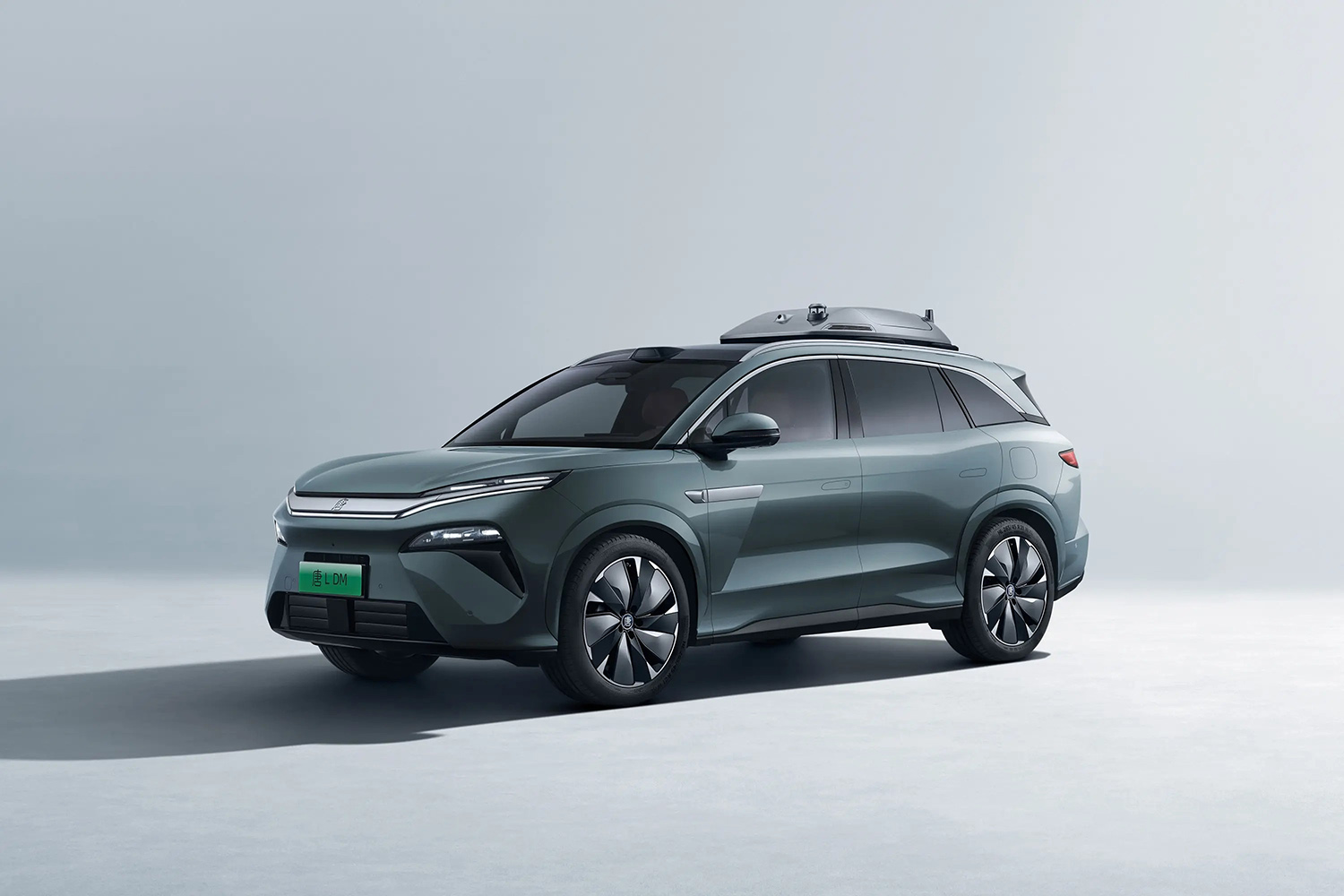
At a glance
- A practical BYD Tang for export spans large-family SUVs, plug-in hybrids and battery-electric variants.
- DM, DM-i and DM-p configurations serve different electric-range and all-wheel-drive priorities.
- Five- and seven-seat layouts require confirmation for each vehicle.
- Used vehicles need battery, high-voltage, service-history and accident checks beyond mileage.
- Current per-unit price, MOQ and availability are confirmed in the live Tang inventory.
- Destination homologation, RHD availability and aftersales support determine export feasibility.
Why the BYD Tang matters for export markets
The BYD Tang sits in the large-family-SUV segment, combining a spacious seven-seat format in many versions with a choice of combustion, plug-in hybrid and battery-electric drivetrains. That mix gives it broader relevance than a single-powertrain export model: importers can serve families, shuttle operators and mixed fleets. Its appeal overseas comes from combining Chinese vehicle cost positioning with the range, equipment and seven-seat practicality expected in larger SUVs, although local aftersales and approval remain decisive. For a dealer, it is a model worth testing against rivals, not a guarantee of demand.
Global demand for electrified family SUVs is strongest where buyers want electric-only daily driving, flexible refuelling and a large cabin without committing to a battery-only vehicle. The Tang can answer that need through DM, DM-i and DM-p configurations, while 2.0T versions remain relevant where charging networks are limited or customers prefer petrol. This breadth is commercially useful for export: the same model family can cover electrification pilots, dealer allocations and lower-complexity used-vehicle demand, provided each destination has type approval. It is a starting point, not a substitute for local research.
Dealers should assess the Tang as a product-and-operations decision rather than a vehicle purchase alone. Useful checks include charging expectations for plug-in hybrids, luggage capacity with all seats occupied, software and infotainment compatibility, parts support for the exact generation and values. Export success also depends on import duties, taxes, insurance and service coverage that vary by country. Those checks often matter more to a first-time importer than a small equipment difference between trim labels. A disciplined importer can therefore test one carefully selected unit before committing to a broader allocation.
- Seven-seat practicality across many variants.
- Multiple export-relevant powertrain paths.
- Local approval drives commercial viability.
Model range, trims and powertrain variants: how the lineup is structured and how to choose
Tang naming can initially look complex because it combines model, engine, drive configuration, seat count and Chinese-market equipment labels. The ICE branch is consistently described around a 2.0T engine and automatic transmission; DM, DM-i and DM-p denote different plug-in hybrid families, including range-oriented, all-wheel-drive and higher-output expressions. An EV 635KM AWD Flagship appears. These are useful discovery labels, but they are not automatically equivalent to the trim names used by an overseas dealer. Ask the seller for the VIN, build sheet and a photograph of the model and engine badges.
For a buyer prioritising electric-assisted efficiency, compare the DM-i, DM and DM-p families by configuration rather than badge hierarchy alone. Electric-only range labels of 112, 200, 215 and 252 km appear across these PHEV variants, while DM and DM-p versions are all-wheel drive. A fleet with predictable charging can value electric daily miles; a buyer without charging may prioritise the conventional 2.0T model. Confirm battery capacity, real-world consumption, charging speed and regenerative behaviour for the exact unit. The displayed range is a China-market label, not a guaranteed figure after homologation.
Seat layout and equipment should complete the decision. Some Tang listings specify seven seats, while at least one DM configuration is marked for five, changing passenger and luggage flexibility. Drivers may face differences in infotainment, driver-assistance hardware, audio, materials and LiDAR-related naming between trims. For a fleet, standardise on required equipment rather than paying for a higher badge; for a dealer, a two-variant strategy can cover mainstream and premium demand without an unmanageably deep range. Ask whether the exact equipment package is supported in the destination market and sale locally.
- 2.0T automatic petrol models.
- DM, DM-i and DM-p PHEVs.
- Confirm five- or seven-seat layout.
New vs used BYD Tang: how export inventory is structured and how buyers choose
Export inventory for the Tang is structurally diverse because new vehicles and used vehicles are sold through the same model family, with differences in age, specification and condition. Newer cars generally carry the newest powertrain and equipment choices, while used stock can include ICE generations and earlier DM systems. A buyer should therefore compare the vehicle generation, not just the Tang name. The same badge may cover technologies and service requirements that belong to different development phases. This is especially important when planning parts procurement, software support and spare-parts ordering.
For a used BYD Tang, the condition report should extend beyond mileage and exterior paint. For ICE vehicles, inspect service history, fluid leaks, cold-start behaviour, engine mounts, transmission response and evidence of repair. For DM, DM-i, DM-p and EV cars, request battery state-of-health evidence, charging diagnostics, high-voltage safety checks and confirmation that any battery warranty remains transferable. VIN, title, accident history, recall completion and corrosion can affect both suitability and import acceptance. A pre-shipment inspection should test the vehicle in a cold or prepared state where possible and document results.
New units suit buyers who prioritise warranty certainty, delivery condition and simpler fleet specification. They reduce uncertainty over battery degradation and repairs, although the buyer still needs to verify warranty portability and local service capability. Used Tangs can be attractive when the target market values familiar ICE equipment, a lower acquisition outlay or a configuration. Compare expected operating cost, downtime, residual risk and compliance—not assume that “new” or “used” is automatically cheaper after landing. For a first order, one inspected vehicle is often more informative than an untested allocation.
- Match generation to parts strategy.
- Inspect battery and high-voltage condition.
- Compare warranty portability.
How export pricing works: the factors behind a live listing price, and how to read one
A BYD Tang export price is a vehicle-specific starting point, not the buyer's total landed cost. The live amount will reflect age, trim, engine or battery version, mileage and condition, drivetrain, equipment, ownership history and, for a used vehicle, repair risk. Variables also matter: currency movements, seller terms, freight space, insurance, port charges and the selected Incoterm. Comparing two Tang listings is therefore valid only if their year, configuration, condition and delivery terms are equivalent. A displayed figure can therefore be the more expensive purchase after every charge is included.
Read each live listing field by field rather than relying on the thumbnail or model name. Confirm the VIN, model year, designation, engine or battery version, drivetrain, seating, mileage, condition notes, colour, equipment, ownership status and warranty. Check whether the amount is FOB, CIF or another term, what is included in export packing, and whether the seller will support an inspection. If the description is incomplete, request missing documents before treating the figure as firm or comparable. Photos should also show tyres, glass, bodywork, cabin, instrument readings and the underbody.
Build a landed-cost worksheet that starts with the current live listing amount and then adds or flags international freight, marine insurance, export handling, destination terminal charges, customs duty, taxes, registration, inland delivery and currency-buffer assumptions. Separate seller costs from buyer-controlled costs, and record the Incoterm so responsibilities do not overlap. Request written confirmation for charges described as included. Current binding price, availability and MOQ terms should come from the ChinaCarDirect Tang inventory at quotation, not a catalogue or remembered figure. This method makes negotiation and scenario comparison clearer to buyers.
- Normalise specifications before comparing.
- Listing price is only one input.
- Obtain itemised written terms.
MOQ, ordering and payment: single units vs consolidating a container
Tang MOQ is not a universal model feature; it is set by the seller and inventory format. Some vehicles may be sold without a container-sized batch, while case, lot or export-program quantities can apply to other units. A single-unit purchase is useful for testing a trim or completing a fleet, but gives less control over loading consolidation and unit-mix flexibility. Always read the MOQ field on the selected live listing and obtain written confirmation before requesting payment. A seller’s chat message should not replace the documented terms for that order.
Consolidating Tangs can improve shipment planning but creates a selection task. Buyers must balance model year, ICE, DM, DM-i, DM-p or EV powertrain, drivetrain, seat count, colour, equipment and condition against colour preference and market demand. Mixed units may suit a dealer launch, while identical cars simplify training, spare-parts planning and resale. Ask who arranges the container or carrier, how units are inspected and photographed, and which party bears loading, securing and customs-release risk. Do not assume a mixed load receives the same inspection standard as a single vehicle.
The ordering sequence should be controlled. Select or request a vehicle, ask the seller to confirm the VIN and specification, agree quantity and MOQ, request a pro forma invoice, review payment milestones and Incoterm, then pay through the channel. Before shipment, complete the inspection, verify export and ownership documents, approve transport arrangements and confirm insurance. The balance should be released against the agreed condition and documents rather than an informal promise that the car is ready. Payment methods, timing and buyer protection should be agreed in writing before funds move.
- Confirm listing-specific MOQ early.
- Specify unit mix before consolidation.
- Link payments to milestones.
Shipping, homologation and market compliance caveats: LHD/RHD and import rules by country
Shipping method and transit are driven by the vehicle’s dimensions and weight, carrier capacity, origin and destination ports, sailing frequency, customs readiness and the delivery window. Suitable SUVs may move in a vehicle carrier or, where available and acceptable, as container cargo. The cheapest route may not offer the safest handling, clearest documentation or required insurance. Ask for the routing, loading method, departure and arrival windows, free-time limits, insurance scope and every charge excluded from the freight quote. Peak congestion, port disruption and seasonal weather can all change the schedule.
Steering configuration is a check rather than a trim assumption. A listing should state left- or right-hand drive, and the VIN, build sheet and photographs must confirm it. If a right-hand-drive market requires a conversion, establish whether the vehicle was converted by an approved process, whether safety components and airbag deployment are compatible, and whether the conversion is disclosed to the insurer and importer. Parts availability, software settings, visibility and eventual resale can all be affected, so do not rely on a general market statement that a version is RHD.
Destination homologation may be more restrictive than the Chinese listing title suggests. China V or China VI descriptors in some names refer to the Chinese emissions classification; they are not permission to register or sell it in another country. The importer may need type approval, emissions compliance, safety and software or cybersecurity checks, lighting, charging equipment, insurance, road-tax payment and a valid VIN. Confirm requirements with a broker or compliance specialist before committing, and keep homologation documents with the file. Non-compliance may prevent registration even when the vehicle is sound.
Customs clearance depends on correct documentation and vehicle identity. The file may need the invoice, packing list, export declaration, VIN and ownership documents, bill of lading or carrier receipt, insurance evidence and certificates required by the destination. Check whether duties are assessed on the vehicle alone or include options, and whether preferential-origin treatment applies to the Tang. The importer of record remains responsible for truthful declarations and local charges. Resolve discrepancies between the VIN, build sheet and paperwork before loading. This avoids a vehicle arriving without a route to registration.
- Confirm steering from VIN records.
- China V/VI is not export approval.
- Match paperwork to vehicle.
Who should buy the Tang — and who should pick a different vehicle
The Tang is a strong candidate for a dealer that wants one model family spanning large family SUVs, plug-in hybrids and an electric flagship. It is relevant where seven-seat utility, Chinese equipment value and electric-only daily travel can support a differentiated retail proposition. For hotel, executive transport or airport groups, the choice depends more on duty cycle, charging access, passenger count and local fleet policy than badge appeal. A pilot should use real route and depot conditions. Measure energy use, uptime and operator feedback rather than relying on showroom impressions.
Fleet buyers should also examine residual-value risk and serviceability. A Tang may offer attractive operating economics in markets with adequate charging and maintenance coverage, yet an unsupported model can create downtime when a high-voltage component or software issue arrives. Test parts lead times, technician access, diagnostic equipment, warranty handling and parts pricing before scaling. For a mixed fleet, the ICE, DM and DM-i branches may serve different routes more efficiently than forcing every vehicle into one powertrain. Total-cost modelling should include purchase, energy or fuel, maintenance, downtime and residual assumptions.
Choose a vehicle when the operating requirement conflicts with the Tang’s strengths. Buyers in dense cities with little space may prefer a smaller SUV; organisations without charging infrastructure may find a hybrid or petrol model easier to operate. Those needing an entry price, local dealer coverage or towing and off-road capability should test rival nameplates. RHD buyers should not proceed until a compliant steering configuration is available. The Tang is strongest where its cabin, electrified options and export value matter more than instant parts access or a low acquisition budget.
Main rivals and how the Tang compares
The Mitsubishi Outlander PHEV is the closest plug-in-hybrid comparison for many importers. Both vehicles target buyers seeking electric-assisted daily efficiency with a larger family-SUV format, but the Outlander is generally positioned as a smaller alternative and its drivetrain, equipment and charging details differ by market. The Tang can offer a broader mix of ICE, DM, DM-i, DM-p and EV variants, including several seven-seat versions. That breadth is useful for a multi-powertrain dealer, while an importer prioritising conventional PHEV channel familiarity should compare aftersales support as closely as the vehicle itself.
The Toyota Highlander Hybrid is a benchmark for large family-SUV buyers who prioritise hybrid simplicity, cabin utility and service familiarity. Its hybrid approach does not normally provide the Tang plug-in models’ electric-only driving or external-charging proposition, and the seating and equipment vary by market. Conversely, the Tang gives importers access to plug-in range labels and multiple drive configurations that a conventional hybrid cannot offer. Decide whether electrification, local residual confidence or service reach is the dominant commercial priority. Do not treat similar body size as proof of equivalent purchase economics.
The Hyundai Santa Fe is another large-SUV reference, particularly where buyers compare seven-seat practicality, dealer familiarity and electrified options. Depending on the destination, the Santa Fe range may include conventional, hybrid or plug-in variants, so comparison must use the exact rival configuration. The Tang’s distinguishing choice is access to Chinese-market Tang trims and a battery-electric Flagship label, whereas rival availability and warranty support may be simpler. A buyer should compare total cost, homologation and service rather than rely on the brand badge. Confirm whether the rival’s local warranty is transferable.
- Outlander PHEV: direct PHEV alternative.
- Highlander Hybrid: conventional benchmark.
- Santa Fe: market-specific family SUV.
Live BYD Tang export inventory
View all listings →Real units currently on ChinaCarDirect with per-unit asking prices and MOQ. Availability updates live from the catalogue.

BYD Tang 2019 2.0T Automatic Smart Connect Honor 7-seater China VI
BYD Tang 2018 2.0T Automatic Smart Connection Honor Edition 7-Seater China V
BYD Tang New Energy 2019 DM 2.0T AWD Intelligent Leadership Creation 7-seater China VI
How to buy a BYD Tang from China
-
1
Set the destination and use case
Specify the destination country, steering-side requirement, passenger count, typical routes and available charging. Check local registration, tax and fleet rules before selecting a vehicle.
-
2
Choose the powertrain
Compare 2.0T petrol, DM, DM-i, DM-p and EV configurations against refuelling access and duty cycles. Confirm that the intended range label is commercially meaningful in the destination.
-
3
Shortlist exact vehicles
Use the live Tang inventory to compare VIN, model year, trim, drivetrain, seating, mileage, condition and equipment. Treat the title as a discovery aid rather than complete proof of specification.
-
4
Request a current quotation
Ask for an itemised written quotation with the vehicle price, Incoterm, payment milestones, inspection terms and excluded charges. Build a separate landed-cost worksheet for freight, duty, taxes and delivery.
-
5
Lock MOQ and payment terms
Confirm whether the selected vehicle can stand alone or must be combined into a lot or container shipment. Document the unit mix, ownership documents, deposit, balance milestone and cancellation terms.
-
6
Inspect and prove compliance
Complete the agreed pre-shipment inspection, including battery and high-voltage checks where applicable. Have a destination compliance specialist confirm homologation, charging, software and registration requirements.
-
7
Approve shipping and release
Verify that the VIN, build sheet, invoice, packing list and transport documents agree. Approve the loading and insurance arrangements before releasing the balance against documented readiness.
Tang vs rivals
| Mitsubishi Outlander PHEV | A direct PHEV benchmark for importers, generally one size smaller and highly market-dependent. The Tang offers broader powertrain and seven-seat choices, while the Outlander may benefit from more familiar dealer support in certain markets. |
|---|---|
| Toyota Highlander Hybrid | A large family-SUV alternative built around conventional hybrid operation and established service familiarity. Choose it where charging access and local support dominate; the Tang offers plug-in and battery-electric options with different operating characteristics. |
| Hyundai Santa Fe | A mainstream family-SUV benchmark with conventional, hybrid or plug-in availability depending on the destination. The Tang stands out for Chinese trim breadth and a battery-electric Flagship, but local warranty, homologation and service should be compared directly. |
Frequently asked questions
How is BYD Tang export pricing determined?
The amount reflects the exact vehicle and its age, trim, engine or battery version, mileage, condition, equipment and seller terms. Freight, insurance, port charges, duties, taxes, exchange rates and the selected Incoterm also affect landed cost. The binding per-unit price and availability are shown in the current live Tang inventory on ChinaCarDirect.
What BYD Tang powertrains and range figures are available?
The range includes 2.0T automatic petrol models, DM, DM-i and DM-p plug-in hybrids, and an EV AWD Flagship. PHEV listing names show electric-only range labels of 112, 200, 215 and 252 km, while an EV listing carries a 635 km label. These are China-market designations; destination homologation, usable battery capacity and real-world conditions determine local figures.
Are used BYD Tang vehicles a better value?
Used vehicles can suit buyers targeting a lower acquisition outlay, familiar ICE equipment or a particular scarce configuration. The buyer should inspect battery condition on electrified cars, review service and accident history, and verify that any warranty is transferable. New vehicles generally reduce battery-degradation and repair uncertainty, but their warranty may not apply overseas.
How does the BYD Tang MOQ work?
MOQ is determined by the seller and the format of the selected inventory, not by the Tang model name. Some individual vehicles may be sold without a container-sized batch, while cases, lots or export programmes may have different terms. Read the live listing and obtain written confirmation before agreeing quantity or payment.
What affects BYD Tang shipping time and cost?
Shipping depends on the vehicle’s dimensions and weight, carrier availability, loading method, origin and destination ports, sailing frequency, customs readiness and route conditions. Insurance, port handling, documentation and inland delivery can also change the total. Ask the logistics provider for the planned routing, schedule assumptions and an itemised freight quotation.
Can spare parts be ordered for an exported BYD Tang?
Parts availability depends on the exact model year, engine or powertrain, trim and destination, so buyers should confirm suppliers before committing. Obtain the VIN and build details when ordering to reduce compatibility errors. Also compare warranty handling, cross-border lead times and the risk of unsold stock for slow-moving components.
Is a right-hand-drive BYD Tang available for export?
Availability depends on the individual vehicle, and a listing should not be assumed to be RHD merely because it is intended for export. Confirm the steering configuration from the VIN, build sheet and photographs. If a conversion is required, verify its safety, insurance, software and local registration implications before paying.
How do I buy a BYD Tang from China?
Start with the live Tang listings, select the required configuration and request written confirmation of the VIN, specification, MOQ and price. Review the pro forma invoice, Incoterm, payment milestones, inspection process and shipping documents. Complete the agreed inspection and compliance checks, then approve shipment and release payment against the agreed milestones.
Ready to source the BYD Tang?
Send your destination, powertrain, seating, quantity and preferred Incoterm to request a current BYD Tang quotation.
Request a quote