
BYD Yuan Pro Export Guide for Overseas Buyers
Buy BYD Yuan Pro from China with practical guidance on trims, 320 km and 401 km versions, pricing, MOQ, shipping, compliance and rivals for overseas dealers.
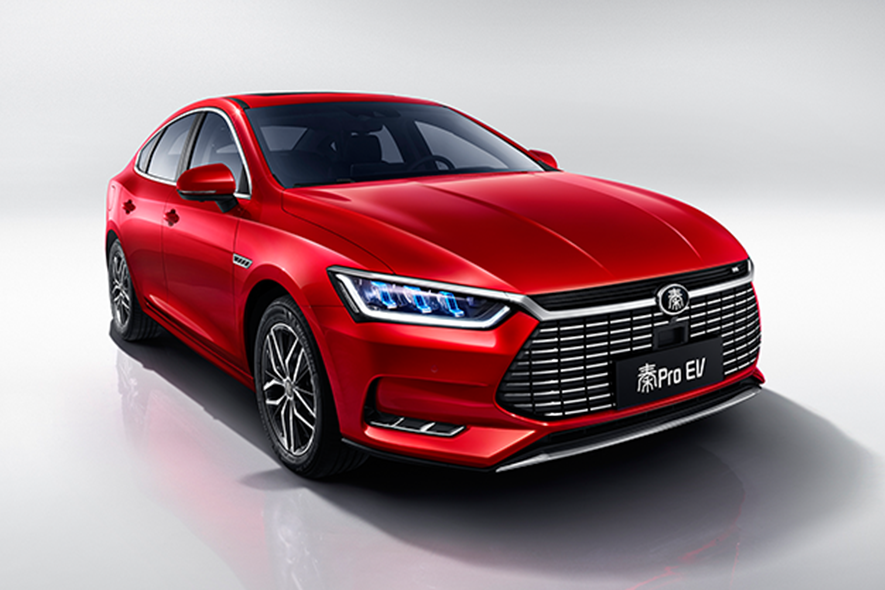
At a glance
- The Yuan Pro is a compact battery-electric SUV suited to urban and peri-urban duties.
- Choose between 320 km and 401 km CLTC-labelled classes using real route needs.
- Used and new sourcing channels require different condition, history and battery checks.
- Live unit quotations, not static market summaries, should govern current price, MOQ and availability.
- Confirm destination homologation, steering side, charging compatibility and aftersales support before ordering.
Why the BYD Yuan Pro matters for export markets
The BYD Yuan Pro is a compact battery-electric SUV built for the urban and peri-urban segment. That positioning gives overseas dealers a middle ground: a vehicle easier to place and operate than a full-size electric SUV, while offering the battery-electric proposition sought by fleets, ride-hailing businesses and company-car buyers. For a BYD Yuan Pro for export, demand is strongest where charging infrastructure exists and daily routes are predictable rather than exceptionally long. It is therefore less dependent on highway range than larger models and more commercially practical than a small hatchback in markets where ride comfort and cargo versatility matter.
The model’s relevance is not based on novelty alone. BYD is one of the names international buyers associate with electrified vehicles, and the Yuan Pro gives importers access to a recognizable Chinese product without moving into the cost and logistics of a larger premium electric SUV. Its compact dimensions can help with parking, urban delivery routes and fleet deployment. However, these advantages only translate into commercial value when local service capability, charging compatibility and parts planning are handled before shipment. A low purchase price cannot compensate for an unsupported vehicle.
Global buyers should view the Yuan Pro as a segment specialist rather than a universal EV solution. It is well aligned with urban congestion, moderate operating mileage and buyers who value a practical five-door SUV format, but those same parameters can expose it to range uncertainty in cold weather, highway travel or regions with sparse charging. The smart export decision is therefore to start with duty cycles, then match range version, condition and local operating costs. That sequence avoids choosing on badge appeal before proving the vehicle fits the market.
- Urban routes are the core use case.
- Match range class to duty cycle.
- Plan service before shipment.
Model range, trims and powertrain variants: how the lineup is structured and how to choose
The lineup is organized around two range labels: 320 km and 401 km versions. These are CLTC-labelled China-market range figures, not guarantees of the distance an imported car will cover in every destination. A buyer comparing BYD Yuan Pro specs should therefore separate the homologated test-cycle number from usable real-world range, which can be affected by temperature, speed, load, tyre choice and charging habits. For export planning, the 401 km class offers more nominal buffer for longer routes, while the 320 km class may suit urban use with predictable charging.
Within the longer-range family, the export catalogue has used labels such as Luxury, Deluxe, Lifetime Edition and “Love for a Lifetime” Edition. Those names are useful for identifying a seller’s description, but they are not a substitute for a VIN-specific equipment sheet. A vehicle described as Luxury can differ from Deluxe in comfort, infotainment, safety assistance, wheels or charging equipment, and imported cars may not carry every feature offered in their home market. Ask for the exact trim designation and a dated photo set before comparing vehicles and their documents.
Choice should follow the operating requirement, not the longest headline figure. Select the 320 km version when the vehicle will spend most of its life in city traffic and can recharge regularly; consider the 401 km class when routes include regional travel, more highway use or longer intervals between chargers. For a used BYD Yuan Pro, range choice is only half the assessment: request battery state-of-health evidence, charging history and a cold-weather or high-load observation because nominal range and actual condition can diverge. Verify connector, onboard charger and charging limits too.
- Compare range on one cycle.
- Verify equipment by VIN.
- Inspect used battery health.
New vs used BYD Yuan Pro: how export inventory is structured and how buyers choose
The export channel for the Yuan Pro includes both new vehicles and used examples, so buyers are not comparing a single factory configuration. Dealer stock may come from former fleet, rental or corporate use, while other units may be newer or exceptionally low mileage. The model year, trim name and range label establish the starting point, but the vehicle’s history determines its commercial value. Buyers seeking a BYD Yuan Pro wholesale should sort the live inventory by these fields rather than assuming that used or new alone adequately describes condition.
A used BYD Yuan Pro can be a rational purchase when it has a clear service history, consistent mileage and evidence that the high-voltage battery has been used responsibly. Inspect tyres, brake discs, suspension, body geometry, cabin wear and the condition of the charging port. Also check for flood exposure, accident evidence, outstanding recalls and software or battery-service history. A low odometer reading helps but does not replace an independent physical inspection, especially because EV range anxiety can encourage sellers to present range figures more prominently than maintenance records in photographs.
A new or exceptionally low-mileage example reduces uncertainty about wear and battery ageing, but it does not eliminate all procurement risk. Production date, factory warranty transfer, software entitlement, delivery age and option consistency still matter. Compare total cost rather than purchase price alone: a lower-priced used vehicle may need tyres, service or battery-related work, while a newer car may carry a depreciation profile before the first sale. Request a comparable condition report for each candidate and use the same checklist so that condition adjustments do not distort the comparison between vehicles.
- New reduces wear uncertainty.
- Used needs history inspection.
- Compare lifecycle costs.
How export pricing works: the factors behind a live listing price, and how to read one
A live BYD Yuan Pro export price guide should start with the vehicle, not the freight bill. Model year, range version, trim, mileage, exterior condition, battery condition, service history, colour, production date and optional equipment can all move the amount a seller will accept. Used examples need especially careful normalization because similar names may conceal different wear levels or missing keys. The fairest comparison is between vehicles of the same model year and range class, adjusted for documented condition rather than an unverified discount from an unrelated asking figure shown.
The second layer is logistics and deal structure. Confirm whether the displayed amount is the ex-China vehicle price or an estimated landed cost, and establish which charges it includes. Exchange-rate movement, ocean freight, insurance, export handling, port charges, inland delivery, destination duty, VAT or sales tax and dealer margins can materially change the final outlay. Incoterms also allocate duties, risk and delivery responsibility differently. A nominally cheaper listing can be more expensive if one quote includes freight and marine insurance while another ends at the factory gate under stated terms.
Read each live listing line by line rather than treating its headline amount as the final purchase commitment. Check currency, unit condition, model year, trim, range label, odometer, seller location, stated Incoterm, validity period and what documentation is included. Then ask for a written quote tied to the unit SKU and a breakdown of vehicle, freight, insurance, tax and destination charges. Current binding prices and availability must be checked on ChinaCarDirect’s live Yuan Pro inventory, because a seller can amend condition, terms or the asking amount after an earlier summary is published.
- Normalize year, trim and condition.
- Clarify Incoterms and exclusions.
- Use live unit quotations.
MOQ, ordering and payment: single units vs consolidating a container
Minimum order quantity is a commercial term, not a fixed technical characteristic of the Yuan Pro. Some sellers may accept a single vehicle, while others may apply a lot, production-batch or container-related minimum. The applicable MOQ belongs to the individual listing or written quotation, so never assume a platform-wide number without seller confirmation for that vehicle. When you open a live unit, confirm the MOQ, whether mixed trims or model years can share one order, and the stage at which the quantity requirement applies before any deposit is committed to the seller.
For an importer buying one or a few units, a single-car shipment may offer control over specification and condition, although freight and handling are less economical per vehicle. Consolidating several units in one container or shared consignment can reduce unit logistics cost and simplify deployment to one destination, but it increases the consequences of a damaged or non-compliant vehicle and requires tighter inspection sequencing. Compare the all-in cost of each route, including storage, customs, local haulage and the cost of holding a mixed batch while another vehicle is resolved or delayed.
A sound order process separates vehicle acceptance from payment and dispatch milestones. After specification and condition are agreed, review the sales contract, title or ownership documents, invoice details, warranty terms, inspection rights, delivery terms and the mechanism for resolving a discrepancy. Confirm the deposit, balance timing, accepted payment method, refund conditions and who arranges export customs. Never assume that an online deposit reserves the same car shown in the listing; request that the VIN, SKU or agreed vehicle identifier be written into the order confirmation and shipping instructions before remittance.
- Confirm listing-specific MOQ.
- Consolidate only when justified.
- Identify the vehicle in writing.
Shipping, homologation and market compliance caveats: LHD/RHD and import rules by country
Shipping begins with the vehicle’s legal and physical export status, not simply loading it onto a vessel. Confirm exporter documentation, customs requirements, packing, lashing, moisture protection and the release process at the origin port. The buyer or freight forwarder should coordinate ocean or roll-on/roll-off transport, insurance, destination clearance and inland delivery. Transit time depends on sailing availability, port congestion, customs inspection, weather, discharge port and the final transport leg. Cost is variable because charges can shift by container type, route, season, insurance coverage and handling requirements at either end of the journey.
Steering configuration is a sourcing item that cannot be ignored. Left-hand-drive and right-hand-drive cars are not interchangeable for every destination, and a converted vehicle may not satisfy every registration or safety expectation. Ask whether the Yuan Pro is factory left-hand-drive, factory right-hand-drive or converted, and request supporting identification before payment. Local rules may dictate steering position, lighting, equipment, software or emissions-related provisions. Because availability changes, treat RHD as a confirmed vehicle attribute rather than a presumed factory option and verify it on the exact unit being purchased in the invoice.
Import compliance is country-specific and should be closed before the vehicle is paid for or shipped. The importer may need local type approval, customs clearance, registration taxes, proof of ownership, safety and software checks, a compliant charging supply, local warranty terms and technical support for battery repairs. Zero tailpipe emissions do not automatically remove duties, documentation duties or charging-infrastructure obligations. Give the destination importer the VIN, homologation details and configuration, and make the sales conditional on their specialist confirming that the model, powertrain, steering side and equipment can lawfully be registered.
- Verify factory steering side.
- Approve before dispatch.
- Insure the full transit.
Who should buy the Yuan Pro — and who should pick a different vehicle
The Yuan Pro best fits importers, dealers and fleet operators with compact-EV infrastructure and repeatable routes. It is relevant for urban delivery, municipal or corporate pilots, ride-hailing operations, and customers who want SUV practicality without carrying the operating and purchase burden of a larger premium EV. It can suit a fleet purchase where charging depots can be controlled and maintenance is handled by trained technicians. The decisive question is whether the organization can charge reliably and service a high-voltage battery over the vehicle’s planned life, not simply whether the range headline looks competitive.
It is a weaker choice for buyers whose routes regularly extend beyond the verified range between reliable charging points, especially in severe cold, sustained motorway use or remote regions. Fleets with high daily mileage should also model charging time, residual battery capacity and replacement uncertainty into the business case. Drivers needing more passenger room, a much larger cargo bay, heavy towing or specialized bodywork may prefer another segment. Similarly, a buyer with no local high-voltage support should not treat a low vehicle price as compensation for workshop risk or prolonged downtime.
A buyer can turn the model into a good procurement choice by producing a route, charging and compliance brief before requesting vehicles. Calculate usable range under local temperature and load assumptions, map service access, define acceptable mileage and battery condition, then compare candidates on landed cost. For a single retail unit, prioritize transparent history and a chargeable, presentable vehicle. For a fleet order, standardize one range and trim to simplify training and parts. If the operating case does not close, choose a larger-range or different-powertrain vehicle rather than relying on optimistic assumptions.
- Strong for charging-ready fleets.
- Weak without local service.
- Compare usable range first.
Main rivals and how the Yuan Pro compares
The closest BYD comparison is the Atto 3, which occupies a larger compact electric SUV position and is developed for broader international distribution. The Yuan Pro can be more practical where capital cost, urban maneuverability and the availability of a used unit matter more than maximum cabin space. The Atto 3 may better suit buyers prioritizing a newer global-market identity, more generous passenger or luggage room, or a range and charging proposition selected for their country. Neither name guarantees local approval or support, so compare the exact imported configuration rather than the badges.
The MG ZS EV is a more direct value-oriented rival in several markets, while the Hyundai Kona Electric competes through compact packaging, efficiency and established dealer support where that network exists. The MG may attract price-sensitive importers, but parts access and residual-value confidence can vary by country. The Hyundai may be easier for a buyer with an established Hyundai service network, even if the acquisition case is less driven by Chinese export sourcing. The Yuan Pro’s strongest argument is a practical compact SUV, BYD electrification and access to new and used sourcing channels.
Choose by weighted criteria rather than a universal ranking. Give the largest points to range adequacy, charging fit, homologation, warranty and workshop support; then price the vehicle, expected energy and maintenance costs, and residual risk. The Yuan Pro is strongest when the destination is charging-ready and buyers value a compact used option. The Atto 3 becomes more logical as space and export-market support become priorities, the MG ZS EV when purchase economics lead and the importer can support its parts channel, and the Kona Electric when local brand service outweighs China-sourcing advantages.
- Compare range on one basis.
- Check country-level support.
- Choose by operating fit.
Live BYD Yuan Pro export inventory
View all listings →Real units currently on ChinaCarDirect with per-unit asking prices and MOQ. Availability updates live from the catalogue.
How to buy a BYD Yuan Pro from China
-
1
Define the operating case
Map daily routes, local climate, payload, charging locations and expected annual mileage. This determines whether the 320 km or 401 km class is relevant and identifies any charging or range constraints.
-
2
Filter the live inventory
Use the current Yuan Pro listings to compare model year, range class, trim, condition, mileage and seller location. Exact price, MOQ and availability must be confirmed on the selected unit.
-
3
Verify the configuration
Request the VIN, specification sheet, trim designation, range label, charging details and dated photographs. Confirm that steering side and equipment match the intended destination market.
-
4
Inspect used examples
Use a qualified EV inspection covering bodywork, tyres, brakes, suspension, high-voltage safety, battery condition and service records. Treat battery-health evidence as part of the vehicle’s commercial condition.
-
5
Request a landed quotation
Ask for a unit-specific breakdown covering the vehicle, freight, insurance, export handling, destination charges, taxes and the selected Incoterm. Confirm the quotation’s validity period.
-
6
Lock commercial terms
Record the applicable MOQ, deposit, balance, payment method, inspection rights, warranty, title documents and refund conditions in writing. Include the agreed VIN or SKU in the order confirmation.
-
7
Complete compliance and shipping
Have the destination importer confirm registration and type-approval requirements, then appoint a freight forwarder for export clearance, insurance, loading, customs and final delivery.
Yuan Pro vs rivals
| BYD Atto 3 | A larger BYD electric SUV positioned for broader international distribution. It may suit buyers prioritizing cabin space and a newer global-market identity, while the Yuan Pro can better serve importers focused on compact size and the economics of the specific China-sourced vehicle. |
|---|---|
| MG ZS EV | A direct compact electric SUV competitor in markets where it is offered. It can appeal to value-focused importers, while the Yuan Pro may be preferable where BYD recognition, the available trim mix or local parts arrangements are stronger. |
| Hyundai Kona Electric | A compact electric SUV rival that may fit buyers with an established Hyundai dealer network. The Yuan Pro offers additional China-sourcing and used-unit opportunities but may carry more destination support risk. |
Frequently asked questions
How is the BYD Yuan Pro export price determined?
Export price is built from vehicle attributes and deal costs. Model year, trim, 320 km or 401 km class, mileage, condition, battery health, service history, options, exchange rates, freight, insurance, Incoterms and destination taxes can all affect it. Check the per-unit amount on ChinaCarDirect’s live Yuan Pro listings and request a written quotation tied to that vehicle.
What powertrain and range versions does the Yuan Pro have?
The Yuan Pro is a battery-electric compact SUV rather than a combustion-engine model. Its China-market lineup includes 320 km and 401 km CLTC-labelled range versions, although usable range varies with weather, load, speed and charging habits. Confirm battery capacity, motor output, connector and charging limits from the specific listing because equipment can differ by market.
Are used BYD Yuan Pro vehicles a practical purchase?
New or low-mileage examples offer cleaner history, while used cars can offer a lower acquisition entry point but greater uncertainty around wear, battery condition and maintenance. The better choice depends on route, local service and inspection findings, not vehicle age alone. Compare candidates using the same condition-adjusted and landed-cost worksheet.
How does MOQ work for a Yuan Pro order?
MOQ is set by the individual listing or seller, not by the vehicle’s engineering. It may depend on lot size, model-year mix, export preparation or container planning, so confirm it in writing before paying a deposit. If buying several units, ask whether mixed trims can be consolidated and how shipping is handled if one vehicle is rejected.
What determines shipping time and cost?
Transit time and cost vary with sailing schedules, route, season, container availability, origin and destination port charges, customs inspection, insurance and inland delivery. A forwarder should quote the selected Incoterm and identify exclusions. Neither a generic shipping time nor a headline freight charge should be treated as fixed.
How are spare parts and battery service supported?
Before purchase, ask whether the destination has BYD-authorized support or another trained EV workshop and whether body, charge-port, high-voltage and battery parts can be sourced for the exact model year. Request warranty coverage, parts lead-time guidance and diagnostic access. A low acquisition price is harder to justify if replacement parts must come from another market.
Is a right-hand-drive Yuan Pro available for export?
RHD availability depends on the specific imported vehicle and destination. Some units may be factory right-hand-drive, while others may be left-hand-drive or converted, so request steering-side evidence and confirmation against local registration rules. Never order on the assumption that a conversion or stock position will be suitable.
How do I buy a BYD Yuan Pro from China?
Start with ChinaCarDirect’s live Yuan Pro listings, then send an RFQ with the destination, range version, trim, new or used condition, quantity and preferred Incoterm. Ask for the unit SKU, photographs, specification, inspection, payment milestones and shipping plan before remitting funds. Final acceptance should be recorded in a written contract with the agreed vehicle identifier.
Ready to source the BYD Yuan Pro?
Send your destination, trim, range, quantity and condition requirements to ChinaCarDirect for a current BYD Yuan Pro export quotation.
Request a quote