
BYD Dolphin Export Buying Guide for Overseas Buyers
Plan a BYD Dolphin export purchase with clear guidance on trims, range labels, used units, live pricing, MOQ, shipping, homologation and key rival options.
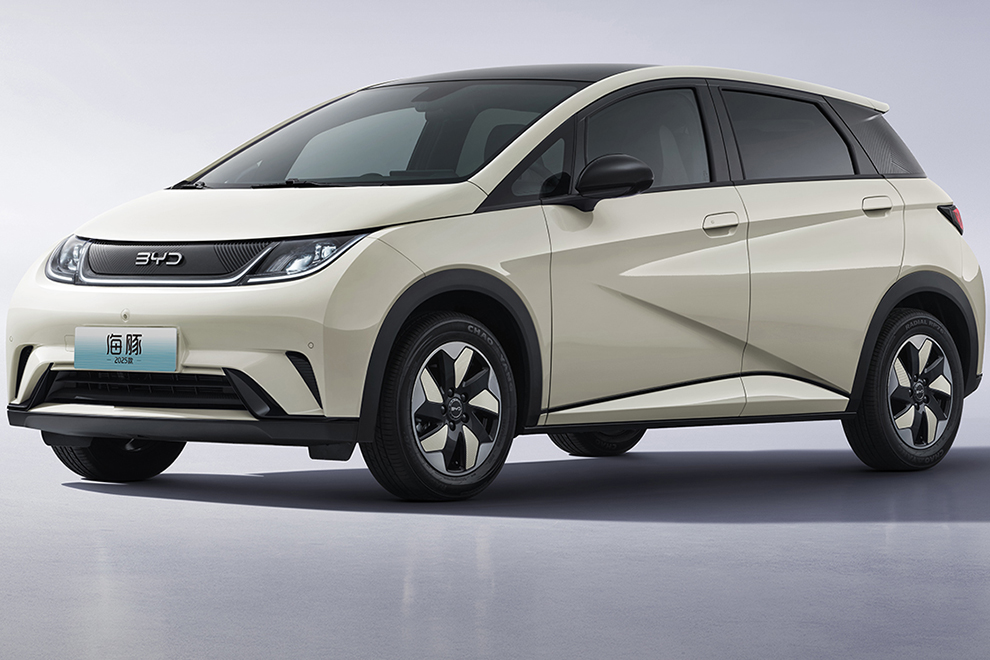
At a glance
- The Dolphin is a compact five-door battery-electric hatchback suited to urban dealers and controlled-charging fleets.
- China-market listings expose several range labels and edition names, so buyers should compare VIN-linked specifications rather than badges.
- Used Dolphins can offer lower entry cost, but battery health, condition evidence, and warranty continuity require careful review.
- Live unit prices and minimum-order terms must be checked on each listing and compared on the same landed-cost basis.
- RHD availability, type approval, battery paperwork, and destination charging support must be confirmed before commitment.
Why the BYD Dolphin matters for export markets
The BYD Dolphin sits in the compact battery-electric hatchback segment, combining a five-door body with the operating simplicity of an EV. That positioning gives it particular appeal to city-focused dealers, ride-hailing operators, and company-fleet buyers that need a practical vehicle without moving into a larger, costlier class. For overseas channels, the Dolphin is more useful as a marketable, recognizable model than as a one-off niche import: its compact format suits dense markets, while its range-labelled trims provide a way to match the product to different budgets, duty cycles, and operating needs.
Demand for the model in export markets is driven less by one specification than by package, electric powertrain, and Chinese supply depth. Its compact footprint makes it easier to deploy where roads and parking spaces are tight, and the five-door layout adds everyday loading flexibility. An electric drivetrain can simplify fuel and maintenance planning for fleets with controlled charging. However, low operating cost is realized only when routes, charging windows, insurance, and replacement planning work in the destination country. Buyers should test utilization before assuming electrification will reduce total operating cost.
The Dolphin appeals most where distance is predictable and charging can be standardized. It can suit a metropolitan dealer’s compact-EV range, a business seeking a five-door EV with less footprint than a typical crossover, or an urban fleet. Its export case depends on local type approval, service documentation, spare-parts access, and residual-value support. Buyers should compare it with locally serviced compact EVs and combustion vehicles, especially where charging coverage is incomplete or importers cannot support maintenance and warranty claims. A low acquisition quote alone does not overcome those operational constraints.
- Compact BEV hatchback format.
- Broad trim ladder.
- Charging determines fleet fit.
Model range, trims and powertrain variants: how the lineup is structured and how to choose
The China-market lineup uses edition names alongside range labels. Export listing names include Fashion, Free or Freedom, Knight, Honor, Glory, Elite, Max, and Smart Drive versions. Range-labelled examples include 302 km, 401 km, 405 km, 410 km, and 420 km variants. These are source-market CLTC-style labels, not automatically usable range or an export-market certification figure. Ask which cycle and market the number belongs to; the VIN-linked build sheet is more reliable than the marketing name and should be checked against the exact vehicle before any order or deposit is placed.
Choose the range variant around route reality rather than the largest label. A fleet with predictable urban charging may prioritize packaging, payload, and acquisition cost, while an intercity operation needs more margin between range and its daily requirement. The 405 km and 420 km labels look close on paper and should not be treated as proof of equivalent battery capacity, motor output, or charging speed. Likewise, a 401 km or 410 km label does not establish superiority. Request a range, battery, and charging comparison for the exact units under consideration.
Edition labels are not a universal equipment hierarchy. Fashion and Free/Freedom appear across several range versions, while Honor, Glory, Elite, Max, and Smart Drive may reflect equipment, software, or trim positioning for a particular market. Smart features can also vary by hardware and software release, so photographs are weaker evidence than a VIN-linked specification and option sheet. Before ordering, confirm battery capacity, motor rating, drive configuration, charging interface, standard equipment, and whether the quoted car is LHD or RHD. Treat that sheet as the controlling document for comparison across all quoted vehicles.
- Match routes to range.
- Use VIN-linked data.
- Verify battery charging.
New vs used BYD Dolphin: how export inventory is structured and how buyers choose
Export inventory can contain both new and used Dolphins, but the categories answer different procurement questions. A new listing may represent an unregistered or current-model vehicle; a used listing is a specific vehicle with history, not simply a discounted new-car brochure. Check condition wording, model year, odometer reading, and whether the car is road-ready, demo, or described otherwise. Current prices, availability, and each seller’s minimum order appear on live ChinaCarDirect listings. Ask the seller to correct omissions before funds are committed and confirm the final specification in writing for the vehicle ordered.
For a used EV, battery condition is the central technical question, but it cannot be separated from the whole vehicle. Request a battery state-of-health report, charging-session evidence, mileage, accident and repainting history, tire condition, and service records. Confirm that the dashboard range estimate, climate-control use, and prior fast charging are disclosed. A healthy-looking cabin or attractive range label is not a substitute for a documented health check. Also verify that any recall or software work has been completed and that the seller can provide the ownership documents needed for import.
New vehicles reduce uncertainty about wear and prior impact, while used vehicles can make fleet entry economics more attractive for high-utilization buyers able to manage residual risk. Neither is automatically cheaper on a landed-cost basis. New units may depreciate faster, whereas used units may need near-term tyres, battery-related service, or warranty support. For a first container, a mixed procurement plan can be sensible: establish demand with selected units, validate local charging and service performance, then decide whether a larger purchase is justified. Base that decision on verified unit economics, not the lowest headline quote.
- Used: battery health.
- New: configuration check.
- Pilot before scaling.
How export pricing works: the factors behind a live listing price, and how to read one
A live BYD Dolphin export price is a negotiated expression of several variables rather than a fixed universal price for the model. The model year, edition, range or battery version, mileage and condition, optional equipment, and whether the unit is new or used form the vehicle-level base. Then come currency movements, the seller’s location, inland transport, export handling, insurance, freight, destination charges, taxes, and the selected Incoterm. A quote that appears lower may therefore omit major landed costs. Read the listing terms before comparing it with another seller’s offer on the same delivery basis.
Treat each live listing as a configuration sheet with a price attached. Check the name, model year, range label, condition, mileage, VIN availability, photographs, equipment list, seller location, and delivery terms. Confirm whether the amount covers only the vehicle, export paperwork, onboard sea freight, or a broader destination service. Ask for a written quotation and pro forma invoice identifying every charge. The live ChinaCarDirect inventory gives the current per-unit figure and seller terms, which beat a remembered price or historical range. Request a fresh quote if the buying decision is recent.
Build the commercial comparison on one common basis: vehicle price, inland transport, export and customs charges, freight, insurance, port or terminal fees, destination taxes, homologation, charging adaptation, and a contingency for repair or parts delay. Use the same Incoterm for each offer, and confirm who is importer of record and when title and risk pass. Record exchange-rate assumptions on the quote. Once these elements are visible, a higher-looking unit can be the stronger purchase if its condition, documentation, or delivered scope is materially better. Value the complete transaction, not the advertisement.
- Same-Inceterm comparison.
- Condition and VIN checks.
- Landed-cost calculation.
MOQ, ordering and payment: single units vs consolidating a container
Minimum order quantity is a commercial term read on the live listing and confirmed in the seller’s quote; it is not permanent. Some offers may accept one ready vehicle, while others set a lot requirement for allocation, loading, or pricing. Current unit price, MOQ, and availability appear on each live ChinaCarDirect listing. A dealer testing the model can buy an individual unit or consolidate compatible vehicles with a freight forwarder. Every vehicle must be listed separately on cargo and customs documents. Do not mix units into an unrelated container without written agreement.
The normal sequence starts with a precise vehicle request, then seller verification of VIN, condition, configuration, and availability. The buyer reviews a quote or pro forma invoice, agrees to the Incoterm and payment milestones, pays a deposit, and pays the balance after the agreed inspection or release stage. Payment methods and protections depend on the seller and jurisdiction, so confirm the beneficiary, refund terms, document schedule, and dispute process before transfer. A signed contract should mirror the live listing rather than improve it verbally. Record every promised inclusion in the invoice.
Container buyers need an allocation plan as well as a payment plan. Decide which VINs and trims are acceptable, whether key fobs, charging accessories, manuals, and spare parts are present, and how mismatches will be resolved before loading. Photograph condition at handover, retain inspection evidence, and ensure the packing list, VIN list, and customs value align with invoices. Consolidating dissimilar orders can improve freight efficiency, but poor documentation can create demurrage, delay, insurance, and customs problems that exceed unit-level savings. One coordinator should reconcile all records across the vehicle and shipping files.
- Listing-specific MOQ.
- Staged payment inspection.
- Cargo-to-VIN matching.
Shipping, homologation and market compliance caveats: LHD/RHD and import rules by country
Steering configuration is a sourcing question, not a cosmetic preference. A vehicle intended for right-hand-drive markets must have the correct RHD architecture and local approval; converting an LHD car is not automatically acceptable or cost-effective. Chinese export listings can include different configurations, so RHD availability must be confirmed for the exact unit rather than inferred from the brand or model. Ask for the steering-side photograph, VIN, and conformity documents, and allow time for destination-specific conversion, inspection, and approval if the chosen unit is not already suitable. Check that local driving controls and safety equipment match.
Local homologation remains the importer’s responsibility unless the contract assigns otherwise. Requirements can cover VIN identity, vehicle type approval, safety and battery provisions, charging connection, software, cybersecurity or data rules, warranty, and registration. An EV’s lack of tailpipe emissions does not remove the need for type approval. The Chinese-market range label cannot substitute for an approved destination-market figure, and imported software may need language, connectivity, or update arrangements. Buyers should obtain a written local compliance plan before committing to a non-homologated vehicle. The local importer should identify the applicable authority and documents.
Freight planning should treat the traction battery as regulated cargo and the vehicle as a regulated road product. The carrier, freight forwarder, and insurer need the correct vehicle and battery information, including any dangerous-goods declarations or transport documents they require. Ro-ro and container options depend on carrier acceptance, port handling, charging arrangements, and destination infrastructure. Budget separately for customs classification, duties, taxes, terminal charges, delivery, charging hardware, and compliance work. Transit time and cost vary with route, season, carrier capacity, and Incoterm, so obtain a destination-specific logistics quotation from the selected carrier.
- Confirm steering side.
- Secure type approval.
- Check battery paperwork.
Who should buy the Dolphin — and who should pick a different vehicle
The Dolphin is a strong candidate for urban dealers, short-route company fleets, ride-hailing operations, and buyers seeking a practical five-door EV with a smaller footprint than a conventional crossover. It is especially attractive where charging can be controlled at the depot and routes return regularly to the same site. For a commercial operator, its value lies in packaging, electric efficiency, and manageable size rather than off-road ability or maximum payload. A small pilot can reveal energy use, charging time, software reliability, and service demand before a larger fleet commitment. Choose it for use cases its design actually serves.
It is a less suitable choice for buyers who need long-distance travel without dependable charging, SUV ground clearance, a much larger cargo hold, seven-seat flexibility, or a proven local residual-value network. High-mileage operators should be cautious when a used unit lacks battery-health evidence or warranty continuity. Buyers needing rugged commercial use, heavy towing, or specialised duty cycles should choose a vehicle engineered and supported for those tasks. Cold-climate fleets should also test real route performance rather than relying on a laboratory-style range label. Service access matters as much as the purchase price.
Use a structured decision test rather than an attractive trim badge. Compare usable route range, charging compatibility, cargo needs, safety and driver-assistance equipment, local warranty, parts lead time, software support, compliance effort, and expected resale prospects. For fleets, include charging infrastructure, insurance, downtime, tyres, and residual assumptions in the operating model. For dealers, test sourcing consistency, spare-parts access, and the ability to explain Chinese-market differences to local customers. If those checks pass, the Dolphin can suit a compact-EV range; if they do not, choose a better-supported alternative with stronger local backing.
- Urban-charging strength.
- Remote-use limitation.
- Service-support test.
Main rivals and how the Dolphin compares
The closest segment alternatives include the MG4, Volkswagen ID.3, and Hyundai i30 Niro EV. The MG4 is the most direct hatchback comparison for buyers focused on a compact electric car and price-led portfolio breadth. The ID.3 competes for buyers who prioritise a mainstream-brand hatchback, although its local proposition and cost will vary. The i30 Niro EV serves buyers who want a compact electric crossover and its taller, more versatile presentation. The Dolphin’s strongest counter-argument is its broad range of China-market editions and the sourcing choice created by Chinese supply across export markets.
An honest comparison should use the same destination, because trim equipment, warranty, and compliance differ more than model names suggest. Compare verified dimensions, motor output, charging, real-world range, software, and total cost rather than laboratory figures alone. The Dolphin may offer a wider specification ladder and compact packaging, but a rival can be more appropriate if its dealer network, financing, residual-value record, or service arrangements are stronger. Obtain an export quotation and a local retail quotation on equivalent landed assumptions before deciding. Do not compare one market’s badge with another’s base trim.
For an importer, the decision is often portfolio-specific. Choose the MG4 when the priority is an even more direct compact-hatchback benchmark; consider the ID.3 where its exact destination-market version and support network fit the budget; and consider the i30 Niro EV when SUV-like usability is essential. Choose the Dolphin when compact size, electric running economics, and access to differentiated trims outweigh any concern about weaker service visibility or residual-value uncertainty. Whichever vehicle wins, confirm steering side, certification, battery documentation, warranty, and live unit availability with the seller before placing a firm order.
- MG4 hatchback rival.
- ID.3 brand alternative.
- i30 Niro crossover.
Live BYD Dolphin export inventory
View all listings →Real units currently on ChinaCarDirect with per-unit asking prices and MOQ. Availability updates live from the catalogue.
How to buy a BYD Dolphin from China
-
1
Define the destination and duty cycle
Specify the country, steering side, daily routes, charging access, payload, passenger needs and expected annual utilization before selecting a trim.
-
2
Shortlist live inventory
Review the live BYD Dolphin listings and compare model year, edition, range label, condition, mileage, equipment, seller location and delivery terms.
-
3
Verify the exact vehicle
Request the VIN-linked specification, battery and motor details, charging information, photographs and relevant service or battery-health records.
-
4
Normalize the quotation
Ask each seller for a written quote under the same Incoterm, with the unit price, MOQ, payment stages, freight scope, insurance, taxes and other charges itemized.
-
5
Contract and complete payment
Use a purchase contract or pro forma invoice that matches the listing, confirm the beneficiary and refund terms, and retain inspection evidence before the balance is released.
-
6
Prepare compliance and shipment
Have the local importer confirm type approval, customs treatment and battery transport paperwork, then reconcile the VIN list, packing list, inspection record and shipping documents.
Dolphin vs rivals
| MG4 | The MG4 is the closest like-for-like compact electric hatchback and a strong benchmark for range, packaging and local-market support. It may suit a buyer focused on direct hatchback parity, while the Dolphin offers differentiated China-market editions and sourcing options. |
|---|---|
| Volkswagen ID.3 | The ID.3 is a mainstream-brand compact electric hatchback with a different trim and pricing structure. It may appeal where a stronger local sales and service proposition justifies the cost, while the Dolphin can be more attractive to price-led importers. |
| Hyundai i30 Niro EV | The i30 Niro EV offers compact-crossover positioning and a taller, more versatile presentation than the Dolphin. Choose it when SUV-style usability is central; choose the Dolphin when a lower-format hatchback and broader Chinese trim choice are priorities. |
Frequently asked questions
How is BYD Dolphin export pricing determined?
Price reflects the unit’s year, edition, battery or range version, condition, mileage, equipment, new-or-used status, currency movement, freight, insurance, taxes and the selected Incoterm. Exact price, MOQ and availability are shown on the live ChinaCarDirect listings, but buyers should request a written quotation because the delivered scope can differ between sellers.
What powertrain and range figures should I verify?
The Dolphin is a battery-electric hatchback, and China-market versions have used range labels including 302, 401, 405, 410 and 420 km. These are source-market CLTC-style figures rather than guaranteed destination-market range, so battery capacity, motor output, charging system and usable route range should be confirmed against the exact listing.
Should I buy a new or used BYD Dolphin?
New vehicles reduce uncertainty about wear and prior impact, while used vehicles can offer a more accessible entry cost for fleet buyers. A used purchase should include battery state-of-health evidence, service and accident history, condition photographs, recall checks and clear ownership documentation; neither category is automatically cheaper after landed costs.
How does MOQ work for a BYD Dolphin wholesale purchase?
MOQ is specific to the listing and seller, so read the live unit’s terms and confirm them in the quote. Some offers may accept one ready vehicle, while others require a lot; dealers can also consolidate compatible units with a freight forwarder, provided every vehicle is separately documented for cargo and customs.
What determines shipping time and cost for the Dolphin?
Transit time and cost depend on origin and destination ports, carrier capacity, sailing or vehicle schedule, season, freight method, battery handling, insurance, customs and terminal charges. The selected Incoterm determines which party bears each cost, so compare destination-specific delivered quotations rather than relying on a general freight estimate.
How are spare parts handled for an imported Dolphin?
Use the VIN and original build sheet to identify trim-specific parts, and confirm that a local dealer or distributor can support them before ordering. China-specific trims may require longer lead times for certain components, so buyers should identify likely consumables, warranty parts and emergency items in advance.
Is RHD availability guaranteed for the BYD Dolphin?
RHD units may exist in export supply, but availability must be confirmed for the exact listing rather than assumed from the model name. Check the steering-side photographs, VIN and conformity documents, and obtain local approval advice before ordering or arranging a conversion.
How do I order a BYD Dolphin from China?
Search the live inventory, shortlist units using route and configuration criteria, request build and condition evidence, and obtain a written quote with Incoterm, MOQ and payment terms. After contract and payment milestones are agreed, complete compliance checks, inspection and document reconciliation before shipment.
Ready to source the BYD Dolphin?
Request a current BYD Dolphin quotation and confirm the exact unit, delivery terms, compliance needs and landed-cost basis before ordering.
Request a quote