
Cadillac CT6 Export Buying Guide for Overseas Buyers
Build a confident Cadillac CT6 export plan: compare trims, plug-in hybrid options, pricing drivers, MOQ, shipping, compliance and key rivals.
At a glance
- The CT6 is a full-size luxury sedan suited to executive transport, chauffeur services and premium fleets.
- The 28T targets operating efficiency, the 40T favors higher performance and the 30E adds plug-in hybrid capability.
- New vehicles simplify fleet consistency; used cars need careful condition, mileage and history checks.
- Export quotes vary with year, trim, powertrain, condition, currency, freight, Incoterm and destination charges.
- Steering configuration, homologation and local parts support must be confirmed before an order is placed.
Why the Cadillac Ct6 matters for export markets
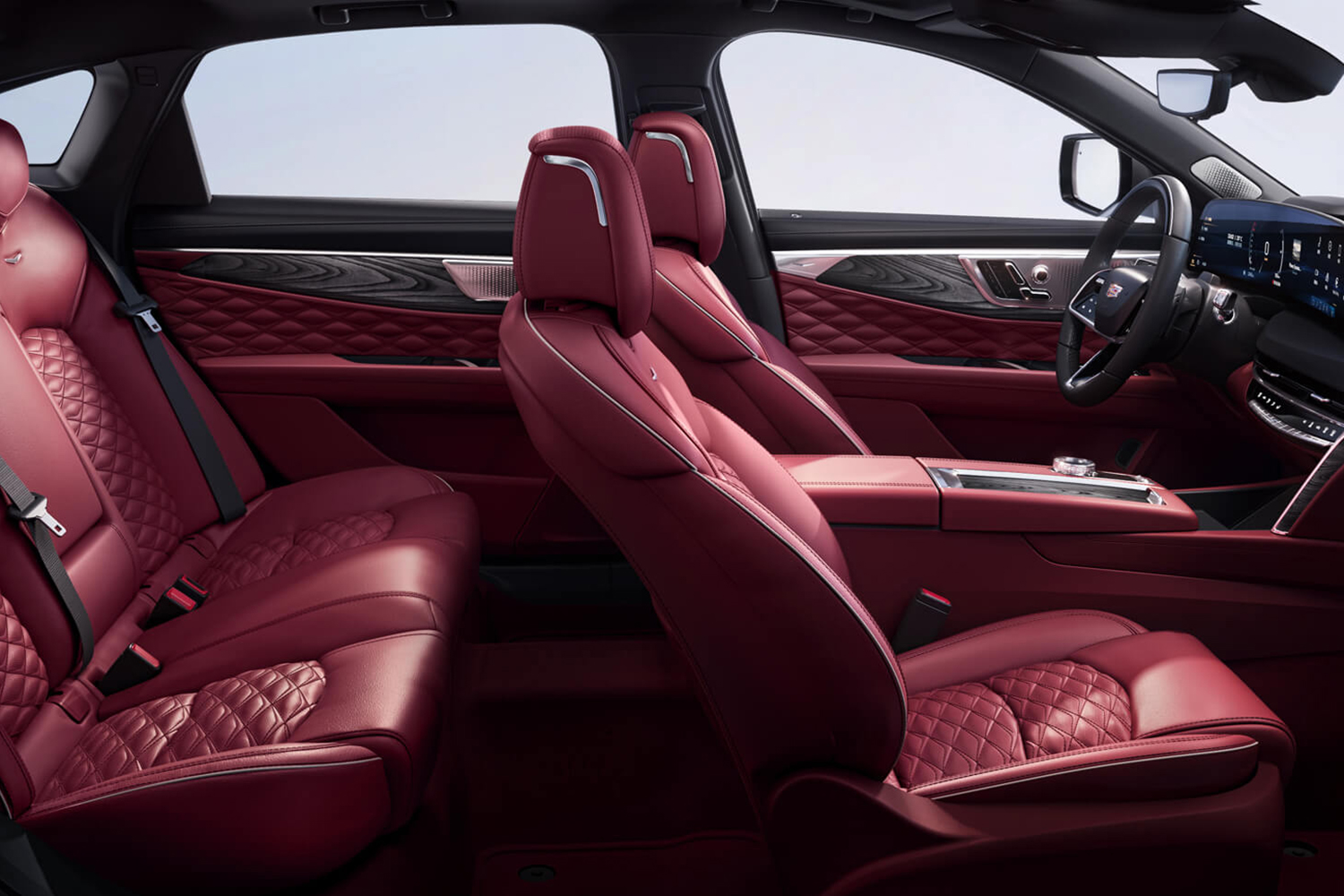
The CT6 occupies the practical end of the full-size luxury sedan market: it combines long-distance comfort, a formal cabin and a useful trunk with the serviceability expected by overseas fleets. For importers, it offers a recognizable premium badge and a clear alternative to European executive sedans without moving into exotic territory. Its appeal is strongest where chauffeur services, airport hotels and executive transport prioritize presence, rear-seat space and all-day usability. A private purchaser may suit a chauffeur-led household that wants an imposing road car but values comfort and reliability over outright performance.
Demand is not simply about size. Buyers compare the CT6 with other full-size sedans on cabin quietness, ride quality, standard equipment, fuel use, parts support and the cost of keeping each vehicle on the road. Its long wheelbase and generous passenger area make it credible for executive and premium transport, while its traditional sedan format remains easier to operate than a large luxury SUV. Overseas demand therefore tends to reward a balanced package rather than headline power alone. That makes model-year consistency, documentation and local after-sales planning as important as the badge.
The export case also depends on how well the Chinese-market specification fits the destination. Buyers should establish whether the vehicle is locally supported, whether its software and instruments meet expected standards, and whether replacement parts can be obtained without long cross-border delays. A sedan can be mechanically attractive yet commercially awkward if it cannot be registered, serviced or resold locally. That makes inspection, documentation and destination-market research inseparable from the purchase decision. For fleet tenders, a low purchase quote can mislead when downtime, compliance work and parts lead times are excluded from comparison.
- Strong fit for chauffeur fleets.
- Check local service support.
- Verify vehicle documents.
Model range, trims and powertrain variants: how the lineup is structured and how to choose
The CT6 range is organized around three broad powertrain families: 28T gasoline versions, 40T gasoline versions and the 30E plug-in hybrid. Across those families, names such as Premium, Luxury, Elite, Platinum, Leading Sport, Platinum Edition and special editions describe equipment, styling and feature bundles. Because the same trim label can appear in different model years, buyers should read the complete listing rather than treating a badge as a complete specification. This lets an importer narrow by propulsion, then select the cabin and driver-assistance package suited to its fleet operation and budget.
The 28T is the efficiency-oriented branch, generally pairing a turbocharged four-cylinder gasoline engine with the sedan’s comfort-focused character. It is the logical option when fuel economy, operating cost and straightforward long-distance use matter more than acceleration. The 40T branch is associated with a twin-turbo V6 and suits buyers who want stronger performance without leaving the luxury sedan class. Exact output and market equipment should be confirmed on the live unit. Because tax bands, insurance classes and road conditions differ overseas, a familiar trim name does not guarantee the same running cost overseas.
The 30E Elite offers a plug-in hybrid combining a combustion engine with electric assistance for short electric driving. It can appeal to organizations with controlled charging or a need to reduce tailpipe emissions on daily routes, but its battery capacity, electric range, charging interface and consumption must be verified for the listing. For most export buyers, the safest choice is the powertrain that matches local infrastructure, duty cycles and service capability. Hybrid complexity also makes parts planning, software support and resale expectations more important than the trim badge alone in that market.
- 28T prioritizes operating efficiency.
- 40T favors higher performance.
- 30E requires charging checks.
New vs used Cadillac Ct6: how export inventory is structured and how buyers choose
China-bound export inventory can contain both newer vehicles and used examples from earlier model years, so the first buying decision is not new versus used in the abstract. It is whether the vehicle’s age, condition and specification create a better business case for the intended use. Newer cars generally offer cleaner presentation, more contemporary equipment and less accumulated wear. Used cars may offer a lower entry point and access to mature trim packages, but require more scrutiny. This is particularly relevant when the buyer is replacing fleet vehicles on different replacement cycles.
A new vehicle is normally easier to specify consistently, which helps a dealer build a homogeneous fleet and reduces uncertainty over cosmetic defects, battery or engine condition, and replacement-part matching. It may also carry manufacturer or seller protections, but buyers must confirm exactly what those protections cover, their duration, geographic validity and transferability. Warranty language should never be assumed to survive export, customs clearance or a change of operator. Ask for the actual policy documents tied to the VIN. The same VIN should appear consistently across the quotation, invoice and vehicle documents.
A used CT6 can make sense for an importer seeking an equipment package, a familiar configuration or a lower acquisition commitment. Its value depends on the condition of the engine, chassis, cabin, electronics and trim parts, which should be inspected rather than inferred from photographs. Check service records, title documents, VIN, odometer, recall and repair history, tire condition plus accident or flood exposure. A lower purchase price can be offset by near-term maintenance, downtime and resale uncertainty. For fleet buyers, compare that likely cost over the holding period, not only the initial transaction.
- New: easier fleet consistency.
- Used: closer inspection needed.
- Compare total holding cost.
How export pricing works: the factors behind a live listing price, and how to read one
A CT6 export quotation is the result of several variables rather than one universal rate. Model year, trim, 28T versus 40T versus 30E configuration, mileage, condition and whether the vehicle is new or used all influence the vehicle’s starting position. Currency movements affect the seller’s cost, while port charges, inland transport, insurance, documentation and destination taxes affect the landed cost. The Incoterm determines which party pays for each stage and where risk transfers. A buyer comparing vehicles should separate the vehicle price from freight, taxes, compliance and operating costs in writing.
When reading a live listing, check the year, exact trim, powertrain, mileage, condition description, VIN availability, photographs, seller location and stated shipping or payment terms. Similar names do not guarantee identical equipment, and a listing image may not reveal repainted panels, replaced lamps or market-specific options. Confirm whether the displayed amount is the vehicle-only price or includes transport, and whether it is a firm quote or an invitation to negotiate. Exact current figures should be taken directly from the live unit record, not inferred from an article, saved enquiry or comparison.
The most reliable comparison is like-for-like: the same year, powertrain, trim, condition, mileage standard and Incoterm should appear in every response. Ask the supplier to show the calculation and list exclusions such as destination charges, customs duty, tax, registration, storage or inland delivery. Quote validity matters because exchange rates and available freight can change before payment. For a wholesale decision, record the vehicle reference, total amount, payment schedule, inspection rights and remedies if the unit differs from its description. That written record prevents a low headline quote from becoming an expensive purchase.
- Compare like-for-like configurations.
- Separate vehicle and landed cost.
- Get written exclusions.
MOQ, ordering and payment: single units vs consolidating a container
MOQ is the minimum quantity a seller requires for a stated commercial offer, and it should be read on each live vehicle rather than assumed for the model. A listing may permit a single-unit purchase, while a seller managing a mixed container allocation may set different terms for a larger volume. Confirm whether the displayed MOQ applies to that exact SKU, and whether units must share the model year, trim, powertrain or destination. That detail determines whether a buyer can mix equipment or must standardize the shipment. Ask for it in writing.
A single-unit order is useful for testing a market, replacing one executive car or beginning a dealer relationship. The usual sequence is to select a live listing, request an RFQ, confirm the VIN or vehicle reference, agree on price and Incoterm, pay the deposit, complete inspection, settle the balance and release the vehicle against shipping documents. Payment milestones should correspond to clear events. Avoid sending an unsecured balance before the inspection and documentary checks required by the contract are complete. The contract should identify the inspection standard, correction process and document set.
Consolidating several units can improve freight planning and give an importer control over a more coherent fleet batch, but it also concentrates cash flow and compliance risk. A mixed container might include several trims or powertrains for resale, whereas a fleet order may standardize one configuration for maintenance and resale planning. Buyers must balance container savings against port handling, damage exposure, unsold stock, model-specific homologation and the need to register every vehicle promptly. Model the full landed and post-arrival cost before authorizing a consolidated order in every target market and destination involved.
- Read MOQ per live SKU.
- Tie payment to inspection.
- Include compliance and stock risk.
Shipping, homologation and market compliance caveats: LHD/RHD and import rules by country
Shipping begins with confirming that the vehicle’s steering configuration is acceptable in the destination. A Chinese-market CT6 may be left-hand drive, while some buyers require right-hand drive for local registration, road position or fleet convention. Right-hand-drive availability can be limited, and conversion adds cost, lead time and homologation questions that must be settled before payment. Obtain photographs of the steering wheel and instrument cluster, record the configuration on the order, and have the authority or specialist confirm acceptance. A mismatch discovered at the port can delay clearance and strand the asset.
Import requirements are country-specific rather than universal. A buyer may need to address VIN and title standards, emissions, road safety, electrical compatibility, customs classification, age limits, taxes and local type approval. A plug-in hybrid may require attention to battery declarations, charging equipment and software, while used gasoline vehicles can face stricter inspection depending on condition. Local rules can change, so the importer’s broker or homologation specialist should confirm the pathway in writing before the vehicle is loaded. This check should cover both the vehicle and the planned use, not merely importability.
Operationally, the shipment should move through agreed inspection, preparation, export documentation, port handling, sea or ro-ro carriage, customs, delivery and local registration. Vehicles need secure transport, suitable lashing and protection from moisture and movement; hybrid units also require the correct dangerous-goods and charging-related handling instructions where applicable. Allocate insurance around the Incoterm and the actual risk-transfer point. On arrival, reconcile the vehicle condition with the pre-shipment record and complete registration promptly to avoid storage charges or compliance penalties. The importer should also retain copies of every release document and condition record.
- Confirm LHD/RHD acceptance.
- Get homologation guidance.
- Match insurance to Incoterm.
Who should buy the Ct6 — and who should pick a different vehicle
The CT6 makes the most sense for buyers who want a formal, full-size sedan with a premium badge, generous passenger space and a long-distance character. It is particularly relevant to chauffeur-led executive transport, airport and hotel services, premium corporate fleets and private households seeking a distinctive alternative to European sedans. The 28T can suit cost-conscious operators, the 40T can suit performance-focused buyers, and the 30E can suit fleets with dependable charging and a low-emission duty cycle. It is less compelling when parking space, operating cost or vehicle support is the primary constraint.
Buyers should choose another vehicle if they need a compact footprint, low operating costs in an urban duty cycle, a proven high-performance specification or a hybrid with charging support in their market. A large sedan can be cumbersome in dense cities and may offer less cargo flexibility than an SUV, even when its trunk is generous. Luxury buyers may also prefer a rival with stronger local dealer networks, simpler parts mapping or a more transparent residual-value history. The right alternative depends on infrastructure and resale priorities as much as on the brochure.
Before committing, test the CT6 against the actual operating brief: rear-seat comfort, driver visibility, luggage needs, motorway behavior, fuel or charging access, service turnaround and driver training. Compare total cost over the planned holding period, including purchase, freight, taxes, insurance, fuel, maintenance, downtime and eventual resale. A used unit can suit a conservative budget, while a newer specification can reduce uncertainty for daily deployment. If the intended market cannot support the powertrain or trim, the savings at purchase will not compensate for operational friction. That discipline is especially important in fleet tenders.
- Best for executive fleets.
- Match powertrain to duty cycle.
- Reject weak local support.
Main rivals and how the Ct6 compares
The Mercedes-Benz S-Class is the CT6’s most obvious benchmark in the full-size luxury sedan class. It generally carries a stronger global prestige and may offer a broader local service network, but its acquisition and ownership case depends heavily on the selected market and generation. The CT6 can appeal to buyers seeking comparable space and comfort with a more distinctive badge and potentially a different used-vehicle value proposition. Compare local parts pricing, software features, safety systems and homologation rather than relying on model name alone. The correct rival changes with the destination country.
The BMW 7 Series is another direct executive-car competitor, with a driver-focused reputation and a broad global identity. Buyers who prioritize handling, brand familiarity or established local parts channels may prefer it; those seeking a formal, comfort-led American sedan may find the CT6 more distinctive. The Audi A6 sits somewhat lower in the hierarchy and is often considered when buyers want a full-size premium saloon with a more compact footprint. The CT6 counters through size, rear-passenger intent and a different styling proposition. Availability, taxation and homologation often matter more than badge preference.
A cross-shop should normalize the comparison by body size, model year, powertrain, equipment, condition, destination charges and running costs. The CT6 may offer a balance of luxury, space and acquisition value in some markets, but that advantage can disappear if parts are slow to source or registration is difficult. For a fleet buyer, a spreadsheet should compare acquisition, homologation, energy, maintenance, downtime and resale assumptions over the same period. A private buyer should prioritize the cabin, ride, steering and brand support after a comparative test drive with a passenger on familiar roads.
- S-Class: global luxury benchmark.
- 7 Series: driver-focused alternative.
- A6: smaller premium saloon.
Live Cadillac Ct6 export inventory
View all listings →Real units currently on ChinaCarDirect with per-unit asking prices and MOQ. Availability updates live from the catalogue.
How to buy a Cadillac Ct6 from China
-
1
Set the operating brief
State the destination country, LHD or RHD requirement, passenger and luggage needs, preferred powertrain and planned holding period. This prevents a visually attractive but poorly supported unit from entering the shortlist.
-
2
Shortlist live inventory
Review live Cadillac CT6 listings and compare year, trim, powertrain, condition, mileage, VIN availability and photographs. Confirm that the displayed terms belong to the exact vehicle and SKU being evaluated.
-
3
Verify specification and condition
Request the VIN, equipment list, ownership or service records, maintenance history and evidence of prior accident or flood damage. For a new vehicle, confirm production status, delivery timing and the applicable written protections.
-
4
Check destination compliance
Have an importer, customs broker or homologation specialist review steering configuration, VIN, emissions, road-safety, tax, registration and charging requirements. Resolve any conversion or type-approval issue before payment.
-
5
Request a written quotation
Ask for the vehicle reference, current price, MOQ, Incoterm, freight basis, taxes, payment schedule, inspection rights and exclusions. The live listing and signed quotation should carry the binding figures.
-
6
Complete inspection and payment
Use the agreed inspection standard, reconcile the VIN and documents, and correct discrepancies before the balance is released. Tie deposits and final payment to clear contractual milestones.
-
7
Ship, clear and register
Confirm export documents, insurance, secure loading, freight booking, customs and local delivery. Reconcile arrival condition with the pre-shipment record and complete registration promptly.
Ct6 vs rivals
| Mercedes-Benz S-Class | Both are full-size luxury sedans, but the S-Class carries stronger global prestige and often broader local service support. The CT6 may offer a more distinctive badge and a different used-vehicle value case; parts, software and homologation should decide. |
|---|---|
| BMW 7 Series | The 7 Series is a direct executive-car rival with a more driver-focused reputation. Choose it for established local support or handling preference; choose the CT6 for formal comfort, rear-seat space and a different American-badged alternative. |
| Audi A6 | The A6 is a somewhat more compact premium saloon that may suit buyers prioritizing footprint, efficiency and brand familiarity. The CT6 offers greater size and rear-passenger intent, but only makes sense when local support and compliance are secure. |
Frequently asked questions
How is Cadillac CT6 export pricing determined?
Export pricing is calculated from the specific vehicle’s year, trim, powertrain, condition, mileage, exchange-rate movement, freight, insurance, taxes and Incoterm. ChinaCarDirect shows the current per-unit price, MOQ and availability on live Cadillac CT6 listings. Request a written quotation for the exact vehicle because the binding figures can change before payment.
Which Cadillac CT6 engine and range options are available?
The 28T is associated with a turbocharged four-cylinder gasoline engine, the 40T with a twin-turbo V6, and the 30E is a plug-in hybrid. The gasoline versions do not have battery-electric driving range, while 30E battery capacity, electric-only range and charging details must be checked on the live listing.
Should I buy a new or used Cadillac CT6?
New vehicles are easier to standardize and generally reduce condition uncertainty. A used CT6 can suit a targeted equipment need or conservative acquisition budget, but buyers should inspect condition, records, VIN, mileage, accident history and trim-specific parts before ordering.
Can I order one Cadillac CT6, and how does MOQ work?
MOQ is shown per live listing rather than fixed for the model as a whole. Some offers may permit single-unit ordering, while others impose volume, matching or container-allocation requirements, so confirm the terms for the exact SKU.
How long does CT6 shipping take, and what drives the cost?
Transit time depends on the origin and destination, sailing schedule, port congestion, customs and inland delivery. Cost is affected by the transport method, route, insurance, handling, documentation and Incoterm, so request both a vehicle-only quotation and a landed-cost breakdown.
Can I obtain spare parts for a Chinese-spec Cadillac CT6?
Parts support depends on the exact trim, market specification and distributor coverage. Before buying, confirm that engine, electrical, interior, lighting and hybrid components can be sourced, and retain the VIN and trim details for accurate ordering.
Is a right-hand-drive Cadillac CT6 available for export?
Right-hand-drive availability can be limited, and a Chinese-market left-hand-drive vehicle may not satisfy local road or registration requirements. Confirm the steering configuration from photographs and documents, and obtain local approval before paying or arranging a conversion.
How do I order a Cadillac CT6 from China?
Start with the live CT6 listings, select a vehicle and submit an RFQ with the destination and operating requirements. Confirm the current price, MOQ, Incoterm, payment milestones, inspection terms and export documents for that unit, then complete payment, shipping, customs and local registration.
Ready to source the Cadillac Ct6?
Request a written RFQ for your selected Cadillac CT6, including MOQ, Incoterm, freight basis and destination-compliance requirements.
Request a quote