
Cadillac CTS (Import) Export Buying Guide
Guide Cadillac CTS import exports for overseas buyers, comparing trims, engines, pricing logic, MOQ, shipping, compliance, and direct rival options.
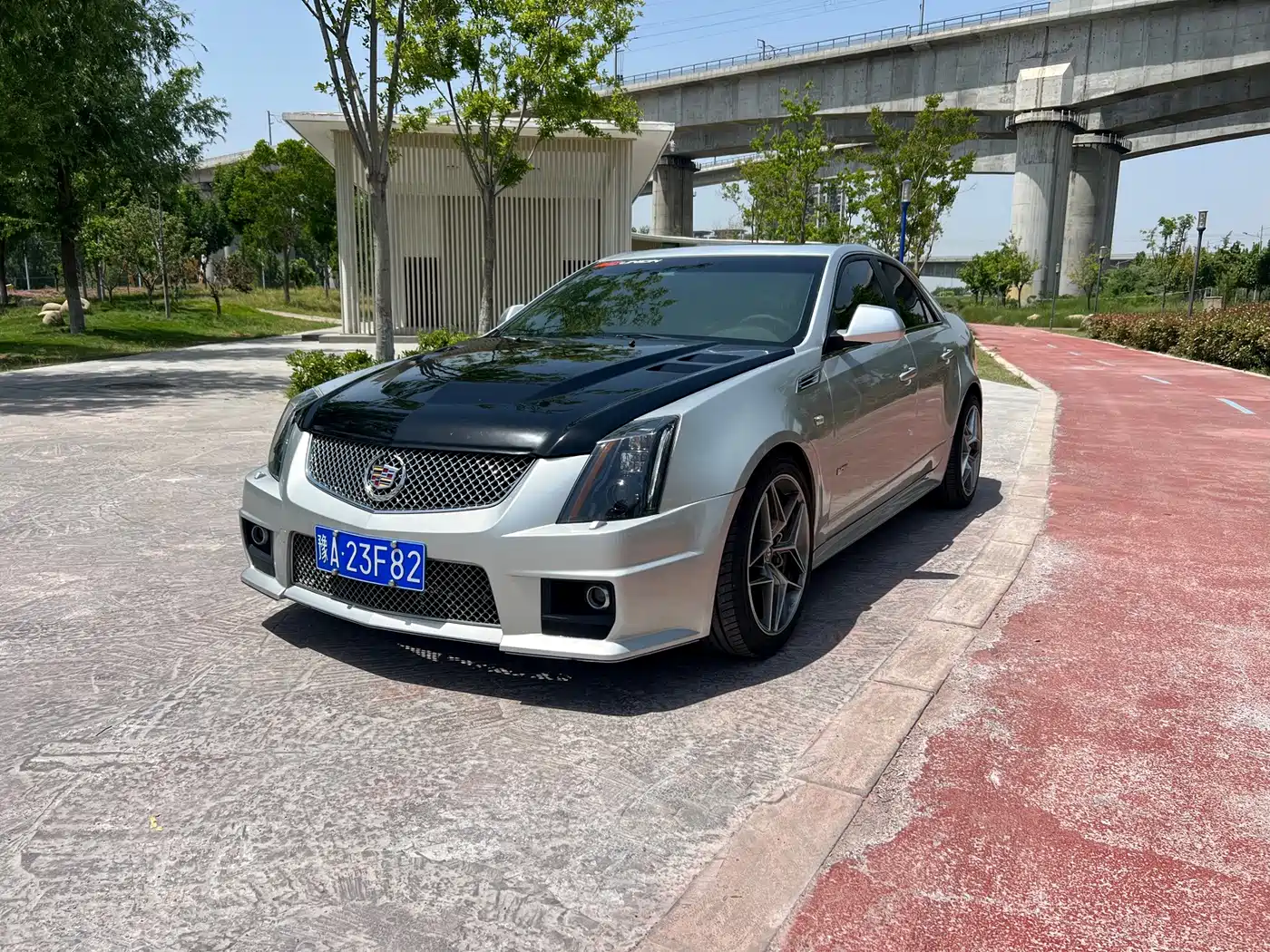
At a glance
- The CTS (import) spans 2.8L turbo, 3.6L V6, and 6.2L V8 powertrains.
- Sedan and coupe bodies serve different luxury and performance buyers.
- Trim, condition, documentation, and destination rules determine export suitability.
- Live listings provide the binding unit price, MOQ, and availability.
- Dealer wholesale decisions should weigh landed cost, support requirements, and realistic sell-through.
Why the Cadillac Cts (import) matters for export markets
The Cadillac CTS (import) occupies a distinctive niche between sedans and higher-priced European performance models. Its appeal comes from bold American styling, a driver-focused luxury cabin, and the availability of turbocharged, V6, and V8 powertrain choices in different markets. For overseas dealers, that combination can attract customers who want visual presence and strong road character without moving to the costliest prestige-badged alternatives. It is not a volume model in most destinations, however, and its commercial case depends on local recognition, service capability, and compliance rather than on broad demand alone.
For export markets, the CTS matters most where buyers already understand the Cadillac name but have limited access to a comparable new vehicle. Parallel-import and dealer-channel demand can be strongest for distinctive trims, particularly the 6.2-litre CTS-V, while the 28T versions offer a more rational luxury-car proposition. Yet importing is not simply a matter of moving a low-mileage car: destination rules, parts support, software, safety approvals, and expected resale value all affect whether the model can operate as a normal stock item after any local customization and approval are completed.
A disciplined buyer should therefore assess the CTS as a market-fit project, not simply a product listing. Confirm the body style, steering position, fuel and engine configuration, and whether local technicians can service the chosen model. Compare the landed cost with locally sold alternatives, including registration and ongoing ownership costs. If the vehicle will sit unsold or require repeated modifications, a more conventional executive sedan may protect margin and reduce risk. This is particularly important for first-time importers, who should secure a compliant vehicle and realistic demand before scaling up.
- Compare local service access.
- Test one customer profile.
- Include ownership compliance.
Model range, trims and powertrain variants: how the lineup is structured and how to choose
Within the range, trim names are the first guide to intent. The 28T Luxury Model and 28T Elite centre on the 2.8-litre turbocharged four-cylinder, with Elite indicating the higher equipment grade. The 3.6-litre coupe uses a naturally aspirated V6 and prioritises grand touring over outright performance. The 6.2-litre CTS-V versions are the high-output V8 choice, offered in sedan or coupe forms across the family. Buyers should compare the exact listing rather than assume every CTS-V has identical body equipment, because market-specific equipment and condition can differ significantly between individual cars.
Drivetrain and gearbox details deserve attention because trim names alone do not prove the mechanical specification. The CTS family is associated with front-wheel-drive luxury applications and rear-wheel-drive sport applications, while the automatic gearbox and calibration can vary by engine and market. A buyer should verify the driven axles, transmission, engine code, steering position, and any market-specific setup from VIN and documents. This is especially important for converted or cross-border vehicles, where a badge may have been reassigned or a component changed before the vehicle is committed to an export contract.
Choose the powertrain around the buyer and operating environment, not simply the largest engine available. The 28T is suitable where lower displacement, turbo response, and a luxury-focused specification matter; the 3.6-litre V6 offers a simpler V6 alternative; and the CTS-V suits drivers who specifically value its V8 character, rear-drive dynamics, and performance equipment. Fuel quality, congestion, insurance, tax bands, and emissions rules can alter the economics, especially for an older imported car. Obtain a written specification and condition report before finalising the order for the exact unit intended for sale.
- Match engine to use.
- Verify axle and gearbox.
- Separate touring from V8.
New vs used Cadillac Cts (import): how export inventory is structured and how buyers choose
Export inventory should be classified by declared condition, not by model year alone. Dealer and parallel-import channels may place declared-new, low-mileage, auction, and previously registered vehicles in the same export stream, so the categories must be separated before comparison. A vehicle can have a newer model year yet carry a history of use, while an older imported unit may be presented in very different mechanical and cosmetic condition. The live listing, odometer reading, title documents, service records, and seller declaration must agree before any of these labels are treated as reliable for import.
A declared-new vehicle can offer a cleaner ownership proposition, fewer signs of wear, and a straightforward retail presentation. It may be easier to standardise equipment for local customers, although buyers should still verify paint, tyres, interior condition, production date, and whether factory warranty can transfer across borders. For a used Cadillac CTS (import), inspection becomes important because age can bring suspension wear, fluid leaks, service gaps, and cosmetic defects. A lower purchase price does not automatically produce a lower cost of ownership once repairs, preparation, and inventory turnover are included.
The right comparison is total landed cost and expected sell-through, not the vehicle's age in isolation. For a dealer, a lower-entry car may cover more mainstream demand than a scarce performance special, while a specialist importer may justify the extra complexity of a CTS-V. Build a worksheet covering purchase, inspection, documentation, transport, taxes, insurance, marketing, and repairs. Then model two sales scenarios and ask the supplier for a condition summary. Current units, prices, and availability should be checked in live Cadillac CTS import listings, not inferred from an old catalogue.
- Classify declared condition.
- Reconcile odometer and title.
- Model landed sell-through.
How export pricing works: the factors behind a live listing price, and how to read one
An export price is built from interacting variables rather than one universal CTS rate. Model year, body style, exact trim, engine, drivetrain, equipment, mileage, condition, ownership history, and title status affect the vehicle's value. Market exchange rates also move the local cost of acquiring it. On top of that base, freight, marine insurance, export handling, port charges, inspection, customs duties, taxes, and the selected Incoterm can change the final amount materially. Comparing two listings is meaningful only when their configurations and commercial scopes are equivalent at the same shipment stage.
Read each live listing as a set of commercial terms, not just a headline amount. Confirm whether the quoted figure includes export clearance, inland transport to the loading point, marine insurance, or delivery to the destination port; if not, state what is excluded. Check whether freight is charged per vehicle, by consolidated volume, or through a buyer's own forwarder. Payment terms, validity period, and the currency of the quote also matter. Request a pro forma invoice that reconciles the vehicle price, charges, and Incoterm before transferring funds to the supplier.
Buyers should separate seller incentives from market value. Promotional wording, a sale field, or a displayed amount does not by itself disclose the final payable total or guarantee allocation. Where records appear similar, ask the seller to confirm the VIN, SKU, odometer, and identity of the car being reserved. For budgeting, create three figures: vehicle cost, export logistics, and destination charges. Review them again immediately before contracting because exchange rates and shipping inputs can move. Exact price, availability, and the binding minimum order quantity are shown on each live ChinaCarDirect inventory record.
- Match Incoterm and currency.
- Separate three cost layers.
- Verify VIN and identity.
MOQ, ordering and payment: single units vs consolidating a container
Minimum order quantity is a seller and transaction term, not a permanent property of the Cadillac CTS. One importer may buy a single collector car, while another may require a mixed-model container or several units of one configuration. Therefore, check the MOQ attached to the chosen listing and obtain it again in the quotation; do not assume a platform-wide quantity applies to every seller. For a first purchase, a one-unit transaction is useful for testing demand, reducing sunk freight exposure, and allowing inspection of the seller's export process before scaling up.
Ordering should follow a sequence: specify the configuration, ask the seller to confirm the unit, review documents and condition, agree the Incoterm and payment milestones, then authorise shipment. A purchase order or pro forma invoice should identify the vehicle, quantity, currency, payment method, readiness date, inspection rights, and what happens if the unit fails inspection. Payment structures often combine an advance with a balance before release, but the exact schedule must be negotiated and protected. Never rely on chat messages when key obligations can be recorded in the invoice or contract.
Consolidating vehicles can improve freight and handling efficiency, but it adds coordination risk. Compatible orders may share a container if the supplier, forwarder, and customs arrangements allow it; incompatible documents or specifications should not be forced together to fill space. Consolidation can create longer storage, higher demurrage risk if one unit is delayed, and difficulty matching colour or specification to demand. Dealers should agree release dates, inspection evidence, marking, insurance, and payment terms for every unit, then decide whether direct shipment or consolidation offers the better working-capital and inventory-turn outcome.
- Check each listing MOQ.
- Use written milestones.
- Align consolidation releases.
Shipping, homologation and market compliance caveats: LHD/RHD and import rules by country
Steering configuration is the first compatibility check. China-origin vehicles are commonly supplied in left-hand-drive form, but buyers should verify the car rather than infer from its origin. The United Kingdom, Australia, and Japan are right-hand-drive markets, while many other destinations use left-hand drive. Converting a CTS from one side to the other can involve substantial parts, labour, certification, and safety work, so a natively configured example is usually preferable. Import rules may also restrict the age or previous registration of a vehicle, which can remove otherwise suitable cars from consideration.
Local market compliance must be settled before shipment, not after arrival. Depending on the destination, a dealer may need a VIN check, type approval, emissions compliance, safety inspection, customs clearance proof, and evidence of roadworthiness. Duties, VAT or GST, exemptions, registration fees, and used-vehicle restrictions can change the total cost. Some cities apply low-emission zones that affect older petrol vehicles even after national approval. Ask the destination broker or compliance specialist to confirm the current rule set for the exact year, engine, body, and steering layout, and retain written evidence for pre-shipment approval where available.
Shipping scope determines overall cost and responsibility. A quote may end at the loading port, cover customs and ocean freight to a destination port, or extend through a forwarder to a yard. Confirm who books the vessel, insures the cargo, handles clearance, supervises loading, and pays terminal charges. Marine insurance should reflect vehicle value, while pre-loading inspection helps confirm condition before the vehicle is sealed. Build the schedule around vessel availability, port congestion, customs examinations, inland haulage, and unloading appointments; these variables can move more than the base ocean rate.
- Verify steering side.
- Pre-clear market rules.
- Assign logistics roles.
Who should buy the Cts (import) — and who should pick a different vehicle
The CTS (import) is best suited to buyers valuing a bold luxury sedan or coupe, a distinctive alternative to conventional European saloons, or a specialist customer base. The 28T variants suit dealers seeking a smaller-engine luxury car with turbocharged power, while the 3.6-litre V6 appeals to customers wanting V6 character without the CTS-V. The CTS-V is a deliberate performance purchase for buyers who need its 6.2-litre V8 and sport chassis. Match the trim to the customer rather than the badge being easiest to source, particularly in a specialist export channel.
It is a weaker fit for buyers who put fuel economy, low running costs, common parts, effortless warranty support, or straightforward right-hand-drive availability ahead of styling and performance. An older imported CTS may also be difficult to justify when dealers offer newer German or Japanese sedans with more efficient engines and simpler servicing. Fleet and chauffeur operators should scrutinise rear-seat usability, ride condition, brake wear, and the cost of maintaining several examples. A parts plan can improve feasibility, but it should exist before purchase, not after arrival at the destination.
Before buying, define the customer, acceptable age and condition, maximum landed cost, and minimum resale margin. A dealer should test demand with a small, specified purchase and confirm financing, insurance, inspection, and servicing arrangements. The importer should be comfortable with left-hand-drive logistics, document checks, and age restrictions, while the customer should understand that parts availability and support may vary. This discipline can turn the CTS into a bankable export product. If the commercial case depends on unsupported assumptions about parts, approvals, or turnover, pause and choose a readily serviceable model.
- Define target customer.
- Budget parts support.
- Test before scaling.
Main rivals and how the Cts (import) compares
For the regular 28T and 3.6-litre CTS, the closest alternatives are the BMW 5 Series, Mercedes-Benz E-Class, and Audi A6 of the same broad era. Each offers a conventional luxury-sedan package, but the Cadillac stands out for more overt styling and a performance-oriented, rear-drive tradition in relevant versions. The German rivals generally benefit from broader global recognition and more familiar service networks, which can reduce buyer hesitation. Their advantage is particularly clear in markets where the CTS is unfamiliar, while the Cadillac's advantage is character rather than universal brand familiarity.
The BMW 5 Series is the most useful benchmark for drivers focused on rear-drive balance, automatic convenience, and established dealer support. The Mercedes-Benz E-Class competes through a more formal luxury image and strong recognition, which may improve residual demand in some markets but can carry a higher ownership burden. The Audi A6 offers another familiar executive-sedan alternative with a restrained design and drivetrain choices. Against all three, the CTS offers more visual drama and a clear enthusiast option, but the importer must carefully verify fuel logistics, parts, and local recognition.
For a CTS-V buyer, the relevant alternatives are sport-oriented versions of those executive sedans, but the comparison changes. The Cadillac's V8 identity and coupe availability are distinctive, while parts and servicing may be more specialized than for a saloon. Buyers should benchmark the exact CTS-V body, drivetrain, condition, and equipment against local performance sedans rather than compare it only with a base-model CTS. The right choice is not always the fastest car; it is the model whose running costs, compliance, parts plan, and resale expectations align with the importing business.
- 5 Series: rear-drive benchmark.
- E-Class: luxury recognition.
- A6: restrained alternative.
Live Cadillac Cts (import) export inventory
View all listings →Real units currently on ChinaCarDirect with per-unit asking prices and MOQ. Availability updates live from the catalogue.
How to buy a Cadillac Cts (import) from China
-
1
Set the destination and use
Decide whether the target market is left- or right-hand drive, and define passenger, fuel, and performance priorities. Check age, tax, and used-vehicle import restrictions before selecting a unit.
-
2
Shortlist live Cadillac CTS (import) listings
Compare body style, 28T, 3.6L, or CTS-V configuration, model year, condition, and location in the live inventory. Open the exact listing and record its SKU, vehicle description, MOQ, and stated terms.
-
3
Request a written RFQ
Ask the seller to confirm the physical unit, VIN, price basis, currency, Incoterm, quotation validity, readiness date, documents, and payment schedule. Clarify whether the displayed vehicle price includes export charges.
-
4
Verify identity and documents
Request the VIN, title and import history, service records, odometer reading, equipment list, and detailed photographs. Reconcile the listing description with the documents before committing funds.
-
5
Inspect and release payment
Use an independent inspection for the selected vehicle and compare it with the agreed specification. Tie final payment to document review and inspection, with a written remedy if the vehicle does not match the contract.
-
6
Book compliant freight
Confirm the shipment scope, forwarder responsibilities, marine insurance, loading supervision, export clearance, destination charges, and estimated schedule. Keep all delivery milestones and payment triggers in writing.
-
7
Clear and deliver
Use a destination broker to complete customs, taxes, type approval, safety inspection, registration, and local transport as applicable. Compare the final invoice with the agreed landed-cost breakdown before releasing the vehicle for sale.
Cts (import) vs rivals
| BMW 5 Series | The BMW 5 Series is the closest conventional executive-sedan benchmark for 28T and 3.6-litre buyers prioritising familiar rear-drive dynamics and broad service recognition. The CTS offers more distinctive styling and a V8 performance option in relevant versions, but may carry greater brand and parts uncertainty abroad. |
|---|---|
| Mercedes-Benz E-Class | The Mercedes-Benz E-Class competes through stronger global recognition and a formal luxury image that can support residual demand. It is attractive for conservative business buyers, while the CTS appeals more to drivers seeking American styling, coupe body options, or V8 character. |
| Audi A6 | The Audi A6 is a restrained executive-sedan alternative with a broad mix of configurations. Choose it for familiarity and understated design; choose the CTS for a more emotive design and a clearer enthusiast proposition, particularly in coupe or CTS-V form. |
Frequently asked questions
How is Cadillac CTS (import) export pricing determined?
Export pricing combines the vehicle's year, trim, body, engine, drivetrain, equipment, mileage, condition, history, and title status with exchange-rate, freight, insurance, handling, tax, duty, and Incoterm factors. Compare listings only when those scopes match, and use the live ChinaCarDirect inventory record for the exact per-unit price and any stated MOQ.
What powertrain and range options are available?
The lineup includes the 2.8-litre turbocharged four-cylinder 28T, the 3.6-litre V6, and the 6.2-litre V8 CTS-V. These are petrol-powered cars, so battery capacity, electric range, and charging figures do not apply; transmission, driven axles, and exact equipment must be confirmed per unit.
Should I choose a new or used Cadillac CTS (import)?
A declared-new unit can reduce wear uncertainty and simplify retail presentation, but condition, production date, documents, and warranty transfer still need checking. A used Cadillac CTS (import) may cost less to acquire while requiring more inspection, preparation, and parts planning; compare total landed cost and expected sell-through rather than price alone.
What is the MOQ for buying from China?
MOQ is set by the seller and transaction, not by the model name. It may be a single unit or a larger consignment, so check the selected live listing and have the binding quantity repeated in the written quotation before paying or arranging consolidation.
What affects shipping time and cost?
Vehicle condition, route and vessel availability, container capacity, port congestion, customs examinations, insurance, inland haulage, and Incoterm determine cost and timing. The seller or forwarder should state which charges and milestones are included; no reliable universal shipping time or amount should be assumed.
Are spare parts easy to source?
Parts support depends on the exact engine, trim, body, and destination. Common service items may be more accessible than specialist CTS-V or country-specific components, but the importer should confirm supplier access, cross-border shipping, lead times, and local repair capability before ordering.
Can I buy a right-hand-drive Cadillac CTS (import)?
Right-hand-drive availability varies by source and configuration; China-origin CTS examples are commonly left-hand drive. Request the steering side from the seller, check destination rules, and avoid assuming a steering conversion will be economical or certifiable.
How do I order and request a quote?
Start with live Cadillac CTS import listings, shortlist the body, engine, trim, and condition, then submit an RFQ for the unit and destination. Ask for a written pro forma invoice, document and condition verification, agreed inspection and payment milestones, export arrangements, and a final landed-cost breakdown before shipment.
Ready to source the Cadillac Cts (import)?
Submit an RFQ for the exact Cadillac CTS (import) configuration, condition, destination, and Incoterm you need.
Request a quote