
Cadillac Xt5 Export Buying Guide for Overseas Buyers
Export Cadillac Xt5 buyers: compare trims, 2.0T, 2.5T and 2.8T options, pricing, shipping and compliance before ordering from China with confidence.
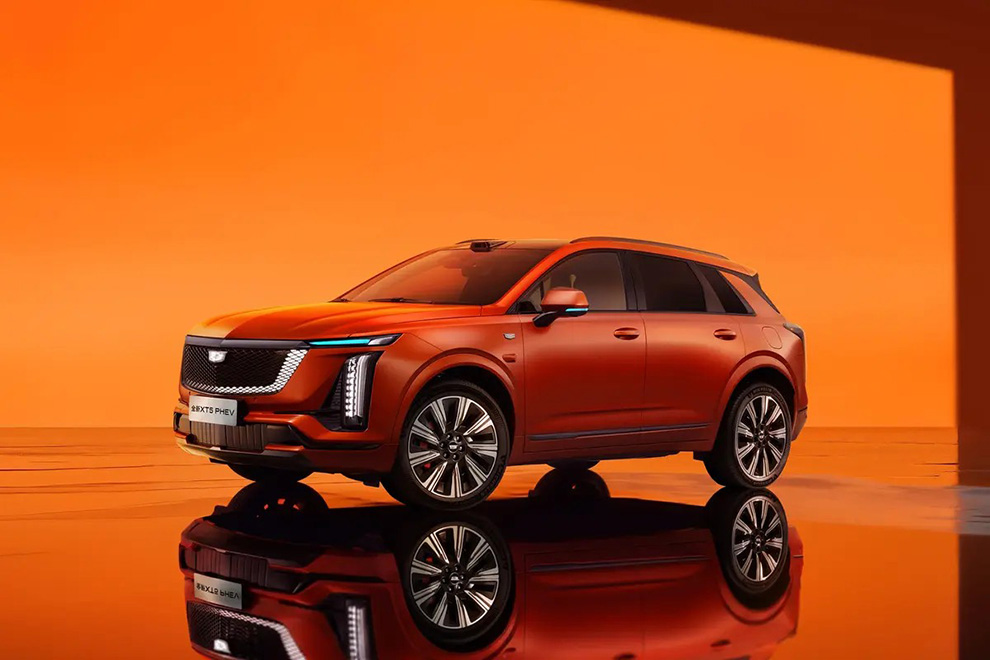
At a glance
- The Xt5 combines a premium compact-SUV format with 2.0T, 2.5T/25T, and 2.8T/28T gasoline options.
- FWD/2WD and AWD/4WD availability lets buyers match road conditions, but the VIN-linked build must be checked.
- Trim labels and equipment vary by production period, so a complete option list is essential before ordering.
- New and used cars suit different fleet needs; condition, service history, warranty, and import age rules matter more than age alone.
- Landed cost, compliance, parts access, and aftersales support should be assessed before comparing the Xt5 with rivals.
Why the Cadillac Xt5 matters for export markets
The Cadillac Xt5 occupies a useful middle ground in the compact luxury SUV segment: a premium badge, a practical five-seat body, and a choice of front-wheel-drive or all-wheel-drive configurations. That combination appeals to overseas dealers serving business and executive customers who want more presence than a compact crossover without moving to a full-size SUV. For export buyers, the China-market lineup is broad, spanning turbocharged engine grades and Luxury, Premium, Technology, Platinum, Leading, and special-edition trims. This creates choice, but also makes equipment and drivetrain verification essential before quoting a vehicle to a customer.
For buyers searching for a Cadillac Xt5 for export, the model is attractive where consumers recognise Cadillac as an established luxury marque but need a vehicle easier to own than a larger premium SUV. Its road presence, everyday usability, and available all-wheel drive suit mixed road conditions, family use, and company fleets. Importers can serve premium retail demand with Luxury or Platinum presentation while matching higher-utility buyers with AWD/4WD versions, subject to local preference, tax treatment, and homologation. It is a credible gateway product for a dealer building a first Cadillac presence.
The Xt5’s export case also depends on whether aftersales can be supported. Buyers should investigate local Cadillac dealer coverage, technician access, spare-parts lead times, diagnostic capability, and the availability of the exact engine and trim before committing to a vehicle. A premium badge creates demand, but serviceability determines residual value and fleet uptime. This makes the Xt5 particularly suitable for buyers with an established repair network or a clear plan to import parts and maintain vehicles through an experienced channel. In markets without that support, a more mainstream rival may be the safer commercial choice.
- Best suited to premium compact-SUV buyers who value a Cadillac badge, practical five-seat format, and available all-wheel drive.
- Strong fit for business, executive, family, and mixed-road fleet programmes.
- Weakest fit where aftersales coverage, parts availability, or residual-value support is uncertain.
Model range, trims and powertrain variants: how the lineup is structured and how to choose
The model range is best understood in two layers: powertrain and equipment grade. The export-facing lineup includes 2.0T versions, a 2.5T/25T version, and a 2.8T/28T version, paired with FWD/2WD or AWD/4WD depending on trim. Above the mechanical choice sit labels such as Luxury, Premium, Technology, Platinum, Leading, Fashion, and named editions. These labels are not perfectly uniform across model years or markets, so a buyer comparing Cadillac Xt5 specs should treat the individual listing as authoritative rather than assuming a trim badge guarantees the same equipment for the same production year.
The 2.0T is the volume-oriented branch of the range and generally suits buyers prioritising fuel consumption, acquisition cost, and urban running efficiency over maximum performance. The 2.5T/25T and 2.8T/28T branches are the logical choices for customers who want additional engine output, stronger towing or load capability, or a more relaxed feel under load; exact outputs depend on the specific vehicle. For AWD/4WD applications, evaluate the driven wheels, ground clearance, tyre specification, and local towing limits rather than assuming every all-wheel-drive version is identical or that its equipment is interchangeable across export sources.
A disciplined choice starts with the buyer’s use case: daily executive transport, mixed-road family travel, light fleet duty, or a specific performance requirement. Then check the VIN-linked build, engine code, transmission, drivetrain, options, service history, and availability of local parts. Luxury and Platinum cars may suit image-led buyers, while Technology or Premium grades may make more sense when standard equipment matters. Because equipment varies between editions and production periods, ask for a complete option list and unresolved damage report in writing before paying a non-refundable deposit or releasing any balance.
- Use the 2.0T branch when operating economy and acquisition cost are the primary priorities.
- Consider the 25T or 28T branches when higher engine output and load performance are more important.
- Compare exact equipment rather than relying on Luxury, Premium, Technology, Platinum, or edition names alone.
- Confirm the VIN-linked engine, transmission, drivetrain, options, and local parts support before contracting.
New vs used Cadillac Xt5: how export inventory is structured and how buyers choose
Export inventory can include newer vehicles, near-new demonstrator or ex-fleet cars, and used examples from earlier production periods. Their commercial logic differs even when the badge and body are identical. A new or nearly new Xt5 generally offers clearer condition history and more model-year appeal; a used Cadillac Xt5 may reduce acquisition cost while adding uncertainty about service, wear, residual condition, and whether its age creates a local import barrier. For wholesale buyers, availability should therefore be assessed as a portfolio of vehicle states, not simply a new-versus-used label or by model year.
New units are usually easier to standardise across a fleet and may be easier to align with warranty, emissions, and software expectations. Used units can be attractive where the importer already understands the exact generation and can inspect it closely, especially with documented service and matching VINs. However, the apparent saving can be consumed by reconditioning, replacement parts, compliance work, or higher financing and insurance exposure. Buyers should compare the total cost of making the vehicle roadworthy, not just the invoice amount shown for a used listing. Charges at destination can erase the initial saving.
For a used Cadillac Xt5 purchase, start with the VIN and production year, then inspect paint, body geometry, interior wear, tyres, wheels, fluids, underbody condition, and evidence of service. Confirm that the engine starts cleanly, the automatic transmission changes smoothly, steering and braking remain consistent, and all electrical equipment works. Reconcile the seller’s description with the live listing, obtain title and import documents, and have an independent inspection completed. For mixed wholesale buying, keep inspection standard and condition grading consistent so the final container is not composed of avoidable surprises.
- New or near-new cars are usually easier to standardise and document for fleet use.
- Used cars can suit experienced importers, but only when service history, condition, and local age rules are clear.
- Use VIN-level inspection and consistent condition grading for every vehicle entering a wholesale shipment.
How export pricing works: the factors behind a live listing price, and how to read one
Export pricing is a calculation, not a single universal Xt5 value. The vehicle-side starting point changes with production year, trim, engine grade, drivetrain, factory options, mileage, condition, and whether the seller classifies a car as new, demonstrator, or used. It also moves with the seller’s margin and the exchange rate at quotation. On top of that can come inland transport, export handling, insurance, ocean freight, destination charges, customs duty, taxes, and registration. Always state which costs are inside the quote and which remain the importer’s responsibility before signing off in writing.
Read a Cadillac Xt5 export price guide by comparing like with like. Confirm whether the quote uses EXW, FOB, CIF, or another Incoterm, because the point at which risk and cost transfer can materially change the comparison. Build a landed-cost view for each candidate: vehicle price, inspection, documentation, freight, insurance, terminal and customs fees, duty, tax, and local commissioning. Ask for a validity period and any assumptions about exchange rate or freight. A lower vehicle figure can still be more expensive after logistics and compliance are added. This is why the Incoterm and validity period belong in the written comparison.
On ChinaCarDirect, use the live Cadillac Xt5 listings as the binding price source for the unit being considered. Check the displayed price, year, trim, drivetrain, photos, condition description, MOQ, and availability together; then request a written quotation for the exact SKU. Do not rely on a marketplace average or an earlier inquiry, because a specific car can change status or terms. ChinaCarDirect can receive the current RFQ for a particular vehicle, while any final landed total should be confirmed in writing with the seller and your freight or customs provider before contracting.
- Vehicle price drivers include year, trim, engine, drivetrain, options, mileage, condition, and exchange-rate movements.
- Landed cost must also account for freight, insurance, terminal charges, customs duty, taxes, and local commissioning.
- Use the exact live listing and a written SKU-level quotation as the binding price reference.
- Compare every quotation under the same Incoterm and quote-validity period.
MOQ, ordering and payment: single units vs consolidating a container
Minimum order quantity is a commercial term rather than a fixed characteristic of the Xt5. A seller may accept one vehicle, set a multi-unit wholesale batch, or negotiate a container programme, but the requirement belongs to the current listing and seller. Buyers seeking one Cadillac Xt5 should therefore ask for single-unit confirmation before arranging payment. Buyers wanting a Cadillac Xt5 wholesale shipment should define the desired quantity, model-year spread, trim mix, and budget, because a supplier’s discount and production constraints may depend on that brief. A written confirmation should override any generic marketplace assumption.
A sound ordering sequence is to agree the vehicle specification, inspect and approve the unit, confirm all documents, select the Incoterm, and then pay under a written contract. A typical structure may use an agreed deposit followed by the balance against inspection or shipping milestones, but the exact schedule must be accepted by both parties. Verify the seller’s legal identity and payment instructions independently, match the invoice to the chosen SKU and VIN, and keep every amendment in writing. Avoid transfers based only on messages or bank details received in the last message.
Container consolidation can improve freight efficiency, but it is not automatically cheaper once loading, handling, and unsold inventory are considered. Confirm each vehicle’s dimensions before calculating units per container, and verify whether the supplier loads vehicles directly or uses a vehicle carrier. A mixed load may satisfy several trim targets but complicates retail planning and claims handling. Require a packing list tied to VINs, protect shipping documents against release only after payment, and inspect representative vehicles before closure. If one or two units are needed, consolidated shipping may cost more per vehicle than an individual breakbulk or Ro-Ro option.
- MOQ is seller-specific; confirm single-unit eligibility or wholesale-batch requirements for the live listing.
- Match the deposit and balance milestones to inspection, documentation, and shipment conditions in a written contract.
- Use VIN-linked packing lists and representative pre-shipment inspections for consolidated orders.
Shipping, homologation and market compliance caveats: LHD/RHD and import rules by country
Steering configuration is the first practical import check. China-market vehicles are commonly encountered with left-hand drive, but an overseas buyer should never assume that every exported Xt5 has the required configuration. Some destinations require right-hand drive, while others permit both but affect vehicle eligibility, parts supply, insurance, or resale. Factory right-hand-drive examples may be easier to homologate than a converted car. If conversion is considered, price the steering conversion, local safety requirements, warranty implications, and the possibility that parts or diagnostics become less straightforward before ordering. Confirm this before ordering.
Local market compliance can reject an otherwise attractive vehicle. Depending on the country, authorities may require VIN and identity checks, emissions conformity, safety equipment, customs valuation, age limits for used vehicles, proof of origin, and local type approval. Taxes and duties may be based on engine size, fuel type, age, or catalogue value. Rules for parallel imports, dealer registration, and right-hand-drive conversions also differ. A buyer should use a customs broker or market-entry specialist to confirm eligibility before paying and should treat homologation as a project rather than a paperwork formality.
Freight choice affects cost, timing, and damage risk. Ro-Ro is often natural for finished vehicles, while container or breakbulk options may suit smaller consolidated loads; actual suitability depends on vehicle dimensions, carrier availability, port handling, and destination restrictions. Use an experienced vehicle-shipping forwarder, confirm the loading method and securing standard, and arrange transport insurance appropriate to the Incoterm. Keep the export declaration, bill of lading, VIN list, customs papers, and inspection record together. On arrival, complete customs clearance and a receiving inspection before accepting delivery and document any damage before the vehicle leaves terminal control.
- Confirm whether the destination requires LHD or RHD before selecting a vehicle or requesting a conversion.
- Check local type approval, emissions, safety, age, origin, valuation, duty, and registration rules in advance.
- Choose Ro-Ro, container, or breakbulk only after reviewing dimensions, carrier capacity, handling costs, and insurance.
- Preserve VIN-level shipping and customs documents through delivery and receiving inspection.
Who should buy the Xt5 — and who should pick a different vehicle
The Xt5 is a strong fit for an importer targeting premium compact SUVs in business, executive, or family fleets. It gives customers a distinctive Cadillac identity, a five-seat practical format, and multiple performance and drivetrain choices. Dealers can build a showroom around Luxury, Platinum, or special editions, while fleet operators can specify AWD/4WD where road conditions justify it. It is also relevant for private buyers seeking luxury presence without a full-size footprint, provided local servicing, parts, and insurance are available at sensible cost for long-term ownership and predictable residual values.
Different vehicles are better when the priority is the lowest possible operating cost, a battery-electric zero-emissions strategy, serious off-road ability, maximum cargo flexibility, or seven-seat family transport. A mainstream gasoline SUV may offer cheaper parts and broader servicing; a hybrid crossover may reduce fuel use; an EV will suit buyers with dependable charging and a viable local incentive structure. Buyers needing commercial-duty capability should also assess payload, warranty, uptime, and resale support. Premium badges do not remove these operational requirements, and they can make repair costs less predictable. Choose the powertrain around the duty cycle, not the badge.
Before deciding to buy Cadillac Xt5 from China, compare total ownership rather than purchase price alone. Add expected fuel, insurance, taxation, servicing, replacement parts, downtime, and residual-value risk to the acquisition and shipping cost. For a dealer, local aftersales credibility may matter more than a small equipment difference between trims. For a private buyer, warranty transfer, software support, and parts availability should be confirmed in writing. The Xt5 makes sense when its combination of presence, drivetrain choice, and manageable size is more important than minimising every running-cost line over the ownership period.
- Choose the Xt5 for premium styling, a practical footprint, multiple drivetrains, and differentiated dealer inventory.
- Look elsewhere for the lowest operating cost, zero-emissions requirements, heavy-duty use, seven seats, or serious off-road capability.
- Make the final decision on landed cost, aftersales, parts, insurance, and residual-value support rather than badge alone.
Main rivals and how the Xt5 compares
The closest class-and-price-tier competitors include the Audi Q5, Lexus NX, and Volvo XC60, although the right rival varies by country. The Audi Q5 is a direct benchmark for buyers focused on a recognised premium badge, refined road behaviour, and established service familiarity. The Xt5’s attraction is its distinct Cadillac character and broad China-export selection of engine, drivetrain, and trim combinations. The trade-off is that parts pricing, residual values, and technician availability can differ, so an importer should model local support rather than assume badge familiarity transfers automatically to a new market.
The Lexus NX competes for customers who value a polished premium compact SUV and, in some markets, a reputation for durable resale performance. Against the Xt5, the choice is less about basic vehicle class than local brand confidence, powertrain preference, and the exact equipment offered. The Xt5 can be attractive where its trim hierarchy, all-wheel-drive choices, and distinctive styling broaden dealer appeal. A Lexus buyer should compare warranty terms, fuel use, servicing access, and expected holding costs under local conditions before deciding which carries lower commercial risk for the importing market.
The Volvo XC60 provides a more safety-led and Scandinavian alternative, with a comparable luxury-SUV format for buyers who prioritise cabin design, restraint equipment, or a different brand identity. The Xt5 is the more traditionally styled, more explicitly trim-led American-brand offering, and its export range gives buyers access to several turbocharged engine and drivetrain combinations. Volvo may have a clearer advantage where local dealer familiarity is strong; Cadillac may be more useful where an importer wants differentiated showroom stock. Neither is automatically cheaper to run, and parts, insurance, and residual-value evidence should decide the final shortlist.
- Audi Q5: the direct premium-badge benchmark for buyers prioritising established brand familiarity and service coverage.
- Lexus NX: a polished alternative for buyers focused on brand confidence, warranty terms, and holding costs.
- Volvo XC60: a safety-led, design-oriented rival with a different brand proposition and ownership profile.
Live Cadillac Xt5 export inventory
View all listings →Real units currently on ChinaCarDirect with per-unit asking prices and MOQ. Availability updates live from the catalogue.
How to buy a Cadillac Xt5 from China
-
1
Define the destination and operating requirement
Identify the destination country, steering requirement, tax regime, and expected roads. Decide whether the priority is the 2.0T for efficiency or a larger turbo engine, and whether FWD/2WD or AWD/4WD is appropriate.
-
2
Shortlist the live Xt5 inventory
Review the current Cadillac Xt5 listings by model year, trim, engine, drivetrain, condition, and location. Check the live price, MOQ, and availability for each unit rather than relying on a generic catalogue figure.
-
3
Request a unit-specific quotation
Provide the SKU or reference, destination, Incoterm preference, quantity, and inspection requirements. Ask for photographs, VIN, production year, engine, drivetrain, complete option list, mileage, condition, title documents, warranty position, and quotation validity.
-
4
Inspect and approve the vehicle
Use an independent inspector or the seller’s approved inspection process, with particular attention to the engine, transmission, bodywork, underbody, tyres, service history, and electrical equipment. Record every discrepancy in the written order.
-
5
Agree the landed cost and Incoterm
Compare the vehicle price with freight, insurance, documentation, terminal handling, customs duty, taxes, registration, and inland delivery. Confirm which party bears cost and risk under the selected Incoterm.
-
6
Contract and complete payment
Link the invoice, deposit, balance, inspection approval, and documents to the exact SKU and VIN. Verify the seller and payment instructions independently, and record every change in writing before transferring funds.
-
7
Arrange export, shipping and receiving inspection
Use a vehicle-experienced forwarder, confirm loading and securing methods, and retain the export declaration, bill of lading, VIN list, insurance, and customs papers. Complete customs clearance and inspect the vehicle before accepting delivery.
Xt5 vs rivals
| Audi Q5 | The Q5 is a direct premium compact-SUV benchmark where Audi brand familiarity and local service coverage are established. The Xt5 offers a more distinctive Cadillac identity and broader China-export trim, engine, and drivetrain choice, but aftermarket support must be checked locally. |
|---|---|
| Lexus NX | The NX suits buyers prioritising a polished luxury compact SUV and Lexus holding-cost credentials in markets where the brand has strong recognition. The Xt5 may offer more varied trim presentation and drivetrain configurations for a dealer seeking differentiated stock. |
| Volvo XC60 | The XC60 is a safety-led, Scandinavian alternative for buyers attracted to a different design and ownership proposition. The Xt5 is the more traditionally styled American-brand choice, making local dealer familiarity, parts access, insurance, and residual values decisive. |
Frequently asked questions
How is the Cadillac Xt5 export price determined?
A Cadillac Xt5 export price is driven by production year, trim, engine, drivetrain, options, mileage, condition, exchange rate, seller margin, freight, insurance, duty, taxes, and the chosen Incoterm. Compare a written unit quote with a full landed-cost calculation rather than a generic asking price. The current binding vehicle price and availability appear in the live ChinaCarDirect listings; request an RFQ for the exact SKU because terms can change.
Which Cadillac Xt5 powertrain options are available?
The gasoline range includes 2.0T, 2.5T/25T, and 2.8T/28T engines, with automatic transmission and FWD/2WD or AWD/4WD depending on trim. The 2.0T generally targets efficiency, while the larger turbo branches suit buyers seeking more performance or load capability. Confirm the engine, transmission, drive system, tyres, and options against the VIN in the live listing.
Should overseas buyers choose a new or used Cadillac Xt5?
New or nearly new cars generally offer cleaner condition history and easier fleet standardisation; used Cadillac Xt5 vehicles can reduce acquisition cost but add wear, service, finance, and residual-value questions. A used car is most attractive when its VIN, service history, inspection, and condition grade are clear and local import rules permit its age. Compare total roadworthy cost rather than purchase price alone.
What is the MOQ for a Cadillac Xt5 wholesale order?
MOQ is set by the seller and listing, not by the model itself. One-unit orders may be possible, while wholesale lots can carry a different minimum. Check the current MOQ and availability on the live listing and obtain written confirmation for the chosen vehicle before paying.
What factors affect Cadillac Xt5 shipping time and cost?
Shipping time and cost depend on origin and destination ports, carrier capacity, loading method, vehicle dimensions, freight market conditions, insurance, customs clearance, terminal handling, and inland delivery. The Incoterm determines which party bears cost and risk at each stage. Obtain a forwarder quote using the exact vehicle and destination, including all destination charges.
How should an importer plan Cadillac Xt5 spare parts?
Treat spare-parts planning as part of vehicle selection. Before ordering, ask the seller to confirm the model, engine, trim, steering position, and key service parts, then check local Cadillac dealer access, catalogue lead times, and aftermarket alternatives. VIN-linked ordering is safer than relying on a generic trim name, and the destination agent should confirm import eligibility for each part.
Is right-hand-drive Cadillac Xt5 availability available for export?
Right-hand-drive availability varies by source and market; do not assume that a China-market Xt5 can be registered without checking. Factory RHD examples are generally preferable to a conversion because local type approval, safety, insurance, warranty, and parts support may be simpler. If conversion is unavoidable, obtain written local approval and a detailed cost before ordering.
How do I buy Cadillac Xt5 from China?
Start by defining the destination, powertrain, drivetrain, trim, quantity, condition, and budget. Shortlist the live ChinaCarDirect listings, request unit-specific photographs, documents, and a written quotation, then independently inspect the chosen vehicle. Agree the Incoterm, payment milestones, freight, insurance, customs responsibilities, and handover terms before releasing funds or booking shipment.
Ready to source the Cadillac Xt5?
Send a Cadillac Xt5 RFQ with your destination, trim, drivetrain, quantity, and inspection requirements for a unit-specific export quotation.
Request a quote