
Cadillac Xt6 Export Buying Guide for Overseas Dealers
A practical export buying guide to the Cadillac Xt6, covering trims, 2.0T and 2.8T engines, live pricing, MOQ, shipping, compliance and rivals.
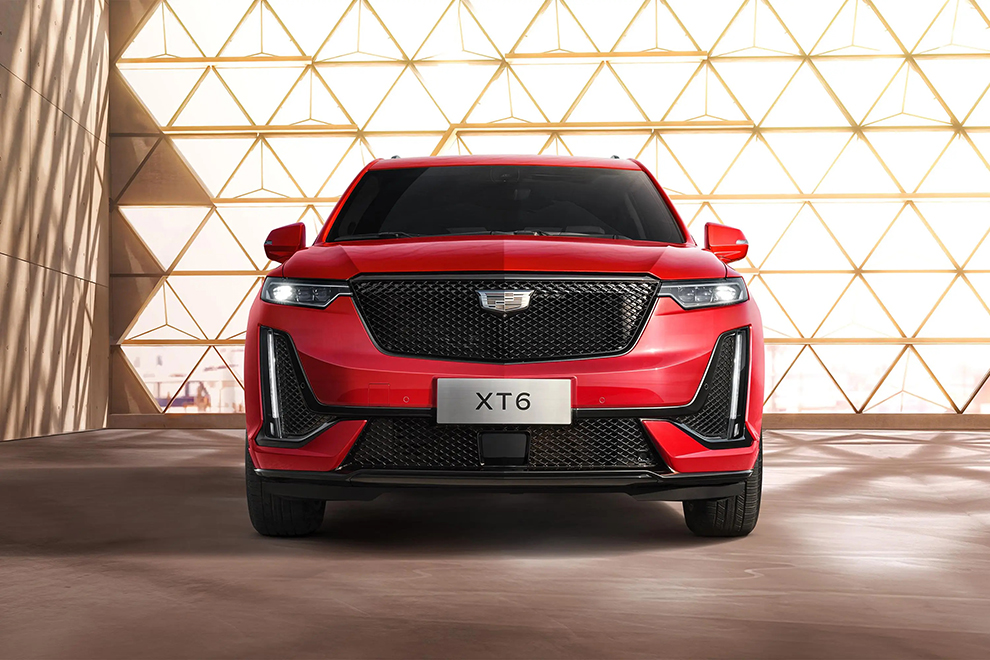
At a glance
- The Xt6 combines a premium midsize SUV format with six- or seven-seat layouts.
- The export range spans 2.0T and 2.8T turbocharged gasoline engines with 4WD/AWD-labelled variants.
- Trim naming includes Trend, Luxury, Style, Executive, Black Label and sport-oriented editions.
- Live export pricing depends on the exact vehicle, condition, freight terms and destination charges.
- RHD availability and country-specific homologation must be confirmed before dispatch.
Why the Cadillac Xt6 matters for export markets
The Cadillac Xt6 occupies a useful middle ground in the luxury SUV market: it is large enough for three-row family use and executive transport, yet more manageable than a full-size SUV. Its six- or seven-seat layouts appeal to buyers who need occasional third-row capacity without moving to a much larger vehicle. For overseas dealers, that combination creates a clear use case around premium midsize fleets, chauffeur services and affluent family customers who value Cadillac positioning. It also gives importers a platform with broadly recognizable premium branding but a more rational footprint than top-line models from other luxury marques.
Export interest is not simply a function of badge appeal. The Xt6’s appeal depends on how well its dimensions, seating layout, equipment and right- or left-hand-drive configuration suit local roads, registration rules and customer expectations. A model that is desirable in one market may need modification or careful homologation in another. Buyers should therefore treat global demand as a segment proposition—premium comfort, usable three-row space and broad utility—not assume that every overseas market accepts the Chinese specification unchanged. That discipline protects margin, reduces costly rework after arrival and supports fleet programmes.
For importers, the most credible demand case is usually specific rather than universal. Dealers can test the Xt6 through local corporate accounts, premium family-SUV channels and fleet operators that need a six- or seven-seat vehicle with a premium badge. The model also suits buyers comparing Chinese-built luxury alternatives with established European or Japanese nameplates. Demand still depends on aftersales parts, service training and residual values, so brand recognition alone does not guarantee a successful export programme. They should validate expected servicing costs, technician availability and parts lead times before committing meaningful stock to the model.
- Six- or seven-seat layouts.
- A premium midsize alternative.
- Homologation and aftersales support matter.
Model range, trims and powertrain variants: how the lineup is structured and how to choose
The Xt6 export range is built around two turbocharged gasoline powertrains: a 2.0T inline-four and a 2.8T inline-four, paired with an eight-speed automatic transmission. Listings may print the larger engine as 28T, while 4WD and AWD both appear as drivetrain descriptions. These labels should be treated as a starting point for comparison, not proof of identical equipment, emissions equipment or homologation. Confirm the exact VIN-linked configuration before calculating tax or suitability for a fleet. For electric fleets or markets with local emissions mandates, this combustion-powered range may not be the appropriate platform at all.
Seating is the lineup’s clearest practical divider. A 7-seat configuration serves larger families and buyers who regularly carry six or seven occupants; a 6-seat version can be easier to live with where a full third row is unnecessary. Do not assume the badge alone reveals the cabin: six- and seven-seat XT6 vehicles appear across multiple luxury, trend, executive and sport-named trims. Ask for the seating diagram, fold-flat capability and luggage measurements behind the final row. This distinction matters for airport runs, hotel shuttles and mixed passenger-and-baggage assignments where usable cargo volume can decide operating practicality.
Trim names provide clues to equipment hierarchy, but not a substitute for the build sheet. The export-facing choices include Trend, Luxury, Style, Executive, Black Label, Platinum Sport and Leading Sport expressions, plus 120th Anniversary limited editions. Black Label and Executive usually indicate more premium-oriented specification, while Sport-labelled versions focus on appearance and dynamic positioning; exact mechanical and cosmetic content can vary. Compare options individually rather than assuming every similarly named car has the same seats, infotainment, materials or driver aids. For a dealer order, the most useful shortlist is therefore engine, seating, drivetrain, trim and verified factory options.
- 2.0T and 2.8T gasoline engines.
- Six- or seven-seat layouts.
- Verify AWD terminology per vehicle.
New vs used Cadillac Xt6: how export inventory is structured and how buyers choose
Export inventory should be read as unit-specific offers in two distinct procurement routes rather than as a single undifferentiated pool. A new vehicle generally offers a clearer history, warranty position and known delivery condition, simplifying fleet standardisation and customer reassurance. A used Xt6 may offer a more accessible acquisition or a desirable earlier generation, but its value depends heavily on mileage, service history, accident repair, option mix and whether its specification will be accepted locally. Destination age taxes, registration rules and emissions requirements can outweigh an apparently attractive acquisition after all charges.
Used Xt6 sourcing demands document and condition discipline. Request the vehicle identification number, title or ownership status, registration documents, service records, odometer evidence and a clear disclosure of modifications. Inspect panel geometry, paint, tyres, brakes, suspension and cabin wear, and ask for a cold-start video plus a raised-underbody inspection where practical. Also confirm whether repairs used genuine, aftermarket or remanufactured parts, since parts provenance affects resale expectations and workshop planning. A visual walk-around alone is not enough: compare wear against the stated age and mileage, and investigate service gaps before accepting a discount.
New inventory can still carry export risk. The vehicle may be configured for its production market, with equipment, software, emissions components or steering position that does not match the destination. It may also have sat in stock or completed dealer preparation, so verify current condition, 12-volt battery condition, tyre age and cosmetic condition. The right choice is the vehicle whose compliance, condition and total operating economics fit the buyer, not automatically the newer unit. For dealers, a documented pre-shipment inspection is often more valuable than a model-year label.
- New: clearer history and warranty status.
- Used: condition evidence is critical.
- Verify the market configuration.
How export pricing works: the factors behind a live listing price, and how to read one
An export listing price is a quotation for a specific vehicle and commercial scope, not a permanent model price. The starting point is the unit’s model year, trim, engine, seating layout, drivetrain and factory options, followed by its condition and mileage where relevant. Paint, interior specification and production timing can also affect comparability. Buyers should compare like with like: two Xt6 names that appear similar may differ materially in equipment, and a used vehicle’s asking price requires a separate condition adjustment. The live number is therefore a starting reference for negotiation, not final landed cost.
Conversion and logistics can move the figure materially. The relevant exchange rate, payment timing, Chinese export charges, freight method, marine insurance, destination handling and Incoterm all determine who carries which cost and risk. FOB, CIF and other delivery terms place different responsibilities on buyer and seller; a lower vehicle figure may not produce a lower total. Ask for a written quotation that separates vehicle price, documentation, inland transport, shipping, insurance and destination charges, and state the currency and validity period. This structure makes it easier to compare offers from different suppliers on an equivalent basis.
Read each live listing as a set of linked facts, not just a headline and a number. Confirm the SKU, VIN or vehicle identity, model year, engine, seat count, drivetrain, condition, options, MOQ and quoted Incoterm. Review the images and description for inconsistencies, then ask the supplier to restate any disputed detail in the pro forma invoice. Current per-unit prices and availability must be taken from ChinaCarDirect’s live Xt6 listings at the time of enquiry; only those entries and a formal quotation should guide a binding purchase decision, confirmed in writing before payment.
- Match engine, trim, seats and condition.
- Separate vehicle and logistics costs.
- Use live listings and formal quotations.
MOQ, ordering and payment: single units vs consolidating a container
Minimum order quantity is a listing-level commercial term, so do not assume a blanket MOQ applies to every Xt6 source or every market. Some offers are structured for individual dealers or fleet buyers, while container purchasing usually involves several units and separate allocation terms. Check the MOQ shown against the exact SKU and clarify whether it applies to the model, trim, colour or total order. If a single vehicle is permitted, document that approval in the quotation rather than relying on informal chat. This avoids last-minute minimums appearing during payment or production release.
A consolidated container can improve freight efficiency, but it introduces allocation, variation and payment risk. Different units may have different model years, engines, seat counts, trims and options; mixing them can complicate customs classification, insurance and customer allocation. Agree how units will be selected, who pays for loading or securing, and what happens if a reserved vehicle becomes unavailable. A mixed load may still make commercial sense when matched to different buyer orders, provided the importer can accept and explain each specification. Record approved substitutions and their price treatment before paying the balance.
Ordering should proceed through a controlled sequence: shortlist exact SKUs, request a written quote, verify identity and compliance, pay the agreed deposit, approve inspection or production evidence, settle the balance, and release for shipment. The pro forma invoice should state the vehicle, price, currency, Incoterm, payment milestones, allocation method, documentation and cancellation or replacement terms. Never treat a catalogue image or message as the final contract. Use the payment channel and beneficiary details confirmed by the supplier, and reconcile every unit against the shipping file before closure and keep matching records.
- Check each listing’s MOQ.
- Agree allocation before final payment.
- Use a complete pro forma invoice.
Shipping, homologation and market compliance caveats: LHD/RHD and import rules by country
Every destination has its own import and vehicle-approval process, and the Xt6 should not be shipped on the assumption that a Chinese-market car is automatically road-legal elsewhere. Depending on the country, the importer may need a certificate of conformity, emissions approval, customs clearance, registration documents, insurance and evidence of the steering configuration. Local rules can also address age, engine emissions, safety equipment or data connectivity. Confirm requirements with a customs broker and the relevant authority before committing vehicles, especially for larger fleet orders. Early verification is cheaper than converting or re-registering after discharge.
Steering configuration is one of the most consequential checks. A left-hand-drive Xt6 may suit markets that naturally use that layout, while right-hand-drive buyers need a vehicle manufactured or lawfully converted for their market. Do not assume a global or facelift badge guarantees either configuration. Request clear photographs of the steering wheel, VIN plate and conversion records where applicable, and verify whether the conversion affects warranty, electrical systems, airbag deployment, trim compatibility or future parts support. A conversion can also complicate parts ordering and the original manufacturer’s support response after arrival and approval documents.
Shipping method, cost and timing begin with the vehicle’s actual dimensions, weight, origin, destination and chosen Incoterm. Roll-on/roll-off shipping suits wheeled vehicles and may simplify handling; container transport offers a different security and loading proposition, but height, weight and securing limits must be checked. Build the schedule around port cutoffs, vessel availability, transshipment, customs clearance and inland delivery. Remote charges, terminal handling, insurance and damage claims should be assigned in writing, since the cheapest ocean leg may not produce the cheapest delivered vehicle. Insure the vehicle for the full agreed export value.
- Verify homologation before dispatch.
- Confirm the actual steering layout.
- Allocate freight and claims risk.
Who should buy the Xt6 — and who should pick a different vehicle
The Xt6 is a strong candidate for premium dealers, corporate fleet specialists, chauffeur operators and families who need three-row capability without moving into a full-size SUV. It is particularly useful when the desired mix is six seats with occasional extra capacity or a seven-seat vehicle for regular passenger-carrying duties. The two turbo powertrain options and multiple AWD-labelled configurations also let importers serve different price and performance expectations. The right buyer values comfort, cabin presentation and Cadillac identity as much as raw practicality. It is less suitable where efficiency and emissions compliance dominate the brief.
Choose a different vehicle if the destination primarily serves full-electric fleets, requires a plug-in hybrid, or imposes operating rules that this combustion-powered Xt6 cannot satisfy. Buyers needing a smaller vehicle for dense parking or low running costs may prefer a compact luxury SUV, while those needing more third-row space and cargo capacity may move upward. Off-road-focused users should not equate all-wheel drive with off-road capability. Very large fleet orders also demand a clearer emissions, residual-value and parts plan before selecting this model. The Xt6 should be judged as a road-oriented premium SUV.
Used Xt6 buyers should proceed when the vehicle’s history can be documented and the acquisition advantage survives shipping, compliance and refurbishment. New-vehicle buyers should proceed when the exact trim can be matched to target customers and the dealer has a credible parts and service plan. Neither route is automatically cheaper after landing. A sound decision compares expected depreciation, financing, fuel use, insurance, maintenance and residual value over the intended holding period, then checks whether the Xt6 fills a gap that rivals do not already cover in the target market before placing a firm order.
- Best for premium family and executive use.
- Unsuitable for mandatory electrification.
- Compare rivals on space and efficiency.
Main rivals and how the Xt6 compares
The Genesis GV80 is a close conceptual rival because it also targets buyers wanting a premium three-row SUV with a driver-focused cabin and a choice of six- or seven-seat presentation. The Xt6’s differentiator is its distinct Cadillac identity and the availability of 2.0T and 2.8T configurations in the export range. The GV80 may carry stronger recognition in some regions, so compare local aftersales support, homologation and landed ownership costs rather than assuming the badge or import route makes one model automatically cheaper in the destination market for the same customer.
The Volvo XC90 competes for families and executive fleets prioritising straightforward seven-seat packaging, restraint reputation and Scandinavian cabin design. Its established presence in several right-hand-drive markets can simplify service expectations, while the Xt6 may appeal through its American luxury identity and broad 4WD/AWD-labelled range. Neither vehicle’s Chinese-market listing guarantees local suitability, and the XC90’s powertrain choices differ by market. Buyers should compare the actual imported specification, fuel costs and parts network in their country. A side-by-side landed-cost assessment is more useful than comparing showroom labels or catalogue specifications over the planned ownership horizon.
The Audi Q7 sits at the upper edge of the Xt6’s competitive set as a premium SUV with a three-row family brief. It may offer a different perception of prestige and a broader dealer network in markets where Audi is well established, while the Xt6 can provide a more distinctive Cadillac character and the choice of two turbo engine labels. Because the Q7 is generally larger, parking, fuel and cargo efficiency can favour the Xt6 in some use cases. Conversely, buyers wanting more cabin volume may prefer the Audi instead for those needs.
- GV80: close three-row luxury rival.
- XC90: practical family-focused alternative.
- Q7: larger premium alternative.
Live Cadillac Xt6 export inventory
View all listings →Real units currently on ChinaCarDirect with per-unit asking prices and MOQ. Availability updates live from the catalogue.
Cadillac Cadillac XT6 2025 2.0T 6-Seater AWD Executive Black Label Edition
Cadillac Cadillac XT6 2025 2.0T 6-Seater AWD Executive Black Label Edition
Cadillac Cadillac XT6 2025 2.0T 6-Seater AWD Executive Black Label Edition
How to buy a Cadillac Xt6 from China
-
1
Define the destination and use case
Confirm steering-side requirements, emissions rules, tax treatment and whether the business needs six seats, seven seats or frequent third-row capacity.
-
2
Shortlist exact Xt6 configurations
Use the live listings to compare engine, seating, drivetrain and trim combinations rather than starting with a model name alone.
-
3
Verify the vehicle and listing terms
Check the VIN or vehicle identity, model year, condition, factory options, current per-unit price, MOQ and quoted Incoterm for each candidate.
-
4
Request compliance and ownership documents
Ask for the available certificate of conformity, registration or ownership records, emissions information, VIN documents and any conversion records.
-
5
Approve pre-shipment evidence
Request photographs, a cold-start video, exterior and interior condition evidence, tyre information and a pre-shipment inspection before releasing the balance.
-
6
Negotiate the quotation and payment plan
Ask for an itemised written quotation covering vehicle cost, documentation, inland transport, freight, insurance, allocation rules and agreed payment milestones.
-
7
Consolidate, ship and reconcile
Finalise the container or individual shipment plan, assign insurance and claims responsibility, track the shipping file and reconcile every VIN against the cargo documents.
Xt6 vs rivals
| Genesis GV80 | A close three-row luxury competitor with comparable seating and premium positioning. The Xt6 offers a more distinctive Cadillac identity and a 2.0T/2.8T export range, while GV80 recognition and local support may be stronger in certain markets. |
|---|---|
| Volvo XC90 | A family-focused alternative prioritising seven-seat usability and Scandinavian design. The Xt6 may appeal more to buyers seeking American luxury branding, while XC90 familiarity in many right-hand-drive markets can simplify aftersales expectations. |
| Audi Q7 | A generally larger premium three-row SUV with established brand recognition in many markets. The Xt6 can provide a smaller footprint and different Cadillac character, whereas buyers prioritising maximum cabin and cargo volume may prefer the Q7. |
Frequently asked questions
How is the Cadillac Xt6 export price determined?
The live figure reflects the specific vehicle’s year, trim, 2.0T or 2.8T engine, seating, drivetrain, options and condition, with used vehicles also affected by mileage and history. Exchange rates, freight, insurance, documentation and the selected Incoterm can change the landed total. Check current per-unit prices in the live Xt6 listings and request a written, itemised quotation before paying.
Which Cadillac Xt6 powertrain and range options are available?
This export range uses turbocharged gasoline engines: a 2.0T inline-four and a 2.8T inline-four, normally paired with an eight-speed automatic and 4WD/AWD-labelled drivetrains. It is not a battery-electric version, so there is no electric driving range to compare; usable distance depends on fuel capacity, efficiency, load and driving conditions. Confirm the exact engine and equipment against the VIN-linked listing.
Should I buy a new or used Cadillac Xt6?
A new Xt6 generally provides clearer provenance, warranty status and delivery condition, making it easier to standardise a fleet. A used vehicle may reduce acquisition requirements, but buyers must scrutinise mileage, service history, accidents, repairs, wear and option compatibility. Compare the full landed and operating cost rather than using the acquisition figure as the sole decision.
How does MOQ work for an Xt6 order?
MOQ is an order-level term and can differ by listing, trim, colour and supplier; there is no safe universal rule to assume. Check the MOQ displayed for the exact vehicle and obtain written confirmation before payment. Container consolidation and single-unit purchasing may have different allocation and payment conditions.
What affects Cadillac Xt6 shipping time and cost?
Key factors include the vehicle’s dimensions and weight, origin and destination ports, RoRo or container method, vessel schedule, transshipment, customs clearance, inland delivery, insurance and terminal charges. The chosen Incoterm determines which party bears each cost and risk. A formal quotation should separate freight from the vehicle price and state where responsibility transfers.
Can I order spare parts for the Cadillac Xt6?
Ask the supplier whether genuine replacement parts can be ordered separately or consolidated with a vehicle shipment. Provide the VIN, model year, trim, engine and exact part number, and confirm compatibility with the steering configuration and installed equipment. Lead time, part condition, customs treatment and warranty implications should be agreed in writing.
Is a right-hand-drive Cadillac Xt6 available for export?
Right-hand-drive availability depends on the production specification and destination market, and should not be inferred from a model-year or facelift badge. Request photographs of the steering wheel and VIN plate, plus conversion records where a converted vehicle is being offered. Verify local approval and the implications for parts, warranty and manufacturer support.
How do I order a Cadillac Xt6 from China?
Shortlist exact SKUs in the live listings, compare matching configurations and request an itemised quotation for the chosen Incoterm. Verify identity, ownership, compliance documents and condition before paying the agreed milestone. After inspection approval and balance settlement, release the vehicle under a documented shipping and insurance plan.
Ready to source the Cadillac Xt6?
Request a current Cadillac Xt6 quotation from ChinaCarDirect and have the exact vehicle, compliance documents, Incoterm and shipment plan confirmed before payment.
Request a quote