
Changan Kaicheng Ruixing M60: Export Buying Guide
Compare Changan Kaicheng Ruixing M60 trims, gasoline and CNG options, used-vehicle checks, export pricing factors, shipping and compliance before ordering.
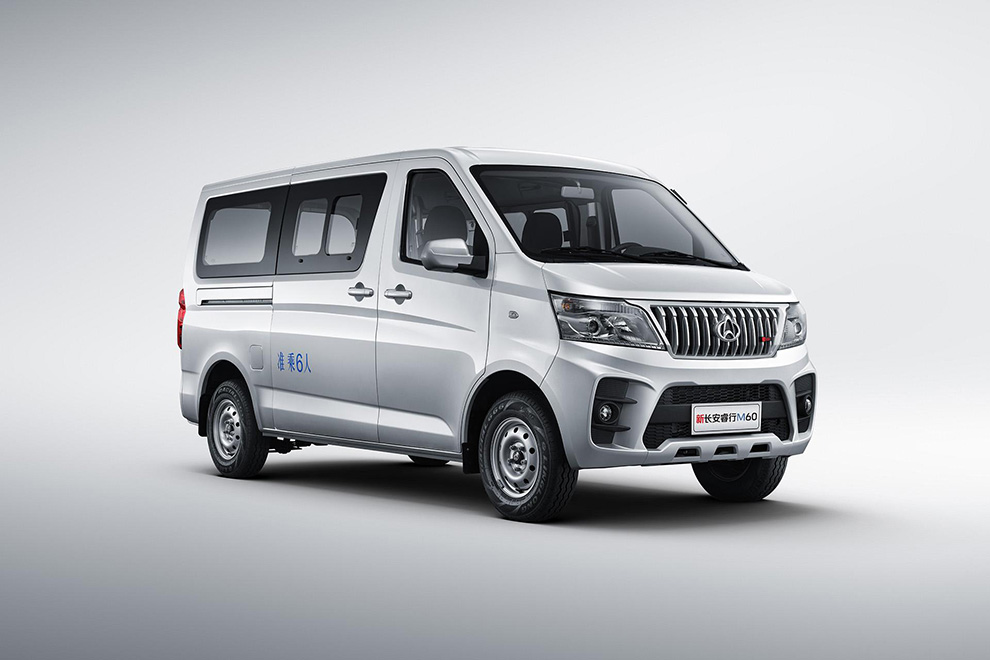
At a glance
- The Ruixing M60 spans compact passenger, shuttle and enclosed cargo configurations.
- Export-oriented versions pair 1.5-litre petrol with 1.6-litre CNG options.
- Buyers can select two-seat cargo, five-seat van or five-, six- and seven-seat layouts.
- Used units require VIN, service, condition and fuel-system checks.
- Landed cost and destination compliance matter more than the headline vehicle price.
Why the Changan Kaicheng Ruixing M60 matters for export markets
The Changan Kaicheng Ruixing M60 is a compact people-carrier and light-commercial van family designed around practical transport rather than premium styling. Export-facing versions cover 1.5-litre gasoline and 1.6-litre CNG powertrains, with two-seat cargo, five-seat van and passenger configurations carrying five, six or seven seats. That breadth lets an importer combine luggage capacity, shuttle duty and family transport in one model line, subject to local certification, tax and insurance rules. For overseas buyers, the important advantage is configuration flexibility: the same model family can address commercial, institutional and private-market needs without moving to a much larger vehicle.
In export markets, demand is usually created by operating needs rather than badge recognition. Hotel and airport shuttles, small work groups, school or community transport, and last-mile businesses all value a vehicle that can carry people or goods within a compact footprint. The M60’s seating choices and enclosed-van body make it relevant to fleet buyers, while CNG variants can suit operators with access to suitable refuelling infrastructure and the capability to service the system safely. Its relevance still depends on homologation, parts support, road conditions and a realistic total-cost calculation.
Importers should evaluate the M60 as a platform, not assume every listing is interchangeable. A two-seat enclosed van, a five-seat passenger variant and a seven-seat bus-like derivative serve different load and licensing categories. Engine family, fuel system, emissions version, gearbox, axle configuration and equipment may also differ and should be checked. The correct export question is therefore which configuration can be registered and operated economically in the destination market, not merely which unit appears cheapest in the live inventory. A line-by-line comparison against local fleet requirements prevents a low purchase quote from becoming a costly compliance mismatch.
- Petrol or CNG.
- Cargo or passenger.
- Multiple seating layouts.
Model range, trims and powertrain variants: how the lineup is structured and how to choose
The Ruixing M60 range is broad enough that trim names must be decoded. Export listings identify 1.5-litre Standard, Basic, Comfort and Elite versions, including GDI passenger vehicles with five, six or seven seats and China VI versions. They also include enclosed vans with two or five seats, plus 1.6-litre CNG comfort passenger vehicles and buses. China V and China VI labels describe the vehicle’s Chinese emissions classification; they do not by themselves establish approval in another country. A buyer should request the full homologation file rather than translate a domestic trim label into an export assumption.
Petrol buyers can compare 1.5-litre GDI versions with entries identified by the 4G15S or DAM15KR engine codes. These codes help prevent accidental substitution when quotations and photographs look similar, but they should be matched to the vehicle identification number, engine number and production documentation. For a fleet, the relevant question is not only rated output: drivetrain efficiency, payload, service intervals, fuel quality and parts availability will determine operating cost in the destination country. Where a precise curb weight or towing figure matters, confirm it on the live listing because configuration and market equipment can alter those figures.
CNG versions provide a different operating case from the 1.5-litre petrol models. They can make sense for high-utilisation fleets with dependable CNG access, lower-emission operating objectives and trained maintenance support, but the buyer must assess tank and fuel-system approvals, inspection requirements and real-world refuelling convenience. For passenger work, the choice between six and seven seats should follow payload and licensing rules. For freight work, an enclosed two-seat body should be judged by load volume, payload documentation and panel durability. Do not assume a CNG van is interchangeable with its petrol counterpart in every market.
- Verify engine codes.
- Confirm body and seating.
- Check emissions class.
New vs used Changan Kaicheng Ruixing M60: how export inventory is structured and how buyers choose
Export inventory can include both new vehicles and used examples, so the buying process starts with deciding which condition risk is acceptable. A new vehicle offers a more uniform history and current model presentation, but its exact trim, colour and delivery timing must be confirmed. A used vehicle may provide a specific body, seating and fuel configuration that is easier to obtain, while condition, mileage and mechanical history require closer evidence-based inspection. Current units and prices must always be read from the ChinaCarDirect live listings. The catalogue is not a substitute for unit-level due diligence.
For a used Ruixing M60, the inspection should extend beyond paint and mileage. Ask for cold-start video, service records, tyre and brake condition, chassis corrosion, accident indicators, electrical checks and evidence that the CNG system or petrol system has been properly maintained, where applicable. Review the vehicle identification number against the title, import history and listed engine code. A low mileage reading does not resolve undocumented repairs, while a high reading may still be acceptable for a planned commercial life if the discount reflects the condition honestly. Document every exception in the purchase contract.
New-versus-used choice should follow fleet policy rather than sentiment. Dealers reselling passenger vehicles may prefer newer stock for predictable presentation, while operators buying a single working van often accept age when the mechanical inspection, payload record and total cost are compelling. Compare warranty support, expected downtime, financing and residual value alongside the vehicle price. The lowest purchase quote can be a poor procurement decision if it omits repairs, fuel-system certification or destination-market modifications that the actual user must fund. Use a written acceptance checklist and compare compliant examples on the same basis.
How export pricing works: the factors behind a live listing price, and how to read one
A live export price is the output of several variables rather than a fixed model-level rate. Production year and model generation, trim grade, petrol or CNG powertrain, seating and body configuration, mileage, service history and physical condition can all move the amount. Commercial factors also matter: the seller and destination currency exchange rate, freight method, insurance, port charges, inspection, documentation, warranty and the selected Incoterm determine what the buyer ultimately pays. A transparent quotation should separate the vehicle amount from charges created by the chosen delivery term and any buyer-specific destination work.
When reading a Ruixing M60 listing, start with identity rather than the displayed amount. Confirm year, engine displacement and fuel, GDI or specific engine code, passenger or van body, seat count, transmission, axle or drivetrain, emissions label, mileage, condition and included equipment. Then check whether the quoted price is FOB, CIF or another term, and whether local taxes, customs duty, port handling, inland transport and registration are excluded. These checks prevent two apparently similar units from being compared under different commercial conditions. Also ask whether the quoted currency can be changed.
The most useful export price guide is a repeatable comparison method. Put candidate units on one sheet, record the same specification fields, convert currencies on a stated date, and add every known charge to create a landed-cost estimate. Separate vehicle acquisition, inland transport in China, export handling, ocean freight, insurance, destination charges and homologation. Request a written quote with validity and payment terms, then reconfirm the final amount before paying because exchange rates, freight slots, regulatory work and unit status can change. Current binding figures belong on the ChinaCarDirect live unit listing.
- Compare matching units.
- Confirm trade terms.
- Calculate landed cost.
MOQ, ordering and payment: single units vs consolidating a container
Minimum order quantity should be treated as a commercial mechanism, not a universal product rule. The live listing states the seller’s order basis for that particular vehicle, and an importer may be able to reserve one unit; however, a single-vehicle purchase does not mean one vehicle can occupy a whole container. Export economics improve when several buyers consolidate compatible units into one shipment. The buyer must therefore distinguish the supplier’s unit-order requirement from the practical loading quantity and the freight consolidation plan. Actual terms should be confirmed in the quotation.
A wholesale order usually progresses through identification, quotation, inspection, payment and release. The buyer selects a live vehicle or asks the seller to locate a compliant configuration, then confirms specifications, document set, delivery term and total charges. A deposit may secure the unit, with the balance linked to agreed milestones such as inspection, export readiness or shipment. Payment methods, beneficiary identity and refund terms must match the written contract. Do not send funds solely from a listing photograph or informal message without independently verifying the seller and transaction record. Keep every approval in writing.
Container consolidation can materially improve purchasing efficiency, but it should not mix incompatible vehicles blindly. Group units with similar body type, seat count, fuel system and intended destination so loading plans, customs descriptions and after-sales needs remain manageable. Assign each unit a condition grade and photograph sealed cargo areas where practical. Agree who bears damage during consolidation, who pays inspection or correction costs, and how a buyer receives an accurate vehicle rather than a substitute. The lowest per-unit freight calculation only makes sense when responsibility for every discrepancy is explicit.
- Separate order and loading.
- Use payment milestones.
- Group compatible units.
Shipping, homologation and market compliance caveats: LHD/RHD and import rules by country
The first compliance question is not whether a Ruixing M60 sold in China carries China V or China VI, but whether the destination authority accepts the exact vehicle and use. Importers may need local type approval, emissions evidence, safety compliance, periodic inspection, customs classification, VAT or sales tax, duty, insurance and parking or operating permits. Passenger and cargo versions can also fall under different rules. The registered engine, emissions system, seating and payload must match the approval documents before shipment, otherwise the importer may face delays, modification demands or refusal.
Left-hand-drive and right-hand-drive availability must be confirmed for each unit rather than inferred from the model name. A Chinese-market listing may not automatically include the steering position required by the destination, and converting the driving side is not merely a steering-wheel swap because associated controls, safety checks and certification can be affected. Ask the seller for VIN, build specification, steering side, factory options and any existing export approval. For right-hand-drive markets, begin that discussion before paying because local conversion, inspection and warranty implications can change the economics. Document the final decision.
Shipping should be planned around the unit configuration and its legal documents. A commercial vehicle may move by container or roll-on/roll-off sailing, depending on dimensions, packing and carrier availability; the booking decision should follow measured vehicle information rather than a generic assumption. Before release, verify the bill of lading or shipping instruction, export declaration, commercial invoice, title or ownership documents, VIN records, insurance and inspection evidence. Ask for the loading plan and pre-shipment photographs where available, and clarify charges for origin handling, terminal work, freight, destination clearance, taxes and inland delivery.
- Confirm type approval.
- Verify steering side.
- Plan freight and documents.
Who should buy the Ruixing M60 — and who should pick a different vehicle
The Ruixing M60 is a strong candidate for importers and fleet buyers who need adaptable capacity, straightforward utility and lower-complexity powertrain options. A hotel operator may prioritize six- or seven-seat passenger comfort, while a distributor may choose an enclosed van for secure cargo and a regional shuttle fleet may standardize on one body type. Petrol models suit broad refuelling access; CNG becomes more attractive where gas infrastructure and maintenance capability support high utilisation. The strongest case is where the duty cycle matches the configuration and local rules permit the vehicle.
It is less suitable for buyers who require battery-electric range, plug-in charging, premium refinement, high-performance output or serious off-road capability. It may also be a weak choice when local homologation is prohibitively difficult, when the destination has no viable parts network or when CNG fuel is unavailable. Very small urban operators should compare payload and cargo volume with a smaller van, while buyers needing a larger seven-seat MPV may find a roomier model easier to equip. A test drive and total-cost review should precede commitment. Match the vehicle to real duty.
A disciplined go-or-no-go test keeps the M60 purchase objective. Define the route load, passengers, fuel, legal class and support radius; then shortlist only configurations that satisfy those constraints. Inspect the candidate in person or through an independent specialist, calculate landed cost over the planned holding period and identify a realistic exit market or internal replacement role. If the total-cost model still depends on optimistic duty assumptions, replace the vehicle rather than accepting hidden costs. This process is especially important when buying a used Ruixing M60 from China without an existing local service history.
Main rivals and how the Ruixing M60 compares
Closest alternatives should be judged on the same job, not on badge prestige. The JAC Refine M3 is a particularly relevant Chinese-market comparator because it competes in the compact MPV and light-van space with passenger and commercial configurations. A buyer can compare seat flexibility, load floor, engine choice and parts support directly. The Ruixing M60 may be attractive where a required GDI petrol or CNG combination is available, but the Refine M3 deserves equal scrutiny on local homologation and after-sales reach. Neither should win solely on the first quote shown.
The Chery Karry K50 represents the budget compact people-carrier side of the comparison. It can suit buyers focused on basic five- or seven-seat transport, while the M60’s broader export-facing mix gives more opportunity to identify a specific petrol, GDI or CNG body. Assess equipment, structural service procedures and parts availability rather than assuming trim hierarchy transfers between brands. The Wuling Hongguang S3 is another relevant passenger-MPV alternative, especially for buyers focused on seven-seat family or shuttle use, though it may not match the M60’s enclosed commercial-bus alternatives. Compare certified cargo options separately.
Overall, the Ruixing M60’s strongest export argument is configuration choice at an accessible commercial-vehicle level: petrol or CNG, passenger or enclosed body, and several seating arrangements. It is not automatically the cheapest vehicle to operate, and its Chinese emissions class does not remove local approval work. The best comparison sheet records the same destination, duty cycle, fuel availability, loading requirement, steering side, warranty route and landed cost for each candidate. With those variables aligned, a lower acquisition quote may reveal genuine value; without them, it may only conceal a mismatch.
- Refine M3: direct alternative.
- Karry K50: budget option.
- Hongguang S3: seven-seat MPV.
Live Changan Kaicheng Ruixing M60 export inventory
View all listings →Real units currently on ChinaCarDirect with per-unit asking prices and MOQ. Availability updates live from the catalogue.
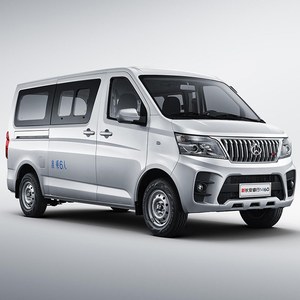
Changan Kaicheng Changan Ruixing M60 2023 1.6L CNG Comfort Bus 6-Seater
Changan Kaicheng Changan Ruixing M60 2023 1.5L GDI Comfort Bus 6/7 Seater
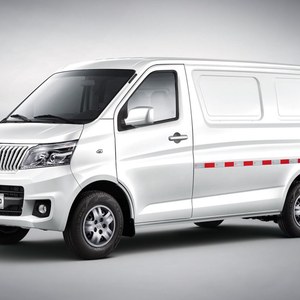
Used CHANGAN KAICHENG Ruixing M60 2019 1.5L Base Model China V Emission Standard 2-Seat Cargo Van with 4G15S Engine
Used CHANGAN KAICHENG Ruixing M60 2023 1.6L CNG Comfort-Grade 6-Seater Passenger Vehicle
How to buy a Changan Kaicheng Ruixing M60 from China
-
1
Define the destination and duty
Record the destination country, import route, passenger and cargo needs, fuel availability, legal category and expected annual utilization. This determines which configurations deserve further investigation.
-
2
Shortlist live M60 inventory
Review the live Ruixing M60 listings by body type, seating, fuel and engine code. Compare current per-unit price, condition, equipment and seller information rather than relying on the model name alone.
-
3
Verify unit identity
Match the VIN, engine number, engine code, gearbox, drivetrain, seating and emissions classification against the listing and supporting documents. Confirm that the configuration fits the intended destination and operating role.
-
4
Request inspection and quotation
Ask for current photographs, service records, condition notes, document copies and an inspection for used units. Request a written quotation stating currency, Incoterm, payment milestones, freight inclusions and quote validity.
-
5
Confirm the compliance path
Check local type approval, emissions and safety requirements, taxes, insurance and steering-side availability before committing. Treat China V or China VI classifications as origin information, not automatic destination approval.
-
6
Secure payment and documents
Verify the beneficiary and contract, then follow the agreed deposit and balance milestones. Ensure the commercial invoice, ownership records, export paperwork and inspection evidence correspond to the contracted vehicle.
-
7
Consolidate freight and track delivery
Group compatible vehicles, confirm the measured loading method, insurance and damage responsibility, and obtain pre-shipment evidence. Track origin handling, freight, customs clearance, destination charges and final delivery.
Ruixing M60 vs rivals
| JAC Refine M3 | The Refine M3 is the closest like-for-like MPV and van comparator, competing in passenger and commercial utility roles. Compare certified seating, load floor, fuel options, parts support and destination approval; choose whichever offers the better compliant configuration and lifecycle cost. |
|---|---|
| Chery Karry K50 | The Karry K50 competes as a budget people-carrier, particularly for basic five- or seven-seat duties. The M60 may offer a broader mix of petrol, GDI and CNG export configurations, but actual equipment, serviceability and certification should determine the result. |
| Wuling Hongguang S3 | The Hongguang S3 is a relevant seven-seat passenger-MPV alternative for family transport and shuttle work. The M60 differentiates through enclosed commercial and CNG options, while the S3 may suit buyers focused primarily on passenger-oriented use. |
Frequently asked questions
How is the Changan Kaicheng Ruixing M60 export price determined?
The price attached to a live unit reflects its year, trim, engine and fuel configuration, body and seating, mileage, condition and service history. The seller’s currency, Incoterm, freight method, insurance, documentation and destination charges also affect the amount payable. Treat a listing price as one component of landed cost, not a fixed model-level export tariff.
Where can I check the current export price and availability?
Use the ChinaCarDirect live Ruixing M60 inventory, where each available unit shows its current price and identifying details. Availability changes as units are sold or new stock is added, so confirm the relevant listing before budgeting or placing a deposit. Ask the seller to reconfirm the unit, price and terms in a formal quotation.
What engine, fuel and range options are available?
The export range represented includes 1.5-litre petrol versions, including GDI and specified 4G15S or DAM15KR engine codes, plus 1.6-litre CNG versions. These vehicles do not provide a battery-electric driving range; petrol range is governed by the usable tank, load and conditions, while CNG range also depends on available gas and system configuration. Confirm the exact engine and fuel system from the vehicle identification and live listing.
Should I buy a new or used Ruixing M60?
A used unit may fit a specific body, seat and fuel configuration and can make sense when an independent inspection supports its condition. A new vehicle offers a more uniform history, but configuration and delivery timing still need confirmation. Compare compliant examples on purchase price, expected repairs, warranty, downtime, fuel and residual value rather than condition labels alone.
How does MOQ work for this model?
The minimum order basis belongs to each live listing and may differ from the practical number of vehicles consolidated into one freight shipment. An importer can ask to reserve an individual unit, while fleet buyers may combine several compatible vehicles to improve freight efficiency. Confirm the supplier’s unit requirement, deposit, balance milestone, cancellation terms and loading plan in writing before payment.
What affects shipping time and cost for the Ruixing M60?
Shipping time and cost depend on origin and destination ports, available sailings, vessel or roll-on/roll-off space, vehicle dimensions, loading method, insurance, fuel surcharges, terminal handling, customs clearance and inland delivery. A booking must follow the measured vehicle and confirmed documents rather than a generic route estimate. Request the delivery term, charge inclusions and expected sailing window, then recalculate before shipment because freight capacity and exchange rates can move.
Can spare parts be ordered for an imported M60?
Parts should be selected using the vehicle identification number, exact engine code, production year and body configuration because components may not be interchangeable across petrol, CNG, passenger and van versions. Confirm availability, description and lead time with the supplier, and check whether the destination has a Changan service network or reliable parts channel. Plan common service items before shipment and secure long-lead components only after the exact unit is confirmed.
Is right-hand-drive available, and how do I order?
Do not infer right-hand-drive availability from a general model listing; request confirmation for the specific unit or sourcing request, including factory specification and export approval. A local conversion can affect safety, certification, warranty and cost, so assess it before ordering. Define the destination and duty cycle, shortlist live inventory, request documents and an inspection, then submit a formal RFQ with the selected configuration and delivery requirements.
Ready to source the Changan Kaicheng Ruixing M60?
Send your destination, passenger or cargo requirement, and inspection scope through the RFQ page for a unit-specific export quotation and shipping plan.
Request a quote