
Changan Kaicheng Star 5 Export Buying Guide
Compare Changan Kaicheng Star 5 trims, used and new options, export pricing logic, ordering, shipping and compliance before buying from China.
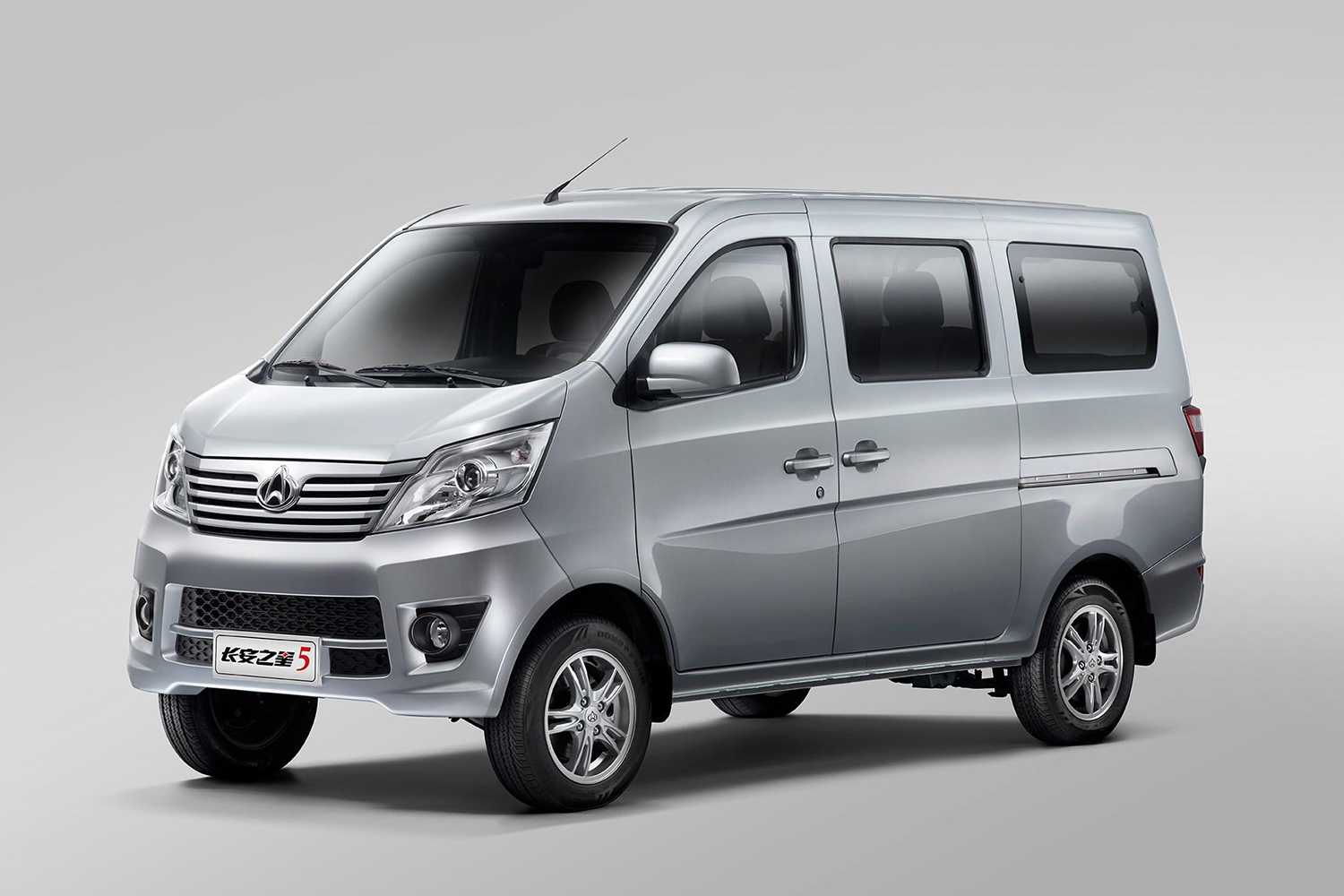
At a glance
- The Star 5 is a compact gasoline MPV and light-commercial family with passenger, van and bus configurations.
- Changan Kaicheng Star 5 specs cover 1.2-litre and 1.4-litre gasoline variants, while equipment and gearbox details depend on the selected unit.
- A used Changan Kaicheng Star 5 can suit fleet buyers, but condition, mileage, title history and destination eligibility require close verification.
- Changan Kaicheng Star 5 wholesale decisions should compare each live unit, then add freight, insurance, duties, taxes and inland delivery to reach landed cost.
- Single-unit procurement may be available, but the selected live listing and supplier confirmation control the applicable MOQ.
- Correct LHD/RHD configuration, homologation, parts support and route economics determine whether the vehicle is export-ready.
Why the Changan Kaicheng Star 5 matters for export markets
The Changan Kaicheng Star 5 sits in the compact MPV and light-commercial segment, where a single vehicle family can serve passenger transport, shuttle work and light cargo duties. Its visible structure includes passenger-car, van and bus derivatives, powered by 1.2-litre and 1.4-litre gasoline engines. That breadth matters overseas because distributors can build a narrower fleet around one nameplate instead of managing unrelated models for different fleet roles. It is especially relevant where buyers need simple combustion power, adaptable body layouts and straightforward parts planning rather than a premium passenger feature set.
In markets served by Chinese commercial-vehicle distributors, demand tends to come from practical operators rather than consumers seeking a lifestyle SUV. Airport and hotel shuttles, staff transport, ride-hailing and small delivery operations can benefit from a multi-purpose vehicle, provided the selected body is suitable. Relevance also depends on fuel availability, load requirements, local repair capability and whether destination import rules favor used commercial vehicles. A low-complexity drivetrain can simplify ownership, but fuel economy, maintenance schedules and residual values still require comparison with local alternatives before committing to an import program.
For an overseas buyer, the Star 5 is most persuasive when the use case is clear: frequent passenger movement, a need for a van or bus configuration, or a desire to standardize on one Chinese model family with a planned service-parts strategy. Before placing an order, compare the exact derivative, steering position, emissions paperwork and local aftersales coverage rather than relying on the model badge alone. Current unit-level choices can be reviewed in the live Star 5 inventory, while the Changan Kaicheng brand page provides a broader model context for initial comparison.
Model range, trims and powertrain variants: how the lineup is structured and how to choose
The Star 5 range is organized around three choices: body role, engine size and equipment grade. Listings cover 1.2-litre base versions and 1.4-litre variants, including classic passenger vehicles, vans and standard-model bus derivatives. Several 1.4-litre entries carry a China VI designation, while identifiers such as JL473Q, JL473Q3 and EA14MR help distinguish configurations. These names are shorthand, not a substitute for the full listing. Compare derivative, displacement, seating, gearbox, emissions statement and equipment together because similar names can serve different commercial purposes on a unit-specific vehicle order form before final payment.
For a passenger fleet, the priority is usable seating, entry and exit arrangements, luggage accommodation and whether the bus derivative is configured for passengers rather than cargo. For a delivery or shared-van operation, the van body and load area matter more, while the classic passenger derivative may suit private or small executive transport. The represented range shows 1.2-litre and 1.4-litre gasoline options, and manual transmission appears on a 1.4-litre passenger-vehicle variant, but buyers should not infer that every derivative shares the same gearbox without checking each unit before ordering.
Engine choice should be matched to load, terrain, local fuel quality and service capacity, not chosen solely by the displacement printed in a listing title. A 1.2-litre unit may offer a simpler operating proposition, while a 1.4-litre derivative can be considered where higher load or reserve capacity is relevant, subject to verified specifications. Request the vehicle identification number, engine and gearbox details, seating plan, emissions documentation and recent photographs. Then ask the supplier to confirm that the physical unit matches the quoted trim before payment in a signed sales record.
- Choose the body role before equipment trim.
- Confirm engine, gearbox, seating and emissions per unit.
- Treat China VI as a product label, not import approval.
New vs used Changan Kaicheng Star 5: how export inventory is structured and how buyers choose
Export inventory for the Star 5 may include factory-new vehicles and used examples from earlier production years. That structure creates two risk profiles. A new vehicle reduces uncertainty about wear and prior fleet use, while a used vehicle can be evaluated against a known history and a potentially lower acquisition outlay. The balance shifts with model year, trim, condition, mileage and market demand, so the live listing—not a general inventory summary—should determine which option is actually available. Any purchase decision should therefore rest on the particular unit, its documents and its intended operating role.
For a used Star 5, the purchase decision should be mechanical and documentary rather than cosmetic. Inspect the engine bay, cooling and fuel systems, transmission behavior under load, brakes, suspension, tires, glazing, body structure and evidence of accident repair. Verify the VIN, engine and model codes, registration history, emission documents, service records and title or ownership documents. A China VI label alone does not prove that a used vehicle will satisfy your destination’s age or emissions rules. Ask for dated photographs, an independent inspection and written answers to destination-specific questions.
New units make sense when predictable presentation, low initial wear and standardized fleet configuration outweigh the higher capital commitment commonly associated with new inventory. Used units can be more economical for a buyer with a defined replacement cycle, provided condition supports that cycle and parts support is realistic. Compare total ownership cost rather than acquisition price alone: include freight, import charges, insurance, maintenance, downtime and resale. Neither condition is universally better; the correct choice depends on route, utilization and cash-flow tolerance rather than assumptions based only on the model name.
- New: lower initial wear uncertainty.
- Used: inspect history, condition and documents.
- Compare landed and operating costs, not purchase price alone.
How export pricing works: the factors behind a live listing price, and how to read one
A Star 5 export listing price is the seller’s asking price for the specified unit, not automatically the buyer’s landed cost. Vehicle-side factors include model year, body derivative, seating, engine, transmission, trim equipment, mileage, condition and refurbishment history. Availability can also move a quote because scarce configurations attract more competition. Exchange-rate changes between quotation and payment add another variable, so record the quote validity, currency and final payment deadline. Compare like-for-like examples only after checking the stated Incoterm, included services and any condition adjustments recorded by the seller in writing.
Logistics can add materially to the final acquisition figure. Ask whether the displayed amount is FOB, CIF or another Incoterm, and establish what it includes: vehicle freight, marine insurance, export clearance, terminal handling, documentation, inland transport to the named port or delivery to the buyer’s warehouse. Duties, taxes, customs brokerage and destination charges may sit outside the listing price. A clear landed-cost worksheet prevents a low vehicle price from being mistaken for a low total procurement cost. It also makes competing offers easier to evaluate on the same commercial basis throughout the tender.
To read a live offer correctly, open the individual vehicle page rather than relying on search-page order or an old saved quote. Check the title, SKU, photos, production year, exact body type, engine and gearbox, condition, mileage where stated, MOQ and seller information. Then request a written quote tied to that SKU and your destination. The live Star 5 listings are the controlling source for current per-unit asking prices and availability; treat any email or spreadsheet summary as preliminary until reconfirmed with the seller and the applicable payment deadline confirmed.
- Price depends on specification, year, condition and availability.
- Separate the unit price from freight and import charges.
- Reconfirm each written quote before payment.
MOQ, ordering and payment: single units vs consolidating a container
The minimum order quantity is a commercial term, not a fixed characteristic of the Star 5 model. A marketplace listing may permit a single-unit purchase for a trial, replacement or small fleet, while other suppliers or shipment arrangements can impose different terms. Read the MOQ shown on each live unit and include it in the RFQ. For a distributor, also ask whether the quoted price changes at volume and whether mixed derivatives can share one freight movement. This avoids assuming a catalogue-wide rule that may not match the selected unit.
Buying several units can improve freight economics by spreading vessel or handling costs across more vehicles, but it also concentrates capital, storage and resale risk. Model cost per vehicle after freight, insurance, taxes and inland delivery, then compare it with likely utilization by body style. A mixed order of passenger, van and bus derivatives may serve a diversified fleet, yet it can complicate parts stocking, insurance classification and resale. Secure demand before taking on more inventory than the market can absorb because unsold units continue to consume space and working capital.
A sound sequence begins with a written specification, followed by a unit-specific quotation and a contract stating the vehicle, price, MOQ, payment milestones, inspection rights, documents and release conditions. Verify payment channels and buyer identity through the supplier’s official contact route. Hold the balance against inspection and export documents rather than photographs. Confirm the production slot, loading plan and shipping terms in writing before the vehicle leaves the supplier’s premises. A buyer should also establish who handles export clearance, port booking, terminal release and the documentary handover at destination location.
- Read the MOQ on the selected listing.
- Consolidate freight only against verified demand.
- Link final payment to inspection and documents.
Shipping, homologation and market compliance caveats: LHD/RHD and import rules by country
Complete vehicles commonly move from China by specialized roll-on/roll-off shipping, but a particular Star 5 may or may not suit a sealed-container or break-bulk solution. The decision depends on verified dimensions, port handling rules, loading equipment, securing arrangements and vessel space. Ask how the vehicle will be drained, protected from moisture, lashed and inspected, and whether insurance covers loading and discharge. Transit time and cost vary with ports, vessel route, congestion, season, terminal charges and inland distance. Document the planned route, expected handling steps and any agreed delivery responsibility in the contract.
Steering configuration is an early check. The visible listings do not guarantee left-hand-drive or right-hand-drive availability, and a left-hand-drive vehicle is not automatically market-ready for a right-hand-drive country. Specify the required side in the RFQ and request photographs of the steering wheel, dashboard, mirrors and VIN plate. Confirm whether a regional version or approved conversion exists and whether conversion affects registration, safety or warranty; otherwise budget for sourcing the correct configuration separately. Do not treat a general model image as proof of the steering side of the unit being quoted.
Import compliance is determined in the destination country, not by the China VI wording in a Chinese listing. The vehicle may need customs classification, a roadworthiness or type-approval check, local emissions approval, a VIN/chassis record, duty and tax assessment, and compliance with age limits for used imports. Required documents can include the commercial invoice, vehicle title or ownership record, customs and export papers, and the manufacturer’s conformity information. Engage a local customs broker and vehicle-homologation specialist before committing funds. Rules can also change by engine, body use, importer status and destination port.
- Confirm steering side before ordering.
- Match shipping method to verified dimensions.
- Validate local type approval, emissions and used-vehicle rules.
Who should buy the Star 5 — and who should pick a different vehicle
The Star 5 is a strong candidate for small fleet operators, importers and distributors that need adaptable gasoline vehicles at the workhorse end of the MPV market. It is particularly relevant where the task combines passenger movement with occasional cargo, where body format must vary by mission, and where a combustion engine is more practical than an EV charging network. Dealer groups can also use one model family to support shuttle, staff transport and light-delivery customers, provided they standardize the right derivative for each route while matching capacity to demand.
It is a weaker choice for buyers seeking premium cabin refinement, high-performance road car behavior, advanced driver-assistance features, off-road capability or the payload volume of a dedicated panel van. Those priorities may point toward a larger premium MPV, a modern electric minivan or a cargo-focused van instead. The compact positioning also means that passenger comfort, luggage capacity and load volume should be checked against real operating requirements; without verified dimensions and seating data, a broad product description is not enough.
A sound Star 5 decision combines four checks: the physical vehicle, paperwork, route economics and exit market. Ask for dimensions, payload, seating and equipment data, then compare those results with local rivals and the intended duty cycle. Include spare-parts lead times, workshop support, fuel availability, insurance classification and resale prospects. If one configuration fails any check, move to another derivative or model rather than treating the model name as due diligence. Buyers should also compare the vehicle with a realistic alternative over the same operating period, not just the initial acquisition.
- Strong for compact, multi-role work fleets.
- Poorer for premium comfort, performance or high-payload needs.
- Verify parts support, route economics and resale prospects.
Main rivals and how the Star 5 compares
The closest comparisons depend on whether the Star 5 is being bought as a passenger MPV, a mixed passenger-and-cargo vehicle or a bus derivative. Three useful benchmarks are the Wuling Hongguang S, the Forthing Lingzhi M5 and the Baojun 730. All compete in broadly similar compact, combustion-powered utility categories, but local specifications, trim availability and aftersales reach can differ substantially. Compare the exact imported derivative rather than a domestic version with different equipment because equipment, tax treatment and service arrangements can alter the ownership case even within the same model name.
Against the Wuling Hongguang S, the Star 5’s distinguishing feature is the visible choice of passenger, van and bus bodies around 1.2-litre and 1.4-litre engines. That can simplify multi-role fleet planning, although a passenger-only buyer should compare comfort, equipment and local brand recognition directly. The Forthing Lingzhi M5 is a more explicitly cargo-oriented benchmark for many buyers: compare load-area practicality, seating conversions, payload and parts support. The Star 5 may appeal where broader body choice matters. It should not be assumed to win on cost, parts availability or resale in every market.
The Baojun 730 is a passenger-car alternative for operators prioritizing a more car-like MPV brief, while the Star 5’s listing structure gives commercial users clearer body-role choices. That does not settle ride quality, fuel economy or ownership cost; test drives and destination-specific service checks are required. A disciplined comparison should use the same route, passenger load, luggage load and ownership horizon for every candidate. Select on total operating suitability, not badge familiarity or the lowest initial quote alone. Include downtime, compliance work and realistic resale timing in that final assessment.
Live Changan Kaicheng Star 5 export inventory
View all listings →Real units currently on ChinaCarDirect with per-unit asking prices and MOQ. Availability updates live from the catalogue.
How to buy a Changan Kaicheng Star 5 from China
-
1
Define the operating role
State whether each vehicle will carry passengers, mixed loads or cargo, and record the required seating and route conditions. This prevents an unsuitable bus or van derivative from being selected on price alone.
-
2
Shortlist live inventory
Review the current Star 5 listings and compare the body style, engine, transmission, production year and condition shown on each individual unit.
-
3
Request the vehicle file
Ask for the VIN, engine and chassis codes, gearbox, seating plan, emissions documents, ownership records and available service history. For a used vehicle, add dated photographs and an inspection proposal.
-
4
Build a destination-specific quote
Provide the destination port, final inland location, preferred Incoterm and required quantity. Ask for freight, insurance, documentation, terminal handling, taxes and duties to be identified separately.
-
5
Confirm MOQ and payment milestones
Check the MOQ displayed on the selected listing and reconfirm it with the supplier. Record the unit price, payment stages, production timing, inspection rights and release conditions in the sales contract.
-
6
Authorize pre-shipment inspection
Use a qualified inspector to verify the physical vehicle, VIN, configuration, condition, mileage and disclosed repairs against the contract. Tie the balance payment to satisfactory inspection and export documentation.
-
7
Book logistics and complete import clearance
Confirm the shipping method, handling steps, insurance, route and delivery responsibility before loading. Work with a local broker on customs classification, homologation, duties, taxes and used-vehicle eligibility.
Star 5 vs rivals
| Wuling Hongguang S | The Hongguang S is a close passenger-MPV benchmark, while the Star 5 offers a visibly broader mix of passenger, van and bus bodies for mixed fleets. A buyer focused only on passenger comfort and brand familiarity should compare both derivatives in the destination market rather than assume the Star 5 is automatically the better value. |
|---|---|
| Forthing Lingzhi M5 | The Lingzhi M5 is a more explicitly cargo-oriented alternative for buyers whose priority is load-area conversion and utility. The Star 5 may be more attractive when a dealer wants several body roles under one model family, but payload, loading dimensions and parts support must be verified for each unit. |
| Baojun 730 | The Baojun 730 is a passenger-focused MPV comparison for ride comfort and car-like usability. The Star 5 is likely more relevant to commercial shuttle and mixed-body operators because of its listed van and bus derivatives, although local service quality and actual operating costs should decide the outcome. |
Frequently asked questions
How is the Changan Kaicheng Star 5 export price determined?
A live export price reflects the specific unit’s year, body derivative, engine, equipment, mileage and condition, as well as current availability. Freight, insurance, port handling, Incoterms, duties, taxes and inland delivery determine the landed cost. Check the live Star 5 listings for the current per-unit asking price, then request a written quote tied to the selected SKU and destination.
What engine and powertrain options does the Star 5 have?
The export range shown is gasoline-powered, with 1.2-litre base versions and 1.4-litre variants in passenger, van and bus forms. Manual transmission appears on a 1.4-litre passenger variant, but engine output, transmission pairing, emissions and seating should be verified for the chosen vehicle because trim names alone are insufficient.
Is a new or used Changan Kaicheng Star 5 better for export?
Factory-new vehicles reduce uncertainty about initial wear and prior use, while used vehicles can offer a more suitable acquisition profile when a buyer has a defined replacement cycle. A used Star 5 should pass a mechanical and documentary inspection, including VIN, title, mileage, service history and destination eligibility. The better choice depends on utilization, cash flow, parts support and total operating cost, not simply the condition label.
How does MOQ work when buying a Star 5 from China?
MOQ is a supplier and listing term that may differ by unit, trim and shipment arrangement. A marketplace purchase can be possible for a single vehicle, but the selected live listing and written supplier confirmation control the order. For a larger wholesale shipment, ask about mixed derivatives, volume pricing, production timing and consolidated freight.
What determines Star 5 shipping time and cost?
Shipping time and cost vary with departure and arrival ports, carrier schedule, congestion, weather, vessel space, vehicle dimensions and inland distance. Complete vehicles commonly use roll-on/roll-off handling, while container or break-bulk feasibility depends on measurements and port rules. The quote should state the route, handling method, insurance, surcharges and delivery scope.
How should overseas buyers plan Star 5 spare parts?
Request an OEM or supplier-supported parts list before ordering, with engine and chassis codes, maintenance items and recommended stock for your fleet. Availability, lead time and price are stronger when a local distributor or repair network is established, so parts support should be checked by destination. For a used unit, inspection should also identify non-standard repairs or missing components that could complicate future orders.
Is right-hand-drive Star 5 availability confirmed?
Right-hand-drive availability is not established by the model name and should not be assumed from general photographs. State LHD or RHD in the RFQ, request steering-side images and the VIN, and confirm whether a destination-specific version exists. Any conversion must be evaluated for registration, safety and warranty consequences; otherwise source the correct configuration from the outset.
How do I buy Changan Kaicheng Star 5 from China?
Search the live inventory, shortlist the body and engine version, and request a unit-specific export quote with destination and Incoterm. Confirm the specification, documents, MOQ, payment milestones, inspection rights and shipping plan in writing. Use the RFQ channel for a current commercial response, and do not treat a general price guide or an unconfirmed message as the final order terms.
Ready to source the Changan Kaicheng Star 5?
Send ChinaCarDirect your destination, body configuration, quantity and preferred Incoterm, then request a unit-specific RFQ for the current Star 5 price and availability.
Request a quote