
Changan Cs55 Plus Export Buying Guide for Dealers
Buy Changan Cs55 Plus from China with practical guidance on trims, pricing, MOQ, shipping, compliance and model selection for overseas dealers.
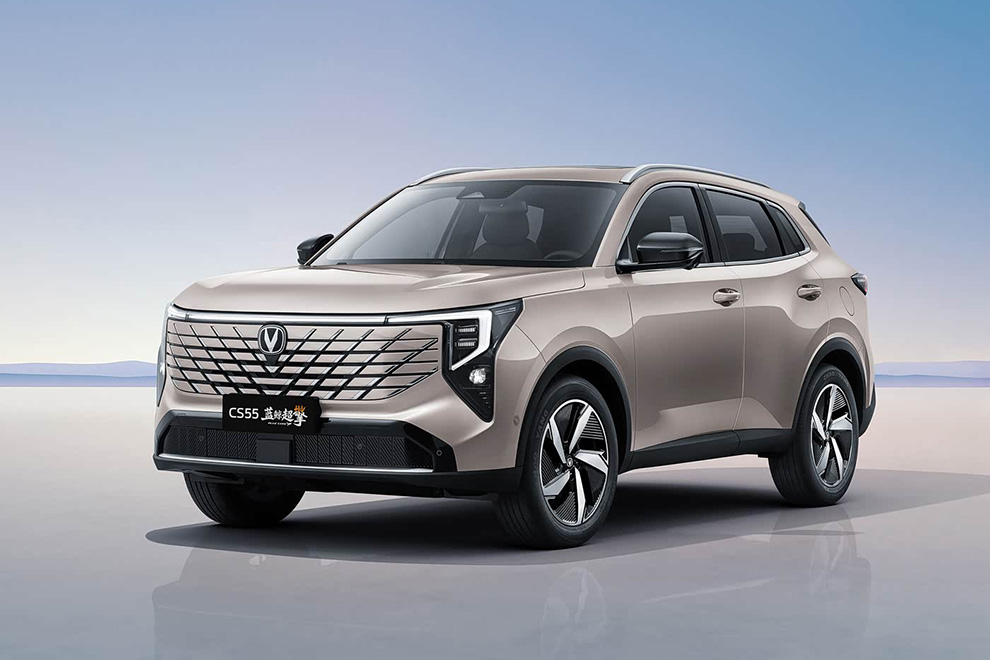
At a glance
- The Cs55 Plus is a compact SUV built around a 1.5T petrol engine, with DCT and manual applications across the range.
- Multiple generations and named trims mean buyers should compare the exact derivative rather than rely on the model badge.
- New units offer cleaner history and configuration consistency; used units require stronger inspection and document checks.
- Export quotes move with age, trim, condition, exchange rates, freight and Incoterm, while landed duties and taxes vary by market.
- One-vehicle pilots and consolidated shipments are both possible buying structures, subject to the seller's written MOQ and agreed payment terms.
Why the Changan Cs55 Plus matters for export markets
The Changan Cs55 Plus occupies the compact-SUV segment commonly used by overseas dealers for urban sales, fleet purchases and entry-level family vehicles. Its practical appeal comes from a 1.5-litre turbocharged petrol engine, DCT and manual applications across the range, and multiple generations and equipment grades. For an export buyer, these distinctions matter because taxes, insurance, parts support and resale value can change with the exact derivative, not merely the model family. The badge identifies a useful starting point, but the vehicle-level specification sheet should drive every purchase, quotation and regulatory comparison.
In export markets, the model is most relevant where buyers want a right-sized SUV that feels more substantial than a hatchback but remains easier to manage than a full-size off-roader. The small turbo engine can suit fuel-cost-conscious operators, while a manual gearbox gives some importers a lower-spec route into the nameplate. Those are general attributes; engine calibration, gearbox tune and equipment can vary by generation and market, so each quoted vehicle should be verified before comparing a quote, specification sheet, photograph and invoice against the same trim and model year.
For a buyer searching for a Changan Cs55 Plus for export, after-sales capability deserves as much attention as the vehicle itself. Parts catalogs, technical documentation, warranty handling, electronic diagnostics and model-year consistency can determine whether a shipment becomes easy or costly to operate. A CS55 Plus is generally a stronger candidate when the importer can establish a reliable parts and homologation channel; it is less convincing when demand is highly price-led but no local service or compliance plan exists. Early supplier checks therefore matter more than chasing the lowest advertised figure in the short term.
- 1.5T petrol with DCT or manual variants.
- Compact-SUV fit for dealers and fleets.
- Verify tax, parts and resale by derivative.
Model range, trims and powertrain variants: how the lineup is structured and how to choose
The CS55 Plus range is structured around successive model generations rather than one fixed global specification. Across the range, the consistent technical theme is a 1.5T petrol engine, but transmissions and equipment differ: DCT versions dominate many named trims, while a manual Color Edition demonstrates that a lower-spec route has also existed. Blue Whale, Premium, Luxury, Excellence and Celestial labels appear in different combinations, so trim names should be treated as model-year-specific descriptors rather than a simple equipment ladder that can be compared safely across model years, specifications or export destinations.
When choosing a Changan Cs55 Plus specification, the gearbox is often the first practical filter. A DCT can reduce driver involvement in dense traffic and may suit dealers prioritizing ease of use, although the exact calibration, warranty and parts support must be checked. A manual can suit buyers who value mechanical familiarity, lower specification cost or driver availability in markets with long experience of manual transmissions. Neither choice alone establishes suitability: payload, fuel rules, route conditions and resale expectations should follow. Do not select the gearbox in isolation from the destination market.
Equipment selection should be tied to actual customer use. Fleet operators may prioritize durable upholstery, straightforward controls and serviceability, while private buyers may place more value on comfort, infotainment and visual trim. For every option, ask for a clear list of standard and optional equipment, confirm whether features are market-specific and verify their operation during pre-shipment inspection. The model-year and generation labels should also be matched to the VIN and production documentation, preventing a nominally similar trim from being valued as if it were a higher or newer derivative on paper.
- Match generation, trim and gearbox.
- Compare DCT and manual use cases.
- Verify equipment against VIN documents.
New vs used Changan Cs55 Plus: how export inventory is structured and how buyers choose
Export inventory is structured at the individual-listing level, not inferred from the age of the model. A vehicle described as new should have no prior registration or use history, while a used vehicle should disclose registration, ownership, mileage, condition and known damage. ChinaCarDirect's live listings are the relevant source for the unit offered; a newer model name does not automatically mean used stock, and an older-looking name does not establish history. Buyers should therefore request the vehicle status and supporting documents before treating any offer as comparable with another trim.
A new Changan Cs55 Plus generally offers the cleaner buying case: documented delivery mileage, features appropriate to its production year, potentially clearer warranty pathways and less uncertainty about prior use or repair history. It can also make fleet planning easier because several units can be specified consistently. The trade-off is that buyers usually pay for that selection and availability rather than securing an older vehicle cheaply. For a dealer establishing a new model line, the value is predictable configuration and easier customer comparison, provided that aftersales and residual values have been assessed before launch.
A used Changan Cs55 Plus can make sense for a buyer with a firm resale slot, limited launch budget or a demand profile that does not justify current stock. The potential saving must be weighed against unknowns in wear, accident repair, electronic modules, fluid condition, tyres and service history. Remote documents alone are not a substitute for inspection: request independent photos, a video walk-around, chassis and underbody images, scan or diagnostic information where available, and the history of recalls or warranty work. Used supply and pricing can also change independently of new-car supply.
- Confirm status for every unit.
- Review mileage, condition and repairs.
- Inspect used vehicles independently.
How export pricing works: the factors behind a live listing price, and how to read one
A Changan Cs55 Plus export price guide should begin with the distinction between the vehicle's live sale price and the buyer's total landed cost. The former may reflect age, generation, trim, 1.5T and DCT or manual configuration, mileage and condition where relevant, plus seller terms and market movements. The latter can add inland transport, export handling, freight, insurance, destination charges, customs duties, taxes and dealer margins. A listing that appears cheaper is not necessarily cheaper after every unavoidable cost is allocated. The comparison should be made on the same Incoterm and destination.
When reading a live listing, start with the complete vehicle title rather than the headline model name. Confirm model year, generation, trim, engine, gearbox, steering side, mileage, condition and any sale or campaign wording. Then review the displayed price, minimum order quantity, seller location, stated preparation and the Incoterm if one is given. Ask for a written quotation tied to a specific unit or SKU, because a general model-page quote may not capture the selected vehicle's condition or commercial terms. This also creates a clear record for comparison and later payment.
Pricing is not static because exchange rates, freight capacity, port charges, seasonality and each seller's commercial strategy can change. A dealer should model the landed cost separately for every shortlisted derivative and include local registration, insurance, preparation, marketing and warranty provisioning. Duty and tax treatment depends on the destination, origin documentation and classification of the exact vehicle, so tax advice may be necessary. Check the live ChinaCarDirect inventory for the current per-unit price, MOQ and availability; treat the selected unit's live quote, once confirmed in writing, as binding. Keep every quote separate.
- Compare trims under one Incoterm.
- Separate sale price and landed cost.
- Include freight, duties and local fees.
- Record every quote against its SKU.
MOQ, ordering and payment: single units vs consolidating a container
MOQ for the Changan Cs55 Plus should be confirmed seller by seller and for the chosen vehicle, rather than assumed from a model page or a blanket catalogue rule. Check its stated MOQ in the live listing and confirm it for the SKU in the RFQ. A one-unit order may suit a dealer testing demand, a fleet pilot or a mixed shipment with other compatible units. Consolidation can improve freight planning and reduce per-vehicle handling, but feasibility depends on cargo dimensions, weight, loading rules and whether every vehicle has the same homologation status. Ask whether the supplier accepts mixed-model or mixed-owner consolidation and how ownership documents will be handled.
Payment terms should be tied to verifiable milestones. Before remitting funds, confirm the seller's legal entity, the exact SKU, production or delivery status, inspection rights, title or ownership documents and the cancellation or refund conditions. A deposit followed by balance payment against inspection and shipping documents is a common structure, but the actual sequence is contractual and must not be assumed. For a first wholesale transaction, use bank details that match the named seller or a clearly disclosed payment intermediary, and obtain tax invoices and export documents in the agreed jurisdiction.
A sensible ordering workflow starts with a shortlist rather than a payment. Compare equivalent trims, obtain written commercial terms, place a refundable or clearly conditional deposit where appropriate, and schedule an inspection before release. The inspection should confirm the agreed options, body condition, tyres, fluids, dashboard warning status, VIN and documents rather than certify every mechanical component. If consolidating, agree the loading sequence and cargo plan so late additions do not create unmatched title, paperwork or handover problems at the port. The RFQ should remain the single source for agreed vehicle and commercial details.
- Confirm MOQ for the exact SKU.
- Define payment and refund milestones.
- Inspect against the written specification.
Shipping, homologation and market compliance caveats: LHD/RHD and import rules by country
Shipping should be planned around the vehicle configuration, not only the origin and destination. Exporters may use vehicle carriers, containerized or flat-rack solutions depending on cargo, routing and handling rules, and the chosen method affects freight, insurance and handling exposure. Door-to-door, port-to-port and terminal collection terms place different responsibilities on buyer and seller. Ask for the planned route, chargeable weight, securing method, loading date and all destination charges, then compare the landed-cost worksheet with the purchase commitment. Transit duration also varies with sailing frequency, port congestion, customs clearance and seasonal demand.
Steering configuration is a critical sourcing check. The CS55 Plus should not be assumed to be left- or right-hand drive merely because it is available for export. Confirm the steering side on the VIN, photograph, production label and bill of information, and state it in the purchase contract. A conversion is not an automatic substitute because wiring, safety systems, controls, spares and type approval may differ. Right-hand-drive buyers should request a confirmed RHD build and current availability from the seller rather than infer suitability from the model name alone in advance.
Import rules are country-specific, and the same vehicle may require different evidence in different markets. The importer should confirm emissions, noise, safety, cybersecurity or software requirements, VIN and registration formats, customs classification, duty, tax and any local certification. A vehicle prepared for China is not automatically homologated elsewhere, and Changan's approvals in one country do not transfer automatically. Build a compliance file before the vehicle moves, using the exact configuration and an experienced local customs broker, and clarify who is importer of record, responsible for registration and answerable for rejected cargo.
- Verify steering side on documents.
- Confirm destination emissions and safety rules.
- Name the importer of record.
- Clarify freight scope and charges.
Who should buy the Cs55 Plus — and who should pick a different vehicle
The Cs55 Plus is a strong fit for a dealer seeking a compact SUV with a 1.5T petrol engine and a manageable logistics profile. It can suit urban private buyers who want more cabin and luggage space than a hatchback, ride-hailing or company-car programs that prefer a conventional internal-combustion vehicle, and importers able to support DCT or manual service. It is particularly attractive where road conditions are paved, charging infrastructure is not the deciding factor and buyers value a modern-looking SUV at a mainstream price point and with broadly understandable specifications.
It is a weaker choice for buyers who require an electric powertrain, extensive off-road ability, a seven-seat layout, heavy towing or a fully established global aftersales network. Those needs call for a different vehicle class or powertrain. The 1.5T engine also means buyers subject to low-emission zones or strict local taxation should test the exact powertrain and registration treatment rather than assuming petrol suitability. Likewise, a buyer without access to parts, diagnostics or qualified repair support may find ownership costs less predictable than expected. This is a sourcing risk, not a model defect.
The best decision depends on fleet economics rather than badge appeal. Compare total operating cost per kilometre, realistic fuel consumption, service intervals, parts lead time, insurance, depreciation and expected residual value using local data. For a mixed fleet, a manual CS55 Plus may be operationally simple, while a DCT version may be easier for drivers to operate in traffic; those are use-case judgments, not universal conclusions. Test the chosen derivative against two or three local rivals and secure written supplier support before committing, especially for a volume wholesale order program.
- Best for mainstream compact-SUV buyers.
- Works for fleets with petrol support.
- Not for EV, seven-seat or heavy-duty needs.
Main rivals and how the Cs55 Plus compares
The closest export-market alternatives depend on the country, because local versions of Chinese compact SUVs differ in engine, gearbox, safety content and equipment. For a buyer considering the Changan Cs55 Plus, the most relevant comparison is usually with the Chery Tiggo 7, Geely Atlas and GAC GS3 family. They compete for similar dealer and fleet customers without assuming every market offers identical specifications. Compare the exact local derivatives, not brochure models selected only because their names appear in the same segment. Price, parts support and compliance should carry equal weight.
Against the Chery Tiggo 7, the CS55 Plus should be judged on confirmed equipment, after-sales reach and the importer's preferred homologation route rather than on trim names alone. Against the Geely Atlas, both may appeal to buyers seeking a conventional compact SUV, so the deciding factors are local powertrain choice, warranty terms, parts availability and total landed cost. Against the GAC GS3 family, the Changan offers a recognisable 1.5T and DCT or manual portfolio, but the rival may fit a market better where its local specification, certification or support network is stronger.
A structured comparison should hold constant the destination, steering side, year, safety and equipment expectations, warranty, payment terms and landed cost. Then assess powertrain choice, cabin usability, boot volume, service intervals, parts access, diagnostic capability and expected resale. The CS55 Plus can be the stronger value when its exact specification, supply route and aftersales arrangements align with the buyer. It may be the weaker choice when another model has a clearer homologation path, lower total operating cost or a service network that reduces downtime for fleet customers in the destination market.
- Compare destination-specific derivatives.
- Include warranty, parts and homologation.
- Use landed cost and fleet downtime.
Live Changan Cs55 Plus export inventory
View all listings →Real units currently on ChinaCarDirect with per-unit asking prices and MOQ. Availability updates live from the catalogue.
Changan Changan CS55 PLUS 2021 Blue Whale Edition 1.5T DCT Premium
Changan Changan CS55 PLUS 2024 Model 3rd Generation 1.5T DCT Excellence Type
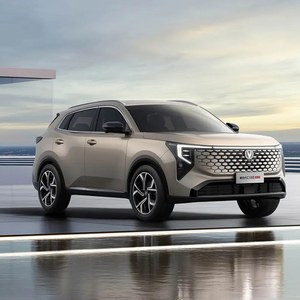
Changan Changan CS55 PLUS 2026 Model 4th Gen New Blue Whale 1.5T Celestial Premium
How to buy a Changan Cs55 Plus from China
-
1
Define the destination and use case
Record the destination, steering-side requirement, powertrain preference, passenger or load profile, pricing method and sales channel. These decisions determine which Changan Cs55 Plus derivatives are worth shortlisting.
-
2
Shortlist exact derivatives
Use the live CS55 Plus inventory and compare model year, generation, trim, 1.5T engine, DCT or manual gearbox, condition and steering configuration. Reject listings that omit essential identifiers.
-
3
Request a written RFQ
Ask the seller to bind the quotation to a SKU with the price, MOQ, Incoterm, payment milestones, lead time, documents, warranty and freight scope. Current unit-specific numbers should come from the live listing and confirmed quotation.
-
4
Check compliance before payment
Have a local broker confirm homologation, emissions and safety requirements, customs classification, duties, taxes, VIN documentation and the importer of record. Complete this review before committing funds.
-
5
Arrange an independent inspection
Inspect the agreed options, body condition, VIN, warning status, fluids, tyres, underbody and documents against the written specification. Record every discrepancy and amend the purchase terms if necessary.
-
6
Approve payment and vehicle release
Use payment details that match the named seller or a disclosed intermediary, and tie each payment to the agreed milestone. Verify ownership, export and inspection documents before releasing the vehicle.
-
7
Plan freight and handover
Agree the loading method, route, insurance, destination charges and arrival plan before loading. After arrival, complete customs, registration and spare-parts planning to support the vehicle's first entry into service.
Cs55 Plus vs rivals
| Chery Tiggo 7 | A direct compact-SUV competitor for Chinese-brand export programs. The better choice is the one with the stronger local homologation, parts and warranty setup, not necessarily a particular trim name. |
|---|---|
| Geely Atlas | A close alternative for dealers seeking a conventional petrol SUV. Choose between them on confirmed powertrain, local service support, landed cost and available derivatives rather than on badge appeal. |
| GAC GS3 family | A relevant alternative in markets where its local variants, certification and aftersales network align better with the buyer. The CS55 Plus has a stated 1.5T and DCT or manual portfolio, but availability must still be confirmed. |
Frequently asked questions
How is the Changan Cs55 Plus export price determined?
Live sale prices reflect factors such as model year, generation, trim, engine, gearbox, condition and the seller's commercial terms. Check the live ChinaCarDirect CS55 Plus inventory for the current per-unit price, MOQ and availability. A written quote should tie the final price to a specific SKU and Incoterm, with exchange-rate and freight movements confirmed before payment.
What engine and transmission does the Cs55 Plus use?
The range is petrol-based and uses 1.5T engines. DCT appears across many named trims, while a manual version is available in selected applications. Calibration, output and equipment can vary, so use the live listing and VIN-linked documents rather than general model assumptions.
Should I buy a new or used Changan Cs55 Plus?
A new vehicle provides cleaner history, documented delivery mileage and more predictable configuration. A used vehicle may suit a constrained launch budget or a buyer with immediate resale demand, but it requires scrutiny of mileage, condition, repairs, electronics and service records. Used availability is less predictable, so check the live listings and commission an independent inspection.
How does the MOQ work when ordering a Cs55 Plus?
MOQ is specific to the seller and selected SKU, so it should not be inferred from a general model page. A one-unit pilot may suit a test order, while volume buyers can ask about consolidating compatible units into one cargo plan. Confirm the stated minimum, mixed-cargo policy, payment conditions and release terms in the written RFQ.
How long does shipping take, and what affects the cost?
Transit time and freight cost depend on the route, carrier schedule, port congestion, cargo method, insurance, handling and customs clearance. Door-to-door and port-to-port terms also allocate different costs and responsibilities. Obtain a route-specific quotation and clarify destination charges before paying the vehicle balance.
Are spare parts available for the Changan Cs55 Plus?
Parts support depends on the seller, generation, engine and destination, so it should be confirmed before ordering. Ask for the correct part numbers, catalogue references, technical documents and expected supply arrangements for each shortlisted trim. Domestic Chinese-market parts may not map directly to an export derivative, making a local parts plan essential.
Is right-hand-drive availability guaranteed?
No assumption should be made from the CS55 Plus model name or from the fact that the vehicle is offered for export. Ask the seller to confirm RHD production on the VIN, photographs, production label and bill of information. Steering configuration must also be checked against the destination's registration and type-approval requirements.
How do I order a Changan Cs55 Plus from China?
Begin with the live listings, shortlist exact derivatives and submit an RFQ for unit-specific commercial and technical details. Confirm the SKU, specification, steering side, MOQ, price, Incoterm, payment milestones, inspection rights and export documents in writing. Complete compliance checks, inspection and payment before shipment, then track freight, customs and registration through delivery.
Ready to source the Changan Cs55 Plus?
Send an RFQ with your destination, preferred generation, trim, gearbox, quantity and Incoterm to request unit-specific terms.
Request a quote