
Changan Cs75 Plus Export Buying Guide for Dealers
Compare Changan CS75 Plus trims, engines, export pricing, MOQ and shipping options, then review live listings for current dealer quotes and availability.
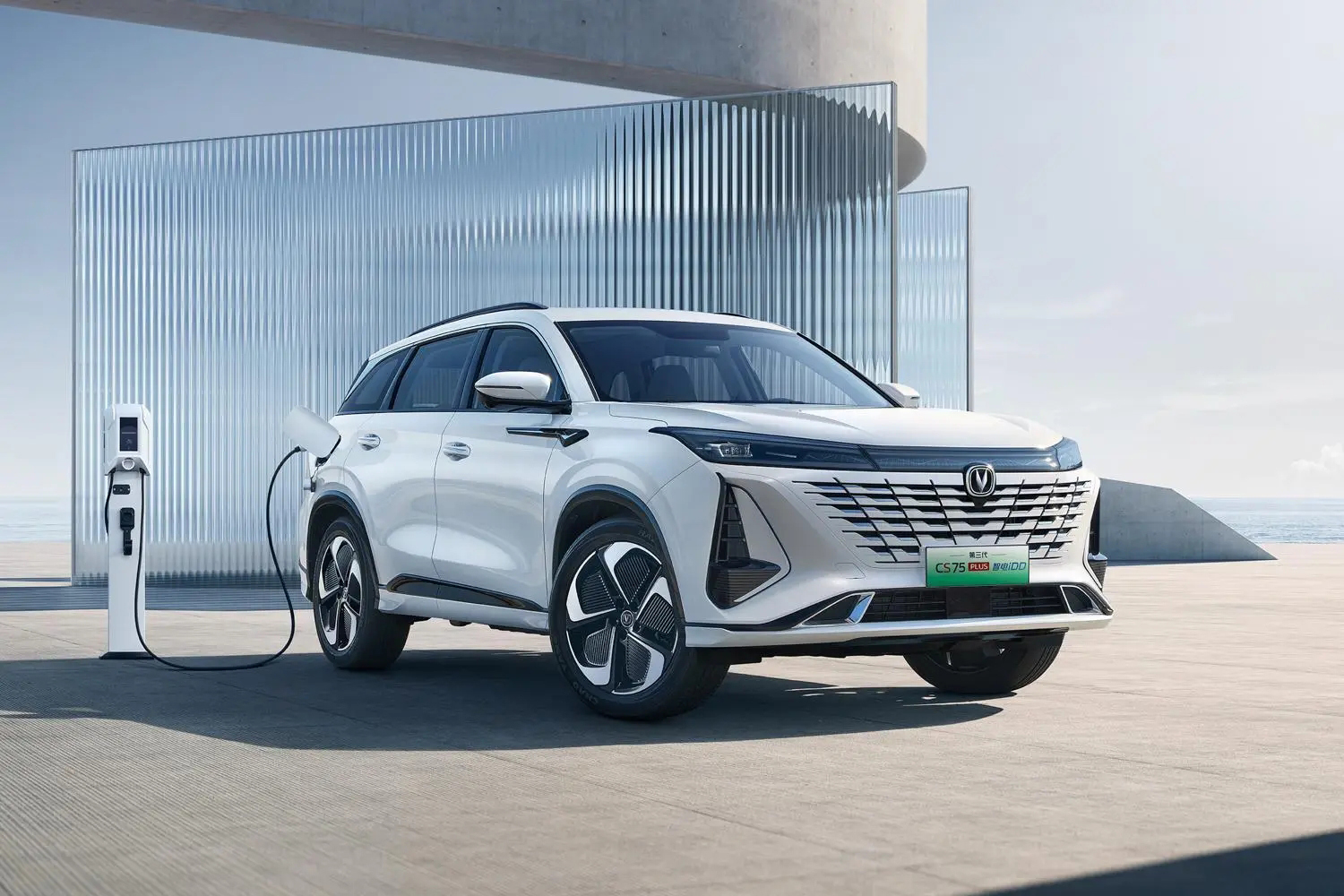
At a glance
- The CS75 Plus is a gasoline-powered midsize crossover for family, staff, and mixed fleet use.
- The export range spans 1.5T and 2.0T turbocharged engines with automatic transmissions across multiple generations.
- New units suit consistent fleet launches, while used examples can suit targeted trims or lower initial cost.
- Export pricing changes with vehicle specification, condition, exchange rates, freight, Incoterm, and destination charges.
- LHD/RHD supply, homologation, MOQ, and landed cost must be confirmed for each destination and listing.
Why the Changan Cs75 Plus matters for export markets
The Changan Cs75 Plus is a gasoline-powered midsize crossover SUV built for buyers who need more space and presence than a compact SUV without moving into a large, premium-priced off-roader. Its lineup spans 1.5T and 2.0T turbocharged engines with automatic transmissions, while different generations and equipment packages give importers meaningful choice. That combination makes the model relevant to distributors serving family, business, and mixed fleet customers. For overseas channels, the key question is not simply whether it looks substantial; it is whether the selected generation, steering configuration, equipment, and service provisions can be homologated and supported economically in the destination country.
Global demand for the CS75 Plus is best understood as demand for a practical value SUV rather than a niche performance model. For distributors in Latin America, the Middle East, and Southeast Asia, the familiar SUV format, automatic gearbox, and broad range of trims can appeal to customers who prioritize cabin size, comfort, and daily usability. It is also relevant in right-hand-drive markets when a suitable factory configuration can be sourced, but local homologation and support must be confirmed. The model’s value proposition comes from offering a step up from compact crossovers without the purchase and running costs of a full-size luxury SUV.
For an overseas buyer, the model matters because it can cover several use cases with one nameplate: a family SUV for private buyers, a comfortable staff car for companies, and a manageable vehicle for regional distributors. Choosing the right cut is still essential because names such as Premium, Luxury, Pilot, Flagship, and special editions do not form one uniform global equipment hierarchy. Dealers should compare the underlying functions—safety equipment, infotainment, seat materials, driver assists, and warranty—not rely on trim labels alone or assume that every feature is export-homologated.
- Midsize SUV positioning.
- 1.5T and 2.0T options.
- Confirm homologation and support.
Model range, trims and powertrain variants: how the lineup is structured and how to choose
The export catalogue should be read as a layered range rather than a single global specification sheet. CS75 Plus listings can represent several generation labels, including second-, third-, and fourth-generation naming, although only some generations may be offered in a given destination at one time. Within those bodies, the recurring powertrain split is 1.5T or 2.0T with an automatic transmission. Trims such as Premium, Luxury, Navigation, Pilot, Flagship, Champion, and New Blue Whale editions describe equipment tiers or special packages, not necessarily equivalent grades across model years or factories. That distinction matters at the invoice stage.
The 1.5T version is the practical default for most fleet and family orders: it emphasizes efficiency, predictable operating costs, and sufficient turbocharged performance for normal road use. The 2.0T option is more persuasive when buyers regularly carry heavier loads, travel on motorways, or want stronger overtaking reserve. Exact output figures vary by generation and market, so importers should request the engine, gearbox, drivetrain, and emissions specification rather than infer performance from the badge. Compare curb weight, tires, and local tax rules too, because they directly affect usability and operating cost.
Generation is a second decision axis. Third-generation listings use names such as 3rd Gen 1.5T Auto Premium, while newer fourth-generation cars appear with 1.5T or 2.0T New Blue Whale Smart editions and high-grade 2.0T packages. A newer generation may bring updated cabin technology and powertrain efficiency, but it can also introduce features or hardware unavailable to older stock. For export, the prudent approach is to compare a shortlist on safety, comfort, serviceability, software, and homologation—not to assume the latest badge creates the best commercial fit for the intended local market.
- 1.5T for operating economy.
- 2.0T for performance reserve.
- Compare real equipment lists.
New vs used Changan Cs75 Plus: how export inventory is structured and how buyers choose
Live CS75 Plus inventory can contain both factory-new vehicles and used examples from earlier model years, sometimes alongside different generations of the same nameplate. That structure gives importers two distinct routes: buying a current production configuration for consistency, or selecting a used vehicle to reduce acquisition cost and obtain a higher specification for a given budget. The practical difference is not simply age; it is the condition, history, warranty, and readiness of each specific unit. A used car may be newer than an unused older vehicle, so condition and specification should be judged separately from registration date.
A new vehicle is usually the cleaner choice for fleet launch, customer test drives, and markets where homologation is already established. It should arrive with consistent factory finish, known mileage, and the seller’s stated new-vehicle warranty, subject to the exact contract. Even so, a new listing is not a substitute for a pre-shipment inspection: confirm production date, option list, paint, tire condition, underbody, electrical systems, and accessories. Ask whether the vehicle has been moved, registered, or presented as a demonstrator before accepting it. This applies equally to dealer-owned launch vehicles.
A used CS75 Plus can suit a dealer seeking a specific older trim, an immediately driveable demonstrator, or a vehicle for a secondary fleet. Evaluate it almost like a used-car auction purchase: inspect mileage against records, service history, fluid leaks, crash repairs, suspension wear, tire age, paint condition, cabin wear, and the condition of electronic and safety systems. Verify the VIN, ownership documents, import eligibility, and recall status. Used pricing also reflects condition, so a lower acquisition figure must be weighed against near-term maintenance and potential downtime at the importing dealership.
- New: consistency and warranty.
- Used: targeted value.
- Inspect documents and condition.
How export pricing works: the factors behind a live listing price, and how to read one
A CS75 Plus export price is not one fixed wholesale amount. The live asking price is shaped by model year, generation, trim, 1.5T or 2.0T engine, transmission, equipment, mileage and condition for used vehicles, and sometimes market-specific production or sourcing arrangements. Beyond the vehicle, currency movements, sea or air freight, insurance, port charges, inland transport, destination taxes, and the selected Incoterm can all change the commercial outcome. Separate the supplier’s vehicle price from the buyer’s landed cost before comparing offers. The same model can therefore produce different economics for a distributor, a fleet buyer, and a private importer.
Read each listing line by line. Confirm the currency, whether the quoted amount is for one vehicle or a grouped shipment, what is included, and whether freight, export documentation, insurance, and taxes are excluded. Also check the stated Incoterm and named place; EXW, FOB, CIF, and other terms allocate costs and responsibilities differently. Treat the displayed figure as an inquiry point rather than a binding landed quote, and ask what event could invalidate it, such as a stock sale or exchange-rate adjustment. Also ask whether the quote remains valid through inspection and shipment.
For a comparable wholesale decision, put several candidate listings on the same basis: same generation, engine, condition, destination, and delivery term. Then request a written quotation that separates vehicle cost from freight, insurance, handling, taxes, and any required deposit. The [live CS75 Plus listings](https://chinacardirect.com/products?q=Cs75%20Plus&brands%5B%5D=10) are the correct place to check current per-unit prices, MOQ, and availability; the [contact page](https://chinacardirect.com/contact) is the route for a shipment-specific quote. This method avoids comparing an older used vehicle with a current new one and calling the difference a model premium rather than a fair benchmark.
MOQ, ordering and payment: single units vs consolidating a container
Minimum order quantity depends on the seller, vehicle, and transaction. Some export listings are sold unit by unit, while a supplier may impose a lot quantity for a particular production run or require several matching units. The MOQ shown with each live vehicle is the relevant instruction for that listing; it should not be generalized into a permanent rule for the CS75 Plus. A first-time importer can often use one unit as a pilot purchase, subject to the supplier’s terms, payment method, documentation, and shipping plan. Make the pilot arrangement explicit in the pro forma invoice.
Consolidation can improve freight planning when several buyers or branches need the same specification. Matching year, generation, engine, trim, color, and steering position simplifies customs handling, reduces parts and configuration fragmentation, and makes spare-parts ordering easier. It can also spread fixed documentation and handling costs across more vehicles. However, a larger shipment needs clearer governance: agree on inspection standards, payment milestones, VIN allocation, delivery sequence, insurance, and what happens if one vehicle differs from the agreed specification. A written consignment sheet should identify each vehicle, agreed condition, photographs, and responsibility for any discrepancy before loading.
A sound ordering sequence starts with a written pro forma invoice or contract naming the vehicle, options, price basis, MOQ, deposit, balance, production or stock status, inspection right, document list, Incoterm, and dispute process. Verify the seller’s legal entity, payment beneficiary, and ability to invoice for the stated destination. Use a traceable payment channel, keep the purchase contract and vehicle identifiers together, and release the balance only after the agreed inspection or shipment milestone. For mixed lots, list each VIN against its own condition and option sheet.
- Check each listing’s MOQ.
- Pilot with one unit.
- Match shipment specifications.
Shipping, homologation and market compliance caveats: LHD/RHD and import rules by country
Shipping begins with the delivery term, because it decides where responsibility and cost pass from seller to buyer. A complete export calculation should cover origin handling, export declaration, vessel or air booking, cargo insurance, destination terminal or customs charges, inland delivery, and any inspection or storage fees. Ro-Ro handling suits wheeled vehicles, while containerized shipping may offer greater protection; actual choice depends on vehicle dimensions, securing rules, route, and available equipment. Request the booking party, route, cut-off dates, and a charge breakdown before relying on a quoted firm freight figure.
Steering configuration is a critical sourcing check. A buyer may require either left-hand drive (LHD) or right-hand drive (RHD), but CS75 Plus availability is market- and unit-dependent; a Chinese-market listing should not be assumed to be suitable for a right-hand-drive destination. Switching steering side is not simply a matter of replacing a wheel, because controls, instrument clusters, safety systems, wiring, and homologation may also be affected. Specify LHD or RHD in the purchase order and verify photographs, steering-wheel position, and VIN-matched build details before the vehicle is committed to an import plan.
Import rules are destination-specific. The vehicle may need approval for emissions, safety, lighting, noise, tires, software, cybersecurity, or type-approval requirements, as well as customs valuation, duties, VAT or sales tax, and local registration. A Chinese-market feature such as infotainment, assisted driving, or connected services may not be homologated or legally supported in the target country. The importer of record should confirm the current rule set with a customs broker or authority and avoid marketing unavailable functions. Parts, manuals, and warranty service should also be checked for regional support before the vehicle is sold.
- Cost freight end to end.
- Confirm LHD or RHD.
- Verify homologation.
Who should buy the Cs75 Plus — and who should pick a different vehicle
The CS75 Plus fits dealers and importers seeking a comfortable, conventionally powered midsize SUV for family customers, company fleets, or mixed-use retail. It is especially useful where customers want SUV presence, automatic transmission, turbocharged performance, and a reasonably broad equipment ladder, but do not need a premium brand or true off-road capability. A distributor with established Chinese-vehicle servicing, parts import experience, and clear homologation support will generally commercialize it more successfully than a seller treating it as a simple catalogue drop. This is especially important when customer expectations extend beyond initial delivery.
New inventory suits a market launch, standardized fleet specification, and customers who value warranty and low initial uncertainty. A used example can make more sense for a targeted older trim, a demonstrator, or a buyer whose budget makes current-new equipment less relevant. The decision should compare total operating risk rather than acquisition cost alone: likely warranty support, parts commonality, downtime for repair, resale positioning, and whether the vehicle’s steering and emissions configuration can enter the market without major work. Confirm those points in writing with the seller and importer of record.
A different vehicle is usually wiser if the brief calls for a small urban car, a true off-road machine, a premium-luxury experience, a seven-seat people carrier, or a zero-emission fleet. Compact crossovers are easier to maneuver and may cost less to fuel; purpose-built SUVs handle severe terrain better; premium brands usually provide more consistent resale and service networks; larger MPVs offer more passenger room; and EVs require charging and regulatory assumptions the CS75 Plus does not meet. The right comparison is the operating scenario, not the badge or sales brochure.
Main rivals and how the Cs75 Plus compares
The CS75 Plus competes in the mainstream midsize-SUV arena, but the closest rival changes with the destination and buyer. Chery Tiggo 7 Pro is a particularly direct Chinese-brand comparison because it targets similar value-conscious SUV customers with comparable powertrain and feature strategies. Hyundai Tucson represents a more globally established benchmark, while Nissan Rogue/X-Trail provides an alternative family-SUV proposition. None wins automatically: landed cost, equipment, safety approval, service access, and resale evidence usually matter more than the model name. The same shortlist should be tested against fleet-use needs, cabin packaging, fuel cost, and the importer’s existing service network before a final choice.
The Chery Tiggo 7 Pro may be the easiest shopping comparison because buyers can focus on generation, engine, and equipment within a familiar Chinese-brand context. The Hyundai Tucson often appeals to importers who prioritize established global recognition and a mature international after-sales proposition. The Nissan Rogue/X-Trail can appeal where fuel efficiency, packaging, and a long-established retail badge influence demand. Compare the exact local specification rather than a brochure range, especially for driver assistance, infotainment, and emissions equipment. Availability, waiting periods, and the real destination price should also be checked in live dealer channels.
A disciplined comparison should place both vehicles on the same destination-cost basis, then score cargo space, rear-seat comfort, fuel use, safety equipment, warranty, parts access, and expected resale. For a private buyer, brand familiarity and dealer support may outweigh a small equipment difference; for a fleet, utilization, fuel economy, and downtime can dominate. Because homologation changes what is actually offered, arrange a comparison test and a written specification sheet before signing. The CS75 Plus is strongest when its value-and-content equation fits the market better than the rival on a landed basis.
- Tiggo 7 Pro: direct value rival.
- Tucson: global-service benchmark.
- Rogue/X-Trail: efficiency alternative.
Live Changan Cs75 Plus export inventory
View all listings →Real units currently on ChinaCarDirect with per-unit asking prices and MOQ. Availability updates live from the catalogue.
How to buy a Changan Cs75 Plus from China
-
1
Define the destination and operating requirement
Specify the destination, quantity, steering side, engine, trim, intended use, and preferred delivery term before contacting sellers. This prevents incompatible vehicles from entering the quotation process.
-
2
Compare matching live listings
Review the [live CS75 Plus listings](https://chinacardirect.com/products?q=Cs75%20Plus&brands%5B%5D=10) by generation, engine, condition, equipment, and production status. Shortlist like-for-like vehicles rather than comparing every listing on its headline price.
-
3
Verify the build and market suitability
Request a VIN-matched specification sheet, photographs, emissions information, steering position, and confirmed equipment. Check the destination-country homologation and import requirements with the importer of record.
-
4
Request a written landed quotation
Ask for the vehicle price, MOQ, deposit, balance, Incoterm, freight method, insurance, documentation, and destination charges to be shown separately. Review how long the quoted terms remain valid.
-
5
Confirm the seller and payment terms
Verify the legal seller, invoice details, payment beneficiary, contract terms, and refund or dispute process. Use a traceable payment channel and keep the contract, vehicle identifiers, and correspondence together.
-
6
Inspect before final payment
Use an agreed pre-shipment inspection to check condition, mileage, options, tires, paint, underbody, electrical systems, documents, and VIN. Report discrepancies before the contractual balance or shipment release.
-
7
Book freight and arrange clearance
Confirm the carrier, route, Incoterm, insurance, securing method, booking party, and delivery scope. Appoint the appropriate broker to handle customs, duties, taxes, registration, and final delivery.
Cs75 Plus vs rivals
| Chery Tiggo 7 Pro | The closest like-for-like Chinese-brand alternative for value-conscious midsize SUV buyers. Compare engine, equipment, homologation, service, and landed cost rather than assuming either brand has the stronger resale proposition. |
|---|---|
| Hyundai Tucson | A mainstream export benchmark with stronger global brand recognition and often a more established international service proposition. The CS75 Plus may suit buyers prioritizing equipment value, while Tucson can appeal where dealer confidence and resale recognition dominate. |
| Nissan Rogue/X-Trail | A family-SUV alternative with a strong efficiency and packaging reputation in many markets. The CS75 Plus offers larger-engine 2.0T choices in some configurations, but Nissan may be easier to support where its dealer network is more mature. |
Frequently asked questions
How is the Changan CS75 Plus export price determined?
A live price reflects model year, generation, trim, engine, condition, and market terms, then may be affected by exchange rates, freight, insurance, and destination charges. The displayed vehicle price may not be the landed cost, so read the Incoterm and included charges. Check current per-unit figures on the [live listings](https://chinacardirect.com/products?q=Cs75%20Plus&brands%5B%5D=10) and request a shipment-specific quotation before paying.
Which engines and transmissions are available?
Export listings include 1.5T and 2.0T turbocharged gasoline versions paired with automatic transmissions. Exact output, drivetrain, emissions, and equipment vary by generation and source market, and the CS75 Plus is not an EV, so no battery range applies. Confirm the VIN-matched build sheet before ordering.
Is a used CS75 Plus better value than a new one?
Used units can suit buyers seeking a specific older trim, a demonstrator, or lower initial acquisition cost, but condition and service history matter more than the model-year label. New units generally provide more predictable specification, warranty, and delivery readiness. Inspect each vehicle and compare the written warranty and likely repair exposure.
What is the MOQ for wholesale orders?
MOQ is set by the seller and listing rather than being a permanent model-wide rule. Some vehicles are offered as single units, while other lots may require several matching units. Check the MOQ displayed on each live listing and include it in the pro forma invoice; for a container consolidation, clarify whether the minimum applies per model, per specification, or per shipment.
How long does shipping take and what affects cost?
Transit time depends on origin and destination ports, carrier schedules, sailing frequency, customs clearance, and whether the vehicle ships by Ro-Ro or container. Cost also changes with freight rates, fuel surcharges, insurance, handling, port charges, inland haulage, and taxes. The seller should identify the Incoterm, route, booking party, and charge inclusions; no single timeline can be guaranteed in advance.
Are spare parts easy to source?
Availability depends on generation and trim because parts can differ between model years and special editions. A dealer should verify common service items, wear parts, electronics, body panels, and the regional warranty channel before committing. Using the same generation and specification across a fleet simplifies parts planning, while the seller can often assist with original or compatible parts references.
Can the CS75 Plus be supplied in right-hand drive?
LHD and RHD sourcing may be possible, but availability is market- and unit-dependent and should never be inferred from the model name. Confirm the steering position, VIN, production specification, and whether the intended market accepts that configuration in writing. A conversion can affect controls, safety systems, wiring, and homologation, so factory configuration is preferable.
How do I order from China?
Start by comparing matching vehicles in the [live inventory](https://chinacardirect.com/products?q=Cs75%20Plus&brands%5B%5D=10), then send an RFQ with the destination, steering side, engine, trim, quantity, delivery term, and inspection requirements. The supplier should respond with a pro forma invoice covering unit identity, MOQ, deposit, balance, documents, Incoterm, and dispatch arrangements. Verify the legal seller and beneficiary, complete the agreed inspection, and release funds only against the contract milestones.
Ready to source the Changan Cs75 Plus?
Send your destination, quantity, steering-side preference, and required CS75 Plus specification for a current landed quotation.
Request a quote