
Changan Ruicheng Cc Export Buying Guide for Dealers
Buy a Changan Ruicheng Cc from China with expert guidance on 1.5T trims, export pricing, MOQ, shipping, homologation and fleet fit for overseas buyers.
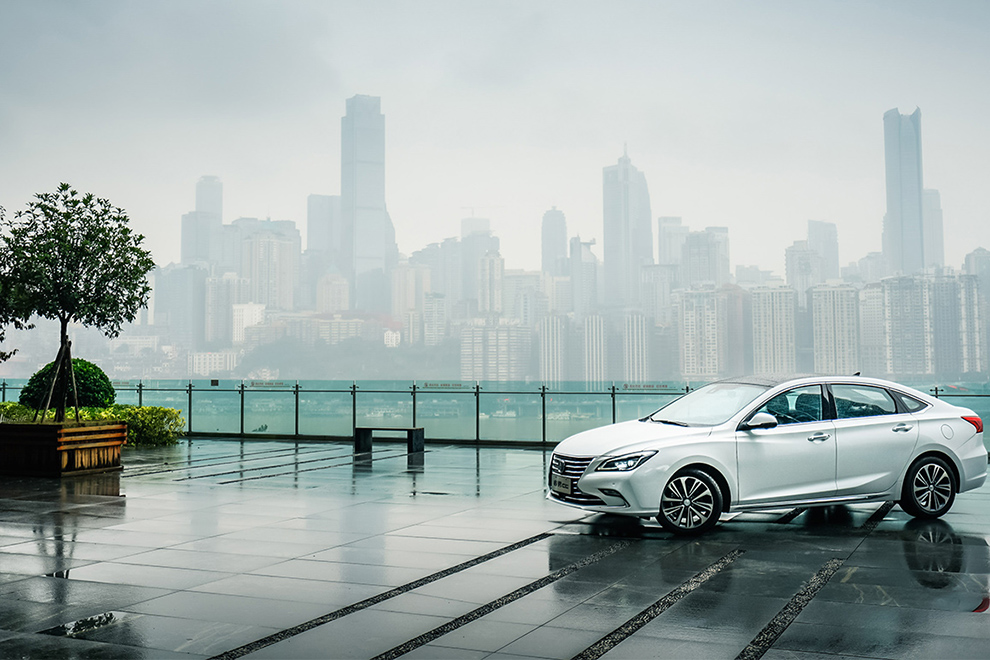
At a glance
- The Ruicheng Cc is a compact gasoline sedan built around a 1.5T engine, positioning it for value-focused dealer and fleet programs.
- Buyers can choose Blue Whale DCT grades or Type variants with a conventional automatic, with serviceability and equipment guiding the decision.
- New and used vehicles have different warranty, condition and cost trade-offs, so every selected unit should be inspected and verified.
- Export pricing changes with year, trim, transmission, condition, freight, Incoterms and destination charges, making landed cost more useful than the headline quote.
- MOQ, steering configuration, homologation and parts support must be confirmed before a shipment is booked.
Why the Changan Ruicheng Cc matters for export markets
The Ruicheng Cc is a compact gasoline sedan positioned between an entry-level transport car and a more aspirational family saloon. Its 1.5T engine and choice of dual-clutch or conventional automatic transmission define the export proposition: a modern turbocharged compact car with familiar fuel requirements and simpler infrastructure than electrified rivals. For overseas dealers, it can suit value-led private buyers, company fleets and ride-hailing operators seeking a step above the smallest utilitarian sedans.
International demand for this model should be understood through use cases, not assumed brand recognition. Compact sedans remain useful where buyers need one car for commuting, light family duties and occasional commercial transport, especially in fleet-oriented markets. The Ruicheng Cc's automatic transmissions can appeal to drivers moving up from manual vehicles, while the turbocharged engine provides a contemporary image for an import that must still satisfy practical running-cost and resale criteria. Buyers should compare it with established local compact sedans on space, service access, fuel availability and the residual value their market rewards.
The model is not positioned as a luxury flagship or a performance sports sedan. Instead, its relevance rests on combining a relatively modern powertrain with an accessible commercial format. For a distributor building a repeatable sales package, the practical questions are whether the destination accepts the powertrain, whether spare parts can be sourced reliably and whether a visible maintenance network can support the vehicles sold. Those checks matter more than assuming that a newer-looking specification will translate directly and predictably into strong resale value in an unfamiliar export market over time.
- Compact gasoline-sedan positioning for private and fleet buyers.
- 1.5T engine with DCT or conventional-automatic choices.
- Service access and parts support are decisive in unfamiliar markets.
Model range, trims and powertrain variants: how the lineup is structured and how to choose
Changan structures the Ruicheng Cc around two visible naming groups. Blue Whale Edition versions pair the 1.5T engine with a DCT and include Luxury, Flagship and Premium grades. The Type variants—Xuanrui, Kurui and Chaorui—use the 1.5T engine with a conventional automatic transmission. These labels help identify the mechanical family, but they do not replace a line-by-line equipment check because feature availability and market equipment can differ between individual vehicles. Ask the supplier for the original build sheet or a verified equipment list before treating a trim name as a complete specification.
A buyer choosing between the DCT Blue Whale versions and the automatic Type versions is choosing a different maintenance and driving proposition, not merely a different equipment list. A dual-clutch gearbox generally emphasizes smooth, rapid gear changes and may require more specialist servicing, particularly in demanding duty cycles. The conventional automatic is easier for many workshops to understand and can be attractive where reliability, straightforward support and lower purchase outlay matter more than the newest gearbox technology. Confirm the actual transmission, lubricant and service requirements for the destination market before purchase.
Choose the trim by matching equipment to the buyer rather than moving automatically to the highest-named version. For fleet use, prioritize the air-conditioning system, tires, wheel size, infotainment, safety equipment and parts commonality. For private buyers, cabin comfort, exterior finish and the availability of familiar options may matter more. Ask whether the advertised grade is a factory designation, how localized the specification is and whether the vehicle has been prepared for export. Also verify whether optional equipment is fitted, omitted or simply not recorded in the listing before contracting or dispatch.
- Blue Whale: Luxury, Flagship and Premium grades use a 1.5T DCT.
- Xuanrui, Kurui and Chaorui Type grades use a 1.5T automatic.
- Verify equipment, gearbox and export preparation on the selected unit.
New vs used Changan Ruicheng Cc: how export inventory is structured and how buyers choose
For export buyers, the first distinction is whether the vehicle is sold as new, meaning it has not entered ordinary road use, rather than whether its model year is recent. A new vehicle may carry an older production-year description, so age on the listing should not be confused with condition. The advantages are a defined factory condition, a clearer warranty path and less uncertainty from wear, but age-related model changes and stock storage should still be checked. Confirm the production date, delivery status and warranty terms in writing before payment and dispatch.
A used Ruicheng Cc can make sense when the buyer values a lower acquisition cost, a particular configuration or an established in-market residual position. The trade-off is uncertainty: mileage alone does not reveal accident repair, gearbox condition, fluid quality, battery or electronics faults on an internal-combustion vehicle, or how the car was maintained. Used purchases should therefore be tied to an independent inspection and a clear contractual description of condition rather than treated as a cheaper version of a new-car order. Request maintenance records and compare them with the inspection findings.
Condition classification should be consistent across the quotation, invoice, export declaration and transport document. A buyer should ask whether the odometer is verified, whether the vehicle has been repaired or repainted, whether warning lights or software faults are recorded and whether the seller can provide title or ownership documents. For a mixed fleet purchase, set rejection thresholds for mechanical defects, cosmetic damage and missing equipment before committing funds, because one undefined vehicle can complicate an otherwise standardized shipment. A written acceptance checklist also helps the importer resolve discrepancies at the port.
- Condition and model year are separate buying considerations.
- New units need production, warranty and storage checks.
- Used units require records and independent inspection.
How export pricing works: the factors behind a live listing price, and how to read one
A Ruicheng Cc export price is not one fixed factory number. It changes with production year, exact trim, transmission family, mileage and condition for used units, and the commercial terms attached to the vehicle. Seller cost, currency movement and the level of preparation also influence the starting figure. The correct comparison is therefore like-for-like: the same year, grade, gearbox, condition and destination should appear in every quotation. Never compare a discounted ex-warehouse unit with a fully prepared, insured and delivered vehicle without rebuilding the cost comparison line by line before approval in writing.
The Incoterm defines where responsibility and cost transfer. Depending on the quoted term, the buyer may still need to arrange international freight, insurance, destination charges, customs clearance, taxes and inland delivery. Ask whether the displayed amount covers export documentation, loading, ocean or Ro-Ro transport, insurance and destination charges, or only the vehicle at the named origin point. Also establish validity, payment currency, and which charges can change between quotation and shipment. A buyer who treats every published figure as a delivered, duty-paid price can seriously underbudget the transaction, especially abroad, without checking inclusions.
Read the live vehicle page as a starting point, not as the final landed cost. Confirm the unit identifier, model-year description, grade, gearbox, condition, mileage if applicable, quantity available, and whether the displayed terms are binding. Then add expected freight, insurance, handling, duty, tax and local delivery. ChinaCarDirect shows the current per-unit price and availability in live inventory, so the listing should be the source for exact figures and the request for an RFQ should be the source for transaction-specific terms. Do not rely on a cached search result or an old enquiry.
- Compare production year, trim, gearbox, condition and preparation.
- Confirm the Incoterm and every included charge.
- Add freight, insurance, duty, tax and inland delivery for landed cost.
MOQ, ordering and payment: single units vs consolidating a container
MOQ is a seller or transaction rule, not a permanent property of the model. Some vehicle suppliers will quote one unit for a test or dealer order, while project or wholesale quotations may impose batch quantities or container-level commitments. Buyers should ask for the minimum per model, whether different grades can be mixed, and whether the stated minimum applies before or after customization. The answer belongs in the quotation and should not be inferred from a catalogue filter. This distinction prevents a small dealer from assuming a batch requirement that the supplier has not confirmed.
A workable order starts with a precise vehicle specification, then defines quantity, destination, Incoterm, payment milestones, inspection rights, document set and shipment window. The buyer should nominate the required documents before the deposit, including commercial invoice, packing list, export declaration and any title or ownership records the destination expects. Payment stages should be linked to clear events such as order confirmation, inspection, document approval and shipment release rather than left as informal seller assurances. The signed sales contract should reconcile those terms with the final live listing and any agreed modifications.
Consolidating several vehicles can improve shipment planning by spreading freight and handling across more units, but it also concentrates risk. Confirm that every selected vehicle has the correct steering configuration, emissions specification and equipment before release. Avoid mixing models with unknown battery, charging or electronic requirements; for this gasoline-powered model, the key variables are engine variant, transmission and destination preparation. Group vehicles by configuration, photograph them at loading and retain signed inspection records. A final count and VIN-level match at the port prevent a substituted or omitted vehicle from entering the shipment.
- Confirm the seller or transaction-specific MOQ in writing.
- Ask whether a single unit or mixed-grades order is permitted.
- Tie deposits to inspection, documents and shipment milestones.
Shipping, homologation and market compliance caveats: LHD/RHD and import rules by country
Shipping method should follow the vehicle quantity, route, urgency and load economics. Container shipping can suit consolidated orders, while roll-on/roll-off transport can handle complete vehicles without requiring the same cargo-space discipline. The final method depends on confirmed dimensions and weight, port handling, available sailings and the seller's loading capability. Freight quotations should state origin, destination, route, cargo type, insurance and what is included; request current options rather than assuming a generic transit time. Changes in sailing schedules, congestion or handling requirements can alter both cost and delivery timing without notice.
Steering configuration is an early filter, not a final compliance decision. The Ruicheng Cc must be offered in the left-hand-drive or right-hand-drive arrangement expected by the destination, and that availability changes by source market and supplier. RHD availability should therefore be confirmed before payment, including whether the conversion is factory-built or aftermarket, what documents accompany it and whether local inspection accepts the configuration. Never assume a right-hand-drive market version can be created quickly or without cost. For fleet buyers, mixing steering configurations across one delivery also complicates training and parts planning.
Import permission and road legality rest with the destination market, and requirements differ by country. The importer may need to address vehicle type approval, emissions rules, safety and equipment standards, customs classification, duty and tax, VIN records, local-language materials, inspection and warranty registration. A Chinese-market vehicle should not be treated as homologated merely because it is road-ready in China. Obtain a destination-specific compliance checklist in writing and involve a qualified customs broker or vehicle-homologation specialist before committing the vehicle to a shipment. Local rules can change independently of the export contract.
- Verify LHD or RHD before ordering and payment.
- Check destination type approval, safety, emissions, customs and tax rules.
- Match the shipping method to the confirmed vehicle dimensions and quantity.
Who should buy the Ruicheng Cc — and who should pick a different vehicle
The Ruicheng Cc is best suited to an overseas buyer that wants a modern compact petrol sedan with automatic transmission, straightforward fueling and a value proposition below many established-brand imports. Dealers can target private customers who want more presence than a basic saloon, while fleet operators may value predictable availability of the same configuration. It is also a practical export trial for a distributor seeking to test a Chinese marque before scaling, provided the importer secures parts, technical literature and workshop support in the destination. That support is essential to repeatability.
It is less suitable for buyers whose priorities are battery-electric range, plug-in charging access, premium cabin materials, high-output performance, a large family-car cabin or extensive towing capability. Those users should compare models built and certified for those uses rather than infer them from the Ruicheng Cc's general positioning. The petrol powertrain also does not eliminate environmental, tax or access restrictions; commercial users with low-emission mandates should check local rules, while importers should carefully compare real operating costs instead of assuming a turbocharged engine removes all running-cost concerns for their fleet and tax planning.
Before committing, run a three-way comparison among the vehicle, operating environment and alternatives. Have a representative vehicle inspected, test the selected transmission, check parts availability and model the full landed cost over the intended holding period. For fleet use, compare fuel economy expectations, tyre costs, service intervals and downtime with the actual manufacturer documentation rather than promotional claims. A compact sedan can be the correct choice, but only if its configuration supports the buyer's customers and the importer can sustain it after delivery. That includes dealer training and realistic workshop capacity.
- Strong fit for value-focused dealers and compact fleets.
- Weaker fit for EV-dependent, premium, performance or large-cargo needs.
- Compare service access and total operating cost before scaling.
Main rivals and how the Ruicheng Cc compares
The Toyota Corolla is a relevant benchmark because it occupies the same broad compact-sedan demand, but it competes on a different brand proposition. Corolla buyers often place greater weight on established global recognition, broad service familiarity and a strong reputation for residual value. The Ruicheng Cc may offer a more direct Chinese-export value case for price-sensitive fleets, while the Corolla may command a premium where dealer support and used-car confidence outweigh that initial saving. Compare total ownership assumptions, not only the acquisition quote. Confirm which advantages exist in the destination market.
The Hyundai Elantra is another close segment comparison, generally presenting a more design-led global compact-sedan alternative with an established brand and service network. A buyer comparing it with the Ruicheng Cc should test equipment availability, warranty support, parts lead time and the resale proposition in the target country. The Elantra may be the safer choice where importer experience with Hyundai is deep; the Ruicheng Cc may deliver stronger initial-value flexibility where local support can be built and the fleet specification can be standardized. Neither choice removes the need for import compliance.
The Chery Arrizo 5 is a more direct Chinese-brand alternative for buyers comparing value-oriented export sedans. Both models can suit fleet distribution, but the decision should be based on the exact powertrain, transmission, equipment, warranty and local parts ecosystem rather than badge alone. The Ruicheng Cc's 1.5T DCT and automatic Type variants provide meaningful selection, while the Arrizo 5 offers another familiar China-export route. Request written specifications and landed quotations, then verify each model in the destination before choosing. This comparison is especially useful for importers who can support several Chinese marques.
- Corolla prioritizes established brand and resale confidence.
- Elantra offers a global, design-led compact-sedan alternative.
- Arrizo 5 is a closer Chinese-brand value comparison.
Live Changan Ruicheng Cc export inventory
View all listings →Real units currently on ChinaCarDirect with per-unit asking prices and MOQ. Availability updates live from the catalogue.
How to buy a Changan Ruicheng Cc from China
-
1
Define the destination and compliance route
State the destination country, port, required steering configuration, intended sales channel and homologation obligations. This prevents a technically attractive but unusable vehicle from entering the shortlist.
-
2
Compare the mechanical configurations
Review the 1.5T DCT Blue Whale grades against the Type variants with a conventional automatic. Consider serviceability, duty cycle, equipment and local workshop capability.
-
3
Review the live inventory
Use the live Ruicheng Cc listings to identify the exact unit, year label, trim, transmission and condition. Current per-unit prices and availability should be taken from the live listing.
-
4
Request comparable quotations
Ask sellers to quote the same year, trim, gearbox, condition, quantity, destination and Incoterm. Request separate clarification of vehicle price, freight, insurance and any destination charges.
-
5
Verify the unit and documents
Confirm the VIN, ownership records, maintenance history where applicable, production details and equipment list. For used vehicles, make inspection results and condition standards part of the contract.
-
6
Confirm MOQ and payment terms
Establish whether single-unit, mixed-trim or container orders are permitted. Link deposits and balance payments to inspection, document approval and shipment-release milestones.
-
7
Complete inspection and shipment planning
Inspect the final vehicle, verify steering configuration and serial numbers, and confirm loading arrangements. Book freight only after the vehicle list, shipping method and destination documentation are reconciled.
Ruicheng Cc vs rivals
| Toyota Corolla | The Corolla offers stronger global brand recognition, established service familiarity and generally greater used-car confidence. The Ruicheng Cc can be more attractive to value-focused fleets where initial purchase economics outweigh the value of an established resale reputation. |
|---|---|
| Hyundai Elantra | The Elantra is a design-led global compact sedan that may suit buyers prioritizing an established brand network and readily understood ownership proposition. The Ruicheng Cc offers a more direct Chinese-export value route where local support can be developed. |
| Chery Arrizo 5 | The Arrizo 5 is a closer Chinese-brand rival for value-oriented export sedan programs. Compare exact powertrain, transmission, equipment, warranty and parts support rather than choosing on brand name alone. |
Frequently asked questions
How is Changan Ruicheng Cc export pricing determined?
Export pricing is built from the unit's production year, trim, transmission, mileage or condition, preparation, currency conditions, freight, insurance and the chosen Incoterm. Destination duty, tax and inland delivery may sit outside the vehicle quote, so buyers should compare landed cost rather than the headline amount. Current per-unit prices and availability are shown in the live ChinaCarDirect Ruicheng Cc listings; request a written quotation for binding terms.
What engine and transmission choices does the Ruicheng Cc use?
The model is offered with a 1.5T gasoline engine. Blue Whale Edition grades use a dual-clutch transmission, while Xuanrui, Kurui and Chaorui Type grades use a conventional automatic. Exact output, drivetrain and market equipment should be confirmed on the selected live listing because they can differ by configuration.
Should an overseas buyer choose a new or used Ruicheng Cc?
New units provide the clearest factory-condition and warranty route; used units may suit buyers prioritizing a particular configuration or lower acquisition cost. Used condition introduces mileage, accident, maintenance, gearbox and documentation risk. Choose used only after an independent inspection and a clear contractual condition description.
What is the MOQ for Changan Ruicheng Cc exports?
MOQ is set by the seller and transaction rather than being a permanent model rule. Ask whether single-unit orders are accepted, whether trims can be consolidated and whether the minimum applies per model or shipment. The written quotation should state the applicable requirement before any deposit.
How long does shipping take and what does it cost?
Shipping time and cost depend on the method, route, origin and destination ports, vehicle configuration, handling, insurance and current freight conditions. Container and Ro-Ro choices suit different order patterns, and a route may include transshipment. Request a current freight quotation tied to the final vehicle list and Incoterm.
Can spare parts be ordered for an exported Ruicheng Cc?
Buyers should not assume every overseas market has a stocked Changan parts counter. Before ordering, verify the VIN or vehicle-generation catalog, wear-item references, technical literature, diagnostic access and a realistic resupply lead time from China or regional stock. Fleet programs should include initial service items and critical spares in their launch plan.
Is a right-hand-drive Ruicheng Cc available?
RHD availability depends on the source specification and supplier, so it should be confirmed before payment rather than assumed. Ask whether the vehicle is factory RHD or converted, what documents accompany it and whether local inspection will accept the configuration. Shipping method does not change the destination's steering requirement.
How do I order a Changan Ruicheng Cc from China?
Start by defining the destination, homologation needs, trim, transmission, quantity and Incoterm. Then compare live listings, request unit-level quotations and verify documents, condition, payment milestones, inspection rights and the shipping plan. Place funds only after the sales contract reconciles the chosen vehicle with the current live listing.
Ready to source the Changan Ruicheng Cc?
Send your destination, preferred trim, quantity and Incoterm to ChinaCarDirect for a current unit-level quotation and export plan.
Request a quote