
Changan Uni-k Export Buying Guide for Overseas Buyers
Buy a Changan Uni-k from China with clear guidance on 2.0T and iDD trims, export pricing, MOQ, shipping, homologation, and rival choices for importers.
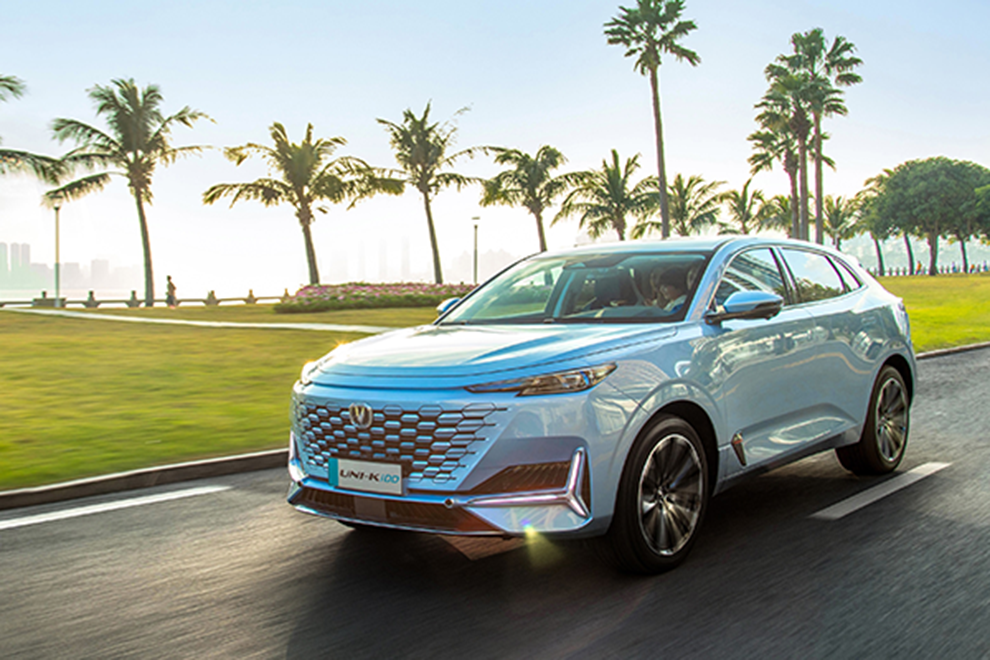
At a glance
- The lineup spans 2.0T gasoline crossovers and 1.5T Smart Electric iDD versions.
- iDD listings carry 130 km or 135 km electric-range labels, so buyers should verify usable electric range and total range.
- New and used Uni-k choices require different checks for condition, history, warranty, and residual risk.
- A live export quote should separate vehicle cost from inland transport, freight, insurance, duties, and port charges.
- LHD/RHD configuration and destination-country homologation must be confirmed before payment or shipment.
Why the Changan Uni-k matters for export markets
The Changan Uni-k is a midsize crossover SUV positioned between compact family SUVs and larger premium models. Its appeal for export buyers comes from a conventional SUV format, a broad choice of 2.0T gasoline versions, and electrified 1.5T Smart Electric iDD alternatives. That mix suits importers testing a model with wider market recognition than a niche Chinese nameplate, while still giving fleet and dealer customers several trim levels to compare. It also offers the space and comfort expected of a family SUV without requiring buyers to enter a premium-brand lease commitment.
Demand for the Uni-k in export markets is best understood through its segment fit rather than a single sales forecast. Dealers and importers can use a midsize Chinese crossover to broaden a product portfolio without moving to full-size vehicles, while fleet buyers can specify higher grades for executive or premium use. The 2.0T range, including clearly identified FWD trims, also provides a familiar combustion option where charging infrastructure or hybrid uptake remains limited. That makes the model relevant across both established and transition-minded vehicle markets without overstating what local demand data can prove.
For overseas buyers, however, the case rests on disciplined market selection rather than badge appeal alone. The model should fit local driving habits, fuel availability, parking limits, tax rules and after-sales expectations. A Uni-k can be attractive in markets that value SUV space, turbocharged performance or electrified range options, but it will not automatically be cheaper after freight, duty, tax and dealer preparation are added. Local homologation and serviceability must therefore be confirmed before stock is committed. A vehicle that cannot be registered or serviced locally creates hidden operating costs.
- Midsize crossover format bridges mainstream and premium segments.
- 2.0T gasoline and 1.5T iDD broaden buyer choice.
- Import economics depend as much on homologation as vehicle cost.
Model range, trims and powertrain variants: how the lineup is structured and how to choose
When reviewing Changan Uni-k specs, the lineup is easier to read as two powertrain families. The 2.0T versions cover conventional turbocharged gasoline applications and appear with front-wheel-drive designations, including FWD Comfort, Premium, Global Edition, Joy Style and related naming. The 1.5T iDD family adds a Smart Electric system, with trim names carrying 130 km or 135 km electric-range labels. Buyers should match the exact version in the listing rather than assume every similarly named Uni-k is mechanically identical. That discipline matters because equipment, range labels, software and homologation can differ by market and production year.
Within the 2.0T family, trim names describe equipment and positioning rather than a clear hierarchy. Prestige, Excellence, Luxury and FWD grades target buyers who want progressively different levels of comfort or visual distinction; Joy Style and Comfort may serve value-led fleets. Exact equipment can vary by model year and export market, so a grade name is not a substitute for the vehicle's option list. Ask the seller to reconcile the listing title, build plate, and photographed cabin before placing an order. Confirm every safety and convenience item against your own requirements.
For iDD versions, the 130 km and 135 km figures attached to trim names are best treated as electric-range identifiers, not complete driving-range promises. Ask for the certified battery capacity, usable electric range, total combined range, charging method and fuel-consumption figures tied to the exact vehicle. Also check whether the quoted configuration is prepared for right- or left-hand-drive export use. This verification converts a marketing-style trim label into a practical operating case for the destination market. It also helps buyers compare the iDD model fairly with gasoline rivals on cost.
- Separate 2.0T gasoline from 1.5T iDD choices.
- Treat 130 km and 135 km as electric-range labels.
- Verify transmission, battery, charging and market equipment.
New vs used Changan Uni-k: how export inventory is structured and how buyers choose
Export inventory for the Uni-k can include both new vehicles and used examples from earlier model years, but those two categories should never be compared on the headline price alone. A new vehicle should offer a clearer factory condition, current production specification and potentially more straightforward warranty handling. A used vehicle may deliver a more attractive entry point or preserve a specific desirable trim, yet its value depends heavily on mileage, service history, accident repair, wear and the condition of any electrified components. Those checks determine whether the apparent saving survives ownership costs.
For a used 2.0T vehicle, start with an independent inspection covering engine compression, transmission operation, suspension, braking, steering, cooling, tires and evidence of structural repair. For an iDD example, add a battery state-of-health report, charging test, hybrid-system scan and confirmation that high-voltage safety work has been documented. Ask for the VIN, service invoices, title documents and production date, then reconcile them with the photos. A clean exterior cannot compensate for incomplete electronic or ownership records. Repair quality, software faults and serviceability can affect resale and downtime in your destination market.
For a new Uni-k, use the build sheet and physical inspection to confirm that the agreed engine or hybrid version, trim equipment, paint, steering position and factory warranty are applicable to the destination. Check production age under local import rules, because age can affect customs treatment even when a vehicle is registered as new. Also confirm that the seller is authorized to export and that the invoice matches the VIN. A clear delivery protocol should document condition at handover, not merely at dispatch. That protects the buyer against substitution during a long logistics chain.
How export pricing works: the factors behind a live listing price, and how to read one
A Changan Uni-k export price guide should treat each live listing as the starting point of a landed-cost calculation, not the complete cost of ownership. The headline figure may move with model year, trim, 2.0T versus iDD configuration, the specific battery or range version, mileage, condition and seller terms. Currency exchange rates also affect how an overseas buyer compares offers. For the current binding amount and availability, use the live Uni-k inventory rather than a cached price seen in an older article or catalogue. The listing should be checked again before a deposit is paid.
Shipping can be quoted separately or built into the vehicle price under different Incoterms, so buyers should compare offers on the same commercial basis. At minimum, ask whether inland transport to the origin terminal, export handling, freight, marine insurance and destination charges are included. Then add estimated duty, VAT or sales tax, port fees, inspection, registration and dealer preparation. For an iDD vehicle, also budget for destination charging equipment if the importer does not already have suitable infrastructure. A written quotation should identify exclusions so two apparently lower offers remain economically comparable.
A disciplined buyer should create a like-for-like comparison for each candidate. Record the model year, exact trim, powertrain and range label, mileage or delivery status, seller location, warranty scope, Incoterm and quoted validity. Confirm whether payment is secured by the vehicle itself or by an export arrangement, and ask for all charges that can be itemized. A quote that looks economical but leaves currency, tax or handling ambiguous is not yet a reliable export offer, however attractive its displayed number may seem. Verify the final figure directly in the [live Uni-k listings](https://chinacardirect.com/products?q=Uni-k&brands%5B%5D=10) before proceeding.
- Compare identical trims under one Incoterm.
- Itemize freight, tax, insurance and port charges.
- Recheck the live listing before payment.
MOQ, ordering and payment: single units vs consolidating a container
Minimum order quantity is a seller and transaction term, so it should be confirmed on the individual offer rather than assumed from the model name. Some Uni-k listings may be available to individual trade buyers, while others may apply a different minimum or require consolidated dispatch. ChinaCarDirect shows the current per-unit price, MOQ and availability on each live listing, but the buyer should request written confirmation of the MOQ, unit price, allocation method and any mixed-model conditions before placing the order. This avoids assuming that a visible vehicle can be bought alone.
For Changan Uni-k wholesale buying, a single-unit purchase can support a dealer test, a demonstration vehicle or a low-volume importer, provided the seller accepts the proposed MOQ. It offers lower inventory exposure but rarely provides the freight efficiency of a consolidated vehicle load. A container or consolidated shipment may improve logistics economics, yet it also introduces more allocation, inspection and timing coordination. Buyers should compare the total per-vehicle cost after loading, insurance, inland delivery and financing rather than using the vehicle line alone. The same logic applies whether the shipment uses a specialist carrier, flat rack or container.
Payment terms should be written in the sales contract, with the proposed deposit, balance trigger, payment currency, bank charges and refund conditions stated clearly. A common control is to tie the balance to satisfactory pre-shipment inspection and verified export documents, but the exact sequence must be agreed rather than assumed. The contract should identify the VIN or allocation rule, invoice and packing documents, warranty start, delivery term and dispute process. Never let a verbal assurance substitute for a traceable payment and title trail. For larger orders, nominate a third-party inspector before funds are released.
Shipping, homologation and market compliance caveats: LHD/RHD and import rules by country
Vehicle preparation is the first logistics decision because the factory configuration must match the importer's market. ChinaCarDirect listings can include left-hand-drive and market-specific versions, but right-hand-drive availability should be checked on the exact vehicle rather than inferred from the model family. Confirm steering position, pedal and instrument arrangement, lighting, mirrors, emissions equipment and local-language requirements. A conversion performed after production can add cost, delay and compliance risk, so it should never be treated as a default export solution. For iDD vehicles, the charging interface and high-voltage safety provisions also need destination approval.
Import permission is separate from possession of the vehicle. The importer must establish the applicable customs classification, duty and tax treatment, and any age, emissions, safety, cybersecurity, radio or vehicle-type restrictions for the destination. For an iDD model, charging equipment, battery safety and electrified-drive approvals may attract additional checks; for the 2.0T model, local emissions and safety rules remain central. Use a licensed customs broker or local compliance adviser, and obtain written confirmation before committing vehicles that may not be registrable. The relevant rules can change, so confirmation should cover the actual shipment date.
Freight cost and timing depend on origin terminal, destination port, transport mode, route, seasonality, carrier allocation and the size and weight of each vehicle. A specialist vehicle carrier, flat rack or container may be offered, with Ro-Ro handling suited to many finished-vehicle movements, but the forwarder should recommend the practical option for the route. Request an all-in freight quote with loading, insurance, destination handling and delivery assumptions separated. Do not use a generic transit estimate as a delivery promise; vessel schedules, customs holds and terminal congestion can all affect the actual movement.
- Confirm factory LHD or RHD configuration.
- Validate destination registration before shipment.
- Separate freight, insurance, duty and port fees.
Who should buy the Uni-k — and who should pick a different vehicle
The Uni-k is strongest for buyers who want a spacious, road-oriented family crossover with a choice between turbocharged gasoline and an electrified iDD system. It can suit dealers seeking a feature-led mid-market SUV, companies using passenger vehicles for staff travel, and importers who need several equipment grades without changing platform. The model is less obviously suited to buyers whose priority is the lowest urban running cost, a very compact footprint or the service maturity of an established global premium brand. It also rewards buyers who perform detailed configuration checks before committing.
Fleet evaluation should compare total operating cost rather than purchase price alone. For a 2.0T version, assess fuel consumption, service intervals, tyre and brake costs, insurance and residual expectations under local conditions. For an iDD model, include realistic electric and total range, charging access, fuel used when the battery is depleted, and the cost of maintaining high-voltage components. A company with strong depot charging may value iDD differently from one with unpredictable daily mileage. Tax treatment and employee-policy issues can further change the best choice. Availability of approved spare parts is equally important.
A different vehicle is usually a better match when the buyer has no pathway to charge an iDD model, needs frequent urban parking, or requires a commercial-duty variant that the Uni-k cannot satisfy. A smaller crossover can simplify logistics and ownership costs, while an established global model may reduce uncertainty around parts, residual value and driver familiarity. Before switching, confirm that the alternative can meet the same passenger, safety, towing, luggage and emissions requirements. The best vehicle is the one whose total cost and compliance path fit the market, not simply the newest badge.
- Best for mid-size SUV buyers comparing ICE and iDD.
- Requires charging access for rational iDD economics.
- Check parts, policy fit and alternative service networks.
Main rivals and how the Uni-k compares
There is no single rival that matches the Uni-k in every market because competitors change by powertrain, size and local availability. BYD's Song Plus DM-i is the closest conceptual comparison for a Chinese-built electrified family crossover, while the Nissan X-Trail and Toyota RAV4 represent globally familiar gasoline or hybrid alternatives. Compare the approved local specification, not an export-market brochure. For the Uni-k, verify whether the 2.0T or iDD version is actually available, then evaluate space, equipment, fuel use, safety support and parts in the destination country. Price should be compared only on equivalent terms.
Against the Song Plus DM-i, the Uni-k's main distinction is the ability to choose a 2.0T gasoline model or an iDD version rather than committing to one electrified powertrain strategy. BYD may have stronger recognition in some markets and its plug-in hybrid proposition is directly relevant to buyers seeking electric-assisted daily operation. The Uni-k may appeal where its trim value, equipment and local sourcing package are more attractive. Neither is automatically cheaper after freight, tax, compliance and dealer preparation, so a landed-cost comparison is decisive. Both require careful verification of range and charging.
The X-Trail and RAV4 can be safer organizational choices where buyers place more weight on established dealer networks, familiar parts ordering and proven residual demand. The Uni-k can still offer a competitive equipment-to-price proposition and a distinctive design, but its aftersales proposition must be built deliberately: identify fast-moving parts, source technical support, plan workshop training and price maintenance before importing at scale. A distributor that cannot support vehicles after customs clearance should not treat initial availability as sufficient market validation. For fleet or dealer tenders, document service response and parts fill in the proposal.
- BYD Song Plus DM-i: closest electrified Chinese-market comparison.
- Nissan X-Trail: familiar service and ownership proposition.
- Toyota RAV4: global benchmark for brand and resale confidence.
Live Changan Uni-k export inventory
View all listings →Real units currently on ChinaCarDirect with per-unit asking prices and MOQ. Availability updates live from the catalogue.
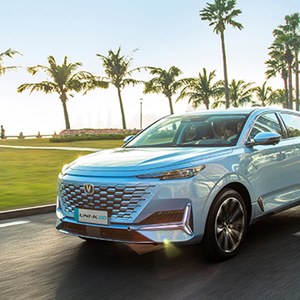
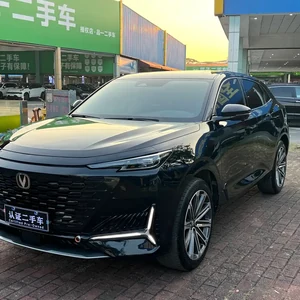
Changan Changan UNI-K iDD 2022 Blue Whale iDD 130km 1.5T Excellence
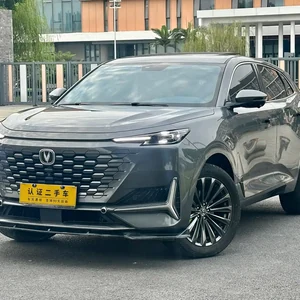
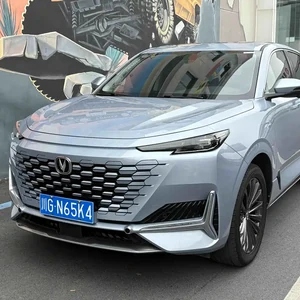
How to buy a Changan Uni-k from China
-
1
Define the destination requirement
Specify the destination country, import route, preferred LHD or RHD configuration, budget basis and expected annual mileage. These requirements determine which versions can be homologated and operated economically.
-
2
Choose the powertrain and trim
Compare 2.0T gasoline versions with 1.5T iDD options using verified range, charging, equipment and operating-cost information. Select the trim by documented features rather than the grade name alone.
-
3
Review the live inventory
Use the live Uni-k listings to check the current per-unit price, MOQ and availability for each candidate. Match model year, trim, mileage, condition, steering position and VIN where applicable.
-
4
Request a comparable quote
Ask for a written quotation under a stated Incoterm with freight, insurance, inland transport, export handling and destination charges itemized. Add estimated duty, taxes, registration and dealer preparation for a landed-cost comparison.
-
5
Confirm MOQ and payment terms
Confirm the minimum order quantity, allocation method, deposit, balance trigger, payment currency, bank charges and refund conditions in the contract. Tie the balance to satisfactory inspection and verified documents where agreed.
-
6
Approve inspection and documentation
For a used vehicle, commission an independent inspection and verify title, service, VIN and repair records. For every unit, reconcile the invoice, build sheet, export documents, warranty and photographed condition.
-
7
Book compliant shipping
Confirm destination homologation, customs treatment and RHD availability before dispatch. Book the appropriate transport method only after the vehicle, documents, insurance and final delivery terms have been approved.
Uni-k vs rivals
| BYD Song Plus DM-i | A close electrified alternative for buyers focused on plug-in hybrid or electric-assisted family SUV use. The Uni-k provides a broader 2.0T-versus-iDD choice and may offer stronger trim value, while BYD may have greater recognition and electrified-product focus in some markets. |
|---|---|
| Nissan X-Trail | A conventional midsize crossover alternative that may appeal to buyers prioritizing familiar dealer networks and established ownership experience. The Uni-k offers a more distinctive design and choice of 2.0T or iDD power, but requires deliberate parts, service and homologation planning. |
| Toyota RAV4 | A globally established compact-to-midsize benchmark that may offer stronger brand confidence and proven support in many markets. The Uni-k can appeal on cabin space and equipment value, but the RAV4 may be easier for risk-averse fleet and dealer buyers to support. |
Frequently asked questions
How is Changan Uni-k export pricing determined?
Export pricing is built from the exact vehicle's year, trim, powertrain or battery version, condition, seller terms and the destination's freight, insurance, duty, tax and handling costs. Compare listings only under the same Incoterm and with the same charges itemized. The binding current price is shown on each live Uni-k listing on ChinaCarDirect.
What powertrain and range options should I compare?
The range includes 2.0T turbocharged gasoline versions and 1.5T Smart Electric iDD versions. The iDD trim names carry 130 km or 135 km electric-range labels, but battery capacity, usable electric range, combined range, charging and transmission should be checked on the exact listing.
Is a used Changan Uni-k better value?
New vehicles generally provide clearer factory condition and more predictable configuration, while used vehicles can offer a different entry point or desirable trim. A used Uni-k requires inspection of mileage, service history, repairs, title documents and, for iDD, battery and high-voltage condition. Compare total ownership and resale risk, not the purchase line alone.
What is the MOQ for a Changan Uni-k order?
MOQ is set by the seller and live transaction, not by the model name. ChinaCarDirect displays the current MOQ per listing, and buyers should obtain written confirmation before paying. Some offers may support a single-unit trade order, while consolidated orders may have different terms.
What affects shipping time and cost?
Shipping time and cost depend on origin and destination, route, carrier allocation, vehicle size, freight method, insurance, customs handling and terminal conditions. Ask for an all-in quote and delivery estimate tied to the actual booking. Treat a generic transit range as an estimate, not a guaranteed arrival date.
How are spare parts and after-sales support handled?
Spare-parts support depends on the importer's local parts plan, not merely the vehicle's availability. Before bulk ordering, identify fast-moving parts, technical documentation, diagnostic support, workshop training and expected fill times. For an iDD unit, confirm high-voltage component handling and battery diagnostics with the supplier.
Is right-hand-drive Uni-k availability confirmed for export?
Right-hand-drive availability must be confirmed for the exact listing and destination. Do not assume a global Uni-k name guarantees a factory RHD conversion. Check steering position, market equipment, emissions and safety configuration before payment, and use a local specialist if conversion or certification is required.
How do I buy a Changan Uni-k from China?
Start by reviewing the live Uni-k listings, select a likely powertrain and trim, and send a destination-specific RFQ. The seller should confirm the VIN or allocation, price, MOQ, payment schedule, documents, warranty and shipping terms in writing. Complete inspection, compliance and shipping steps before releasing the final balance.
Ready to source the Changan Uni-k?
Request a destination-specific Changan Uni-k quote through [ChinaCarDirect's contact page](https://chinacardirect.com/contact) with your required powertrain, trim, steering position and shipping terms.
Request a quote