
Changan Uni-t Export Buying Guide for Overseas Buyers
Buy a Changan Uni-t from China with practical guidance on trims, new and used options, export pricing, MOQ, ordering, shipping, compliance, and key rivals.
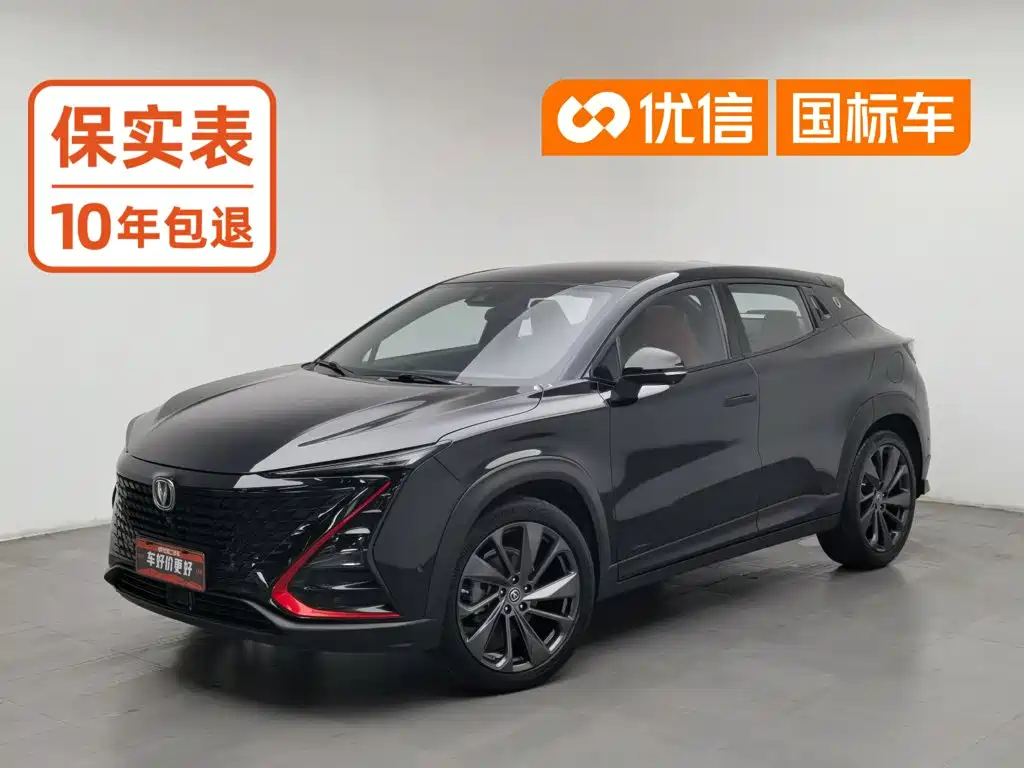
At a glance
- The Uni-t is a five-door compact crossover SUV built around 1.5T and 2.0T turbocharged petrol variants.
- Premium, Flagship, Sport and Prestige-style grades let importers match equipment levels to retail and fleet briefs.
- New units can simplify condition comparison, while used units make independent inspection central.
- Export price is built from the exact vehicle, condition, market, logistics and Incoterm rather than a fixed model-level rate.
- RHD availability, homologation, spare parts and landed compliance must be confirmed before an order is released.
Why the Changan Uni-t matters for export markets
The Changan Uni-t occupies the mainstream compact crossover segment, combining a five-door SUV format with 1.5T and 2.0T turbocharged petrol choices. That positioning makes it relevant to overseas dealers looking for a practical vehicle with a modern design and a broad equipment ladder, rather than a niche model or commercial derivative. It is especially useful in markets where Chinese marques are accepted but buyers still expect familiar petrol power, road-oriented practicality and dealer-preferred packaging. Its turbo options can help a distributor build accessible entry tiers and more aspirational versions in overseas markets.
Global demand for the Uni-t is best understood by market, not a single sales claim. In emerging markets, its combination of SUV styling, turbocharged engines and relatively accessible positioning can help a dealer address private buyers, ride-hailing operators and company fleets. In mature markets, however, buyers may compare it directly with long-established Japanese, Korean and European nameplates, placing greater weight on residual values, warranty arrangements, software support and a proven local parts network. Before importing, test whether purchase savings can offset weaker after-sales recognition and the work of building buyer confidence.
For an export manager, the significance of the Uni-t is its flexibility rather than a dominant specification. The same name covers generations, equipment grades and engine positions, so a buyer can match a vehicle to a retail tier or fleet brief with a shortlist. Compare like with like: model generation, trim equipment, gearbox, steering side, condition and destination charges should be separated before judging commercial fit or negotiating a quote. A clear specification sheet reduces the risk of buying equipment that cannot be homologated, insured or supported properly locally in that market.
- 1.5T and 2.0T petrol variants.
- Five-door compact crossover format.
- Local support shapes ownership value.
Model range, trims and powertrain variants: how the lineup is structured and how to choose
The export-facing Uni-t range is organized around 1.5T and 2.0T turbocharged petrol engines, with the 1.5T offered in Premium, Flagship, Sport, Prestige, Flagship Version and Excellence-type grades. Some listings also carry second-generation or model-year descriptors, while 2.0T versions appear in Premium and Sport Premium forms. These labels help build a shortlist, but are not a universal equipment guarantee: names can shift between model years and source markets. Check each candidate against its VIN-linked specification, because a trim photograph cannot reveal safety equipment, infotainment functions or market-specific standard fit on that vehicle.
For a buyer balancing acquisition cost, operating expectations and residual risk, the 1.5T is the starting point because it sits at the centre of the range. The 2.0T can suit buyers prioritizing performance, towing confidence or a higher-grade retail image, but the trade-off is total operating cost and local fuel availability rather than engine label alone. Because output figures, transmission details and tax treatment can vary, ask for the exact engine, gearbox, drivetrain and emissions data before ordering. That avoids choosing a trim that cannot be registered or supported in the intended market.
Selecting a trim should begin with the operating scenario, not the badges on an advertisement. A fleet manager may prioritize durability, air-conditioning performance, usable boot space and replacement-parts simplicity; a dealer may focus on visible equipment, infotainment and safety features that help retail buyers compare variants. Before conversion, request an inspection, equipment list and photographs of the VIN plate, dashboard, odometer and visible bodywork. Confirm whether the car is left- or right-hand drive before committing funds. The same trim name may not represent identical hardware across available export listings in different markets.
- Match engine to operating duty.
- Trim labels are not guarantees.
- Verify gearbox, drive and emissions.
New vs used Changan Uni-t: how export inventory is structured and how buyers choose
Buyers searching export stock will encounter both new and used Uni-t vehicles, and the distinction changes risk allocation rather than merely ticket size. A unit described as new may be factory stock, a parallel import or another vehicle whose category depends on prior registration and documentation. A used unit can be an ex-display car, a fleet vehicle or an aged example with a service history. Ask for registration status and supporting records because the sales label alone does not prove the vehicle’s complete history. Treat that evidence carefully as part of selection.
A new example offers a clean basis for comparing specification, colour and delivery condition, and may have more straightforward warranty handling when the seller controls that process. Its disadvantages can include carrying charges, age-related component degradation, limited market-specific equipment and a higher outlay than a used alternative. For fleet buyers, the priority is not the “new” label but confirmation of production date, delivery mileage, tax status and who provides the warranty after the vehicle leaves China. Where a warranty is international, its geographic limits, exclusions and transfer process should be read before payment.
A used Uni-t can make more sense for a dealer seeking a known purchase basis, a fleet buyer replacing vehicles quickly or an importer able to inspect and refurbish professionally. The apparent economy must be tested against engine condition, gearbox behavior, suspension wear, tire age, accident repair, electrical faults and service records. Treat mileage as one clue rather than proof. Ask for an independent inspection, cold-start video, diagnostic scan, repair invoices and registration documents, and reject any seller unwilling to document the vehicle’s condition transparently. Inspection evidence should precede any non-refundable deposit.
How export pricing works: the factors behind a live listing price, and how to read one
A live export listing is a vehicle-specific starting point, not a universal market tariff. The amount can move with model year, trim, 1.5T or 2.0T engine, gearbox, mileage, condition, paint, options and the unit’s new-or-used status. Also consider whether the listing represents a retail, parallel-import or used vehicle. Exchange-rate changes, origin charges, export documentation, inspection, insurance, sea freight, destination handling, duties and the selected Incoterm can alter the final amount. Compare quote scope before ranking it. A lower figure is not necessarily cheaper once transport, tax and compliance work are included consistently.
The most useful price comparison separates the seller’s vehicle price from landed cost. Confirm whether the live amount includes export clearance, inspection, inland transport to the named port, sea freight, marine insurance and destination terminal charges. It may not include import duty, VAT or GST, customs brokerage, local registration, demurrage or modifications. Ask whether the seller quotes FOB, CIF, or another Incoterm and identify the port and delivery point. A transparent quote should let the buyer add predictable local costs without guessing what the vehicle price includes. This prevents false savings.
To use the export-price guide effectively, open the live inventory, select a specific Uni-t and capture the unit reference, condition, model year, trim, engine, mileage, steering side and seller location. Then request a written pro forma quotation with the Incoterm, validity period, required deposit, payment currency and every charge marked included or excluded. Recheck availability at the moment of quotation because a unit can be reserved or sold. The current per-unit price, minimum order quantity and seller terms shown with live listings are the binding references for that transaction, not a catalogue-wide promise.
- Compare like-for-like vehicles only.
- Separate vehicle and landed prices.
- Use the written quote as binding.
MOQ, ordering and payment: single units vs consolidating a container
Minimum order quantity is a commercial term, not a fixed model property. Some individual listings may be sold without a multi-vehicle requirement, while a seller handling a container, special-order batch or consolidated export lot may set different terms. Check ChinaCarDirect’s live listings for the applicable MOQ, availability and seller terms on the selected unit. A buyer needing one vehicle can request single-unit terms; an importer ordering several should ask whether units can be consolidated and must meet the same specification. That protects buyers from assuming what applies as a catalogue rule.
Consolidating several Uni-t units into one wholesale consignment can reduce freight and handling cost per vehicle, but it adds planning and allocation risk. Align model year, trim, engine, mileage band, colour and destination standard before release, because mixed inventory is harder to sell uniformly and may require separate marketing. Confirm that carrier, insurance cover and loading plan suit the number of vehicles. If one unit fails inspection, a mixed shipment may complicate replacement or resale, so agree the inspection and acceptance process in advance. This avoids costly surprises at the destination or on arrival.
Payment sequencing should follow transferred risk. Before a deposit, verify the seller’s identity, unit reference, ownership documents, export eligibility and inspection standard; then use a pro forma invoice and contract stating the balance, payment method, refund conditions and release documents. Bank charges, currency conversion and intermediary fees can reduce the amount received, so include them in the comparison. For a first transaction, a pilot order or staged payment tied to documents and inspection may offer better control than committing the full balance sight unseen. A written remedy is more valuable than a verbal assurance.
- Check the listing’s MOQ.
- Agree inspection and rejection rights.
- Link payments to verified documents.
Shipping, homologation and market compliance caveats: LHD/RHD and import rules by country
Shipping a Uni-t should be planned as a complete-vehicle movement, with the mode, sailing schedule and cost confirmed for the consignee and port. Complete cars are commonly carried on roll-on/roll-off vessels, although routing and carrier allocation can change; specialist trailers may apply in some lanes. Freight depends on origin handling, vessel space, voyage length, destination port, terminal fees, insurance and congestion. Obtain booking and destination charges in writing, and confirm the release process before assuming final delivery. Vessel arrival is not necessarily when the importer can physically collect the car from the terminal.
Steering configuration is the first market-specific check. China-prepared vehicles are commonly left-hand drive, while right-hand-drive availability depends on source market, production batch and importer’s homologation work. Do not assume a visible steering-wheel swap makes a car compliant: pedal layout, lighting, indicators, wipers, mirrors, dashboard functions and the VIN-linked factory specification must meet local rules. For RHD markets, ask for a genuine RHD vehicle with traceable conversion or approval records where required, then have the local authority or conformity specialist confirm acceptance before shipment. Premature shipment can leave an otherwise suitable vehicle unsellable.
Customs clearance, registration and type approval are separate issues. Duties and VAT or GST may depend on origin, engine, age, declared value and destination rules, while local standards may cover safety, emissions, lighting or cybersecurity. The exporter should provide the bill of sale, export declaration, VIN and conformity documents, but the importer must check whether the variant can be registered. Before payment, obtain a written assessment from a customs broker or conformity adviser and include rectification, storage or demurrage risk in the landed cost. Premature payment can magnify a compliance problem.
Who should buy the Uni-t — and who should pick a different vehicle
The Uni-t is a candidate for an overseas buyer who wants a five-door compact SUV with petrol power, turbocharged engine options, modern utility and a Premium-to-flagship equipment hierarchy. It can suit importers building a retail range, private buyers comparing with mainstream compact SUVs, and fleet operators whose drivers need a road-oriented vehicle rather than a van. The strongest case is where fuel infrastructure is established, the destination accepts the specification and the importer can support parts, servicing and warranty work through a local partner. The vehicle should fit ordinary refuelling and parking infrastructure.
It is less suitable for buyers whose priorities are not represented by a petrol compact crossover. A full battery-electric requirement, seven-seat transport, serious off-road capability, heavy towing duties or a vehicle with a mature manufacturer service network should prompt a different shortlist. Fleet buyers should consider whether high annual mileage makes a proven hybrid, electrified model or another mainstream nameplate more economical over the service cycle. The Uni-t’s advantage is not universal; it depends on an accessible purchase proposition and a credible plan for long-term ownership. Purchase price is only one part of that calculation.
For a first-time importer, the Uni-t may suit a controlled pilot more than a large mixed fleet. Test one or a small number of representative units, verify that spare parts and technical information can be obtained, and compare service intervals with local expectations. Track customer feedback, warranty claims and parts lead times before scaling. The same discipline suits established dealers: if the model matches the market and back-office support is credible, its equipment and turbo-petrol positioning can make it a competitive alternative to higher-profile imports. Scale only after clear market evidence and records.
- Suited to petrol compact-SUV use.
- Local support improves the case.
- Pilot before scaling volume.
Main rivals and how the Uni-t compares
The Haval H6 is one of the closest direct rivals for Chinese-export buyers because it competes in the mainstream value-SUV class with petrol powertrain choices and a broad, dealer-oriented trim range. This makes the comparison especially relevant to distributors entering Chinese-brand segments. Its export network can make support feel familiar in markets already open to Chinese brands. The Changan Uni-t answers with distinctive design, 1.5T and 2.0T turbo-petrol options and a substantial equipment ladder. The deciding issue is whether local Haval support or the importer’s own Uni-t parts plan offers better risk control.
The Chery Tiggo 7 Pro is another close price-tier competitor, particularly for distributors seeking a modern-looking family SUV with strong export positioning. It can be attractive where Chery recognition and parts logistics already exist, while the Uni-t may offer a different cabin, styling and trim proposition. Neither brand should be assumed to have universal recognition: compare the exact destination-market aftersales footprint, warranty process and expected parts access before selecting one for volume. The better choice is the model your importer can support profitably, not simply the badge with more visible attention.
The Toyota Corolla Cross is a useful rival when a buyer prioritizes a conservative ownership proposition, strong brand recognition and, where offered, an established hybrid option. It may suit importers who value residual performance and service consistency over a wider range of turbo-petrol trims. The Uni-t offers a more distinctive specification ladder and a different design identity, which can help a distributor create value-oriented retail tiers, yet it carries a greater need to explain aftersales support. The right comparison is therefore expected life-cycle cost, not purchase-sheet aesthetics alone. Local tax and insurance rules can alter the ranking.
- Haval H6: closest export peer.
- Chery Tiggo 7: value-tier peer.
- Corolla Cross: global benchmark.
Live Changan Uni-t export inventory
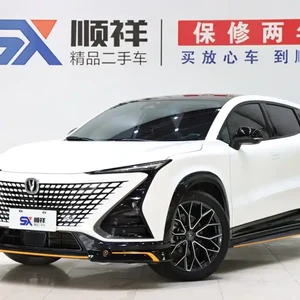
View all listings →Real units currently on ChinaCarDirect with per-unit asking prices and MOQ. Availability updates live from the catalogue.
How to buy a Changan Uni-t from China
-
1
Define the market brief
Set the destination country, steering side, fuel needs, expected mileage, retail or fleet use and local registration constraints. This prevents a visually suitable vehicle from being selected before its compliance profile is known.
-
2
Shortlist live inventory
Review the current Changan Uni-t listings and compare model generation, engine, trim, condition and mileage on a like-for-like basis. Record the unit reference for every candidate considered.
-
3
Verify vehicle documents
Request the VIN, registration or import documents, production date, ownership status, odometer reading and service history. Check that the seller’s description matches the physical vehicle.
-
4
Request a written quotation
Ask for a pro forma invoice showing the unit, Incoterm, price validity, MOQ, deposit, balance, payment currency and all included or excluded charges. Use the live listing as the starting point, not a permanent catalogue price.
-
5
Complete the compliance review
Have a customs broker or local conformity adviser confirm import eligibility, duty and VAT or GST treatment, type approval and registration requirements. Resolve LHD or RHD availability before authorizing shipment.
-
6
Inspect before final payment
Use an independent inspection for used vehicles, covering the engine, gearbox, accident history, diagnostic faults, tires, fluids and service evidence. Record the acceptance and rejection procedure in the sales contract.
-
7
Book and track the shipment
Confirm the carrier, insurance, origin handling, freight booking, destination charges and document release process. Track the vehicle through loading, transit, customs clearance and final collection.
Uni-t vs rivals
| Haval H6 | The Haval H6 is probably the closest direct export-market comparator, competing in the same value-oriented compact-SUV space with broad trim and powertrain choices. The Uni-t stands out through its design and 1.5T/2.0T turbo-petrol character, while Haval’s existing market footprint may reduce support risk in some destinations. |
|---|---|
| Chery Tiggo 7 Pro | The Chery Tiggo 7 Pro is a close rival for value-focused importers because it combines modern styling with a strong Chinese-export presence. The Uni-t may appeal for its distinct design and equipment ladder, but the deciding factors are destination-specific parts access, warranty handling and each brand’s credibility locally. |
| Toyota Corolla Cross | The Toyota Corolla Cross is the mainstream benchmark where brand confidence, residual performance and hybrid availability matter. The Uni-t offers a wider turbo-petrol trim proposition and more distinctive styling, but it needs stronger importer-led aftersales planning to compete for long-term fleet trust. |
Frequently asked questions
How is Changan Uni-t export pricing determined?
A live quote reflects the selected unit’s model year, trim, engine, mileage or condition, options, currency movement and seller terms. Freight, insurance, origin handling, destination charges, duties, VAT or GST and the Incoterm can change the landed result. Check the current per-unit price and every included or excluded charge on the live listings, then request a written quotation for the vehicle you intend to buy.
What are the key Changan Uni-t specs?
The range includes 1.5T and 2.0T turbocharged petrol variants, with several equipment grades around each engine. Exact output, transmission, drivetrain, emissions and market equipment can differ by generation and trim. Use the live listing and VIN-linked documents for the authoritative Changan Uni-t specs for each candidate.
What are the trade-offs between a new and used Changan Uni-t?
Used Changan Uni-t inventory can suit buyers seeking a lower acquisition basis or importers able to inspect and refurbish. New units may provide cleaner condition records and clearer warranty handling, but they can also carry storage, production-date and market-equipment considerations. Compare inspection evidence, service history and total operating needs rather than relying only on the new or used label.
How does MOQ work for Changan Uni-t wholesale orders?
MOQ is set by the seller, stock lot and transaction, not by the model name. ChinaCarDirect listings may support individual purchases, while a multi-vehicle wholesale consignment can carry different quantity or specification conditions. Read the MOQ on the selected live listing and include it in the written pro forma invoice; do not assume a catalogue-wide rule.
What determines shipping time and cost for a Changan Uni-t?
Shipping time and cost vary with origin and destination ports, vessel space, sailing schedule, vehicle condition, insurance, terminal handling, congestion and customs release. Complete vehicles commonly travel by roll-on/roll-off vessel, but the route and booking must be confirmed for the actual unit. Ask the freight provider or forwarder for a current sailing, charge breakdown and estimated collection date.
How should I check Changan Uni-t spare-parts availability?
Confirm before purchase that the importer can obtain engine, body, electronic and service parts for the exact market version, along with workshop information and warranty support. Chinese-market and export-market vehicles may use different parts and software, so a generic parts guarantee is insufficient. Ask for the seller’s parts list, identified suppliers, expected lead times and any local aftersales arrangement.
Is a right-hand-drive Changan Uni-t available for export?
Right-hand-drive availability is not automatic and depends on the source variant, production batch and importer’s homologation route. A steering-wheel conversion does not by itself prove compliance with local lighting, pedal and registration rules. Search the live listings for RHD units where available, or obtain written confirmation from the seller and destination authority before ordering.
How do I buy a Changan Uni-t from China?
First define the destination and specification, then shortlist matching units in the live inventory. Request the unit documents, a pro forma invoice, MOQ, payment milestones, inspection terms and an Incoterm-based freight quote. Complete an independent inspection and local compliance review before final payment. After payment, follow export, shipping, customs and registration steps against the agreed documents.
Ready to source the Changan Uni-t?
Send ChinaCarDirect your Changan Uni-t sourcing requirements for a current unit quote, MOQ confirmation and export-document review.
Request a quote