
Changan Uni-v Export Buying Guide for Overseas Buyers
Changan Uni-v export buying guide covering trims, petrol and iDD powertrains, pricing factors, MOQ, shipping, compliance, rivals and dealer checks.
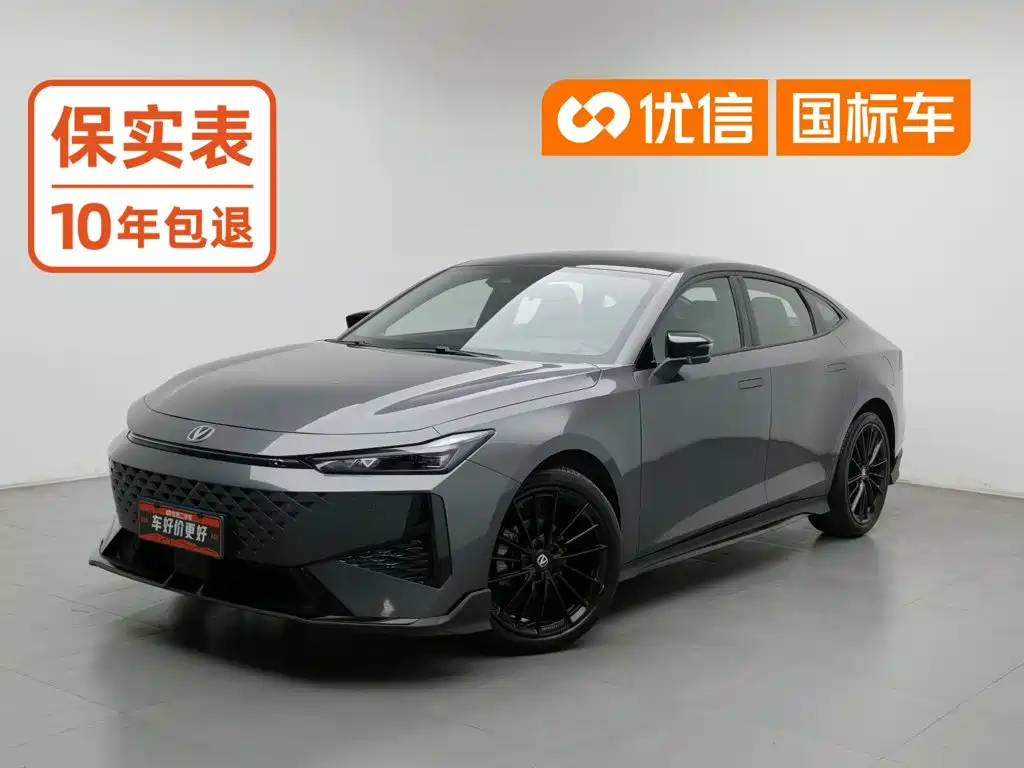
At a glance
- The Uni-v covers a compact-SUV brief with 1.5T, 2.0T, and 113 km iDD variants.
- It suits dealers balancing fleet utility, passenger comfort, and powertrain choice.
- New cars offer configuration consistency; used cars require VIN-level condition and history checks.
- Export price depends on trim, year, powertrain, condition, freight, exchange rates, and Incoterm.
- RHD supply, local homologation, parts access, and landed cost must be confirmed before ordering.
Why the Changan Uni-v matters for export markets
The Changan Uni-v occupies the compact crossover SUV segment, a format that suits overseas dealers serving city buyers, young families, ride-hailing operators, and mixed fleets. Its appeal is not simply low acquisition cost; it combines a raised, practical body with 1.5T and 2.0T petrol powertrains and an iDD plug-in hybrid option. That gives importers one model family serving several market roles rather than a narrow niche. For export buyers, the key question is whether it can be supported with compliant homologation, realistic parts supply, and residual-value planning in the destination country.
Demand for Chinese-origin crossovers is driven by the value equation: buyers want contemporary styling, useful space, and credible powertrain choices without moving to a premium-brand bracket. The Uni-v suits that assessment because its export-facing trims span comfort, sport, luxury, high-performance, and intelligent hybrid character. A dealer can place a 1.5T against mainstream petrol SUVs, use 2.0T derivatives for buyers seeking more output, and consider 113 km iDD variants where local tax or emissions policy rewards electrified operation. This should be a portfolio decision across the model family, not a single-SKU decision.
International acceptance depends on execution after the vehicle leaves China. Buyers should verify steering configuration, lighting, emissions documents, software language, charging compatibility, and whether replacement components can be ordered by VIN. Fleet buyers should test luggage capacity, rear-seat comfort, fuel or charging access, and expected downtime against local routes. A strong wholesale proposition is not just an attractive specification sheet: documents, parts, and the service model must remain workable throughout ownership. Use the brand hub and live listings to build a shortlist, then validate every market-specific claim before paying a deposit.
- Compact crossover flexibility.
- Petrol and iDD breadth.
- Compliance before deposit.
Model range, trims and powertrain variants: how the lineup is structured and how to choose
The lineup is easiest to decode as three overlapping branches: the 1.5T petrol family, the 2.0T petrol family, and the 1.5T iDD hybrid branch. Within each branch, names such as Premium, Deluxe, Sport, Luxury, Performance, Smart, and Prestige usually signal equipment, styling, and positioning rather than a universal hierarchy. Smart Electric iDD and ZhiDian iDD also use sub-brand wording, so a buyer should not assume every similarly named trim has identical mechanical content. Treat the trim label as a starting point and verify the accompanying specification sheet before comparing vehicles.
Among the petrol variants, 1.5T models are generally the volume-oriented choice for buyers balancing purchase cost, fuel consumption, and performance; 2.0T models serve buyers who prioritize performance or a higher-output badge. Those are purchasing tendencies, not verified output figures. Engine displacement alone does not reveal torque, gearbox type, drive configuration, emissions tune, or tax band. For an export order, compare each trim’s live specification, including transmission, driven wheels, cooling equipment, tyre size, and standard driver-assistance features. A higher trim may add equipment without changing the core engine for that market.
The iDD branch requires a different framework because the vehicle combines a 1.5T engine with an electrified drive system and charging capability. Trim names include 113 km designations, but that label is not a universal real-world range or proof of tax treatment. Confirm battery capacity, electric-mode range, test cycle, charging inlet and power, fuel tank, and any efficiency or emissions equipment that differs by export market. Fleets with predictable urban routes may value electric-operation potential, while distributors need to understand charging access and customer support before committing to hybrid inventory.
- Three powertrain branches.
- iDD route-fit analysis.
- Trim labels are not specs.
New vs used Changan Uni-v: how export inventory is structured and how buyers choose
Export inventory generally divides into factory-new and used vehicles. A new Uni-v is cleaner for a dealer establishing a repeatable specification: paint, trim, configuration, warranty start, and delivery condition can be documented before it leaves China. It reduces uncertainty about repairs, wear, and ownership. A used Uni-v can suit a buyer seeking a known configuration at lower acquisition cost or filling a timing-sensitive fleet gap. The saving must be measured after transport, taxes, compliance, and rectification, especially if a used hybrid or repaired petrol car needs immediate work on arrival.
For a used petrol vehicle, inspection should move beyond appearance and cover VIN identity, engine and gearbox operation, service history, underbody condition, accident indicators, emissions equipment, roadworthiness, and matching components. For an iDD, ask for battery state-of-health information and charging tests in addition to mechanical checks; a 113 km trim label describes a configuration, not battery condition. Request diagnostic reports, photographs of the engine bay and battery area, and proof that the seller may export the vehicle. If information is missing, price the uncertainty as a commercial cost before purchase.
New inventory is easier to standardise across a batch, helping dealers publish consistent fleet specifications and maintain a straightforward parts catalogue. Used inventory is more heterogeneous, so each unit needs its own VIN-level file rather than a generic trim description. Fleet operators should compare acquisition outlay with downtime, maintenance, insurance, and resale; a used unit with history may suit a secondary market, while a new car can simplify fleet or company-driver programmes. Either route should finish with the checklist: verified identity, serviceable condition, compliant specification, documents, and a landed-cost comparison.
- Confirm VIN model year.
- Used condition needs proof.
- Compare full landed cost.
How export pricing works: the factors behind a live listing price, and how to read one
Every Changan Uni-v export listing is a unit-specific commercial offer, not a market-wide price. The figure is shaped by model year, trim, petrol versus iDD configuration, condition, mileage where applicable, production timing, and the seller’s terms. Exchange-rate movements affect how a China-based price is translated overseas. Because freight, insurance, duty, taxes, port charges, registration, and compliance work can sit outside the listing, it may represent an ex-works or defined baseline rather than the amount needed to place the vehicle on the road. Read the Incoterm and exclusions before comparing offers.
The largest price drivers are easy to identify: a newer model year, a higher equipment grade, the 2.0T engine, the iDD hybrid system, lower mileage, or a cleaner condition can affect commercial value. Conversely, age, wear, repair history, color or trim availability, and urgent shipping needs can weaken an asking position. The correct comparison is like-for-like: same powertrain, equivalent equipment, matching condition, similar delivery terms, and the same destination and Incoterm. A lower headline number may otherwise hide a different vehicle or extra buyer obligations buried in the fine-print terms.
To read a live listing, confirm the VIN or SKU, model year, trim, engine, transmission, drivetrain, hybrid battery or range configuration, condition, mileage, MOQ, payment schedule, production status, and delivery term. Then request a written quotation separating vehicle price, inland transport, export handling, sea freight, insurance, and destination charges. Confirm included documents, quotation validity, and which party bears customs clearance and registration. Use live inventory for the current per-unit number rather than a remembered range or enquiry. The same inspection works for a single purchase and a consolidated container order.
- Match trim and condition.
- Read Incoterm exclusions.
- Request an itemised quote.
MOQ, ordering and payment: single units vs consolidating a container
MOQ is a commercial condition, not a fixed characteristic of the model. On each live listing, check the minimum and ask whether it applies to that trim, to mixed units, or to the seller’s shipment plan. Some export offers can accommodate a single vehicle; others are structured around multi-unit allocations or container consolidation. One-unit purchasing is useful for testing a market or completing fleet replacements, but it may offer less negotiating leverage and a higher unit logistics burden. The binding minimum must be confirmed in the quotation and sales terms.
For a container order, consolidation can improve freight efficiency and give a dealer choice across model years, engines, trims, and iDD variants. It can also create management risk: each VIN must meet the destination’s rules, and a mixed load may contain documentation, warranty, equipment, and resale profiles. Set the allocation before payment, including the mix and what happens if a unit is damaged, delayed, or cannot be allocated as ordered. Some buyers use a unit first, then consolidate orders, but only if the supplier confirms the configuration can be repeated.
An ordering sequence is specification, quotation, document check, deposit, production or allocation confirmation, pre-shipment inspection, balance, and release against agreed documents. Payment methods, currencies, deposit percentages, cancellation terms, and refund conditions vary by seller, so put them in writing rather than relying on a chat message. Use protected payment channels and verify beneficiary details independently. If financing or a letter of credit is required, confirm acceptance and document requirements before reserving a vehicle. For fleet orders, align payment milestones with production and shipping evidence to reduce risk before releasing payment.
- Check listing-specific MOQ.
- Match allocation before deposit.
- Use protected payment terms.
Shipping, homologation and market compliance caveats: LHD/RHD and import rules by country
Compliance should be settled before the deposit, not after arrival. Confirm whether the vehicle is a left-hand-drive or right-hand-drive variant and whether that configuration is homologated for the destination. Import rules can cover VIN identification, type approval, emissions, safety, noise, cybersecurity, taxes, age or mileage restrictions, and dealer licensing. The importer or compliance specialist should confirm requirements for each model year and powertrain. A Chinese domestic configuration is not automatically an export-approved one. Ask the supplier to identify the documents demonstrating conformity rather than relying on visual similarity before shipment.
Right-hand-drive availability can change by factory batch, trim, and market, so buyers should not assume every advertised Uni-v can be supplied in the required configuration. A conversion is not automatically equivalent to a factory RHD vehicle: it may affect warranty, software, lighting, emissions, parts, and local registration. For hybrids, also confirm the charging interface and onboard charging equipment against the destination’s electrical network and fleet charging plan. If factory RHD supply is uncertain, select an LHD vehicle only if local law and operations permit it. Confirm acceptance with local authorities.
Shipping adds cost and timing uncertainty. Sea freight depends on origin and destination ports, container availability, booking space, route complexity, cargo value, and Incoterm; insurance and cargo handling add variables. Ask for the shipping scope, dispatch or sailing window, document turnaround, and what happens if a vehicle arrives damaged or discrepant. Export paperwork may include a commercial invoice, packing list, bill of lading, certificate of origin, and vehicle compliance papers, but requirements vary by origin and destination. Have the importer or broker confirm the complete set before the vehicle is dispatched.
- Confirm factory steering side.
- Check destination approvals.
- Verify export documents early.
Who should buy the Uni-v — and who should pick a different vehicle
The Uni-v is a strong candidate for overseas dealers that want one recognizable model family to cover petrol buyers, performance-oriented trims, and hybrid demand without separate model programs. It also suits urban fleet operators whose routes reward manageable dimensions, a usable cabin, and lower operating costs. The 1.5T versions are generally the logical starting point for broad fleet use, while 2.0T versions fit buyers who value performance. The iDD branch is most relevant where charging access and emissions policy make hybrid operation attractive. It is not automatically the cheapest vehicle to operate.
Before buying, a fleet manager should model total cost of ownership rather than focus on the vehicle line. Include fuel or charging, insurance, maintenance, tyres, downtime, registration, financing, and eventual resale. Dealer buyers should add showroom preparation, homologation, warranty administration, parts stocking, and staff training. A Uni-v that is easy to sell and service may be more valuable than a nominally cheaper unit with uncertain parts support. Request comparable, locally compliant examples and calculate payback under conservative assumptions rather than optimistic residual values. This is especially important for mixed fleets.
Choose a different vehicle if the application needs a true long-range battery-electric van, a full-size seven-seat SUV, a body-on-frame workhorse, or a model with established nationwide residual-value support. Small operating budgets can rule out a new Uni-v if insurance, taxation, and service are heavy relative to use. A buyer unwilling to maintain a China-origin parts plan should not buy on styling alone. The decision is strongest when the Uni-v’s powertrain choice, service arrangement, and compliance route fit an operating plan rather than serving as a generic budget SUV for every market.
- Best for mixed fleets.
- Requires active parts planning.
- Unsuitable for some premium needs.
Main rivals and how the Uni-v compares
The nearest export-market alternatives are the Chery Tiggo 4 Pro, Haval Jolion, and MG ZS families, although the closest match changes by destination and powertrain availability. The Tiggo 4 Pro is a natural comparison for buyers seeking another Chinese-origin compact crossover with comparable value positioning. The Haval Jolion offers a similar mainstream footprint and export-oriented SUV proposition. The MG ZS can appeal where the MG badge carries stronger awareness or where petrol and electric derivatives are established locally. Compare homologated versions for the destination, not brochure configurations, before any quotation.
Against the Tiggo 4 Pro, the Uni-v’s main differentiator is the breadth of its 1.5T and 2.0T petrol branches plus the 113 km iDD option, but the comparison matters only if both vehicles have equivalent engines, equipment, safety systems, warranty, and local parts support. Against the Haval Jolion, buyers should test cabin space, boot utility, and road positioning rather than assuming the badges settle the decision. In each case, a written landed-cost comparison and physical inspection are more valuable than a feature-count contest. Do that before placing any order.
The MG ZS comparison is particularly useful in markets where brand familiarity, financing, or an existing service network affects residual value. A buyer choosing the Uni-v should demand the same evidence used for the MG, including local homologation documents, the crash-safety and driver-assistance equipment actually fitted, warranty coverage, spare-parts lead times, verified fuel or hybrid operating costs, and realistic local after-sales support. The best choice is not the model with the longest brochure list. It is the version whose compliance, support, and resale proposition survives scrutiny in the destination market.
- Compare homologated configurations.
- Haval Jolion: similar footprint.
- MG ZS: stronger badge awareness.
Live Changan Uni-v export inventory
View all listings →Real units currently on ChinaCarDirect with per-unit asking prices and MOQ. Availability updates live from the catalogue.
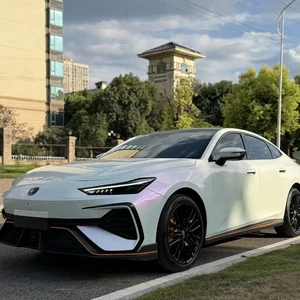
How to buy a Changan Uni-v from China
-
1
Define the market and use case
Record the destination, required steering side, passenger or fleet role, fuel and charging needs, expected load, and resale market. This prevents a technically attractive trim from becoming difficult to register or operate locally.
-
2
Filter the live inventory
Search by exact trim and powertrain, then open each relevant listing to compare model year, equipment, condition, and availability. Treat each VIN or SKU as a distinct vehicle rather than assuming every similarly named Uni-v is identical.
-
3
Request like-for-like quotations
Ask for vehicle price, inland transport, export handling, freight, insurance, destination charges, payment milestones, and Incoterm in one written quotation. Compare equivalent trims and configurations rather than headline figures from different sales terms.
-
4
Confirm steering and compliance
Have the importer or a local compliance specialist verify factory steering configuration, VIN requirements, type approval, emissions rules, safety requirements, and importer licensing. This must be settled before paying a non-refundable deposit.
-
5
Verify condition and identity
For used vehicles, obtain diagnostic reports, service history, VIN verification, photographs, accident checks, and iDD battery or charging information where applicable. For new vehicles, confirm the delivery condition, factory specification, production status, and warranty start point.
-
6
Lock allocation, MOQ and payment terms
Record the listing-specific MOQ, selected VINs, allocation method, deposit, balance trigger, cancellation terms, and refund conditions. Use protected payment channels and verify beneficiary details independently.
-
7
Arrange shipping and customs
Agree the freight scope, insurance, pre-shipment inspection, document set, shipping window, and destination clearance responsibility. Track production, inspection, booking, sailing, arrival, and registration as separate milestones.
Uni-v vs rivals
| Chery Tiggo 4 Pro | Another Chinese-origin compact crossover with a similar value brief. It is a sensible alternative when its locally homologated engine, trim, warranty, and parts support are stronger; compare it directly with the Uni-v where the broader 1.5T, 2.0T, and iDD choice is commercially useful. |
|---|---|
| Haval Jolion | With a similar mainstream SUV footprint, the Jolion competes on packaging, brand familiarity, and market-specific equipment. Compare locally available powertrains, safety specification, service network, and landed cost directly with the chosen Uni-v trim. |
| MG ZS | The MG ZS offers a more familiar badge in some markets and petrol or electric choices depending on the destination. Choose it where MG financing and residual-value support are stronger; choose the Uni-v when its distinct 1.5T, 2.0T, and iDD configurations better suit the fleet. |
Frequently asked questions
How is the Changan Uni-v export price determined?
A live listing price is shaped by model year, trim, engine or iDD configuration, condition, mileage, production timing, exchange rates, freight, insurance, taxes, and the Incoterm. Some destination charges may sit outside the displayed figure, so request a written landed-cost breakdown. The current per-unit price and listing-specific MOQ are shown on ChinaCarDirect’s live Uni-v listings.
Which Uni-v powertrains and range figures are available?
The range includes 1.5T and 2.0T turbocharged petrol derivatives plus 1.5T iDD plug-in hybrid trims. Some iDD trim names carry a 113 km designation, but buyers should confirm the certified range cycle, battery capacity, charging specification, and market homologation in the live listing. The 113 km label should not be treated as guaranteed real-world range.
Should an overseas buyer choose a new or used Uni-v?
A new vehicle provides cleaner configuration records, known delivery condition, and a clearer warranty starting point, although it does not necessarily mean the latest model year. A used vehicle can reduce acquisition cost, but it requires VIN-level inspection, service-history verification, and additional checks for wear, repairs, and hybrid battery condition. Compare full landed costs rather than vehicle price alone.
Is there a fixed MOQ for Changan Uni-v orders?
MOQ is set commercially for each listing and may depend on trim, configuration, allocation, and shipment plan. A buyer may be able to purchase a single vehicle, while some sellers structure orders around multiple units or container consolidation. Check the live listing and have the binding minimum written into the quotation.
How long does shipping take, and what determines the cost?
Shipping time and cost depend on production readiness, document completion, origin and destination ports, vessel or container availability, booking space, route complexity, cargo value, insurance, and the selected Incoterm. Ask the supplier for a dispatch or sailing window and a cost breakdown that separates vehicle, inland, export-handling, freight, insurance, and destination charges.
How are spare parts supplied for an exported Uni-v?
Parts support depends on the destination and the supplier’s distribution arrangement, not only on the vehicle model. Before ordering, ask whether engine, cooling, suspension, electronic, and hybrid components can be identified by VIN and supplied with realistic lead times. Dealers should include initial stock, reorder lead time, warranty parts flow, and customs treatment in the operating plan.
Is right-hand-drive Uni-v availability guaranteed?
Factory RHD availability can vary by production batch, trim, and destination, so it should be confirmed for each proposed vehicle. Do not assume that a listing shown online can be supplied in RHD or that a converted vehicle has the same warranty and compliance status as a factory RHD car. Confirm steering, lighting, emissions, registration, and charging compatibility with local authorities before ordering.
How do I order a Changan Uni-v from China?
Begin with the live Uni-v inventory, compare exact trims, and request a written quotation for the required configuration and destination. Confirm MOQ, payment milestones, documents, condition, inspection, shipping scope, and customs responsibilities before paying a deposit. The Changan brand hub and all-products pages can also be used to compare the model with other export vehicles.
Ready to source the Changan Uni-v?
Send your destination, required powertrain, steering side, and target quantity to request a current Uni-v quotation and export plan.
Request a quote