
Changan Uni-z Export Buying Guide for Overseas Dealers
Buy a Changan Uni-z from China with clear guidance on 1.5T and iDD trims, export pricing, MOQ, shipping, compliance, and rival options for dealers.
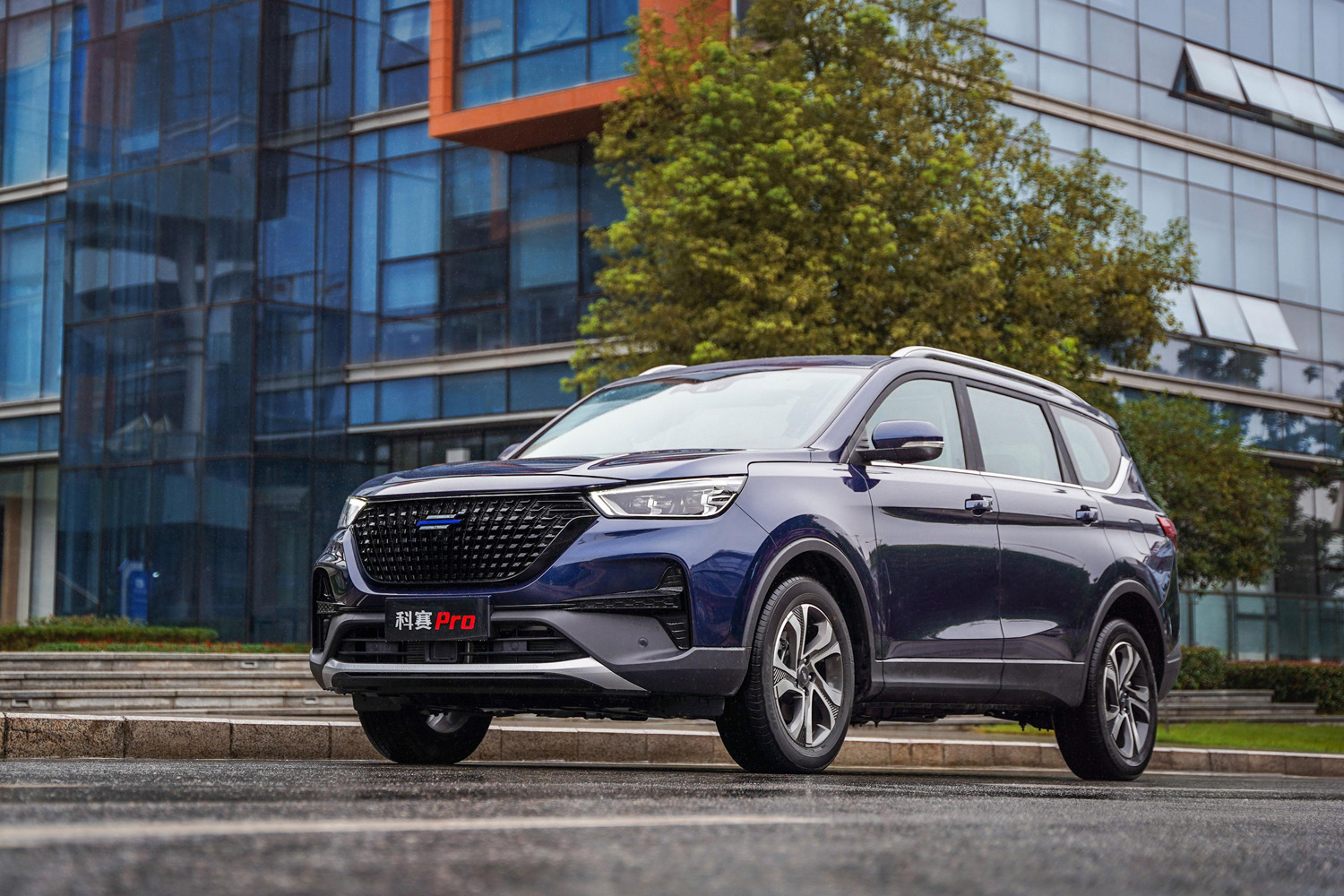
At a glance
- The Uni-z combines compact-SUV packaging with 1.5T petrol and iDD plug-in hybrid choices.
- The 125 km iDD designation is a range label, not a promise of real-world or homologated range.
- New vehicles offer cleaner ownership histories; used units require condition, service and hybrid-system checks.
- Live prices vary with trim, year, condition, powertrain, currency, freight, Incoterms and destination charges.
- Single-unit and consolidated-container buying are possible structures; confirm the MOQ on the chosen listing.
Why the Changan Uni-z matters for export markets
The Changan Uni-z occupies the compact crossover segment, combining a five-door SUV format with a design-led and technology-oriented specification. For export buyers, its relevance lies in offering an alternative to established Japanese and Korean marques when they need a practical vehicle with a strong equipment narrative. The 1.5T and iDD name families also let a distributor address buyers with different propulsion preferences. In markets where Chinese brands are still building recognition, that choice can help position the Uni-z as a modern option in the range rather than a basic transport model.
The model is particularly relevant to dealers seeking a compact SUV that can compete visually and technologically with higher-priced mainstream crossovers. Its appeal is strongest when the importer can support local marketing, realistic workshop planning and a clear explanation of parts and software support. It is less compelling as an unsupported speculative import, because low acquisition cost cannot repair weak residual values, slow parts flow or unclear service expectations. Export planning should therefore treat brand-building and workshop readiness as part of commercial value, not costs deferred until after the first shipment.
Demand for this kind of model is driven by market forces rather than one global trend. Urban buyers want SUV seating, cargo flexibility and a more upscale image, while fleet and ride-hailing operators often focus on purchase cost, reliability and fuel use. The Uni-z can address private buyers well, and its hybrid option may suit markets prioritising electrified operation. Actual demand depends on tax treatment, fuel prices, charging access and how quickly customers accept a Chinese nameplate. Dealers should validate demand through local test drives and channel feedback before committing to volume.
- 1.5T and iDD choices.
- Compact-SUV positioning.
- Local support influences demand.
Model range, trims and powertrain variants: how the lineup is structured and how to choose
The export-facing lineup is organised around two visible powertrain families: 1.5T petrol versions and Blue Whale Smart Electric iDD 125km variants. Petrol trims include labels such as Luxury Version, Luxury Edition and Premium Edition or Premium, while the electrified family includes Excellence, Beyond, Leading and Surpassing designations. A separate 500Bar PRO label also appears. These names identify the branch of the range, but they do not confirm gearbox, motor output, battery capacity or charging equipment. The exact vehicle listing should control because export specifications can change between model years and destination markets.
For a dealer choosing between petrol and iDD versions, the decision starts with the buyer and operating environment. A petrol 1.5T may suit customers with limited charging access, while the 125 km label on the iDD family indicates an electrified daily-use proposition. It should not be read as guaranteed real-world range: the test cycle, driving conditions, climate, speed and charging habits all affect results. Local tax or subsidy rules can also alter the commercial case, so confirm the destination classification before projecting demand with the relevant local authority or tax adviser.
Within either powertrain family, trim selection should be an equipment-and-support decision rather than a simple ranking of names. Luxury and Premium labels imply different market positions, but standard equipment, infotainment, driver-assistance functions, upholstery and warranty can vary by model year and export specification. Ask for a VIN-specific equipment sheet and confirm that advertised functions are enabled for the destination market. Check replacement support for electronic modules and sensors, and verify the 500Bar PRO label against the seller's technical description rather than relying on the name alone for the exact model year.
- Compare equipment by VIN.
- Treat 125 km as a label.
- Verify technical trim claims.
New vs used Changan Uni-z: how export inventory is structured and how buyers choose
Export inventory can include both new and used Uni-z vehicles, so the relevant question is not whether one category is universally better. A new vehicle offers the cleanest ownership history and the most predictable relationship between advertised specification and delivered condition. A used vehicle can suit a buyer seeking a known model, lower initial acquisition burden or immediate fleet deployment. The comparison must include condition, remaining factory coverage, service history and resale positioning. It should also reflect how the destination treats previously registered vehicles through age limits, inspection and registration rules.
For used petrol versions, inspect the engine, cooling system, transmission behaviour, brakes, suspension, body condition and evidence of collision repair. For an iDD, add a documented check of the high-voltage battery, hybrid controls, charging function and warning systems; a clean body is not evidence that the electrified system is healthy. Ask for service records, diagnostic reports, title documents and photographs of the underbody, wheels and battery area where access is permitted. A documented repair history can affect downtime, fuel use and resale, so inspection should precede any final balance payment.
New inventory is usually the cleaner route for a dealer establishing a sales programme, because warranty commencement, factory configuration and delivery condition can be managed more consistently. Used units may make sense for a tested fleet operator or a highly price-sensitive market, but the buyer assumes more uncertainty about wear and future repairs. Before importing either, compare total ownership: acquisition, local taxes, preparation, insurance, downtime, warranty claims and eventual resale all belong in the calculation. A lower entry price is not automatically a lower operating cost over the vehicle's working life.
- New units: cleaner history.
- Used units: inspect records.
- iDD units: check batteries.
How export pricing works: the factors behind a live listing price, and how to read one
A live export price is a quote for a particular vehicle under a defined transaction structure, not a fixed market value for every Uni-z. Model year and trim establish the starting point, but powertrain and battery versions where applicable, mileage, condition, service history and optional equipment can alter the ask. Currency movements also matter because the Chinese vehicle price and international freight may be converted or settled in different currencies at different times. Buyers should not compare headline numbers from listings with different inclusions or Incoterms without first normalising the quoted scope.
Freight, insurance, export documentation, destination charges, customs duty, VAT or sales tax, port handling and dealer margin can all change the amount needed to put the vehicle on the road. Incoterms are especially important because they define which party arranges carriage, insurance, export clearance and risk transfer, but they do not remove local import charges. Ask for a written landed-cost breakdown so vehicle price and destination expense are not confused. This matters particularly when comparing a single used unit with a multi-vehicle container and when judging whether consolidation improves the economics.
To read a Uni-z listing effectively, first check the vehicle identifier and model-year description, then confirm powertrain, trim, condition, mileage if stated, and whether the displayed amount is an asking price or a negotiable figure. Next identify the Incoterm, currency, seller location, documentation condition and what is excluded, such as freight, insurance, duty or registration. ChinaCarDirect's live Uni-z inventory is the binding source for the current per-unit price and availability. An RFQ should then confirm the final quote for the selected vehicle, including the agreed payment, shipping and documentation scope.
- Normalise scope and Incoterm.
- Separate vehicle and landed costs.
- Check live per-unit prices.
MOQ, ordering and payment: single units vs consolidating a container
A minimum order quantity depends on the seller's listing and sales arrangement, so it should be read on the vehicle page rather than assumed from the model name. Some export offers are structured for individual-unit purchase, which suits a dealer testing a market or assembling a mixed fleet. Other arrangements may require a batch, while a container-level order can produce a different unit price. The relevant MOQ, reservation method and cancellation terms must therefore be confirmed for the exact listing and seller before payment and before committing to a deposit.
For wholesale planning, consolidating several vehicles into one container can improve freight efficiency and give a distributor broader trim and powertrain coverage, but it also concentrates cash, inventory and compliance risk. Mixed loads may include petrol and iDD vehicles, which can complicate weight distribution, charging preparation, spare-parts planning and destination registration. Before committing, calculate the cost per saleable unit after all charges, then model slower-moving trims. Do not value the entire container at the most attractive asking price when some vehicles may take longer to sell after local registration and dealer preparation costs.
Payment structure should follow inspection and documentary milestones. A typical sequence is an agreed deposit, verification of the vehicle and export documents, balance payment before release, and shipping against agreed terms; the exact sequence is set by the transaction. Buyers should confirm the seller's legal identity, title status, refund conditions, bill-of-lading process, insurance responsibility and whether the quoted unit remains available after inspection. Use the platform contact channel for current mechanics rather than relying on an old catalogue or verbal estimate, because payment and release arrangements can change by transaction.
- Read each listing's MOQ.
- Model slow-moving container stock.
- Use milestone payment terms.
Shipping, homologation and market compliance caveats: LHD/RHD and import rules by country
Steering configuration is a market-specific choice. A left-hand-drive vehicle may be suitable where that layout is standard, while right-hand-drive supply may be required or strongly preferred in some countries. Do not assume that a Chinese export listing is available in either configuration: check the VIN, physical configuration and homologation evidence for the intended destination. Converting steering and related components can add cost, parts complexity and approval issues, so factory configuration is preferable where available. Ask before booking and request photographs showing the steering position and key layout for the actual vehicle.
Import approval is country-specific and may cover emissions, safety, lighting, noise, cybersecurity, software functions, vehicle type approval, VIN records, customs classification, duties and VAT. Used vehicles can face additional age, inspection or registration restrictions. Electric and plug-in hybrid imports may also require checks on charging equipment, high-voltage safety and local incentive eligibility, but no subsidy should be assumed. Use a customs broker and confirm the destination authority's current requirements before paying or shipping the vehicle, because approval timing and documentary requirements can affect both schedule and cost in that market.
Shipping time and cost depend on origin and destination ports, transport mode, container availability, vehicle dimensions, weight, route, fuel and freight surcharges, insurance, customs clearance and terminal handling. Ro-ro and container handling are specialised operations; securing the vehicle correctly and inspecting it for shipping damage are important. Arrange pre-shipment inspection, retain condition photographs, clarify who bears risk after loading, and keep original documents accessible to the broker. Delivery to the port is not the same as registration and road readiness. Allow time for customs, local adaptation, inspection and any required repairs.
- Confirm factory LHD/RHD.
- Check destination type approval.
- Define risk transfer.
Who should buy the Uni-z — and who should pick a different vehicle
The Uni-z is a strong candidate for an importer targeting private buyers who want a modern compact SUV, expressive design, a broad feature set and a choice of petrol or plug-in hybrid power. It can also suit company-car or ride-hailing programmes where the operator values a distinctive vehicle, space and lower lifecycle acquisition potential. The strongest case is a dealer with test-drive capability, spare-parts support and an audience willing to buy a Chinese brand without relying on aggressive discounting to establish a sustainable local sales programme in the chosen market segment.
It is less suitable for a buyer who requires a long-established residual-value history, immediate availability of every service part, or a model already covered by extensive local fleet experience. Markets with high used-car age restrictions, limited charging infrastructure or unusually strict type approval may also narrow its practicality. Very small trial volumes can be sensible, but a distributor should not scale the programme until it has validated servicing, insurance, registration and customer acceptance locally. This caution is about execution, not a judgement on the vehicle itself or its underlying engineering.
A different vehicle should be selected when the brief prioritises cargo volume, seven-seat capability, severe-duty commercial use, minimalist running costs or guaranteed fuel economy. It is also worth comparing a direct hybrid alternative if the buyer cannot charge regularly or if the destination lacks an approved charging ecosystem. The decision should compare total ownership rather than badges: energy use, expected uptime, repair access, warranty recovery, resale and regulatory fit can matter more than the purchase specification. Test the use case before the order, not after delivery and with real operating data.
- Strong for design-led SUV buyers.
- Needs local parts support.
- Weaker for cargo-led priorities.
Main rivals and how the Uni-z compares
Against the Hyundai Tucson, the Uni-z offers a more design-led alternative and a different acquisition proposition, while Tucson benefits from a more mature global brand and established service expectations in many markets. The choice depends on local homologation, actual equipment and aftersales access. A buyer with strong Hyundai dealer coverage may prefer Tucson for residual-value familiarity; an importer seeking to establish a differentiated Chinese-brand range may find the Uni-z commercially more interesting. Compare landed ownership, not brochure value, and check insurance, servicing, depreciation and downtime assumptions for the destination.
The Kia Sportage is a close conceptual rival because it combines a mainstream compact-SUV format with hybrid options and established recognition across several major markets. The Uni-z may appeal where buyers value visual differentiation and a newer feature proposition, whereas Sportage can benefit from established parts logistics and clearer expectations among fleet managers. Neither should be chosen from brochure positioning alone: compare the exact destination specification, local warranty and the real-world cost of parts and electronics. Local dealer reach can outweigh a small specification advantage.
The Toyota RAV4 is a more conservative benchmark because it is known for reliability perception, fuel efficiency, practical packaging and strong resale support in many markets. The Uni-z may offer more visual flair, a broader technology narrative or a lower entry proposition, but it cannot assume the same confidence in long-term parts supply or resale value. For a mainstream fleet, RAV4 may reduce procurement risk; for an importer seeking differentiation and electrified choice, the Uni-z can be more relevant. Local sales data should settle the decision for the target market segment.
- Tucson: global brand familiarity.
- Sportage: fleet-market benchmark.
- RAV4: resale-led benchmark.
Live Changan Uni-z export inventory
View all listings →Real units currently on ChinaCarDirect with per-unit asking prices and MOQ. Availability updates live from the catalogue.
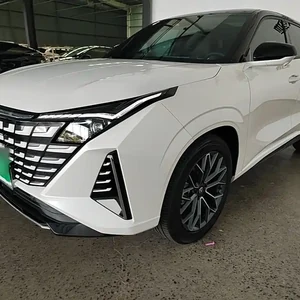
Changan Changan UNI-Z New Energy 2024 Blue Whale Smart Electric iDD 125km Excellence Model
How to buy a Changan Uni-z from China
-
1
Set the market and powertrain
Define the destination country, steering preference, charging access and petrol-versus-iDD requirement before comparing vehicles. This prevents a locally unsuitable configuration from entering the shortlist.
-
2
Review live Uni-z listings
Compare matching trims and model years on the live Changan Uni-z inventory. Treat each displayed price and availability as unit-specific, then shortlist vehicles by equipment and condition.
-
3
Verify specifications and documents
Ask for the VIN, powertrain, gearbox, drivetrain, battery or engine details, equipment sheet, title and export-document status. Confirm the 125 km test-cycle wording and the meaning of any 500Bar PRO designation.
-
4
Request a landed-cost RFQ
Ask for the currency, vehicle price, Incoterm, freight, insurance, export handling, destination charges, taxes and quote-validity period. This prevents a vehicle-only asking price from being mistaken for a delivered cost.
-
5
Agree terms and payment
Confirm the MOQ, reservation, deposit, inspection rights, balance-payment trigger, cancellation and refund terms. Keep payment linked to verified vehicle and document milestones.
-
6
Consolidate and book freight
For multiple units, model the mix, slow-moving trims, securing, weight and local preparation. Confirm the carrier, route, insurance, risk-transfer point, inspection and document handover.
-
7
Complete destination compliance
Use a local broker to check type approval, VIN, customs classification, age restrictions, emissions, charging and LHD/RHD requirements before shipment. Complete registration and pre-delivery checks after arrival.
Uni-z vs rivals
| Hyundai Tucson | The Tucson is a mainstream global benchmark with established brand familiarity and a mature dealer network in many destinations. Choose it where residual-value confidence and broad service coverage outweigh the Uni-z's differentiation; assess the exact local hybrid and equipment variant. |
|---|---|
| Kia Sportage | The Sportage combines a familiar compact-SUV proposition with hybrid choices and established fleet recognition. The Uni-z may differentiate more strongly on design and presentation, while Sportage may reduce uncertainty around parts logistics and fleet acceptance. |
| Toyota RAV4 | The RAV4 is a conservative benchmark for reliability perception, practicality and resale confidence in many markets. The Uni-z may offer stronger visual differentiation and a broader technology narrative, but requires the importer to build greater confidence in long-term support. |
Frequently asked questions
How is the Changan Uni-z export price determined?
The live asking price reflects the specific unit, model year, trim, powertrain, condition, mileage, seller terms and currency. Freight, insurance, Incoterms, destination charges and taxes can change the landed cost. Check the live Uni-z listings for the current per-unit price, then request a written RFQ defining the final scope.
What Changan Uni-z specs and range should buyers expect?
The range includes 1.5T petrol versions and Blue Whale Smart Electric iDD 125km plug-in hybrid variants, together with named Luxury, Premium and 500Bar PRO trims. The 125 km figure is a listing designation; confirm its test cycle, usable range, battery capacity, motor output, charging equipment and exact vehicle specification.
Is a used Changan Uni-z better than a new one?
A new vehicle normally offers cleaner ownership, clearer warranty commencement and a closer match between advertised and delivered condition. A used vehicle can reduce initial acquisition pressure or provide an immediately deployable fleet asset, but it requires inspection of wear, service records, title status and, for iDD models, the high-voltage system.
How does the MOQ work when buying a Changan Uni-z?
MOQ is set by the individual seller's listing and transaction structure, so the chosen vehicle page is the controlling place to check it. Some arrangements support single-unit purchasing, while others require a batch or container. Confirm the stated requirement, reservation method and cancellation terms before paying a deposit or consolidating vehicles.
What determines shipping time and cost for a Uni-z?
Origin and destination ports, transport mode, container space, route, vehicle weight, freight surcharges, insurance, customs clearance and terminal handling all affect the shipment. The Incoterm determines which party bears which costs and risks. Request a written breakdown that separates the vehicle price, origin charges, freight and destination expenses.
Can spare parts be ordered for an exported Uni-z?
Parts availability depends on the VIN, model year and Changan's support channel in the destination market, so request a parts list with references before purchase. For an iDD, confirm high-voltage component and qualified repair support; for petrol versions, check engine, cooling and transmission items. Compatibility, warranty treatment and local safety approval must be confirmed before fitting any alternative part.
Is a right-hand-drive Changan Uni-z available for export?
Right-hand-drive availability cannot be assumed from the model name or a general export listing. Check the VIN, physical steering configuration and destination-market approval for each vehicle. If factory RHD supply is unavailable, evaluate conversion cost, parts complexity and inspection requirements before including the vehicle in a shipment.
How do I buy a Changan Uni-z from China?
Start with the live Uni-z listings, shortlist vehicles by destination suitability and then request an RFQ covering specification, documents, Incoterm, freight, payment and delivery. After verification and inspection, use the agreed milestones for deposit, balance and release. For multiple units, model the mix and sell-through risk before booking the container.
Ready to source the Changan Uni-z?
Review the live Changan Uni-z listings and request a current RFQ for your chosen export vehicle.
Request a quote