
Changan Cs55 Export Buying Guide for Global Buyers
Buy a Changan Cs55 from China with practical guidance on trims, 1.5T options, export pricing, MOQ, shipping, compliance, rivals, and new or used choices.
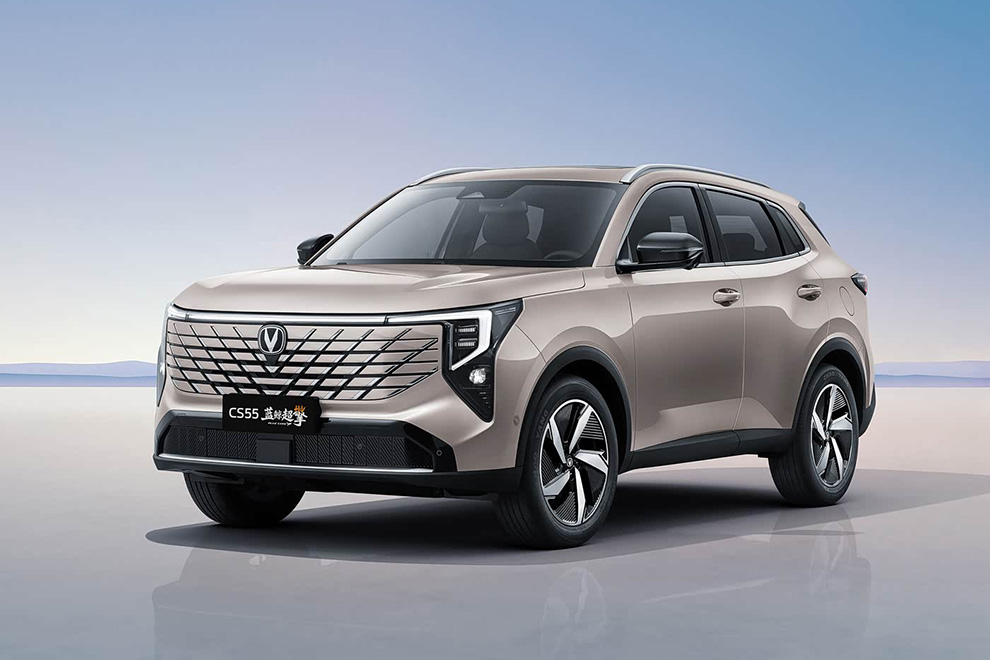
At a glance
- The Changan Cs55 for export is positioned as a value-oriented compact SUV with several generations.
- Available Changan Cs55 specs include 1.5T engines with manual, automatic, and DCT choices.
- New vehicles favor standardization, while used vehicles suit acquisition-conscious buyers who inspect thoroughly.
- Export pricing depends on configuration, condition, Incoterm, freight, and destination charges.
- Steering configuration, homologation, parts access, and residual demand should be checked before ordering.
Why the Changan Cs55 matters for export markets
The Changan Cs55 occupies the compact-SUV segment: a practical body style that combines passenger-car dimensions with seating height and cargo accessibility. For overseas buyers, it is more relevant as a value-led Chinese-brand option than as a prestige model. The export range spans multiple CS55 and CS55 PLUS generations, with 1.5T petrol powertrains and manual, conventional automatic, or DCT transmissions. That breadth lets an importer match transmission preference, vehicle age, and equipment level to its market. It also helps fleet buyers standardize a model while preserving gearbox choices.
The model matters in export markets because compact SUVs are widely easier to merchandise than niche vehicles: they suit family use, ride-hailing, company fleets, and dealer-led retail programs. A domestic production base can support parts and production continuity, but that does not automatically guarantee overseas aftersales coverage. Buyers should separate manufacturer strength in China from the importer's local support network. Before committing, verify that replacement parts, service procedures, and diagnostic support can reach the destination market. A strong product without a workable parts channel can become an expensive asset for the buyer.
Global demand for the Cs55 is best understood segment by segment rather than through a single sales claim. In markets where affordable crossovers, Chinese brands, and practical fleet vehicles already have dealer acceptance, the model can broaden a distributor's range without moving into the premium price bracket implied by European badges. Its differentiators are familiar packaging, multiple 1.5T choices, and a mix of automated and manual gearboxes. The right export proposition is therefore local evidence: test-drive demand, registration rules, parts turnover, and credible resale expectations should matter more than badge recognition alone.
- Family and fleet fit.
- Multiple 1.5T generations.
- Local support is critical.
Model range, trims and powertrain variants: how the lineup is structured and how to choose
Changan's naming can look complex because exported records mix model-year, generation, edition, and feature labels. The same 1.5T engine appears under names such as Second Generation, Third Generation, Fourth Generation New Blue Whale, Blue Whale, and several Xuanse, Colorful, or Premium designations. These labels help identify a vehicle, but they are not necessarily equivalent to trim grades in another country. Ask the seller for the original sales brochure, specification sheet, and VIN-linked production details. That prevents a buyer from assuming that a similarly named Premium version has the same equipment in different markets.
For powertrain choice, the clearest split in the available range is between the combustion-focused 1.5T versions and a range-oriented Blue Whale naming line that includes a 125 km Zhiyue designation. Do not treat that number as sufficient proof of usable electric driving or charging capability: ask whether it refers to a certified electric-only range, a combined range, or another market-specific measure, and which test cycle applies. Battery capacity, motor output, charging time, and real-world range are not established by the trim label alone and must be confirmed against the exact listing.
Transmission and equipment should then be selected around vehicle operation. Manual models can suit buyers prioritizing straightforward use, lower specification, or lower acquisition outlay. Automatic and DCT versions reduce driver workload and may be easier to place with fleet customers, but suitability depends on the exact gearbox, software, fuel economy, and maintenance record. For dealer stock, compare the actual equipment list rather than words such as Luxury or Celestial. Useful checks include infotainment compatibility, steering position, climate controls, wheel size, and whether safety equipment is standard or optional in the source market.
- Match trim to market.
- Choose the right gearbox.
- Verify 125 km labeling.
New vs used Changan Cs55: how export inventory is structured and how buyers choose
New and used Cs55 inventory should be evaluated as two different purchasing channels, not simply as a lower-price and higher-price version of the same purchase. New vehicles are generally associated with current or recent production generations, factory warranty, known delivery timing, and a more standardized specification. Used vehicles expose the buyer to earlier generations, accumulated mileage, prior ownership, repairs, and condition uncertainty. The right channel depends on total lifecycle cost, launch timing, and the importer's ability to inspect and refurbish vehicles rather than on the vehicle name alone in the destination.
For a used vehicle, the purchase file is more important than the trim badge. Request VIN verification, registration documents, odometer evidence, service records, photographs of the body and underside, tire condition, battery or charging equipment if applicable, and an independent inspection. Compare the inspection with the listing because terminology for accident repair, repainting, and mechanical condition can differ. A lower acquisition figure can be offset by repairs, tire replacement, software work, or the cost of finding trim-specific parts. Keep known defects as negotiation items rather than assuming they were corrected.
For new vehicles, the key questions concern production consistency, configuration, and handover rather than used-car condition. Buyers should confirm whether the vehicle is factory-new, how it was prepared for export, which warranty applies, and whether delivery timing is tied to production. Check body paint, panel gaps, mileage, tire date codes, option fit, and VIN against the invoice. Matching the physical unit to a written configuration prevents disputes over substituted equipment. For fleet orders, repeatable specification and documented quality checks are often more valuable than the newest generation for the buying plan.
- New favors standardization.
- Used needs inspection.
- Compare lifecycle costs.
How export pricing works: the factors behind a live listing price, and how to read one
An export listing price is a bundle of vehicle and transaction variables, not a universal value for the Cs55. The generation, model year, trim, 1.5T transmission choice, range variant, mileage, condition, and new-or-used status affect base value. Currency movements also matter because the Chinese vehicle cost and international freight may be quoted in different currencies. Port, insurance, documentation, handling, and inland delivery can change the landed total. The Incoterm is decisive because it defines where responsibility and cost transfer. Compare like-for-like units under the same term instead of treating the first figure as delivered.
Reading a live listing starts with vehicle identity. Capture the VIN or SKU, exact model and year, generation wording, engine, gearbox, range designation, mileage, condition, and seller location. Then check the quotation basis: whether freight, export clearance, marine insurance, port charges, and local taxes are included. For a used unit, ask whether the displayed amount reflects recent inspection, repair, or tire work. Treat the live listing as the source for the current unit-specific number and request written confirmation if the page and seller message differ, because exchange rates or transport costs can change before payment.
A disciplined price comparison separates vehicle acquisition from logistics and taxes. Start with identical generation, transmission, equipment, and condition; then normalize the quote to the same Incoterm and destination. Model finance, registration, consumption, maintenance, and expected resale costs over the holding period. This avoids a misleading saving when one vehicle is cheaper to buy but requires more freight, compliance work, or parts stocking. The live Cs55 inventory should supply the per-unit price and availability, while an RFQ confirms scope. Do not build a business case from an enquiry or a price for a different configuration.
- Normalize by Incoterm.
- Separate logistics costs.
- Check live prices.
MOQ, ordering and payment: single units vs consolidating a container
For wholesale purchasing, MOQ should be treated as a negotiable term tied to the seller's setup, not a permanent property of the Cs55. Some suppliers can release a single unit, while an importer may consolidate several orders into one container to spread freight and charges. That does not mean a single-unit purchase is automatically cheapest, nor that a container quantity guarantees a discount. Ask what quantity the listing requires, whether the seller accepts mixed trims or model years, and which party arranges consolidation. The minimum, deposit, and balance conditions should appear in the pro forma invoice.
Consolidation is useful when several dealers need small quantities and can tolerate a longer loading cycle. The organizer must agree on one destination, compatible Incoterms, payment deadlines, documentation standards, and inspection responsibilities before vehicles are committed. Mixed generations or transmissions may be acceptable, but confirm weight distribution, axle limits, lashing, and protection requirements with the carrier. Ask how delays, transit damage, missing documents, or a failed inspection are handled. A lower freight cost per unit is valuable only if the terms are clear enough to prevent disputes among the parties.
A controlled order follows a clear sequence: identify the unit or production specification, confirm price and terms, pay the deposit, inspect or authorize inspection, verify the VIN and documents, settle the balance against agreed evidence, and release the vehicle for shipment. The agreement should name the vehicle or defined production batch, state the delivery basis, and explain cancellation or amendment terms. Use payment channels and verify the beneficiary against the seller's legal entity and invoice. If financing or a bank guarantee is required, confirm requirements before the vehicle enters production or export.
- Define single-unit terms.
- Set consolidation rules.
- Link payment to inspection.
Shipping, homologation and market compliance caveats: LHD/RHD and import rules by country
Shipping method should follow the vehicle's condition, quantity, destination, and loading window. Enclosed carriers, roll-on/roll-off vessels, and specialist vehicle transport have different handling patterns, schedules, and cost drivers. For a single vehicle, freight may be dominated by origin handling, destination charges, insurance, and inland delivery rather than the ocean leg. For consolidated shipments, loading, securing, and collection time become important. Ask the forwarder for a written quotation naming the Incoterm, route, chargeable weight or dimensions, free-time conditions, and any requirement for a vehicle release or inspection certificate before booking is accepted.
Steering configuration is a frequent source of export error. The China-market Cs55 is commonly associated with left-hand-drive production, but a destination vehicle must suit road use; a right-hand-drive conversion may be required in some markets. Do not assume a seller can change the steering position on a unit. Ask whether a factory configuration is available, who performs any conversion, what warranty remains, and whether alteration affects registration. Conversion also raises questions about pedals, switches, displays, lighting, safety systems, and parts. The VIN and build specification should match what the importer can register.
Import and market approval should be treated separately from purchase and freight. Requirements vary by country and may cover emissions, roadworthiness, safety equipment, VIN records, customs valuation, taxes, insurance, warranty, and restrictions on used vehicles or vehicle age. China's China V or China VI labels on some trims describe source-market naming, not automatic destination approval. A homologation specialist or customs adviser should map the configuration to current rules before non-refundable commitments. Confirm whether emissions, safety, or software changes are required and who bears the risk, cost, and delay if approval is refused.
- Check steering configuration.
- Confirm homologation early.
- Verify local import rules.
Who should buy the Cs55 — and who should pick a different vehicle
The Cs55 is a strong candidate for importers serving price-conscious urban buyers, small fleet operators, and dealers who can support a Chinese-brand vehicle locally. It offers a familiar compact-SUV format, a broad 1.5T transmission ladder, and configurations suitable for mixed retail or fleet use. Its value is most credible when the importer can provide transparent condition reports, realistic total-cost calculations, and a dependable route to parts and servicing. It also suits buyers who want Chinese-manufactured design and value but do not need the brand prestige or hold-period assumptions associated with established premium competitors.
It is a poorer fit where the destination has high used-import age barriers, strict emissions approval, limited Chinese-brand recognition, or no independent repair capacity. Buyers who require a guaranteed seven-seat layout, a towing rating, advanced driver-assistance functions certified for their market, or highly predictable residual values should not let the Cs55 badge substitute for those requirements. Fleet programs may struggle if the importer cannot standardize one transmission, maintain parts, and explain software or diagnostic support. In such markets, a locally supported rival may offer lower operating and compliance risk despite a higher acquisition position.
A buyer should score the Cs55 against a shortlist rather than deciding from appearance alone. Compare landed cost, running expense, parts availability, warranty handling, registration route, financing fit, and resale liquidity. For a small pilot order, choose one or a few configurations that reduce trim complexity and make service training easier. For a larger fleet, repeatability and parts planning matter more than obtaining every available feature. If the service partner cannot answer questions about the gearbox, range version, or software, the commercial proposition remains incomplete even when the vehicle appears well equipped.
- Best for supported value buyers.
- Service-network limits matter.
- Pilot before scaling.
Main rivals and how the Cs55 compares
The closest alternatives to the Cs55 are not premium European crossovers; they are Chinese compact SUVs that compete on equipment, utility, and import economics. The Chery Tiggo 4 is relevant for buyers prioritizing a modern Chinese-brand alternative with broad market recognition. The Geely Coolray is worth comparing when styling, younger-brand appeal, and urban lifestyle positioning matter. The GAC GS3 represents a more urban-focused alternative that may suit buyers seeking a compact footprint. Exact equipment and powertrains vary by market, so compare the destination specification and local support rather than assuming trim-name parity in that market.
Against the Tiggo 4, the Cs55 should be judged on delivered economics, parts access, and the importer's confidence in residual demand rather than badge familiarity. The Coolray may appeal to customers who prioritize design-led positioning, so compare whether the target segment values that character over equipment or fleet consistency. Against the GS3, assess cabin and cargo use, urban maneuverability, and the local service package. In each case, obtain like-for-like quotations, verify homologation, and compare warranty execution. A rival with a lower acquisition cost but better parts economics may be the better choice.
The Cs55's strongest argument is the breadth of its 1.5T compact-SUV offering and manual, automatic, and DCT choices across generations. That can help a distributor build a tiered range, but breadth creates value only when the importer narrows it into maintainable specifications. A focused Cs55 program based on proven demand, realistic spare-parts stocking, and compliant vehicles is more defensible than a large mixed inventory. Use the live listings to define the shortlist, request an RFQ against selected units, and revise the comparison if landed-cost or aftersales evidence changes materially.
- Compare destination specifications.
- Include warranty execution.
- Weigh parts economics.
Live Changan Cs55 export inventory
View all listings →Real units currently on ChinaCarDirect with per-unit asking prices and MOQ. Availability updates live from the catalogue.
Changan Changan CS55 PLUS 2021 Blue Whale Edition 1.5T DCT Premium
How to buy a Changan Cs55 from China
-
1
Define the market and use case
Set the passenger, cargo, transmission, and budget requirements against expected total landed cost. Consider local brand acceptance, fleet needs, and likely resale demand before selecting a generation.
-
2
Review the live Cs55 inventory
Compare the current generation, year, engine, gearbox, range designation, condition, and seller information shown for each unit. Exact price, MOQ, and availability should be taken from the live listings rather than an old enquiry.
-
3
Request documents and a written RFQ
Ask for the VIN-linked specification, photos, service or condition records, and a quotation that identifies the Incoterm, freight inclusions, payment milestones, and delivery scope. For production orders, define the required batch and configuration in writing.
-
4
Check compliance and aftersales
Confirm steering configuration, homologation, emissions, import-age rules, warranty handling, and local parts access before making a non-refundable commitment. Use a local customs adviser or homologation specialist where the rules are complex.
-
5
Inspect and secure the vehicle
For a used unit, commission an independent inspection and reconcile it with the listing and VIN. Verify the seller's legal entity, beneficiary details, pro forma invoice, deposit terms, and final-payment evidence before releasing funds.
-
6
Arrange export shipping
Obtain a written freight quotation covering the carrier, route, Incoterm, insurance, port or handling charges, free time, and inland delivery. Check whether the vehicle requires a release, inspection, or export document for the selected route.
-
7
Complete arrival and registration
Reconcile the vehicle, documents, and shipment before customs clearance, then complete local registration and a handover inspection. Confirm the spare-parts plan, warranty channel, and technician access for the exact gearbox and powertrain.
Cs55 vs rivals
| Chery Tiggo 4 | The Tiggo 4 is a close Chinese-brand compact-SUV alternative for buyers considering a different badge and local dealer recognition. Compare like-for-like destination models, landed cost, warranty handling, and parts access rather than assuming either has a blanket advantage. |
|---|---|
| Geely Coolray | The Coolray may appeal to buyers prioritizing design-led positioning and a younger lifestyle image. The Cs55 may be more relevant where varied 1.5T gearbox options, fleet standardization, and broad generation choice are more important than styling. |
| GAC GS3 | The GS3 is a relevant urban compact-SUV alternative for buyers seeking a compact footprint. Compare actual cargo utility, urban maneuverability, local service coverage, and the destination specification before choosing between it and the Cs55. |
Frequently asked questions
How is the Changan Cs55 export price determined?
Export pricing reflects the exact vehicle, year and generation, trim, gearbox, range version, condition, and mileage, then accounts for currency, freight, insurance, handling, port charges, and the chosen Incoterm. The current per-unit price is shown in the live Cs55 listings, while excluded destination charges must be added separately. Ask for written confirmation of the vehicle and commercial scope before paying a deposit.
What engine, transmission, and range options are available?
The core range shown uses a 1.5T petrol engine, with manual, conventional automatic, and DCT choices depending on generation and trim. A Blue Whale trim includes a 125 km designation, but the exact listing must confirm whether this is electric-only, combined, or another market-specific figure and which test cycle applies. Battery, motor, and charging details for any electrified version should be verified against that vehicle.
Should I buy a new or used Changan Cs55?
New vehicles offer more predictable configuration, clearer warranty conditions, and lower uncertainty about prior use and repair. Used vehicles can provide a lower acquisition outlay and access to earlier generations, but they require VIN verification, condition inspection, and an assessment of repair and parts costs. Compare total lifecycle cost rather than deciding from the vehicle price alone.
What is the MOQ for a Changan Cs55 order?
MOQ is agreed for the specific seller and shipment, not treated as a fixed model-wide rule. ChinaCarDirect's live Cs55 inventory shows the current per-unit price, availability, and any stated MOQ, while an RFQ confirms the terms for consolidated purchasing. Confirm deposit, balance, cancellation, and mixed-configuration rules before payment.
What determines shipping time and cost for a Cs55?
Timing depends on the origin port, sailing or carrier availability, consolidation, customs clearance, and inland delivery. Cost is driven by the route, Incoterm, vehicle size or weight, insurance, port and handling charges, and destination delivery, so request a written freight quotation rather than assuming the ocean leg is the main component.
How are spare parts and aftersales support obtained?
Before ordering, identify a local dealer or workshop that can service the exact generation, gearbox, and powertrain. Ask for a starter parts list, diagnostic access, consumable availability, warranty procedures, and realistic lead times for less common items. A vehicle without a dependable parts and technical-support route can have a high ownership cost.
Is a right-hand-drive Changan Cs55 available for export?
The China-market Cs55 is generally left-hand-drive, while some destination markets require right-hand drive. A factory RHD vehicle may be available in some cases, or a conversion may be required; check current availability in the live listings and with the seller. Confirm who performs any conversion, what warranty remains, and whether the altered configuration can be registered locally.
How do I buy a Changan Cs55 from China?
Start with the live Cs55 listings, select the exact unit or define a required production specification, and request an RFQ covering price, Incoterm, MOQ, payment, inspection, and delivery. Review the VIN, documents, condition, and compliance requirements before paying. For a used vehicle, make the final balance conditional on satisfactory inspection and verified export documentation.
Ready to source the Changan Cs55?
Request a current Changan Cs55 quotation with a landed-cost review and references to the relevant live listings.
Request a quote