
Changan Cs75 Export Buying Guide for Overseas Buyers
A practical Changan Cs75 export buying guide covering model variants, engine choices, pricing logic, ordering, shipping, compliance and key rivals for dealers.
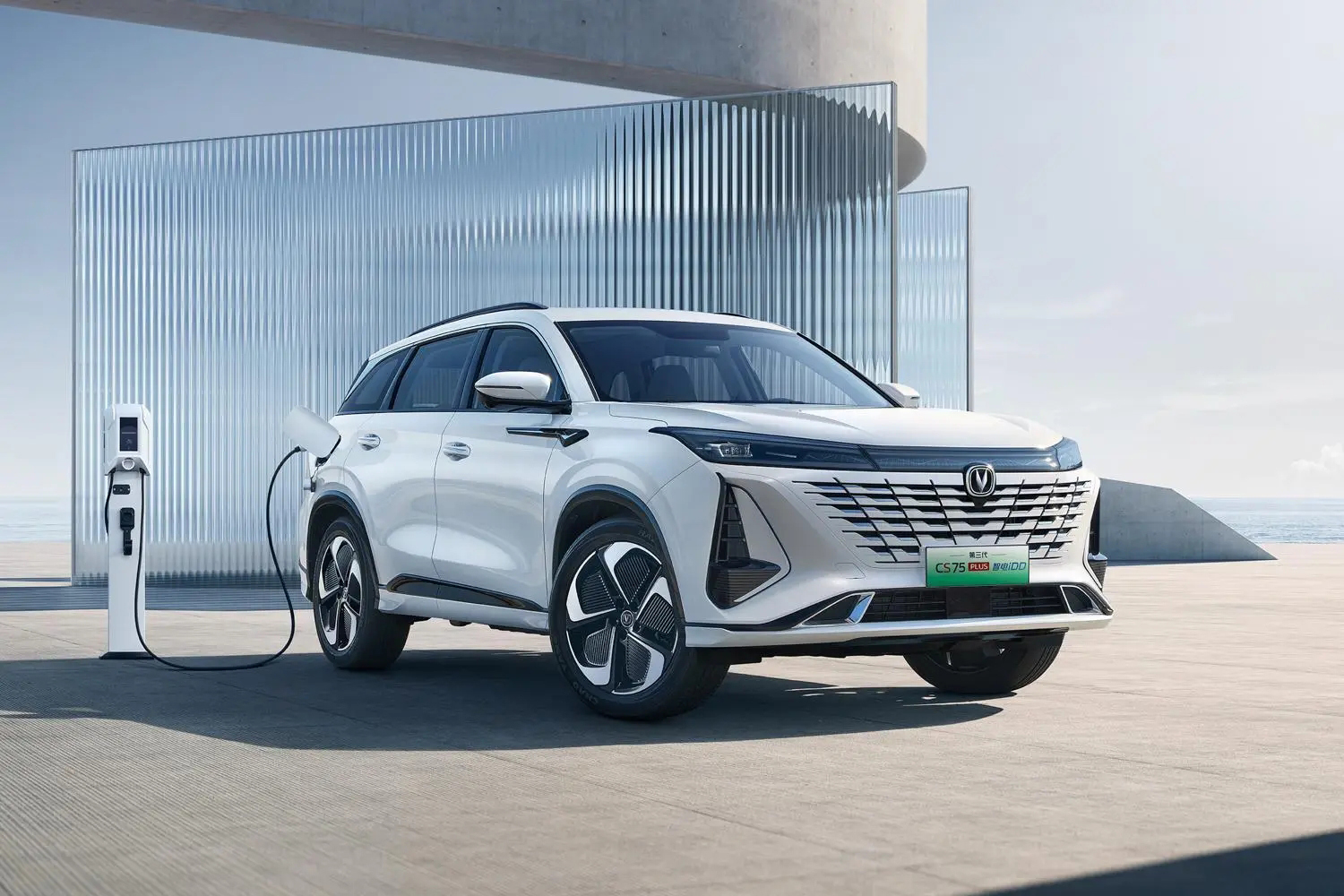
At a glance
- The Cs75 family combines a mainstream five-door SUV format with gasoline engines including 1.5T, 1.8T and 2.0T variants, plus selected 2.0L versions.
- CS75 and CS75 Plus badges, generation labels and market-specific trim names must be matched carefully before ordering.
- New units suit buyers prioritising configuration consistency, while used units suit value-led importers able to assess wear, history and mechanical condition.
- A complete export comparison should separate the vehicle price from payment terms, Incoterm, freight, duties, taxes and destination charges.
- Steering configuration and destination-market homologation must be confirmed before funds are committed.
Why the Changan Cs75 matters for export markets
The Changan Cs75 occupies a useful middle ground in the export SUV market: a conventional five-door, gasoline-powered vehicle with enough scale and equipment for family, dealer and fleet use, but without the purchase and operating complexity of a premium import. Across the family, buyers can encounter the CS75 and the visually related CS75 Plus, with second-, third- and fourth-generation designations appearing in different markets. That breadth gives importers a practical way to match a mainstream customer base, but it also makes exact generation and trim identification essential before quotation or shipment.
Global demand is driven less by a single specification than by the Cs75’s ability to serve several price-aware segments. Dealers can source lower-complexity manual versions for transport-sensitive customers, automatic and dual-clutch versions for easier urban use, and higher-feature trims for buyers seeking cabin technology. A distributor can therefore build a mixed programme rather than relying on one specification. The most export-relevant question is not simply whether the model sells well at home, but whether its dimensions, serviceability, emissions documentation and right- or left-hand configuration suit the intended market and dealer network.
For overseas buyers, Changan’s scale within China is useful because parts, production know-how and export logistics can support a broader sales programme than an obscure niche model. Yet “China V” or “China IV” on a listing describes the vehicle’s Chinese emissions classification, not automatic approval elsewhere. The Cs75 is most attractive to importers who treat specification verification as part of the purchase. A disciplined inventory plan, independent inspection and destination-specific homologation can turn a broad model family into a manageable wholesale product; ignoring those steps can leave an attractive vehicle unsellable.
- Mainstream five-door SUV format
- Broad gasoline powertrain choice
- Verify generation and trim
Model range, trims and powertrain variants: how the lineup is structured and how to choose
The lineup is easiest to navigate by separating body style from generation and equipment. The original CS75 name covers earlier models, while CS75 Plus listings may denote the later, more upscale expression of the family. Export naming combines generation labels with edition names such as Premium, Luxury, Elite, Pilot and Flagship. Those labels are useful shorthand, not an international equipment standard: a Flagship in one market may not have the same drivetrain, infotainment or safety kit as a similarly named vehicle elsewhere. Always match the VIN to the listing description and option sheet.
Stable powertrain themes include 1.5-litre turbocharged, 1.8-litre turbocharged and 2.0-litre turbocharged gasoline engines, together with some 2.0-litre naturally aspirated versions on older or entry trims. Buyers will also meet manual, conventional automatic and DCT applications across the range, depending on generation. A smaller turbo engine may offer the most straightforward operating cost and packaging proposition; the 2.0T versions generally suit buyers who prioritise effortless acceleration and a higher-grade drivetrain. No single engine serves every fleet, and the right choice should follow duty cycle, fuel availability and resale positioning in the chosen market.
Drivetrain choice is equally important. Front-wheel-drive versions dominate the family’s practical proposition, while selected trims, particularly on earlier luxury vehicles, offer all-wheel drive. AWD can improve traction in wet or poor-road conditions, but it adds complexity, tyre and servicing considerations that should be reflected in total ownership cost. For daily fleet use, an automatic transmission and front-wheel drive may simplify driver familiarisation and parts planning. For premium dealer stock or demanding terrain, the 2.0T automatic and AWD-capable configurations create a clearer distinction, subject to the exact unit’s condition and local service support.
- 1.5T, 1.8T and 2.0T options
- Manual, automatic and DCT choices
- Confirm AWD on the exact unit
New vs used Changan Cs75: how export inventory is structured and how buyers choose
Export inventory may contain new vehicles from different model years, factory-registered stock and used examples that have completed their initial working life in China. A new unit can reduce uncertainty about wear and provide a newer specification, but production timing, configuration availability and homologation status still require confirmation. A used vehicle can be attractive when the buyer’s priority is acquiring a known configuration, especially if service records, keys, tools and condition evidence are complete. The correct comparison is total acquisition and resale risk, not simply the headline condition label on paper.
For a used Cs75, inspect more than paint and mileage. Ask for the vehicle identification number, registration or import history where available, service records, tyre age and condition, underbody evidence, accident history, warning codes and a cold-start inspection. Check that the odometer reading is supported by records. Automatic and DCT units deserve attention to gear changes, warning messages and service evidence. A pre-purchase inspection is valuable for cross-border purchases because a yard drive cannot reveal suspension wear, cooling-system faults or electrical problems. Treat an undocumented used unit as a higher-risk proposition.
New inventory is preferable where the importer needs a predictable specification, warranty pathway or coordinated container programme, but buyers should not assume every new vehicle has the same factory equipment or destination approval. Ask whether the unit is exhibition, parallel-export, dealer-registered or another status, and request the production date and factory documents. For used stock, a tighter shortlist reduces inspection cost and makes it easier to compare like-for-like trim, engine and transmission. In either channel, condition reports are useful evidence, but they do not replace a pre-shipment inspection that protects the buyer’s payment.
- New units favor configuration consistency
- Used units require history checks
- Inspect before payment release
How export pricing works: the factors behind a live listing price, and how to read one
Changan Cs75 export prices are not set by the model name alone. The live asking price moves with production year, generation, trim, engine output, transmission, drivetrain, mileage and condition, while exchange-rate movements and supplier terms can alter the final amount. Freight method, port, destination, insurance, Incoterm and buyer volume also sit outside—or sometimes alongside—the vehicle price. For a used unit, service history, accident evidence and cosmetic condition can be as influential as mileage. Buyers should compare like with like and request a written quote tied to a specific VIN or listing reference.
Read each live listing as an offer sheet, not a complete landed cost. Establish whether displayed amount is FOB, CIF or DAP; whether it includes export documentation, insurance and domestic transport; and whether freight, duty, VAT or GST, port charges, inspection and destination registration are additional. Check the currency, payment schedule, validity period, and whether the seller will hold the unit before shipment. For “Changan Cs75 wholesale” enquiries, ask for the minimum order quantity, available configuration and unit price at the selected trade term rather than relying on a catalogue range.
The most useful landed-cost comparison adds the vehicle amount to international freight, marine insurance, destination handling, customs duty, taxes, port or terminal fees, inland delivery, pre-shipment inspection and the cost of correcting a specification mistake. Obtain quotations under the same Incoterm so that two offers are genuinely comparable. If a buyer plans to combine several units, request separate vehicle, consolidation and freight figures because a container-level saving may not change each vehicle’s tax treatment. Exact price, availability and MOQ are shown per unit in the live ChinaCarDirect inventory, but the binding figures must be reconfirmed in the seller’s written quotation.
- Compare like-for-like specifications
- Confirm currency and Incoterm
- Use live listings for current quotes
MOQ, ordering and payment: single units vs consolidating a container
Minimum order quantity is set at the listing or supplier level, not by a universal rule for the Cs75. Some vehicle records are sold singly, while a seller may impose a larger MOQ or require a mixed-model container for selected inventory. The live listing should state the MOQ for that unit; if it does not, treat that point as unconfirmed until the supplier signs the order or quotation. Buyers planning a trial order should ask about one-unit purchasing, the deposit, documentary requirements and whether the unit can be combined with later orders.
Consolidating a container can improve freight efficiency and create a balanced retail programme, but it raises inventory risk. A dealer may prefer several trims and powertrains rather than one configuration repeated across the container. Before loading, map each VIN to a target market and customer segment, then check whether a slow-moving trim or an RHD-only unit creates concentrated exposure. Mixed loading preserves flexibility, yet it can complicate allocation, homologation files and spare-parts planning. Calculate contribution margin after freight and financing against realistic local sell-through time, not only the vehicle price or theoretical container capacity.
An ordering sequence starts with a written specification, followed by a unit-specific quotation, pro forma invoice and payment terms. Deposit and balance stages should be tied to identifiable vehicles rather than an unspecified model, especially when units move from different suppliers to one consolidation warehouse. Confirm ownership, lien status, export eligibility and destination documents before the balance is due. A pre-shipment inspection should occur after assembly and before release. Keep the signed contract, VIN list, inspection report and shipping instructions together so the exporter, forwarder and importer work from the record.
- Confirm listing-level MOQ
- Test single-unit purchasing
- Tie deposits to VINs
Shipping, homologation and market compliance caveats: LHD/RHD and import rules by country
Steering configuration is a destination-level decision, not a cosmetic preference. Most Chinese-market CS75 vehicles are left-hand drive, while right-hand-drive demand exists in markets such as the United Kingdom, Australia, New Zealand, Japan, Thailand and parts of Africa. The Cs75 is therefore primarily a left-hand-drive export proposition unless a genuine right-hand-drive production version is offered. An aftermarket conversion can change visibility, safety expectations, warranty position and homologation status, so it should not be treated as a routine swap. Ask for the steering position in the VIN-level description and have the importer verify it before contracting.
Chinese emissions labels do not replace destination-market approval. A vehicle may need local type approval, emissions compliance, safety checks, software or cybersecurity requirements, a local VIN plate and importer documentation. Customs classification and taxes can depend on engine size, fuel type and configuration. Some used imports may have a different history from a factory-new export, creating document questions. Give the VIN, model year and intended use to a local compliance adviser or importer before ordering, then retain approval in the file. Engine performance alone is never evidence that the vehicle can be registered.
Shipping cost and time are controlled by origin and destination ports, sailing frequency, container or roll-on/roll-off method, vehicle dimensions, gross weight, securing requirements, cargo value, insurance and the chosen Incoterm. Secure loading, export clearance and customs release can take as long as ocean transit, while inspections, document corrections and port congestion can add uncertainty. Ask the forwarder for the complete route, chargeable weight or vehicle-space basis, insurance scope, estimated cutoff dates and destination charges. Keep the commercial invoice, packing or loading list, export declaration and original vehicle documents consistent before the vessel departs.
- Confirm LHD or RHD
- Verify destination approval
- Request all-in freight terms
Who should buy the Cs75 — and who should pick a different vehicle
The Cs75 fits dealers serving value-conscious SUV buyers who want a familiar five-door layout, a choice of manual or automated transmissions and enough specification variety for different budgets. It is relevant to importers building mixed fleets where vehicles will be resold or used by businesses, provided they can support the selected engine and transmission. Fleets should match the powertrain to local fuel quality, stop-start traffic, load requirements and expected annual distance. China-market familiarity can aid parts identification, but local service capability remains a separate condition of a successful export programme.
New and used Cs75 units suit different buyer logic. A new vehicle is better when consistency, model-year equipment, warranty administration and residual value matter most. A used example can be rational for a dealer seeking an established configuration, a customer prepared to accept ageing and a business willing to fund inspection and early maintenance. High-mileage units may reduce acquisition cost while increasing mechanical exposure, so margin must cover a service reserve. Conversely, a low-mileage used vehicle should be inspected because mileage alone does not disclose collision repair, flood exposure or incomplete service history.
Choose a different vehicle if the requirement is zero tailpipe emissions, plug-in hybrid range, seven-seat practicality, heavy-duty commercial use, premium refinement or off-road capability. An electric or hybrid crossover will suit markets with infrastructure and emissions policy that make combustion operation less attractive. A three-row SUV may better serve families needing extra passenger and luggage space. A pickup or purpose-built van may suit trade users, while a premium imported SUV may be easier to justify where brand prestige outweighs purchase cost. The Cs75 is strongest when price-sensitive value matters more than badge prestige.
- Best for value-focused dealers
- Match powertrain to duty cycle
- Choose alternatives for EV needs
Main rivals and how the Cs75 compares
Within the Chinese-built compact SUV segment, the Haval H6 is one of the closest alternatives. It competes for the same mainstream family and fleet attention, with a similarly broad emphasis on practicality, comfort and accessible pricing. Compared with the Cs75, the H6 may be easier to recognise in some export markets, while the Changan offers buyers additional routes into manual, automatic and higher-output configurations across generations. The decision should be made on the exact local vehicle, service coverage, homologation and after-sales parts availability rather than on badge familiarity by itself.
The Chery Tiggo 7 is another direct competitor for dealer customers shopping in the mainstream SUV segment. Both models prioritise space, modern styling and a value proposition against higher-priced imported SUVs. The Cs75’s main advantage is the breadth of its export catalogue, including older fuel vehicles, CS75 Plus derivatives and several engine and transmission combinations. A Tiggo 7 buyer may prefer a newer, more standardised model family with simpler parts planning. Neither brand removes the need to compare local certification, service intervals and resale demand for the specific destination market.
The Geely Boyue competes with the Cs75 as a Chinese-brand SUV for practical buyers and fleets seeking mainstream features rather than premium status. It can be a close short-list choice, particularly for buyers already familiar with Geely. The Cs75 offers more generations, editions and powertrain paths, helping an importer segment stock by budget and market. That variety also creates naming complexity, so the best rival is the model simpler to approve, service and resell locally—not automatically the one with the lowest purchase quote once local operating costs are compared properly.
- Compare local service and parts
- Match engines to buyer demand
- Use live quotes, not assumptions
Live Changan Cs75 export inventory
View all listings →Real units currently on ChinaCarDirect with per-unit asking prices and MOQ. Availability updates live from the catalogue.
How to buy a Changan Cs75 from China
-
1
Define the destination and operating use
Set the destination country, registration route, steering side and passenger or fleet duty cycle. These factors determine the homologation, shipping and trim shortlist before contacting sellers.
-
2
Search the live Cs75 inventory
Filter by model family, generation, engine, transmission and condition. Use each live listing for the current per-unit price, MOQ and availability rather than assuming another vehicle has the same specification.
-
3
Verify one exact vehicle
Request the VIN, production date, trim sheet, engine, transmission, drivetrain, emissions label, mileage, ownership status and service history. Make sure these details appear in the written agreement.
-
4
Request an all-in export quotation
Specify the Incoterm, destination, freight method, insurance, documentation and inspection requirements. Ask the supplier to separate vehicle, consolidation, freight and other destination charges.
-
5
Confirm MOQ and payment terms
Check the MOQ on the selected listing and repeat it in the quotation. Record deposit and balance conditions, reservation expiry, refund terms, ownership checks and export eligibility.
-
6
Complete an independent inspection
Inspect the identified vehicle for VIN accuracy, exterior condition, underbody, cold start, fluids, tyres, warning codes and document completeness. Resolve discrepancies before releasing the balance.
-
7
Ship and complete import clearance
Agree loading, port, cutoff, route, insurance and document handling with the forwarder. The importer should complete customs, duties, taxes and local registration or homologation before customer delivery.
Cs75 vs rivals
| Haval H6 | The Haval H6 is a close mainstream SUV competitor with strong recognition in some export markets. The Cs75 differentiates itself through a broad choice of generations, engines, transmissions and higher-output configurations, making it attractive for importers building mixed stock. |
|---|---|
| Chery Tiggo 7 | The Tiggo 7 competes for value-conscious family and fleet buyers seeking modern styling and mainstream practicality. The Cs75 offers broader catalogue depth, while the Tiggo 7 may appeal to distributors that prefer a newer and more standardised model family. |
| Geely Boyue | The Boyue is a direct alternative for practical Chinese-brand SUV buyers and fleet operators. The Cs75 provides more routes across generations and powertrains, but the Boyue may be simpler to approve, service and resell in certain local markets. |
Frequently asked questions
How is Changan Cs75 export pricing determined?
Price depends on production year, generation, trim, engine, transmission, drivetrain, mileage, condition, currency and the selected Incoterm. Freight, insurance, duties, taxes and destination charges may sit outside the vehicle amount. Exact price, availability and MOQ are shown per unit in the live ChinaCarDirect inventory and must be reconfirmed in the supplier’s written quotation.
What engine and powertrain options does the Cs75 offer?
The export family includes 1.5T, 1.8T and 2.0T gasoline engines, with selected naturally aspirated 2.0L versions, plus manual, automatic and DCT transmissions depending on generation and trim. The Cs75 is an internal-combustion vehicle, so electric battery range does not apply. Fuel consumption and performance should be assessed by the selected engine and real operating conditions.
Should an overseas buyer choose a new or used Changan Cs75?
A new unit is generally preferable when configuration consistency, warranty administration and predictable condition matter most. A used example can suit a value-led dealer, but the buyer should verify service history, accident evidence, underbody condition, odometer support and transmission behaviour through independent inspection.
How does the MOQ work for Changan Cs75 exports?
MOQ is set by the individual listing or supplier, not by a universal model rule. Some vehicle records can be purchased singly, while other sellers may set a larger requirement for selected inventory. Check the stated MOQ on the live listing and include the confirmed quantity, deposit and unit allocation in the written order.
What factors determine shipping time and cost?
Origin and destination ports, sailing frequency, vehicle-space or container method, cargo value, insurance, security requirements and the chosen Incoterm all affect the quotation. Inspections, export clearance, document corrections and port congestion can add time beyond ocean transit. Ask the forwarder for the complete route, cutoff dates, insurance scope and all destination charges.
How should an importer plan for Cs75 spare parts?
Obtain the original parts catalogue and identify the engine, transmission, generation and steering-side configuration of every unit before ordering consumables. Part numbers and fitment can differ across generations and market versions. Include realistic lead times, local alternative sourcing and initial maintenance items in the launch inventory and service reserve.
Is a right-hand-drive Changan Cs75 available for export?
Most Chinese-market Cs75 vehicles are left-hand drive, and a right-hand-drive unit should be purchased only when the listing explicitly confirms that configuration. An aftermarket conversion can affect safety expectations, warranty, parts planning and local homologation. Have the destination importer verify steering position and approval before placing a binding order.
How should a dealer order a Changan Cs75 from China?
Start with the live Cs75 inventory, shortlist compatible vehicles and request unit-specific quotations tied to VINs. Confirm MOQ, Incoterm, payment stages, ownership, export eligibility and destination documents, then use independent pre-shipment inspection. The final contract, VIN list, inspection report and shipping instructions should all match before the balance is released.
Ready to source the Changan Cs75?
Send an RFQ with your destination, preferred trim, powertrain, steering side and expected quantity to receive a unit-specific Changan Cs75 export quotation.
Request a quote