
Chery Arrizo 5 Export Buying Guide for Dealers and Fleets
Buy a Chery Arrizo 5 from China with expert guidance on trims, 1.5L/1.5T options, used-car checks, export pricing, MOQ, shipping and compliance.
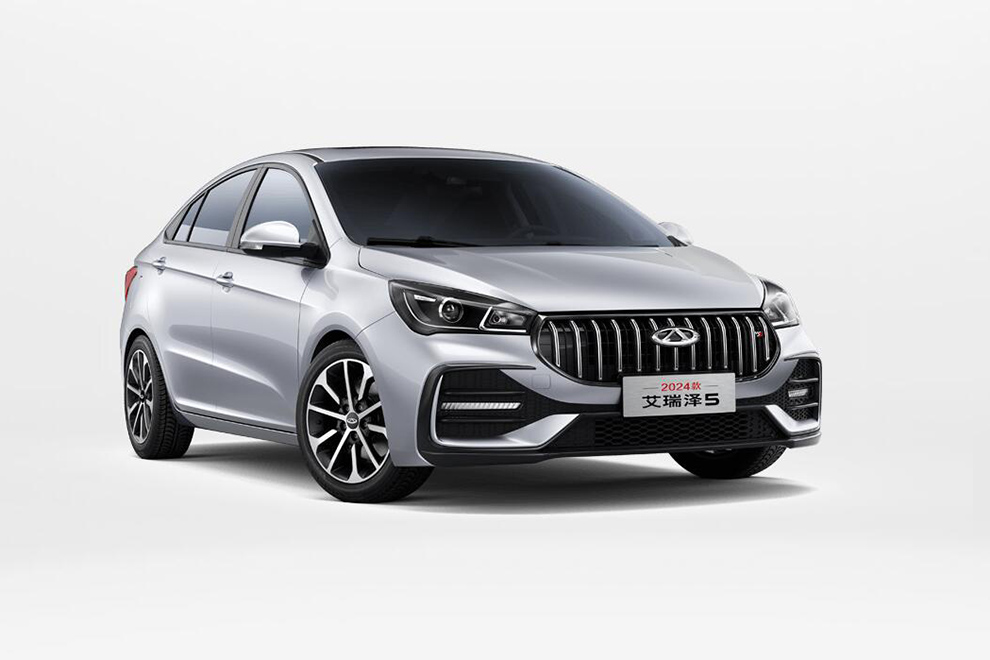
At a glance
- The Arrizo 5 is a value-oriented compact petrol sedan suited to fleet, ride-hailing and entry-level private buyers.
- The lineup combines 1.5-litre manual and CVT versions with selected 1.5T CVT variants.
- Used units can suit lower-capital buyers, while newer cars can reduce condition and specification uncertainty.
- Manual and CVT choices should be matched to driver familiarity, duty cycle and verified vehicle condition.
- Destination homologation, LHD/RHD requirements, parts access and landed cost are as important as the purchase quote.
Why the Chery Arrizo 5 matters for export markets
The Arrizo 5 occupies the compact petrol-sedan segment, offering overseas buyers a familiar three-box format aimed at value-conscious private and commercial users. For importers, it can make sense as a fleet car, a ride-hailing vehicle, or an entry-level private purchase where purchase price is only one part of the commercial case. The model gains credibility when the importer can support basic servicing, obtain spare parts, and complete destination-market approval; without that support, headline value can be undermined by downtime and compliance expense. Availability of the right transmission and hand-drive configuration matters just as much.
Global demand for the Arrizo 5 is best understood by buyer type rather than by assuming one universal sales forecast. Compact sedans are most persuasive in price-conscious markets, fleet operations and private buyers seeking more equipment than an entry-level city car. Chery branding can help an importer communicate value, but local recognition, fuel standards, spare-part logistics and dealer support will determine conversion after arrival. Therefore, test the model with a small initial batch or a single pilot unit before committing to a larger programme. That approach converts assumptions into local evidence.
The strongest market fit is where operators value straightforward packaging, predictable servicing and a broad choice of mechanical configurations. A taxi or ride-hailing buyer may prioritise durability, ease of maintenance and fuel use; a private buyer may focus more on cabin equipment, ride quality and warranty. The Arrizo 5 should not be sold on a generic Chinese-value message alone. Instead, match the exact variant to the duty cycle, then build a landed-cost model that includes registration, insurance, servicing, parts and expected downtime. Only then can a low purchase quote be translated into a credible operating proposition.
- Compact petrol-sedan positioning
- Strong fit for fleet and ride-hailing
- Pilot before scaling demand
Model range, trims and powertrain variants: how the lineup is structured and how to choose
Treat the Arrizo 5 name as a family rather than one interchangeable specification. The lineup visible for export includes 1.5-litre cars with manual or CVT transmissions, numerous named editions such as Lingchao, Lingrui, Trend, Fashion, Youth and Luxury, and facelift or PRO labels. Some listings also use Arrizo 5 GT or PLUS wording, while the 1.5T CVT Enjoy PLUS represents the turbocharged branch. These names are useful for narrowing a search, but the model year and full listing title must be checked because equipment and naming change over time. Configuration must be verified.
Transmission choice should follow the driver and operating environment. A manual appeals to buyers comfortable with a conventional gear lever, often to fleets that prioritise mechanical simplicity and straightforward maintenance. A CVT is easier for mixed-experience drivers and can suit stop-start urban work because the driver does not manage gear changes. The live quotation may make the two look very different, so compare the complete vehicle rather than assuming the manual and CVT versions have the same equipment, output, insurance category or homologation basis. Do not compare trim names alone.
The 1.5-litre versions form the core of the range, while the 1.5T CVT offering is the more performance-oriented branch. For buyers carrying heavier loads, operating on gradients, or using one vehicle across varied road conditions, the turbo model may deserve closer evaluation, but the deciding evidence should be the vehicle's own specification and roadworthiness documents. For facelift cars, check whether features described in a listing come from the original China-market configuration or from an export conversion. Never infer braking, emissions, restraint or infotainment equipment from the word “PRO” alone. Verify it directly.
- 1.5L manual and CVT choices
- 1.5T CVT performance branch
- Verify every facelift configuration
New vs used Chery Arrizo 5: how export inventory is structured and how buyers choose
New and used Arrizo 5s serve different commercial purposes, and the export marketplace should be read as a mixed structure rather than a single homogeneous catalogue. Used examples cover earlier and later model years, allowing importers to compare established configurations, while newer cars may reduce age-related uncertainty. Availability changes continuously, so the correct workflow is to search the live inventory, filter by body style and year, and shortlist individual vehicles. That is more reliable than assuming a particular model year or condition will always be in stock. It also prevents an unsuitable unit being accepted merely because it is available.
For a used Chery Arrizo 5, the listing title is only the starting point. Ask for the VIN or chassis number, verified production date, odometer reading, engine and transmission details, service records, ownership history and evidence of accident repair or flood exposure. Request clear photographs of the exterior, interior, underside, wheels, glass and instrument cluster. An independent inspection is especially valuable for an older fleet unit, because cosmetic refurbishment can conceal wear that is expensive to correct. Verify that the seller's description and the physical vehicle agree before placing a deposit. Use a written inspection checklist.
A new car is more attractive when a buyer values known condition, a defined production specification or an intact manufacturer warranty more than lowest acquisition cost. Clarify what “new” means: factory age, registration status, export preparation and delivery mileage can affect value even when the vehicle is described as new. Also check where warranty service is available and whether replacement parts can cross the border without delay. For fleet purchases, a consistent batch is often easier to manage than unrelated used units, provided the importer can absorb the higher capital and homologation cost.
- Used units require VIN-level verification
- Clarify new-car age and warranty
- Inspect before paying final balance
How export pricing works: the factors behind a live listing price, and how to read one
A Chery Arrizo 5 export price is not a fixed market tariff. It moves with model year, exact trim, engine and transmission, new or used status, mileage, condition, service history and whether the vehicle is already prepared for export. Currency movements can alter the local amount, while freight, marine insurance, terminal charges, export documentation and the chosen Incoterm redistribute costs between buyer and seller. A detailed live quote should state the vehicle identity and commercial scope; a low headline number is not meaningful if those elements are missing. Treat it as a starting point for comparison, not a completed landed cost.
Read each quote in a fixed sequence. First confirm chassis number, model year, trim, engine, transmission, mileage and condition. Next check whether the amount covers the vehicle only, port handling, inland transport, marine insurance, customs clearance and delivery to the importer's warehouse. Finally, identify the Incoterm and the party responsible for risk transfer, export declaration, terminal charges and insurance. Comparing two listings with different scopes can make the dearer vehicle look better or the cheaper one look worse when neither is actually cheaper on the same basis. Compare like for like.
Use the live Arrizo 5 listings as the binding source for each vehicle's current price and terms. Ask the seller for a written pro forma invoice and request a reason for any change between enquiry and payment. Check whether discounts are tied to a genuine line item, such as a particular unit, production age or consolidated shipment, rather than relying on a generic “wholesale” claim. For a larger order, request both a vehicle-by-vehicle schedule and the total landed estimate. That preserves auditability and makes it easier to remove, replace or approve individual units before dispatch.
- Compare complete vehicle descriptions
- Normalise every quote to one Incoterm
- Use live unit-level prices
MOQ, ordering and payment: single units vs consolidating a container
Minimum order quantity is a negotiation and listing-level term, not a universal characteristic of the model. Some export sellers may accept a single vehicle for a trial shipment; others may require several units to amortise handling or release an allocation. Confirm the MOQ attached to the exact quote, the unit type and the intended shipment method. A buyer should also ask whether mixed trims or model years can share one order, whether the MOQ applies before or after vehicle selection, and whether a reservation can be converted into a consolidated container order. Written confirmation is essential before transferring funds.
The normal ordering sequence starts with a model and equipment brief, followed by a unit-level shortlist and document request. The seller then issues a pro forma invoice stating the vehicle, price, currency, payment schedule, Incoterm, validity period and cancellation terms. After identity and vehicle checks, the buyer agrees the order and pays through the method provided in the verified invoice. Inspection should occur before final balance or release, subject to the contract. Keep the signed invoice, payment proof, export documents and vehicle identifiers together for customs and delivery reconciliation. Any departure from that sequence deserves clarification.
Container consolidation can improve freight efficiency, but it should not be pursued without controlling parts risk. Mixed years, trims, colours and condition grades make inventory harder to standardise, while a damaged or non-compliant vehicle can delay the entire group. Ask the freight provider for realistic loading units, securement requirements and the effect of a late vehicle. For a first market test, a smaller mixed batch may reduce exposure; for a proven fleet programme, a uniform batch can simplify training, parts planning and resale. Decide the tradeoff before committing to the consolidated order.
- Confirm listing-specific MOQ terms
- Use a written pro forma invoice
- Control mixed-load consolidation risk
Shipping, homologation and market compliance caveats: LHD/RHD and import rules by country
Import rules are determined by the destination country, not simply by the Chinese emissions version. Before contracting, identify whether the car must be left- or right-hand drive, and confirm whether RHD conversion is required or permitted. Then check local type approval, emissions, safety, cybersecurity, noise and equipment rules for the exact configuration. A “China VI” trim label indicates the domestic emissions naming of some versions; it does not establish approval in the destination market. Local customs, tax, inspection and registration rules should be confirmed with an authorised broker before money is committed.
Shipping cost and time depend on origin and destination ports, transport mode, vehicle condition, documentation, booking space, transshipment points and the delivery term. A complete vehicle generally moves by container or specialist vehicle carrier; the practical choice depends on available capacity, urgency and the condition of the load. Obtain freight quotations using the same vehicle description and Incoterm on every offer. Ask who arranges export clearance, terminal handling, marine insurance, customs, demurrage and delivery, and confirm the expected schedule without treating a general transit estimate as a guaranteed delivery date. Weather and congestion can also affect timing.
Document accuracy should be treated as a shipment control, not administrative cleanup after dispatch. Cross-check the VIN, engine number, model description, colour, options, value, consignee and port details against the invoice, export declaration, packing list and transport document. Confirm whether used vehicles require additional inspection, decontamination, title or ownership records in the destination. For converted RHD cars, retain the conversion invoice and evidence that safety, lighting and steering components were altered and inspected. If any field conflicts, pause clearance rather than guessing which version is correct. Verify the discrepancy first.
- Verify destination rules before ordering
- Confirm LHD or RHD requirements
- Match transport scope to Incoterm
Who should buy the Arrizo 5 — and who should pick a different vehicle
The Arrizo 5 is a strong candidate for value-focused importers, ride-hailing operators, fleet managers, regional distributors and private buyers who want a full-size sedan rather than a minimal city car. Manual variants can suit drivers familiar with them and organisations focused on mechanical simplicity. CVT versions may be easier to deploy across a wider driver pool. The turbocharged CVT branch may fit operators wanting more performance reserve, provided the buyer can judge the destination-road and load requirements from verified specifications. A local parts and service plan is essential from day one.
It is a weaker choice when the importer lacks a viable workshop and parts channel, when the destination prohibits the available configuration, or when resale depends heavily on a long-established local brand network. It may also be unsuitable for buyers whose priority is a mature residual-value history, extensive dealer warranty coverage or a vehicle already certified to local standards. Electric or hybrid fleets should not treat the petrol Arrizo 5 as a substitute when emissions rules or operating policy favour those technologies. The decision should follow duty cycle and infrastructure, not only the initial purchase quote. Avoid speculative demand assumptions.
A sound buying decision compares total cost per kilometre or per service day rather than sticker price alone. Build a worksheet covering acquisition, inland movement, port charges, freight, insurance, taxes, registration, fuel, routine maintenance, tyres, parts, downtime and expected resale. Set hard requirements for transmission, hand-drive layout, emissions evidence, warranty and inspection standard, then rank acceptable units. This framework makes the Arrizo 5 attractive when it meets operational needs at a sensible lifecycle cost, and reveals quickly when a rival's stronger residual value or service network is worth paying for. It also creates a disciplined negotiating brief.
- Best for value-focused fleet operations
- Unsuitable without parts support
- Compare lifetime operating cost
Main rivals and how the Arrizo 5 compares
The closest comparison depends on the same variables an importer would use for the Arrizo 5: compact-sedan packaging, petrol power, manual or automated transmission availability, destination homologation, parts support and total operating cost. Toyota Corolla and Hyundai Elantra are global benchmarks with strong familiarity in many markets, while Changan Eado is a closer home-market-style alternative in China's compact-sedan class. These vehicles help frame the buying decision, but brand familiarity should not be confused with local suitability. A rival only wins if its documents, service economics and resale prospects fit the market better. Price alone cannot establish that.
The Corolla generally appeals to buyers prioritising global recognition, broad service familiarity and established residual value, although the exact imported specification and price may be less flexible. The Elantra offers a similar mainstream benchmark and often strong fleet acceptance, with hybrid options in some markets that the Arrizo 5 does not match as a powertrain strategy. The Changan Eado is a more direct Chinese compact-sedan peer, useful for evaluating equipment and negotiating leverage, but its local aftersales position may differ. None is automatically superior without country-specific evidence. Review the destination variants before choosing.
Use a like-for-like matrix for any final comparison: exact year, body, engine, transmission, emissions standard, safety equipment, hand-drive configuration, warranty, verified condition, shipping scope and expected parts availability. Add the cost of local adaptation and compare realistic residual values rather than headline discounts. The Arrizo 5 is most persuasive when its purchase economics, available configuration and importability create enough operating advantage to offset a less established brand position. If it does not, a better-supported rival may be the safer commercial decision. Price the service plan, not only the vehicle before final funding.
- Corolla: familiarity and resale focus
- Elantra: fleet and hybrid benchmark
- Eado: closest domestic peer
Live Chery Arrizo 5 export inventory
View all listings →Real units currently on ChinaCarDirect with per-unit asking prices and MOQ. Availability updates live from the catalogue.
How to buy a Chery Arrizo 5 from China
-
1
Define the destination and duty cycle
Specify the destination country, LHD or RHD requirement, expected annual distance, load, passenger mix and local after-sales support before choosing a trim.
-
2
Search and shortlist live units
Use the live Arrizo 5 inventory to compare model year, engine, transmission, condition and mileage. Review each unit-level price and MOQ rather than relying on a general market range.
-
3
Request documents and a scoped quote
Ask for the VIN, production details, vehicle condition, exact equipment, pro forma invoice and Incoterm. The quote should identify every included freight, insurance, handling and clearance charge.
-
4
Inspect and verify the vehicle
Confirm the chassis number, engine and transmission, odometer, service history, ownership status and physical condition. Use an independent inspection for any used unit or a high-value fleet purchase.
-
5
Confirm MOQ and contract terms
Agree the listing-specific MOQ, deposit, balance schedule, cancellation policy, inspection conditions and release process in writing. Clarify whether a reservation can be consolidated with other units.
-
6
Complete payment and export documentation
Pay only against a verified invoice using the agreed method, then reconcile the VIN and vehicle description across the invoice, export declaration and transport paperwork.
-
7
Book freight, insure and clear delivery
Compare carriers on the same Incoterm and route, confirm who handles customs and terminal charges, and track marine insurance. Inspect the vehicle again after arrival before accepting delivery.
Arrizo 5 vs rivals
| Toyota Corolla | The Corolla generally offers greater global recognition, established service familiarity and stronger residual-value expectations, although imported specifications may be less flexible. It is preferable when long-term brand support and resale confidence outweigh the Arrizo 5's acquisition-value proposition. |
|---|---|
| Hyundai Elantra | The Elantra is a mainstream fleet benchmark with broad market recognition and hybrid alternatives in some countries. The Arrizo 5 may appeal where value and available manual or CVT configurations matter more than an established hybrid range. |
| Changan Eado | The Eado is a closer Chinese compact-sedan peer for equipment and value benchmarking. The Arrizo 5 may have a different combination of trims and service arrangements, so the better choice depends on verified configuration, parts access and local importer support. |
Frequently asked questions
How is the Chery Arrizo 5 export price determined?
The price reflects year, trim, engine, transmission, mileage, condition, new or used status, export preparation, currency movement and the selected Incoterm. Freight, insurance and port costs may sit inside or outside the quoted amount, so compare complete scopes. Current unit-level prices are shown in the live Chery Arrizo 5 listings.
What engine, transmission and range options does the Arrizo 5 have?
The Arrizo 5 is a petrol internal-combustion sedan with 1.5-litre manual and CVT versions and selected 1.5T CVT variants. Battery capacity and electric CLTC range do not apply to this powertrain. Confirm the exact engine and transmission in the selected vehicle's listing and documents.
Should an overseas buyer choose a new or used Arrizo 5?
Used cars can lower acquisition cost and are suitable for buyers comfortable with inspection, wear and model age. Newer cars may offer more predictable condition, production specification and warranty terms. The better choice depends on budget, finance, downtime tolerance and access to servicing and parts.
How does MOQ work for Chery Arrizo 5 orders?
MOQ is set by the seller, listing and shipment arrangement rather than by the vehicle model itself. Some sellers may consider a single-unit trial, while others may require a group order. Confirm the MOQ for the exact quote and obtain it in the written pro forma invoice.
What determines shipping time and cost?
Origin and destination ports, transport mode, booking space, vehicle condition, documentation, transshipment points and Incoterm allocation affect both. Obtain comparable freight quotations and ask who handles insurance, customs, terminal charges and delivery. A general transit estimate should not be treated as a guaranteed arrival date.
How should buyers plan for Arrizo 5 spare parts?
Identify the exact model year, engine, trim and market version before ordering common service items. Ask the supplier for a parts reference and confirm local catalogue availability, cross-border shipment procedures and expected lead times. Maintaining a small critical-parts buffer is sensible for fleet use.
Is right-hand-drive Arrizo 5 availability guaranteed?
No. Steering configuration depends on the individual unit, model year and seller inventory, and availability changes continually. Check the live listings, ask the seller to verify the configuration, and confirm whether destination-market conversion is permitted if an LHD vehicle is the only option.
How do I buy a Chery Arrizo 5 from China?
Start with the live inventory, shortlist suitable units and submit an RFQ with the required year, trim, transmission, hand-drive layout, condition, destination and budget. After receiving documents and a written quote, verify the vehicle, agree MOQ and payment terms, complete inspection and export paperwork, and then arrange insured freight and destination clearance.
Ready to source the Chery Arrizo 5?
Send your Arrizo 5 requirements to ChinaCarDirect for a unit-level quote and current availability.
Request a quote