
Chery Arrizo 7: Export Buying Guide for Dealers
Buy a Chery Arrizo 7 from China: compare trims, new and used units, export pricing, MOQ, shipping, compliance and rivals for value-focused overseas buyers.
At a glance
- The Arrizo 7 is a value-focused compact sedan suited to overseas dealers and fleets that need a conventional petrol model.
- Core export configurations pair a 1.6-litre naturally aspirated or 1.5-litre turbocharged engine with a manual or CVT, subject to year and trim.
- New and used cars demand different evidence: factory and warranty records for new vehicles, condition and ownership checks for used examples.
- Export price should be assessed vehicle by vehicle and landing basis by landing basis, because specification, condition, freight and Incoterm all matter.
- Destination-country approval, steering configuration, landed cost and aftersales support should be resolved before a wholesale commitment.
Why the Chery Arrizo 7 matters for export markets
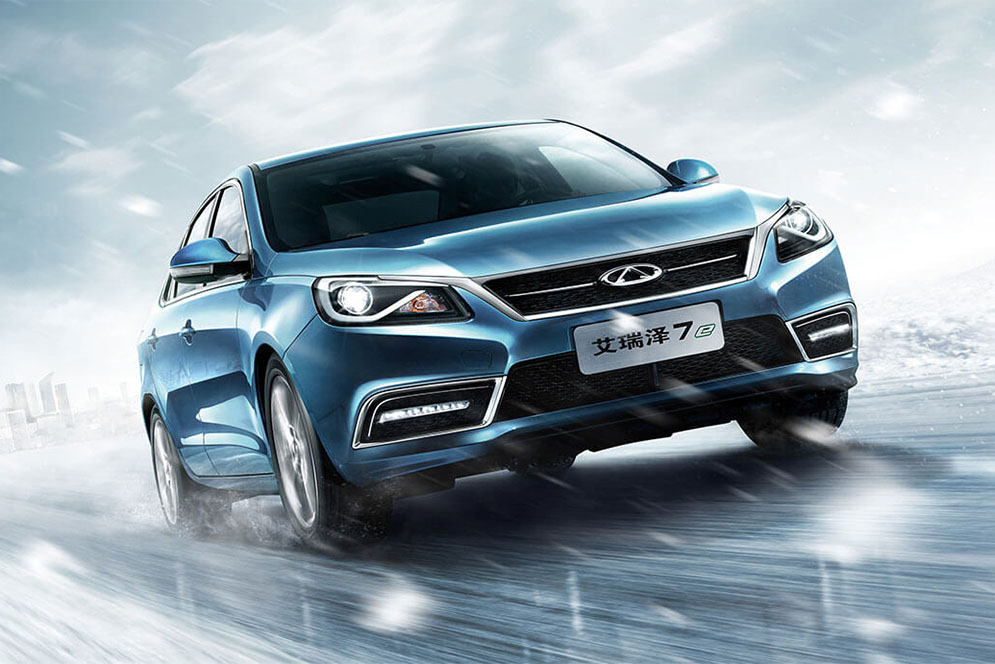
The Chery Arrizo 7 is a compact four-door sedan built for buyers who want more mainstream presence than a small saloon without moving into the cost and operating burden of a larger executive car. For overseas dealers, its export case is practical: a familiar global sedan format, a choice of naturally aspirated and turbocharged petrol engines, and manual or CVT transmissions serve passenger-car retailers, company-car programs and fleet buyers with different priorities. This creates demand in value-conscious segments seeking a recognizable sedan format without a premium-brand budget. It is not positioned as a luxury model, so value comes from packaging, procurement efficiency and keeping ownership costs under review rather than from premium features.
That positioning becomes relevant in markets where import taxes, fuel prices and replacement-car costs strongly influence the buyer’s calculation. A well-equipped compact sedan can cover family transport, executive transport and light fleet duties while remaining easier to park and manage than a large sedan or crossover. For fleet managers, the manual-versus-CVT decision and the 1.6-litre versus 1.5-litre choice can be matched to duty cycles: lower-traffic urban use may reward simplicity, while higher-speed routes may justify the turbo engine. These are starting principles, not a substitute for local tax and test-drive checks.
The Arrizo 7 also benefits from being an established nameplate rather than an obscure export-only conversion. A dealer can explain the model more easily, buyers may find parts and workshop references more readily than for a niche marque, and fleet purchasers can standardize a configuration that already exists in multiple trim combinations. However, brand recognition in the destination country still determines residual value, financing acceptance and service confidence. Export success therefore depends on local aftersales planning as much as on the vehicle itself, especially for buyers considering a concentrated wholesale order.
- Value-focused compact-sedan positioning.
- Powertrain choice follows duty cycle.
- Local support determines residual confidence.
Model range, trims and powertrain variants: how the lineup is structured and how to choose
The export-relevant range is organized around 1.6-litre and 1.5-litre petrol powertrains, with 1.5T denoting the turbocharged option. The 1.6-litre naturally aspirated engine is the straightforward choice where simplicity, predictable fuel use and serviceability are priorities. The 1.5-litre turbo engine generally places more emphasis on performance and relaxed high-speed driving, but it should be evaluated against local fuel prices, insurance, maintenance expectations and the availability of trained technicians. Buyers should compare the actual engine and gearbox on each listing rather than assuming every car with a similar marketing name is mechanically identical.
Transmission choice is equally important. Manual versions suit drivers and fleets comfortable with a conventional gearbox and can be attractive where usage is mostly local. CVT versions reduce stop-start workload and suit buyers prioritizing convenience, although the driving style, maintenance record and warranty terms still matter. Across the available export trim names, combinations include manual and CVT with 1.6-litre and 1.5-litre engines. Trim labels such as ZhiShang, ZhiXiang, Zhiling, Fashion, Leadership and Enjoyment are not standardized internationally, so equipment should be verified through photographs, option lists and the vehicle identification number.
Records may also carry an e or e-Enjoy designation, but that wording alone does not establish that a vehicle is battery electric or reveal a usable electric range. Treat such a unit as a separate powertrain due-diligence case: request the original sales brochure, engine and motor description, battery details if fitted, emissions documentation and type-approval papers. For a conventional Arrizo 7, confirm engine displacement, induction type, gearbox, drive layout, fuel, tyre specification and factory equipment before comparing vehicles. This protects overseas buyers from selecting on a badge when the underlying configuration has changed.
- 1.6-litre naturally aspirated option.
- 1.5T turbocharged option.
- Manual or CVT by trim.
New vs used Chery Arrizo 7: how export inventory is structured and how buyers choose
Live export inventory can include factory-new cars, dealer-prepared vehicles and previously registered examples under the Arrizo 7 name. These categories should not be treated as interchangeable. A new vehicle offers an unbroken delivery record from the factory, current model-year specification and a defined warranty claim process, subject to the seller’s terms and destination-market coverage. A used vehicle can reduce acquisition cost and provide an immediately available, road-proven car, but its value depends on mileage, condition, maintenance history, ownership and the completeness of its documents and the exporter’s ability to document them.
For fleet buyers, used units may fit a current budget, but they require strict inspection and consistent grade rules. New units are often preferable where fleet policy emphasizes warranty administration, low initial wear, predictable service intervals and a uniform specification. Yet the newest model year is not automatically the best purchase: a lightly used, well-maintained car with the correct gearbox may suit a high-utilization operator better than a higher-priced new example with unwanted options. The correct comparison is acquisition cost plus expected operating and downtime costs over the planned service life.
Buyers should structure that comparison around the actual export listing. For a new car, ask for the production date, VIN, delivery mileage, factory specification, warranty territory and pre-delivery inspection record. For a used car, obtain the registration title, service invoices, a condition report, odometer evidence, diagnostic scan and an independent inspection. Check that the VIN matches the dashboard and paperwork, and that no commercial use, flood damage, major accident repair or engine warning contradicts the declared condition. The live inventory should be treated as unit-specific evidence, not as proof of a model-wide condition standard.
- New: clean delivery history.
- Used: inspect condition and records.
- Match policy to acquisition route.
How export pricing works: the factors behind a live listing price, and how to read one
An export price is not a fixed model-level number. It is generated from the characteristics of the specific vehicle and the terms attached to its sale. The model year, trim, engine, transmission, mileage, condition, service history and originality all influence a used car’s value. For a new vehicle, production timing, specification and standard equipment matter more. Currency movements, the seller’s commercial terms and purchase volume can also change the quote. An apparent difference between two Arrizo 7 listings may therefore reflect different products rather than a simple bargain for the buyer.
The Incoterm determines what the quoted amount includes. A seller may present a vehicle price on an ex-warehouse basis, or quote a named port or delivered location with selected freight and insurance included. Ocean freight, terminal handling, documentation, inland transport, customs brokerage, destination taxes and duty may sit inside or outside the figure. Payment-method charges, inspection costs and spare-parts orders can also be separate. Ask for a written quotation that names the Incoterm, Incoterms 2020 place, currency, validity period, included documents and any items explicitly excluded. Never compare one delivered quote with another vehicle-only quote without rebuilding both on the same basis.
To read a ChinaCarDirect live listing, first identify the exact vehicle and confirm whether the displayed price is a seller’s asking price, a negotiated quote or an indication that requires an RFQ. Then compare the declared year, trim, transmission, condition, mileage and options with your brief. Check whether photos are recent and whether the title, VIN and sale condition are verified. Current per-unit price, availability and the seller’s minimum order quantity are binding only after confirmation in the live listing or formal pro forma invoice. Use the live Arrizo 7 inventory as the source for today’s numbers rather than relying on an old market average.
- Specification drives vehicle value.
- Incoterm defines freight scope.
- Live listings show current figures.
MOQ, ordering and payment: single units vs consolidating a container
The minimum order quantity is a property of the live seller offer, not a permanent rule for every Chery Arrizo 7 transaction. A listing may accept a single vehicle, while another seller may require a batch or only release stock to wholesalers. For a first test purchase, one-unit ordering can reduce exposure and allow the buyer to assess paint condition, fuel consumption, parts support and residual demand before scaling. Wholesale buyers planning several vehicles should nevertheless confirm whether the quantity applies to one model year, one trim, one gearbox or mixed units, because sellers may define the minimum differently.
Container consolidation changes the commercial calculation. Combining compatible cars can improve freight utilization and simplify shipping under one booking, but it also concentrates risk: one damaged vehicle, missing document set or delayed inspection may affect the group. Mixed configurations should be compatible with the target fleet and the destination’s homologation requirements. Compare the additional per-unit saving with the cost of separate bookings, longer storage, insurance, inspection and the working capital tied up in a full container. For smaller volumes, consolidated or shared freight services may be more practical than forcing a complete container.
Payment mechanics should be settled before funds move. Ask for the seller’s legal identity, beneficial ownership details where appropriate, vehicle documents, export process, refund terms and a formal pro forma invoice. Confirm whether a deposit is refundable, when the balance is due, which milestones trigger payment, accepted payment methods and who bears bank or currency-conversion charges. For used vehicles, payment against verified title and export documents is safer than relying on a generic condition promise. Keep every change—trim, VIN, freight method, port and destination—in writing, and make the final invoice mirror the accepted listing and quote.
- Check each listing’s MOQ.
- Pilot before scaling.
- Use a written pro forma invoice.
Shipping, homologation and market compliance caveats: LHD/RHD and import rules by country
Chinese-built Arrizo 7 examples are generally supplied with left-hand drive, although market and year differences can affect availability. Right-hand-drive demand does not automatically mean a right-hand-drive unit is in stock. A conversion adds cost, lead time and potential issues with steering components, pedals, display functions, safety systems and warranty coverage. A buyer needing RHD should first search the live inventory for a native example, then ask the seller to provide the steering configuration, VIN, photographs and homologation documents. After-market conversion should be treated as a separate engineering and approval exercise, not a simple visual preference.
Importing a vehicle is not the same as proving that it may legally register and operate in the destination country. The importer must check local type approval, emissions and safety requirements, VIN and manufacturer plate formats, customs classification, customs valuation, duty, VAT or sales tax, and used-vehicle age or inspection rules. Requirements differ by country and can change, so the importer or local customs broker should make the determination rather than relying on the seller’s statement. For used cars, import eligibility and emissions evidence may be stricter than for a new vehicle. Any certificate not present in China may need to be supplied, translated or replaced.
Freight cost is affected by the vehicle count, origin port and destination port, sailing schedule, carrier space, container or roll-on/roll-off method, terminal charges, insurance and customs handling. Delivery time depends not only on transit but also on inspection, document correction, port congestion, customs clearance and inland delivery. Before booking, define the shipping term, named place, cargo condition, insurance level, document list and responsibility for examination before loading. After arrival, complete local conformity checks before release or registration. Also confirm the practicality of local parts, diagnostic software and workshop support before committing to a volume order.
- Confirm steering configuration.
- Check local type approval.
- Plan workshop support.
Who should buy the Arrizo 7 — and who should pick a different vehicle
The Arrizo 7 fits dealers and fleet operators seeking a conventional, gasoline-powered compact sedan with straightforward procurement. It is especially relevant to buyers who value a manual option for lighter urban use, a CVT option for intensive stop-start work, or the choice between a naturally aspirated 1.6-litre and turbocharged 1.5-litre engine. It can suit company-car, taxi and ride-hailing programs where acquisition cost, serviceability and parts standardization matter. The strongest case is a market that accepts Chinese-brand sedans and has a credible workshop and parts plan; without that support, the lowest purchase quote may not produce the lowest operating cost.
It is a weaker fit for buyers whose priorities are governed by EV mandates, charging access, battery warranty or zero-emission urban policy. It is also not the right answer for passengers who require a large SUV’s cargo height, seven-seat flexibility, high ground clearance or all-weather toughness. Buyers focused on premium cabin quietness, advanced driver assistance, high residual values or an established multinational dealer network may prefer a rival. The model may also be unsuitable where parts availability is inconsistent or where local taxation treats the vehicle unfavorably. In those cases, choosing the lowest-cost Chinese unit can be a false economy.
Before buying, turn the use case into measurable criteria. Specify annual distance, urban share, passenger load, towing needs, fuel budget, maintenance coverage and local tax rules. Test-drive the exact transmission and check whether the vehicle’s equipment supports the intended passenger or fleet role. For a dealer, run a landed-cost model that includes inspection, port charges, local fees, expected fuel use, parts allowance and realistic resale time. For a fleet, pilot a small batch if practical, measure downtime and operating cost, and only then decide whether the Arrizo 7’s procurement value remains compelling.
- Strong for value-focused fleets.
- Weak for EV or premium needs.
- Model total operating cost.
Main rivals and how the Arrizo 7 compares
The closest comparison depends on whether the buyer is prioritizing resale confidence, brand familiarity or the lowest acquisition route. The Toyota Corolla is the global benchmark for many compact-sedan buyers because buyers, workshops and used-car traders generally understand it quickly; it may justify a higher commitment when residual demand and local service are decisive. The Hyundai Elantra is another close value-oriented peer, with a strong presence in many markets and established owner familiarity. The Arrizo 7’s counterargument is Chinese sourcing, configuration flexibility and a deliberate value position, not an attempt to erase the service and resale advantages of established rivals.
The Nissan Sylphy is relevant in markets where a conventional, comfort-oriented compact saloon has broad acceptance and a familiar parts network. Against it, the Arrizo 7 can appeal to buyers who want an alternative supply route and a more explicitly value-driven fleet specification. The trade-off is that local acceptance, technician familiarity and the availability of parts can vary more for a China-sourced marque. Buyers should compare actual vehicles rather than generic badges: check the same seat count, safety equipment, gearbox, fuel type, service interval assumptions, warranty and expected parts lead times in the destination market.
A sensible shortlist therefore tests three routes: a mainstream benchmark with the strongest resale network, a direct value rival with proven local scale, and the Arrizo 7 as the China-sourced option. Include the full landed cost and likely resale period, not just vehicle price. For fleet use, compare downtime, tyre and service assumptions and the availability of common wear parts. For retail use, test the customer’s perception of fuel quality, spare-parts cost and finance or warranty support. The best rival is not always the newest or best-equipped car; it is the vehicle that creates the lowest credible total cost in the buyer’s market.
- Corolla: familiarity and resale.
- Elantra: direct value peer.
- Sylphy: mainstream comfort alternative.
Live Chery Arrizo 7 export inventory
View all listings →Real units currently on ChinaCarDirect with per-unit asking prices and MOQ. Availability updates live from the catalogue.
How to buy a Chery Arrizo 7 from China
-
1
Define the destination and operating brief
Specify the destination country, steering requirement, local tax rules, annual mileage, passenger or fleet role, engine preference and transmission before shortlisting vehicles.
-
2
Shortlist exact live listings
Compare the model year, trim, engine, gearbox, condition and options of individual vehicles. Use the live listings for current per-unit price, availability and MOQ.
-
3
Request identity and ownership documents
Ask for the VIN, registration or title, production details, service invoices, odometer evidence, factory specification and warranty information. New and used vehicles require different document sets.
-
4
Arrange an independent inspection
For a used vehicle, inspect the engine, gearbox, underbody, accident repairs, paint, tyres, brakes and diagnostic condition, ideally with a cold start and road test. For a new vehicle, verify the pre-delivery inspection and transport damage.
-
5
Build a compliant landed cost
Request freight, insurance and handling costs under the same Incoterm, then add customs, duty, taxes, registration, inland delivery and expected aftersales expenses. Confirm destination-country type approval before shipment.
-
6
Lock the pro forma invoice and payment
Ensure the invoice identifies the vehicle or VIN, quantity, MOQ, price, currency, Incoterm, deposit, balance milestones, refund terms, documents and delivery schedule. Do not pay against a generic catalogue description.
-
7
Ship, clear and deliver with records
Book freight and insurance, confirm pre-loading inspection responsibilities, and retain the condition, shipping and customs file. Complete local conformity checks and registration before releasing the vehicles to customers.
Arrizo 7 vs rivals
| Toyota Corolla | The Corolla is the benchmark for global familiarity, parts availability and residual demand, making it attractive to buyers prioritizing resale and established service. The Arrizo 7 offers a more China-sourced, value-oriented alternative, but buyers should plan local support carefully. |
|---|---|
| Hyundai Elantra | The Elantra is a close global value-sedan peer with broad local recognition and an established parts network. The Arrizo 7 competes through alternative sourcing and configuration flexibility, while brand perception and workshop support can differ by market. |
| Nissan Sylphy | The Sylphy appeals where mainstream brand confidence and a comfort-oriented sedan format are priorities. The Arrizo 7 offers a different procurement route and explicit value positioning; compare local fuel costs, parts lead times and realistic residual assumptions before choosing. |
Frequently asked questions
How is Chery Arrizo 7 export pricing determined?
The live price is built around the specific vehicle’s year, trim, engine, transmission, mileage and condition, then adjusted for seller terms, exchange rates, freight, insurance, duties and the chosen Incoterm. A vehicle-only price cannot be compared directly with a delivered quote. Current per-unit prices, availability and MOQ are shown on the live ChinaCarDirect listings; confirm the binding figure in the listing and formal invoice.
Which engine and transmission options are available?
The core range is petrol-powered, with 1.6-litre naturally aspirated and 1.5-litre turbocharged engines offered with either a manual or CVT in different model years and trims. Exact pairings vary, so use the engine, gearbox and VIN in the individual listing rather than the trim name alone. If an e or e-Enjoy badge appears, request battery and motor documentation before assuming any electric range.
Is a used Arrizo 7 better than a new one for export?
Used cars can offer lower acquisition cost and immediate availability, but they carry condition, mileage, maintenance and title risks that must be priced and inspected. New cars provide a clearer factory delivery history and defined warranty process, although the specification, production timing and local warranty coverage must be confirmed. Choose based on total cost, fleet policy and downtime tolerance, not age alone.
What is the MOQ for Chery Arrizo 7 wholesale orders?
MOQ is set by the individual seller and live listing, not by the model name. A listing may accept one car, while a wholesale offer may be tied to a batch or matching configuration. Buyers considering used Chery Arrizo 7 stock should check the displayed minimum and request it in the pro forma invoice before paying a deposit.
What determines shipping time and cost?
Origin and destination ports, sailing schedule, carrier space, container or roll-on/roll-off method, terminal handling, insurance, customs and inland transport all affect landed cost. Timing also includes pre-shipment inspection, document corrections, port clearance and destination registration. Ask for a written quotation under a named Incoterm and place.
Are spare parts available for exported Arrizo 7 models?
Parts can generally be ordered against the vehicle’s VIN, but availability, catalog coverage and lead time depend on the destination and the seller’s stock or sourcing network. Before ordering, request a parts list for common service items and confirm local compatibility, electrical architecture and workshop support. Treat long lead times for body, electronic or model-specific parts as a risk in the landed-cost plan.
Can I buy a right-hand-drive Arrizo 7?
China-built examples are commonly left-hand drive, and native right-hand-drive availability varies by model year, market and live stock. Search the current listings and verify the steering position, VIN and homologation from photographs and documents. A conversion may add cost and affect warranty, electronics, pedals and local approval, so treat it as a separate project.
How do I order a Chery Arrizo 7 from China?
Start by defining the destination, steering requirement, engine, gearbox, budget, quantity and intended use, then shortlist the live inventory. Request a unit-specific pro forma invoice covering the vehicle, documents, Incoterm, freight, payment milestones, MOQ and delivery plan. Complete any required inspection, payment and export booking only after the VIN, condition, title and total landed obligations match the written agreement.
Ready to source the Chery Arrizo 7?
Send your destination, configuration and required quantity for a current, unit-specific Chery Arrizo 7 export quote through ChinaCarDirect.
Request a quote