
Chery Tiggo 3 Export Buying Guide for Dealers and Fleets
Compare Chery Tiggo 3 trims, used-condition options, export pricing factors, shipping requirements, compliance checks, and a practical ordering route.

At a glance
- The Tiggo 3 is a value-focused compact SUV with 1.5L and 1.6L petrol variants.
- Manual, CVT, and automatic-labelled editions support different fleet and retail needs.
- Confirm Tiggo 3 versus Tiggo 3X naming before comparing specifications.
- Used vehicles require VIN, ownership, condition, and service-history checks.
- Export pricing must be read per unit and separated from freight, duty, and compliance costs.
- RHD availability, homologation, and local after-sales support must be confirmed before ordering.
Why the Chery Tiggo 3 matters for export markets
The Chery Tiggo 3 sits in the compact SUV segment, combining a raised body and useful cargo space with dimensions that are generally easier to manage than those of larger premium crossovers. Its appeal for export buyers is practical rather than image-led: it offers familiar internal-combustion layouts, a choice of small engines and several transmission types, and a vehicle format that suits importers serving urban, regional, or fleet customers. That combination makes it relevant where buyers want SUV styling without stepping into a larger and costlier package or its operating burden.
For overseas distribution, the Tiggo 3 can fill several channels at once. A dealer may use it as an affordable fleet platform, while an importer can offer it to private buyers seeking a conventional SUV at a lower acquisition cost than many European- or Japanese-branded equivalents. The model's long-running domestic-market presence also creates a broad spread of configurations and used examples, giving buyers more ways to match gearbox, equipment, and budget. Global demand is best understood as a function of segment fit, ownership considerations, and local availability rather than a universal market trend.
Demand is strongest where the vehicle's strengths can be communicated clearly: manageable dimensions, straightforward mechanics, usable practicality, and an acquisition proposition below the premium compact-SUV bracket. It may be less persuasive in markets where buyers prioritise advanced driver assistance, electrified drivetrains, strong residual values, or established after-sales coverage. Dealers should test demand with the exact trim and transmission they can actually service, rather than relying on the broad “Tiggo 3” label. In practical terms, the model is most compelling as an adaptable value product for buyers prioritising utility and acquisition cost.
- Value-focused compact-SUV positioning.
- Assess trim, gearbox, and support.
- Document fleet running economics.
Model range, trims and powertrain variants: how the lineup is structured and how to choose
Tiggo 3 listings can carry several edition names, including Elite, Excellence, Comfort, Luxury, Fashion, and ZhiShang, but the name alone is not a complete specification. Engine displacement and gearbox appear within many titles, making them useful first filters. A critical naming check is whether the unit is described as “Tiggo 3” or “Tiggo 3X”: both names appear in export-style catalogues, yet they should not be treated as interchangeable without confirming the manufacturer designation on the vehicle, VIN, and model plate. This avoids comparing dimensions, equipment, or market approvals for different vehicles.
Two petrol-engine displacements are represented in the available naming: 1.5-litre and 1.6-litre units. The 1.5-litre versions pair either manual, CVT, or automatic terminology depending on edition, while 1.6-litre versions commonly appear with manual or CVT titles. Because “automatic” and “CVT” are not always used consistently, buyers should request transmission type, final drive, and gearbox condition rather than infer technical details from wording alone. The listing photograph, identification plate, and service record should all support the same configuration. That documentation check also helps a dealer classify the vehicle correctly for insurance and resale.
Trim choice should be treated as a hierarchy of equipment rather than a simple good-better-best ladder. Manual editions may suit buyers focused on acquisition cost and straightforward operation, while CVT or automatic-labelled versions reduce driver workload in stop-and-go traffic. Higher-sounding edition names do not by themselves prove better materials, safety equipment, or suitability for a particular country. Compare the documented equipment list, tyre and glass condition, cabin wear, and service history. For fleet tenders, consistency of gearbox and specification across units is often more valuable than a minor trim upgrade.
- Verify Tiggo 3 versus 3X.
- Engines: 1.5L and 1.6L.
- Confirm manual, CVT, or automatic.
New vs used Chery Tiggo 3: how export inventory is structured and how buyers choose
A live Chery Tiggo 3 search can include factory-new vehicles and used examples from different model years, so status cannot be inferred from the model name. Used units offer the widest age and specification spread, while new units offer a newer product specification and a different ownership profile. The relevant export question is not simply which category is cheaper; it is whether the unit's condition, documents, equipment, and homologation path match the destination and the buyer's resale plan. Every quote should therefore begin with the condition field and exact vehicle identity.
For a used Tiggo 3, condition should be assessed as a system rather than by mileage alone. Check body geometry, paint, panel gaps, glass, tyres, wheel condition, cabin wear, seat function, dashboard warnings, air conditioning, and the operation of every powered feature. Request the VIN, production date, service records, prior registration documents, and evidence that the vehicle is free from finance liens or unresolved ownership claims. A pre-shipment inspection by an independent party can reduce uncertainty, but the buyer must confirm that it covers the exact unit being purchased in detail.
New inventory is more attractive when a buyer prioritises predictable condition, current equipment, warranty administration, and fleet uniformity. It is less attractive when the destination cannot approve the Chinese specification, when the required body or gearbox is unavailable, or when the commercial case depends on acquiring an established vehicle at a lower entry cost. Used stock can deliver better value when history and condition are documented, but it carries wear, maintenance, and residual-value risk. The better choice follows from a total-cost comparison that includes preparation, compliance, repairs, shipping, and expected remarketing—not purchase price alone.
- Check VIN and ownership history.
- Inspect beyond odometer reading.
- Compare full ownership economics.
How export pricing works: the factors behind a live listing price, and how to read one
An export listing price is the output of several commercial variables, not a fixed market value for the name Tiggo 3. Model year, exact edition, engine displacement, gearbox, equipment, mileage, and physical condition usually shape the vehicle-level ask. Export-side variables then alter the landed result: exchange rate, supplier margin, inspection, inland transport, marine or roll-on/roll-off freight, insurance, destination charges, taxes, and the chosen Incoterm. Two units with similar names can therefore occupy different price positions. Buyers should compare like with like and ask for a written breakdown of what is included.
When reading a live listing, start with the unit identifier and photographs, then check the stated year, trim, engine, transmission, mileage, condition, and seller location. Confirm whether the displayed amount is the vehicle price, a deposit, or a delivered estimate, and whether freight, duty, tax, insurance, inspection, and port fees are included. Review the MOQ field and any shipping estimate separately. ChinaCarDirect's live Tiggo 3 listings are the authoritative place for current per-unit prices and availability, while a formal quotation should remain the basis for the final transaction in writing.
Price negotiation should focus on variables the seller can substantiate, not on a target drawn from another vehicle. For used stock, a documented defect, tyre replacement, service need, or equipment gap can justify an adjustment; for new stock, confirm production timing, accessories, and delivery terms. Exchange-rate movements mean a quote should carry a validity period. Buyers should separate the vehicle price from logistics and compliance costs, then model the total landed cost under the Incoterm that matches their risk and cash-flow requirements. This produces a comparable figure without treating a catalogue snapshot as a promise.
MOQ, ordering and payment: single units vs consolidating a container
A catalogue buyer should not confuse minimum order quantity with the amount needed to fill a shipping container. Some individual units may be offered without a supplier-level lot requirement, allowing a dealer or fleet operator to test demand before committing to a larger programme. That possibility must be checked on the live unit because the stated MOQ, not the model name, governs acceptance. Conversely, purchasing several vehicles does not guarantee container utilisation if their specifications, destinations, or delivery timing differ. MOQ, production or stock location, and dispatch method should be confirmed together.
Container consolidation can improve freight efficiency when several compatible Tiggo 3 units share a destination and dispatch window. A dealer might combine existing stock, but should place a separate order and payment against every VIN rather than assume one payment covers all vehicles. Ask the supplier to calculate load weight, cubic volume, lashing requirements, and the route to the final port or terminal. Mixed grades can complicate resale planning, so a spreadsheet should record each unit's trim, gearbox, condition, documents, and expected arrival before the consolidated shipment is released together.
An ordering process uses a written pro forma invoice and milestone payments tied to verifiable events. Typical stages are a deposit against the confirmed unit, inspection after production or stock verification, payment of the balance after document approval, and release against the agreed shipping terms. The buyer should verify the contracting entity, beneficiary name, invoice details, refund conditions, and assignment of each VIN before transferring funds. For used vehicles, holdback or inspection conditions are especially valuable because condition is harder to standardise. Any departure from the live listing—price, MOQ, equipment, or delivery scope—should appear in the final contract.
- Check MOQ on each unit.
- Consolidate only compatible vehicles.
- Link payments to inspection milestones.
Shipping, homologation and market compliance caveats: LHD/RHD and import rules by country
Steering configuration is the first destination-specific check. Chinese-market vehicles are commonly encountered in left-hand-drive form, while some export programs or converted inventory may be right-hand drive, but the steering position must be confirmed for each unit. RHD availability cannot be inferred from a listing title, and a conversion can affect cost, warranty, parts supply, and local type approval. Buyers should establish whether the instrument cluster, lighting, controls, and cooling equipment suit the destination. The VIN and build specification should match what the importer intends to register, not what the photographs suggest.
Export documentation does not replace destination-market homologation. Depending on the country, imported vehicles may need approval for emissions, noise, safety, lighting, software, VIN records, or type approval, alongside customs clearance, duty, tax, and registration. Rules can distinguish between a new vehicle and an older used import, so age, engine specification, and equipment may affect admissibility. Buyers should obtain a local regulatory assessment before committing, preferably through a vehicle-import adviser or homologation specialist. The supplier can provide factory and export documents, but the importer remains responsible for confirming local destination acceptance.
Shipping method, route, and Incoterm determine cost. Ro-ro or container transport suits vehicles, while heavier or irregular consignments may need specialist handling. Freight quotations depend on origin and destination terminals, vessel space, seasonality, insurance, fuel-related surcharges, port congestion, documentation, and final inland delivery. Vehicle securing, moisture protection, and access to loading equipment add operational requirements. Before dispatch, agree the responsible party for export clearance, pre-shipment inspection, loading, customs, demurrage, and delivery. Use the current live listing as the starting point, but require a route-specific freight quotation for the binding landed cost.
- Confirm steering side per vehicle.
- Validate homologation before commitment.
- Price route, freight, and Incoterm.
Who should buy the Tiggo 3 — and who should pick a different vehicle
The Tiggo 3 is a strong candidate for budget-conscious importers, independent dealers, and fleet buyers that need a non-hybrid compact SUV with manageable acquisition and operating costs. It can suit a mixed fleet where manual and powered gearboxes are both needed, provided the importer can support them with parts and trained technicians. The model is relevant to private buyers entering the SUV segment from a smaller car, especially when the dealer can document condition and provide servicing. Its business case is a clear total-cost advantage that survives local compliance, maintenance, and remarketing requirements.
It does not suit every buyer. Those seeking an electric or plug-in hybrid, high performance, a seven-seat layout, premium cabin materials, advanced driver assistance, or off-road capability should examine other products. A fleet requiring the lowest running cost may prefer an electrified crossover where charging infrastructure and tax treatment support the business case. The Tiggo 3's age or condition can weaken residual-value assumptions for used sourcing, while local rules may exclude certain older vehicles. A buyer should reject the model when the import route, servicing network, or resale economics do not work, regardless of the vehicle's attractiveness.
Before committing, test the Tiggo 3 against the use case. Write down the required seats, cargo volume, route profile, towing need, fuel availability, preferred transmission, service intervals, and maximum landed cost per vehicle. Then verify whether the chosen unit meets those requirements and whether the destination will approve it. For fleet purchases, consider parts commonality, technician familiarity, resale channels, and the availability of similar units. For dealer stock, test one or two configurations before scaling up. This staged approach converts a model proposition into a vehicle specification that can be stocked.
Main rivals and how the Tiggo 3 compares
The closest comparisons begin with compact SUVs sold on value rather than premium brand equity. Hyundai Creta occupies a similar mainstream compact-SUV position and may appeal where buyers place more weight on brand familiarity, residual perception, or established after-sales coverage. Haval Jolion is another direct value-oriented competitor offering buyers an alternative assessment of design, powertrain mix, and equipment. JAC Sehol X7 provides another Chinese-brand comparison with different styling, packaging, and technology priorities in the same broad value segment. Whichever is shortlisted, compare the exact destination-approved specification rather than relying on segment reputation or badge-level assumptions.
The Tiggo 3's relative strength is a broad mix of 1.5-litre and 1.6-litre petrol versions with manual, CVT, and automatic-labelled choices, plus trim names that can support a varied dealer inventory. Its weakness may be uncertainty over local brand recognition, parts logistics, or whether a used unit has been maintained well. Rivals can offer different strengths: a more familiar brand, a newer dashboard and safety suite, a different engine character, or a clearer parts network. Marketing badges alone do not settle the decision; the importer should compare the homologated vehicle and after-sales proposition.
A comparison sheet should record vehicle identity: Tiggo 3 versus 3X, then year, engine, gearbox, mileage, condition, equipment, steering side, and homologation status. Add landed cost, preparation, service-part lead time, technician familiarity, warranty position, and resale price. Test shortlisted vehicles against the same route and buyer profile. If the Tiggo 3 offers the lowest compliant acquisition cost and the importer can support it, it can be a wholesale selection; if another model better fits local preferences or after-sales expectations, choosing it may protect returns. The best rival meets the market and balance sheet.
- Compare homologated vehicles, not badges.
- Include parts and resale support.
- Test each rival against one use case.
Live Chery Tiggo 3 export inventory
View all listings →Real units currently on ChinaCarDirect with per-unit asking prices and MOQ. Availability updates live from the catalogue.


Chery Tiggo 8 PRO 2024 Champion Edition 390T 2WD Premium 7-Seater
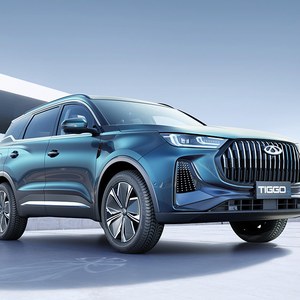
Used Chery Tiggo 7 PLUS 2023 Champion Edition 1.5 TCI CVT Extraordinary Version
How to buy a Chery Tiggo 3 from China
-
1
Define the destination and use case
Set the destination, steering side, buyer type, seating, fuel, transmission, and landed-cost ceiling. Record local import and homologation constraints before shortlisting vehicles.
-
2
Review the live inventory
Open the live Tiggo 3 inventory on ChinaCarDirect and filter by the target engine, transmission, condition, and model designation. Treat each listing's displayed price, MOQ, seller location, and availability as current unit-level information, then confirm it in a formal quotation.
-
3
Verify identity and specification
Check the VIN, model plate, year, trim, engine, transmission, steering side, equipment, and whether the unit is actually a Tiggo 3 rather than a Tiggo 3X. Reconcile every detail with the photographs and seller description.
-
4
Request a compliant landed quote
Ask for a written quotation separating vehicle price, inspection, inland transport, freight, insurance, destination charges, taxes, and compliance work. Confirm quote validity, Incoterm, delivery scope, production or stock timing, and return terms.
-
5
Inspect and approve the unit
For used vehicles, commission a pre-shipment inspection covering body, tyres, cabin, mechanical operation, VIN, and service records. For new vehicles, verify production status, factory documents, accessories, and delivery configuration before approval.
-
6
Complete payment and documentation
Use milestone payments tied to the confirmed VIN, inspection, document review, and final balance. Verify the contracting entity, beneficiary details, invoice, refund conditions, and assignment of each vehicle before transferring funds.
-
7
Book freight and release shipment
Agree the shipping method, route, Incoterm, loading window, securing, insurance, and party responsible for customs and destination charges. Release the vehicle only after all inspection, payment, documentation, and compliance conditions are satisfied.
Tiggo 3 vs rivals
| Hyundai Creta | A direct compact-SUV rival with comparable mainstream positioning; it often has stronger brand familiarity and residual perception in many markets, while the Tiggo 3 may offer a lower compliant acquisition proposition. Compare the exact engine, gearbox, safety equipment, homologation, parts supply, and dealer support. |
|---|---|
| Haval Jolion | A direct value-oriented Chinese compact-SUV competitor that provides a different design, powertrain mix, and equipment set for comparison. The Tiggo 3's established 1.5L and 1.6L manual, CVT, and automatic-labelled range may suit certain fleet needs, but local service capability should decide the result. |
| JAC Sehol X7 | A closer alternative for buyers prioritising a more contemporary visual and technology package within the Chinese-brand value segment. The Tiggo 3 may appeal where conventional configurations, used-unit selection, or fleet familiarity matter, but both require local homologation and after-sales verification. |
Frequently asked questions
How is Chery Tiggo 3 export pricing determined?
Export pricing is calculated from the vehicle's year, trim, engine, gearbox, mileage, condition, equipment, and the seller's commercial terms. Freight, insurance, inland transport, destination charges, exchange rates, taxes, and the Incoterm then affect the landed cost. Review the live ChinaCarDirect Tiggo 3 inventory for the current unit-level ask and use a written quote for the binding price and inclusions.
What engine and transmission options are available?
The catalogue naming shows 1.5L and 1.6L petrol engines, with manual, CVT, and automatic-labelled editions. Exact output, drivetrain, and mechanical condition are not established by the trim name alone, so confirm them from the live listing, VIN, photographs, and service records.
Are used Chery Tiggo 3 vehicles better value than new ones?
Used units can offer a lower entry cost and broader configuration choice, but they carry condition, maintenance, history, and residual-value risks. New units generally simplify condition and fleet uniformity, yet may be harder to source in the required specification or destination approval. Compare total expected costs, including preparation, compliance, repairs, and remarketing.
What is the MOQ for Chery Tiggo 3 orders?
MOQ is controlled by the supplier and shown on each live unit, not by the model name. A single-vehicle purchase may be possible when the listing permits it, while a consolidated container order can require several compatible units. Confirm the quantity, unit allocation, payment, and dispatch conditions in the written quotation.
What factors affect shipping time and cost?
Shipping time and cost depend on origin and destination, vessel or ro-ro availability, port handling, congestion, insurance, documentation, seasonality, and inland delivery. Vehicle securing and the chosen Incoterm also shift responsibility and expense. Request a route-specific freight quote rather than relying on a general estimate.
Can spare parts be ordered for the Chery Tiggo 3?
Parts support depends on the destination, model year, exact version, and the supplier's stock. Confirm part numbers against the VIN and ask whether left- and right-hand components, service items, and aftermarket alternatives are available before committing to fleet scale. Long-term parts planning matters more for volume buyers.
Is right-hand-drive availability guaranteed?
RHD availability varies by source unit and cannot be inferred from the Tiggo 3 name. Some Chinese-market stock may be LHD, while right-hand-drive or converted examples require separate confirmation and may affect approval, cost, warranty, and parts supply. Check the steering configuration for every unit before ordering.
How do I buy a Chery Tiggo 3 from China?
Start with the live Tiggo 3 listings, identify the exact VIN and trim, and request a unit-specific export quotation. Verify documents, condition or production status, MOQ, payment milestones, and freight scope, then inspect where required before final payment. Release the shipment only after the agreed inspection, homologation, and payment conditions are satisfied.
Ready to source the Chery Tiggo 3?
Send your Tiggo 3 specification and destination for a unit-specific quote covering current pricing, MOQ, condition, documentation, and freight terms.
Request a quote