
Chery Tiggo 7 Plus Export Buying Guide for Dealers
A practical Chery Tiggo 7 Plus export guide for overseas buyers, covering trims, new and used vehicles, pricing factors, MOQ, shipping and market compliance.
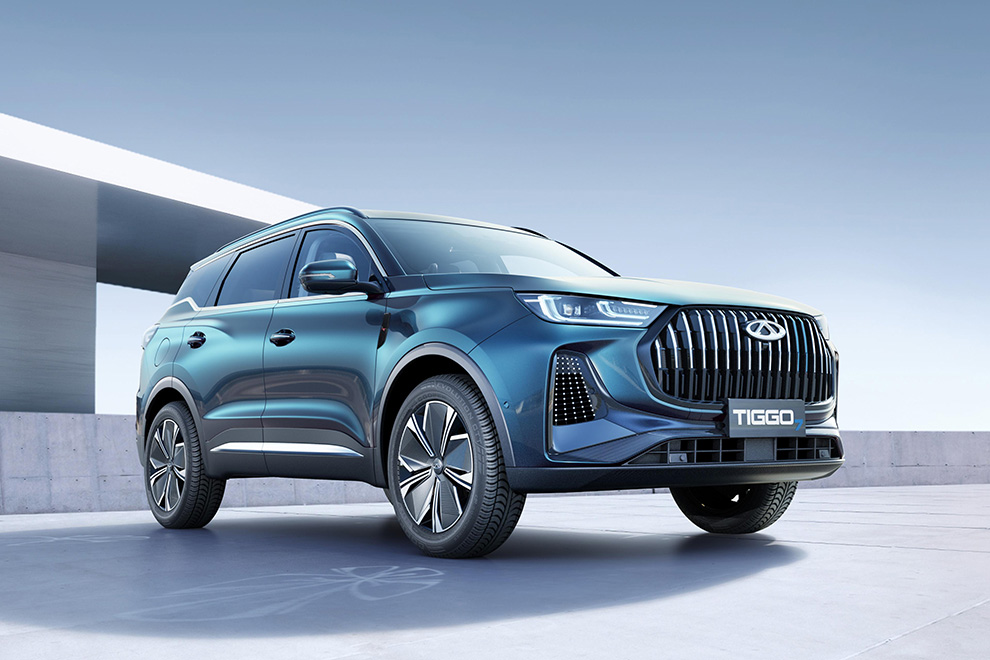
At a glance
- Specifications span 1.5T and 1.6TGDI gasoline engines with manual, CVT or DCT choices.
- The model family covers multiple luxury and equipment grades for different market needs.
- New units favor consistency, while used units suit buyers able to inspect and refurbish.
- Export pricing follows specification, condition, logistics, currency and Incoterm.
- Current unit price, availability and MOQ are confirmed on live listings.
Why the Chery Tiggo 7 Plus matters for export markets
The Chery Tiggo 7 Plus is a gasoline-powered compact SUV for buyers seeking a Chinese crossover with a choice of turbo engines and transmissions. For export markets, its relevance is clear: it combines an accessible vehicle format with 1.5T and 1.6TGDI options, manual and automated choices, and multiple equipment grades. That makes it easier to match a vehicle to purchasing budgets and operating needs without changing model family. For dealers, the appeal is not one specification but the flexibility to build an SUV programme around different powertrain and equipment needs, subject to homologation.
Export demand is strongest where buyers want the size, elevated seating and equipment level of a modern SUV, but need a more manageable operating model than a large premium crossover. The Tiggo 7 Plus fits that middle ground. Its lineup naming can look complicated to an overseas buyer, yet the logic is familiar: an entry-oriented 1.5T, a powerful 1.6TGDI, and manual, CVT or DCT transmission choices depending on market and trim. That breadth is useful for importers building a price ladder, although it also makes trim verification essential before quoting to customers.
The model gives fleet and dealer buyers a way to separate transport needs from higher-spec requests. A manual or CVT-equipped version may suit cost-conscious purchasers, while a 1.6TGDI with DCT can serve customers prioritising performance and convenience. These are configuration differences, not claims: equipment, software and homologation can vary by production batch and destination, so each quote should identify the vehicle rather than rely on the model name. The relevant export question is not which trim is best, but which documented version can be registered, serviced and supported in the target market.
- Multiple powertrains, one model family.
- Manual, CVT and DCT priorities.
- Verify destination-market equipment.
Model range, trims and powertrain variants: how the lineup is structured and how to choose
The lineup is organized around three powertrain pathways: 1.5T gasoline engines with manual or CVT transmissions, 1.6TGDI gasoline engines paired with DCT, and named Champion or Kunpeng editions that apply equipment or branding to combinations. Trim labels such as Luxury, Premium, Prestige, Extraordinary and New Enjoyment indicate hierarchy, but they are not standardized descriptors. Export buyers should treat them as seller nomenclature until the specification sheet is reviewed. A listing should be checked for engine code, transmission type, axle layout and equipment before an importer treats similarly named vehicles as interchangeable.
For a buyer, the 1.5T is the lower-displacement branch of the range and may appear with a manual gearbox for markets or fleets focused on operation and purchase cost. CVT versions provide a convenience proposition. The 1.6TGDI-DCT combination is the higher-output branch and aligns with buyers seeking more performance and automatic shifting. Because output figures, drivetrain and market equipment can differ, compare documents rather than assuming each 1.6TGDI has the same specification. A request for VIN-level photographs, key documents and an equipment list should be standard practice before balance payment.
Edition names add a decision layer. Champion examples in the range appear with both 1.5TGDI-DCT and 1.5 TCI-CVT descriptions, while Kunpeng branding appears with 1.6TGDI-DCT. A label containing a performance or distance reference should not be translated into an engine, battery or range conclusion without documentation. The safest selection process is to define the destination market first, then request the VIN, engine designation, gearbox, driven axle, equipment list and certification documents for every shortlisted vehicle. That sequence prevents an attractive badge from substituting for a vehicle that can actually be imported, insured and registered.
- 1.5T: manual or CVT.
- 1.6TGDI: DCT.
- Verify editions by VIN.
New vs used Chery Tiggo 7 Plus: how export inventory is structured and how buyers choose
Export sourcing for the Chery Tiggo 7 Plus can include both new and previously registered vehicles, so a buyer should choose the channel rather than assume units represent a new export. New vehicles often offer the latest production specification, minimal mileage and a warranty pathway, subject to the seller’s terms. Used vehicles can provide an acquisition route and are attractive where a buyer accepts earlier technology, visible wear or a shorter warranty period. The relevant comparison is not sticker price alone, but purchase cost, preparation, financing, downtime and resale risk over the vehicle’s service life.
For a dealer launching the model, one carefully inspected used vehicle can be useful as a local demonstrator or as a low-cost first inspection unit. It is less suitable when the buyer needs identical specification, colour, warranty and condition across a whole batch. New inventory gives stronger consistency for fleet presentation, but buyers must still check production date, option list, paint condition and delivery status because “new” does not eliminate all pre-delivery variation or logistics risk. A fleet contract should also state whether the model year, specification and warranty must match.
Used units require a more forensic buying process. Review the VIN, registration history, service records, accident and flood indicators, cold-start behaviour, brake wear, tyres, suspension, engine mounts, transmission operation, emissions equipment and any evidence of repainting or steering-wheel wear. Ask for an independent inspection and a mechanic’s report, then price the likely rectification into the landed cost. New units need fewer condition checks, but still require document and delivery verification. For either condition, reconcile the seller’s description with the VIN, the physical vehicle and every export document before fully releasing funds.
- New: consistency and warranty.
- Used: history and condition checks.
- Compare lifecycle cost.
How export pricing works: the factors behind a live listing price, and how to read one
A Chery Tiggo 7 Plus export price guide should explain how a live quote is assembled rather than publish a figure that may become misleading. The vehicle price reflects model year, exact trim, engine and transmission, mileage and condition for used units, history, equipment, colour and the seller’s terms. Exchange rates and market demand can influence the asking level. A used vehicle and a newer or higher-spec vehicle are not comparable on price alone. The same badge can conceal differences if production dates or condition reports are missing.
Freight and costs relate separately to the vehicle price depending on the agreed Incoterm. An EXW quote leaves the buyer to arrange inland transport, export handling, ocean freight, insurance, customs and onward delivery. FOB, CIF and similar terms shift a set of costs and risks to the seller, but they do not eliminate destination charges. Compare offers with the same port, currency and delivery term; otherwise, a lower vehicle amount may produce a higher landed cost. Confirm whether port charges, terminal fees, documentation, inspection and registration are included or separately invoiced.
Read each live listing as a configuration document. Check the VIN, model year, trim wording, engine, gearbox, mileage, condition notes, images, documents, seller location and quote validity. Ask whether the displayed amount is the unit selling price, whether it includes domestic transport and export clearance, and which Incoterm applies. Current binding price, per-unit availability and any MOQ must be confirmed on the live ChinaCarDirect inventory rather than inferred from this guide. For a Chery Tiggo 7 Plus wholesale purchase, request a pro forma invoice that reconciles the vehicle, freight, insurance, taxes or duties, and every fee.
- Match year, trim and gearbox.
- Normalize currency and Incoterm.
- Check live price and availability.
MOQ, ordering and payment: single units vs consolidating a container
The minimum order quantity for a Chery Tiggo 7 Plus depends on seller terms, not a universal rule attached to the name. A marketplace listing may permit a single-unit inquiry, especially for a used vehicle, while a new-vehicle batch or mixed container program may carry a seller-defined MOQ. Because terms can change by vehicle and transaction, buyers should ask for the MOQ attached to the listing and have it written into the quotation or pro forma invoice. Do not treat a marketplace minimum as binding without checking the selected unit and supplier.
Single-unit buying is useful for market testing, dealer demonstrations and importers who need one vehicle before committing to volume. A container-consolidated order can reduce unit freight and handling costs, but it demands specifications, coordinated inspections and cash for deposits, documents and freight. Mixed-model loading may be possible in principle, yet it complicates allocation, customs records, warranty handling and the timing of each shipment. Benefits must be shown in a consolidated landed-cost calculation. A smaller mixed order can preserve budget flexibility, provided every vehicle has an agreed sale specification and inspection standard.
Payment structure is as important as quantity. Common negotiating points include a deposit to reserve production or inventory, a balance due after inspection and before release, and payment against original documents or shipment terms. Confirm the currency, beneficiary, bank charges, refund conditions, cancellation terms, inspection standard and documentary timeline in writing. Prefer protected payment arrangements where available, verify bank instructions through a second channel, and never rely solely on a message containing payment details. For larger programs, align payment milestones with actual vehicle readiness rather than optimistic shipping assumptions alone.
Shipping, homologation and market compliance caveats: LHD/RHD and import rules by country
Chinese-market Chery vehicles are commonly left-hand-drive, but that does not settle suitability for every destination. Right-hand-drive availability must be confirmed for the listing and production batch; it should not be assumed from the model name. Some importers use approved conversion or local production routes, which can alter equipment, warranty, lead time and approval status. A steering-side mismatch should be resolved before payment, not treated as a port adjustment. Ask for photographs of the steering wheel and VIN plate, then have the seller state whether it is factory RHD, LHD or converted.
Homologation is country-specific. Depending on the destination, imported vehicles may need approval against local emissions, safety, noise, lighting, type-approval, cybersecurity or software-update rules, as well as age restrictions. Requirements can cover emissions-system integrity, VIN matching and proof that the model and trim were type-approved. An importer should confirm the rule set with a conformity specialist or customs broker, and treat any homologation claim as documentary rather than verbal. The same export unit that is attractive in one country can require modification, additional testing or a different homologation pathway in another.
Shipping method, port and route affect cost and timing. Finished vehicles are commonly moved by roll-on/roll-off vessel or enclosed container arrangements, while the appropriate option depends on available equipment, dimensions and cargo handling. Obtain a routing proposal showing origin charges, freight, insurance, destination terminal fees, customs clearance, inland haulage and delivery. The minimum vehicle price is therefore not the budget. For parts, check whether the supplier can support engine, transmission, brakes, suspension, body panels and electronics through the destination dealer network. Service-part availability is a purchasing criterion, not an afterthought.
- Confirm factory steering side.
- Check destination conformity rules.
- Price logistics and clearance.
- Verify local parts support.
Who should buy the Tiggo 7 Plus — and who should pick a different vehicle
The Tiggo 7 Plus is a candidate for a dealer or fleet buyer that needs a compact SUV, wants access to 1.5T and 1.6TGDI choices, and values a ladder of equipment grades. It is useful for a staged market entry: a small mixed order can test demand before a larger container commitment. Buyers should have access to servicing and a plan for parts, warranty handling and residual-value risk. Its appeal is greatest where local homologation is straightforward and the vehicle’s running costs can be supported by the importer’s workshop relationships.
It is less suitable for buyers whose brief requires a battery-electric drivetrain, a luxury finish, a heavy-duty commercial platform or guaranteed towing and payload figures that have not been verified. Those requirements should not be inferred from the SUV format. Likewise, a buyer seeking driver-assistance features, smartphone integration or warranty support should request the exact equipment list, because the same trim label can represent different market-year hardware and software. If these priorities dominate, compare a purpose-built alternative rather than paying for a vehicle that only partially meets the use case.
Used Tiggo 7 Plus vehicles suit a budget-conscious buyer who can absorb inspection and refurbishment work, provided the importer has the capability to assess wear. New units suit operators that place more weight on consistency, low mileage and the warranty route. Before either choice, calculate the total cost over the holding period, including purchase, freight, taxes, insurance, registration, fuel, servicing, downtime and resale. A lower acquisition price can be the more expensive operating choice. For fleets, a pilot vehicle and a defect-remediation process are preferable to assuming units will perform identically.
Main rivals and how the Tiggo 7 Plus compares
Export-market alternatives depend on the destination, because Haval, Changan, Geely and Chinese-brand SUV programmes are assembled and equipped differently by market. The Haval H6 is a benchmark for buyers comparing turbo-powered family SUVs; the Changan CS75 Plus is an alternative for those prioritizing a comfort-focused presentation; and the Geely Atlas is a benchmark for brand familiarity and international distribution. Compare homologated versions, not showroom assumptions from another country. Fuel, warranty, software and after-sales terms can change across export destinations, so the comparison must be made on the quotation.
Against the Haval H6, the Tiggo 7 Plus differentiates through a visible choice of 1.5T and 1.6TGDI engines and manual, CVT or DCT transmissions, depending on trim. That breadth can help an importer build a clearer price ladder. Haval may be the better fit where its local dealer network, residual demand or service package is stronger. The decision should follow verified equipment, landed cost and support—not badge familiarity or brochure content. A direct VIN-by-VIN comparison before funds are committed prevents a higher trim name from obscuring a less complete specification.
Against the Changan CS75 Plus, the Tiggo 7 Plus offers powertrain choices and editions for buyers who want Chinese-brand ownership without settling on a competitor. Changan may appeal where its equipment, cabin presentation or support lead the market. Against the Geely Atlas, Chery’s lineup flexibility and variety can be the deciding factor, while Geely may offer recognition in regions. In every case, compare registration, parts, fuel economy, warranty and resale before ordering. The Tiggo 7 Plus is competitive when its configuration and landed cost are stronger for that market.
- Haval H6: compare network and demand.
- CS75 Plus: compare comfort and support.
- Geely Atlas: compare recognition and support.
Live Chery Tiggo 7 Plus export inventory
View all listings →Real units currently on ChinaCarDirect with per-unit asking prices and MOQ. Availability updates live from the catalogue.
How to buy a Chery Tiggo 7 Plus from China
-
1
Define the destination and use case
Start with the destination country, driving side, import category and fleet requirement. This determines the applicable homologation, shipping, insurance and registration steps before a trim is selected.
-
2
Choose the engine, gearbox and trim
Decide whether a 1.5T with manual or CVT, or a 1.6TGDI with DCT, matches the target market. Request the VIN-level specification because trim names are not internationally standardized.
-
3
Shortlist the live inventory
Review current Tiggo 7 Plus listings by model year, trim, engine, transmission, condition, mileage and seller location. Confirm unit-level availability directly on the live inventory.
-
4
Verify the vehicle and documents
Request VIN photographs, ownership and title records, service history, maintenance records, equipment lists, dimensions and conformity documents. For used vehicles, commission an independent inspection.
-
5
Request a normalized landed quote
Ask for written prices using the same currency, Incoterm, origin port and destination. Separate the vehicle cost from freight, insurance, terminal and customs charges, taxes or duties, inland delivery and registration.
-
6
Agree MOQ, payment and inspection
Confirm the binding MOQ, deposit, balance trigger, inspection acceptance standard, refund terms and required documents in writing. For a consolidated order, allocate units by agreed specification and inspection result.
-
7
Book freight and complete the import
Arrange shipping only after the vehicles and documents are ready, then track the shipment, clearance and inland delivery. Confirm the local parts and warranty channel before the first vehicle is delivered.
Tiggo 7 Plus vs rivals
| Haval H6 | The Haval H6 is one of the closest Chinese-brand SUV alternatives for mainstream buyers. The Tiggo 7 Plus stands out through its 1.5T and 1.6TGDI options and manual, CVT or DCT choices, while Haval may lead in local network strength and residual recognition. |
|---|---|
| Changan CS75 Plus | The CS75 Plus competes for comfort-focused family crossover buyers. Choose the Tiggo 7 Plus when its wider powertrain and edition options create better market fit; choose Changan when its local equipment and support package are stronger. |
| Geely Atlas | The Geely Atlas is a credible rival for buyers prioritizing brand recognition and international distribution familiarity. The choice turns on local support, parts and resale as much as configuration flexibility. |
Frequently asked questions
How is the Chery Tiggo 7 Plus export price determined?
A live quote reflects model year, trim, engine, transmission, mileage, condition and the seller’s commercial terms. Freight, insurance, port handling, customs, taxes or duties, exchange rates and the Incoterm then affect the landed cost. Current binding price and availability should be read from the live ChinaCarDirect inventory.
Which engine and transmission options are available?
The range includes 1.5T gasoline versions with manual or CVT transmissions and 1.6TGDI versions paired with DCT. Champion and Kunpeng editions apply to particular combinations. Exact output, drivetrain and equipment should be checked against the VIN and destination-market documents.
Should an overseas buyer choose a new or used Chery Tiggo 7 Plus?
New vehicles generally provide greater specification consistency, low mileage and a clearer warranty route. Used vehicles can reduce acquisition cost but require VIN checks, service-history review, independent inspection and a repair allowance for wear. The better choice depends on fleet consistency, cash flow, downtime and expected resale.
What is the MOQ for a Chery Tiggo 7 Plus order?
MOQ is agreed for the selected listing or batch, not fixed by the model name. A single-unit inquiry may be possible for some vehicles, while a container program can require a seller-defined quantity. Confirm the binding MOQ in the current written quotation.
How long does shipping take and what does it cost?
Shipping time and cost vary with the origin and destination ports, vessel space, vehicle-loading method, route, insurance, terminal handling, customs and inland delivery. Request a port-to-port or door-to-door routing proposal rather than comparing the vehicle amount alone.
Can spare parts be supplied for an exported Tiggo 7 Plus?
Ask the supplier whether parts can be ordered against the VIN and which items are held locally. Confirm availability, lead time and procedure for engine, transmission, brake, suspension, body and electronic components. Also establish how warranty claims and faulty-part returns will be handled.
Is a right-hand-drive Chery Tiggo 7 Plus available?
Chinese-market examples are commonly left-hand-drive, so RHD availability should never be assumed. Confirm the factory steering side for the exact listing and production batch. Approved conversion or local-production routes may be alternatives, but they can affect equipment, warranty, lead time and approval status.
How do I buy a Chery Tiggo 7 Plus from China?
Shortlist suitable units from the live listings, then send an RFQ stating the destination, quantity, preferred trim, gearbox, condition and required Incoterm. The seller should provide a unit-level quotation, binding MOQ, payment schedule and document list before you inspect, pay the balance and release the vehicle for shipment.
Ready to source the Chery Tiggo 7 Plus?
Send your destination, preferred trim, transmission and quantity for a current unit-level RFQ through ChinaCarDirect.
Request a quote