
Chery Tiggo 8 Plus Export Guide for Overseas Buyers
Compare Chery Tiggo 8 Plus trims, powertrains, seating and export pricing, then plan MOQ, shipping and compliance for overseas buying from China.

At a glance
- The Chery Tiggo 8 Plus is a midsize family SUV suited to passenger-heavy private and fleet use.
- The range includes 290TGDI and 390TGDI DCT gasoline versions plus 1.5T e+ plug-in hybrids.
- Trim and seat labels include five-, six-, and seven-seat configurations for targeted importer ranges.
- Export pricing must be assessed by specification, condition, logistics, Incoterm, tax, and compliance.
- China-origin LHD and RHD availability must be confirmed for each destination market.
Why the Chery Tiggo 8 Plus matters for export markets
The Chery Tiggo 8 Plus occupies the middle ground between a compact crossover and a large family SUV. Its relevance to export markets comes from generous passenger space, multiple seating configurations and a choice of conventional gasoline or plug-in hybrid drivetrains. That makes it useful to distributors serving family-oriented private buyers, chauffeur or executive fleets, and operators that need a comfortable road vehicle without moving into a full-size off-road model. It is not positioned as a niche performance SUV; the commercial case rests on space, equipment and operating convenience for dealers.
Export interest is reinforced by the breadth of the Chinese-market range. Trim labels such as Haoting, Luxury, Prestige and Passion provide an equipment ladder, while the listed portfolio includes 290TGDI DCT models, Kunpeng editions with 390TGDI DCT, and 1.5T e+ plug-in hybrids. Seat-count labels also appear in five-, six- and seven-seat forms. For overseas buyers, this variety allows an importer to build a tailored range for different income levels and fleet duties, provided each export variant is checked for local homologation rather than assumed interchangeable before committing to any stock order.
The model must also be judged as an export product, not only as a showroom vehicle. Buyers should ask whether it has the required steering configuration, whether engine and emissions documentation matches the destination, and whether spare-part support can be established. A broad trim range can advantage a dealer, but it also creates configuration complexity. The strongest export proposition is therefore a vehicle whose seat count, powertrain, equipment and paperwork have all been successfully matched to one defined market before freight and import costs are committed.
- Five-, six-, and seven-seat variants.
- Gasoline DCT and 1.5T e+ PHEV branches.
- Export fit depends on homologation and parts.
Model range, trims and powertrain variants: how the lineup is structured and how to choose
Start by separating names that identify the mechanical family from those indicating equipment or seating. The 290TGDI DCT designation appears across Haoting, Luxury, Prestige, Passion, Comfort and other editions, indicating a common powertrain/transmission pairing with differing feature sets. The 390TGDI DCT designation is attached to Kunpeng Edition Passion and Premium variants. Five- and six-seat labels are visible in the 290TGDI range, while a seven-seat version appears on a Champion Edition trim. These labels narrow a search, but they do not replace the VIN and build specification sheet for the actual unit.
The PHEV branch is identified by 1.5T e+ nomenclature, including Comfort and WindStyle editions, while another listed variant carries a 116 km designation. Treat that number as a model-specific claim, not a universal range rating: test cycle, trim, weather, speed and destination-market homologation can change how it is presented. Buyers should request traction-battery capacity, usable charging method, AC and DC specifications, fuel-consumption data and emissions class. They should also verify that charging hardware and software suit the destination market before the vehicle is imported, registered, or offered for local sale.
A disciplined selection starts with the operating environment. Choose an e+ plug-in hybrid only where drivers have dependable charging access, tax treatment is understood, and the vehicle will complete enough daily distance to justify the additional system. Otherwise, a gasoline 290TGDI or 390TGDI DCT version may be simpler. Then match seating to the mission: five seats for a smaller executive fleet, six for selected passenger configurations, or seven where a third row is essential. Finally, compare equipment against local expectations and request proof for safety systems, infotainment, tyres and factory options.
- 290TGDI DCT spans multiple equipment trims.
- 390TGDI DCT appears in Kunpeng editions.
- 1.5T e+ denotes the plug-in hybrid branch.
New vs used Chery Tiggo 8 Plus: how export inventory is structured and how buyers choose
A new and a used Tiggo 8 Plus should be evaluated as different procurement products, even when they carry similar trim names. A new vehicle is normally described by model year, factory specification and declared condition, while a used vehicle may have completed registration in China and can carry mileage, wear or repair history. For a new vehicle, ask about production date, factory configuration, paint, delivery status and applicable warranty. For a used vehicle, condition and documentary integrity matter more than the marketing label, which alone proves nothing about condition.
For a used export vehicle, ask for the VIN and registration documents, then reconcile the odometer with service records and photographs. Inspect the body for panel repair, paint variation, structural damage and underbody corrosion; check tyre age and wear; and listen for abnormal engine or transmission behavior. For a DCT-equipped car, include a thorough road test and confirmation of service history. PHEV units need additional scrutiny of battery condition, charging equipment and hybrid-system warnings. An independent inspection is more valuable when the seller cannot answer questions in one consistent document set.
New inventory can reduce specification uncertainty, but it may still arrive with an unexpected option, production date or destination-market limitation. Used units may offer a more accessible acquisition point or access to a particular trim, yet depreciation, repair risk and uncertain residual value belong in the calculation. Choose according to cash exposure, fleet policy and service capability: standardize on factory-new vehicles when uptime and predictable specification matter; consider used units when a lower initial commitment or immediate replacement vehicle matters more. In both cases, budget registration, inspection, transport and preparation separately.
- New units require factory-specification confirmation.
- Used units require history and condition checks.
- Verify VIN, odometer, documents, and roadworthiness.
How export pricing works: the factors behind a live listing price, and how to read one
An export listing price is a starting reference, not automatically a landed cost. The vehicle-side value normally responds to model year, exact trim, engine and transmission, seat count, mileage, condition, paint, ownership documents and whether the unit is new or previously registered. The final delivered figure may also move with exchange rates, origin-port handling, ocean or air freight, marine insurance, terminal charges and the selected Incoterm. Import duty, tax, registration and compliance work are destination-specific and should be identified separately rather than hidden in a vague estimate for the importing company.
To compare two Tiggo 8 Plus listings fairly, align model year, trim, powertrain, seating, transmission, options, condition and mileage. Then confirm whether both quotes use the same currency, origin, destination port, shipping method and Incoterm. Ask for an itemized quote separating the vehicle, export documentation, inland transport, freight, insurance and local charges. Request the quote validity period and the party responsible for taxes and clearance. The live ChinaCarDirect inventory page is the binding source for the current per-unit price and availability, not an old guide, search-result impression or third-party article shown elsewhere online.
Budget for variables that can change after a unit is reserved. Freight may be repriced if the sailing schedule changes, while exchange-rate movement can alter the balance due on delayed payment. A serious quotation should identify the deposit, balance conditions, inspection or rejection process, refund terms for non-conforming documentation and the point at which risk transfers. A lower headline vehicle price can become more expensive after correcting an incomplete specification or omitted shipping scope. Ask sellers to state inclusions in writing, preferably line by line, before comparing offers from competing suppliers.
- Compare like-for-like trims and conditions.
- Confirm currency, Incoterm, freight, and insurance.
- Check current prices in the live inventory.
MOQ, ordering and payment: single units vs consolidating a container
MOQ is a seller or listing condition, not a permanent attribute of the Tiggo 8 Plus model. Some export offers may accept a single vehicle, while other lots or campaign shipments may be sold only in groups. The live product page should show the current MOQ for each unit, and buyers should confirm it in the written quotation because terms can differ by seller, payment method or shipment plan. One-unit purchasing limits cash exposure and allows a dealer to test one local market before committing to a wider stock program.
The ordering sequence normally begins with selecting a listing and asking the seller to confirm the VIN, production date, trim, powertrain, seat count, condition, mileage and documents. Next, request a pro forma invoice with the vehicle price, MOQ, deposit, balance, payment method, fees, Incoterm and lead-time assumptions. Funds should be paid only to the seller or payment channel named in that invoice, with receipts retained. Buyers may use a trade assurance service or another independently verifiable mechanism where available, but should understand its coverage before sending funds or arranging freight.
Consolidating several vehicles into one container can reduce freight and handling cost per unit, but it turns procurement into an inventory commitment. Buyers should define the trim mix, mileage band, condition standard, paint requirements and inspection rules before authorizing consolidation. A pre-shipment inspection should cover identity, condition, matching documents and loading condition. Compare the likely freight saving with the risk of holding slower-moving trims or absorbing damage across the group. For fleet programs, staggered arrival may be more useful than filling a container at once; for dealer trials, fewer units may reduce exposure.
- MOQ is set per seller and listing.
- Small orders limit capital and inventory risk.
- Use a written pro forma invoice.
Shipping, homologation and market compliance caveats: LHD/RHD and import rules by country
Steering configuration is the first export caveat. A China-origin vehicle may be left-hand drive, while a destination market can require right-hand drive or accept both under its own rules; a listing title alone does not establish compliance. Do not treat a conversion as equivalent to a factory right-hand-drive version because electronics, instruments, safety equipment and certification can differ. Ask for a clear photograph of the steering wheel and dashboard, the VIN, build plate and any destination-market approval. If right-hand drive is mandatory, secure written confirmation before paying or booking freight.
Import rules are national and model-specific. They may cover engine displacement, fuel and emissions type, plug-in hybrid charging or electric range, safety equipment, vehicle width, taxation, local certification and registration. The same 290TGDI, 390TGDI or 1.5T e+ version may therefore be accepted in one market and require modification, additional evidence or exclusion in another. A broker or compliance specialist should confirm the homologation route before shipment. Expect documents such as the commercial invoice, packing list, transport document, VIN/chassis papers and market-specific certificates; the exact list must follow local rules carefully.
Shipping cost and transit time depend on the method, route, port and container plan, as well as vehicle dimensions, weight, secured equipment and market freight rates. Ocean Ro-Ro, container and specialist trailer arrangements have different handling characteristics, so request a solution fitted to the actual unit. Transit time should come from the forwarder or carrier rather than a generic estimate. Buyers should define insurance coverage, the inspection point, photo-report requirements and the claims window, and ensure loading does not damage mirrors, roof rails, paint or glass. Local duty, taxes, registration and compliance charges belong in the landed-cost model, not a vehicle quote.
- Confirm factory LHD or RHD configuration.
- Check country-specific homologation and taxes.
- Define inspection, insurance, and claims terms.
Who should buy the Tiggo 8 Plus — and who should pick a different vehicle
The Tiggo 8 Plus is a candidate for an importer that needs a road-oriented family SUV with room for five or more occupants and wants both gasoline and plug-in hybrid choices. It can suit distributors serving private buyers, hotel and executive transport, or mixed fleets where a larger passenger compartment is valuable. Seven-seat labels make it relevant to larger groups, although seating and homologation must be confirmed for each trim. Buyers should have a clear plan for servicing, parts, insurance and residual-value management before making it a volume product in the target market.
It is a weaker choice for buyers whose priority is the lowest purchase cost, minimal parking footprint or proven long-term parts support in a small market. Operators focused solely on maximum payload, heavy towing or severe off-road work may prefer a vehicle category designed around those tasks. Buyers seeking a simple electrified drivetrain should not take the PHEV branch on faith: charging access, tax treatment, battery warranty and real-world energy use must make sense locally. Likewise, an organization that values established residual-value data over a broad new trim ladder may find a more established rival less risky.
The decision should be based on total operating suitability, not the largest brochure. A distributor can build a shortlist by testing one gasoline DCT and one e+ PHEV against the same route, duty cycle and passenger load. If charging infrastructure is weak, a gasoline variant may provide simpler daily use; if local policy strongly favors electrified vehicles and drivers can charge regularly, the PHEV may be more relevant. For a used purchase, add repair contingency and inspection cost. For a fleet, compare warranty response, parts lead time, downtime and resale prospects with alternatives rather than relying on purchase price alone.
- Best for passenger-heavy family and fleet use.
- PHEV suits markets with reliable charging.
- Poor fit for lowest-cost or off-road briefs.
Main rivals and how the Tiggo 8 Plus compares
The Haval H6 is a frequent Chinese-built alternative in the same value-led SUV conversation, but it is generally positioned as a more compact family crossover. The Tiggo 8 Plus is stronger when maximum passenger space and six- or seven-seat-labelled versions matter. The H6 may appeal where urban dimensions, established local familiarity or a particular equipment package are priorities. Because specifications and homologated versions change by market, compare the exact H6 and Tiggo units on usable seating, cargo volume, safety content and total delivered cost rather than segment labels or general class claims alone.
BYD's Song Plus family is a more direct competitor when plug-in hybrid capability and a strongly electrified badge are central priorities. Both manufacturers offer Chinese-built SUVs that can appeal to value-conscious importers, but the relevant trim, battery, warranty and after-sales proposition differs by country. Tiggo 8 Plus buyers may find a broader visible ladder of conventional gasoline DCT editions, including 290TGDI and 390TGDI variants, while Song Plus comparisons should focus on the PHEV and EV alternatives available locally. The sound decision is a local-market test around charging, service and resale, not an assumption that one brand is inherently more suitable abroad.
The Changan CS75 Plus is another credible Chinese midsize SUV competitor for buyers prioritizing design, road use and a broad dealer-level price discussion. It gives the Tiggo 8 Plus a more meaningful alternative than a small budget crossover, particularly where Changan has stronger local recognition or service support. Conversely, the Tiggo's explicit five-, six- and seven-seat trim labels can distinguish it for passenger-heavy fleets. There is no universal winner: compare engine and hybrid choices, safety equipment, dimensions, warranty, parts access, expected residual values and the importer's existing brand relationships before placing a test order.
- Haval H6 competes as a compact crossover.
- Song Plus is a strong electrified comparison.
- Changan CS75 Plus is a credible midsize rival.
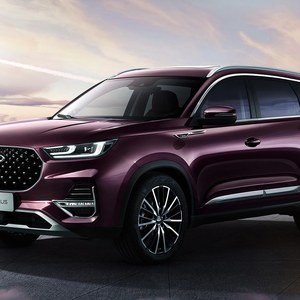
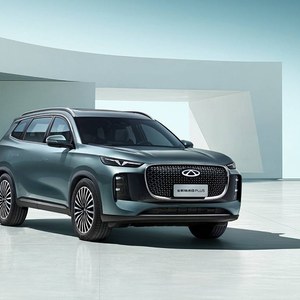
Live Chery Tiggo 8 Plus export inventory
View all listings →Real units currently on ChinaCarDirect with per-unit asking prices and MOQ. Availability updates live from the catalogue.
How to buy a Chery Tiggo 8 Plus from China
-
1
Define the destination-market brief
Specify the destination, steering configuration, passenger count, duty cycle, charging access and preferred powertrain before selecting a trim.
-
2
Shortlist live inventory
Use the live listings to compare matching Chery Tiggo 8 Plus variants by year, trim, powertrain, seating, condition and mileage.
-
3
Verify the individual vehicle
Request the VIN, build specification, photographs, registration or factory documents, service history and an odometer reading where applicable.
-
4
Request an itemized quotation
Ask for the current unit price, MOQ, deposit, balance, payment beneficiary, document charges, freight scope, insurance and Incoterm.
-
5
Confirm compliance before payment
Have the exact powertrain, emissions, safety specification and charging configuration checked against destination-country homologation and tax rules.
-
6
Complete inspection and payment
Agree on the inspection standard, rejection conditions, document checklist and refund terms, then pay only through the verified seller or payment channel.
-
7
Book freight and receive the vehicle
Approve the shipment plan, insurance, loading inspection, transport documents and delivery arrangements before the vehicle leaves China.
Tiggo 8 Plus vs rivals
| Haval H6 | The H6 is generally a more compact family-crossover alternative, while the Tiggo 8 Plus offers more passenger space and six- or seven-seat-labelled configurations. The H6 may suit buyers prioritizing urban dimensions or stronger local familiarity, whereas the Tiggo is more relevant for passenger-heavy fleet and family programs. |
|---|---|
| BYD Song Plus | Song Plus is a particularly relevant competitor for buyers prioritizing plug-in hybrid or electric alternatives. The Tiggo 8 Plus provides a broader visible gasoline DCT trim ladder, but the better choice depends on local PHEV support, charging access, warranty and resale prospects. |
| Changan CS75 Plus | The CS75 Plus is a credible midsize Chinese SUV competitor and may have stronger recognition or service support in some markets. The Tiggo 8 Plus stands out for its explicit five-, six- and seven-seat options, making it worth comparison for larger passenger groups. |
Frequently asked questions
How is the Chery Tiggo 8 Plus export price determined?
The live price reflects the specific unit's year, trim, powertrain, seating, mileage or new condition, ownership documents, and current commercial terms. Freight, insurance, exchange rates, port charges, taxes, duties, and compliance work may sit outside or inside the quoted scope, depending on the Incoterm. Check the current per-unit price and MOQ in the live ChinaCarDirect listings, then request an itemized landed-cost quotation.
Which engines, transmissions, and PHEV range figures are available?
The export range includes 290TGDI DCT gasoline models, 390TGDI DCT Kunpeng variants, and 1.5T e+ plug-in hybrids, with seating depending on the selected trim. The 116 km PHEV range is a trim-specific designation; verify the battery, test standard, charging system, fuel consumption, and emissions in the live listing before relying on it.
Is a new or used Chery Tiggo 8 Plus the better choice?
New units provide the clearest factory specification and may carry a new-vehicle warranty, but model year and production date still need confirmation. Used units can reduce initial exposure or provide access to a particular trim, but buyers should examine registration, VIN, odometer, repair history, DCT behavior or PHEV battery condition, and independent inspection.
What is the minimum order quantity for the Tiggo 8 Plus?
MOQ is set by the seller and listing rather than by the model itself. A buyer may be able to source one unit for a test order, while other offers may require a group; confirm the current per-unit MOQ on the live listing and in the pro forma invoice.
What determines shipping time and cost from China?
Transit time and cost depend on origin and destination ports, carrier schedule, route, container or trailer plan, vehicle dimensions, freight rates, insurance, and terminal charges. Ask the forwarder for a shipment-specific quotation and delivery estimate, and keep destination duty, taxes, registration, and compliance work outside the vehicle-price comparison until they are quantified.
Are Chery Tiggo 8 Plus spare parts available for export?
Parts availability depends on the exact trim, model year, market coverage, and local service arrangements, so do not assume ChinaCarDirect inventory proves local parts readiness. Before purchase, request the VIN, a parts list, and confirmation of any included service kit or basic consumables, then obtain a written parts-support plan from the importer or distributor.
Is a right-hand-drive Chery Tiggo 8 Plus available?
Chinese-market vehicles may be listed as left-hand drive, and a factory right-hand-drive version is not automatically included. Confirm steering configuration from the VIN, build plate, and photographs, and verify that local certification accepts the powertrain, emissions, safety systems, and charging configuration for a right-hand-drive PHEV.
How do I order a Chery Tiggo 8 Plus from China?
Start in the live ChinaCarDirect listings, select a unit, and send the seller the exact trim, seat count, destination, steering requirement, and requested Incoterm. After verifying documents and specification, request a pro forma invoice with unit price, MOQ, deposit, balance, and payment beneficiary, complete inspection requirements, and book freight only after confirming compliance and shipment terms.
Ready to source the Chery Tiggo 8 Plus?
Send ChinaCarDirect your preferred trim, seating layout, destination and Incoterm for a current unit-level export quotation.
Request a quote