
Chevrolet Camaro Export Buying Guide for Dealers and Importers
Compare Chevrolet Camaro trims, petrol engines, export pricing, MOQ, shipping and compliance, then source the right coupe through live China listings.
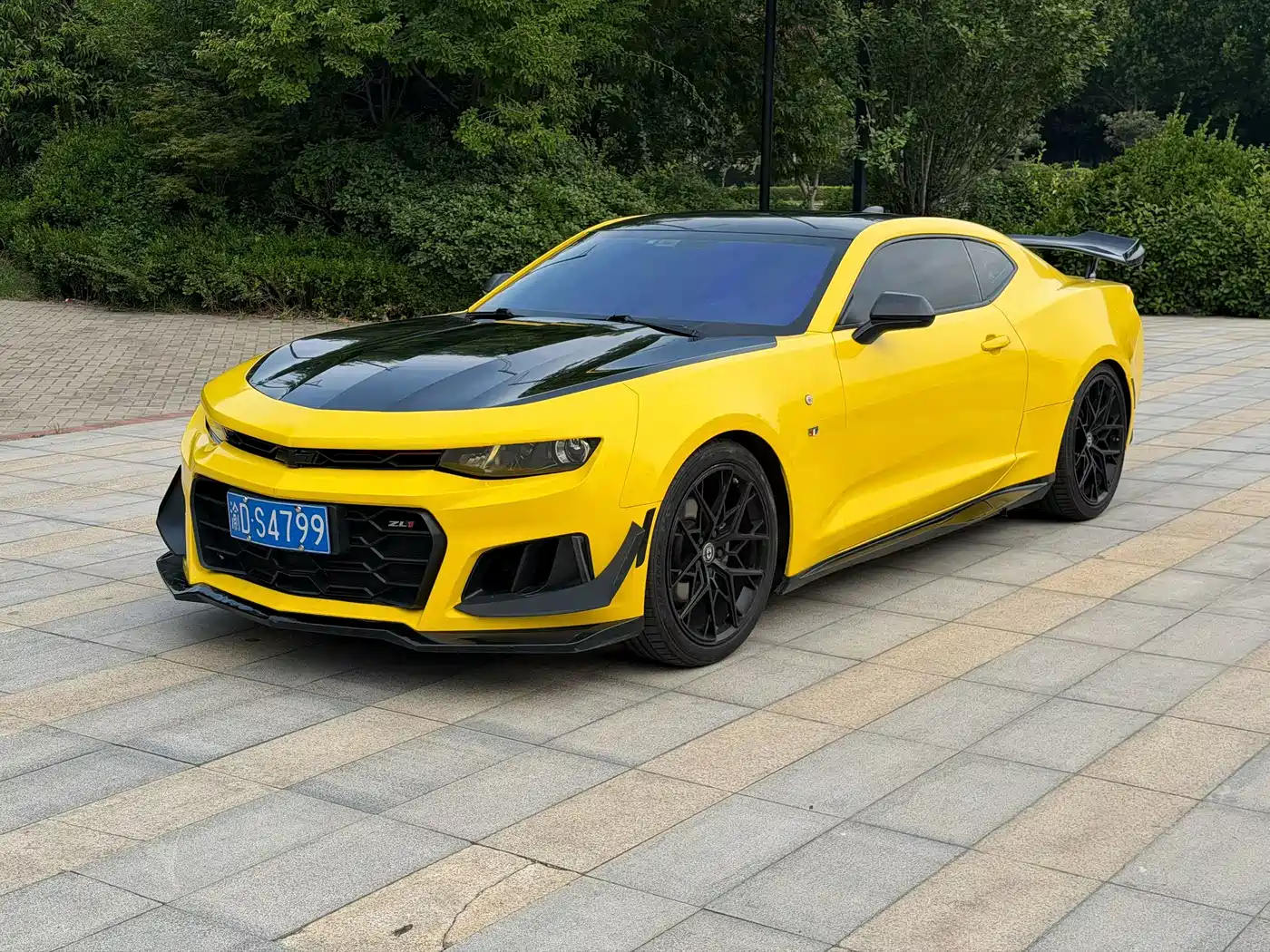
At a glance
- The Camaro is a style-led, rear-wheel-drive petrol coupe suited to specialist dealers, private importers and focused enthusiast audiences.
- The relevant powertrain choices pair a 2.0-litre turbocharged inline-four with a 3.6-litre naturally aspirated V6.
- RS, Legend Performance, RS Limited and Transformers editions offer different positioning, so trim-level equipment must be verified by VIN.
- Live export prices depend on the exact vehicle, specification, condition, freight, destination charges and agreed Incoterm.
- MOQ, steering configuration, homologation and landed cost should be confirmed before placing an order.
Why the Chevrolet Camaro matters for export markets
The Chevrolet Camaro is a globally recognizable American sports coupe, and that recognition gives it export value beyond ordinary used-car channels. For overseas dealers, it can attract enthusiast buyers, collectors, tourism operators and customers seeking a distinctive performance car. Its appeal is strongest where petrol coupes remain culturally visible and locally homologated. It is a specialist product, however, so demand should be modeled around a focused audience rather than treated as broad family-car demand. That distinction matters when forecasting parts demand, insurance exposure, service capability and realistic resale lead times in a new destination market.
Within the export-relevant sixth-generation Camaro, the 2.0T RS and 3.6L editions provide two distinct buying propositions. The turbocharged four-cylinder emphasizes efficiency, compact mechanical layout and manageable operating costs, while the 3.6-litre V6 centers on natural-aspiration character, stronger perceived pull and a more traditional V6 soundtrack. Neither description replaces the actual power, torque, gearbox and equipment figures attached to a specific car. Buyers should compare those unit-level specifications because model labels, facelifts and special editions can change the equation across otherwise similar model years. The listing and build record are the controlling evidence.
The Camaro’s export case is therefore a balance of image, usable performance and operating context. A visually dramatic coupe can earn attention quickly, yet fuel use, insurance, parts, road taxes and workshop capability may determine whether that attention converts into sustainable sales. Dealers should compare the landed cost of the exact car with locally popular alternatives, not with a generic Camaro price. Where local infrastructure supports enthusiast vehicles, the model can serve as a traffic-generating product and a credible basis for repeat parts and service sales for specialist operators.
- Enthrust branding attracts specialist, style-conscious buyers.
- RS and limited editions support differentiated merchandising.
- Service access determines repeat commercial viability.
Model range, trims and powertrain variants: how the lineup is structured and how to choose
When comparing Chevrolet Camaro specs, choice starts with the powertrain, then the equipment hierarchy. The 2.0T RS pairs a turbocharged 2.0-litre inline-four with a sport-oriented RS package. The 3.6-litre range seen in Legend Performance Edition, RS Limited Edition and Transformers Limited Edition uses a naturally aspirated V6, while facelift status can identify a later visual and equipment revision within the sixth generation. Special-edition names are useful for market positioning, but they should not be treated as proof of a unique mechanical specification. Confirm the engine, transmission, axle ratio, brakes and installed options from the vehicle record.
Choose the 2.0T RS when lower displacement, turbo assistance and potentially easier fuel economy matter more than V6 presence. Its smaller engine may also reduce fuel and insurance exposure, but actual rates depend on the destination, driver and insurer. Choose a 3.6-litre edition when the priority is the naturally aspirated V6’s response and character. Do not choose on displacement alone: braking, cooling, tyres, suspension calibration and maintenance history can be more consequential than the badge on the boot. The right specification is the one that suits the buyer, duty cycle and local service plan.
Model year and edition logic also matter. A facelified car may present a different exterior treatment and revised equipment from an earlier example, which can affect buyer perception and resale positioning. Transformers-themed and other limited editions may add visual appeal and collector interest, yet their value depends on documentation, originality and condition. For every candidate, obtain the VIN, build sheet or production record, detailed photographs, odometer evidence and an option list. Then verify the description against the physical car, because trim badges alone are an incomplete specification at physical inspection.
- 2.0T RS favours turbo efficiency and lower displacement.
- 3.6L editions deliver naturally aspirated V6 character.
- Verify facelift and special-edition equipment against the VIN.
New vs used Chevrolet Camaro: how export inventory is structured and how buyers choose
Export inventory should be separated into factory-new cars and used examples before any price comparison is attempted. A factory-new Camaro is easier to position as untouched, current and consistent with the advertised specification. A used vehicle may offer a lower entry point or access to a specification that is no longer offered new, but it carries questions about wear, repairs, ownership and originality. Because live availability changes, buyers should classify each listing from its own condition and history rather than from a general assumption about the seller’s inventory structure as a whole.
The new-car advantage is reduced uncertainty. There is no need to reconstruct previous collision repairs or judge how aggressively the suspension, tyres and brakes were used, although a pre-delivery inspection remains essential. New buyers should still confirm whether the unit is genuinely unregistered, assess expected local taxes and insurance, and check which manufacturer or supplier warranty can transfer across borders. Used-car buyers gain access to depreciation and can sometimes find rare editions, but they should demand service records, an odometer statement and a physical inspection covering paint, panel gaps and roadworthiness.
For an importer, the best choice depends on how quickly the vehicle can earn its keep. A new example suits a dealer that values standardized preparation, straightforward marketing and low customer concern over wear. A well-documented used car may suit an enthusiast buyer or a dealer able to refurbish it, provided the expected margin includes rectification work. Compare total landed cost, including inspection, repair, registration and financing, against expected net selling price in the destination. The lower purchase figure is irrelevant if a used car needs immediate mechanical attention or cannot be registered.
How export pricing works: the factors behind a live listing price, and how to read one
A Chevrolet Camaro export price should be read as the outcome of several layered inputs, not as a fixed model-wide rate. The model year, RS or special-edition status, engine choice, options, mileage, condition and originality all affect a vehicle’s commercial value. Then the quote is shaped by currency movements, supplier margin, freight, insurance, destination charges and the selected Incoterm. Comparing two listings that differ in year, trim or condition can therefore be misleading. For a defensible comparison, first standardize the specification, then ask for an all-in quote under the same delivery term.
On each live listing, check the displayed commercial price together with the seller’s location, vehicle condition, model year and stated equipment. Confirm whether the amount excludes export documentation, inland transport, ocean freight, insurance, customs duties, taxes, port handling and commissioning. A price to the vehicle’s current location is not the same as a delivered price to the importer’s warehouse, and a delivered price is not necessarily a duty-paid price. Ask the seller to identify every exclusion in writing. That turns an attractive headline figure into a quote that can be compared with competing vehicles.
Currency and payment terms can move a quoted amount before a transaction closes, so buyers looking to buy a Chevrolet Camaro from China should ask how long the quote remains valid and which exchange rate or payment milestones apply. Larger orders may receive different commercial treatment from single-unit purchases because consolidation changes freight and handling, but the applicable minimum and discount should always come from the live offer. Verify that the vehicle description, VIN and trim are locked into the pro forma invoice. Any change in specification should trigger a revised price rather than relying on a verbal assurance.
- Compare identical year, trim, engine and condition.
- Separate vehicle, freight, duty, tax and insurance costs.
- Use live listings for the current binding per-unit quote.
MOQ, ordering and payment: single units vs consolidating a container
Minimum order quantity is a supplier term, not a universal feature of importing a Chevrolet Camaro. Read the MOQ field on the specific listing and include it in the commercial comparison. A single-car buyer may accept a higher unit cost because the vehicle can be shipped alone, while a distributor can gain freight efficiency by combining compatible cars. Before committing, establish whether the MOQ applies to one trim or to any mixed batch. Treat the stated requirement as binding until the seller confirms a different structure in the written quote.
Container consolidation requires more than ordering several listings together. Confirm that the seller can release the vehicles as one shipment, whether mixed trims are permitted, and how deposits, serial numbers and titles are allocated to each unit. Actual dimensions and weight determine safe loading, so verify packing dimensions rather than assuming a standard slot. Each car still needs its own commercial invoice, export declaration, keys, documents and handover record. A shared container reduces logistics friction only when the paperwork and condition standard are clear before the balance payment is released.
A sound ordering sequence begins with a specification-locked RFQ and ends with verified release of the vehicle and documents. After reviewing the response, request a pro forma invoice that states the vehicle, price, payment stages, Incoterm and handling responsibilities. Use a payment method and beneficiary details that match the invoice and the contracting entity. Keep inspection rights, document requirements and remedies for non-conformity in the agreement. Only release the balance after the inspection and paperwork satisfy the agreed conditions, rather than relying on photographs alone or an independent inspection report.
- Read MOQ on the specific listing, not as a market rule.
- Confirm whether consolidation permits mixed trims.
- Link final payment to inspection and document acceptance.
Shipping, homologation and market compliance caveats: LHD/RHD and import rules by country
Camaro transport starts with verified dimensions, weight, ground clearance and destination access. Depending on the vehicle and route, the exporter may use an enclosed container, flat rack or roll-on/roll-off handling, but the method must preserve the body, glass, roof and underside. Loose or exposed loading requires secure tie-downs and protection from weather; enclosed transport reduces exposure but still needs correct blocking. Freight cost is driven by the loading method, route, port pair, fuel surcharges, insurance, customs clearance and handling charges. Obtain the loading plan and damage-observation record before dispatch in writing.
Steering configuration is a critical export check. Camaro supply associated with China is commonly left-hand-drive, while some markets are built around right-hand-drive use; neither should be assumed from the model name. A buyer needing a specific configuration should request the steering position, instrument and switch layout, lighting specification and evidence of any conversion. Local rules may permit either configuration, require a particular side, or impose restrictions on age and modifications. A converted car can also complicate original-equipment parts, diagnostic software, insurance and future resale in that market.
Import compliance is destination-specific, so the importer remains responsible for confirming the route. Type approval, emissions, noise, safety equipment, VIN records, customs classification, duty, taxes, insurance and local registration can all apply. A Camaro that looks road-ready in another country may still require modifications or documentation before first registration. Build a country-specific compliance file before paying the balance: confirm eligibility, identify the importer of record, list original documents and translate or certify them where required. Local legal advice is preferable where the rules are complex or the vehicle’s age or modifications create uncertainty.
- Verify dimensions, weight, loading method and tie-downs.
- Confirm steering side, lighting and conversion records.
- Complete destination-specific type approval before dispatch.
Who should buy the Camaro — and who should pick a different vehicle
The Camaro suits buyers who value style, a two-door driving experience and a recognisable performance marque more than maximum utility. Specialist dealers can use it to attract an enthusiast segment, while private importers may value access to a particular RS or special edition. It can also suit a small premium rental or demonstration fleet, provided utilization and insurance support the ownership cost. The key commercial question is whether the local audience is large enough to absorb the car at a sensible resale value. Marketing appeal alone does not guarantee inventory turnover.
A buyer who regularly carries passengers, cargo or children should probably choose a more practical vehicle. The Camaro’s low coupe profile and limited rear access are not substitutes for a family hatchback, estate or SUV. Drivers with high annual mileage should compare real fuel use, tyre replacement intervals, insurance and scheduled servicing. Buyers focused on electric running costs should consider an EV instead, while touring customers may prefer a grand tourer with a larger, quieter cabin. A sports coupe makes most sense when enjoyment, image and driving engagement are explicit parts of the use case.
Before ordering, write down the primary buyer, annual mileage, preferred engine, acceptable transmission, desired appearance and maximum acceptable landed cost. Then test whether the local workshop can service the chosen model and whether common parts can be obtained without disrupting delivery. Compare the expected holding period, not merely the purchase price, because insurance, finance and unsold stock all accumulate. A used example may reduce entry cost, while a factory-new car may be easier to market. The best choice aligns product, running cost and exit route rather than chasing the most eye-catching badge.
Main rivals and how the Camaro compares
The Ford Mustang is the closest like-for-like rival because it occupies the same rear-wheel-drive pony-car niche and offers competing petrol engines, transmissions, coupes and performance editions. A buyer should compare engine character, seating practicality, equipment, local parts support and the cost of registration rather than assume badge loyalty decides the market. Mustang may be the easier choice where Chevrolet-specific demand is limited or where its local dealer network is stronger. The Camaro remains attractive when its styling, RS positioning or a specific edition better matches the target customer profile in that market.
The Dodge Challenger is another credible coupe rival, with a different emphasis: a broader cabin, easier rear-seat access and a wide hierarchy of engine and equipment choices. That makes it attractive to buyers who want muscle-car presence without the Camaro’s more compact, driver-focused footprint. The trade-off can be greater size, road presence and parking inconvenience, although exact dimensions must be checked for the selected variant. For an importer, Challenger demand and parts support should be compared locally before either car is committed to scale as part of the product plan.
The Nissan 370Z is a smaller, more focused two-seat alternative for buyers who prioritize a compact roadster-derived coupe and strong driving character over rear-seat convenience. It may appeal when the Camaro’s size, weight or purchase commitment feels excessive, but its lower cabin and luggage capacity are real disadvantages for some users. Availability, trim depth and parts support can vary more by market than the basic comparison suggests. Treat the rival choice as a market study: compare live local demand, homologation, service capability and residual expectations, not just brochure performance alone.
- Mustang is the closest direct pony-car alternative.
- Challenger prioritises cabin space and relaxed touring.
- 370Z serves buyers seeking a smaller two-seat format.
Live Chevrolet Camaro export inventory
View all listings →Real units currently on ChinaCarDirect with per-unit asking prices and MOQ. Availability updates live from the catalogue.
How to buy a Chevrolet Camaro from China
-
1
Define the destination and use case
Identify the destination country, intended customer, expected holding period and acceptable running-cost profile. This determines which compliance route and specification are commercially realistic.
-
2
Choose the engine and edition
Compare the 2.0T RS with the 3.6-litre editions using the intended buyer, transmission preference, equipment and local parts support. Treat special-edition labels as marketing identifiers until verified against the VIN.
-
3
Review the live listings
Open the current Chevrolet Camaro inventory and inspect the per-unit price, MOQ, model year, condition, location, equipment and stated Incoterm. Current binding numbers should always come from the relevant live listing.
-
4
Request a specification-locked quote
Send an RFQ naming the selected vehicle or required specification, destination and preferred delivery term. Ask the supplier to separate vehicle cost, documentation, inland transport, freight, insurance, duties, taxes and other charges.
-
5
Confirm compliance and steering configuration
Check LHD or RHD requirements, conversion status, lighting, VIN records, type approval and registration conditions with a qualified local importer or adviser. Resolve any mismatch before paying the balance.
-
6
Inspect and complete payment
Agree on an independent inspection, the pro forma invoice, payment milestones, beneficiary details and remedies for non-conformity. Release funds only against the agreed inspection and document conditions.
-
7
Consolidate freight and handover records
Confirm dimensions, weight, loading method, blocking and tie-down arrangements. Ensure every vehicle has its own invoice, export declaration, keys and handover record before the shipment departs.
Camaro vs rivals
| Ford Mustang | The closest format rival, with its own petrol engine and transmission choices; choose it where local demand, parts support or an available powertrain is stronger. The Camaro may better fit buyers drawn to its RS hierarchy or specific special editions. |
|---|---|
| Dodge Challenger | A larger, more comfort- and cargo-oriented muscle coupe; choose it when rear-seat access and cabin space outweigh the Camaro’s more compact, driver-focused character. Verify local parts support and import economics before ordering. |
| Nissan 370Z | A smaller two-seat coupe for buyers prioritizing compact dimensions and roadster-derived driving feel. It is less suitable when rear-seat access, broader model choice or easier family use matters. |
Frequently asked questions
How is Chevrolet Camaro export pricing determined?
Export pricing is calculated from the exact vehicle’s year, trim, engine, options, mileage, condition and originality, then adjusted for currency, freight, insurance, destination charges and the Incoterm. The displayed price may not include every landed cost, so ask for a written, all-in quotation and identify exclusions. Current binding per-unit prices are shown on the live ChinaCarDirect listings.
Which Chevrolet Camaro engines and powertrains are relevant for export?
The export-relevant range includes a 2.0-litre turbocharged inline-four, seen in 2.0T RS form, and a 3.6-litre naturally aspirated V6, seen in Legend Performance Edition, RS Limited Edition and Transformers Limited Edition cars. Manual and automatic transmissions may be available depending on the build. Confirm output, gearbox, drivetrain and option list on the specific listing; because these are petrol vehicles, there is no battery range or charging specification to compare.
Should an overseas buyer choose a new or used Chevrolet Camaro?
A factory-new car minimizes uncertainty around wear and prior repairs, while a used car can reduce entry cost or provide access to a special edition. Used purchases demand stronger inspection and documentary checks, including service history, odometer evidence, paint condition and registration eligibility. Compare total landed cost and expected resale value rather than purchase price alone.
How does MOQ work when buying a Camaro for export?
MOQ is the seller’s commercial minimum for the specific offer; it is not a universal import requirement. Read the field on each live listing and ask whether it applies to one trim or a mixed batch. If consolidating vehicles into one shipment, obtain written confirmation of release, documentation and payment terms for every unit.
What determines Camaro shipping time and cost?
Shipping time and cost depend on the vehicle’s confirmed dimensions and weight, chosen loading method, origin and destination ports, route, fuel surcharges, insurance, customs clearance and port or inland handling. An enclosed carrier can reduce weather exposure, while open or roll-on handling requires secure blocking and protection. Ask the forwarder for a written routing plan and all charge inclusions.
How should overseas buyers handle Camaro spare parts?
Spare parts should be planned before shipment by capturing the VIN, build sheet, engine and transmission details. Ask the supplier what parts can be ordered with the vehicle, and check whether steering configuration affects component compatibility. Compare availability and lead time with local Chevrolet or aftermarket channels, including the return-cost risk of mismatched parts.
Is right-hand-drive Chevrolet Camaro availability an issue?
Right-hand-drive availability cannot be assumed from the model name; confirm the steering position and any conversion on the exact listing. Some destinations permit left-hand-drive imports, others prescribe or favor right-hand-drive, and local registration rules still apply. Verify lighting, instruments, VIN records and insurance treatment before committing.
How do I order a Chevrolet Camaro from China?
Start with the live Camaro listings, shortlist by engine and edition, and send an RFQ identifying the vehicle or specification, destination, Incoterm and required documents. Compare the written quote and MOQ, complete destination compliance and an independent inspection, then use a payment process tied to the pro forma invoice. Confirm the balance and release only after inspection and documentation meet the agreed conditions.
Ready to source the Chevrolet Camaro?
Review the live Chevrolet Camaro listings and send a specification-locked RFQ for a current landed-cost quote.
Request a quote