
Chevrolet Captiva Export Guide for Overseas Buyers
Buy a Chevrolet Captiva from China with clear guidance on 2WD and 4x4 variants, pricing, MOQ, shipping, compliance, and key rivals for overseas buyers.
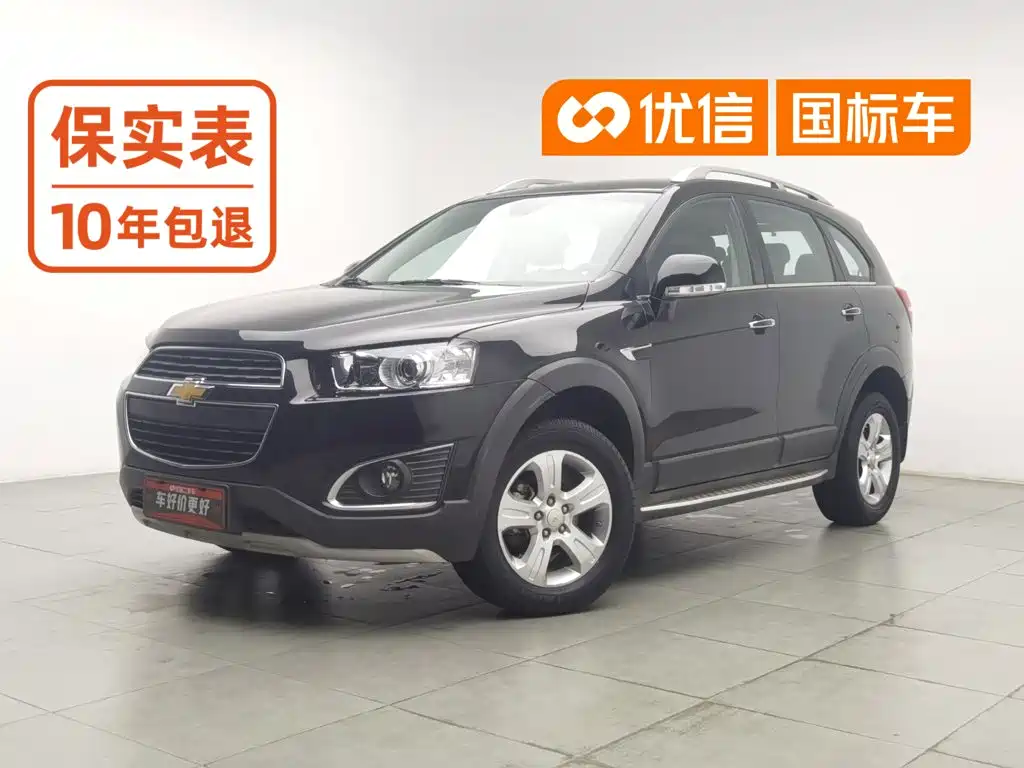
At a glance
- The Captiva is a petrol SUV offering five- or seven-seat configurations for fleet and family use.
- The range spans 2.4-litre versions with 2WD, AWD, or 4x4 drivetrains across Urban, Flagship, and Luxury grades.
- Live unit pricing depends on model year, trim, condition, equipment, and the agreed commercial terms.
- MOQ and availability must be confirmed for each SKU; test-unit purchases and consolidated shipments use different mechanics.
- Shipping method, steering side, and destination-specific homologation should be checked before final payment.
Why the Chevrolet Captiva matters for export markets
The Chevrolet Captiva occupies a practical middle ground between a compact crossover and a large family SUV. Its appeal for overseas buyers is not exotic technology but straightforward utility: a 2.4-litre petrol powertrain, two- or four-wheel-drive variants, and seating for five or seven people depending on the version. That combination suits importers serving regional transport, construction, hospitality, or family-car channels where one platform must cover several body and seating needs without adding a complex electric drivetrain. Its Chevrolet badge also gives distributors a recognizable proposition, although local aftersales support and homologation still need checking.
Global relevance comes from the Captiva’s long-standing use in multiple markets and its ability to serve both private and fleet needs. A seven-seat Flagship or 4x4 version can be more attractive where rough roads, seasonal weather, or group travel are common, while two-wheel-drive and five-seat versions can suit paved-road operations with tighter operating budgets. Exporters should treat those use cases as a matching exercise: identify the dominant road surface, passenger load, and climate in the destination before choosing a trim. This avoids paying for capacity or traction the local fleet will rarely use.
For distributors, the model can simplify catalogue planning because one nameplate spans utility, family, and light-fleet roles. A buyer can compare a five-seat Urban derivative with a seven-seat Flagship or Luxury configuration, then add two-wheel drive or four-wheel drive according to the operating brief. The important caveat is that the closest Chinese export listing is not automatically the best import: market recognition, spare-parts channels, insurance classification, and local registration rules may matter as much as the visible equipment on the vehicle. That makes due diligence a commercial decision, not an administrative afterthought.
Model range, trims and powertrain variants: how the lineup is structured and how to choose
The export lineup is organized around a 2.4-litre petrol Captiva platform, with listing names identifying Urban Edition, Flagship or Flagship Edition, and Luxury Edition grades. Across those trims, buyers will encounter two-wheel-drive and four-wheel-drive descriptions, including AWD and 4x4 labels, plus five-seat and seven-seat body configurations. Because trim names and equipment can differ by production year and market, the most reliable specification is the VIN-linked vehicle record—not a title alone. Ask for a photo of the VIN plate, build plate, and option list, and reconcile all three before reserving a unit for a mixed shipment.
Drivetrain choice should follow the route and load rather than the badge. Two-wheel-drive versions are generally the simpler starting point for fleets that stay on maintained roads, while AWD or 4x4 versions can add resilience where access roads are unpaved, wet, snowy, or steep. The Captiva is a road-oriented SUV rather than a dedicated off-road machine, so drivetrain selection does not remove the need for suitable tyres, cautious route planning, and realistic load limits. Confirm exactly which axle system and hardware each VIN carries on the selected vehicle before shipment.
Seating capacity is the next commercial decision, and it should reflect actual occupancy rather than a buyer’s aspiration to maximise luggage flexibility. A five-seat Captiva is generally easier to position for executive transport, airport shuttles, or light fleet use, while a seven-seat version supports larger families, hotel transfers, and mixed passenger-and-baggage work. Buyers should inspect the third-row access, seat folding, luggage bay, and restraint equipment in person or through a documented condition report, especially on used examples. For commercial work, check whether every scheduled seat can be occupied without compromising the required luggage volume.
- Trim: Urban, Flagship, or Luxury.
- Layout: verify five or seven seats.
- Drive: confirm the VIN’s system.
New vs used Chevrolet Captiva: how export inventory is structured and how buyers choose
Chevrolet Captiva export supply can include vehicles described as new and vehicles sold as used, but the label alone does not tell a buyer everything needed for import. Confirm manufacturing year, first-registration status, customs history, VIN, and whether the unit has been prepared for export. A “new” description may refer to condition rather than recent production, so request the original sales document, build date, and any declaration papers before treating it as a first-title commercial vehicle. Also ask whether road taxes, insurance claims, or registration records exist in the country of origin.
Used Captivas can make sense where the buyer prioritises a lower acquisition outlay, an immediately available configuration, or a known model year for parts planning. The discount is only real if deferred maintenance and accident risk are properly priced. For a 2.4-litre example, request cold-start and hot-restart videos, service records, oil-pressure and cooling checks, visible leaks, and evidence that the transmission changes smoothly. Also inspect brake condition, tyre age, steering play, suspension noise, air-conditioning output, and warning lights. A pre-purchase inspection should be performed by an independent party, not only the exporter.
The new-versus-used decision should be made on lifecycle cost, not on condition labels alone. Newer or unused units can reduce immediate repair risk and simplify presentation for fleet customers, whereas used vehicles may offer a broader selection of trims and lower entry cost. Compare the vehicle price with inspection cost, repair reserves, insurance classification, and expected downtime, then check whether a planned import campaign or a repeatable dealer programme suits one better. For a larger mixed shipment, keep the condition standard consistent across units so buyers receive comparable vehicles.
- Documents: build date and customs history.
- Inspection: use an independent checker.
- Budget: include repairs and downtime.
How export pricing works: the factors behind a live listing price, and how to read one
An export listing price is the seller’s asking price for the vehicle at the stated commercial terms, not automatically the buyer’s landed cost. The live figure normally moves with model year, trim, drivetrain, seat count, mileage and condition, visible equipment, and the seller’s assessment of export readiness. Market pressure, exchange-rate effects, and negotiation volume can also influence the amount. Use each ChinaCarDirect live listing as the binding reference for that VIN, but record whether the quoted figure includes export documentation, inspection, inland transport, or sea freight or only the vehicle itself.
Comparing trims is more useful than comparing headline prices. A seven-seat Flagship, a five-seat Urban, and a four-wheel-drive example solve different fleet briefs, so their quotes should not be treated as like-for-like. On used vehicles, mileage is only one part of condition: paint repairs, interior wear, replacement parts, service history, and accident evidence can materially change residual value. Ask the seller to identify every difference and to supply clear photographs of the exterior, cabin, odometer, tyres, and underbody before the commercial terms are finalized for the exact unit being purchased.
The most important pricing discipline is to separate vehicle cost, origin charges, freight, and destination charges. International shipping can include port handling, insurance, documentation, and inland haulage; importing can add duty, tax, registration, inspection, and local delivery. Incoterms determine where risk and cost transfer, but they do not eliminate customs liability. Obtain a written quotation that names the Incoterm, payment schedule, quote-validity period, exclusions, and the exact unit referenced, then compare current live listings and request an RFQ rather than relying on an old catalogue range or cached quote sheet.
- Price: check the current unit listing.
- Landed cost: separate freight and duties.
- Terms: record Incoterm and exclusions.
MOQ, ordering and payment: single units vs consolidating a container
MOQ means the smallest quantity a supplier or channel will accept for a defined commercial condition. It may apply to a particular SKU, a mixed model-year batch, or a consolidation shipment rather than to the Captiva model as a whole. One-unit enquiries are often worth testing because they can support market validation, but acceptance must be confirmed for the selected listing. Do not assume that a displayed vehicle can be purchased alone; ask what quantity, documentation, and payment terms apply to that exact unit in writing before the ordering process begins.
For a single-unit purchase, the ordering sequence is usually straightforward: confirm the VIN and specification, request a condition report or inspection, accept the quotation, complete the agreed deposit, and settle the balance against the contractual documents. The commercial invoice, export declaration, and vehicle title or ownership records should match the same unit. A refund or cancellation clause is essential because an overseas buyer may discover an import restriction only after the vehicle has been paid for and moved to the port. Ask who bears storage and demurrage charges if shipping is delayed.
Container consolidation changes the commercial logic. A distributor may combine several Captivas with different years, trims, drivetrains, and seat counts to use freight capacity more efficiently, but that creates a mixed inventory that must be tracked by VIN. Agree the loading plan, export documentation, insurance value, and condition standard before the vehicles are committed. Set aside a budget for port charges, storage, inspection exceptions, and unsold units, because the vehicle payment and the freight bill are separate obligations even when they are paid through related transactions in the destination market.
- Confirm the MOQ for the exact SKU.
- Tie payments to the signed invoice and VIN.
- Track vehicle, freight, insurance, and customs separately.
Shipping, homologation and market compliance caveats: LHD/RHD and import rules by country
Shipping method should follow vehicle dimensions, port infrastructure, urgency, and the buyer’s consolidation plan. A Captiva may travel in a car carrier, Ro-Ro vessel, or enclosed container where dimensions and securing points permit, while flat-rack options can suit oversized or non-running vehicles but increase handling exposure. The supplier should state the loading method, route, insurance coverage, lashing standard, and charge inclusions. Obtain the actual vehicle measurements and gross weight rather than assuming that a nominal SUV will fit a particular container or carrier position for the selected model-year variant.
Steering configuration is a market-critical check that should never be inferred from the word “China.” Chinese-market and export-specification vehicles can arrive in different configurations, and some importing countries specify right-hand drive while others accept left-hand drive or impose local registration conditions. State the required steering side in the purchase order and confirm it from a photograph of the VIN plate and steering wheel. If the available unit is unsuitable, changing a Captiva’s steering system is not simply a cosmetic conversion and may create safety, warranty, and homologation problems for the buyer.
Road legality is separate from the vehicle’s condition and export description. The importer may need to satisfy VIN identification, emissions, safety, customs, tax, insurance, and age-related rules, and a particular Captiva may not be eligible even when it is mechanically sound. Ask the destination customs broker or relevant authority for written guidance, and give the broker the VIN and intended use before paying. Keep the homologation checklist, bill of sale, export papers, service history, and spare-parts information together so the vehicle can be registered and supported after arrival in market.
- Specify steering side before payment.
- Check local homologation and import rules.
- Record loading, insurance, and securing terms.
Who should buy the Captiva — and who should pick a different vehicle
The Captiva is best suited to overseas buyers who need a conventional petrol SUV with flexible seating and want to buy from a recognised marque without entering the electric-vehicle market. It can fit a distributor serving mixed private customers and light commercial fleets, especially where five-seat and seven-seat versions address different price and capacity points. The strongest case is where the destination already recognises the Chevrolet nameplate, local workshops can support the model, and the importer can maintain a realistic stock-rotation plan across trims and model years without overstocking slow lines.
It is a weaker choice for buyers who need modern hybrid or battery-electric efficiency, emissions-zero fleet compliance, a premium cabin, or towing and payload performance beyond a road SUV’s normal role. It may also suit poorly if the destination has no viable Chevrolet parts channel or if imported used vehicles face steep age taxes, inspection burdens, or restrictive emissions rules. Do not solve those issues by assuming a conversion is quick: evaluate a locally supported alternative when the Captiva would create a disproportionate compliance or operating disadvantage in that market.
The best purchasing decision is rarely based on the model badge alone. Build a shortlist from passenger load, road conditions, fuel availability, service coverage, registration rules, and the importer’s realistic holding period, then test whether a Captiva configuration satisfies those constraints at an acceptable total cost. Compare a single inspection unit with a small mixed batch, review expected parts demand, and preserve a contingency for repairs or unsold stock. A disciplined comparison usually matters more than securing the apparent lowest vehicle ask after freight and compliance costs are included fully.
- Strong fit: petrol SUV with flexible seating.
- Weak fit: strict zero-emission or premium needs.
- Condition: credible parts support and residual demand.
Main rivals and how the Captiva compares
The closest alternatives depend on seat count and market, but the Hyundai Tucson is a useful benchmark for buyers prioritising a five-seat compact or midsize SUV. A Captiva seven-seat Flagship can offer more third-row practicality, while a five-seat Captiva competes more directly with the Tucson on everyday family and fleet use. Compare actual seating, boot volume, safety equipment, fuel servicing, and aftersales support rather than assuming the Chevrolet badge guarantees an advantage in every market. The right choice follows local parts availability, residual demand, and the buyer’s route and load.
The Nissan X-Trail can be the closer rival where buyers specifically need a seven-seat family SUV and are comparing conventional petrol layouts. Its appeal may be stronger in destinations with a deeper established service network, whereas the Captiva can be attractive where Chevrolet recognition is higher. The Mitsubishi Outlander is another relevant benchmark, particularly where its available seating and drivetrain options align with the buyer’s brief. Neither should be assumed to offer the same equipment, tax treatment, or parts economics in every market without a local market check by model year.
A disciplined final comparison uses the same worksheet for the Captiva and each rival: exact seat count, drive layout, engine and transmission, measured dimensions, safety equipment, local tax status, parts lead time, and expected holding period. Then calculate the landed cost under the same Incoterm and compare the cost of servicing the chosen fleet over its intended life. The Captiva earns a place when its seven-seat flexibility, Chevrolet badge, and available configuration justify those operating and market factors; otherwise, a better-supported rival may reduce risk and long-term uncertainty overall.
Live Chevrolet Captiva export inventory
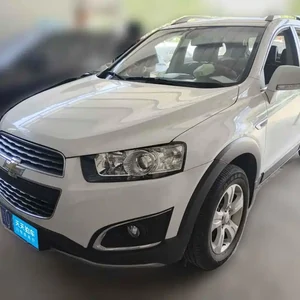
View all listings →Real units currently on ChinaCarDirect with per-unit asking prices and MOQ. Availability updates live from the catalogue.
How to buy a Chevrolet Captiva from China
-
1
Define the destination requirement
Record the destination country, import route, expected passenger load, road conditions, and whether right-hand or left-hand drive is required. These constraints should narrow the suitable trim and drivetrain before any unit is selected.
-
2
Build a configuration shortlist
Choose between five or seven seats, 2WD or four-wheel drive, and the required condition. Use the Urban, Flagship, and Luxury names only as starting points because equipment can vary by model year and market.
-
3
Review the live unit listings
Open the current Chevrolet Captiva inventory and compare the VIN-specific details, photos, equipment, and commercial terms. Treat the displayed per-unit amount as the live reference rather than relying on an archived price range.
-
4
Verify documents and condition
Request the VIN, build information, ownership or customs documents, service records, and photographs. Use an independent inspection for a used vehicle or any unit that cannot be viewed personally.
-
5
Confirm MOQ and landed terms
Ask whether the MOQ applies to the selected SKU, a mixed batch, or a consolidation shipment. Obtain a written quotation stating the Incoterm, payment schedule, validity, inclusions, exclusions, and responsibility for freight and customs charges.
-
6
Order, inspect, and arrange shipment
Finalize the invoice against the selected VIN, complete the agreed payment milestones, and conduct any contracted inspection before release. Confirm the carrier, loading method, insurance, securing requirements, export documents, and destination broker responsibilities.
Captiva vs rivals
| Hyundai Tucson | The Tucson is the closest benchmark for a five-seat family or fleet SUV and may have stronger local brand recognition in some markets. The Captiva differentiates most clearly when a verified seven-seat Flagship is needed or when its 2WD, AWD, or 4x4 configuration better fits local sourcing. |
|---|---|
| Nissan X-Trail | The X-Trail is a direct family-SUV comparator, especially where a seven-seat petrol model is available. Buyers should compare third-row packaging, boot use, service coverage, and parts cost because Chevrolet and Nissan dealer footprints can differ sharply by country. |
| Mitsubishi Outlander | The Outlander is relevant for buyers cross-shopping conventional SUVs with available five- or seven-seat layouts. The Captiva’s 2.4-litre range and multiple seating and drive configurations provide alternatives, but local support, taxes, and actual landed cost should determine the final choice. |
Frequently asked questions
How is Chevrolet Captiva export pricing determined?
ChinaCarDirect’s live Captiva inventory shows the current per-unit price. The amount reflects model year, trim, drivetrain, seating, mileage and condition, equipment, and commercial terms; freight, insurance, tax, and customs normally sit outside or alongside the vehicle ask. Read the listing’s Incoterm and exclusions, then request a written quote for the selected unit.
What engine and range does the Chevrolet Captiva have?
The export Captiva is an internal-combustion SUV with a 2.4-litre petrol engine, so battery-electric range is not applicable. Exact output, transmission, emissions equipment, and fuel consumption can vary by year and market, so check the VIN-specific listing and request the production documentation before import.
Should I buy a new or used Chevrolet Captiva?
Used units can lower acquisition cost and offer broader trim availability, while units described as new can reduce immediate repair risk and simplify presentation. Condition labels do not prove history: request the build date, title and customs documents, service records, and an independent inspection. Include likely repairs, downtime, and residual-demand risk in the comparison.
How does MOQ work for Captiva orders?
MOQ is set per supplier, SKU, and transaction; it is not a universal Captiva rule. A single-unit enquiry may be possible, but the seller must confirm it together with documentation and payment terms. For consolidation, agree the permitted mix, minimum lot, VIN list, and loading responsibility before paying.
What affects Captiva shipping time and cost?
Shipping time and cost depend on the origin and destination ports, sailing or carrier schedules, vehicle dimensions, loading method, container availability, fuel and port charges, insurance, customs, and season. Transit is only one part: clearance, inland delivery, and inspection can extend the timeline. Ask for a freight quotation that states the route, Incoterm, inclusions, and delay responsibilities.
Are spare parts available for exported Chevrolet Captivas?
Spare-parts support depends on whether the destination has a Chevrolet dealer or independent parts network for that model year and configuration. Use the VIN and trim to request an accurate parts list and expected lead times before purchase; do not assume a Chevrolet badge guarantees local stock. Fleet buyers should prioritize commonly serviced parts over trim-specific accessories.
Is a right-hand-drive Chevrolet Captiva available for export?
Do not assume a China-sourced Captiva is right-hand drive. Some export units may be left-hand drive, while some destinations require or strongly favor RHD; availability changes by unit and origin market. State the required steering side, confirm it with VIN-plate and steering-wheel photographs, and check local rules before paying.
How do I order a Chevrolet Captiva from China?
Start with the live Chevrolet Captiva listings, shortlist the exact year, trim, drivetrain, and seat count, then send an RFQ with the destination, quantity, condition preference, and requested Incoterm. Before settlement, verify the documents, complete any agreed inspection, and ensure the invoice names the selected VIN. The ChinaCarDirect RFQ team can structure the quotation and shipment steps around the buyer’s market.
Ready to source the Chevrolet Captiva?
Send your destination, seating and drivetrain needs, condition preference, and quantity to ChinaCarDirect for a current unit-level export quote and RFQ.
Request a quote