
Chevrolet Cavalier Export Buying Guide for Dealers and Fleets
Chevrolet Cavalier export guide for overseas dealers and fleets: compare trims, engines, pricing, MOQ, shipping, compliance and rivals with practical checks.
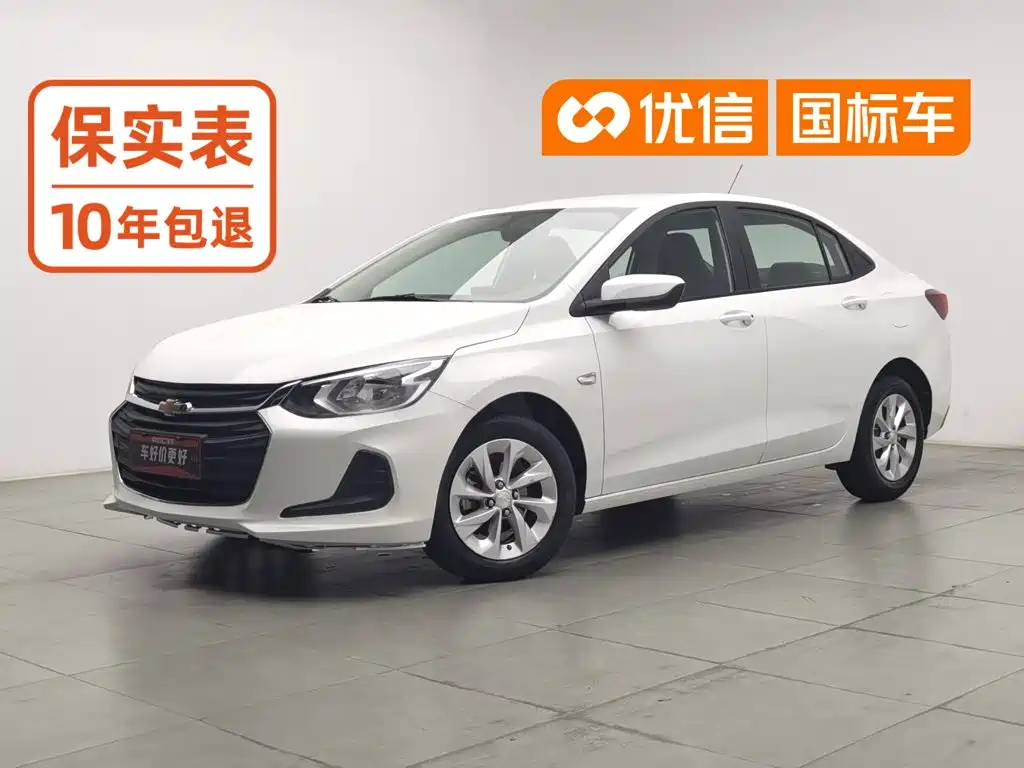
At a glance
- The Cavalier is a China-built compact sedan, distinct from earlier North American models.
- Its export case is strongest for value-focused fleet and dealer use.
- Trim labels include 1.5L, 320 and turbocharged 325T families.
- Manual and automatic choices suit different operating environments.
- New units clarify configuration; used units require history and condition checks.
- MOQ, RHD supply, homologation and parts support must be confirmed per order.
Why the Chevrolet Cavalier matters for export markets
The Chevrolet Cavalier here is the China-built compact sedan, not the North American Cavalier sold in earlier generations. That distinction matters because overseas buyers are evaluating a locally developed model with Chinese manufacturing, trim names and compliance documentation. The ChinaCarDirect Chevrolet hub helps identify the marque, but the model should be judged as a compact car rather than assumed to share an older Chevrolet’s specifications. Its strongest export logic is value-focused fleet and dealer use, provided local parts and service support are available. Local acceptance must therefore be tested market by market.
For export markets, the Cavalier makes most sense where buyers need a four-door sedan, a manageable footprint and a vehicle from a marque with existing recognition, but do not need the cost and equipment of a larger or premium model. Its appeal is strongest in markets with established Chinese-vehicle import channels, urban and regional paved-road duties, and a dealer structure able to source parts and maintain vehicles. That combination explains why compact Chinese-built sedans can attract fleet and wholesale demand even though the Cavalier is not equally well known in every country.
The commercial case is not simply a low purchase price. Buyers must add insurance, fuel, taxation, homologation, shipping, servicing and residual-value risk to create a landed cost. The model is most credible for corporate fleets, airport and hotel transport, ride-hailing, regional distributors and private importers who value a straightforward sedan over styling or electrified drivetrains. Before committing to volume, test one specification in the intended market and confirm that parts, diagnostic tools, insurance and reliable local repair capability are available. This trial step prevents an attractive catalogue description from becoming an operating liability.
- China-built compact sedan.
- Value-focused fleet use.
- Parts support is essential.
Model range, trims and powertrain variants: how the lineup is structured and how to choose
Cavalier trims are easier to decode once they are separated into engine family, transmission and equipment grade. The range includes 1.5L-labelled cars, 320 versions, and 325T versions, with editions such as Delight, Joy, Enjoyment, Redline, Shine/Shining and Trend. Automatic and manual variants coexist, while a dual-clutch 325T designation also appears. These labels are China-market identifiers and are not standardized international trim names, so a buyer should never assume that Joy in one export market equals a package sold elsewhere. Compare the underlying equipment list rather than relying on badge prestige.
The practical first split is powertrain intent. The 1.5L and 320 labels point to the conventional, economy-oriented side of the range, while 325T identifies the turbocharged family in this naming system. Manual cars may suit buyers comfortable with driver involvement and lower mechanical complexity; automatics reduce effort in traffic and fleets. A dual-clutch version can appeal where quick shifts and efficiency matter, but parts cost, software support and repairability should be checked before selecting it over an automatic. Ask the seller for the exact transmission type on the VIN you buy.
Equipment grades change the commercial value more than the name suggests. Sunroof and Enjoyment-oriented versions may carry an aspirational cabin, whereas Joy and Delight grades can focus on sedan equipment. Redline versions, some explicitly marked China VI, need careful destination-market review because an emissions designation does not establish approval abroad. Buyers should request VIN, engine designation, transmission type, factory options, production date and original equipment list for the exact unit. Avoid paying for cosmetic distinctions that do not improve fleet economics; check optional equipment against local driver and passenger needs.
- Compare engine and gearbox.
- Trim names are market-specific.
- Verify VIN-level equipment.
New vs used Chevrolet Cavalier: how export inventory is structured and how buyers choose
Export inventory for the Cavalier should be read as a changing mix. A unit presented as new is a parallel-export vehicle, not necessarily registered for local road use; any used vehicle is a separate category with its own age, mileage, condition and title evidence. Because available examples, trims and model years change, buyers should use the live Cavalier inventory rather than a saved market summary. The relevant question is what documentation and warranty each unit can support in the destination country. A listing title alone does not resolve that point.
New units are usually the cleaner starting point for fleet procurement because condition, warranty and service history are easier to establish. They also let a buyer select transmission, options and production timing more directly than a used purchase. The trade-off is that parallel-export warranty may not be transferable, and a China-market emissions or equipment specification may require local approval. For a dealer, a new vehicle should therefore be treated as a compliance and warranty exercise, not automatically as a locally certified product. Confirm both before assigning vehicles to a fleet.
A used Cavalier may make economic sense for an importer with inspection and maintenance capability, a short replacement cycle or a buyer comfortable with predictable wear. The discount is useful only after accounting for refurbishment, tyres, brakes, service, corrosion risk and residual-value uncertainty. Ask for the VIN, ownership documents, odometer evidence, service records, accident and repair disclosures, and an inspection. Fleet buyers should reject a used unit whose history cannot be reconciled, because downtime and compliance uncertainty can erase the saving. A documented service history is more useful than a generic condition grade.
- New units: clearer configuration.
- Used units: inspect history.
- Availability changes continually.
How export pricing works: the factors behind a live listing price, and how to read one
A live ChinaCarDirect price is a starting quote for the vehicle described, not automatically a landed duty-paid price in the buyer’s country. The first task is to establish what the amount covers: the vehicle alone, export documentation, inland transport, port handling, insurance, freight, or a combination. Confirm the currency, price-validity period, named Incoterm and destination. If those items are absent, treat the figure as incomplete rather than comparing it directly with a local dealer’s advertised price. This distinction is essential for fleet tenders and dealer margin calculations. Ask for a line-item quotation.
The vehicle’s price is shaped by model year, trim, engine and transmission choice, equipment, production date, condition, mileage for used units, colour demand and the seller’s commercial terms. Currency movements and stock age can influence the displayed amount. At destination, freight rate, route distance, vessel or container availability, marine insurance, terminal charges, customs valuation, duties, taxes, registration and dealer margin determine the real cost. A cheap vehicle can still be expensive after clearance if documentation, conformity or spare-parts support is weak. Model these as separate cost lines rather than one blended estimate.
To read a live listing, open the vehicle record rather than relying on a headline range. Check the year, trim, gearbox, odometer or new status, VIN, MOQ, seller location and options. Build a like-for-like spreadsheet separating vehicle cost, origin charges, freight, insurance, duty, tax and local delivery. Ask for a written quotation tied to a VIN when ordering multiple units. Exact price, availability and commercial terms remain binding only in the live listing or a pro forma invoice, so review them immediately before payment and retain them with the order.
- Confirm quote inclusions.
- Separate landed-cost lines.
- Use VIN-specific written quotes.
MOQ, ordering and payment: single units vs consolidating a container
MOQ is a field, not a universal property of the Cavalier name. Some sellers may offer a single vehicle; others may require a batch, a full container or a mixed-model allocation. Read the MOQ shown on the unit or supplier record and obtain written confirmation for the model year, trim and destination. Do not infer a platform-wide minimum from a market page. If a quote describes a single-vehicle sale, confirm whether that means a single Cavalier, a mixed shipment or a consolidated order, because each has different handling and freight consequences.
Consolidation can improve freight economics when Cavaliers share a destination and loading plan. A dealer may combine similar trims to simplify configuration and spare-parts stocking, or mix variants to meet fleet demand. The trade-off is that one container can contain different production dates, equipment levels and compliance histories, making unit-level records essential. Ask the supplier for a packing list keyed to VIN, photograph sealed units, reconcile every document before release, and state who bears the risk if one vehicle is delayed, damaged or rejected. Keep records across customs and delivery.
A safe order begins with a pro forma invoice identifying the vehicle, price, Incoterm, MOQ, payment schedule, production status and cancellation terms. Structures combine an earnest deposit with a balance before release, but the sequence must be agreed in writing. Buyers should verify the seller entity, payment beneficiary and contract terms, and avoid sending funds based only on a listing message. For a multi-unit order, tie the final balance to document and inspection milestones, define who bears port and customs charges, and retain a contingency for compliance work or arrival defects.
- Read MOQ per listing.
- Consolidation needs unit records.
- Link payment to milestones.
Shipping, homologation and market compliance caveats: LHD/RHD and import rules by country
Shipping begins with choosing the model: an enclosed container, roll-on/roll-off vessel or, less commonly, another specialist service. The method depends on volume, port infrastructure, destination handling and cargo availability. Cost is driven less by the Cavalier’s badge than by route distance, vessel booking, container or RoRo allocation, terminal fees, cargo handling, insurance, congestion and destination charges. Transit time also varies with sailing schedules, transshipment, customs clearance and inland delivery. Request both a door-to-door and an origin-port option so freight savings are not hidden by later charges, and compare like-for-like inclusions.
Steering configuration is a sourcing check, not an assumption. China-origin vehicles are commonly encountered in left-hand-drive form, while some export programs offer right-hand-drive production or conversion. The Cavalier examples shown should be checked individually for steering position and market suitability. RHD demand must be supported by the supplier’s capability, local conversion quality, safe electrical and airbag integration, and the destination’s registration rules. Never buy on the basis of a listing photo alone; require the VIN-linked specification and, where necessary, a pre-shipment inspection. RHD units may also affect parts planning, so include them in the fleet comparison.
Local homologation can be the export barrier. Import rules may cover VIN identification, emissions, roadworthiness, safety equipment, lighting, radio, fuel standards, software features, taxation and type approval. A trim marked China VI is evidence of a Chinese emissions designation, not automatic acceptance in Europe, Africa, the Middle East or Latin America. Buyers should obtain a requirements checklist from customs or a homologation specialist, covering the tariff code, taxes, certificate-of-origin needs, inspection and registration. Confirm that the exact configuration can be registered before paying the balance. Keep the original Chinese conformity documents with the vehicle file.
- Verify steering configuration.
- China VI is not global approval.
- Compare complete freight terms.
Who should buy the Cavalier — and who should pick a different vehicle
The Cavalier fits importers, dealers and fleet operators that need a straightforward, four-door compact sedan and can support it with local parts and maintenance. Typical users include urban company cars, hotel and airport transfers, ride-hailing, regional fleets and distributor programmes. The strongest business case combines controlled specification, enough scale to make freight and homologation economical, and a service plan that anticipates wear items. It is less suitable when image-led design, premium cabin performance or a high-resale model is the main objective. In those cases, a rival may deliver better ownership value.
It can also suit a buyer who wants a new vehicle and defined factory configuration without moving up to a larger sedan. Automatic transmissions are easier to deploy across mixed-experience drivers, while manuals can be considered where the operating environment and service network support them. For procurement, evaluate five-seat practicality, air-conditioning, tyre availability, software language, radio compatibility and access to parts. Those operational details often matter more to fleet uptime than a trim badge, and they should be scored before negotiating the purchase. Include driver training and a preventive maintenance plan.
Choose a different vehicle if the destination has strict electrification mandates, if buyers require a hybrid or plug-in hybrid, or if cargo height, ground clearance and seating capacity call for an SUV or MPV. Performance-oriented drivers may prefer a rival with stronger engine output and tuning, while buyers in markets with sparse Chevrolet support should prioritise denser dealer and parts coverage. The Cavalier should also be rejected if after-sales support cannot be arranged. In that case, a slightly higher vehicle cost can be offset by lower downtime, easier diagnostics and stronger residual values.
- Best for fleets and distributors.
- Weak fit for EV mandates.
- Service support can outweigh price.
Main rivals and how the Cavalier compares
Toyota Corolla is the clearest benchmark for a compact sedan: it has broad international recognition, extensive service familiarity and strong residual-value appeal, but it is often more expensive to acquire and run. The Cavalier’s case is value-oriented fleet utility, particularly where Chinese imports are accepted and Chevrolet support exists. Compare the exact powertrain, equipment, warranty and total cost rather than assuming the newer or more expensive rival is automatically better. Dealer coverage can outweigh a vehicle-price advantage for retail buyers. Fleet buyers should apply the same logic to spare-parts lead time.
Hyundai Accent is a closer price-led alternative in many markets, with a similarly practical compact-sedan format and a well-established global model name. It can be attractive to buyers prioritising design, familiar global servicing or a particular local promotion. The Cavalier remains relevant when a buyer can obtain a suitable Chinese-built specification with competitive whole-life economics. Compare crash-related equipment only through verified homologated specifications, and check parts availability rather than assuming either model’s global reputation guarantees support in the destination. A local dealer network can materially change the winner and residual values.
Honda Civic sits higher in the compact-sedan comparison, generally offering a more refined driving proposition, stronger quality and a broader performance or hybrid proposition in many markets, matched by a higher acquisition outlay. Cavalier buyers typically prioritise straightforward transportation, fleet cost and equipment value instead. A tender should score purchase and freight, fuel use, expected maintenance, parts lead time, insurance, tax, downtime and residual value. The best rival is therefore the model that meets local rules and operating needs at the buyer’s total cost, not the one with the longest global name.
- Corolla: global support.
- Accent: close budget rival.
- Civic: greater refinement.
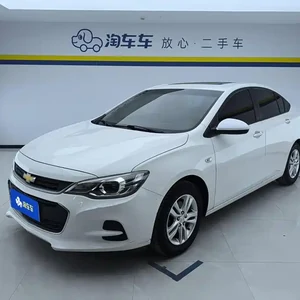
Live Chevrolet Cavalier export inventory
View all listings →Real units currently on ChinaCarDirect with per-unit asking prices and MOQ. Availability updates live from the catalogue.
How to buy a Chevrolet Cavalier from China
-
1
Define the destination and use case
State the destination country, steering requirement, annual mileage, passenger needs, fuel preference and expected holding period. This establishes the correct trim, engine and compliance route before comparing vehicles.
-
2
Search the live Cavalier inventory
Review current Chevrolet Cavalier listings and shortlist like-for-like vehicles by model year, trim, transmission, seller and MOQ. Treat availability as live information rather than a fixed market assumption.
-
3
Verify each VIN and specification
Request the VIN, production date, engine and gearbox, factory equipment list, photos and ownership documents. Confirm whether the unit is new or used and whether the stated configuration matches the trim name.
-
4
Build a landed-cost comparison
Separate vehicle cost, origin charges, freight, insurance, duties, taxes, registration and local delivery. Compare every candidate on the same Incoterm and destination basis.
-
5
Confirm RHD and homologation
Have a local customs or homologation specialist confirm registration, emissions, safety and equipment requirements for the exact configuration. Do not treat a China VI designation as automatic destination approval.
-
6
Agree MOQ, payment and documents
Obtain a written pro forma invoice covering price, MOQ, Incoterm, payment milestones, production status, cancellation terms and charge allocation. Verify the seller entity and payment beneficiary before transferring funds.
-
7
Inspect before release and ship
Approve the vehicle or packing list against the VIN records, arrange a pre-shipment inspection where available, and confirm insurance and freight bookings. Reconcile the final documents before the balance is released.
Cavalier vs rivals
| Toyota Corolla | Often the safer retail choice where dealer coverage and residual values dominate; it generally costs more to acquire and run, while the Cavalier offers a more fleet-oriented value case. |
|---|---|
| Hyundai Accent | A close value compact sedan with familiar global servicing; choose it for local brand strength and design, while the Cavalier may provide a more suitable Chinese-built configuration for certain fleet briefs. |
| Honda Civic | A stronger fit for buyers prioritising refinement, performance or hybrid options where offered; the Cavalier is the simpler fleet-value option but does not match its general feature set. |
Frequently asked questions
How is Chevrolet Cavalier export pricing determined?
A live price reflects the exact vehicle’s year, trim, powertrain, options, condition, seller terms and currency conditions when the offer is made. It may not include inland transport, export documents, freight, insurance, duty, tax, registration or local delivery, so build a separate landed-cost sheet. The current binding amount for a particular unit is shown in its live listing and should be confirmed in a written pro forma quotation.
What engine and range options does the Cavalier have?
The China-built Cavalier is a gasoline compact sedan, so battery capacity and electric driving range do not apply. The lineup uses 1.5L, 320 and turbocharged 325T labels, with manual and automatic transmissions; a 325T dual-clutch edition is also identified. Because trim labels are market-specific, confirm the engine, output, gearbox and emissions specification tied to the VIN on the live listing.
Should an overseas buyer choose a new or used Chevrolet Cavalier?
New units generally provide clearer configuration, condition and factory-warranty history, although parallel-export warranty may not transfer to the destination market. Used units can suit buyers with inspection and maintenance capability, but their economics depend on service history, wear, refurbishment needs and residual risk. Inspect the individual unit and its documents rather than applying a general new-versus-used rule.
How does MOQ work when buying a Cavalier from China?
MOQ is set by the seller and the individual listing or allocation, not by the Cavalier model name itself. Read the field shown for the unit and obtain written confirmation for the required model year, trim and destination. If freight economics favour consolidation, ask whether the seller can combine different trims while maintaining a VIN-level packing list and compliance record.
What determines shipping time and cost for a Cavalier?
Shipping cost depends on the route, vessel booking, container or RoRo availability, terminal charges, handling, insurance, congestion and inland delivery. Transit time varies with sailing schedules, transshipment, customs clearance and destination transport. Compare door-to-door and origin-port quotations on the same Incoterm so lower freight charges are not offset by unexpected destination costs.
Are spare parts available for exported Chevrolet Cavaliers?
Parts support cannot be inferred from the Chevrolet badge alone. Before ordering, ask the supplier for the parts catalogue, recommended maintenance items, electronic support and the nearest distributor, then verify common service-part availability in the destination market. For RHD or less common configurations, secure a parts plan before shipment because components may require different sourcing.
Is right-hand-drive Chevrolet Cavalier availability guaranteed?
RHD availability is not guaranteed and must be confirmed for the exact unit or supplier programme. China-origin vehicles are commonly encountered in left-hand-drive form, while some export operations offer RHD production or conversion. Verify the steering configuration, conversion quality, electrical and airbag integration, registration rules and local parts availability before placing an order.
How do I order a Chevrolet Cavalier from China?
Begin with the live Cavalier inventory, select a vehicle matching the destination specification and request a VIN-specific quotation. Confirm MOQ, price, Incoterm, payment milestones, documents, inspection and shipping arrangements in writing. After verification of the seller and payment beneficiary, follow the agreed release process through export preparation, freight booking, customs clearance and destination registration.
Ready to source the Chevrolet Cavalier?
Send your destination, powertrain, trim, quantity and RHD requirement through the RFQ form for a VIN-specific Cavalier quotation.
Request a quote