
Chevrolet Malibu Export Buying Guide for Overseas Dealers
Export Chevrolet Malibu from China with a clear guide to trims, engines, pricing logic, MOQ, shipping, compliance and rival alternatives for dealers.
At a glance
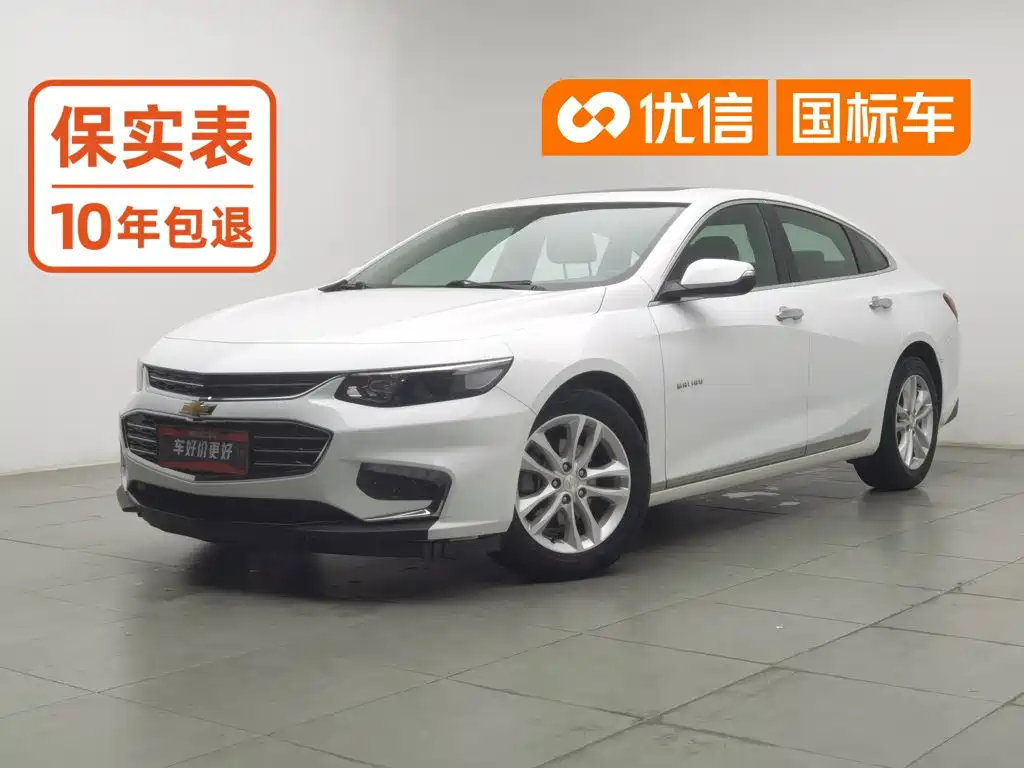
- The Malibu combines Chevrolet branding, midsize-sedan space and a broad selection of Chinese-market trims and gasoline powertrains.
- Malibu and Malibu XL listings differ in body configuration, equipment and vehicle dimensions, so each unit needs individual assessment.
- New, unregistered and used vehicles present different condition, warranty and acquisition-cost trade-offs that must be reviewed per listing.
- Export pricing changes with model year, trim, engine, condition, Incoterm, freight and destination charges rather than following one fixed rate.
- MOQ is seller-specific: a single-unit purchase may be possible, while wholesale buyers can consolidate compatible vehicles into a container.
- LHD or RHD configuration, destination homologation, customs requirements and parts support must be confirmed before ordering.
Why the Chevrolet Malibu matters for export markets
The Chevrolet Malibu occupies the practical middle of the midsize-sedan class: more usable space and highway composure than a compact car, but generally less costly and less complex to operate than a premium executive saloon. For export buyers, the Chinese-market Malibu and Malibu XL provide an established Chevrolet nameplate with several gasoline powertrain and equipment packages. That combination matters in distributor and fleet channels seeking a familiar badge without moving into luxury-brand budgets. Its appeal is strongest where buyers value a conventional three-box sedan, straightforward gasoline propulsion and broad trim choice over battery-electric range or crossover utility.
Demand should not be framed as a single global market. In left-hand-drive countries and emerging import channels, a midsize Chevrolet can attract dealers replacing older family sedans, while fleet operators may value the combination of a recognizable design, predictable service categories and a simpler fuel supply than hybrids or EVs. However, Chinese domestic trim names and specifications do not automatically match North American or European Malibu versions, so local buyers may be purchasing a different market adaptation. Confirming local homologation and parts support is therefore more valuable than relying on the Chevrolet badge alone.
For a buyer entering this segment, the Malibu is most compelling when the brief prioritizes cabin space, a conventional sedan format, a broad enough specification ladder and manageable operating costs. It is less compelling where charging infrastructure, fuel efficiency or off-road packaging is central, or where the destination expects a current global model with a mature local warranty network. The correct export question is therefore not simply whether the Malibu is popular, but whether this body, engine and trim combination can be registered, serviced and resold locally in the target market.
- Midsize sedan positioning
- Malibu and XL bodies
- Destination homologation
Model range, trims and powertrain variants: how the lineup is structured and how to choose
The export-facing lineup is not a single global specification. It includes the Chevrolet Malibu and the Malibu XL, with domestic-market edition labels such as Luxury, Dynamic, Trend, Sport, Comfort, Connect, Sharp and RuiChi/RuiYi. Redline-branded versions form another visible family. These names help identify likely equipment positioning, but they are not a substitute for the build sheet: engine, transmission, body style, infotainment and driver-assistance fit can change across model years and suppliers. A buyer should compare the exact VIN-level listing rather than infer a standard specification from a familiar trim word on the live listing.
Powertrain selection starts with what the numbers actually represent. The catalogue includes 2.0-litre gasoline versions, 1.5T and 1.6T turbocharged versions, and designation lines carrying 530T, 535T and 550T codes. The T denotes turbocharging, while the three-digit codes are market trim identifiers and should not be decoded by buyers without the vehicle's documentation. Automatic transmission appears across the range, although selected 535T examples use a CVT and certain 1.5T Redline cars pair with a dual-clutch unit. For resale and parts planning, the confirmed gearbox type matters as much as engine output for the exact unit.
Choosing among trims should follow operating priorities, not cosmetic hierarchy. A Comfort or Trend-oriented car may be easier to equip for fleet use, while Luxury, Dynamic or Sharp versions may add comfort, connectivity and visual distinction that matters in retail. Sport and Redline editions can suit buyers wanting the strongest style or performance positioning, but exact equipment still needs confirmation. Compare safety equipment, cabin materials, infotainment compatibility, boot practicality and serviceability alongside the engine badge. That prevents a buyer from paying for trim prestige while overlooking the more important compliance and running-cost issues.
- Gasoline engine choices
- Transmission variations
- Build-sheet verification
New vs used Chevrolet Malibu: how export inventory is structured and how buyers choose
Export inventory should be read as a sequence of individual vehicles, not a homogeneous factory batch. Each listing may represent a different model year, edition, engine, transmission, specification and delivery condition, even when several cars share the same model name. The status shown on the live unit is the controlling information, so confirm whether it is described as new, unregistered, demonstration or used before placing an order. This distinction affects expected wear, title history, warranty handling and the evidence required for customs. It also prevents assumptions based on a model-year label.
A vehicle presented as new or unused generally offers the cleanest basis for fleet standardisation because trim and equipment can be compared more easily. It may also carry factory warranty benefits where the manufacturer programme is valid in the destination and transferable, although that must be verified rather than assumed. Unregistered sales or former display cars can sit between categories, so ask for start mileage, production or first-registration dates, delivery records and photographs of any removed dealer markings. The buyer's written quotation should define the condition category precisely and contractually.
Used or higher-mileage cars can make sense where acquisition cost matters more than cosmetic uniformity. The trade-off is that condition is no longer established by age alone: service history, engine and transmission behaviour, paint, interior wear, accident repair and odometer credibility all require evidence. For the Malibu, buyers should pay particular attention to fluid leaks, turbocharger or cooling-system condition on applicable engines, transmission shifts, steering and suspension condition, and the completeness of electronic features. A pre-shipment inspection should be tied to the exact VIN before the vehicle is released for shipment.
- Per-unit condition
- VIN-specific inspection
- Fleet consistency trade-off
How export pricing works: the factors behind a live listing price, and how to read one
Export price is the result of a chain of vehicle and transaction variables, not a fixed value attached to the Chevrolet Malibu name. Model year, body style, engine code, transmission, edition, equipment, paint, mileage and stated condition affect the vehicle's baseline commercial value. Then the commercial terms change it: exchange rate, Chinese inland transport, export handling, insurance, freight, destination charges and the selected Incoterm determine what the buyer actually pays. The same trim title can therefore support materially different quotes. Always compare like vehicles with like delivery obligations and documentation.
When opening a live listing, separate the visible vehicle amount from the estimated landed cost. The listing may not state the same obligations as a formal quotation, and a price shown under one Incoterm can be misleading if another party assumes ocean freight, insurance, customs clearance or taxes are included. Check whether the offer is vehicle-only, terminal-to-terminal, port-to-port or delivered to a named place. Then request a written quotation identifying every charge and the party responsible for each stage. This prevents a low headline figure from becoming an expensive landed shipment.
Use a like-for-like comparison sheet for every serious candidate. Record the SKU, model year, exact edition, engine and transmission, body, condition, mileage, equipment, price basis, Incoterm, named port, validity period and estimated arrival. The current price and availability are shown per unit in ChinaCarDirect's [live Chevrolet Malibu listings](https://chinacardirect.com/products?q=Malibu&brands%5B%5D=928), then confirmed in an RFQ because catalogue content changes. Keep freight, duty assumptions and documentation conditions visible rather than burying them in a total. Compare landed cost with expected fuel use, insurance, servicing and resale—not merely another listing amount.
- Pricing baseline
- Incoterm responsibility
- Landed-cost confirmation
MOQ, ordering and payment: single units vs consolidating a container
Minimum order quantity is a seller and listing rule, not a permanent property of the Malibu. Some unit sellers will quote one vehicle, while factory-related or container-oriented suppliers may impose a batch requirement; the applicable minimum must be checked on the individual listing and in the written quotation. A dealer testing demand can request a single-unit landed quote first. A fleet or importer with confirmed demand can consolidate several units, but should not assume that a multi-vehicle request automatically secures sea freight or a particular loading date. Confirm all constraints before committing funds.
A sound ordering process starts with reservation against a unique SKU, followed by a written proforma invoice or contract that identifies the vehicle, options, condition, price basis, payment schedule, inspection standard and delivery terms. Verify the seller's legal identity, the ownership chain and the export documents before paying, and use a protected payment method with a clear cancellation and refund clause. The balance should be tied to agreed milestones such as inspection and shipping-document readiness, not merely to an informal promise that a car is ready before the vessel or inland carrier takes possession.
Container consolidation can reduce unit freight and handling costs, but it adds coordination risk. Vehicles grouped for one buyer may mix model years, engines, transmissions and equipment, making fleet resale or parts planning harder. Agree an assembly rule, inspection standard, marking method, damage process and evidence deadline before loading. Full-container, less-than-container and shared options also carry different cost and delay profiles, so the buyer should select the method that matches volume, cash flow and destination inventory requirements. For a mixed batch, reserve loading space early and align inspection, marking and release dates with the freight book.
- Seller-set MOQ
- Unique-SKU reservation
- Compatible consolidation
Shipping, homologation and market compliance caveats: LHD/RHD and import rules by country
China export logistics are straightforward only when the vehicle's configuration matches the importing country. Chinese-market Malibu examples are commonly supplied in left-hand-drive form, while a right-hand-drive vehicle should never be inferred from the model name. A buyer requiring RHD should first identify a genuinely RHD vehicle in the live inventory and confirm whether that configuration is road-legal for the destination. Retrofitting steering and related components can affect safety, warranty, emissions conformity and registration, so it should not be treated as a routine export option without local engineering approval.
Shipping a vehicle does not make it road-legal. Before release, the importer may need to satisfy local safety, emissions, environmental, noise and vehicle-identification requirements, as well as customs classification, duties, taxes and minimum-age restrictions. Chinese VIN, registration or customs documents do not substitute for destination approval. Obtain a written local compliance assessment for the exact configuration, and check whether an approved inspection, modification or emissions certificate is required before the vehicle travels or is registered. Also confirm who bears the cost of any required approval work, testing or permitted modification in advance.
Once compliance is clear, the shipment still needs disciplined coordination. Agree whether the seller or freight forwarder handles export customs, pre-shipment inspection, port receiving, booking, insurance, loading and delivery; then check the Incoterm against the actual responsibilities. Photograph the vehicle, body, tyres, glass and fuel level before loading, preserve the inspection report, and inspect again at discharge for concealed or transit damage. Keep the original release documents together so registration is not delayed after arrival. Use agreed evidence deadlines and named contacts to resolve discrepancies before the vehicle is released or accepted.
- LHD/RHD verification
- Local compliance review
- Pre/post-load inspection
Who should buy the Malibu — and who should pick a different vehicle
The Malibu best fits an overseas buyer who wants a conventional midsize sedan with recognizable branding and a choice of gasoline powertrains without entering premium pricing. It is particularly relevant to distributors replacing fleet sedans, to retailers seeking an accessible Chevrolet alternative, and to importers operating in left-hand-drive markets where the Chinese specification can be registered and supported. For those buyers, the combination of body choice, equipment and parts availability can be more valuable than headline power or acceleration. A disciplined landed-cost calculation should still confirm that the selected version fits the fleet budget.
It also suits buyers who value a three-box layout, a usable passenger compartment and more presence than a compact model. A carefully matched unit can work well for executive transport, airport services, hotel fleets or regional distributors where the purchase brief prioritizes comfort, straightforward fueling and a restrained operating profile. Used examples may suit smaller rental groups or secondary-market operators, provided the inspection addresses wear and the buyer can obtain reliable parts and service information for that specific engine and transmission. Local workshop capability should be verified before the final vehicle selection.
The Malibu is a poor choice for buyers whose priority is battery-electric running costs, very low operating emissions, compact urban dimensions, all-weather clearance or a globally uniform model with established local aftersales support. It can also be unsuitable in a right-hand-drive market if compliant RHD supply is unavailable or if the importer cannot satisfy type-approval requirements. Before committing, compare the Malibu against locally homologated alternatives on total operating cost, residual value, parts lead time, warranty and the real ability to complete registration. A vehicle that cannot be approved should not be valued as usable stock.
- Fleet buyer fit
- LHD market dependency
- EV-first mismatch
Main rivals and how the Malibu compares
The Toyota Camry is the closest global benchmark for buyers who prioritise family-sedan space, a broad service proposition and strong resale recognition. It may carry a higher acquisition or compliance cost in some destinations, and locally approved versions can have different powertrains from the Chinese Malibu. Choose the Camry when established local servicing and long-term brand confidence outweigh the Malibu's broader trim and model-year availability; compare delivered cost rather than assuming either name guarantees the better result for your particular buyer, duty regime and service territory before committing funds to either.
The Honda Accord is another direct midsize rival, with a similar need to balance cabin space, driving character and operating costs. Depending on the market, its locally available engine and equipment may be more familiar to buyers and workshops than a Chinese-market Malibu specification. It can suit drivers who place more weight on brand image and road manners, while the Malibu may offer a wider spread of body years and domestic editions. Availability, homologation and parts support should decide the comparison. A test drive and landed-cost comparison are more useful than badge assumptions.
The Nissan Altima provides the closest value-oriented family-car alternative for many importers, particularly where locally sold sedans sit near the Malibu's delivered class. It is worth checking equipment, fuel economy, tax bands, resale expectations and parts availability against the exact Chinese specification, because badge familiarity can influence both sale price and service confidence. The Malibu is the more distinctive choice for buyers seeking Chevrolet identity and specific domestic trims; the Altima may be safer where Nissan support is already established. Compare workshop coverage, homologation and total acquisition cost in the destination market.
- Camry familiarity
- Accord refinement
- Altima value
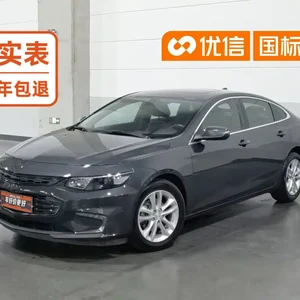
Live Chevrolet Malibu export inventory
View all listings →Real units currently on ChinaCarDirect with per-unit asking prices and MOQ. Availability updates live from the catalogue.
How to buy a Chevrolet Malibu from China
-
1
Define the destination and body brief
Choose the destination country, required body style, driving side, passenger capacity and operating environment before selecting a Malibu or Malibu XL.
-
2
Compare live Malibu units
Use the [live Chevrolet Malibu listings](https://chinacardirect.com/products?q=Malibu&brands%5B%5D=928) to compare model year, edition, engine, transmission, condition, equipment and current availability.
-
3
Verify the exact specification
Request the VIN-level build sheet and photographs, especially for Chinese-market codes, infotainment functions, safety equipment and transmission type.
-
4
Request a written landed quotation
Ask for the per-unit price, applicable MOQ, Incoterm, named port, payment schedule, validity period, freight assumptions and estimated delivery basis.
-
5
Complete the compliance review
Confirm LHD or RHD suitability, destination type approval, customs treatment, taxes, age restrictions and any required inspection or certification before paying.
-
6
Reserve, inspect and pay
Reserve the unique SKU through a formal proforma invoice, use protected payment terms and tie final payment to the agreed inspection and document milestones.
-
7
Book freight and preserve evidence
Assign export customs, inspection, booking, insurance and loading responsibilities, then retain signed condition reports, photographs and original release documents.
Malibu vs rivals
| Toyota Camry | The Camry offers a more globally familiar family-sedan proposition and established resale recognition in many markets. It is often the safer choice where local servicing is strong, while the Malibu may provide more choice in Chinese-market model years and domestic editions. |
|---|---|
| Honda Accord | The Accord competes directly on midsize space, driving character and brand appeal, with locally familiar specifications in many destination markets. The Malibu is attractive to buyers who want Chevrolet identity and access to a broader selection of Chinese-market trims. |
| Nissan Altima | The Altima is a strong value-oriented alternative when locally approved sedans sit close to the Malibu's delivered class. Choose it where Nissan workshop coverage and parts familiarity are stronger; choose the Malibu for its distinctive design and domestic specification choice. |
Frequently asked questions
How is Chevrolet Malibu export pricing determined?
Export pricing reflects model year, body, trim, engine, transmission, equipment, condition and mileage, plus exchange rates, freight, insurance, destination charges and the selected Incoterm. The current per-unit price is shown in the [live Malibu listings](https://chinacardirect.com/products?q=Malibu&brands%5B%5D=928) and should be confirmed in a written RFQ. Buyers should compare landed cost rather than the visible listing amount alone.
What Chevrolet Malibu engine and transmission options are available?
The range includes 2.0L, 1.5T and 1.6T gasoline versions, together with 530T, 535T and 550T-coded designations. Automatic, CVT and dual-clutch configurations appear depending on the trim, so the exact engine and gearbox should be checked against the VIN-level listing.
Should an overseas buyer choose a new or used Malibu?
A new or unused vehicle generally makes fleet standardisation and equipment comparison easier, while a used vehicle may reduce acquisition cost but carries more condition uncertainty. Check the condition stated on each live unit, request service evidence and use a VIN-specific pre-shipment inspection.
What is the MOQ for buying a Chevrolet Malibu from China?
MOQ is set by the individual seller and listing, so it may allow a single vehicle or require a larger batch. Ask for the applicable minimum in the live listing and written quotation. Wholesale buyers can request container consolidation, but should agree compatibility, inspection and assembly rules before loading.
How long does Malibu shipping take and what affects the cost?
Transit time and freight cost depend on the origin and destination ports, carrier schedule, booking availability, container method, insurance and customs clearance. Inland transport, documentation, storage, inspection and terminal charges can also affect the total, so the freight scope must be stated in the agreed Incoterm.
Are spare parts available for exported Chevrolet Malibus?
Parts support depends on the model year, engine, transmission and Chinese-market trim designation. The buyer should obtain the exact vehicle identification details and confirm engine, gearbox and electronic compatibility before ordering parts, especially where a domestic model differs from the version sold in another country.
Is a right-hand-drive Chevrolet Malibu available?
Right-hand-drive availability must be checked for each source, model year and destination rather than inferred from the model name. Any steering conversion can affect safety approval, warranty and registration, so an RHD vehicle should be confirmed as genuinely compliant before shipment.
How do I buy a Chevrolet Malibu from China?
Start with the live listings, shortlist suitable units and request a written quotation covering the SKU, specification, condition, price basis, MOQ, payment terms and delivery scope. After compliance checks and document review, reserve the vehicle, complete the agreed inspection and payment milestones, and coordinate freight with clear evidence and responsibilities.
Ready to source the Chevrolet Malibu?
Request a current Chevrolet Malibu quote with vehicle details, landed-cost options, MOQ and delivery terms through the ChinaCarDirect RFQ.
Request a quote