
Chevrolet Monza Export Buying Guide for Overseas Dealers
Buy a Chevrolet Monza from China with practical guidance on trims, export pricing, MOQ, shipping, compliance, and choosing the right specification for your market.
At a glance
- The Chevrolet Monza is a China-market compact sedan suited to value-focused dealers and fleet buyers.
- Its lineup spans 1.5L, turbo, automatic, dual-clutch, and mild-hybrid applications.
- The best trim depends on duty cycle, fuel rules, transmission preference, and serviceability.
- Compare current unit-specific quotes on the same trim, year, condition, and Incoterm.
- Confirm steering configuration, homologation, customs treatment, parts access, and insurance before shipment.
- Single-unit enquiries and container programs require separate MOQ, payment, and documentation confirmation.
Why the Chevrolet Monza matters for export markets
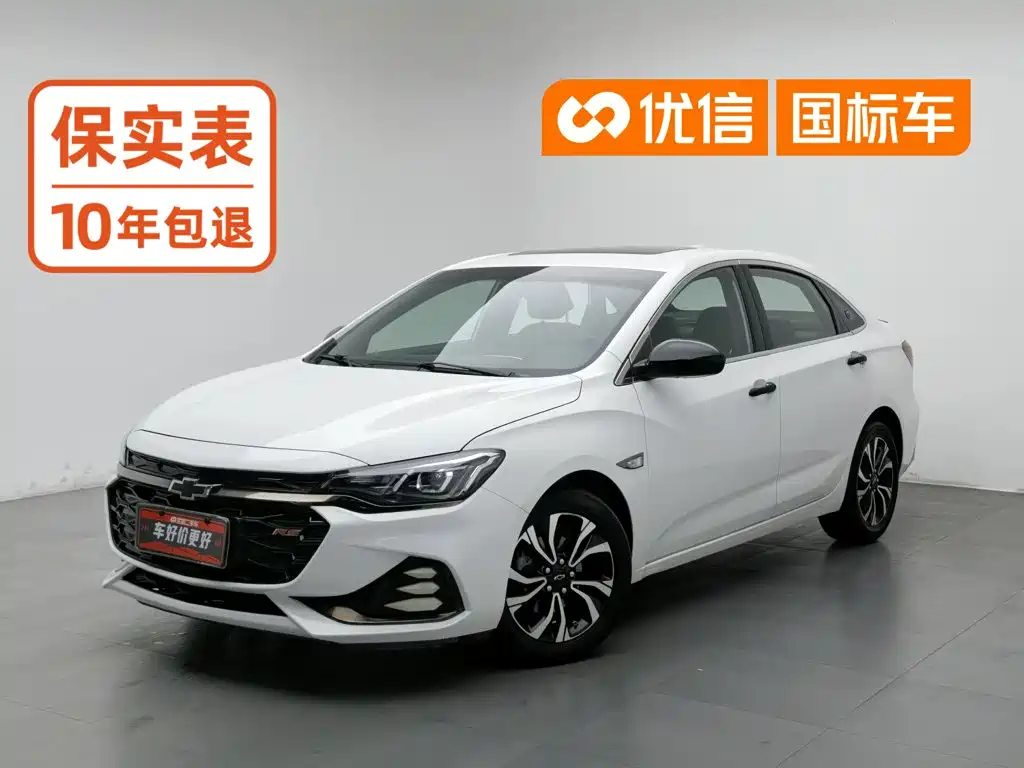
The Chevrolet Monza is a China-market compact four-door sedan positioned around affordable transport rather than premium performance. For export buyers, its relevance comes from combining a recognizable Chevrolet badge with packaging, equipment, and powertrain choices tailored to Chinese fleets and private buyers. That makes it a practical candidate for distributors serving value-oriented sedan demand, provided the imported specification is matched to local rules and buyer expectations. The strongest export case is operational: a vehicle that can be ordered by specification, equipped for the intended role, and supported with dependable documentation.
Demand is not automatic, however. A compact sedan succeeds only where four-door cars remain culturally relevant, fuel and maintenance networks are adequate, and import economics justify sourcing from China. In markets where small crossovers dominate taxi and fleet use, the Monza may need to compete against more versatile body styles. In markets with strong Chevrolet recognition and established compact-sedan demand, it can be easier to position through mainstream channels. The export decision should therefore follow target-market evidence, not global sales assumptions before any vehicles are committed or international freight is booked.
Dealers buying a Chevrolet Monza from China should separate the badge from the business case. Chinese-market trim names may not translate directly into familiar equipment packs, and the local competitor set may have stronger residual-value data. Before committing, compare fuel economy, safety equipment, software, service access, and parts support—not only the attractive specification list. The Chevrolet brand hub and live Monza listings provide a starting point, but the binding decision comes from verified unit documents and destination-specific homologation. A model that is easy to sell and service can be more valuable than one with a longer visible equipment list.
- Best fit: value-focused compact-sedan markets.
- Core appeal: Chevrolet branding and trim choice.
- Key caveat: overseas equipment may differ.
Model range, trims and powertrain variants: how the lineup is structured and how to choose
The lineup is organized around several mechanical themes rather than one global trim hierarchy. Export names include 320 automatic cars, 320T and 330T turbo-labeled versions with dual-clutch or automatic transmissions, 1.5L dual-clutch derivatives, and mild-hybrid RS 330T and 1.3T applications. Model-year and market updates can alter outputs and equipment, so buyers should read the exact listing and production documents rather than infer a specification from the badge alone. Treat each trim name as a starting point for comparison, not a substitute for the vehicle’s build sheet and options fitted at delivery.
For fleet duty, the practical choice is the powertrain and gearbox that suit the operating environment. An automatic may be easier for mixed drivers to use, while a dual-clutch can suit buyers who prioritize response and efficiency and accept more attention to approved fluids and service intervals. Mild-hybrid versions can assist engine operation but do not turn the Monza into a plug-in hybrid; there is no external charging dependency or electric-only range. Confirm fuel type, gearbox type, and service requirements on the unit being sold before committing a mixed fleet order.
Trim labels add another layer of interpretation. Enjoyment, Delight, Comfort, Joy, Thrill, Benefit, and Sunroof editions are Chinese-market names that signal different feature emphases, but translations alone do not establish a standardized equipment grade for another country. Sunroof and sport-appearance labels are easy to understand; driver-assistance content, infotainment, upholstery, and option combinations require photographs and a written equipment list. For any export purchase, match the named trim to production year, VIN, color, and installed equipment before comparing quotations with another vehicle or approving a wholesale order for dispatch.
- 320 automatic: mixed-driver fleet simplicity.
- 330T and DCT: turbo-focused applications.
- Mild hybrid: no plug-in charging.
New vs used Chevrolet Monza: how export inventory is structured and how buyers choose
A Chevrolet Monza export programme can include new factory cars, used cars, or a mixture, but each source creates a different evidence and risk profile. New Chinese-market examples provide the clearest link between advertised specification, factory condition, and available homologation documents. Used vehicles may widen year and trim choice, yet their suitability depends on provenance, mileage, service history, and condition rather than the model name alone. Buyers should compare the two categories on total cost, not on purchase price in isolation or assumed warranty coverage in the destination market.
Used Chevrolet Monza buyers should request the VIN, registration history where available, service records, odometer evidence, accident and flood checks, paint measurements, and photographs of the underside and engine bay. Inspect the specific unit because same-model cars can differ after repairs, replacement parts, or market-specific modifications. The transmission, clutch, engine, cooling system, and hybrid components deserve particular scrutiny on a used export purchase. A low mileage claim alone is not a substitute for a documented condition report and an inspection completed before payment and a clear remedy if the report differs.
Chevrolet Monza wholesale procurement often benefits from a tiered approach: set a technical baseline, then use live availability to choose the sourcing channel. New vehicles are usually preferable where fleet uptime, warranty administration, and predictable presentation matter most. A used vehicle can make sense for a budget buyer, a replacement parts donor, or a market that values an established model more than factory-new presentation. Do not assume that a mixed order shares one approval, condition standard, or documentation pack; request a vehicle-level record for every unit overseas before the balance becomes payable.
- New cars: cleaner factory specification.
- Used cars: demand VIN and condition evidence.
- Mixed orders: quote and document every unit.
How export pricing works: the factors behind a live listing price, and how to read one
A Chevrolet Monza export price guide should explain variables rather than publish a misleading fixed figure. Year, trim, powertrain, transmission, mileage, condition, color, seller location, and stock status can all affect a live asking price. Currency movements, export paperwork, insurance, sea or land freight, handling charges, and the selected Incoterm then influence the landed total. A vehicle shown in the same trim but a different model year is not automatically equivalent, especially when production changes or market equipment differ. Buyers should request unit-specific quotations with these inputs explicitly stated.
Read a live listing as the start of a quote, not the finished landed cost. First establish whether the displayed amount covers the vehicle only, export documentation, inland movement, marine insurance, port handling, or delivery under a named Incoterm. Then build the destination budget by adding charges that the seller or forwarder does not include, such as customs, duty, taxes, destination transport, registration, and local compliance work. Exchange-rate assumptions should be dated, and any validity period should be understood before placing funds. A written pro forma invoice should show the inclusions.
Every quotation should identify the exact vehicle or production specification behind it. Check the listing name, year, trim translation, engine and gearbox, mileage or new condition, color, VIN availability, seller location, photographs, and stated MOQ. Confirm whether the quote is negotiable, whether it changes after inspection, and who bears damage during transport. Current binding numbers are shown on the live ChinaCarDirect inventory, so refresh the record rather than relying on an old article, message, or comparison sheet. This is especially important when exchange rates or freight move between quotation and payment.
- Compare like-for-like trim, year, and condition.
- Separate vehicle cost from landed charges.
- Confirm quote validity and Incoterm in writing.
MOQ, ordering and payment: single units vs consolidating a container
MOQ is a commercial term, not a fixed property of the Chevrolet Monza name. Single-unit enquiries may suit a test vehicle or small reseller, while fleet and wholesale programs usually involve agreed quantities by grade. The seller or platform should confirm the threshold attached to the selected listing, selected trim, and production batch before a deposit is paid. Also establish whether the quoted price is per unit and whether mixed grades count toward one order. ChinaCarDirect’s live listings are the right place to verify the current instruction attached to each vehicle.
Container consolidation can improve logistics, but it should not mix incompatible requirements. Group vehicles by destination approval, production standard, trim, color, and delivery urgency; confirm that each unit has the same document set the importer expects. A consolidated shipment may also contain other permitted models, provided ownership, customs declarations, inspection, and allocation are handled unit by unit. The importer should compare the savings from freight consolidation with the risk of delay, damage, or paperwork disputes affecting the whole group. Separate packing lists and condition records reduce ambiguity during loading and discharge.
Payment structure should follow the risk, not merely the lowest deposit. A normal sequence may reserve the vehicle, verify identity and documents, complete inspection, pay a balance, and release the unit against agreed evidence; the exact sequence must be written into the pro forma invoice and contract. Buyers should use a protected payment channel, define who is the contracting seller, and attach refund or remedy terms for a mismatch, failed inspection, or inability to export. Never rely on a verbal assurance about a VIN, condition, or shipping inclusion before the balance becomes payable.
- Single-unit enquiries: confirm seller MOQ.
- Container programs: define grades before booking.
- Payments: tie release to inspection and documents.
Shipping, homologation and market compliance caveats: LHD/RHD and import rules by country
Shipping begins with the delivery term, not the route alone. A seller’s location determines the origin and whether the vehicle moves by roll-on/roll-off, container, inland truck, or a combination of modes. The importer should confirm port or terminal, booking party, carrier, estimated transit, insurance coverage, and every handling charge included in the quote. Ocean freight can be economical for regular consignments, while air or rail may suit urgent or lower-volume movements where available. Actual timing depends on origin handling, port congestion, sailing availability, transshipment, customs clearance, and inland delivery. Obtain the carrier booking reference before dispatch.
Vehicle homologation is country-specific and cannot be inferred from a China VI badge alone. Import authorities may assess emissions, lighting, noise, safety equipment, VIN identification, vehicle type approval, radio equipment, customs value, and right- or left-hand-drive configuration. Requirements can also cover age restrictions, used-vehicle rules, dealer licensing, and local registration. The importer or customs broker should review the exact vehicle documents and planned use before committing freight. Retrofitting equipment may be possible in some markets, but it adds cost, testing, delay, and uncertainty. Confirm early whether local conversion is permitted.
Most Chinese-market Monza examples should be treated as left-hand-drive until the seller proves otherwise, and right-hand-drive availability varies by source and destination. Ask for clear photographs of the steering wheel, VIN plate, and instrument cluster, plus the corresponding production document. A steering-wheel conversion may alter parts coverage and could create inspection, insurance, or resale issues in jurisdictions with strict alteration rules. Import planning must therefore include delivery of the vehicle in the configuration buyers will use, not an assumption based on a model name. This is especially important for fleet handover procedures.
- LHD is the default assumption; verify it.
- China VI does not guarantee local acceptance.
- Check customs, duty, registration, and insurance early.
Who should buy the Monza — and who should pick a different vehicle
The Monza is a strong candidate for importers seeking an affordable compact sedan with recognizable branding and several powertrain paths. It can suit fleet operators, ride-hailing businesses, company-car programs, and dealers serving entry-level private customers where compact sedans remain normal. The broad trim range allows equipment and transmission choices to be matched with fleet needs, while Chevrolet’s international badge can simplify buyer recognition. The case is strongest when the importer can provide reliable registration, maintenance, parts, and residual-value support after arrival because the vehicle alone cannot create local confidence or demand.
It is a weaker choice for buyers who require a factory right-hand-drive version, plug-in hybrid range, seven-seat practicality, a body-on-frame commercial platform, or a model with a deep domestic dealer network. Markets dominated by compact SUVs may also favor a taller, more versatile vehicle for family and fleet use. Hot-climate, high-towing, or heavy-duty applications need careful scrutiny because a passenger sedan’s specification should not be treated as a work-tool guarantee. The buyer should compare the Monza with locally supported alternatives when service reliability and resale matter more than export choice.
A disciplined decision should compare total operating and ownership risk, not just acquisition attractiveness. Build a checklist covering purchase terms, fuel, insurance, tax, registration, expected servicing, parts lead time, downtime, resale channels, and driver comfort. Test whether each shortlisted trim still meets that checklist after exchange-rate, freight, and compliance costs are included. For a dealer, a slightly stronger specification may support better resale; for a high-utilization fleet, drivetrain simplicity, parts access, and service support may matter more. These different priorities can produce different winners from the same export catalogue. The buyer should document the reasons.
- Strong fit: compact fleets and value dealers.
- Weak fit: RHD, EV-range, or SUV buyers.
- Decision gate: residual value and service support.
Main rivals and how the Monza compares
The Hyundai Accent is one of the closest global alternatives: a compact sedan aimed at value-conscious private buyers and fleets. It benefits from broader international recognition and, in many destinations, a more established parts and service network than a newly introduced Chinese import. The Monza’s counterargument is access to China-specific trims, powertrain choices, and potentially richer equipment at the unit level. That advantage only becomes real if the importer can establish equivalent service support and credible resale positioning for the Chevrolet. In established markets the Accent may be operationally safer to recommend.
The Kia Rio offers another direct value benchmark, especially for buyers comfortable with a small sedan and simplified fleet specification. Chevrolet branding and the Monza’s broader China-market trim selection can distinguish it, but a Kia with local dealer support may be easier to maintain and resell. The Toyota Corolla is a tougher alternative when durability, global familiarity, and strong residual-value expectations dominate; many markets also offer electrified Corolla variants that the Monza does not directly match. Buyers should compare local-market powertrains rather than treating the Corolla name as a single specification.
Against these rivals, the Monza should win on sourcing flexibility, specification choice, or commercial support from the seller—not merely on a lower quotation. The Accent and Rio often benefit from stronger global recognition, while the Corolla sets a high benchmark for ownership confidence. A meaningful comparison should use the same destination, taxes, insurance, freight allocation, warranty treatment, service assumptions, and resale period. If the Monza cannot match those support conditions, an established rival may deliver the lower risk even before the imported car reaches the showroom or begins carrying fleet depreciation.
- Hyundai Accent: established global support.
- Kia Rio: compact value benchmark.
- Toyota Corolla: ownership and resale benchmark.
Live Chevrolet Monza export inventory
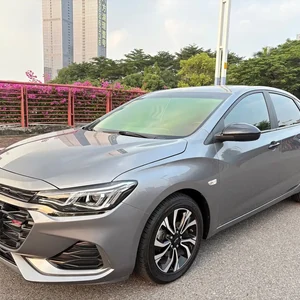
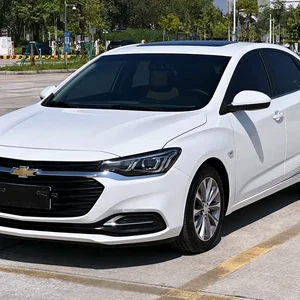
View all listings →Real units currently on ChinaCarDirect with per-unit asking prices and MOQ. Availability updates live from the catalogue.
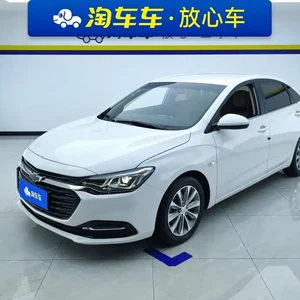
How to buy a Chevrolet Monza from China
-
1
Define the market and operating role
Specify the destination, driving side, fuel rules, typical mileage, equipment priorities, and whether the vehicles are for resale, private buyers, or fleet use. This prevents a visually attractive trim from being selected ahead of homologation or operating needs.
-
2
Shortlist comparable live vehicles
Use the live Monza inventory to compare matching year, trim, powertrain, transmission, and condition. Treat the listing as a starting record rather than a final landed quotation.
-
3
Request a vehicle-level dossier
Ask for VIN or production information, photographs, engine and gearbox details, equipment list, service history where relevant, and document availability. Check the steering-wheel configuration before assuming right-hand-drive suitability.
-
4
Build a written landed quotation
Confirm the vehicle price, exchange-rate basis, Incoterm, freight method, insurance, handling, documentation, and validity period. List customs, duty, tax, registration, and destination transport separately where they are excluded.
-
5
Clear compliance before dispatch
Have the importer or customs broker assess emissions, safety, lighting, VIN, customs value, registration, and steering configuration for the destination. Do not rely on the China VI label as automatic approval.
-
6
Inspect and secure payment
Use an agreed pre-shipment inspection checklist and link payment release to identity, documents, condition, and inspection results. Define remedies for a specification mismatch, failed inspection, or export restriction.
-
7
Ship and preserve the audit trail
Confirm the carrier booking, loading condition, insurance, export documents, customs handover, and delivery records. Retain the unit-level dossier for warranty, parts, maintenance, and future resale support.
Monza vs rivals
| Hyundai Accent | The Accent competes directly in the value-focused compact-sedan segment and often has stronger global recognition and local service support. The Monza offers more China-specific trim and powertrain choice, which is advantageous only if the importer can provide comparable aftersales support. |
|---|---|
| Kia Rio | The Rio is a practical alternative for buyers prioritizing a straightforward compact sedan and established local support. The Chevrolet badge and broader Monza trim selection can provide differentiation, but parts access and residual-value confidence must be verified locally. |
| Toyota Corolla | The Corolla is the stronger benchmark for global familiarity, ownership confidence, and resale expectations, with electrified versions in some markets. The Monza cannot directly match those hybrid choices, so it is better suited to buyers prioritizing its China-specific sourcing and equipment. |
Frequently asked questions
How is the Chevrolet Monza export price determined?
A live quote is built around model year, trim, powertrain, transmission, condition or mileage, seller location, and the services included. Exchange rates, freight, insurance, port charges, duties, and the Incoterm can change the landed total. Compare like-for-like vehicles and request a dated written quotation.
Where can I see the current Monza price and availability?
Open the live Chevrolet Monza listings on ChinaCarDirect and review the displayed price and status for each specific vehicle. Treat that record, rather than a saved enquiry or third-party article, as the starting point for a quote. Ask the seller to reconfirm the price, location, specification, and validity in writing because inventory and commercial terms can change.
Which Chevrolet Monza engines and transmissions are available?
The range includes 320 automatic versions, 320T and 330T turbo-labeled variants, 1.5L dual-clutch versions, and mild-hybrid 330T and 1.3T applications. Exact output, torque, equipment, and production details vary by trim and model year, so use the individual vehicle’s build information. These are petrol vehicles; a mild hybrid does not provide plug-in range or an electric-only operating mode.
Should I buy a new or used Chevrolet Monza?
New examples are generally preferable for predictable factory condition, clearer specifications, and simpler fleet presentation. A used vehicle can suit a budget buyer or replacement-parts purpose, but it requires stronger evidence covering the VIN, mileage, service history, repairs, and mechanical condition. Compare total operating and compliance costs rather than purchase price alone.
How does MOQ work for Chevrolet Monza wholesale orders?
MOQ is agreed for the selected listing, trim, seller, and production batch rather than being a permanent feature of the model. Single-unit enquiries and multi-vehicle programs may have different instructions, and mixed grades may be treated separately. Confirm the applicable threshold, per-unit pricing, and consolidation rules in the written quotation before paying a deposit.
What affects shipping time and cost?
Shipping time and cost depend on origin, transport mode, carrier schedule, port handling, insurance, route, customs clearance, and inland delivery. The Incoterm determines which party arranges and pays for each stage of movement. Request the latest schedule and a complete charge schedule rather than relying on a generic transit estimate.
Are spare parts and right-hand-drive versions available?
Parts should be ordered against the VIN, engine, transmission, and trim rather than by model name alone, because production changes can affect compatibility and lead time. Right-hand-drive availability is separate from general Monza availability and should be confirmed for the specific unit. If conversion is proposed, verify that it is lawful, insurable, and acceptable to local inspection and registration authorities.
How do I order a Chevrolet Monza from China?
Shortlist comparable vehicles, request the unit-level dossier and written quotation, and confirm compliance before reserving freight. Follow the agreed inspection, payment, documentation, loading, shipping, customs, and arrival-acceptance sequence. The ChinaCarDirect RFQ channel is the appropriate place to request current pricing, seller confirmation, and export terms for a specific vehicle.
Ready to source the Chevrolet Monza?
Request a unit-specific Chevrolet Monza quotation with trim, compliance, payment, and shipping terms confirmed before dispatch.
Request a quote