
Chevrolet Trax Export Buying Guide for Overseas Buyers
Buy a Chevrolet Trax from China with guidance on trims, export pricing, MOQ, shipping, homologation and vehicle selection for overseas importers and dealers.
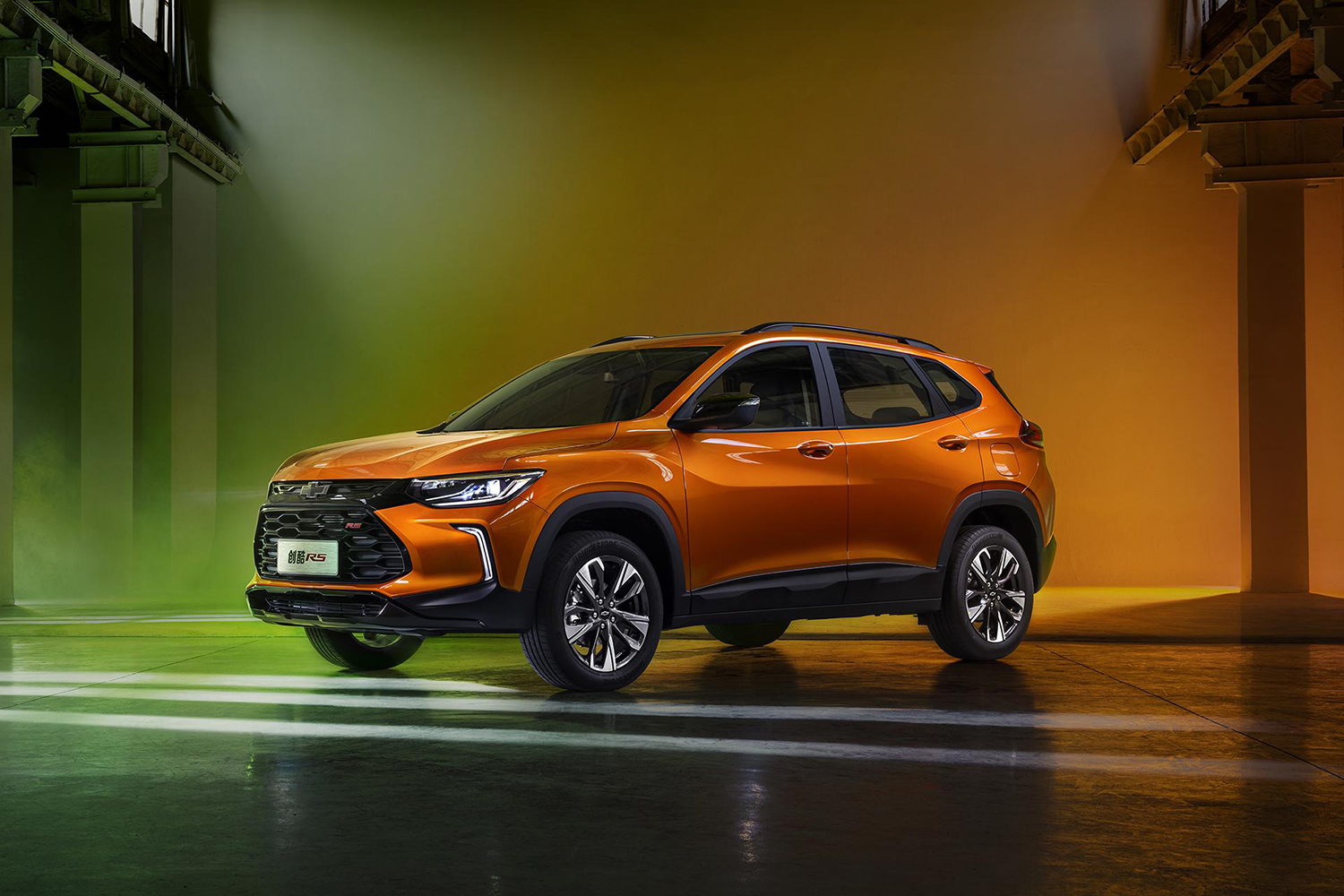
At a glance
- The Chevrolet Trax is a compact, gasoline-powered crossover suited to private buyers, dealers and light fleets.
- The export line-up includes 1.4T, 1.5T, 325T, 330T and 335T applications with manual, automatic or CVT choices.
- Trim, model year, condition, drivetrain and emissions description must be confirmed from the VIN-matched listing.
- Export quotes vary with vehicle specification, currency, freight route, insurance, duties and the agreed Incoterm.
- A single-unit purchase may be possible depending on the live listing, but MOQ must be confirmed for the selected vehicle.
- RHD availability and destination-country homologation require advance confirmation before an order is placed.
Why the Chevrolet Trax matters for export markets
The Chevrolet Trax occupies a practical middle ground between a small hatchback and a larger family SUV. Its compact crossover format suits buyers who need more upright space, luggage capacity and road presence than a sedan without moving into a large, expensive class. That positioning has durable export appeal in markets where manageable compact SUVs are preferred for private use, ride-hailing or light fleet duty. For importers, the attraction is a vehicle that fits narrower roads, parking spaces and family needs while remaining a credible alternative to locally assembled rivals.
Global demand is best understood through use case rather than a blanket sales claim. Dealers can position the Trax as an affordable entry crossover for city drivers, a second vehicle for small families, or a practical unit for commercial operators who need enclosed luggage space and higher seating than a saloon. The model name is already associated with Chevrolet’s compact-SUV portfolio, which helps recognition, although badge familiarity does not replace local aftersales planning. Buyers should assess service-part intervals, parts sourcing and residual-value expectations for their specific destination market before purchase.
The Trax is most compelling to importers who can standardize it for their own market: a clear trim hierarchy, familiar Chevrolet branding and a manageable footprint. Export decisions must remain local. A unit that works well in one country may face different emissions, safety, tax or steering requirements in another. The strongest buying case combines versatility with a confirmed compliance route and realistic parts support. Check the destination’s registration rules early, not after a vehicle has been paid for and moved overseas, where late compliance remediation becomes far more expensive.
Model range, trims and powertrain variants: how the lineup is structured and how to choose
Chevrolet’s Trax catalogue uses model year and trim to combine several powertrain labels. The export selection includes 1.4T versions, 1.5T Tracker RS nomenclature, and 325T, 330T and 335T variants. Transmissions span manual, conventional automatic and CVT, while many 1.4T trims are explicitly marked 2WD. Some 2019 editions carry a China VI designation. This variety makes exact listing verification essential. A trim badge can change the engine, gearbox, drivetrain, equipment and emissions description, so the marketing name should be treated as an identifier rather than a complete specification for buyers abroad.
For an importer, the 1.4T automatic is a starting point when availability and straightforward 2WD matching are priorities. Manual versions suit buyers comfortable with a driver-controlled gearbox and may widen the trim mix, but they place more responsibility on test-drive inspection and familiarization. CVT-labelled Redline and special-edition vehicles require attention to condition, service history and how the particular unit has been used. Do not infer that a CVT has the same maintenance profile as a manual or conventional automatic without checking manufacturer guidance for the exact vehicle and powertrain combination.
The trim hierarchy is clearest when it is translated into buyer priorities. Comfort and Luxury editions center on equipment and drivetrain simplicity; Sunroof, Redline, Transformers and other special editions add visual or content differentiation rather than defining one universal specification. Buyers should compare the VIN, engine label, gearbox, axle layout, emissions code and option sheet for each unit, then select the least complex version that satisfies loading, climate and warranty needs. For fleet use, prioritize serviceability and uptime; for private buyers, comfort, boot usability and specified safety equipment may deserve greater weight.
- Verify engine and gearbox labels.
- Check China VI per vehicle.
- Confirm the axle designation.
New vs used Chevrolet Trax: how export inventory is structured and how buyers choose
Export inventory should be read as two different buying channels. New vehicles offer a defined, documented condition at purchase and easier comparison between units, although age and specification can still differ. Used Chevrolet Trax vehicles occupy a separate market that may be more attractive for a first-time importer seeking a known configuration, lower acquisition outlay or immediate fleet deployment. Each channel needs its own inspection and evidence standard. Availability of each channel changes over time, so confirm the condition label on the exact unit rather than relying on a general category.
When choosing a new Trax, ask whether its model year, trim and powertrain align with the target market rather than assuming the newest-looking vehicle is the most appropriate. A dealer may prefer a familiar 1.4T automatic for fleet standardization, while a private importer may value a higher equipment grade. Inspect paint, panel gaps, tyres, cabin wear and warning lights, and obtain the factory configuration and delivery history before treating the unit as factory-new. Document any transport damage, repair, repaint, odometer discrepancy or electronic concern relevant to the selected vehicle before deposit.
A used Trax should be judged as a depreciating asset with known history, not a bargain version of a new one. Ask for the VIN, registration documents, service records, accident and flood checks, engine and gearbox condition, emissions compliance and ownership evidence. For a high-distance fleet unit, inspect suspension, cooling, brakes and steering; for an older private purchase, recurring faults and parts availability may matter more than cosmetic equipment. A professional inspection and written condition statement can prevent a low entry price from becoming a higher ownership cost over time.
- Check the unit's condition label.
- Match VIN and documents.
- Inspect before final payment.
How export pricing works: the factors behind a live listing price, and how to read one
Export pricing combines changing inputs rather than a fixed list tied to the model name. The vehicle’s year, trim, engine label, transmission, condition and mileage establish its market position. For used units, history and mechanical condition can move value substantially. Currency movements, Chinese factory or dealer margin, destination charges and transaction quantity also influence the final number. Crucially, displayed vehicle price and landed cost are not always the same figure, so buyers must compare quotes on the same commercial basis and clearly know which party bears each stage of cost.
Read each live Trax listing from the identifier outward. Begin with year, exact trim, engine and gearbox, then confirm 2WD or another axle designation, mileage or condition, options, VIN availability and seller location. Next examine what the price includes: vehicle only, export documentation, inland transport, port charges, marine insurance, freight or delivery. An Incoterm can shift responsibility and cost between seller and buyer, so its wording matters. Treat an ambiguous line item as unresolved until the supplier confirms it in writing, especially when comparing offers from different sellers in the quote.
A sound export-price comparison uses a worked example rather than headline figures. If two similar 2WD automatics differ by model year or trim, normalize that difference first. Then add the same assumed freight route, insurance, duty, port fees, inland delivery and financing cost to each vehicle price. This reveals whether an apparent saving is genuine or simply excludes a service included in the competing quote. Request the final landed calculation, identify estimated taxes and retain the written quote against which the order is placed before final payment is fully released.
- Separate vehicle and landed prices.
- Define the Incoterm in writing.
- Quote the VIN-matched vehicle.
MOQ, ordering and payment: single units vs consolidating a container
MOQ is a commercial term, not a permanent Trax characteristic. It describes the minimum quantity a seller accepts for an offer and can vary by model, trim, condition, payment and shipping plan. Some dealers will release a single unit to a qualified buyer, while factory allocations or discounted programme vehicles may require a batch. Buyers should treat the MOQ shown on the specific live listing as controlling, not assume a catalogue-wide rule. Confirm it before deposit and before ordering onward transport in writing. For a dealer buying Chevrolet Trax wholesale, ask the seller to state the MOQ for the selected configuration and any allocation conditions.
A one-unit purchase can suit a dealer testing demand, a fleet buyer adding a mixed model or an importer who wants to inspect before scaling up. For wholesale purchasing, consolidation into a container may improve freight efficiency, but it increases capital exposure, storage needs and the difficulty of correcting a specification problem. Align model years and trims where possible, reserve loading space and confirm that every unit has separate sale documents and acceptable condition. Do not let a container discount conceal differences that may later complicate resale in the destination market.
The order sequence should separate commercial approval from physical release. Confirm the VIN or SKU, price basis, MOQ, deposit, balance trigger, payment currency and refund terms; then obtain the sales contract, export documents and handover evidence. Payment timing should follow inspection rights and document readiness, not merely the seller’s cash-flow preference. For larger shipments, write procedures for damage inspection, photograph each vehicle before loading and reconcile the container list against the bill of lading. Resolve every discrepancy before releasing the balance or allowing the vehicle to leave the supplier’s premises.
Shipping, homologation and market compliance caveats: LHD/RHD and import rules by country
Finished vehicles normally move by specialized carrier or containerized sea freight, with the route and Incoterm determining who arranges loading, insurance and onward delivery. Shipping time and cost depend on origin and destination ports, vessel and rail connections, transshipment, congestion, customs clearance, inland haulage and vehicles handled. Ask whether the quote includes export handling, terminal charges, documentation, marine cover, destination fees and delivery; an incomplete freight quote is not comparable. Build a schedule with contingency for inspections, document corrections and port congestion rather than relying on one nominal transit estimate.
Import compliance begins with the exact vehicle, not the model badge. Confirm the VIN, engine and emissions description, engine capacity, gearbox type, axle configuration, lighting, mirrors, safety equipment and any market-specific modifications against destination rules. China VI labeling on some Chinese-market trims does not automatically establish approval elsewhere. Local customs may also request evidence of roadworthiness, ownership, value, age restrictions or certification, and those checks should be completed before committing funds. Use a customs broker or local compliance specialist to identify duties, taxes, exemptions and the treatment of used vehicles.
Steering configuration is a separate sourcing question. Most Chinese-market vehicles are supplied left-hand drive, while some destination markets require right-hand drive or accept both depending on vehicle age and category. An RHD conversion can involve relocating components, changing controls and safety checks, and should never be assumed homologated because local rules may treat modifications separately from original approval. Decide the required configuration before payment, then have the finished vehicle inspected for roadworthiness in the destination country. For fleets, also verify insurance, driver licensing and registration categories for converted vehicles under local law.
- Specify LHD or RHD early.
- Verify local approval.
- Model taxes with a broker.
Who should buy the Trax — and who should pick a different vehicle
The Trax fits importers and dealers seeking a compact, gasoline-powered crossover with more practical space than a small hatchback or sedan but less bulk than a large SUV. It can suit private buyers, airport and hotel fleets, local distributors and mixed portfolios where common packaging or a spare-part strategy matters. The strongest buyers value straightforward design, a recognizable marque and lower-complexity operation over premium refinement or the latest digital features. It is also a sensible candidate when the buyer wants a new or carefully inspected unit at an entry-level positioning.
A different vehicle is usually wiser when the operation needs seven seats, a large commercial payload, serious towing, high ground clearance, a premium cabin, advanced driver assistance as standard or zero-emission compliance. Buyers in markets with tight urban parking should also check dimensions rather than assume a compact badge guarantees easy maneuvering. EV-focused fleets should compare charging access, range and duty-cycle economics rather than treating an internal-combustion Trax as a substitute without calculating fuel and policy requirements. Likewise, a buyer needing a factory-integrated RHD version should not commit to an unverified conversion.
The choice should be framed as a use-case scorecard. For a small dealer, compare resale speed, parts lead time, homologation effort and whether one trim can cover several customers. For a private buyer, prioritize safety equipment, cabin comfort, boot practicality, fuel needs and ownership history. For fleet use, examine uptime, manual familiarity, service intervals and total-cost consistency. If the Trax loses on a mandatory requirement, move to another model rather than negotiating after shipment. A disciplined shortlist protects the budget, schedule and importer’s compliance exposure when decisions are finally made.
- Suitable for private and light fleets.
- Unsuitable for seven-seat or EV needs.
- Filter by compliance and parts.
Main rivals and how the Trax compares
The Hyundai Venue is a close size-and-price alternative for buyers prioritizing a mainstream badge and an established small-SUV package. The Trax can be more attractive when a buyer wants the broader selection of turbo-labelled engines, manual and automatic options, or familiar Chevrolet branding. Venue ownership may be easier in markets with a strong Hyundai dealer network, so the Trax proposition must be judged on local service reach and resale prospects rather than on the badge alone. Confirm whether the comparison vehicle’s equipment, gearbox and warranty terms fit the importer’s intended market.
The Kia Stonic competes as a design-led small crossover, offering an alternative for buyers who prioritize visual differentiation. The Trax may suit a purchaser who values the broader specification labels in the Chinese export catalogue, particularly the choice between manual, automatic and CVT applications. Neither name guarantees the right answer: engine certification, parts logistics, safety content and resale demand can outweigh style. Before ordering, test the shortlist against loading, uptime and total ownership requirements, rather than brochure positioning alone across shortlisted models before committing to a final deposit or shipment.
The Nissan Magnite is another credible compact-SUV rival, often attractive to fleet and value buyers because of mainstream market positioning and broad geographic awareness. The Trax differentiates itself through China-market trim variety, including several turbo designations and special editions, but buyers should not assume that variety guarantees superior suitability. A side-by-side business case should compare landed cost, fuel use, parts availability, compliance work and residual value for the destination. The strongest purchase clears every mandatory requirement after freight, tax, compliance and service costs—not simply the one with the lowest advertised vehicle price.
- Venue: mainstream badge, local-network advantage.
- Stonic: design-led compact crossover.
- Magnite: fleet and value benchmark.
Live Chevrolet Trax export inventory
View all listings →Real units currently on ChinaCarDirect with per-unit asking prices and MOQ. Availability updates live from the catalogue.

How to buy a Chevrolet Trax from China
-
1
Define the destination and operating requirement
Record the destination country, intended port, LHD or RHD requirement, import category, expected mileage and load. These details determine which vehicles can be imported and which operating costs matter.
-
2
Build a vehicle-specific shortlist
Review the live Chevrolet Trax listings and filter by model year, trim, engine, transmission, drivetrain, condition and steering configuration. Shortlist individual units rather than relying only on the model name.
-
3
Verify the VIN and specification
Ask the supplier to confirm the VIN or SKU, engine label, gearbox, axle layout, emissions description, options, mileage and condition. Reconcile these details with the photos and supporting documents.
-
4
Request an itemized landed quote
Ask for vehicle price, export handling, documentation, freight, insurance, port charges, duties, taxes, inland delivery and the Incoterm stated separately. Normalize competing quotes using the same assumptions.
-
5
Confirm MOQ and payment terms
Confirm whether the selected offer permits a single-unit purchase and state the applicable MOQ in the quotation. Agree the deposit, balance trigger, payment currency, inspection rights and refund conditions before transferring funds.
-
6
Inspect and complete export documents
For a used vehicle, commission a pre-purchase inspection and verify title, service and accident records. For every unit, match the VIN to the sales contract, export declaration and handover evidence.
-
7
Ship and complete import clearance
Arrange the agreed vehicle carrier or container freight, photograph loading and document any transit damage. Use a local broker for customs clearance, registration and the destination-market roadworthiness inspection.
Trax vs rivals
| Hyundai Venue | The Venue is a mainstream compact-SUV alternative that may have stronger local dealer coverage in some markets. The Trax offers a broader selection of turbo-labelled engines and gearbox types for buyers whose destination can support Chevrolet servicing and resale. |
|---|---|
| Kia Stonic | The Stonic is a design-led small crossover for buyers who prioritize visual differentiation, while the Trax provides a wider China-market specification mix. The better choice depends on equipment, certification, parts access and local fleet demand. |
| Nissan Magnite | The Magnite is a relevant fleet and value benchmark with mainstream market recognition. The Trax may appeal to buyers wanting its broader trim and powertrain choice, provided its landed cost, compliance work and parts plan remain competitive. |
Frequently asked questions
How is Chevrolet Trax export pricing determined?
Export pricing starts with the VIN-specific vehicle and its year, trim, engine, transmission, condition and mileage. It is then affected by currency, freight route, insurance, taxes, port charges, delivery and the agreed Incoterm. The current per-unit quote appears in the live Chevrolet Trax inventory on ChinaCarDirect; request a written landed-cost calculation because the displayed vehicle price may not include every charge.
What engine and transmission options are available?
The Chinese export catalogue includes 1.4T and 1.5T applications plus 325T, 330T and 335T variants. Manual, conventional automatic and CVT transmissions appear depending on trim and year, with 2WD explicit on many entries and China VI stated for selected versions. Confirm the exact engine, gearbox, axle and emissions description on the VIN-matched listing.
Should I buy a new or used Chevrolet Trax?
New units are easier to compare and may carry simpler ownership expectations, while used units can suit buyers seeking a known configuration or lower acquisition outlay. Used purchases demand greater scrutiny of mileage, service history, accidents, flood exposure, mechanical condition and title documents. The condition label on each live unit should determine the inspection and evidence required.
What is MOQ, and can I order one Chevrolet Trax?
MOQ is seller- and listing-specific, not a fixed property of the Chevrolet Trax. A dealer may accept one vehicle when the chosen offer permits it; factory or programme allocations may require a batch. Check the MOQ on the exact listing and repeat it in the quotation and purchase contract before paying a deposit.
How long does shipping take, and what affects the cost?
Shipping time and cost vary with origin and destination ports, vessel connections, transshipment, congestion, customs clearance, inland haulage and the chosen Incoterm. Ask whether the quote covers export handling, terminal fees, documentation, marine insurance and final delivery. Build contingency into the schedule because vehicle preparation and compliance corrections can add delay.
Are spare parts available for the Chevrolet Trax?
Spare parts can generally be ordered against the vehicle’s model and engine designation, but availability and lead time vary by market. For fleet buyers, request a parts reference for the exact trim before committing to scale. Compare local warehouse support with direct sourcing, and include filters, brakes and tyres in the operating plan.
Is a right-hand-drive Chevrolet Trax available for export?
Do not assume a Chinese-market Trax is available in right-hand-drive form; most source-market examples are left-hand drive. An RHD conversion may be possible, but steering changes and local registration are separate compliance questions. State the required configuration before ordering and request evidence or local broker approval.
How do I order a Chevrolet Trax from China?
Start with the live Chevrolet Trax inventory, shortlist by year, trim, transmission and condition, then send your destination and quantity to request an RFQ. Compare the written quote, MOQ, payment schedule, Incoterm and inspection rights. After approval, complete payment, document checks, pre-shipment inspection, freight booking and destination customs clearance.
Ready to source the Chevrolet Trax?
Request your current Chevrolet Trax quotation on ChinaCarDirect with your destination, preferred year or trim, steering configuration, quantity and Incoterm.
Request a quote