
Citroën C3-xr Export Buying Guide for Dealers
Buy a Citroën C3-xr from China with clear guidance on trims, export pricing, MOQ, shipping, compliance and rival models for dealers and importers.
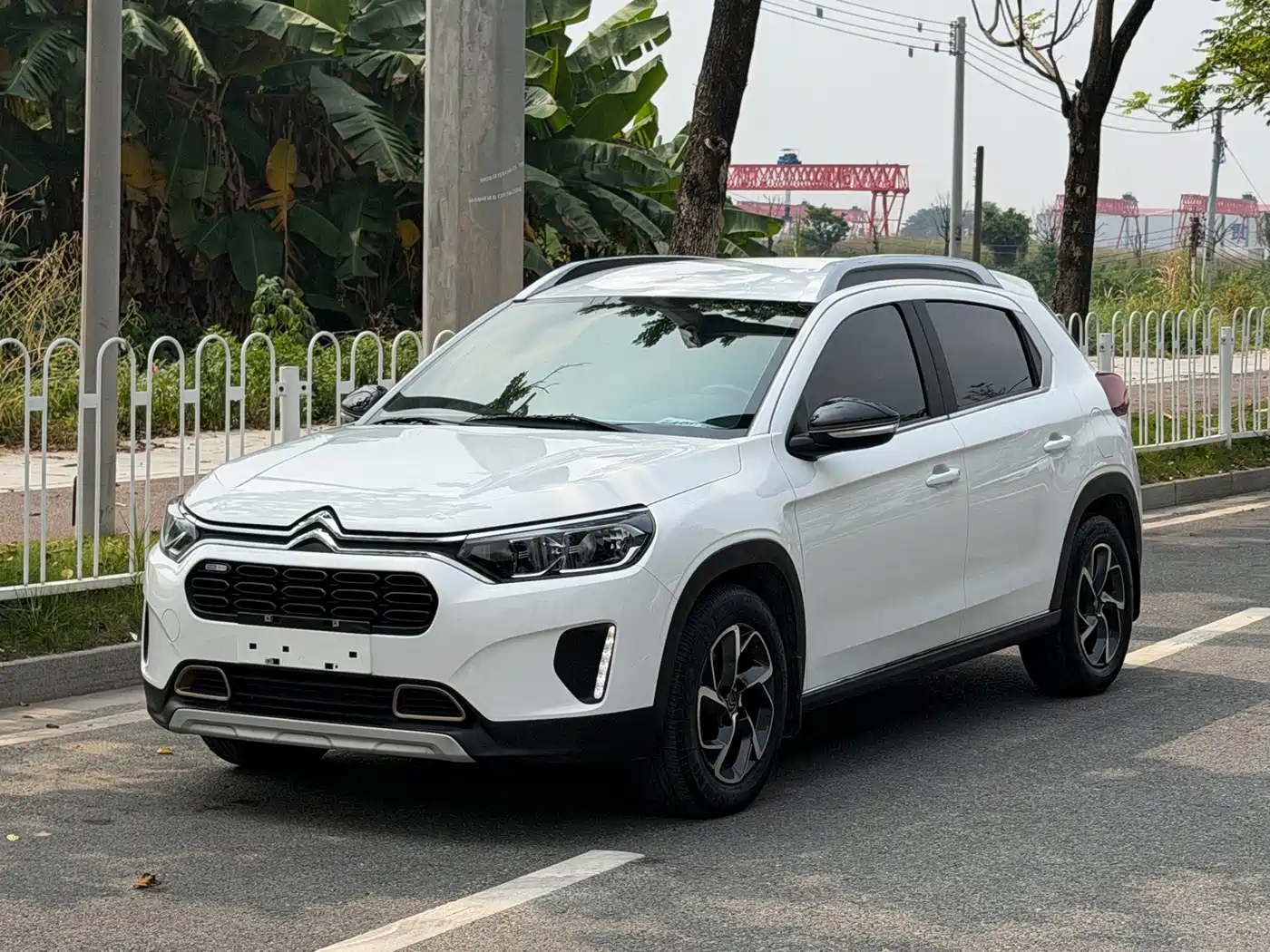
At a glance
- The C3-xr is a China-sourced compact crossover built around 1.6-litre petrol engines and conventional transmissions.
- Trim choice starts with naturally aspirated versus turbocharged power and manual, automatic, or DCT gearboxes.
- Buyers comparing a used Citroën C3-xr should examine the VIN, service history, physical condition, and parts support.
- A live export quote must separate vehicle specification from freight, insurance, documentation, and import charges.
- Steering side, destination-market approval, and aftersales capability should be confirmed before funds are committed.
Why the Citroën C3-xr matters for export markets
For export markets, the Citroën C3-xr is a compact crossover sourced from China, positioned for overseas dealers serving price-conscious private buyers, ride-hailing operators and urban fleets. Its raised body, five-door practicality and manageable footprint make it easier to offer than a full-size SUV, while conventional petrol powertrains suit markets with limited charging infrastructure. For importers, the opportunity is not simply a lower acquisition ticket: it is access to distinctive design and practical packaging that can broaden a showroom without adding a completely new model family for volume buyers and specialist importers.
That positioning aligns with global demand for small crossovers that sit between passenger cars and larger SUVs. Buyers often want the elevated driving position, additional cargo practicality and family appeal of an SUV without the fuel and parking burden of a bigger vehicle. The C3-xr can answer that brief in price-conscious markets, although “value” should be tested against total ownership, not purchase cost alone. A dealer can position it for urban households, first-time SUV buyers and fleets that need reliable transport in ordinary road conditions rather than premium branding and predictable running costs.
Importers should distinguish the China-market C3-xr from similarly named vehicles sold elsewhere. Equipment, emissions approvals, safety equipment and aftersales may differ from a European version, so a familiar badge is not proof of equivalence. Compare the VIN, production specification, option list and homologation documents for the exact vehicle. This makes the C3-xr a sourcing opportunity with deliberate compliance checks, rather than an assumption that every global C3-xr has the same specification or equipment standard. The buyer should therefore confirm destination-market suitability before including the vehicle in any commercial plan or import budget.
- Compact-crossover positioning.
- Petrol power for limited charging.
- Verify market specification.
Model range, trims and powertrain variants: how the lineup is structured and how to choose
The line-up is easiest to understand as a combination of 1.6-litre petrol engines, different transmissions and market trim labels. The 1.6-litre automatic and manual Pioneer entries form the more straightforward part of the range, while 1.6THP and 230THP versions introduce turbocharged power and, in some configurations, DCT or manual gearboxes. Names such as YueLing and ORIGINS Centennial Premium Edition are Chinese-market designations rather than a universal global trim hierarchy. Buyers should therefore match the exact engine, gearbox and equipment label on the live unit rather than assuming that “Premium” identifies the same specification across model years.
Among the powertrain choices, the naturally aspirated 1.6-litre engine is the simpler proposition: it avoids a turbocharged system's added complexity and may be easier for independent workshops to service. The turbocharged 1.6-litre family, identified by THP or 230THP labels in the available trims, is the logical choice for buyers who want stronger performance feel, especially when paired with an automatic or DCT. Without relying on headline output figures, the practical comparison is observable acceleration response, overtaking confidence and the service support available in the destination country before purchase.
Transmission choice should follow the buyer's operating environment and maintenance capability. A manual gearbox can suit buyers comfortable with a clutch and seeking a simpler mechanical proposition, while an automatic or DCT reduces driver workload in dense traffic and repeated stop-start use. The labels should not be treated as cosmetic, however: ask for the production gearbox type, any warranty coverage and local repair support before making a fleet decision. For a dealer offering test-drive vehicles, fuel economy under comparable driving conditions and maintenance intervals should be compared alongside purchase pricing and parts support.
- 1.6-litre petrol options.
- Manual, automatic or DCT.
- Check exact-unit equipment.
New vs used Citroën C3-xr: how export inventory is structured and how buyers choose
Export inventory should be read as individually specified vehicles, not a uniform product line. Each offer may differ in model year, trim, engine, gearbox, mileage and condition, even when several units share the model name. The listing level is therefore the correct place to check fit, disclosure quality and availability; the broader catalogue is useful only for initial market mapping. For a used Citroën C3-xr, request the VIN and service history. For a new vehicle, ask what factory warranty applies and whether it is road ready for delivery to the buyer.
A new example gives a buyer a more predictable starting condition and may make resale presentation easier, especially for a dealer that values consistent paint, mileage and equipment. Its apparent purchase advantage can be offset by depreciation, financing costs and the loss of a bargain if the wrong specification is selected. A used C3-xr can reduce the initial acquisition outlay and may suit a buyer who accepts visible wear, but the apparent saving must be tested against likely repairs, tyre replacement, maintenance history and residual value over time.
The most reliable new-versus-used decision is total-cost based rather than a sticker comparison. Build a worksheet that includes acquisition price, freight, duty and registration, recurring service, insurance, fuel and expected depreciation. For a used vehicle, inspect body structure, paint, tyres, brakes, suspension and the condition of the cabin and engine bay, and ask for cold-start and diagnostic evidence where possible. For a new unit, confirm that no undisclosed damage or replacement parts exist and that the delivered specification matches the sales contract before dispatch.
- New: less condition uncertainty.
- Used: inspect and document.
- Compare ownership costs.
How export pricing works: the factors behind a live listing price, and how to read one
Export pricing combines the vehicle's commercial specification with the transaction structure. Model year, trim, engine, gearbox, options, mileage and condition affect what a seller can justify, while market strength and transaction urgency may also influence negotiation. A low advertised figure is not necessarily the cheapest delivered vehicle once transport, insurance, documentation and destination charges are added. Compare landed cost under the same Incoterm, not listings carrying different commercial terms. Request the same destination, tax treatment and documentation assumptions for every candidate before deciding which vehicle is genuinely cheaper after all charges.
Logistics and compliance can move the difference between two otherwise similar examples. Exchange rates, freight space, port congestion, insurance, local handling, documentation, inspection, registration and duties may sit outside the displayed vehicle price. Ask whether the live amount is vehicle-only, ex-warehouse, FOB, CIF or another basis, and identify the port and Incoterm assumed. Request an all-in estimate for a specified destination and port to avoid comparisons distorted by scope rather than vehicle condition. This is especially important when a fleet quote combines vehicles with different specifications, departure ports or destination services.
Reading a live C3-xr listing means checking its identifier, model year, trim, engine, transmission, condition, mileage where relevant, MOQ and sales terms. Treat broad trim language as a prompt for clarification, not evidence of standard equipment. Request a written quotation tied to the exact VIN or SKU, with photographs, options, and clear exclusions from the price. Exact current amounts and terms for each vehicle are shown on ChinaCarDirect's live Citroën C3-xr listings, so check them there rather than infer them from an article, an earlier enquiry, or a previous quotation for the same unit.
- Use one landed-cost basis.
- Clarify Incoterm and exclusions.
- Quote the exact SKU.
MOQ, ordering and payment: single units vs consolidating a container
MOQ is a seller and channel term, not a permanent attribute of the C3-xr model. The relevant minimum and any volume discount must be confirmed on the particular live offer; some export arrangements permit a single vehicle, while others require a multi-unit order or container load. Buying one unit is attractive for testing demand, photographing a trim or establishing a service partner before larger commitments. Fleet and wholesale buyers should ask whether mixed specifications can share a shipment and whether the seller has reliable production or export channels for the order.
Container consolidation can reduce some per-unit freight and handling cost, but it concentrates risk: one damaged or non-compliant vehicle can affect the group, and mixed trims may reduce buyer appeal. Model consolidation against expected retail demand, parts commonality and cash tied up in slow-moving stock. A dealer may choose a mixed test order first, then align purchases with proven demand and a freight plan. Before booking space, confirm actual dimensions, weight, securing requirements and whether the selected shipping method can properly accommodate the vehicles within the planned loading and weight limits.
A sound ordering process starts with a written offer identifying the vehicle, price basis, MOQ, delivery term and what happens if the unit fails inspection or cannot be cleared for import. Confirm whether a deposit is refundable, when the balance is due and which documents trigger release. Use a traceable payment method, reconcile bank details against the invoice and supplier identity, and retain the contract, vehicle identification, photographs and correspondence. Payment milestones tied to inspection and export readiness are preferable to an unexplained balance request without prior written agreement from the seller.
- Check listing MOQ.
- Test demand with one unit.
- Link payment to inspection.
Shipping, homologation and market compliance caveats: LHD/RHD and import rules by country
Vehicle shipping from China involves export clearance, port handling, ocean transport and destination customs, with carriers selecting a containerized or roll-on/roll-off method for the route and economics. The offer should state origin and destination port, freight allowance, transit assumptions, insurance and responsibility for export and import clearance. Cost is not a fixed percentage of vehicle price: distance, container space, handling, fuel surcharges, congestion, documentation and customs work can each move the landed result. Ask the forwarder to identify which charges are included in the freight quote and which remain the importer's responsibility.
Steering configuration is a critical pre-order check because a left-hand-drive vehicle cannot simply be treated as suitable for every right-hand-drive market. Do not assume a China-sourced C3-xr is available in the required configuration; request the steering side, VIN and build specification, then confirm eligibility for destination registration. Import rules may distinguish commercial units and impose age limits, emissions, safety and documentary requirements even when the model name is familiar. Local homologation or type approval may also be required before registration. The importer should verify this with the relevant authority or a qualified customs adviser before contracting.
Treat compliance as a buyer-led workstream, not a final formality. Obtain VIN-level documents before committing funds: factory identification, ownership and customs papers, engine and emissions information, weight and dimensions, and any supplied warranty or conformity records. Check whether local safety, emissions, lighting, noise or software requirements affect registration, and whether a qualified local agent must certify or alter the vehicle. Model duty, VAT or sales tax and customs valuation before final approval, because import charges can overwhelm a low purchase price. The broker should calculate them on the same customs-value basis used for the vehicle.
- Confirm steering and approvals.
- Compare container and RoRo.
- Cost imports separately.
Who should buy the C3-xr — and who should pick a different vehicle
The C3-xr suits overseas buyers who need a practical compact crossover, straightforward petrol operation and a vehicle easier to sell than a niche import. It can make sense for urban dealers, airport and hotel shuttles, regional sales teams and mixed passenger fleets seeking distinctive styling without premium branding. The raised body and usable cargo area suit buyers who value easy entry and loading over motorsport performance or a premium cabin. Dealers should explain equipment, fuel type and maintenance requirements clearly and provide realistic ownership-cost guidance for each destination market before sale.
It is a poorer fit for buyers requiring factory homologation already accepted in the target market, a specific emissions standard, advanced driver assistance or a formal right-hand-drive arrangement. It may disappoint those seeking battery-electric range, seven-seat flexibility, premium residual values, extensive dealer coverage or immediate European parts availability. A used import adds wear and maintenance risk, while a new example still needs local support. If aftersales is weak, a lower purchase price may not compensate for downtime and cross-border parts, especially where lead times are uncertain or workshops lack model training.
The most defensible purchase decision is a fit check across buyer use, destination regulation, service support and exit strategy. Compare the C3-xr with locally familiar alternatives on fuel consumption under expected routes, cargo needs, fuel availability and parking constraints. Then ask whether a single-unit trial can generate useful sales data before a larger order. For a multi-year sales plan, reserve parts and service-training budgets as carefully as vehicle acquisition; otherwise, an alternative with stronger local backing may be wiser. The comparison should also include actual local quotations and realistic downtime assumptions.
Main rivals and how the C3-xr compares
The closest international alternatives depend partly on the destination, but the Renault Captur is a natural benchmark because it occupies a similar small crossover position with a focus on urban usability and distinctive design. The Captur may benefit from stronger recognition and a more developed local dealer network in some markets, while the China-sourced C3-xr offers a different specification and procurement route. Buyers should compare homologation, safety equipment, luggage space, gearbox familiarity and aftersales support rather than treating the shared body category as proof of equivalence or identical support.
The Nissan Kicks is another close benchmark for buyers targeting a compact, petrol-powered crossover at a mainstream price point. Its market presence and model familiarity can simplify parts planning and customer expectations, while engine, transmission and equipment choices differ by market. The Hyundai Creta offers a family-focused SUV alternative with a different size proposition. Against both, the C3-xr should earn its place through documented cost advantage, clear differentiation and realistic aftersales planning—not an unsupported assumption that it is universally cheaper after freight, duty and ownership costs are properly included.
A useful final comparison is a buyer-specific scorecard covering price under one Incoterm, cargo and passenger fit, fuel use, equipment, homologation, spare-parts lead time and resale prospects in the destination. Test the C3-xr against the Captur, Kicks and Creta using actual quotations from local dealers and the same destination. If the C3-xr is stronger on acquisition and acceptable on compliance and service, it is a credible fleet candidate. If local rivals offer better proven support at similar total cost, choose the stronger operating fit for the intended route and duty cycle.
Live Citroën C3-xr export inventory
View all listings →Real units currently on ChinaCarDirect with per-unit asking prices and MOQ. Availability updates live from the catalogue.
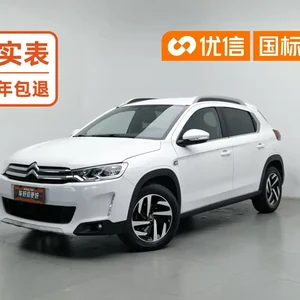
Citroën Citroën C3-XR 2019 230THP DCT ORIGINS Centennial Premium Edition
Citroën Citroën C3-XR 2019 230THP DCT ORIGINS Centennial Premium Edition
How to buy a Citroën C3-xr from China
-
1
Set the target-market brief
Define the destination country, steering requirement, intended use, fuel needs and expected annual volume. Record the regulatory and aftersales conditions that could rule out a configuration.
-
2
Review matching live units
Use the Citroën C3-xr live listings to compare the closest model year, trim, engine, gearbox, condition and equipment. Treat each listing as a specific vehicle rather than a generic model representative.
-
3
Request a written RFQ
Send the selected listing reference, required quantity, destination port and preferred Incoterm with your RFQ. Ask for an itemized quotation and confirm the MOQ, production source and delivery scope.
-
4
Verify identity and compliance
Match the VIN or SKU to the invoice and request condition photographs, ownership documents, specifications and export or conformity records. Confirm steering side and destination-market eligibility before payment.
-
5
Agree MOQ and payment
Put the vehicle price, freight, insurance, documentation, inspection rights, deposit and balance conditions into the written agreement. Tie payment milestones to satisfactory inspection and verified export documents.
-
6
Arrange shipping and import
Appoint a broker or forwarder to compare container and RoRo options, confirm loading requirements and insure the vehicle in transit. Model customs clearance, destination charges, registration steps and handover inspection before dispatch.
C3-xr vs rivals
| Renault Captur | A direct small-crossover benchmark with strong recognition in many markets. It may suit buyers prioritizing an established dealer network, while the C3-xr offers a different China-sourced specification and procurement route. |
|---|---|
| Nissan Kicks | A close mainstream compact-SUV alternative for petrol-focused buyers, with market-specific engines and equipment. It can appeal to customers who already know the model, so compare total ownership, homologation and parts support with the C3-xr. |
| Hyundai Creta | A family-focused compact SUV that competes for mainstream crossover buyers, although its size proposition differs. Consider it when passenger and cargo requirements extend beyond a city-oriented C3-xr or local after-sales support is stronger. |
Frequently asked questions
How is the export price of a Citroën C3-xr determined?
Export pricing is set per unit rather than published as a fixed model price. Model year, trim, engine, gearbox, condition, options, exchange rates, freight, insurance, documentation and Incoterms can all change the payable amount. Review the current Citroën C3-xr live listings for the binding per-unit price, then request a written quotation with the destination and trade terms.
What engine does the C3-xr use, and is there an electric range?
The C3-xr versions represented here use petrol internal-combustion engines, including 1.6-litre naturally aspirated and turbocharged variants. Manual, automatic and DCT transmissions appear depending on trim and production version. There is no battery-electric driving range for these ICE versions; confirm the exact powertrain and outputs in the live listing.
Should I buy a new or used Citroën C3-xr?
A new vehicle offers more predictable condition and may have clearer warranty terms, while a used example can reduce acquisition outlay but carries wear and maintenance uncertainty. Choose on total cost, including freight, duty, service, insurance and depreciation, rather than vehicle price alone. Inspect and document the exact unit before confirming either route.
What is the minimum order quantity for the C3-xr?
MOQ is shown for the individual offer and can differ by seller, trim and transaction structure. Some arrangements allow a single-unit purchase, while fleet or container programs may require more. Check the live listing and include the intended quantity in the RFQ so the seller confirms any minimum, discount and production constraint.
How long does shipping take, and what affects the cost?
Shipping time and cost depend on the origin and destination ports, vessel or RoRo schedules, congestion, container or vessel space, handling, insurance and documentation. A vehicle quote should state the trade term, ports, transit assumptions and included charges. Obtain a forwarder quote for the actual unit and route rather than relying on a generic estimate.
Are spare parts available for the Citroën C3-xr?
Spare-parts support depends on whether the seller or a local distributor can supply parts for the exact engine, gearbox and trim. Ask for part references, catalogue support, packaging and dispatch handling before purchase. Buyers without an established repair network should include parts lead time, technician training and warranty work in the commercial plan.
Is a right-hand-drive Citroën C3-xr available?
Right-hand-drive availability cannot be assumed for a China-market C3-xr. Request the steering side, VIN and build specification, then confirm eligibility with the destination importer or approval authority. If no compliant RHD unit is available, price a separate sourcing route rather than order on the assumption that the vehicle can simply be converted.
How do I order a Citroën C3-xr from China?
Review the live listings, select the closest unit or trim, and send an RFQ stating quantity, destination port, preferred Incoterm and required documents. Confirm identity, condition, MOQ, total price, payment milestones and inspection rights in writing. Then coordinate export clearance, shipping, insurance and destination import with the seller, broker or forwarder.
Ready to source the Citroën C3-xr?
Send your target market, preferred C3-xr trim, quantity and destination port to ChinaCarDirect for a current unit-level quote and export checklist.
Request a quote