
Deepal L06 Export Buying Guide for Dealers and Fleets
Deepal L06 export buying guide for dealers and fleets: compare trims, range options, live pricing, MOQ, shipping, compliance and rivals before ordering.
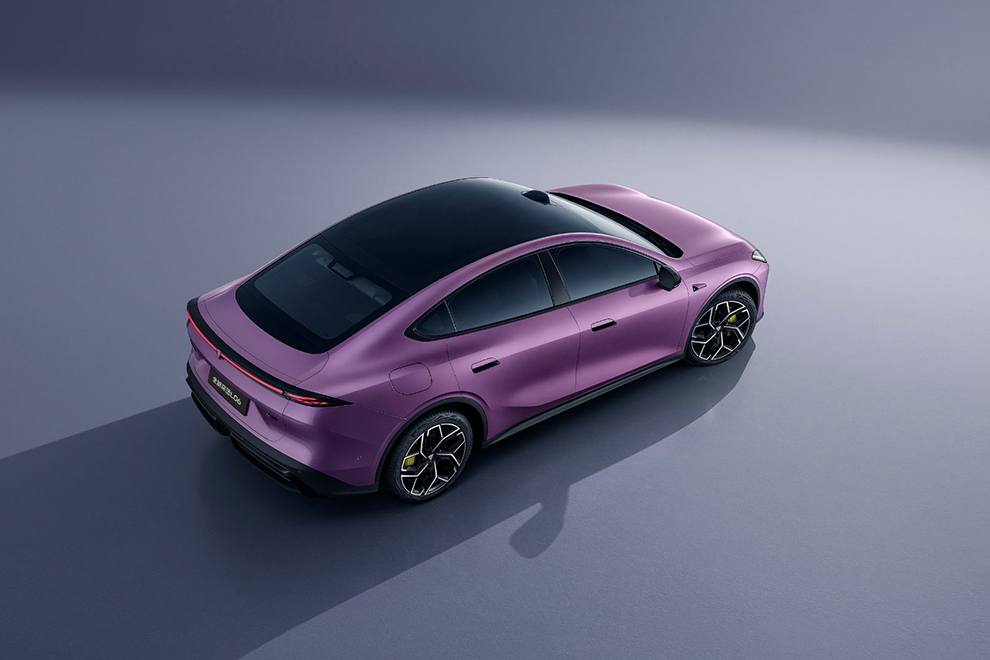
At a glance
- The L06 is a mid-size crossover available with battery-electric and range-extender architectures, giving buyers two distinct operating concepts.
- Trim labels 245, 560 and 670 separate range grades, while Ultra, Ultra+ and Laser designations identify equipment tiers; verify the exact export specification.
- Laser-labelled grades suit buyers prioritising driver-assistance hardware, but sensor fit and software availability must be confirmed for the destination market.
- Live pricing depends on trim, model year, battery configuration, condition, exchange rates, freight, duties and the selected Incoterm, so compare landed cost rather than headline price.
- Pilot purchases can test market demand, while container consolidation is usually more practical for larger dealer orders and requires tighter configuration control.
Why the Deepal L06 matters for export markets
The Deepal L06 sits in the mid-size crossover segment, a useful middle ground between compact family SUVs and larger premium models. For overseas buyers, that means enough cabin and cargo potential for executive, company-car or mixed fleet use without moving into a full-size vehicle footprint. Its appeal comes from a modern electrified drivetrain, a broad-looking equipment ladder and export-oriented trim naming that gives dealers a practical way to match vehicles to different budgets. That positioning is especially relevant where importers want Chinese new-energy technology without committing immediately to a full container.
Global demand for the model is best understood as segment demand rather than demand for one specification. Dealers can position the BEV for charging-led urban and regional customers, while the range-extender version addresses routes where public charging is uneven or where customers want an electric driving experience without relying entirely on a long charging stop. That distinction matters in export planning because battery range, software, charging standards and service arrangements must be matched to the destination, not merely to the vehicle's home-market positioning before any overseas inventory commitment is made.
Demand also depends on how convincingly the L06 can be supported after delivery. Buyers should assess spare-parts lead times, diagnostic access, electrical-system training, battery warranty transfer and the availability of software updates in their country. A model with advanced driver-assistance hardware can attract interest, but those functions are not a substitute for local certification or driver supervision. The strongest export proposition is therefore a complete operating package—vehicle, homologation, parts plan and aftersales—not simply an attractive catalogue entry for the importing dealer or fleet operator over the vehicle's ownership life.
- Mid-size crossover positioning.
- BEV and range-extender use cases.
- Aftersales determines export viability.
Model range, trims and powertrain variants: how the lineup is structured and how to choose
The export-facing L06 family is divided by the 245, 560 and 670 designations and by equipment grades such as Max, Ultra, Ultra+ and Laser. The 245 grade is associated with the range-extender branch, while 560 and 670 denote battery-electric range grades in the Chinese model structure. The Laser labels distinguish higher driver-assistance hardware levels from the 560 Max. Because a trim code is not a complete specification, buyers should still verify motor output, battery capacity, drive layout and the exact sensor package in the unit listing before reserving it overseas.
An EREV should be evaluated differently from a BEV even though both may look similar from the cabin. In a range extender, the engine generates energy while the wheels are driven electrically; in a BEV, charging and the traction battery are the sole energy path for propulsion. For a dealer, the EREV can widen the customer base because it reduces range anxiety, but local fuel use, emissions rules and consumer messaging still matter. For fleet use, the operating-cost case should compare route charging, fuel and utilization rather than a headline range figure.
Choice should start with the customer's charging access and route pattern, not with the highest trim name. A BEV makes the most sense where depot or home charging is dependable and routes are predictable. An EREV may fit intercity travel, mixed urban–rural use, or buyers who want fewer charging dependencies. Within either powertrain, Ultra+ Laser versions may be justified where assisted-driving hardware is important, but buyers should establish whether the functions are enabled, localized and legally usable after export. The live listing and seller's build sheet are the controlling documents.
- 245: range-extender grade.
- 560/670: BEV grades.
- Verify Laser feature localization.
New vs used Deepal L06: how export inventory is structured and how buyers choose
New and used L06 vehicles should be compared as different propositions rather than as equivalent units at different prices. A new vehicle may offer the latest factory configuration, clearer warranty origin and simpler integration into a launch programme, although the buyer still has to confirm export eligibility and destination-market support. A used vehicle can reduce capital exposure and may make a sensible pilot for a dealer, but condition, software state, battery health and remaining warranty must be verified. The deciding question is whether the vehicle life and customer proposition fit the sourcing route.
Export inventory is structured at the individual-unit level, so the condition report must travel with the quotation. Ask for exterior and interior photographs, panel-paint assessment, tyre and glass condition, odometer evidence, service records, charging or fuel checks, fault-code results and battery state-of-health information where applicable. Also confirm whether the vehicle has been repainted, modified, used as a demonstrator or operated under commercial duty. These checks matter because a clean used unit can reduce depreciation risk, while an unchecked used vehicle can hide costs that appear only after import for the buyer.
For fleet buyers, depreciation and residual-value assumptions can outweigh a small sourcing-price difference. A new unit may be easier to standardise and may carry a clearer factory warranty, but a used unit can make an initial rollout economically rational if its battery condition and service history support the intended duty cycle. Do not treat the listing's condition label as proof. Make the inspection standard, acceptable deviations and remedy for non-conformity part of the purchase agreement. That converts a used-unit discount discussion into a documented risk decision rather than an assumption.
- Inspect every used unit.
- Check battery, history and warranty.
- New units still need approvals.
How export pricing works: the factors behind a live listing price, and how to read one
A live L06 price is a starting commercial reference, not necessarily a landed cost. The vehicle-level amount can move with model year, trim, battery or range version, mileage and condition, production configuration, exchange-rate movement and the commercial terms attached to the unit. Freight, marine insurance, customs, taxes, port charges, inland delivery and inspection can all change the amount a dealer actually pays. Buyers should therefore ask for a written breakdown and confirm whether the displayed number is an FOB, CFR, CIF or other basis before comparing it with another offer.
The same trim name can produce different quotes because two units may differ in specification or condition. Read the full title, then open the unit page to check the powertrain, range grade, equipment, model year, odometer and seller information. Confirm whether the laser-related hardware and driver-assistance functions are included, and whether any options have been removed. Treat ChinaCarDirect's live inventory as the source for current per-unit price, MOQ and availability. A responsible quotation should state validity, payment currency and which costs are excluded, because a headline price cannot answer those questions by itself.
Exchange-rate risk is especially relevant to a cross-border purchase because the vehicle price, freight and insurance may be calculated in different currencies. Fleet programmes should add a contingency for currency movement or request a validity period from the supplier, while larger orders may benefit from a staged payment schedule tied to inspection and shipping milestones. Avoid comparing an ex-vehicle amount with a fully delivered local price without adjusting the tax and logistics assumptions. The correct benchmark is total acquisition cost per vehicle under a defined Incoterm, including the cost of getting it road-legal.
- Clarify quote inclusions.
- Confirm Incoterm and validity.
- Use live unit pricing.
MOQ, ordering and payment: single units vs consolidating a container
Minimum order quantity is a commercial term, not a feature of the L06. A dealer buying for resale may be able to place a pilot order against an eligible unit, while a supplier arranging a production or consolidated shipment may require several vehicles or a mixed-model allocation. The binding requirement comes from the listing and seller. Buyers should not rely on a website statement or a customer's experience: ask the supplier to confirm the minimum for the selected trim, whether mixed units are allowed, how units are allocated and what happens if one vehicle fails inspection.
Ordering mechanics should be documented in sequence. First, reserve the specific unit or production slot; next, complete the agreed deposit; then pass an independent or mutually accepted inspection; and finally, pay the balance against the contractual release conditions. The pro forma invoice should identify the vehicle, trim, options, condition, Incoterm and payment schedule. Payment methods, title transfer and refund remedies differ by seller and jurisdiction, so buyers should use a traceable corporate payment process and obtain legal advice where the counterparty or transaction structure is unfamiliar before funds are committed.
Container consolidation and wholesale ordering require more discipline than ordering identical units. Battery versions, range grades, software status and destination approvals may differ, and a mixed container can complicate parts standardisation, customer handover and marketing claims. Agree a packing plan and unit sequence before release so inspection teams can work efficiently, and keep serial-number records against the packing list. Buyers should clarify whether the seller consolidates vehicles, acts as the contracting exporter or only introduces the supplier, because each arrangement changes control, liability and the documents the buyer must receive in writing.
- Confirm listing-specific MOQ.
- Use written payment milestones.
- Control mixed-container configurations.
Shipping, homologation and market compliance caveats: LHD/RHD and import rules by country
Complete L06 vehicles are commonly moved by roll-on/roll-off carrier, with container or other arrangements considered when dimensions and routing allow. Shipping cost is not a fixed vehicle attribute: it changes with origin and destination ports, sailing schedule, carrier space, vehicle dimensions, weight, securing requirements, insurance, fuel surcharges and transshipment. Obtain a freight quotation against the actual vehicle configuration and named port. Incoterms determine where risk and cost transfer, but they do not replace the buyer's obligation to prepare import documents and comply with local vehicle rules in the destination market.
Chinese-market vehicles are commonly configured for left-hand drive, so right-hand-drive availability cannot be assumed. A conversion or RHD-market build should be confirmed before payment, not after arrival, and it must be assessed against local lighting, steering, controls, safety and type-approval requirements. Beyond handedness, destination compliance may cover VIN and type approval, emissions, noise, radio, software updates, cybersecurity and data handling, crash and recall duties, charging equipment and insurance. Rules vary by country and even by local incentives, so an importer should use a local compliance adviser for the destination market.
Battery-electric shipments may require additional documentation and careful terminal handling, including the battery transport information expected for the route. Customs classification, origin treatment, duty, VAT or sales tax, temporary-import options and port procedures all affect the landed budget. Work backward from the registration deadline: confirm that inspection, software configuration, insurance and local delivery can occur before the vehicle must be cleared. A vehicle that is not road-legal on schedule can create storage, demurrage and compliance costs that erase an attractive purchase-price comparison and materially delay a scheduled fleet launch programme.
- Confirm LHD or RHD early.
- Budget duty, tax and freight.
- Plan homologation before deadlines.
Who should buy the L06 — and who should pick a different vehicle
The L06 is most suitable for a buyer who wants a modern mid-size crossover, a choice between full electrification and range-extended operation, and enough equipment differentiation to serve several customer tiers. It can suit corporate fleets, executive-company programmes, premium ride-hailing operators and dealers seeking a distinctive Chinese alternative in the family-SUV segment. The strongest case is in markets where the importer can support the vehicle and where charging, fuel, tax and registration rules are understood in advance. Merely seeking the longest catalogue label is not a sufficient reason to choose it.
A buyer should choose another vehicle when dependable home or depot charging is unavailable and the range extender does not solve local fuel-use or taxation concerns, or when homologation and parts support are too weak for the proposed fleet. Very large-cargo operators may prefer a van or full-size SUV, while urban buyers with a modest budget may find a compact crossover easier to run. Drivers who need a proven towing package, a specific safety certification or established local service network should verify those requirements before assuming the L06 can meet them.
Fleet selection should also account for residual value, driver training, software governance and the possibility of future regulatory changes. Assisted-driving features can improve the proposition, but fleet managers need clear policies on driver monitoring, liability and maintenance. If the vehicles will be sold locally rather than used internally, resale channels, warranty transfer and brand recognition deserve equal weight to acquisition cost. The L06 is a strong candidate when the total operating and ownership model is designed around it, not when it is selected only to fill a shipment with untested spare units.
- Strong for mixed-use programmes.
- Weak without local support.
- Model residual value and driver policy.
Main rivals and how the L06 compares
BYD's Sealion 06 EV is a close battery-electric comparison in the mid-size crossover class. It may appeal to dealers prioritising a very large global service and brand ecosystem, while the L06 offers the additional option of a range-extender architecture and a distinctive Laser-labelled equipment hierarchy. The decision should focus on verified local range, charging compatibility, spare-part availability and total cost rather than badge recognition alone. For buyers who want a simpler single-powertrain portfolio, the Sealion 06 is the more conventional choice once those services are available in the target market.
Leapmotor C10 competes in a similar value-oriented SUV position and is offered with battery-electric and range-extended concepts. It is relevant to fleet buyers who want to compare packaging, cabin technology and local operating economics against the L06. The L06's Laser-oriented trims may give it a stronger appeal where driver-assistance hardware influences the specification, but the rival can be preferable where its service footprint or proven parts route is better in the destination country. Neither badge guarantees compliance, so the importer should compare homologated configurations rather than simply imported showroom variants.
XPeng G6 is a useful rival for buyers focused on a battery-electric mid-size crossover and a technology-led image. It may be attractive where software, charging and local brand familiarity are decisive, but the L06 gives importers an additional range-extender route for markets where charging coverage is less consistent. Assess not only range and price, but also parts, insurance, software support and resale prospects. If the L06's range-extender branch is essential, that narrows the field; if a BEV-only brief is acceptable, all three rivals merit a full landed-cost comparison before ordering vehicles.
- Sealion 06 EV: ecosystem-led BEV.
- Leapmotor C10: electrified value rival.
- XPeng G6: technology-focused BEV.
Live Deepal L06 export inventory
View all listings →Real units currently on ChinaCarDirect with per-unit asking prices and MOQ. Availability updates live from the catalogue.
How to buy a Deepal L06 from China
-
1
Define the destination and operating requirement
Record the destination country, LHD or RHD requirement, charging access, typical routes, fleet size and registration deadline. These factors determine which powertrain and homologation route are realistic.
-
2
Review the live L06 inventory
Compare complete unit titles, powertrain grades, model year, condition, odometer, equipment and seller details on the live listings. Shortlist the specific units that match the brief rather than relying on the model name alone.
-
3
Request a complete build sheet
Ask for battery version, motor output, drive layout, certified range, charging details, sensor equipment and export software status. Request VIN-level photographs and documents that support the seller's condition description.
-
4
Obtain a landed quotation
Ask for the unit price, applicable MOQ, payment schedule, Incoterm, freight method and a list of excluded charges. Confirm quote validity, currency and the treatment of exchange-rate changes.
-
5
Complete inspection and payment controls
Define the inspection standard, acceptable deviations and non-conformity remedy in the purchase agreement. Tie deposits and balance payments to unit allocation, document checks and inspection release.
-
6
Arrange shipping and market clearance
Book freight only after the unit, Incoterm and destination requirements are confirmed. Coordinate customs, insurance, RHD requirements where relevant, homologation, software configuration and local delivery before shipment.
L06 vs rivals
| BYD Sealion 06 EV | BYD Sealion 06 EV is a close battery-electric mid-size crossover rival. Dealers prioritising a broader brand ecosystem may prefer it, while the L06 adds a range-extender option and Laser-labelled hardware; compare local range, charging, parts and landed cost. |
|---|---|
| Leapmotor C10 | Leapmotor C10 is a value-oriented rival with both battery-electric and range-extended concepts. The L06 may appeal where Laser-equipped trims and a particular equipment hierarchy matter, while the C10 may be stronger where its local service and parts route are better. |
| XPeng G6 | XPeng G6 is a technology-led battery-electric mid-size crossover alternative. It may suit buyers prioritising software and brand familiarity, but the L06's range-extender option is stronger for routes with inconsistent charging; compare parts, insurance, software support and resale. |
Frequently asked questions
How is the export price for a Deepal L06 determined?
The live price reflects the selected unit and can move with model year, trim, battery version, mileage, condition, exchange rates and commercial terms. Freight, insurance, customs, taxes and inland delivery may be separate. ChinaCarDirect's live inventory shows current per-unit pricing and availability, while any applicable MOQ should be confirmed in the listing and written quotation.
Which Deepal L06 powertrain and range options are available?
The export catalogue separates a 245 Ultra+ Laser Version associated with the range-extender branch from 560 and 670 grades associated with battery-electric versions. Exact battery capacity, motor output, electric-only range, combined EREV range and destination-certified range must be confirmed per live listing. CLTC figures should not be treated as local certification.
Is a used Deepal L06 better than a new one for export?
A used L06 can reduce acquisition exposure and suit dealer pilots, but buyers must verify battery health, mileage, repairs, software and warranty transfer. A new vehicle may provide the latest configuration and clearer factory support, but it still requires destination-market approval and a workable parts plan.
What is the MOQ for buying a Deepal L06 wholesale?
MOQ is set by the selected listing, supplier and shipment plan rather than being a permanent model feature. A pilot order may be possible without a multi-unit requirement, while a container order may carry its own threshold. Confirm the minimum, permitted model mix and allocation rules in writing before paying a deposit.
How long does Deepal L06 shipping take and what affects the cost?
There is no universal shipping time or cost for an L06. Transit and charges depend on origin and destination ports, carrier sailing schedule, vehicle dimensions and weight, securing method, insurance, fuel surcharges, customs and terminal handling. Request a route-specific freight quote under the agreed Incoterm and allow time for inspection, clearance and homologation.
Can spare parts be ordered for an exported Deepal L06?
Spare-part support should be checked against the vehicle's VIN and exact trim rather than assumed from the model name. Request a parts list, diagnostic-tool access, warranty-transfer process, consumables plan and realistic lead time. Confirm that Chinese-market part descriptions can be matched to the build supplied for export.
Is a right-hand-drive Deepal L06 available for export?
Chinese-market L06 vehicles are commonly left-hand drive, so RHD availability must be confirmed for the selected unit or factory build. A conversion should be reviewed against local lighting, steering, safety and type-approval rules before shipment. Do not assume that changing the steering position automatically makes the vehicle road-legal.
How do I buy a Deepal L06 from China?
Browse the live Deepal L06 listings, shortlist exact units and send an RFQ with the destination, preferred trim, condition and required quantity. Request a pro forma invoice, build sheet, inspection terms, payment milestones and freight basis. After inspection and payment clearance, coordinate shipping, customs, homologation, insurance and local delivery.
Ready to source the Deepal L06?
Request a current Deepal L06 quotation through the RFQ desk, specifying your destination, preferred trim, condition and required quantity.
Request a quote