
Deepal L07 Export Buying Guide: Specs, Pricing & Options
Buy Deepal L07 from China with confidence: compare range-extended and pure-electric trims, pricing logic, ordering, shipping and market compliance.
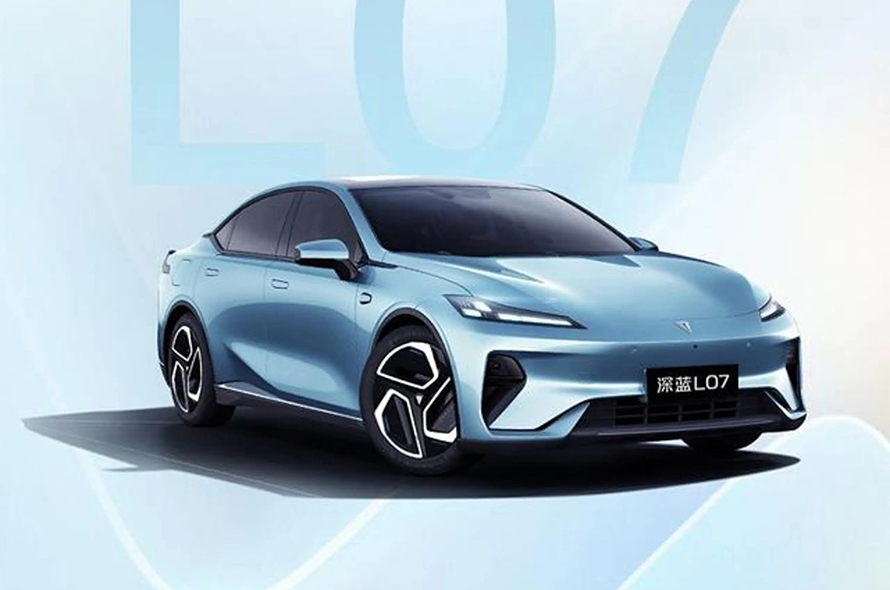
At a glance
- The L07 offers both range-extended and pure-electric SUV formats for different charging conditions.
- Listings distinguish 230, 240, 530 and 550 series with differing driver-assistance naming.
- New vehicles offer cleaner provenance, while used units require powertrain-specific inspection.
- Export pricing responds to specification, condition, freight, Incoterm and currency movements.
- Confirm unit-level MOQ, payment milestones, steering side and destination-market approval before ordering.
Why the Deepal L07 matters for export markets
The Deepal L07 matters in export markets because it combines the packaging of a modern midsize SUV with two distinct energy strategies: range-extended and pure electric. That choice is commercially useful in regions where drivers want electric running for daily commuting but cannot rely on dense charging networks. It also gives importers a way to address fleet, company-car and premium-mainstream demand without committing every vehicle to one charging scenario. Its relevance lies in offering buyers a practical route into newer Chinese electrified vehicles while preserving flexibility over how the vehicle is replenished and used.
For overseas buyers, the L07 sits between conventional compact/midsize crossovers and more technology-focused models from established brands. The visible differentiators in the lineup include different electric-range series, pure-electric and range-extended formats, and driver-assistance packages identified in some trim names as Qiankun Intelligent Driving ADS SE or Deepal AD PRO. These features can support a business case, but they should be separated from market proof: overseas buyers still need to verify local software, serviceability, parts and certification rather than assume a domestic Chinese specification transfers unchanged or locally supported by the destination market.
For a dealer, the L07’s export logic is clearest when the vehicle can be matched to a clear operating environment rather than sold on specification alone. A fleet with controlled depot charging may suit the pure-electric version, while regional sales with incomplete charging coverage may make the range-extended format easier to explain. The buyer should therefore begin with duty cycles, charging access, import rules and aftersales support, then use those requirements to identify the appropriate trim and verify each unit before committing capital or freight budget or finalizing an import program.
- EREV and BEV suit different charging assumptions.
- Trim names signal equipment, not local approval.
- Match charging access before choosing.
Model range, trims and powertrain variants: how the lineup is structured and how to choose
The lineup should be read first by powertrain, then by the 230, 240, 530 and 550 designations visible in listing names, and finally by driver-assistance branding. Some 230-series entries are range-extended, while the 530 and 550 entries include pure-electric versions; a 240 designation also appears with the Huawei Qiankun ADS SE name. Because these labels can change across model years and export-market revisions, they are selection aids rather than a substitute for the vehicle’s build sheet. Ask for the exact internal model code, powertrain and equipment list before comparing quotations.
Choosing between the range-extended and pure-electric branches starts with infrastructure and duty cycle, not trim prestige. The range-extended vehicle combines electric motive power with a combustion engine that generates energy when the battery is depleted, making it relevant to long routes or sparse charging. The pure-electric branch depends entirely on charging access and is more straightforward for fleets with dependable overnight or depot power. Buyers should model energy replenishment, towing or load requirements, and local fuel or electricity rules before deciding rather than infer them from the model name alone.
Within either branch, the higher-numbered names do not automatically represent the better purchase. A buyer may prioritize usable electric range, motor output, cabin equipment, luggage capacity, warranty or a particular assistance stack over the badge. The L07 listings include combinations such as 230Max, 230Ultra, 240Max or Ultra, 530Max or Ultra, and 550Ultra, with different assistance systems attached. Treat each as a separate configuration, verify the options actually fitted, and confirm that replacement parts and software support are available in the destination country before the vehicles enter active fleet service or retail sale.
- Verify series designations by model year.
- Compare output, range, cargo and warranty.
- Confirm assistance packages for local use.
New vs used Deepal L07: how export inventory is structured and how buyers choose
Export inventory for the Deepal L07 can be divided into new vehicles and used vehicles, but the distinction is only the first screening step. A new listing normally represents an unused unit, potentially carrying a newer model-year or series designation, while a used listing describes a vehicle with recorded mileage and prior registration. Trim names can look similar across both groups. Buyers should therefore compare condition and history first, then assess whether the remaining warranty, equipment level and expected resale position justify the difference in landed cost for the target market.
For a new L07, the main advantage is a known origin and a cleaner condition chain, while any factory warranty can simplify handover to a fleet customer and reduce uncertainty about wear, accident repair or battery degradation. The buyer should still verify whether the warranty is transferable internationally, what it covers, and whether consumables, battery and high-voltage components are treated differently. Confirm that the model year does not merely mean newer inventory; the relevant production specification still has to match the destination and local homologation plan before contract signature and is accepted.
Used L07 units can make sense when the buyer values the exact configuration, immediate availability and a lower vehicle acquisition requirement rather than factory-new status. The inspection must go beyond paint and mileage: for a pure-electric car, ask for battery state-of-health evidence and high-voltage safety information; for a range-extender, review engine, generator and associated drivetrain condition as well as the battery. Independently verify the VIN, ownership and export-eligibility documents, inspect for structural repair, and compare the remaining warranty with the vehicle acquisition requirement and local resale expectations before final payment approval.
- Inspect battery, drivetrain and high-voltage systems.
- Confirm warranty transfer and service coverage.
- Verify VIN, ownership and repair history.
How export pricing works: the factors behind a live listing price, and how to read one
A live Deepal L07 export quote is the starting point for a vehicle transaction, not automatically the landed cost in the buyer’s warehouse. The vehicle price normally responds to model year, exact trim, range-extended versus pure-electric configuration, battery or equipment version, mileage, condition and whether the unit is new or used. Currency movements and the seller’s commercial terms also matter. Because these variables can differ sharply between otherwise similar listings, compare like with like and request a written quotation tied to a specific unit or SKU and its stated validity period.
Freight and Incoterms can move the final comparison as much as the vehicle price. A quote may be based on an ex-works, FOB, CIF or another delivery term, and each places a different set of costs and risks on buyer or seller. Ocean freight, insurance, port handling, documentation, inland transport and import charges may sit outside the displayed listing figure. Ask what is included, which charge is provisional and what evidence is needed for customs valuation. A lower vehicle number can still produce a higher total delivered cost for the importer.
When reading a live listing, check the displayed amount against the stated trim, powertrain, model year, condition, mileage and delivery term, then ask for the seller to confirm that the unit remains available at that quoted amount. Confirm whether the charger, tools, export documents, warranty evidence and local homologation work are included or separate. Treat the live listing as the only source for the current per-unit price and availability, and build a landed-cost worksheet before approving payment. Ask for a formal quotation for the intended Incoterm and destination before reserving the unit.
- Compare identical year, trim and powertrain.
- Separate vehicle price from landed cost.
- Use live listings for current unit figures.
MOQ, ordering and payment: single units vs consolidating a container
Minimum order quantity is a commercial term that should be confirmed for the selected Deepal L07 rather than inferred from a website category. Some vehicle offers are structured for individual professional buyers, while seller campaigns or container plans may require several units. A dealer testing demand may prefer one unit; a wholesale distributor filling a route may need a mixed batch. Ask the seller whether the MOQ is per model, trim, color, specification or supplier, and whether it changes after negotiation. The live listing and written quote should state the applicable minimum clearly.
Buying a single unit can reduce inventory exposure and allow a dealer to test local demand before committing to a full shipment. The tradeoff is that some commercial benefits or seller terms may be linked to volume, and the buyer still bears fixed transaction and freight costs that are spread more efficiently across a container. For a single vehicle, request the same level of documentation, inspection and payment protection as for a batch. Confirm the reservation period, title documents, warranty transfer and the process if the inspection fails or shipment cannot proceed.
Container consolidation can improve freight economics for a wholesale or multi-dealer program, but it should not mix vehicles indiscriminately. Powertrain, battery version, driver-assistance configuration, steering side and homologation needs should be aligned, or the importer may face parts, software or certification complexity after arrival. Ask whether the seller arranges one consolidated shipment, how vehicles are grouped and inspected, and who bears loss or delay risk. Payment commonly follows written milestones such as deposit, inspection clearance, document handover and balance against shipping; those stages, refund rights and the acceptable payment method must be agreed rather than assumed.
- Confirm MOQ by trim and supplier.
- Align homologation before consolidation.
- Link payment to inspection milestones.
Shipping, homologation and market compliance caveats: LHD/RHD and import rules by country
Shipping planning must account for the vehicle’s size, battery configuration and destination regulations. Midsize SUVs are commonly moved by roll-on/roll-off, flat-rack or container logistics, subject to carrier and port capability. The exporter should provide accurate dimensions, weight, fuel type and battery information, along with any required battery-safety documents. Secure lashing and vehicle condition photographs protect against transit damage, while the buyer should confirm whether charging or battery service is required at the port or during extended storage before the vessel or trailer is released under the agreed delivery terms and plan.
Steering-side availability is a frequent source of late-stage export risk. Deepal vehicles sourced from the Chinese market are commonly encountered in left-hand-drive form, while some markets require right-hand drive. A right-hand-drive conversion can affect wiring, controls, safety homologation, warranty and parts supply; a locally converted vehicle is not always equivalent to a factory-produced market version. Do not assume a steering side from the model name. Specify the destination requirement when requesting quotes and require written confirmation of the hand, conversion status and relevant approval before ordering and any warranty implications.
Import rules are jurisdiction-specific and may depend on powertrain, engine capacity, emissions, battery characteristics, vehicle age, type approval and the importer’s status. Electric and range-extended vehicles can receive different tariff or tax treatment, and used-vehicle restrictions may be stricter than for new cars. Local requirements may also cover safety, lighting, cybersecurity, radio, software language, driver-assistance functions, charging equipment, insurance and registration. Obtain a written classification and compliance plan from a local customs broker or homologation specialist before loading, because approval in one country does not automatically apply to another market there.
- Confirm steering hand and conversion status.
- Classify powertrain before calculating duties.
- Pre-book approval and insurance.
Who should buy the L07 — and who should pick a different vehicle
The L07 is a strong candidate for importers and fleet buyers that can exploit its choice of range-extended and pure-electric powertrains. It suits organisations with predictable routes, a need for a comfortable five-door SUV and a charging strategy that matches the selected version. Fleets with overnight depot charging can evaluate the BEV on energy and operating-cost grounds; fleets covering longer distances or regions with uneven charging access may prefer the EREV for operational resilience. The decision should follow route mapping, dwell time, load requirements and local tax treatment rather than badge appeal.
An importer is also better placed to succeed when it can support the brand with realistic parts stock, technician training, diagnostic access and a clear warranty process. The L07’s range of trims and assistance systems may broaden customer choice, but that variety can complicate technician training and parts planning if the importer mixes configurations without support. Dealers should investigate software coverage, service documentation and battery-related support in the destination before taking vehicles at scale. A strong retail story cannot compensate for an unsupported aftersales network over the vehicle’s life cycle.
A buyer should look elsewhere if the priority is a long-established resale value, a globally standardized service network, guaranteed right-hand-drive availability or a model whose local homologation is already complete. Those needs may point to an established Japanese or Korean crossover, or a rival with a simpler single-powertrain structure. Used-unit buyers with limited inspection capability should also consider a newer supported alternative or a professional pre-purchase inspection. The L07 makes more sense when its distinct powertrain choice and equipment are genuinely useful, not simply because the purchase originates in China and can be supported locally.
- Best for fleets with defined charging access.
- Importer must support parts and diagnostics.
- Choose elsewhere for stronger residual values.
Main rivals and how the L07 compares
The closest structural rival is the Leapmotor C10, which has also been positioned around midsize crossover buyers with range-extended and battery-electric choices. That makes it a useful benchmark for packaging, powertrain flexibility and value-oriented fleet economics. The L07 differentiates through its particular trim hierarchy and the mix of Qiankun Intelligent Driving ADS SE and Deepal AD PRO names seen in the range. An importer should compare verified local specifications, service reach and parts support rather than assume equivalent badges indicate equivalent capability on both sides in the destination market properly.
For buyers comparing a range-extender with a plug-in-hybrid, the BYD Song Plus DM-i is a relevant benchmark because it competes in the same mainstream electrified-SUV demand pool. Its plug-in-hybrid architecture should not be described as identical to the L07’s range-extended system: the operating logic, charging workflow and market approvals can differ. The practical comparison is total operating cost, availability of parts, brand recognition and the importer’s ability to support each model. Where charging is regular and towing or load needs are substantial, compare the homologated specifications directly in the destination market rather than online claims.
For a pure-electric buyer prioritising a single global brand identity, established charging alignment and a simpler BEV-only proposition, the Tesla Model Y is the closest widely recognised benchmark. It can command a different price and ownership proposition, so the L07’s case is stronger where buyers value local-market value, available powertrain choice or Chinese-market equipment. The Model Y may offer a more established international service ecosystem for an importer, while the L07 may offer more configuration choice for a market that accepts it. Compare the exact destination specification, not global model assumptions.
- Leapmotor C10: closest dual-powertrain format rival.
- BYD Song Plus DM-i: plug-in-hybrid benchmark.
- Tesla Model Y: BEV-only global-brand alternative.
Live Deepal L07 export inventory
View all listings →Real units currently on ChinaCarDirect with per-unit asking prices and MOQ. Availability updates live from the catalogue.
Deepal Shenlan L07 2024 230Max Qiankun Intelligent Driving ADS SE Extended Range
How to buy a Deepal L07 from China
-
1
Define the operating requirement
Map routes, charging access, dwell time, towing and load requirements, then determine whether a range-extended or pure-electric L07 fits the market.
-
2
Set the required specification
Record the required series, trim, driver-assistance package, battery or range version, dimensions, steering side, documents and warranty requirements.
-
3
Review the live inventory
Open the live Deepal L07 listings and compare the exact SKU, current price, availability, condition and stated MOQ for each candidate.
-
4
Request comparable written quotes
Ask sellers to quote the same destination and Incoterm, separating the vehicle price, documentation, freight, insurance and any local charges.
-
5
Agree ordering and payment terms
Confirm the applicable MOQ, deposit, inspection, balance payment, title documents, warranty transfer and cancellation conditions before remitting funds.
-
6
Authorize a pre-shipment inspection
Check the VIN, bodywork, mileage, battery or associated drivetrain condition, high-voltage safety information, export documents and loading condition.
-
7
Arrange shipping and market approval
Select a suitable carrier, provide battery information, obtain local customs classification and homologation advice, and confirm insurance, registration, charging equipment and aftersales plans.
L07 vs rivals
| Leapmotor C10 | The closest structural benchmark because it is also offered in range-extended and BEV SUV forms; compare local service and equipment rather than assuming equivalent trim content. |
|---|---|
| BYD Song Plus DM-i | A relevant electrified crossover for plug-in-hybrid shoppers, although its PHEV architecture differs from the L07’s range-extended system; it may appeal where brand recognition and parts support dominate. |
| Tesla Model Y | A BEV-only alternative with a more established international identity, potentially stronger for buyers prioritizing a simple global ecosystem rather than EREV choice or Chinese-market configuration. |
Frequently asked questions
How is Deepal L07 export pricing determined?
A live quote generally reflects model year, trim, powertrain or battery version, mileage, condition, currency movements and the seller’s commercial terms. Freight, insurance, port charges, taxes and duties depend on the Incoterm and destination. Use the live Deepal L07 inventory for current per-unit price and availability, then obtain written reconfirmation before relying on those figures.
What powertrain and range options does the Deepal L07 have?
The export range includes range-extended and pure-electric versions. Listing names use 230, 240, 530 and 550 markers, but certified electric range, battery capacity, motor output and charging data must be taken from the specific unit rather than inferred from those numbers.
Should I buy a new or used Deepal L07?
New supply offers cleaner condition history and clearer factory-warranty terms, while used units can provide a specific configuration with less initial capital exposure. Used purchases require stronger inspection of mileage, VIN, ownership, structural repair, battery condition and, for range-extenders, the engine and associated drivetrain.
What is the MOQ for a Deepal L07 order?
MOQ is set in the seller’s offer or campaign and can depend on trim, specification and shipment plan. Do not assume a permanent catalogue minimum: ask for the applicable MOQ on the selected live listing and in a written quote. Professional single-unit buying may be possible, while a wholesale or container promotion may have separate conditions.
What affects Deepal L07 shipping time and cost?
Shipping time and cost depend on vehicle readiness, selected carrier method, port and inland routing, dimensions and weight, battery documentation, destination charges and current logistics conditions. The seller should provide the transport proposal, delivery term, insurance coverage and charge inclusions. Any estimated transit period should be confirmed for the actual unit and booking.
How are spare parts and service handled?
Before ordering, identify the exact model code and configuration, then confirm that the seller can supply compatible mechanical, electrical, high-voltage and software-related parts. Ask about diagnostic access, technician support, warranty processing and the availability of body panels in the destination market. Parts designed only for the Chinese domestic version may not be interchangeable with an export-market vehicle.
Is a right-hand-drive Deepal L07 available?
Right-hand-drive availability varies by unit and configuration, so it must be confirmed on the selected live listing rather than assumed from the model name. Factory-built right-hand-drive supply may be limited, while a documented conversion can involve warranty, homologation and parts implications. Confirm the steering side and local approval before paying.
How do I buy a Deepal L07 from China?
Review the live inventory, select a specific vehicle and request a written quotation stating the specification, MOQ, payment stages, Incoterm and delivery estimate. Complete the agreed inspection and document check, release payment against those milestones, and then coordinate freight, customs clearance and destination-market registration.
Ready to source the Deepal L07?
Send ChinaCarDirect your destination, powertrain, trim, quantity and preferred Incoterm for a written Deepal L07 quote tied to current inventory.
Request a quote