
Deepal S07 Export Buying Guide for Overseas Buyers
Compare Deepal S07 trims, powertrains, pricing logic and shipping requirements, then plan a compliant purchase from China with confidence for importers.
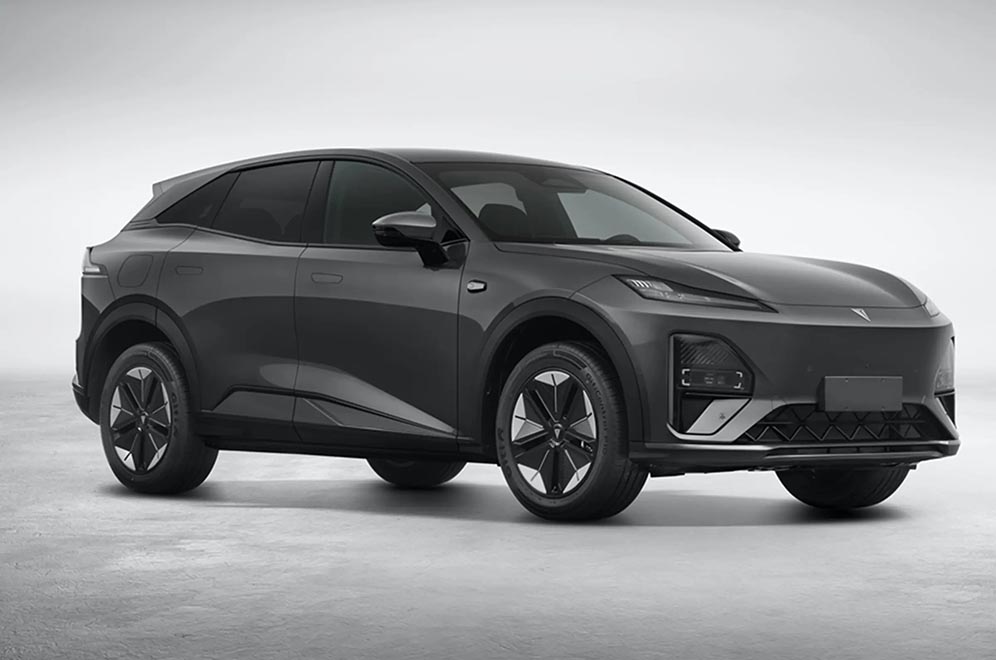
At a glance
- Deepal S07 listings include pure-electric and range-extended configurations for different charging and route conditions.
- Model and package labels should be decoded at VIN level, not treated as proof of range or equipment.
- New vehicles suit fleet standardization, while used units require independent inspection and documented condition.
- Export pricing should compare equivalent vehicles and separate the vehicle quote from freight, insurance and Incoterm costs.
- MOQ is offer-specific, and the current binding figure for each unit is shown in live inventory.
- Homologation, steering position, parts support and registration lead time belong in the purchase decision.
Why the Deepal S07 matters for export markets
The Deepal S07 matters for export markets because it combines the space and presentation of a five-door SUV with two new-energy propositions: pure electric and range-extended. For an importer or dealer, that flexibility matters. One model family can address charging-led urban markets with a BEV and longer-distance operations with a range-extended version, subject to local fuel, charging and homologation rules. The visible trim structure also gives buyers room to compare equipment rather than treating every S07 as identical. It is therefore a useful platform for building a focused sales proposal around range strategy, technology packages and operating conditions.
The strongest export case is not simply “new energy,” but the ability to match a vehicle to a duty cycle. A BEV may suit urban sales fleets with dependable charging and controlled mileage, while a range-extended S07 can reduce charging dependence for intercity travel or mixed fleets. The S07’s range-extended drivetrain still requires fuel and should not be treated as a conventional petrol SUV or a battery-only vehicle. Buyers should model charging access, route length, dwell time and local energy prices before selecting either power source for the target market for real-world use.
For distributors, the S07 is attractive because a single model name can support several propositions: practical fleet transport, executive-style retail, and technology-led demonstrations. However, attractive trim names do not guarantee that a Chinese-market vehicle is road-ready elsewhere. Steering position, software language, charging equipment, data governance, safety approval and local parts support can all determine whether the imported vehicle is commercially usable. The correct question is not simply whether the S07 fits the segment, but whether a specific configuration can be homologated and supported in the destination country without costly retrofits or delay.
- Match powertrain to routes and infrastructure.
- Compare complete trim-level specifications.
- Verify homologation before vehicle selection.
Model range, trims and powertrain variants: how the lineup is structured and how to choose
The S07 line-up should be read as three decisions: energy type, model designation, and technology package. Clearly identified range-extended listings include 200Max, 215Max and 121Max versions, while pure-electric listings include 520Max and 628Max variants. Other titles, such as 230Ultra, 300Ultra and 630 Ultra, identify additional trim or technology tiers, but their energy type should be confirmed rather than inferred from the number. Huawei Qiankun ADS SE, laser-version wording and Deepal AD PRO identifiers also help distinguish packages, not necessarily every function fitted to a vehicle for the relevant destination market.
Start with the powertrain. A BEV is more suitable where charging infrastructure is dependable, routes are predictable and the buyer can support high-voltage maintenance. A range-extended S07 is more versatile where drivers need electric running but cannot rely on rapid charging throughout the operating area. It still burns fuel, so fuel availability, engine service and energy cost belong in the fleet calculation. Do not select a range-extended version merely because its number appears lower or higher than a BEV label. Compare each option against the duty cycle.
Then compare the complete Deepal S07 specs rather than inferring them from the top trim. Confirm battery capacity, rated and homologated range, motor output, drivetrain, charging connector and cable, infotainment language, steering position, driver-assistance hardware and included equipment against the VIN-linked sheet. For commercial buyers, also check payload, cargo volume, towing limits and seat configuration. These figures can differ by market, production year and option package. The full listing title is a useful starting point, but it is not a substitute for signed vehicle documentation, an inspection report and the destination certificate of conformity.
- Match charging access to routes.
- Treat model labels as identifiers.
- Request VIN-linked documents before payment.
New vs used Deepal S07: how export inventory is structured and how buyers choose
ChinaCarDirect’s S07 inventory should be read as a mixed market rather than a single homogeneous batch. Listings can represent different production years, range-extended and pure-electric variants, and both new and used vehicles. This structure gives small importers access to configurations that may not be available in a fresh container, while fleet buyers may prefer newer examples with standardized specification. The critical point is that “used,” “new,” or a model year in a listing title is only a starting classification; condition, history and equipment still need verification, including provenance. Use live listings for current per-unit availability.
A new S07 is usually preferable when the buyer needs a known production specification, warranty handling, consistent fleet configuration and the newest available technology packages. It may be easier to standardize charging equipment, cabin software and driver-assistance hardware across a delivery batch. The trade-off is a higher acquisition commitment and less flexibility when the preferred trim or color is unavailable. Ask the seller to identify which items are factory-fitted, whether the vehicle has been driven or registered, what warranty remains in the destination country after import, and which documents support that warranty.
A used S07 can make commercial sense when the vehicle is being evaluated mainly as transport, the buyer accepts an earlier production year, or a specific imported configuration is cheaper than its new equivalent after condition is considered. “Used” does not mean a uniform discount: mileage, service history, accident repair, battery or engine condition, paint, tires and the validity of driver-assistance hardware can materially affect value. For a BEV, request battery health evidence; for a range-extended vehicle, inspect the engine and fuel-system condition as well. Independent inspection is essential before deposit payment.
- New vehicles favor fleet consistency.
- Used vehicles require documented condition.
- Condition labels are not inspections.
How export pricing works: the factors behind a live listing price, and how to read one
Export pricing for the Deepal S07 is not one fixed market rate. The displayed figure belongs to a vehicle and may move with production year, trim, energy type, battery version, mileage, condition, option content and the seller’s commercial terms. Currency exchange can change the final figure. A buyer should therefore compare like with like: the same year, powertrain, trim, condition and destination. Model names are too broad for a price comparison, especially when an advanced driver-assistance package changes the vehicle description at the time of sale.
To read a live listing correctly, separate the vehicle price from the landed cost. Establish whether the quote is FOB, CIF or another Incoterm, and check what is included: export documentation, inland transport, terminal handling, insurance, battery or charging accessories, and delivery to the named port. Freight can change with container type, routing, port congestion, seasonality and the dimensions and weight of the shipment. Ask for a written quotation with validity, payment milestones and a complete exclusion list. That converts an attractive listing figure into a comparable commercial offer before tendering.
Current binding prices and availability must be checked on the live ChinaCarDirect inventory rather than reused from an old article. For each unit, verify the identifying details, seller terms, Incoterm, payment currency, production year and condition. Ask whether the seller can revise the vehicle price if the inspection, document check or shipment booking changes the assumptions. Buyers budgeting a fleet should hold an allowance for exchange-rate movement and logistics, but should not treat that allowance as permission to accept an unclear specification. Price discipline begins with a tightly defined vehicle.
- Compare equivalent vehicles, not headline models.
- Confirm Incoterms before landed costing.
- Check live listings for binding figures.
MOQ, ordering and payment: single units vs consolidating a container
Minimum order quantity is a seller and transaction rule, not a universal property of the S07. A retail-style importer may buy one vehicle, while a factory allocation or container consolidation can impose a batch requirement. The MOQ shown against a live listing is the relevant starting point for that offer, but buyers should ask whether mixed trims can share an order, whether a break-bulk shipment is accepted, and whether repeat orders unlock different terms. Never infer a fleet MOQ from a single-unit catalogue listing; define the required quantity and destination before requesting a quotation.
Ordering should proceed in a controlled sequence: define the vehicle brief, select from live inventory, request documents and a landed quotation, conduct or commission inspection, pay according to the agreed milestones, and release the shipment only after compliance checks. The same discipline applies at lower volume. The buyer should know whether the deposit is refundable, when the balance is due, whether payment is made to the seller or an escrow agent, and which party arranges export customs clearance. Put those points in the pro forma invoice rather than relying on chat messages.
For a consolidated container, wholesale economics improve only if the vehicles share compatible destination, documentation, inspection and shipping arrangements. Different production years or powertrains can complicate parts planning and fleet resale, even when they fit one shipment. Obtain a packing list by VIN, agree how damage, missing accessories or documentation delays are handled, and specify who bears storage and demurrage if the booking slips. Larger volume may improve unit purchasing terms, but freight, port charges, financing and unsold-stock exposure remain separate from the vehicle quote. Model the full landed cost and the time cost of capital before expanding the order.
- Each listing carries an offer-specific MOQ.
- Review logistics before mixing trims.
- Record payment milestones in invoices.
Shipping, homologation and market compliance caveats: LHD/RHD and import rules by country
Shipping begins with confirming that the exact vehicle can be imported and registered, not merely shipped. Import rules vary by destination and can cover vehicle type approval, emissions, safety, radio equipment, software updates, cybersecurity, data transfer, language, insurance, taxes, emissions or local-content requirements. A Chinese-market specification may need homologation or modification, and the importer of record must confirm the legal route. Some regulations treat a range-extended model differently from a BEV, including taxation, fuel rules or subsidy eligibility. Obtain written advice from the destination authority or a qualified vehicle-homologation specialist before committing the final amount.
Steering configuration is a critical selection point. LHD and RHD vehicles are not interchangeable, and conversion can affect safety, warranty, software, parts and resale value. Ask the seller for the VIN-linked steering position and whether the intended market version is available. Do not assume that a right-hand-drive S07 can be created cheaply from a left-hand-drive unit. Before booking freight, confirm whether the vehicle will be transported, whether accessories are permitted, and what packing, lashing, battery declaration or hazardous-goods documentation applies to the selected powertrain. Insurance wording should also reflect the selected powertrain and route.
Cost and lead time are driven by more than ocean freight. Route distance, vessel service, container availability, port charges, inland haulage, terminal handling, insurance, customs inspection and documentation can all change the schedule. A compliance hold or missing certificate may delay the vehicle even after loading. For fleet planning, build a buffer around inspection and registration rather than relying on the carrier’s transit-time estimate alone. Also confirm how service parts, technical manuals, warranty claims and software support will reach the destination, because a low purchase price can be offset by an unsupported vehicle or long parts lead time.
- Confirm VIN steering position early.
- Secure destination approval before payment.
- Include customs and inland haulage.
Who should buy the S07 — and who should pick a different vehicle
The S07 is a strong candidate for an overseas buyer who wants a modern SUV, has a clear choice between BEV and range-extended operation, and can manage vehicle homologation professionally. It can suit importers building a value-oriented electric range, corporate fleets comparing charging strategies, and distributors seeking technology-rich vehicles that differ from the traditional Japanese and Korean offer. The model is especially relevant where charging investment is uneven: a BEV for concentrated depots and a range-extended vehicle for routes needing more operational flexibility can coexist within one fleet after homologation.
It is less suitable for buyers who require immediately certified RHD availability in a specific market, a long-established residual-value network, or extensive local workshop coverage without first solving those gaps. It may also be a poor match for buyers who require towing-heavy work, severe off-road capability, a proven commercial-van derivative, or a simple fleet specification with minimal software variation. Driver-assistance packages are not substitutes for local safety approval, and range figures from one homologation regime may not match another. A buyer focused on uptime should assess supportability before choosing a technically attractive trim.
Before proceeding, score the S07 against the buyer’s real priorities: energy availability, route pattern, cargo needs, driver environment, software support, compliance workload, expected holding period and resale channel. A fleet with predictable daily routes may obtain better utilization from a BEV than a more complex range-extended model. A distributor serving regions with sparse charging may gain flexibility from the range-extended option, but must maintain fuel and engine service. The strongest purchase is therefore the configuration whose operating assumptions are supported in the destination market—not simply the highest trim or newest listing.
- Best for capable homologation teams.
- Strong for mixed operating conditions.
- Weaker where residual support is unproven.
Main rivals and how the S07 compares
The closest alternatives should be judged by format, not badge. The BYD Song L offers pure-electric and range-extended family-SUV options in some markets, making it a direct shopping comparison for buyers prioritizing new-energy packaging and high-equipment Chinese vehicles. Against the S07, the deciding issues are homologated range, charging, driver-assistance package, cargo practicality, service coverage and the landed commercial terms. Neither name guarantees local approval. A buyer should compare like-for-like vehicles because trim labels, market versions and software packages can otherwise make the comparison misleading before final purchase decisions are made.
The Leapmotor C10 is another close Chinese-brand alternative, also offered in BEV and range-extended form in relevant export markets. It can appeal to buyers prioritizing cabin space, family-SUV packaging and a similarly technology-led proposition. The S07 may stand out where its particular trim and driver-assistance combination better matches local demand, but the C10 deserves equal scrutiny on warranty administration, parts supply and certification. For a fleet buyer, the decisive metric is total operating and support cost under local conditions, not the broadest equipment list on a listing page during evaluation.
Avatr 07 is a close new-energy rival with BEV and range-extended SUV formats and a more premium, China-focused design and technology positioning. It can appeal to buyers seeking a similar high-tech family SUV, but it may carry different trim, range and driver-assistance specifications. The S07’s attraction may be its particular combination of range-extended and pure-electric options and named intelligent-driving packages, but the actual advantage depends on the exact model, market and support arrangement rather than the badge. Compare landed cost, homologation, service and resale provisions for both. Neither model automatically provides cheaper parts, stronger support or easier local approval in a new country.
- Compare homologated specs and support.
- Compare BEV and range-extender rivals.
- Weigh novelty against resale familiarity.
Live Deepal S07 export inventory
View all listings →Real units currently on ChinaCarDirect with per-unit asking prices and MOQ. Availability updates live from the catalogue.
Deepal Deepal S07 2025 520Max Huawei Qiankun ADS SE Pure Electric
How to buy a Deepal S07 from China
-
1
Set the destination and duty cycle
Specify the destination country, required steering position, BEV or range-extended preference, route profile, cargo needs, budget and delivery timetable. These inputs determine which versions can realistically be registered and operated.
-
2
Build a like-for-like shortlist
Use the live Deepal S07 inventory and preserve each full trim name, VIN, production year, mileage and condition. Compare equivalent vehicles rather than grouping every S07 under one model heading.
-
3
Verify the VIN and documents
Request the battery, motor, range, charging, dimensions, driver-assistance, steering and equipment records linked to the vehicle. Confirm that claimed specifications are supported by documents suitable for the destination market.
-
4
Request a landed quotation
State the preferred Incoterm and named port, then request an itemized breakdown of vehicle cost, freight, insurance, inland transport, terminal charges, documentation and accessories. Ask for quote validity and payment milestones.
-
5
Confirm MOQ and payment terms
Check the listing’s MOQ and ask whether single-vehicle, mixed-trim or repeat orders are accepted. Put the deposit, balance, refund conditions, payment currency and clearance responsibilities into the pro forma invoice.
-
6
Inspect before releasing funds
Commission an independent inspection covering VIN, bodywork, paint, tires, mileage, options and mechanical condition. For a BEV, check battery evidence; for a range-extended version, inspect the engine and fuel system as well.
-
7
Complete export and registration
Confirm export clearance, packing, marine insurance, shipping documents, customs handling, destination homologation and registration requirements before shipment release. Also arrange parts, technical support and warranty administration for the destination.
S07 vs rivals
| BYD Song L | A close new-energy family-SUV comparator where sold in BEV or range-extended form. The S07 may fit better when its exact trim and intelligent-driving package match local demand, but homologated range, parts support and landed terms should decide the choice. |
|---|---|
| Leapmotor C10 | A direct Chinese-brand alternative for buyers seeking another spacious BEV or range-extended SUV. Choose the S07 when its particular equipment and driver-assistance package create stronger local demand, while comparing warranty administration, certification and service support equally. |
| Avatr 07 | A close premium-positioned new-energy SUV competitor with different design and equipment choices. The S07 may suit buyers wanting its particular powertrain and equipment mix, but neither model automatically wins on compliance, support, residual value or landed cost. |
Frequently asked questions
How is the export price for a Deepal S07 determined?
A live price reflects the specific vehicle’s production year, trim, powertrain and battery version, mileage, condition, equipment and seller terms. Exchange rates, freight, insurance, port handling and the selected Incoterm can change the landed cost. Check the live ChinaCarDirect S07 listings for the current per-unit figure and request a written quotation before paying.
Which powertrain and range options are available?
The S07 is offered in pure-electric and range-extended forms. Exact battery capacity, motor output, homologated range and charging details depend on the trim and production year, so confirm the VIN-linked specification and destination certificate rather than inferring them from a model-number label.
Should I buy a new or used Deepal S07?
A new vehicle is generally easier to standardize and comes with clearer factory specification and warranty handling. A used unit may provide access to a particular trim or production year, but condition, mileage, service history, accident repair, battery health and software status must be independently inspected.
What is the MOQ for a Deepal S07?
MOQ is set by the seller and offer, not by the model name. A buyer seeking a single vehicle should check the MOQ on the live listing and ask whether single-vehicle and mixed-trim orders are accepted; a container program may have different terms. Specify the required quantity and destination in the RFQ.
What determines shipping time and cost?
Ocean route, container availability, port handling, inland haulage, insurance, customs inspection, documentation and transshipment all affect cost and lead time. A compliance hold can delay registration even after loading, so allow a buffer and obtain a landed quotation naming the destination port.
How are spare parts and warranty support handled?
Ask the seller to confirm the parts catalogue, technical documentation, warranty process, regional support and software-related service arrangements. A vehicle with unavailable diagnostics or parts can create significant downtime, so include support capability in both the vendor assessment and landed-cost calculation.
Is a right-hand-drive Deepal S07 available?
RHD availability depends on the exact source vehicle and destination. Confirm the steering position by VIN before ordering, and do not assume an LHD vehicle can be converted cheaply without affecting safety, warranty, software or resale value. If no compliant RHD source is available, select another market version or model.
How do I order a Deepal S07 from China?
Shortlist exact units, request technical documents and a landed quotation, confirm MOQ, payment and Incoterm, inspect the vehicle, and release funds according to agreed milestones. Complete export clearance and destination compliance checks before shipment, then arrange registration, parts support and warranty administration.
Ready to source the Deepal S07?
Send ChinaCarDirect your destination, quantity, powertrain and trim requirements for a current Deepal S07 quotation and document checklist.
Request a quote