
Deepal Sl03 Export Buying Guide for Overseas Dealers
Compare Deepal Sl03 trims, powertrains, new and used options, export pricing, MOQ, shipping and homologation before buying from China with confidence.
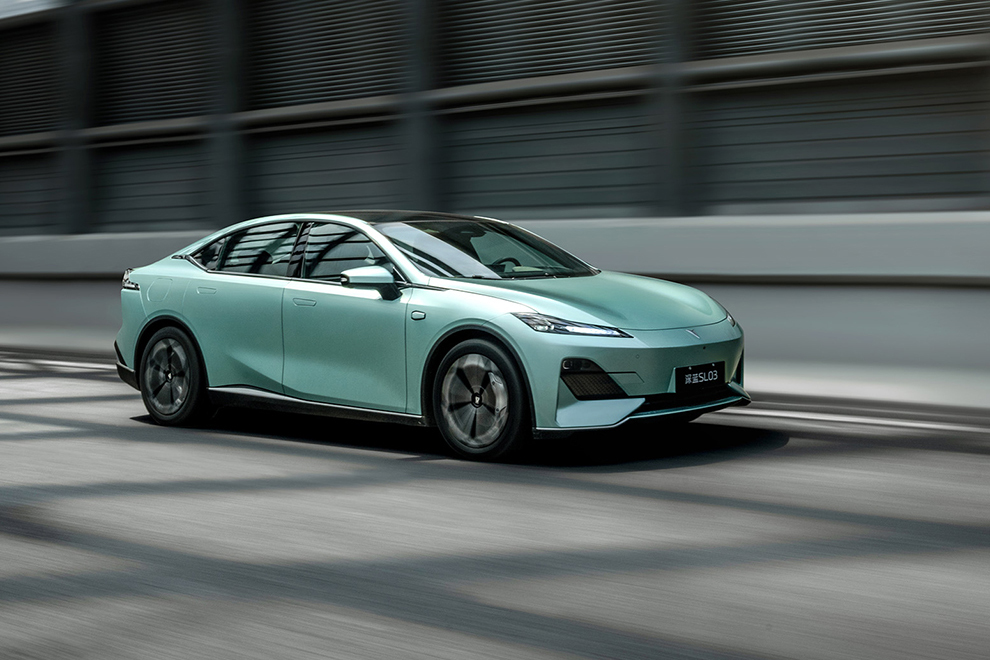
At a glance
- The Deepal Sl03 for export buyers is a mid-size liftback offered in pure-electric and extended-range forms.
- BEV trim labels include 515, 515MAX, 530Max, 530Plus and 705 designations, while range-extended versions include the 1.5L 1200 configuration.
- Choose BEV for routes with dependable charging and extended-range power when fuel backup or uncertain charging access matters.
- Used Sl03 vehicles require battery, repair, condition and documentation checks rather than an age-only comparison.
- Use live listings for each vehicle’s current price, condition, MOQ and availability, then request a written landed-cost quotation.
Why the Deepal Sl03 matters for export markets
The Deepal Sl03 occupies an interesting middle ground for overseas vehicle buyers: a mid-size liftback with the profile of a premium sport sedan and the cargo flexibility of a hatchback. Its export relevance comes from offering both battery-electric and extended-range configurations in one model family. That gives importers a way to address buyers with dependable charging as well as customers whose routes, charging networks, or daily mileage make full electric operation less certain. The result is a flexible platform for testing demand across different energy and ownership scenarios in one target market.
Demand should be assessed at trim level, not by model badge alone. BEV versions carry designations such as 515, 515MAX, 530Max, 530Plus and 705 across model years, while range-extended listings use labels including 1.5L 1200, 200Max, Standard, Sporty and Elite. These names identify configurations, but they do not guarantee identical battery capacity, motor output, charging equipment or certification in every export unit. Treat the exact year, trim and listing specification as controlling, and ask the seller to reconcile the trim label with a written specification sheet before reserving funds or arranging transport services.
The Sl03 is especially relevant to importers seeking a modern Chinese alternative in the mid-size EV segment, but it is not a shortcut around local approval work. Its appeal depends on whether charging infrastructure, electrical service, software expectations and aftersales support match the destination market. Dealers can build a premium BEV showroom and a separate range-extended offer, while fleet buyers compare route duty cycles. Neither strategy should proceed before confirming that the specific variant can be registered and supported locally; that protects the commercial case from a promising specification sheet but an unworkable destination market.
- BEV and range-extended choices
- 515, 530 and 705 BEV labels
- Approval remains essential
Model range, trims and powertrain variants: how the lineup is structured and how to choose
When comparing Deepal Sl03 specs, the lineup is best understood as two technical families sharing one liftback body. Pure-electric versions span Classic, Elite, MAX and Plus naming, with 515, 530 and 705 range-themed designations appearing across the catalogue. The range-extended family includes a 1.5L 1200 Extended-Range Version and variants labeled 200Max, Standard, Sporty and Elite. Because naming changes between model years and export units, buyers should not infer every specification from a trim badge; request the configuration sheet for the exact vehicle and compare like-for-like documents in writing before placing any order or paying a deposit with a seller.
For BEV buyers, the first decision is charging access, followed by usable range and performance. A vehicle suited to urban sales or a controlled fleet depot may prioritize efficiency and charging convenience, while a long-distance operator needs verified range under the destination’s test cycle and realistic route conditions. Do not treat the 515, 530 or 705 number as a universal promise: regulatory cycles, equipment, weather, speed and model-year changes can alter the real-world result. Compare the seller’s certified figures with independent route-planning assumptions for the intended operating country. Test those assumptions against local route length, payload and climate.
Range-extended buyers are buying a different operating proposition: electric driving remains available, while a 1.5-litre range extender can support trips when charging or fuel availability becomes limiting. That can suit cross-border dealer groups, regional distributors and mixed-duty fleets, but it adds fuel-system servicing, storage considerations and a second energy source to manage. Evaluate whether local emissions rules, fuel availability and consumer expectations favor this format. For fleets, calculate routes by charging opportunity rather than assuming the generator replaces a fully developed charging network in the launch market or over time as conditions evolve.
- Match route to charging
- Verify battery and motor
- Check range-extender rules
New vs used Deepal Sl03: how export inventory is structured and how buyers choose
New and used Sl03 units serve different purposes. Live inventory consists of individual vehicles grouped by condition, not a uniform factory allocation. A new vehicle gives a more predictable model year, condition and warranty position, although production timing and delivery configuration still need confirmation. A used vehicle can suit a buyer testing demand but inherits more uncertainty. Compare history, battery evidence, repair disclosure, documentation and rectification cost against the savings implied by that vehicle’s asking position and condition rather than using age as the sole decision rule for either type of listing.
For a used BEV, inspect more than exterior panels and mileage. Ask for a battery state-of-health report, charging history if available, evidence of accident repair, tire condition, high-voltage warnings, diagnostic faults and the remaining regulatory or manufacturer warranty position. For a used range-extended vehicle, also review engine starts, cooling-system condition, generator operation and fuel-system components. A pre-purchase inspection should be performed by someone able to test the relevant systems, and findings should be tied to the VIN before payment is released or the vehicle is moved from its location prematurely without approval.
New does not mean the vehicle is already in the buyer’s market. It may have been ordered, produced or prepared for another destination, so confirm the model year, trim, factory options, warranty transfer and delivery status. Used units may carry more mileage but can still suit a buyer with a firm refurbishment budget and a specific unit in mind. Ask each seller to state known defects, replacements and title status, and separate facts from claims. The [live Sl03 listings](https://chinacardirect.com/products?q=Sl03&brands%5B%5D=908) are the correct place to compare the condition, price and MOQ attached to each individual vehicle.
- Used BEV battery checks
- Used EREV generator checks
- Condition drives budget
How export pricing works: the factors behind a live listing price, and how to read one
A Deepal Sl03 export price is not a fixed model-level amount. The quoted vehicle price moves with model year, trim, BEV battery or range version, range-extended versus pure-electric configuration, mileage, condition, optional equipment and whether the unit is new. For a used car, paintwork, tires, service history and disclosed repairs can materially affect comparability. Exchange-rate movements also matter when a buyer compares offers made in different currencies. Use the live listing as the starting vehicle price, then build a separate landed-cost sheet rather than assuming the displayed figure includes international delivery and destination handling.
The landed-cost sheet should add the charges that the seller may not include: inland transport to the export hub, terminal and documentation fees, international freight, marine or vehicle insurance, destination port charges, customs duties, taxes and local registration or conversion. The applicable Incoterm defines where responsibility and cost transfer, so request the same term when comparing quotations. Ask whether the battery or range-extended configuration affects freight handling, and whether port, route, charger or fuel-equipment options change the scope. A seller’s vehicle price becomes comparable only when the delivery scope is identical and documented.
To read a listing intelligently, separate four layers: the seller’s asking position, any promotional or negotiable element, verified vehicle condition, and the estimated cost of bringing that unit into legal service. Check whether photos match the named trim, whether the VIN or SKU identifies a specific vehicle, and whether new, used or another condition label is clearly defined. Record the stated battery and range version for BEVs, or the engine and equipment specification for range-extended cars. Current per-unit price and availability must be taken from [live ChinaCarDirect listings](https://chinacardirect.com/products?q=Sl03&brands%5B%5D=908), then confirmed in a written quotation.
- Same Incoterm
- Verified VIN and trim
- Separate landed cost
MOQ, ordering and payment: single units vs consolidating a container
Wholesale MOQ is a key commercial term that should be confirmed on the chosen listing, not inferred from the model or copied from another transaction. Some sellers may offer a single vehicle; others may set a batch requirement or prefer consolidation for an importer. The right question is whether one unit can be ordered without weakening the aftersales, documentation and payment arrangements. Dealers testing a market can ask for one-unit purchasing, while fleet buyers may consolidate several Sl03 units if specifications, destinations and handover dates align. Any written quotation should state the minimum clearly.
For a container-sized order, consolidation reduces the number of separate export movements, but it does not remove configuration risk. Different battery versions, range-extended systems, trim levels, condition grades and destination homologation packages may not be mixable for one buyer. The seller should confirm whether units share the same key specification, whether mixed configurations are permitted, and which vehicle is allocated to the final shipment. Also establish who owns the units during transit, how insurance is arranged and what happens if inspection, customs or delivery finds a mismatch before final settlement or release.
The payment sequence should follow the risk. Begin with a written order sheet naming the VIN or SKU, trim, condition, specification attachments, delivery term and total payable amounts. Confirm the deposit, balance trigger, accepted payment method, invoice requirements and cancellation terms before remitting funds. Release the balance only against agreed evidence, such as inspection results, export documents and shipment confirmation, according to the contract. A clear RFQ speeds this process: specify destination, quantity, preferred powertrain, budget parameters and required Incoterm rather than asking only for the cheapest Sl03 without trade-offs or omissions.
- Listing-specific MOQ
- Compatible consolidation
- Milestone payments
Shipping, homologation and market compliance caveats: LHD/RHD and import rules by country
Vehicle logistics begin before a berth or vessel is booked. The exporter must confirm the loading method, port, sailing route, vessel capacity, discharge port and delivery point, because a quoted voyage is not the same as a guaranteed door-to-door schedule. Container and roll-on/roll-off handling each have practical constraints for different vehicles. BEV consignments also require battery transport documentation, including the relevant test summary and declaration, while the carrier may specify the permitted state of charge. Do not assume a standard car booking automatically covers every EV requirement without carrier confirmation in writing.
Steering configuration is a frequent source of late errors. Chinese-market Sl03 examples are commonly left-hand-drive, while right-hand-drive availability can differ by model year, production run and destination program. Ask for the VIN, a photograph of the steering position and written confirmation of whether the car is factory RHD, a regional factory variant or converted after production. Local conversion may affect safety approval, warranty, software, parts and resale. Import rules also vary by country on emissions, road noise, lighting, radio equipment, cybersecurity, data handling, charging connectors, fuel labelling, vehicle age or modifications.
The importing party remains responsible for the destination-market decision, even when a seller or broker suggests the vehicle is compliant. A competent vehicle-homologation specialist should review the VIN, powertrain, variant and equipment list against local type-approval and registration requirements. Confirm customs classification, tariff treatment, taxes, emissions rules and whether used vehicles face additional age or modification tests. For a range-extended model, include the generator, fuel tank and exhaust system in the review; for a BEV, include battery, charging and high-voltage provisions. Keep approval evidence with the vehicle file for audit and claims.
- Factory RHD confirmed
- Battery documents checked
- Approval before balance
Who should buy the Sl03 — and who should pick a different vehicle
The Sl03 fits an importer or dealer that can exploit its powertrain breadth rather than treat it as one generic model. A showroom seeking both BEV and range-extended choices can build separate price and use-case propositions, while a fleet buyer can select vehicles around depot charging, route length and driver familiarity with electrified drivetrains. It is also attractive where a liftback format offers more load flexibility than a conventional sedan without moving into a larger SUV. The business case should include local service capability and realistic residual-value planning, not only attractive vehicle specifications.
Choose a BEV when routes can be planned around reliable charging, the operator can control energy use and local rules make zero-tailpipe-emission operation attractive to customers. Choose the range-extended version when long routes, uncertain charging access or a mixed fleet make the generator a practical backup, provided fuel rules and servicing costs are acceptable. A used BEV is less suitable for a high-utilization fleet unless battery evidence, repair history and operating-condition assumptions withstand scrutiny. For used units, an inspection should convert open questions into repair and downtime costs before contracting or dispatch.
Pick a different vehicle when the destination requires a factory RHD example that the Sl03 supply chain cannot support, when homologation cost is disproportionate to the trial volume, or when aftersales parts and diagnostics are unavailable. Dealer groups with mature EV service networks may prefer an established rival with better residual-value data in their market. Large fleet buyers may also choose a platform with a stronger local warranty or body programme. Those are not failures of the Sl03; they are reasons to compare the complete ownership proposition, including registration, parts, technician training, charging support and downtime.
- Mixed-powertrain portfolios
- Charging-dependent BEV case
- Local support essential
Main rivals and how the Sl03 compares
The closest alternatives depend on whether the buyer needs a pure EV or values the Sl03’s range-extended option. The BYD Seal is a direct BEV comparator for shoppers seeking an executive-style liftback or fastback from China, with a more focused all-electric proposition. The XPeng P7 also competes in the technology-oriented EV sedan class and may appeal where software and driver-interface priorities lead the decision. For buyers prioritizing a globally familiar BEV and established brand recognition, the Tesla Model 3 remains relevant. None of these three provides the same factory range-extended choice as the Sl03.
Against the BYD Seal, the Sl03’s decisive advantage for some importers is choice: a buyer can choose between full battery operation and a range-extended configuration instead of committing to BEV-only ownership. The Seal may be attractive where a pure-EV badge, comparable liftback positioning and a tightly focused product story simplify the market offer. Against the XPeng P7, the comparison shifts toward technology expectations, cabin interface, software update pathway, charging strategy and the importer’s ability to support the vehicle electronically. The Sl03’s broader trim naming can make configuration harder to explain, so clear data sheets matter.
The Tesla Model 3 gives buyers a different risk profile. Its BEV-only layout is straightforward for organizations already comfortable with electric fleets, while the Sl03 can add range-extended flexibility where charging coverage is incomplete. In return, Sl03 buyers should verify parts stocking, technician capability, diagnostic access, software support and residual-value assumptions for their destination. A fair comparison is therefore not a badge-to-badge specification sheet: compare the exact powertrain, homologated equipment, landed cost, service plan, charging or fuel network and expected utilization over the ownership period rather than headline range alone on paper before purchase.
- BYD Seal: BEV rival
- XPeng P7: EV rival
- Model 3: BEV benchmark
Live Deepal Sl03 export inventory
View all listings →Real units currently on ChinaCarDirect with per-unit asking prices and MOQ. Availability updates live from the catalogue.
How to buy a Deepal Sl03 from China
-
1
Define the destination and powertrain
Specify the destination country, steering requirement, typical routes, charging access and fleet utilization. Decide whether a BEV, range-extended model or both fit the buyer base.
-
2
Shortlist individual vehicles
Review the [live Sl03 inventory](https://chinacardirect.com/products?q=Sl03&brands%5B%5D=908) by condition, model year and trim. Treat each listing as a separate vehicle requiring specification and price confirmation.
-
3
Verify the exact configuration
Request the VIN or SKU, written trim specification, battery and charging data for BEVs, or generator and fuel-system details for range-extended versions. Confirm that the photos and naming match the vehicle offered.
-
4
Request a landed-cost quotation
Ask for vehicle price, inland handling, documentation, freight, insurance, destination charges, taxes and the applicable Incoterm. Compare quotations only when they include the same delivery scope.
-
5
Confirm MOQ and payment terms
Check the MOQ attached to the chosen listing and state whether the order is for one vehicle or a consolidated shipment. Agree the deposit, balance trigger, invoices, allocation and cancellation terms in writing.
-
6
Inspect and prepare documents
Use a pre-purchase inspection, with battery condition and generator testing where relevant. Obtain ownership, export, transport and destination-homologation documents before the final payment milestone.
-
7
Book logistics and destination support
Confirm the carrier, route, loading requirements, insurance, destination handling and delivery point. Arrange registration approval, local technicians, diagnostic access and spare-parts planning before dispatch.
Sl03 vs rivals
| BYD Seal | A close BEV alternative for mid-size liftback and fastback buyers who want an all-electric-only proposition. The Sl03 is more flexible for importers that need a range-extended choice, but its broader trim naming requires stricter specification control. |
|---|---|
| XPeng P7 | A close Chinese competitor for technology-led EV sedan buyers, with an emphasis on software and driver interface. The Sl03 differentiates through its range-extended option, while the P7 remains a more focused BEV purchase for buyers comfortable with charging-only operations. |
| Tesla Model 3 | A widely recognized BEV benchmark for fleet and private buyers. The Sl03 adds factory range-extended flexibility, but buyers should compare the actual local service coverage, parts access and residual-value evidence for both models rather than generalize from brand recognition. |
Frequently asked questions
How is the Deepal Sl03 export price determined?
The vehicle price is driven by model year, trim, BEV battery or range version or range-extended configuration, mileage, condition, options and exchange-rate movements. Freight, insurance, inland handling, duties and taxes can add separate landed costs, so ask for an all-in quotation under a stated Incoterm. The exact price for each available vehicle is shown in the [live Sl03 listings](https://chinacardirect.com/products?q=Sl03&brands%5B%5D=908).
Which powertrain and range should an overseas buyer choose?
The Sl03 is offered as a pure electric or extended-range model, with 515-, 530- and 705-labelled BEV versions and 1.5L 1200 plus other range-extended trims appearing in the line. The trim numbers are not a substitute for the certified specification of the exact model year; request battery capacity, motor output, charging and applicable range figures before selecting. Choose BEV for dependable charging routes and EREV when fuel backup or uncertain charging access is central to the duty cycle.
Is a used Deepal Sl03 better value than a new one?
A used unit can suit a buyer seeking a specific configuration or accepting refurbishment, but it carries more uncertainty in battery condition, mileage, repair history, warranty and cosmetic condition. A new unit offers a cleaner ownership history, yet production timing and exact delivery configuration must still be verified. Compare the individual vehicle’s evidence and total ownership cost rather than using age alone.
What is the MOQ for a Deepal Sl03 order?
MOQ is set by the seller and the specific transaction, so check the live listing or request a quotation rather than relying on a generic model-level rule. A dealer trial may be possible as a single-unit purchase, while a container consolidation may have its own minimum and configuration restrictions. The written order confirmation should state the quantity, allocation, payment milestones and cancellation terms.
How long does shipping take and what determines cost?
Transit time and cost depend on the origin and destination ports, loading method, vessel schedule, vehicle size, battery handling, insurance, customs and inland delivery. A quoted sailing schedule does not include every production, inspection, customs or final-mile delay, so build contingency into launch plans. Ask the freight provider for the complete route, chargeable inclusions and delivery scope under the agreed Incoterm.
Are spare parts available for the Sl03?
Parts may be ordered through the brand, manufacturer or specialist channels, but availability and lead time depend on the exact trim and destination. Before ordering, request part numbers for wear items, high-voltage components where relevant, body panels, lamps and service fluids, plus diagnostic and charging equipment. For fleet or used purchases, include a parts kit and technical support plan in the landed-cost model.
Is right-hand-drive Sl03 available for export?
RHD availability can vary by model year, production run and destination program, while Chinese-market examples are commonly LHD. Ask the seller for the VIN, steering-position photo and written factory-RHD confirmation; do not assume a local conversion will retain warranty or satisfy homologation. If factory RHD supply is uncertain, build that requirement into the RFQ before selecting a vehicle.
How do I buy a Deepal Sl03 from China?
Start with the live inventory, shortlist an exact vehicle or configuration, and send a request specifying destination, powertrain, quantity, condition, budget parameters and Incoterm. Obtain a written specification, MOQ, payment schedule, inspection rights, export documents and freight quote before paying. Use the [ChinaCarDirect contact page](https://chinacardirect.com/contact) to request an RFQ and keep the VIN or SKU with every amendment and payment instruction.
Ready to source the Deepal Sl03?
Request a current Deepal Sl03 quote with target market, trim, quantity, condition and Incoterm through the ChinaCarDirect RFQ page.
Request a quote