
Dongfeng Aeolus Ax7 Export Buying Guide for Dealers
Plan a Dongfeng Aeolus Ax7 export purchase with clear guidance on trims, engines, pricing logic, MOQ, shipping, compliance and the best-fit alternatives.
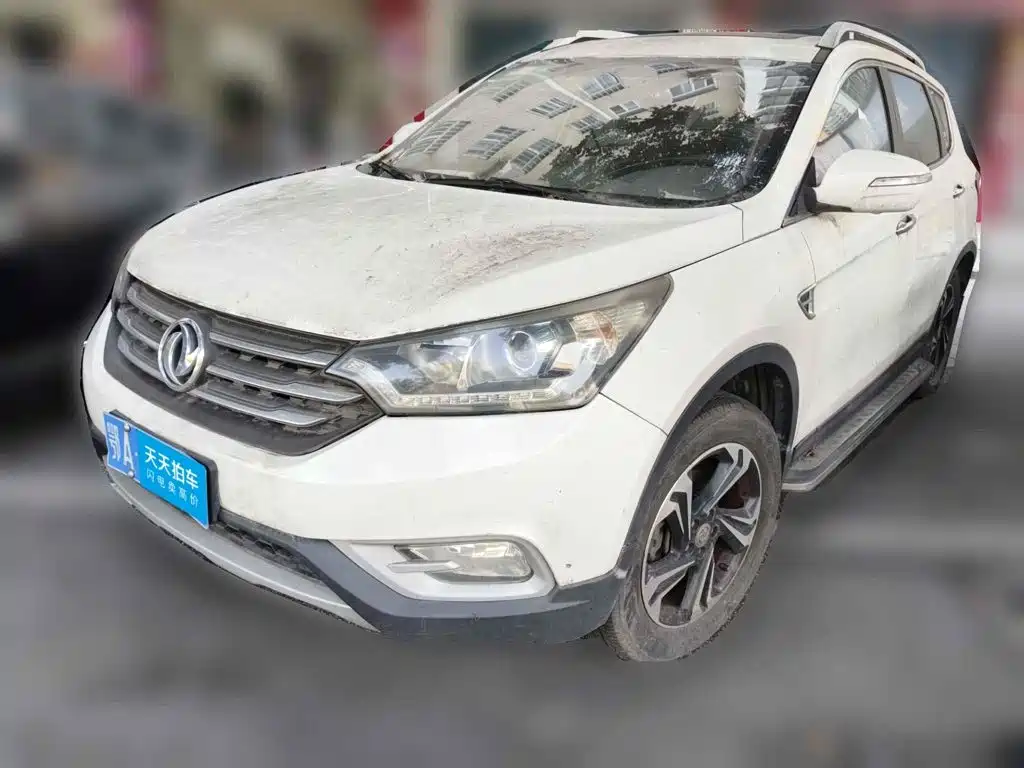
At a glance
- The Ax7 is a value-focused, gasoline-powered compact SUV suited to importers and fleets that need flexible engine and transmission choices.
- Its range spans 1.5T and 1.6T turbo engines, 2.0L and 2.3L versions, plus manual, automatic and DCT applications.
- A live export quote should separate vehicle value from freight, insurance, taxes, duties, documentation and Incoterm allocation.
- MOQ, payment milestones and container consolidation must be agreed in writing for the selected quotation.
- LHD or RHD availability and destination-market homologation must be verified before any deposit is paid.
Why the Dongfeng Aeolus Ax7 matters for export markets
The Dongfeng Aeolus Ax7 occupies the value-focused compact SUV segment, where overseas buyers look for a multipurpose vehicle without paying for a premium marque. Its five-door crossover format suits dealer portfolios serving city and regional customers, while the range spans naturally aspirated and turbocharged gasoline engines. That breadth matters because importers can match a vehicle to fuel economy, tax bands, road conditions and local preferences rather than impose one specification across every market. It is therefore more useful as a sourcing platform than as a single export proposition. Availability still depends on trim and destination.
For buyers evaluating the Dongfeng Aeolus Ax7 for export, practical appeal comes from combining familiar internal-combustion architecture with several transmission choices. Dealers can source manual cars where affordability and driver familiarity dominate, automatic cars for easier urban use, and DCT-equipped Mach editions for buyers prioritizing newer model years and higher specification. Fleets should evaluate the same unit against local tax rules, fuel availability and expected resale demand, because a low purchase price does not remove operating-cost or compliance questions. A clear application brief helps sellers identify more suitable stock and prevents a trim mismatch before payment.
Demand should not be assumed to translate directly from China to another country. Buyers need to understand local preferences for steering position, transmission, emissions documentation and after-sales support, then confirm that the Ax7 can be registered and serviced economically. Its strongest export case is generally where a compact, gasoline-powered SUV is wanted at a competitive acquisition cost. Its weakest fit is where electrification mandates, premium-brand expectations or specialist off-road capability dominate the purchase decision. That makes early market validation more valuable than assuming that every Chinese-market trim will be equally marketable abroad.
- 1.5T, 1.6T, 2.0L and 2.3L engine families
- Manual, automatic and DCT application options
- Steering, tax and service fit vary by country
Model range, trims and powertrain variants: how the lineup is structured and how to choose
For Dongfeng Aeolus Ax7 specs, the lineup is easiest to understand by starting with the engine labels. Available trims include 1.5T and 1.6T turbocharged engines, plus 2.0L and 2.3L versions, so an importer is choosing between smaller high-output options and larger displacement alternatives rather than one fixed powertrain. Names such as Classic, PRO, Mach Edition, Luxury, Premium and Smart Comfort are market-facing trim labels. Equipment, transmission and cosmetic details can change within a family, so the listing name should be treated as a starting point, not a complete specification. Always confirm the build sheet. Some seller titles also use the Fengshen AX7 name, so search both forms when building a shortlist.
Transmission choice is the second major branch. The range includes manual transmissions, conventional automatics and DCT applications, including the 1.5T Mach Edition DF31, DF41 and DF51 variants. Manual versions may suit buyers who focus on acquisition cost and are familiar with them; automatics simplify operation for fleets and city driving; DCT-equipped cars present a more modern specification, but should not be selected solely by the acronym. Availability, condition and serviceability in the destination country should carry more weight. Ask for evidence of the gearbox type, shifts and any reported faults before confirming the unit.
A disciplined selection process begins with the buyer’s use case, not the longest trim name. Specify engine displacement and aspiration, gearbox, seating and equipment priorities, then compare those requirements against each live vehicle. For a mixed fleet, keep a controlled shortlist by trim rather than mixing units with unrelated electronics or comfort packages. The Mach Edition codes help identify a particular 1.5T DCT configuration, but VIN-level confirmation, photographs and the seller’s specification sheet remain necessary to establish what the selected Ax7 actually contains. Also confirm all documentation before reserving it.
- Engine and transmission hierarchy varies by trim
- Mach Edition codes identify 1.5T DCT applications
- Build sheet and VIN must confirm the unit
New vs used Dongfeng Aeolus Ax7: how export inventory is structured and how buyers choose
New Ax7 units are the straightforward option when a buyer wants a defined factory configuration and the newest listed technology within a chosen trim. The export catalogue can contain different model years and editions, so “new” does not mean every vehicle has the same equipment or emissions version. Ask whether the vehicle is unregistered, whether any dealer preparation was performed, and what warranty or after-sales support applies. Those answers should be recorded in the purchase contract rather than inferred from photographs or abbreviated online listing descriptions, with any promised delivery period confirmed in writing.
Used Dongfeng Aeolus Ax7 sourcing follows a different logic because age, mileage and prior ownership become part of the commercial value. Used units may come from domestic consumer, fleet or parallel-export channels, so buyers should request the registration history, service records, title documents, inspection evidence and photographs of wear areas. A lower acquisition figure can be offset by near-term repairs, replacement parts or difficulty matching a specific trim. The strongest used candidate is the one whose documented condition matches its asking basis and whose parts remain supportable in the destination market.
For a mixed fleet, compare options on a total-cost worksheet rather than treating new and used as interchangeable. New vehicles reduce uncertainty about age and wear but do not remove compliance, transport or residual-value risk. Used vehicles can widen trim availability and reduce initial expenditure, yet require closer inspection and stronger documentation. Buyers should set a maximum acceptable downtime and repair allowance, identify the service network in the destination country, and then match those limits to the condition stated on the live listing. Current condition and pricing must always be confirmed per unit.
- New units: confirm factory configuration and preparation
- Used units: verify history, mileage and wear
- Decision rule: compare total operating exposure
How export pricing works: the factors behind a live listing price, and how to read one
Export pricing for a Dongfeng Aeolus Ax7 should be treated as a live, vehicle-specific calculation rather than a fixed model-level price. The core vehicle value is influenced by model year, trim, engine, transmission, mileage, condition, originality and any dealer preparation. On top of that vehicle value, an importer’s total can change with the exchange rate, freight method, destination port, insurance, taxes, duties, documentation and the selected Incoterm. Two units carrying similar trim names may therefore carry materially different landed costs if their age or condition differs. Confirm each figure directly.
A useful price-comparison method is to separate three layers: the vehicle quote, export handling and freight, then import charges and local delivery. For the vehicle quote, compare equivalent year, trim, powertrain, condition and options. For export handling, confirm inland transport, customs files, secure storage, insurance and whether the seller or buyer bears each charge. For landed cost, obtain the applicable tax and duty treatment from a broker or customs adviser rather than assuming that another country’s rules apply. This layered view exposes differences hidden inside a headline listing price before approval.
When reading a live Ax7 listing, check the model-year and trim wording first, then confirm engine, gearbox, mileage, condition, steering position, included equipment, seller location and whether the displayed amount is a vehicle price or an export quote. Ask what is excluded, how long the quote remains valid, and what payment milestone secures the unit. Use the same checklist for every candidate so the comparison reflects like-for-like vehicles. Exact price, availability, MOQ and commercial terms are shown against individual live listings on ChinaCarDirect and should be reconfirmed before contracting or paying.
- Base value: year, trim, engine and condition
- Landed cost: freight, tax, duty and insurance
- Read every live quote on a like-for-like basis
MOQ, ordering and payment: single units vs consolidating a container
MOQ is a negotiable commercial condition, so buyers should not infer a blanket requirement from the model name or a marketplace category. For a Dongfeng Aeolus Ax7 wholesale program or trial order, ask whether the seller will release one Ax7 and how its deposit, cancellation and reassignment terms work. For a consolidated shipment, establish whether several buyers or several trims can share one container and who controls the booking. The relevant minimum may come from the supplier’s loading policy, container plan or available unit, so obtain it in writing for the specific quotation rather than relying on a general statement.
A typical order sequence starts with specification confirmation and a written quote, followed by a vehicle reservation and deposit. Before the balance becomes due, the buyer should reconcile the VIN or chassis details, trim name, engine, gearbox, steering position, condition description, photographs and export documents against the agreed contract. Payment and release should be tied to those milestones, while the identity and authority of the collecting or shipping party are checked independently. A low nominal purchase figure does not remove the need for a traceable transaction before any funds are sent.
Container consolidation can improve freight efficiency, but it adds coordination risk. Units intended for one buyer should be grouped by compatible specification, condition and destination so the receiving team can unload, register and deploy them efficiently. Mixed-year or mixed-trim loads require agreed labeling, allocation records and responsibility for the balance of each vehicle. Freight quotations should state the Incoterm, named place, container or breakbulk assumptions, and the point at which insurance begins. Consolidation is therefore an operational decision, not simply a way to reduce the visible per-unit cost before loading.
- MOQ: confirm per supplier and quotation
- Payment: tie release to verified documentation
- Consolidation: agree allocation and labeling
Shipping, homologation and market compliance caveats: LHD/RHD and import rules by country
Chinese-market compliance does not automatically transfer to an overseas destination. Ax7 listings may reference China V or China VI emissions versions, but a local authority can impose separate rules for emissions, safety, noise, lighting, cybersecurity, vehicle age, import quotas, customs valuation and type approval. Buyers should identify the exact receiving-market rules before selecting a unit, especially where used vehicles face tighter restrictions. The VIN, engine, emissions label, equipment list and supporting documents should be checked by a customs broker or homologation specialist; a listing photograph is not a substitute for regulatory acceptance.
Steering position is a separate sourcing decision. Ax7 availability for left-hand-drive and right-hand-drive markets must be confirmed for the selected vehicle; a steering conversion should never be assumed from the model name or requested after the sale. For right-hand-drive destinations, establish whether a genuine market specification is available or whether conversion is lawful and practical, and ask who performs any work. Also review local adaptations for lighting, wiring, radio, climate control, fuel labelling and software. A technically modified vehicle can still have weaker documentation, parts planning or resale value locally.
Export logistics depend on the vehicle’s dimensions, condition, quantity and route, so the freight plan should follow inspection rather than precede it. Ask the forwarder whether the selected Ax7 is suitable for container, roll-on/roll-off or breakbulk handling and verify lashing, drainage and protective requirements for a long-distance voyage. The shipping file should reconcile the purchase contract, VIN/chassis information, export declaration, customs documents and insurance. Lead time and cost can change through factory movement, port congestion, documentation issues, transshipment and destination clearance, so use the forwarder’s route-specific schedule instead of a generic promise.
- China V/VI labels do not equal local approval
- LHD/RHD: confirm before purchase or conversion
- Freight: validate dimensions and route
Who should buy the Ax7 — and who should pick a different vehicle
The Ax7 is a strong candidate for distributors and fleet buyers that want a conventional compact SUV, a choice of gasoline engine sizes and both manual and automatic options. It is particularly useful when charging infrastructure, battery standards or long-range electric alternatives make a combustion vehicle more practical. Dealers can build a varied but controlled offer around different budgets and customer preferences. The best buyer has already defined its market, can support Chinese vehicle servicing, and accepts the work required to make each imported unit roadworthy and compliant before sale.
Ax7 buyers should look elsewhere when their priorities cannot be met by the model’s available structure. A buyer requiring a factory-certified plug-in hybrid or battery-electric range comparison should review electrified alternatives rather than infer performance from engine displacement. Those needing seven seats, serious off-road hardware, a premium badge or a mature worldwide service network may also find a better fit among larger SUVs, specialist models or established global brands. The decisive question is not whether the Ax7 is inexpensive; it is whether its configuration and ownership support match the destination customer.
Evaluate ownership cost with a spreadsheet that covers acquisition, inland transport, freight, insurance, taxes, duty, registration, fuel, scheduled maintenance, tyres and expected resale. A manual model may lower acquisition and maintenance complexity for a self-driving fleet, while an automatic may reduce training and fatigue. Keeping the fleet within one model family can make parts planning easier, but exact parts compatibility must still be verified by engine, transmission and model year. If the vehicle will enter a competitive resale market, compare dealer support and residual-value assumptions before committing to a large consolidated order of vehicles.
- Best fit: value-focused compact-SUV programs
- Weak fit: EV-first, seven-seat or off-road needs
- Ownership: include service, parts and residual value
Main rivals and how the Ax7 compares
The Chery Tiggo 7 is one of the closest alternatives because it targets a similar value-oriented compact SUV buyer with its own Chinese-market trims and export positioning. Against the Ax7, the Tiggo 7 is useful as a benchmark for perceived brand appeal, available equipment and destination support. The Ax7’s clearest differentiator is the breadth of engine and transmission choices visible across its range, including manual, automatic and DCT applications. A dealer should compare actual homologated configurations rather than decide from model name, visual styling or a single promotional listing alone.
The Haval H6 competes in the same broad budget-conscious crossover territory, but it offers buyers an alternative badge, trim strategy and international market identity to evaluate. It may be a stronger fit where a buyer values an already familiar model name, established comparison data or a different equipment mix. The Ax7 may be more flexible for importers seeking particular 1.5T, 1.6T, 2.0L or 2.3L powertrains and both manual and automatic choices. The decision should turn on landed cost, local approval, parts support and resale evidence rather than badge assumptions alone.
The Changan CS35 Plus is another China-built value-SUV alternative that can complicate a buyer’s shortlist. Its positioning, styling and engine choices give the importer a different balance of size, presentation and equipment, while the Ax7 stands out for a broad selection of compact-SUV trims, including the 1.5T Mach Edition DCT variants. Compare seating and cargo needs, safety equipment, software, fuel use and the cost of obtaining parts. Whichever model wins, reserve a test sample, verify its documents and secure written commercial terms before scaling the order to the intended market.
- Tiggo 7: compare equipment and market support
- H6: compare familiar branding against trim flexibility
- CS35 Plus: compare size, software and parts cost
Live Dongfeng Aeolus Ax7 export inventory
View all listings →Real units currently on ChinaCarDirect with per-unit asking prices and MOQ. Availability updates live from the catalogue.
Dongfeng Aeolus Dongfeng Fengshen AX7 2016 2.0L Automatic Smart Comfort
Dongfeng Aeolus Dongfeng Fengshen AX7 2022 Mach Edition 1.5T DCT DF31
Dongfeng Aeolus Dongfeng Fengshen AX7 2018 1.6T Automatic Luxury Special Edition
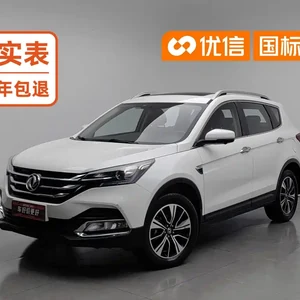
Dongfeng Aeolus Dongfeng Fengshen AX7 2018 Classic 1.6T Auto Luxury
How to buy a Dongfeng Aeolus Ax7 from China
-
1
Set the market and operating brief
Define the destination country, steering position, expected annual volume, transmission preference and the use case for each vehicle. Record tax, fuel, safety and service requirements before selecting a trim.
-
2
Compare live Ax7 candidates
Use the live Dongfeng Aeolus Ax7 inventory to shortlist comparable engine, gearbox, model-year and equipment combinations. Review each listing’s photos, seller location and unit description rather than comparing trim names alone.
-
3
Verify specification and documents
Request the build sheet, VIN or chassis details, ownership or registration status, condition evidence and relevant export documents. Have the destination-market specialist check emissions, safety and import eligibility.
-
4
Build the landed-cost quotation
Ask for vehicle cost, inland transport, export handling, freight, insurance, documentation and local charges as separate lines. State the Incoterm, destination, named place, quantity and desired consolidation plan.
-
5
Reserve and complete payment
Obtain a written quote and unit-specific reservation terms before paying a deposit. Tie the final payment and release to verified identity, specification, condition and export-document checks.
-
6
Arrange export, shipping and clearance
Confirm the freight method against the vehicle’s dimensions and condition, then reconcile shipping and customs documents with the purchase contract. Track cargo, insurance, destination clearance and registration as separate milestones.
Ax7 vs rivals
| Chery Tiggo 7 | The Tiggo 7 is a close value-SUV benchmark with its own trim and brand-equity considerations. The Ax7 offers broader visible engine and transmission choice, making it attractive to importers seeking specific configurations rather than a single benchmark model. |
|---|---|
| Haval H6 | The Haval H6 may appeal where buyers prioritize a familiar badge or established market comparison, while the Ax7 provides flexible engine, manual and automatic options. Compare homologated equipment, landed cost, parts support and expected resale in the destination market. |
| Changan CS35 Plus | The CS35 Plus presents a similar China-built value proposition with a different balance of size, styling and equipment. The Ax7 may suit buyers wanting more visible trim and powertrain variety, while the CS35 Plus may better fit preferences established through local testing. |
Frequently asked questions
How does the Dongfeng Aeolus Ax7 export price guide work?
Vehicle value is driven by model year, trim, engine, transmission, condition, mileage and originality, while the landed cost also reflects exchange rates, freight, insurance, taxes, duties and Incoterms. Compare each amount within a quotation rather than treating a listing headline as the final import cost. Current binding figures are shown on the live listings at https://chinacardirect.com/products?q=Ax7&brands%5B%5D=85.
What engine and transmission options does the Dongfeng Aeolus Ax7 have?
The range includes 1.5T and 1.6T turbo engines, 2.0L and 2.3L versions, with manual, conventional automatic and DCT applications depending on the trim. Because the Ax7 range is gasoline-powered, battery capacity and electric driving range do not apply. Confirm the exact engine and gearbox against the selected unit’s build sheet.
Are used Dongfeng Aeolus Ax7 vehicles worth considering?
Used vehicles can broaden trim availability and reduce the initial acquisition outlay, but age, mileage and prior ownership create additional uncertainty. Check title records, registration history, service records, condition evidence and repair exposure before comparing them with new units. A used vehicle is strongest when its documented condition and remaining supportability match the price basis.
What is the MOQ for a Dongfeng Aeolus Ax7 order?
MOQ is specific to the seller, loading plan and quotation, so it should be confirmed in writing for every order. Ask whether one vehicle can be released as a trial and how deposits are cancelled, refunded or transferred. For a consolidated container, clarify whether several units, buyers or trims are allowed and who controls the booking.
How long does export shipping take, and what drives its cost?
Transit time depends on the origin and destination, transport mode, consolidation, transshipment, port congestion, customs clearance and the condition of shipping documentation. Cost is influenced by vehicle dimensions and weight, route distance, fuel surcharges, handling, insurance and destination charges. Ask the forwarder for a route-specific schedule and a written cost allocation under the agreed Incoterm.
How are spare parts arranged after export?
Parts planning should begin with the exact model year, engine, transmission and trim because part references can change across the range. Ask the seller for the maintenance schedule, recommended service items and available parts references, then confirm supply and lead times through an importer or distributor in the destination country. Local inventory and technical support are more important than assuming every component is immediately available.
Is a right-hand-drive Dongfeng Aeolus Ax7 available?
RHD availability is source- and unit-specific, so confirm it on the individual live listing before placing an order. Do not assume that a Chinese-market Ax7 is RHD or that a conversion is automatically lawful, insured or suitable for registration. Where conversion is proposed, request photographs, technical details, invoices and confirmation from a destination-country compliance specialist.
How do I order a Dongfeng Aeolus Ax7 from China?
Start with the live Ax7 listings, shortlist by engine, gearbox, steering position and condition, and send an RFQ requesting a unit-specific written quotation. Before paying the balance, reconcile the VIN or chassis details, build sheet, photographs, condition statement and export documents with the contract. Payment and release should follow agreed milestones, while shipping, insurance and destination clearance remain documented responsibilities.
Ready to source the Dongfeng Aeolus Ax7?
To buy Dongfeng Aeolus Ax7 from China, send an RFQ with your destination, preferred engine and transmission, steering position, quantity and required Incoterm.
Request a quote