
Dongfeng Aeolus E70 Export Buying Guide for Dealers
Compare Dongfeng Aeolus E70 export options, trim and battery choices, live pricing, MOQ, shipping, compliance and rivals before ordering from China.
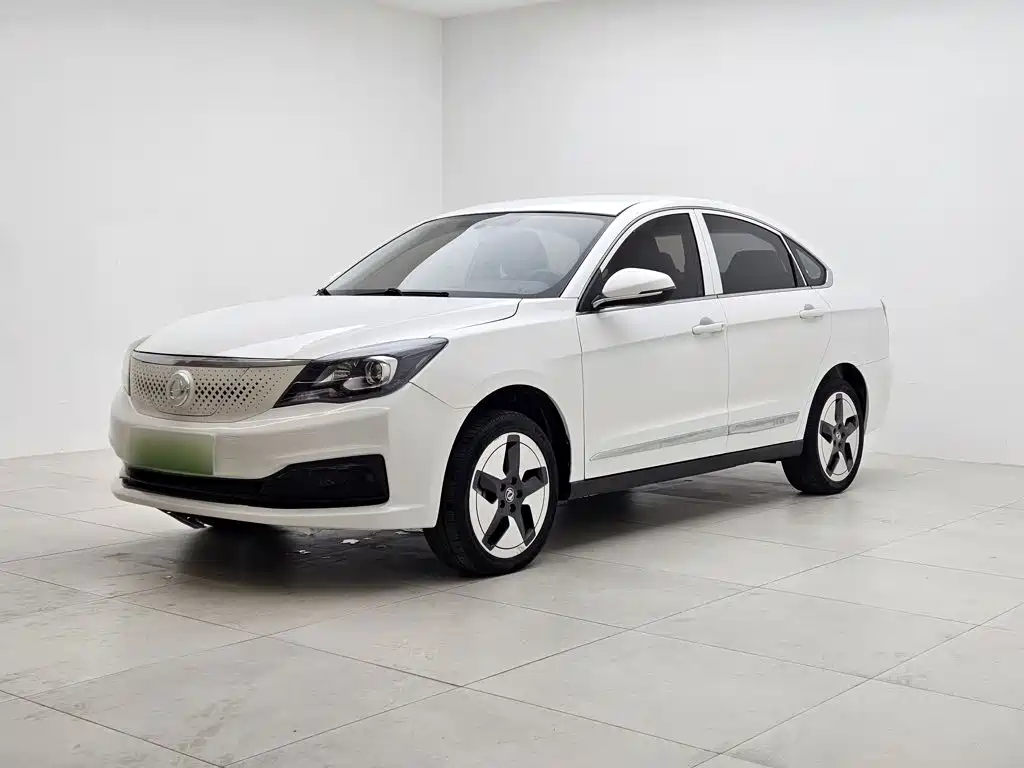
At a glance
- The E70 is a compact battery-electric crossover offering fixed-battery and battery-swap configurations across several export-oriented trims.
- Catalogue labels include 43.2 kWh, 360H, 400H and 500 variants, but buyers should verify the applicable range standard and usable capacity.
- New and used examples suit different operating models, with condition, battery health and warranty requiring separate checks.
- Live export pricing is vehicle-specific and should be compared only on the same Incoterm, destination and specification basis.
- RHD availability and homologation depend on the source vehicle and destination country, not on the model name alone.
Why the Dongfeng Aeolus E70 matters for export markets
The Dongfeng Aeolus E70 occupies a useful position for overseas buyers seeking a compact electric crossover from China: it combines a practical five-door format with conventional road-going versions and purpose-built battery-swap applications. The export-facing lineup includes the regular E70, facelifted trims, long-range-labelled editions and taxi-oriented swap versions. This breadth matters because fleet operators can compare passenger derivatives with high-utilisation configurations rather than treating every E70 as interchangeable. For dealers, the attraction is the ability to build a portfolio for private buyers, ride-hailing businesses and corporate transport projects with clearly differentiated specifications.
Export demand is strongest where buyers want an electric passenger vehicle that is more available or configurable than mainstream global brands, without moving into a larger premium footprint. The E70 can suit fleet operators looking for a managed battery-swap route and importers who need a familiar compact platform. However, its commercial value depends on local charging access, service support and regulatory acceptance; an attractive catalogue does not overcome weak after-sales infrastructure. Buyers should assess the operating system, not just the purchase transaction, before treating the model as a scalable fleet solution.
The model also gives overseas dealers a way to segment used and new supply without relying on one export trim. Facelished derivatives, standard editions and swap-focused versions may suit different buyers, while a used E70 can make sense where acquisition cost matters more than factory configuration. The key is to define the mission—private retail, taxi operation, company fleet or mixed use—then select the powertrain, warranty and compliance evidence that support it, rather than choosing from the longest range label alone. A disciplined needs assessment prevents an attractive catalogue from becoming an unsuitable import.
- Compact electric crossover positioning
- Fixed-battery and swap choices
- Passenger and fleet applications
Model range, trims and powertrain variants: how the lineup is structured and how to choose
The model range is organised around battery-electric versions, with catalogue designations distinguishing capacity, range class and operating format. Available naming includes a Pure Electric 43.2 kWh entry, 360H and 400H battery-swap versions, 500-series editions, PRO smart-drive derivatives and a 500 PLUS designation. Facelift labels indicate later product iterations. These names help shortlisting, but they do not replace a homologation file: request the exact battery capacity, motor output, range test cycle and charging method for the selected vehicle. Also confirm whether charging hardware or swap-station compatibility is included in the quote.
Start with the duty cycle. A fleet with controlled routes and access to a compatible swap network may prioritise a battery-swap taxi or standard swap derivative over a fixed-battery car. Retail buyers may instead prefer a conventional 500-series or facelift PRO edition because charging at home or depot is straightforward. Compare usable range, not only the headline figure, and check how battery condition, weather, load and speed affect the operating plan. Choose the edition whose energy source can be supported reliably in the destination market under realistic operating conditions and duty patterns.
Before signing, reconcile the listing title with the vehicle identification number, battery label, factory specification sheet and charger or swap-compatibility records. Check whether the quoted range is CLTC or another cycle, whether the battery is fixed or swappable, and what charging connector is supplied. For a 43.2 kWh listing, confirm usable capacity and remaining warranty. For 360H, 400H or 500-labelled cars, ask for certified underlying data because a marketing label may not match destination expectations. Documentation also clarifies whether fleet equipment is original or retrofitted before the inspection or homologation process.
- Match range class to routes
- Confirm fixed or swap architecture
- Verify cycle, battery and motor data
New vs used Dongfeng Aeolus E70: how export inventory is structured and how buyers choose
Export inventory can include factory-new cars from different model years and configurations, as well as lower-mileage used vehicles released from the domestic market. The distinction is operational, not merely a price label. New examples generally offer cleaner title and condition histories, a clearer factory warranty path and easier alignment with current trim ranges. A used E70 can broaden sourcing options where acquisition cost matters more than factory configuration, but it should not be treated as equivalent to a new car without supporting records. Inspect the unit, not only the listing history.
For used vehicles, distinguish ordinary age-related depreciation from a history involving intensive taxi or fleet duty. A battery-swap car may have covered substantial passenger mileage, while a private vehicle may have lower distance but different care. Ask for odometer evidence, service records, accident and repair history, battery diagnostics, and photographs of the underbody and interior. Also confirm remaining battery warranty and whether wear affects tyres, brake components, suspension, cabin trim or software functions. Independent inspection remains the final safeguard where the seller cannot provide a verified service trail locally before commitment.
New inventory is usually easier to standardise across a container, particularly when several vehicles share the same trim, steering position and destination equipment. Yet newer is not automatically better for every route: a lower-mileage used unit may deliver a more rational acquisition cost, while a new model year may bring updated features or revised approvals. Compare total landed suitability rather than sticker age. The correct choice depends on destination residual-value expectations, financing, warranty coverage and your ability to manage used-vehicle preparation before delivery to the importing dealer or fleet operator.
- New units simplify standardisation
- Used units require condition evidence
- Assess battery health and warranty
How export pricing works: the factors behind a live listing price, and how to read one
A Dongfeng Aeolus E70 export price is not a fixed manufacturer price. It is the negotiated result for a specific vehicle, production year, trim, battery or swap configuration, condition and mileage. For a used car, the starting point also reflects depreciation, service history and battery condition. Currency movements matter because supplier costs and the buyer invoice may use different exchange-rate conventions. A responsible quote should identify the vehicle, not merely reproduce a broad model-level range, and should remain valid only for the stated commercial terms and delivery scope clearly documented.
Before comparing live listings, align the commercial basis. Confirm whether the figure is FOB, CIF or another Incoterm, the destination port or city, insurance scope, and whether domestic transport, export documentation, charging equipment or installation is included. Battery-swap vehicles may carry different support, documentation or homologation costs from fixed-battery cars. A lower headline can be outweighed by batteries, chargers, compliance work, port charges or inland delivery. Ask for a written breakdown so differences can be evaluated consistently against the same route, cargo scope and delivery conditions for each shortlisted vehicle.
To read a live listing correctly, check the title, year, exact edition, battery specification, steering configuration, mileage, condition, VIN availability and seller location. Confirm whether the listing is an asking price or a formally issued quotation, and identify any tax treatment or payment schedule. Use the live E70 listings as a working market view, then request an all-in quote against your destination and Incoterm. Treat the live amount as current and binding only when confirmed in the final pro forma invoice and sales contract and payment receipt for that vehicle.
- Vehicle configuration drives value
- Compare quotes on one Incoterm
- Confirm tax and payment terms
MOQ, ordering and payment: single units vs consolidating a container
MOQ is a commercial term, not an inherent property of the E70, so wholesale enquiries should be handled vehicle by vehicle rather than through a blanket model rule. It may reflect the seller's chosen order policy, model-year availability, colour or trim constraints, export-document readiness, or the economics of moving a vehicle. Some listings may accept one unit, while a larger order can unlock better unit economics or consolidated shipping. Ask for the MOQ attached to the exact quote, written down and confirmed, rather than assuming a container quantity is required.
For a single-unit purchase, confirm the vehicle identity, deposit, balance trigger, documentary timeline and expected production or dispatch date. For several units, provide a written specification sheet covering trim, capacity or range class, battery-swap requirement, colour, left- or right-hand drive, safety equipment and destination accessories. Consolidating compatible vehicles can simplify spare-parts planning and fleet training, but mixed specifications can complicate configuration control. Ask the supplier to freeze the allocation in a pro forma invoice or other proof of the final production specification in full before any balance payment is released.
Container consolidation should be judged against ready time, not vehicle age alone. A full container of matching cars may simplify shipping and inventory management, while mixed units can fill capacity but create handover, customs and parts complications. Confirm whether the quoted MOQ covers a mixed batch and whether booking occurs only after every vehicle passes inspection. Payment milestones should be tied to verifiable events—order confirmation, production completion, inspection and release—rather than an unverified stock claim. The RFQ should state destination, timeline and required documents clearly from the outset.
- Single-unit orders require written allocation
- Mixed batches need configuration control
- Link payments to verified milestones
Shipping, homologation and market compliance caveats: LHD/RHD and import rules by country
The E70's Chinese origin does not determine whether it can be used in a particular country. Import rules, emissions rules, type approval, safety requirements, cybersecurity or software controls, charging provisions and local taxes apply at destination level. Obtain a homologation assessment before committing. For battery-electric cars, the reviewer should confirm whether the battery form, thermal management, electrical architecture, charging interface and battery-swap arrangement have been approved for commercial operation in your market. Ask the reviewer to state any conversion, supplemental approval or documentation needed before shipment or registration, with responsibility assigned to each party.
Steering configuration is a source-variable check. China-origin vehicles may be left-hand drive, while right-hand-drive availability depends on the actual production specification and seller. Never infer RHD suitability from the word “taxi,” “facelift,” or a range designation. For fleet use, the destination authority may impose requirements beyond private registration, including commercial approvals, accessibility rules, taximeter or dispatch systems and driver-assistance configuration. These issues can make a visually similar E70 unsuitable despite the same body and battery family. Confirm the intended market in the purchase specification and obtain documentary evidence before paying.
Shipping method, cargo dimensions, battery declaration, securing points and destination infrastructure all affect cost and feasibility. A battery-swap vehicle may also require confirmation that swap-station hardware and compatibility are available before it can enter service. Ro-Ro, containerised and specialist transport options should be compared on door-to-door responsibilities rather than freight rate alone. The landed-cost plan must include port handling, customs, insurance, inland delivery, charging or swap installation, and any modifications prohibited or controlled by local rules. Prefer a routing plan that names each cost owner, deadline and document before the vehicle leaves its origin facility.
- Complete destination homologation review
- Verify steering and commercial equipment
- Confirm charging or swap compatibility
Who should buy the E70 — and who should pick a different vehicle
The E70 is a strong candidate for a dealer or fleet buyer wanting a compact electric crossover with genuine operating-format choice. It makes particular sense when buyers can use ordinary charging, or when a contracted swap operator can guarantee compatible station access and service coverage. It also suits importers seeking a Chinese-manufactured EV platform without moving into a larger premium crossover. The decision should rest on route recovery, energy replenishment, warranty support and realistic resale demand in the destination, not on catalogue novelty or an untested swap network alone.
It is less suitable for buyers who require a globally established residual-value network, immediate parts availability in every territory, or a single global homologation file. Those needs favour a more widely distributed rival. Operators without a reliable charging or swap plan, or buyers whose routes exceed verified usable range under local conditions, should not treat the E70 as a drop-in solution. Highly regulated fleet applications also demand advance review; a version with the right range label may still fail local commercial, safety or accessibility requirements despite looking broadly suitable on paper.
Build a shortlist by ranking non-negotiables: steering position, homologation, battery format, usable range, payload, charger or swap compatibility, warranty, parts pathway and expected resale. Then compare total cost of ownership using local electricity or swap prices, depreciation assumptions and downtime. Test each configuration against representative routes rather than maximum laboratory range. The E70 earns a place when its broader choice and China supply relationship outweigh the market-building required; otherwise, a rival with stronger local recognition may protect capital more effectively for a buyer with limited local market knowledge and no service partner.
- Best for controlled fleet operations
- Requires local service planning
- Avoid without destination approval
Main rivals and how the E70 compares
Against the BYD Atto 3, the E70's advantage is configurational choice and potential access to battery-swap formats, while the Atto 3 benefits from a more visible international brand profile and a clearer global support narrative in many export markets. A buyer prioritising badge recognition, distributor relationships and simpler resale may prefer BYD. A buyer able to build a swap ecosystem and exploit E70 configuration flexibility may obtain a specialised fleet product, but should expect more market education and a clearer local support plan before committing to fleet volumes in bulk.
Compared with the Hyundai Kona Electric, the E70 competes through specification variety and China supply access rather than an established global retail footprint. The Kona Electric may be easier for some overseas buyers to evaluate because its market positioning is more familiar, although final equipment and homologation still vary by country. The E70 can win where a buyer wants a 500-labelled or swap-capable derivative and can support parts, training and charging logistics locally. It loses when guaranteed brand liquidity and established after-sales support matter more than configuration for the buyer.
The JAC E10 is a particularly relevant Chinese-market comparison because it occupies the same compact electric crossover and battery-swap conversation. Against the E70, practical differences come down to exact battery and range version, drive configuration, dimensions, safety equipment, trim availability, swap compatibility and local support—not the badge alone. Dealers should compare the same use case, write down the homologation requirements for each, and secure independent inspection. The best choice is the unit whose energy system and service pathway can be sustained after delivery, not simply the vehicle with the more attractive initial quote.
- BYD Atto 3: stronger global recognition
- Hyundai Kona Electric: familiar global positioning
- JAC E10: close Chinese swap-segment peer
Live Dongfeng Aeolus E70 export inventory
View all listings →Real units currently on ChinaCarDirect with per-unit asking prices and MOQ. Availability updates live from the catalogue.
Dongfeng Aeolus Dongfeng Fengshen E70 2023 400H Battery Swap Taxi Version
Dongfeng Aeolus Dongfeng Fengshen E70 2023 Facelift PRO Smart Drive Edition
Dongfeng Aeolus Dongfeng Fengshen E70 2023 Facelift PRO Smart Drive Edition
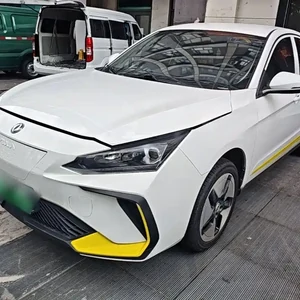
Dongfeng Aeolus Dongfeng Fengshen E70 2023 Facelift PRO Smart Drive Edition
How to buy a Dongfeng Aeolus E70 from China
-
1
Define the duty cycle
Decide whether the vehicles are for private retail, taxi operation, company fleets or mixed use. Record the routes, daily distance, payload, charging access and any battery-swap requirement.
-
2
Shortlist the live inventory
Use ChinaCarDirect's live Dongfeng Aeolus E70 listings to begin a buy-from-China shortlist. Compare the current per-unit price, MOQ, exact edition, model year, condition and seller location.
-
3
Request the verification pack
Ask for the VIN or vehicle identification number, battery capacity, range cycle, motor output, charging interface, swap compatibility, dimensions, steering position, warranty and service history.
-
4
Complete the compliance review
Give the destination country and intended use to the supplier, importer or homologation specialist. Confirm type approval, commercial fleet requirements, charging provisions, taxes and any required modifications.
-
5
Normalise the quotations
Request quotes using the same Incoterm, destination, insurance scope and vehicle specification. Separate vehicle cost from transport, documentation, compliance, chargers, swap equipment and inland delivery.
-
6
Confirm MOQ and payment milestones
Ask the seller to state the MOQ for the selected configuration in writing. Tie deposits and balances to verified order, production, inspection and release milestones rather than an unconfirmed stock claim.
-
7
Inspect, pay and ship
Approve a pre-shipment inspection, verify export documents and battery-related paperwork, then use a documented payment method. Book the freight only after the allocated vehicle, inspection outcome and shipping scope are confirmed.
E70 vs rivals
| BYD Atto 3 | The Atto 3 generally has greater international brand recognition and a clearer global support proposition, which can reduce resale and stakeholder friction. The E70 may offer more configuration choice, including swap-focused formats, making it attractive to fleets able to build and support the required infrastructure. |
|---|---|
| Hyundai Kona Electric | The Kona Electric offers a more familiar global EV proposition and may be easier to support where Hyundai distribution is established. The E70 offers Chinese sourcing flexibility and range or swap-version choice, but requires more deliberate local service and homologation planning. |
| JAC E10 | The E10 is a close Chinese compact-EV comparison, particularly for battery-swap applications. Choose between the two using verified battery and range data, dimensions, safety equipment, swap compatibility, homologation and local service support rather than the badge alone. |
Frequently asked questions
How is Dongfeng Aeolus E70 export pricing determined?
The price is negotiated for a specific vehicle, year, trim, battery or swap configuration, mileage, condition, destination and Incoterm. Current per-unit prices, MOQ and availability are shown in the live E70 listings, while a binding quote should also appear in the pro forma invoice and sales contract.
What powertrain and range options does the E70 have?
The E70 is battery electric, with fixed-battery and battery-swap versions represented in the range. Catalogue naming includes 43.2 kWh, 360H, 400H and 500-labelled variants, but buyers should verify the exact capacity, motor, test cycle, usable range and charging or swap method for each vehicle.
Should I buy a new or used Dongfeng Aeolus E70?
New vehicles generally provide clearer provenance, factory warranty support and easier fleet standardisation. A used E70 may suit a lower-acquisition-cost strategy, but it should be selected only after an independent inspection, battery-health check, service verification and review of remaining warranty.
How does MOQ work for Dongfeng Aeolus E70 wholesale orders?
MOQ is set by the seller's order policy and the selected configuration, rather than being a permanent model rule. A buyer can enquire about a single unit or a batch, but should obtain the MOQ, vehicle allocation and payment conditions in writing for the exact quotation.
What factors affect shipping time and cost for an E70?
Shipping time and cost depend on the origin and destination, transport method, vehicle dimensions, cargo availability, battery documentation, port handling, customs clearance and inland delivery. Battery-swap vehicles also require confirmation that compatible swap infrastructure will be available in the operating market.
Are spare parts available for the Dongfeng Aeolus E70?
Parts support depends on the vehicle year, trim, battery format and the supplier's export arrangements. Before purchase, ask for VIN-specific consumables, diagnostic capability, body parts and any swap components, then establish a local parts plan for the fleet's operating region.
Is a right-hand-drive E70 available for export?
RHD availability depends on the actual source vehicle and seller; it cannot be inferred from the E70 name, trim label or battery-swap description. State the required steering configuration in the RFQ and obtain the production specification before placing a binding order.
How do I order a Dongfeng Aeolus E70 from China?
Start with the live E70 listings, shortlist the relevant configuration and send a destination-specific RFQ with your required quantity, steering position, battery format and documentation needs. After reviewing the vehicle data, quotation, MOQ and payment milestones, complete inspection and shipping formalities before dispatch.
Ready to source the Dongfeng Aeolus E70?
Send your destination, preferred E70 configuration and required quantity to ChinaCarDirect for a current, vehicle-specific export quotation.
Request a quote