
Dongfeng Aeolus Yixuan Gs Export Buying Guide
Plan a Dongfeng Aeolus Yixuan Gs export purchase with value-led trim tips, pricing methods, MOQ advice, shipping, compliance guidance, and rival comparisons.
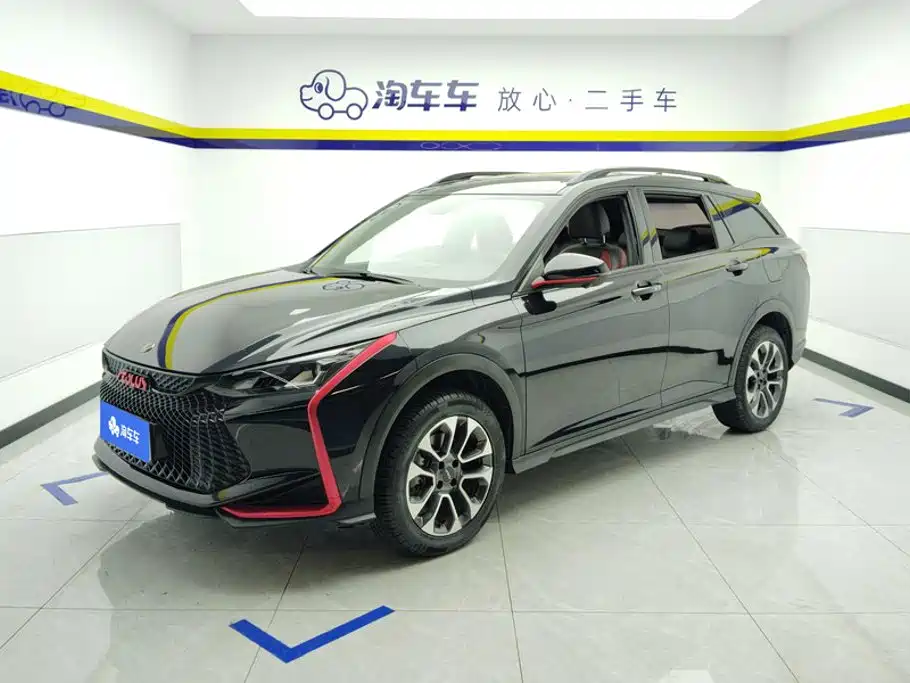
At a glance
- The Yixuan Gs offers a value-oriented compact-SUV proposition for overseas dealers and fleet buyers.
- Export-visible choices include 200T and 230T designations, 1.5L and 1.5T Mach versions, and manual or automatic transmissions.
- Each listing should be evaluated as an individual vehicle, with its build sheet, condition, documents, and destination approval verified.
- Current per-unit prices, availability, and MOQ must come from live ChinaCarDirect records and written quotations.
- The strongest business case combines the correct configuration with destination compliance and dependable aftersales support.
Why the Dongfeng Aeolus Yixuan Gs matters for export markets
The Yixuan Gs occupies the value-oriented compact-SUV segment, combining a useful passenger-car footprint with the higher seating and cargo versatility expected by overseas dealers. Its relevance is strongest where buyers want a straightforward internal-combustion crossover without paying for a large premium brand. The lineup seen in export channels includes 200T and 230T designations, 1.5L and 1.5T versions, and both manual and automatic transmissions. That breadth gives importers room to match market preferences rather than treating every compact SUV as one interchangeable product. For fleets, compare trim, gearbox, and after-sales support with actual local demand.
Global demand for vehicles in this class is shaped by affordability, fuel use, road conditions, and the cost of establishing a spare-parts network. The Yixuan Gs can be relevant in markets where a compact body, automatic transmission, and locally serviceable combustion powertrain are easier for customers to understand than an unfamiliar electrified system. Its export proposition should be judged commercially, however: consistent specification, parts confirmation, and homologation support matter more than an attractive catalogue photograph or a temporary discount. The strongest case is a disciplined total-cost assessment, not a generic low-cost claim.
Because trim names vary by market and catalogue, importers should translate them into equipment priorities instead of assuming that two similarly named versions are mechanically identical. The export-visible structure suggests a practical ladder: manual availability for buyers focused on purchase efficiency, automatic versions for convenience and broad fleet acceptance, and multiple named editions aimed at comfort or feature positioning. Before committing, obtain the exact vehicle specification, equipment list, and service information for the unit selected. This turns the listing into a vehicle dealers can sell against specific local customer needs.
- Value-focused SUV segment
- Manual and automatic choices
- Dealer and fleet relevance
Model range, trims and powertrain variants: how the lineup is structured and how to choose
The export-relevant range is organized around several powertrain and transmission combinations. The 200T offering appears with a manual gearbox, while the 230T family is repeatedly paired with an automatic. Mach editions add 1.5L and 1.5T automatic derivatives under distinctive edition names such as Xingyao, Starlight, Star Glory, and Cool Fun. These labels are useful for narrowing the search, but they are not substitutes for a build sheet: engine output, emissions equipment, drivetrain layout, safety equipment, and wheel or tyre sizes can vary by production batch and destination. Confirm them before signing.
Manual-versus-automatic selection is a useful starting point because it reflects different operating priorities. A manual 200T version may suit drivers or fleet programs that place acquisition cost and sustained use ahead of convenience. The many 230T automatic editions offer a more familiar choice for urban traffic, chauffeur use, and customers who do not want to manage a clutch. Automatic transmission calibration, fuel consumption, maintenance provisions, and parts support should be checked for the market in which the vehicle will operate; the gearbox label alone does not settle those questions. Match driver profiles, not trim prestige.
Among the 230T automatic editions, names such as Star Chaser, Moon Chaser, Wind Chaser, Light Chaser, Yuemu, and Chasing Glory Samurai indicate distinct market packages rather than a single homogeneous trim. Because the export range does not establish a standardized equipment hierarchy across every edition, buyers should compare the actual list of standard and optional features. Ask for seat upholstery, entertainment, climate control, driver-assistance functions, lighting, wheels, and infotainment or audio equipment in writing. A feature-rich version suits retail, while a simpler derivative simplifies fleet economics and standard parts stocking.
- 200T versus 230T
- Manual versus automatic
- 1.5L and 1.5T Mach versions
New vs used Dongfeng Aeolus Yixuan Gs: how export inventory is structured and how buyers choose
Export inventory should be separated by provenance before comparing vehicles, because new can describe factory-fresh stock, dealer-owned stock, or a unit prepared for parallel export, while used vehicles may come from domestic trade-ins, leasing fleets, or private ownership. Those routes affect title history, condition, warranty handling, and how readily a vehicle can be registered abroad. The Yixuan Gs listings on ChinaCarDirect should therefore be read as individual units: confirm production status, prior registration or mileage where applicable, and the exact documents available before calculating landed cost or promising a vehicle to a customer.
A new Yixuan Gs generally offers the cleanest ownership proposition: consistent factory specification, no history of wear, and a simpler initial inspection focused on delivery condition and model-year consistency. It may also make warranty and customer-delivery presentation easier, provided the overseas importer can document the vehicle and obtain any applicable manufacturer support. New does not mean homologated or insured for the destination, however. Confirm VIN data, engine and emissions specifications, equipment, tyre markings, and any software or regional restrictions before treating the vehicle as ready for export to the destination market.
Used vehicles can widen sourcing options and may suit buyers who value a lower acquisition point or a specific proven configuration. The trade-off is additional uncertainty: inspect wear, service history, accident repair, tyres, battery or alternator condition where applicable, and whether the odometer and title records align. A used imported vehicle should also be checked for residual market demand, parts availability for its exact generation, and the importer’s ability to handle a non-factory warranty. Price savings before freight, duty, and remediation work are not real savings in the destination market.
- New-unit inspection
- Used-history verification
- Landed-cost comparison
How export pricing works: the factors behind a live listing price, and how to read one
An export listing price is a transaction input, not necessarily the landed cost of a vehicle in your country. The amount can move with model year, named edition, 200T or 230T powertrain, manual or automatic gearbox, condition, mileage, production specification, and the number of vehicles purchased together. Exchange-rate movement between quotation and payment also matters. Dealers should compare quotes on the same Incoterm and ask whether the displayed figure includes export documentation, inland transport, marine insurance, inspection, loading, or only the vehicle at the stated port. Unstated scope commonly causes budget variance.
Vehicle-level differences explain why two Yixuan Gs pages may not be directly comparable. An older manual 200T example and a later automatic Mach edition serve different buyer groups and carry different market expectations; trim equipment can add value even when the body is unchanged. For a fleet order, ask whether the seller supports one homogeneous batch or mixed units, and whether the quoted rate changes with volume. For a buyer comparing units from China, build a specification matrix—year, engine label, transmission, equipment, condition, and delivery term—then compare matching rows, not simply the lowest headline number.
Always use the live ChinaCarDirect inventory for the current per-unit price, availability, and the MOQ shown on that record; those details are binding only for the referenced unit and can change. Build the landed-cost worksheet after selecting a vehicle: vehicle price, domestic handling, export documentation, freight, insurance, destination charges, customs duty, taxes, port or terminal fees, and dealer margin should be listed separately. If a quote uses an Incoterm, confirm the named place and transfer of risk. Request a quotation identifying the exact SKU, condition, edition, and payment validity. This creates a comparable commercial offer.
- Same-Incoterm comparisons
- Landed-cost worksheet
- Live per-unit quotes
MOQ, ordering and payment: single units vs consolidating a container
Minimum order quantity is a commercial term attached to a seller or quotation, not a permanent property of the model. A live listing may accept a single vehicle, while a factory-program, special-color order, or containerized batch may require more units. Because the stated MOQ can vary by seller and unit, read it on the live record and obtain written confirmation before placing funds. Single-unit purchasing can limit exposure and reveal compliance and service costs before scaling. Wholesale consolidation can reduce freight and handling costs only when vehicle specifications remain consistent across units.
Container consolidation changes the risk profile of an order. Mixing suitable Yixuan Gs configurations in one shipment may improve loading efficiency, but it can also split demand, complicate remarketing, and create inconsistent customer experiences. Confirm whether mixed configurations are permitted and how the seller allocates units, documents, keys, manuals, and accessories. Compare full-container and less-than-container options based on total volume, destination charges, and delivery timing rather than freight rate alone. Buyers with similar vehicles should model a homogeneous batch; smaller importers should test whether one vehicle can be sold without waiting for the balance.
Payment and order confirmation should follow the same sequence as vehicle selection. Review the pro forma invoice, seller identity, unit identity, specification, Incoterm, payment method, deposit structure, cancellation terms, production or stock status, inspection rights, and release documents. Use the protected channels offered by the marketplace and seek written confirmation for bank instructions rather than relying on an email attachment alone. Before remittance, verify in writing the payable total, currency, exchange-rate date, and bank-charge responsibility. A binding order should identify the exact vehicle or batch, not merely the model name.
- Listing-specific MOQ
- Single versus consolidated
- Written payment confirmation
Shipping, homologation and market compliance caveats: LHD/RHD and import rules by country
Shipping begins with defining the vehicle’s final destination, not simply booking the nearest port. The route can involve road or rail movement to a Chinese consolidation point, export clearance, a sea leg, destination customs, and onward delivery. Freight cost depends on transport mode, route distance, container availability, seasonality, cargo dimensions, securing requirements, insurance, and destination charges. Consolidators may combine vehicles from several suppliers, which can improve cost efficiency but reduce direct control over handling. Ask for the loading location, forwarder, vessel plan, insurance scope, and milestone points, remembering that schedules remain estimates.
Steering configuration is one of the earliest checks for an imported Yixuan Gs. A left-hand-drive vehicle cannot simply be assumed suitable for a right-hand-drive market: local registration, lighting, mirrors, indicators, wipers, and equipment placement may require conversion or approval, while conversion can affect cost, warranty, and safety. Ask the seller for the actual hand-drive configuration and every relevant approval or restriction for the destination. If a right-hand-drive requirement is essential, confirm availability before contracting rather than assuming a later conversion is acceptable. The same discipline applies to regional software, radio, connector, and emissions configurations.
Import rules are set by the destination government and can include type approval, VIN and customs documentation, emissions conformity, safety and equipment checks, local certification, duties, taxes, and registration rules for the exact configuration. ChinaCarDirect supports sourcing and RFQs, not automatic regulatory approval for every country. Before shipping, confirm requirements with a customs broker or local authority familiar with passenger vehicles, and state the intended country and use—private, dealer resale, rental, ride-hailing, or fleet. Commercial use may attract additional obligations. Budget time and funds for any modification, inspection, certificate, port handling, or compliance work.
- LHD or RHD
- Destination compliance checks
- Freight and insurance scope
Who should buy the Yixuan Gs — and who should pick a different vehicle
The Yixuan Gs is a sensible candidate for an overseas buyer that needs a compact, gasoline-powered SUV, values a broad choice of automatic editions, and can establish credible parts and service support. It is particularly relevant to independent dealers testing a value segment, regional fleet operators with mixed driving needs, and importers seeking a right-hand-drive or left-hand-drive source subject to local approval. The strongest business case combines a clear residual-demand plan with confirmed technical support. The lowest vehicle price is not enough; buyers must service, insure, register, and resell the exact specification after landing.
For fleet buyers, suitability depends on duty cycles rather than trim imagery. A manual 200T derivative may be appropriate where drivers are comfortable with it and acquisition efficiency dominates, while an automatic 230T or Mach automatic can reduce training demands in dense traffic. Assess payload, cargo volume, towing needs, fuel economy, tyre availability, brake wear, and planned resale. Verify the automatic fluid service interval and mechanical support before committing to a large batch. For mixed fleets, pilot the exact trim and configuration rather than extrapolating from a newer or differently equipped model.
A different vehicle is usually better when the mission requires an EV or hybrid, a seven-seat layout, a high-strength commercial platform, off-road hardware, a guaranteed left-to-right-hand supply, or a mature global aftersales network. A mainstream Japanese or Korean crossover may be easier to reassure customers about residual values, while another Chinese model may provide a more direct match for battery range, commercial certification, or seven-seat capacity. If parts support is the deciding factor, verify the rival locally as well. The Yixuan Gs should win on a documented fit, not merely because it is less expensive at the border.
- Value-focused dealer fit
- Fleet pilot approach
- EV, seven-seat, off-road alternatives
Main rivals and how the Yixuan Gs compares
Among the closest alternatives is the Chery Tiggo 4x4, another Chinese-built compact SUV aimed at value-conscious private and fleet buyers. Both names make sense when the goal is a practical small SUV with combustion power and a lower acquisition burden than many global-brand models. The Tiggo 4x4 may appeal where its local distribution, trim familiarity, or parts arrangements are stronger; the Yixuan Gs may be more attractive when its exact 200T, 230T, or Mach configuration and unit documentation better match the order. Compare warranty support and registration readiness, not just equipment lists.
The JAC JS3 competes in the accessible compact-SUV space and offers another Chinese-brand alternative for price-sensitive importers. Its relevance can be strong in markets already familiar with JAC, while the Yixuan Gs has a broader visible mix of manual and automatic editions in the export range described here. That makes the Yixuan Gs easier to narrow by transmission and powertrain label, but it does not make the JS3 inferior: buyers should compare engine approvals, dimensions, safety equipment, after-sales coverage, and the availability of each rival’s exact trim. Local brand recognition often affects resale more than factory-sheet features.
The Hyundai Creta offers a more globally established compact-SUV proposition and may suit buyers prioritizing a familiar badge, service familiarity, and residual-value expectations. It can also cost more or carry a different equipment package, while the Yixuan Gs may suit dealers prioritizing value and the selected configuration. This is not a straight specification equivalence: the Creta’s market, engine, and drivetrain choices differ by country, as do homologation and support. Buyers should compare landed cost, local operating cost, and resale evidence rather than assuming the better-known name automatically wins every brief.
- Tiggo 4x4 comparison
- JAC JS3 comparison
- Hyundai Creta comparison
Live Dongfeng Aeolus Yixuan Gs export inventory
View all listings →Real units currently on ChinaCarDirect with per-unit asking prices and MOQ. Availability updates live from the catalogue.
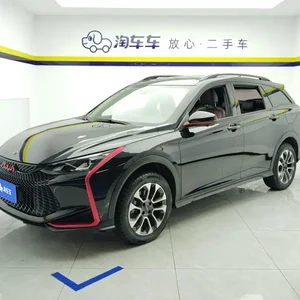
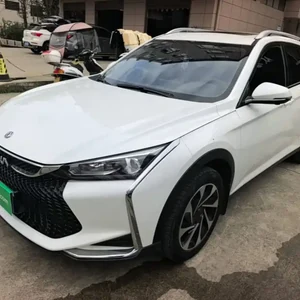
Dongfeng Aeolus Yixuan GS 2021 230T Auto Chasing Glory Samurai Edition
Dongfeng Aeolus Yixuan GS 2020 Model 200T Manual Vision Beyond Edition
How to buy a Dongfeng Aeolus Yixuan Gs from China
-
1
Set the destination brief
Define the destination country, intended use, required steering side, passenger capacity, fuel needs, and preferred transmission before selecting a vehicle.
-
2
Shortlist live units
Review the live Yixuan Gs listings and compare model year, edition, engine label, transmission, condition, documents, and seller terms for each candidate.
-
3
Verify the build sheet
Request the VIN, exact equipment list, emissions information, tyre specifications, steering configuration, and service provisions for the selected unit.
-
4
Compare landed quotations
Ask for written quotes using the same Incoterm, then add freight, insurance, customs, taxes, port fees, and dealer margin to compare the true landed cost.
-
5
Confirm MOQ and payment
Check the MOQ attached to the live record and quotation, and confirm the deposit, currency, bank charges, cancellation terms, and payment validity in writing.
-
6
Inspect before release
Use an agreed inspection process to verify condition, VIN, equipment, odometer reading, fluids, tyres, and export documents before authorizing release.
-
7
Ship, clear, and register
Confirm loading arrangements, insurance, freight milestones, destination clearance, homologation, and local registration with an experienced customs broker.
Yixuan Gs vs rivals
| Chery Tiggo 4x4 | The Tiggo 4x4 is a direct Chinese-brand compact-SUV competitor for value-focused private buyers and fleets. Choose between the two by comparing local parts support, exact equipment, registration readiness, and the configuration offered on each unit. |
|---|---|
| JAC JS3 | The JS3 is a close accessible-SUV alternative, particularly where JAC has stronger local recognition. The Yixuan Gs provides a broader visible mix of manual and automatic export editions, but both brands still require destination-specific approval and support checks. |
| Hyundai Creta | The Creta is a more globally established benchmark that may appeal to buyers prioritizing badge familiarity and established service expectations. The Yixuan Gs may offer a more value-focused package when its selected configuration, landed cost, and local residual demand justify the import. |
Frequently asked questions
How is Dongfeng Aeolus Yixuan Gs export pricing determined?
A live quote is shaped by model year, edition, powertrain label, transmission, condition, mileage where relevant, order quantity, exchange rate, freight, insurance, documentation, and Incoterm. Compare quotations on the same delivery scope, then add destination charges, duty, and taxes to build the landed cost. Current per-unit prices and binding quotation terms are shown on the live ChinaCarDirect listings and should be confirmed in writing.
What engine and powertrain options are available?
The export range shown includes 200T and 230T designations, with a manual 200T example and multiple automatic 230T editions. Mach editions are listed with 1.5L or 1.5T engine labels and automatic transmissions. These are gasoline internal-combustion versions, so battery capacity and electric range do not apply; request the exact build sheet and check the live listing for final specifications.
What are the trade-offs between new and used Yixuan Gs units?
New vehicles generally simplify condition, ownership history, and customer presentation, but they still require destination compliance and delivery checks. Used vehicles can broaden sourcing options and offer a different acquisition point, while adding title, mileage, service, wear, accident, and parts-verification work. Compare the total cost after freight, duty, and any needed remediation.
How does MOQ work for wholesale orders?
MOQ is a seller-, unit-, and quotation-specific commercial term rather than a permanent feature of the model. A live listing may permit a single vehicle, while a batch or special-order program may require more units. Read the MOQ displayed on the live record and obtain written confirmation before paying a deposit or arranging a consolidated shipment.
What determines shipping time and cost?
The main factors are transport mode, origin and destination, route, sailing or vehicle schedule, container availability, cargo handling, insurance, and destination port charges. Consolidation can affect both price and control over handling, while customs or compliance delays can extend the timeline. Share the destination and delivery requirements when requesting a freight quotation.
How can buyers confirm spare-parts availability?
Confirm support for the exact model year, engine label, transmission, and destination market before ordering. Request a parts catalogue or diagram, supplier or aftersales contact, packaging information, and an indication of whether parts are included in the quoted delivery term. Long lead times and model-specific obsolescence should be included in the operating plan.
Is a right-hand-drive Yixuan Gs available for export?
Right-hand-drive availability must be confirmed on the individual listing or seller quotation and cannot be assumed from the model name. If only left-hand-drive vehicles are available, confirm whether local rules permit conversion and whether an approved installer can complete it without affecting safety or warranty. Source the required configuration before contracting where steering side is essential.
How do I order a Dongfeng Aeolus Yixuan Gs from China?
Select a unit from the live listings, then submit an RFQ with the destination, intended use, preferred configuration, quantity, and Incoterm. Request the build sheet, pro forma invoice, payment terms, inspection arrangements, and release documents before remitting funds. Use protected marketplace channels and verify bank instructions through a second written confirmation before payment.
Ready to source the Dongfeng Aeolus Yixuan Gs?
Request a current written Yixuan Gs quotation through the ChinaCarDirect RFQ desk, including your destination, preferred configuration, quantity, and Incoterm.
Request a quote