
Dongfeng Fengguang 580 Export Buying Guide
Review Dongfeng Fengguang 580 trims, engines and export pricing, then compare new and used options, MOQ, shipping and compliance before ordering from China.
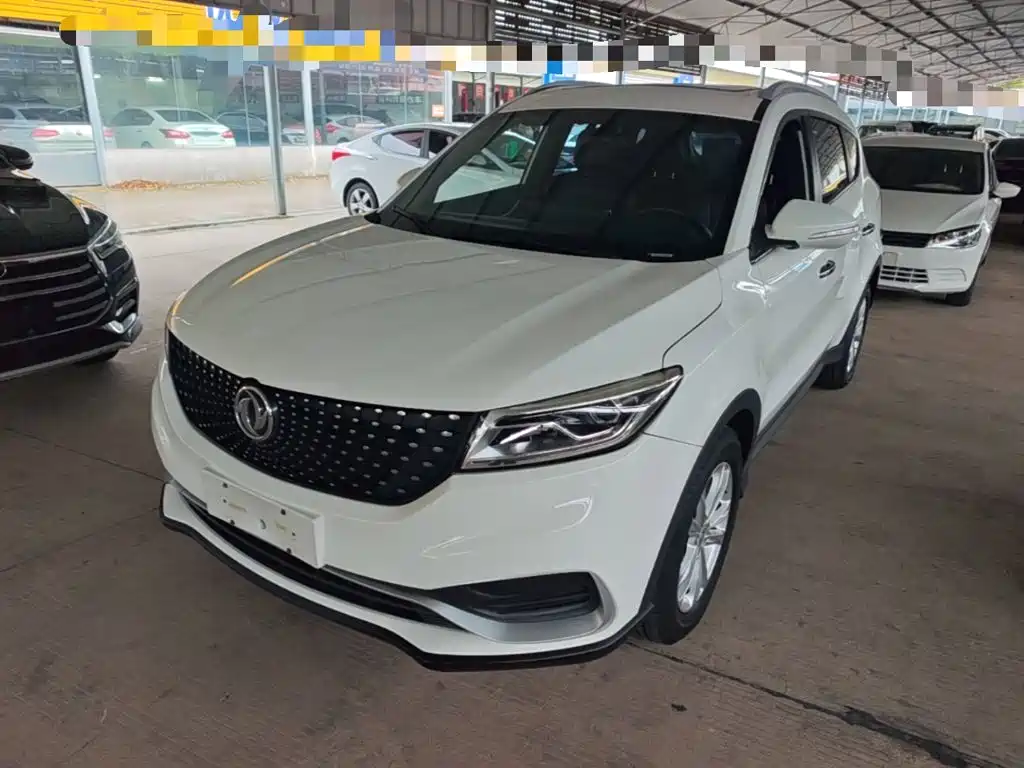
At a glance
- The Fengguang 580 is a petrol-powered compact SUV suited to family, ride-hailing and distributor programmes that value upright practicality and flexible configuration.
- The lineup spans 1.5T, 1.8L and 280TGDI versions with manual, CVT or automatic transmissions, depending on model and trim.
- New and used buying decisions should be based on verified condition, documents and expected aftersales support rather than the label alone.
- Export pricing is unit-specific; model year, trim, powertrain, freight, exchange rates, taxes and Incoterms all affect the landed cost.
- Single-vehicle and consolidated-container ordering are both possible sourcing models, but MOQ and payment terms must be confirmed for the selected listing.
- Right-hand-drive availability, local homologation and parts coverage must be verified before committing to an import programme.
Why the Dongfeng Fengguang 580 matters for export markets
The Dongfeng Fengguang 580 sits in the compact SUV segment, combining a family-car footprint with the higher seating and flexible load space sought by importers serving value-focused motorists. It is especially relevant in markets where buyers want a practical crossover without committing to an electric powertrain. Because it is an internal-combustion model, charging coverage and battery certification are not central purchase gates; fuel availability, parts support and local road approval matter more. Its long-running Chinese-market lineup also gives importers several body, engine and transmission combinations to evaluate rather than a single export configuration.
The 580 matters in export markets because it combines familiar SUV packaging with a broad choice of petrol powertrains. Depending on the production version, buyers can examine 1.5T, 1.8L and 280TGDI engines paired with manual, CVT or automatic transmissions. That variety allows an importer to match a vehicle to local taxes, fuel preferences, road conditions and buyer budgets, although the exact combination must be confirmed for each unit. It is also a practical candidate for fleet, ride-hailing or family-sales programmes where an accessible service model and durable operating costs matter more than premium branding.
Demand should not be assumed from the model name alone. Local success depends on a workable wholesale case, credible aftersales supply and the ability to register the exact vehicle. Importers in markets with established Chinese-brand channels may find the 580 easier to place alongside other value SUVs, while first-time entrants should test demand with a conservative order. A live unit should be selected only after checking its specification, documents, condition and destination-market eligibility. For fleet use, also compare load capacity, fuel economy, spare-wheel provisions and parts lead times against local alternatives.
- Compact family-SUV positioning.
- Petrol powertrains for varied infrastructure.
- Compliance drives importer fit.
Model range, trims and powertrain variants: how the lineup is structured and how to choose
The model line sold under the 580 name includes standard 580 and 580 Pro descriptions, facelifted versions and Star Edition variants. Across those families, visible trim combinations include 1.5T Manual and CVT Comfort/Luxury versions, 1.8L Manual Comfort or Elite versions, and 280TGDI CVT Driving Leader or Intelligent Leader versions. Names can reflect Chinese-market grade structures, so a buyer should compare equipment rather than infer quality from the badge. The same model year may also be presented with different market or package labels; verify the underlying vehicle and its documented specification before contracting.
Engine choice should follow operating priorities. The 1.5T options form a central branch of the trim naming and pair turbocharged output with either manual or CVT selection; the 1.8L versions offer a naturally aspirated alternative, again primarily with manuals. The 280TGDI versions represent the more performance-oriented branch and appear with CVT-equipped Leader trims. Because outputs, equipment and market approvals differ, do not substitute one engine label for another when preparing an import quotation. Ask for the engine designation, gearbox type, cooling and emissions information before making a fleet-level decision for the destination market.
For transmission choice, a manual can suit markets where fuel economy, straightforward servicing and lower acquisition complexity are priorities, while a CVT or automatic can reduce driver workload in congested traffic. The trade-off is not simply price: confirm parts availability, towing limits, gradeability, fuel consumption and warranty treatment for the selected version. For importers, the best trim is the one whose mechanical simplicity or refinement, equipment and service burden match the destination market—not necessarily the highest-sounding designation. Ask sellers for a trim-by-trim equipment sheet and current vehicle condition report before contracting.
- 580 and 580 Pro need variant checks.
- Three gearbox approaches serve different fleets.
- Compare equipment, not trim labels.
New vs used Dongfeng Fengguang 580: how export inventory is structured and how buyers choose
When comparing new and used Dongfeng Fengguang 580 options, separate vehicle condition from channel structure. New units are generally sold with no prior operating history, recent production badges and factory warranty terms, while used units may come from domestic trade-ins, fleet disposal or prior imports. Those categories describe risk rather than a guaranteed history. Ask each seller for the production date, odometer record, service history, accident disclosure and title status before treating either condition label as sufficient. For fleet buyers, the maintenance ledger and remaining factory cover should be reviewed alongside commercial suitability.
A used 580 can make economic sense where a buyer accepts an earlier production year, an established service history and visible wear in exchange for a lower acquisition commitment. The important checks are engine condition, transmission behavior, chassis and suspension wear, corrosion, cabin condition, electrical faults and whether the advertised equipment is present. Low mileage is not a substitute for inspection. For a commercial buyer, repair history and the likelihood of near-term parts demand should carry more weight than cosmetic trim labels. Request dated photographs and an independent inspection report before the final quotation.
For a new vehicle, use the trim hierarchy to plan a fleet, but verify the physical unit because imported inventory may represent different production batches and equipment sets. A sensible sequence is to define the required engine and gearbox, confirm seat and load needs, select standard and optional equipment, then assess whether local aftersales can support each choice. Compare the written quotation with expected fuel, insurance, maintenance and downtime costs. This total-cost view usually matters more than selecting a single “top” trim. Do not assume badges guarantee identical equipment across units in every market.
- New offers history clarity.
- Used requires independent inspection.
- Assess lifetime operating costs.
How export pricing works: the factors behind a live listing price, and how to read one
The Dongfeng Fengguang 580 export price guide should be read as a methodology, not a fixed market-wide figure. A responsible quote starts with the vehicle’s production year, 580 or 580 Pro designation, facelift status, engine, transmission, trim and equipment. Mileage and condition become decisive for a used unit. The supplier’s commercial terms, payment schedule and currency then shape the vehicle-side amount, so two similar-looking listings can still require different landed-cost calculations. Start by opening the current per-unit listing on ChinaCarDirect, then request written confirmation for the vehicle selected before deposit for the importer.
Beyond the vehicle amount, destination cost can be as important as the vehicle itself. Ocean freight depends on route, season, container availability, port charges, fuel surcharges and the loading plan. Insurance, export documentation, destination handling, customs duty, VAT or sales tax, registration and local delivery may sit outside the listing. Incoterms such as EXW, FOB, CIF or DDP change where risk and cost transfer. Ask for a written quotation that clearly states inclusions, exclusions and the currency in which payment is due. Treat an undefined asking price as incomplete for planning and record it in writing.
When reading a live listing, compare the title with photographs and ask for the VIN, production date, mileage, engine, gearbox, equipment list and document status. Check whether “automatic” and CVT descriptions are being used consistently, and whether a facelift, Pro or Star Edition package includes the expected equipment. Confirm that the displayed amount is the current per-unit asking reference, what it includes, and whether it is held only for a stated period. Current exact price, MOQ and availability should always be checked in the live inventory, while final commercial terms should be confirmed in writing.
- Specification drives vehicle value.
- Freight and taxes drive landed cost.
- Check every live per-unit listing.
MOQ, ordering and payment: single units vs consolidating a container
Minimum order quantity is a commercial condition, not a universal feature of the model. For a wholesale buyer, a marketplace listing may accept a single vehicle, while a factory programme, colour requirement or container consolidation may require more units. Check the MOQ displayed for the selected live listing and have the supplier confirm it in the quotation. One-unit buyers should also confirm that the seller will export a standalone vehicle; if not, ask whether the order can be consolidated with other buyers before payment. Consolidation can improve freight efficiency, but every participant must agree on Incoterms and delivery responsibility.
A practical buying sequence starts with account verification and a written specification for the exact unit. The buyer then requests a pro forma invoice, confirms deposit terms, pays through the agreed channel, and allows for an inspection or documentary review before the balance is released. Shipping should follow only after title, identification, export and vehicle documents are verified. Ask what happens if the car differs from the agreed description, if inspection reveals damage, or if the shipment cannot be booked. Keep every approval and variation in writing for audit purposes before release of the balance.
Payment structure should reflect risk at each stage. Confirm whether the supplier accepts bank transfer or another permitted method, who bears conversion charges, and whether the deposit is refundable if the agreed inspection fails. Clarify the balance trigger, the document handover, insurance start, shipping deadline and refund process. When consolidating vehicles, agree in advance how units are allocated, how condition claims are handled and who pays demurrage or storage caused by delayed instructions. A staged release tied to verified milestones is generally easier to reconcile than a single unconditional balance payment, provided the arrangement is recorded in the contract.
- MOQ is seller- and listing-specific.
- Single and consolidated orders differ.
- Use written milestone payment terms.
Shipping, homologation and market compliance caveats: LHD/RHD and import rules by country
Vehicle shipping is a chain of handoffs, not a single freight payment. After export release, the vehicle must be booked, inspected and loaded with the correct securing points; the carrier then transports it to the destination port or terminal. Container, roll-on/roll-off or specialist-carrier options depend on availability and handling requirements. Ocean transit, port charges, insurance, documentation, storage and delivery can each change. Supply the VIN and exact loading dimensions early so the forwarder can confirm a lawful slot before booking. Packing dimensions and weight should be verified from the unit specification record.
Most vehicles originating from the Chinese domestic market are left-hand-drive, so buyers needing right-hand drive should not assume a standard 580 is suitable. A market-specific RHD example may have a different supply route, while a converted vehicle can affect controls, safety certification, insurance, warranty and parts availability. Ask the seller for the steering configuration and homologation documents, then have the destination authority or compliance adviser confirm that the proposed configuration is legal. For RHD availability, check live inventory and submit a specific RFQ. Do not order on an informal conversion promise alone; obtain confirmation in writing.
Import and road legality are determined country by country, so the model name and VIN are only the starting point. Buyers may need local type approval, emissions and safety compliance, customs classification, duty and tax payment, inspection, registration, and a defined set of title, identification, customs and conformity documents. A certificate available in China is not automatically accepted elsewhere. Before contracting, have the exact vehicle checked against the destination’s rules, especially for modified steering, powertrain changes, used-vehicle age limits and software or safety-equipment requirements. Allow time for local certification or rejection before shipment.
- Confirm steering side early.
- Local type approval may be essential.
- Include destination charges in landed cost.
Who should buy the 580 — and who should pick a different vehicle
The Dongfeng Fengguang 580 is a logical choice for an importer targeting a broad, family-oriented compact SUV audience rather than a niche performance market. It can suit private buyers, ride-hailing operators, regional distributors and mixed fleets that value upright practicality, flexible seating and conventional petrol operation. The broad manual, CVT and automatic choices allow the same model name to serve different budgets and duty cycles. The strongest case is where local fuel infrastructure is dependable and aftersales support for the selected engine and transmission can be established before launch and compliance review.
The 580 may be the wrong choice where buyers place greater weight on premium brand perception, advanced driver assistance, all-wheel drive, strong residual values or a fully electrified powertrain. It may also be unsuitable when a required right-hand-drive version cannot be homologated, when local parts channels are too thin, or when fleet policy prohibits older combustion vehicles. A fleet with high daily mileage should compare real-world fuel use, tyre and service costs. A buyer focused only on headline trim names may overlook these operational constraints before placing an order or after local validation.
Use a weighted buying scorecard rather than an emotional model choice. Give the same weight to regulatory eligibility, parts and workshop support, realistic fuel consumption, load needs, downtime exposure, financing, resale prospects and the ability to hold mixed stock. For a distributor, one hard-to-move trim can outweigh a small saving on several easier units, so ask the supplier for substitution rules and photograph every vehicle before loading. For a fleet buyer, pilot the selected configuration with local drivers before scaling the order across the fleet. This evidence reduces costly launch errors in new markets.
- Best for family and mixed fleets.
- Weaker for premium or EV mandates.
- Verify support before scaling.
Main rivals and how the 580 compares
The Chery Tiggo 7 is a close Chinese-built compact-SUV alternative for distributors seeking a modern export proposition. Both models can be evaluated around family packaging, petrol engine options, automatic availability and a dealer-led service model, but their trim structures and equipment priorities are not identical. A buyer with an existing Tiggo 7 support network may prefer familiar parts and residual-value knowledge; a buyer seeking more manual and lower-displacement 580 configurations may find the Fengguang more flexible. The deciding evidence should be matched live units and local after-sales coverage in the destination market, not badge reputation.
Haval’s H6 is another relevant benchmark, with broad market recognition and a long record of competing in mainstream SUV segments. Buyers may favour it where Haval parts, finance and workshop networks are already established, while the 580 can suit distributors seeking a different Chinese-brand proposition and a broad mix of manual, CVT and automatic 580 units. Neither should be selected from reputation alone: compare the exact engine, safety equipment, warranty, fuel use, boot practicality and after-sales terms for the vehicle being shipped. Availability in RHD and destination type approval also matter before contracting.
The Changan CS75 Plus sits in the same broad Chinese family-SUV arena and can appeal to buyers who prioritize a more modern turbo-focused presentation. The 580 may be the more flexible choice for importers wanting to mix manual 1.5T or 1.8L cars with CVT and 280TGDI versions, because its trim naming and supply channels cover a wider set of conventional configurations. Against the CS75 Plus, weigh cabin space, equipment, fuel economy, service support and parts depth on matched vehicles, then choose the model your workshop can sustain for fleet rollout rather than relying on broad stereotypes.
- Tiggo 7: familiar alternative.
- H6: stronger recognition benchmark.
- CS75 Plus: turbo-focused rival.
Live Dongfeng Fengguang 580 export inventory
View all listings →Real units currently on ChinaCarDirect with per-unit asking prices and MOQ. Availability updates live from the catalogue.
Dongfeng Fengguang Fengguang 580Pro 2020 280TGDI CVT Driving Leader
Dongfeng Fengguang Fengguang 580Pro 2020 280TGDI CVT Intelligent Leader
Dongfeng Fengguang Fengguang 580Pro 2020 280TGDI CVT Intelligent Leader
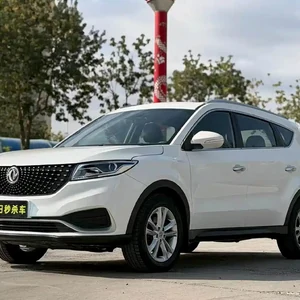
Dongfeng Fengguang Fengguang 580Pro 2020 280TGDI CVT Driving Leader
How to buy a Dongfeng Fengguang 580 from China
-
1
Define the destination and operating requirement
Specify the destination country, steering side, private or fleet use, expected mileage, load needs and fuel preferences. Complete an initial type-approval and import-rule check before selecting a trim.
-
2
Choose the 580 to buy from China
Review the current live inventory for 580 and 580 Pro variants, then compare engine, transmission, mileage, condition and documented equipment. Check the live unit for the current price, MOQ and availability.
-
3
Request a written RFQ
Send the unit reference, destination, quantity, Incoterm and document requirements through the RFQ page. Ask for a vehicle-side and landed-cost breakdown with exclusions stated clearly.
-
4
Verify the vehicle and documents
Confirm the VIN, production date, odometer, title, registration and export paperwork against the agreed specification. Use an independent inspection for used vehicles or high-value fleet orders.
-
5
Agree MOQ and payment terms
Have the supplier confirm the MOQ for the selected listing, allocation method, deposit, balance trigger and refund conditions. Record currency-conversion responsibility and every variation in the contract.
-
6
Approve loading and shipment
Inspect the vehicle, photograph its condition and confirm securing, insurance, export release and shipping arrangements. Do not permit loading until the agreed inspection and document handover are complete.
-
7
Complete import and registration
Use a destination forwarder to manage freight, customs, duties, taxes, inspection and delivery. Align the import plan with local type approval and establish spare-parts sourcing before fleet rollout.
580 vs rivals
| Chery Tiggo 7 | Both cover the Chinese-built family-SUV and petrol-use case, but the Tiggo 7 may suit distributors already familiar with Chery parts and service channels. The Fengguang 580 can be more flexible where manual and lower-displacement 580 configurations are commercially useful. |
|---|---|
| Haval H6 | The H6 has stronger market recognition in many destination countries and may be preferable where Haval workshops, finance and parts networks are established. The 580 offers a distinct alternative with a broad mix of manual, CVT and automatic configurations, subject to local aftersales support. |
| Changan CS75 Plus | The CS75 Plus presents a more modern, turbo-focused family-SUV proposition and may appeal to buyers prioritizing equipment and powertrain character. The Fengguang 580 may be easier for importers to tailor across manual, CVT, naturally aspirated and 280TGDI versions, but matched-unit economics should decide. |
Frequently asked questions
How is Dongfeng Fengguang 580 export pricing determined?
The vehicle-side asking price is set by the unit’s year, 580 or Pro status, facelift package, engine, transmission, trim, mileage, condition and commercial terms. Freight, insurance, port handling, duties, taxes, exchange rates and Incoterms determine the landed cost. Check the current per-unit figure in the live ChinaCarDirect listings and require a written quotation that states inclusions and exclusions.
What are the key Dongfeng Fengguang 580 specs?
The model is a petrol compact SUV with 1.5T, 1.8L and 280TGDI versions represented across the range, plus manual, CVT and automatic transmissions. Seating, dimensions, equipment and technical outputs can differ by production year and market, so use the live unit specification as the reference. Do not infer technical details from a trim badge alone.
Are new or used Dongfeng Fengguang 580 vehicles better for export?
A new vehicle offers the clearest history and the simplest warranty and condition story, although it may carry a higher acquisition commitment. A used 580 can suit buyers seeking lower acquisition cost, yet age, mileage, wear, accident history, title status and parts wear must be assessed independently. The best choice depends on fleet budget, financing and local resale expectations, not just the condition label.
How does MOQ work when ordering a Fengguang 580 from China?
MOQ is set by the seller, programme or selected listing rather than by the model name. Some vehicle offers can be purchased individually, while consolidated-container or special-order requests may carry different terms; the current MOQ for each unit is shown in the live inventory. Ask the supplier to confirm the MOQ, allocation method and any mixed-configuration restrictions in the quotation.
How long does shipping take and what does it cost?
Transit time and cost vary with origin and destination ports, carrier schedule, container or vehicle-carrier space, season, route, insurance, handling and Incoterms. Get a forwarder quote using the VIN, exact loading data and destination, and ask for freight, documentation, port, insurance and delivery charges separately where possible. The live vehicle price alone is not a landed-cost estimate.
Can I order spare parts for an exported 580?
Yes, but first identify the exact vehicle and compatible parts numbers because body panels, electronics and trim parts can differ by production batch and market. Confirm genuine-part availability, catalogue references, lead times, shipping cost and local customs before ordering. For fleet buyers, ask the supplier to identify common service consumables and electronics that should be stocked locally.
Is right-hand-drive Dongfeng Fengguang 580 availability for export?
Most Chinese domestic-market examples are left-hand-drive. RHD availability depends on market-specific sourcing or a lawful conversion that still passes destination type approval, insurance and inspection; a steering conversion alone does not make a vehicle compliant. Check the live listings for the actual steering configuration and send an RFQ stating the RHD requirement.
How do I order a Dongfeng Fengguang 580 from China?
Start by selecting a live listing, then submit an RFQ with the destination, quantity, desired engine and transmission, trim, steering side and required Incoterm. Request a unit-specific quotation and document list, verify the vehicle and title, agree staged payment terms, and approve inspection before shipment. Confirm current price, MOQ and availability in the live listing and final written quote.
Ready to source the Dongfeng Fengguang 580?
Send an RFQ with your destination, steering side, trim, quantity and Incoterm, then use the current 580 listings to confirm the unit-specific price, MOQ and availability.
Request a quote