
Dongfeng Fengguang Ix5 Export Buying Guide
Buy a Dongfeng Fengguang Ix5 from China with practical guidance on trims, live export pricing, ordering, shipping, compliance, and rival options.
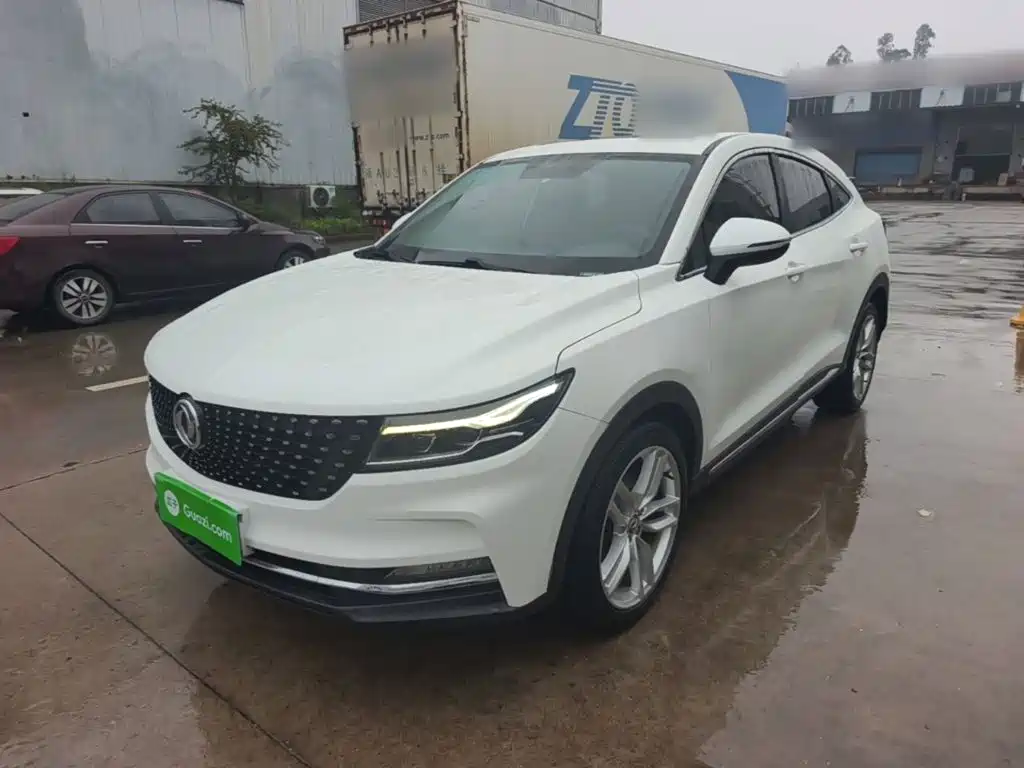
At a glance
- The Ix5 is a turbocharged-gasoline compact SUV with CVT throughout the named range, aimed at value-led importers and fleet operators.
- The 220T and 280TGDI branches let buyers balance operating economy against performance reserve, subject to verified unit specifications.
- China V and China VI trim labels identify domestic emissions classes; they do not guarantee destination-country type approval.
- Live export pricing is unit-specific and must be separated from freight, insurance, duties, taxes, and other landed costs.
- A pilot order is prudent where right-hand-drive supply, parts support, workshop capability, and residual demand are not yet proven.
Why the Dongfeng Fengguang Ix5 matters for export markets
The Dongfeng Fengguang Ix5 is a Chinese-built compact SUV for buyers who want a more elevated, versatile package than a conventional sedan without entering a large, expensive SUV class. Its turbocharged gasoline engines, CVT, and value-focused trim structure make it relevant to overseas importers, independent dealers, and fleet operators in markets where Chinese vehicles are accepted. Its appeal lies in matching equipment, running costs, and logistics to a defined destination plan. It is a practical export proposition for an overseas buyer with clear local support, rather than a prestige-led purchase.
Ix5 demand is best understood as part of the international appetite for compact crossovers that offer more cabin height and practical loading than a sedan at a manageable operating cost. That demand is strongest where the vehicle can be registered, insured, and serviced locally without becoming an unusual parts or residual-value problem. For dealers, the key is whether the badge, powertrain, and long-term parts support can sustain demand after the first wave of owner-operators and company-car buyers. A successful import therefore depends on local acceptance, not just attractive acquisition terms.
For an overseas buyer, the Ix5 makes most sense when the brief prioritizes everyday usability over brand prestige. Its SUV format can serve luggage, family transport, and light commercial duties, while the two visible engine branches allow buyers to balance performance against likely operating costs. The CVT also suits stop-start urban traffic and simplifies the product proposition for importers. None of these benefits removes the need to check destination-specific rules, service arrangements, and resale prospects. Buyers should therefore begin with a destination and operating profile, then use the model range to test whether the vehicle can be supported over the ownership cycle.
- Turbo gasoline and CVT suit value-focused importers.
- Compact SUV packaging serves families and light fleets.
- Serviceability and residual demand determine export viability.
Model range, trims and powertrain variants: how the lineup is structured and how to choose
The visible Ix5 range is organized around two turbocharged gasoline powertrain branches, 220T and 280TGDI, with CVT transmission naming carried across the trims. Grade labels include Smart, Joy, Style, Zhi Shang, Zhi Yue, Premium, and Intelligent Premium. Those names describe a progression from more basic positioning toward higher equipment, but the exact feature list is not uniform across production batches or source units. A buyer should treat the live listing and its equipment sheet as the controlling specification, especially when combining trims for one shipment or destination market.
The 220T branch is the entry point in the visible naming, while the 280TGDI branch represents the higher-output side of the range. Buyers comparing them should request verified power, torque, fuel-consumption, and payload information rather than infer performance from the labels alone. The 220T choice may suit fleets focused on acquisition and operating economy; the 280TGDI choice offers more performance reserve for hilly roads, fully loaded trips, or buyers who prioritize driveability. Those are tendencies, not guarantees, because market tuning and equipment can alter the result for a given vehicle.
China V and China VI also appear in the trim names. These are domestic Chinese emissions identifiers, useful for understanding the source specification, but they do not constitute approval for Europe, the United Kingdom, Australia, the Gulf, Africa, Latin America, or any other destination. The same caution applies to safety, type approval, fuel labeling, and software requirements. Before placing an order, the importer should match the exact vehicle to a written compliance checklist for the destination and identify who is responsible for conversion or homologation or accepting delivery at origin.
- 220T and 280TGDI define the engine branches.
- Grade labels indicate hierarchy, not verified equipment.
- China V/VI labels do not guarantee destination approval.
New vs used Dongfeng Fengguang Ix5: how export inventory is structured and how buyers choose
Export inventory should be read by unit condition, provenance, and documentation rather than by a generic model label. A new Ix5 normally offers the cleanest relationship between advertised specification, factory configuration, and initial delivery condition, which can simplify fleet preparation and warranty administration. A used example can still be attractive for a tested market, but its value depends on mileage, service history, prior use, accident repair, wear, and whether its title and import documents are clean. The same trim name does not make two units equivalent in the eyes of a buyer.
For new vehicles, check whether the quoted configuration is factory-built, what warranty is supplied, and whether the seller can provide the identification, invoice, export, and homologation documents required by the destination. Also confirm whether the car is intended for immediate dispatch or will be produced to order. For used imports, ask for the VIN, maintenance records, inspection photographs, underside images, tyre information, and evidence of ownership. Independent inspection is particularly valuable before a non-refundable payment, because hidden repairs, inconsistent naming, or non-transferable documents can turn an apparently cheaper vehicle into the costliest purchase.
A practical comparison should include total landed cost, expected downtime, and the availability of parts in the destination market. A new vehicle may minimize immediate refurbishment and diagnostic uncertainty, whereas a well-maintained used unit can reduce acquisition pressure where demand is uncertain. Conversely, a low-mileage claim alone is not proof of careful use, and a new designation alone is not proof of homologation. Buyers testing a new model should order cautiously, establish a parts and service plan, and validate resale demand before committing to larger fleet quantities without support.
- Compare condition, mileage, history, and documentation.
- New vehicles reduce refurbishment and specification uncertainty.
- Used vehicles warrant independent inspection.
How export pricing works: the factors behind a live listing price, and how to read one
An Ix5 export price is not a fixed property of the model name. It is generated from the specific unit’s model year, trim, engine branch, emissions designation, condition, mileage, equipment, ownership history, and the seller’s commercial terms. Currency movements and the cost of freight, insurance, port handling, inspection, taxes, and registration can also change the amount payable by the buyer. The vehicle price shown in a live listing is the correct starting point for comparison, not necessarily the final landed cost. Confirm every charge in the final pro forma before payment.
To compare two listings correctly, first confirm that they refer to the same powertrain, transmission, production specification, and condition. Then read what the quoted amount includes: vehicle only, domestic transport, export documentation, marine insurance, or delivery to a named port. Incoterms determine where risk and responsibility transfer, but they do not automatically include customs clearance or import charges. Any freight, duty, VAT, registration, and concessionary treatment must be calculated separately in the destination country. Ask the seller to restate these inclusions in writing and identify every exclusion clearly before contracting.
Exporters should also use a repeatable quotation checklist. Record the unit identifier, VIN where available, exact trim, engine label, gearbox, mileage, condition, color, options, port, Incoterm, payment schedule, and validity period. Compare offers only after converting them into the same currency and delivery basis. Price movements can be legitimate when the underlying vehicle or logistics differ, so an unusually low or high figure should trigger document review rather than an assumption that the listing is wrong. Current binding price, MOQ, and availability appear on the live ChinaCarDirect inventory for each unit.
- Powertrain, trim, condition, year, and options set the baseline.
- Freight, insurance, duties, and taxes affect landed cost.
- Incoterms define responsibility, not every destination charge.
MOQ, ordering and payment: single units vs consolidating a container
Minimum order quantity is a commercial term, not a permanent attribute of the Ix5 model. A marketplace seller may accept a single vehicle, a small pilot batch, or a larger container quantity, and the rule can differ by seller, trim, production route, and destination. On the live listings page, read the stated MOQ and ask the supplier to confirm it against the exact unit and quote. Buyers who need several vehicles should also request tiered pricing, allocation, production timing, and the consequences of mixing trims in one order for dispatch.
A single-unit purchase is useful for testing demand, completing a fleet pilot, or securing a particular specification before committing capital. A consolidated container can improve freight efficiency and give a dealer stronger acquisition economics, but it also concentrates risk in model-year consistency, condition, parts planning, and resale timing. Keep the vehicle mix simple at first if the market is unproven. If consolidating, define inspection standards, allocation rules, damage claims, and remedies for missing or mismatched units before paying the balance. A written consignment and inspection protocol is more valuable than a small nominal saving.
Payment and order mechanics should be documented before any funds move. The purchase contract should identify the vehicle or agreed allocation, total commercial terms, deposit and balance triggers, invoice currencies, transfer method, production or dispatch window, inspection rights, cancellation terms, and the exact documents to be released. Confirm the legal entity, beneficiary name, and payment instructions through an independent channel. Use the platform contact process to seek a written quotation and resolve discrepancies rather than relying on messages that could be misunderstood. For larger shipments, align payment milestones with inspection and shipping milestones rather than one unsupported promise.
- MOQ is seller- and listing-specific, not model-fixed.
- Pilot orders can validate market demand.
- Written milestones should align payment with inspection.
Shipping, homologation and market compliance caveats: LHD/RHD and import rules by country
The first compliance question is whether the Ix5 is available in the required steering configuration. Left-hand-drive vehicles are generally easier to source from China, while right-hand-drive availability depends on the trim, production batch, and seller. Do not assume a left-hand-drive listing can simply be registered as right-hand drive. A conversion can involve the steering assembly, instrument cluster, controls, wiring, lighting, and other safety-related details, and it should be completed and documented by a competent workshop before destination testing. The modification cost and warranty impact should also be shown in the purchase agreement.
Import permission must be checked country by country. Authorities may consider engine size, fuel type, emissions, VIN, vehicle type, age limits for used imports, safety equipment, tax treatment, customs valuation, and a certificate of conformity or local type approval. China V and China VI in the trim name describe the Chinese source classification and do not replace approval in the destination. The importer should obtain a written regulatory position from a local customs broker or vehicle-certification specialist before the vehicle is shipped, and confirm which party bears the costs and delays.
Logistics planning should occur before the balance payment. Obtain the packing dimensions, declared weight, loading constraints, vehicle-protection requirements, and preferred RoRo or container method from the freight provider. Compare routes by space, handling frequency, insurance coverage, port charges, and the point at which risk transfers. At origin, complete a pre-shipment inspection and photograph the vehicle, VIN plate, cargo area, and condition record. Keep the purchase invoice, export declaration, bill of lading, packing list, and any conformity papers in one controlled file so the importer can trace every handoff and responsibility.
- Confirm steering configuration before committing funds.
- Local type approval and import rules govern eligibility.
- Pre-shipment inspection protects the shipment record.
Who should buy the Ix5 — and who should pick a different vehicle
The Ix5 is a sensible candidate for independent importers, value-led dealers, and fleet buyers who need a gasoline compact SUV and can support it with local parts and service access. It is particularly attractive where buyers want the practicality and perceived status of an SUV without moving into premium-brand ownership costs. Dealers should confirm that the model’s visual appeal, fuel use, and right- or left-hand-drive configuration match local expectations. Local-language owner guidance and transparent warranty handling can materially improve the ownership experience. A capable local workshop remains essential for long-term reliability.
It is a weaker fit for buyers who place resale value, an established international dealer network, or abundant mature-model parts at the top of the decision list. A compact SUV cannot compensate for weak local servicing if vehicles are sold at scale. Nor is the Ix5 the right answer for operators seeking electric range, plug-in capability, seven-seat flexibility, serious off-road hardware, or the latest driver-assistance package. Those requirements call for a different powertrain or vehicle class and should be settled before discussing trim. The purchase should follow the operating requirement, not the reverse.
Before scaling, run a small pilot that tracks delivery preparation, fuel consumption in local duty cycles, parts lead times, workshop acceptance, and likely resale demand. Include insurance, depreciation, finance, and unsold-stock carrying costs in the business case, not just the vehicle and freight line. If the importer cannot create a credible service channel or realistic exit price, the apparent export value of the Ix5 will weaken. In that case, a more widely supported rival may be the lower-risk choice. Do not let a discounted vehicle price conceal a structurally weak ownership model.
- Best for value-led importers with local service support.
- Unsuitable for EV, seven-seat, or premium-brand priorities.
- Pilot before scaling fleet or dealer inventory.
Main rivals and how the Ix5 compares
The Chery Tiggo 4 is a relevant benchmark because it also competes in the Chinese compact-SUV export segment. Chery often benefits from stronger international name recognition and an established presence in many markets, which can reduce buyer and service-network concerns. The Ix5 may appeal where its trim value or powertrain choice is more attractive, but a dealer should compare after-sales coverage, parts availability, and destination-approved configurations rather than assume the badge is the only differentiator. Where Chery support is strong, it may carry less market-entry risk, especially for first-time importers.
The Changan CS35 Plus is another close value-oriented alternative, with a similar focus on a modern compact crossover and efficient turbocharged powertrains. The comparison should be concrete: verify the destination-approved engine, safety equipment, warranty, boot practicality, and parts support for each vehicle. Changan can be attractive to buyers already familiar with its domestic range, while the Ix5 should be favored if its exact specification, availability, or commercial terms are stronger. Neither model should be selected from brochure styling alone. A local test-drive and parts-price check often reveal more than online feature lists.
The JAC JS3 represents a more compact, value-focused alternative for importers who prioritize acquisition efficiency and a smaller operating footprint. It may be easier to fit into an established budget segment, but the Ix5 can be considered when a buyer wants its particular presentation, engine branch, or CVT-led proposition. Again, the decisive issues are homologation, safety specification, cabin and loading needs, service access, and expected resale. The best rival is not universally superior; it is the one whose total ownership case is stronger in the intended market. Run the comparison market by market rather than relying on a global brand ranking.
- Tiggo 4 emphasizes brand recognition and support.
- CS35 Plus is a close Chinese value-crossover benchmark.
- JS3 targets compact, budget-conscious fleet buyers.
Live Dongfeng Fengguang Ix5 export inventory
View all listings →Real units currently on ChinaCarDirect with per-unit asking prices and MOQ. Availability updates live from the catalogue.
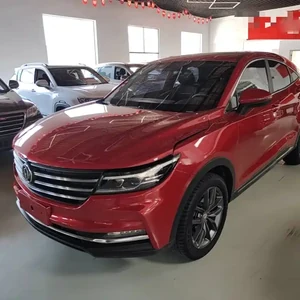
Dongfeng Fengguang Fengguang ix5 2019 280TGDI CVT Smart Edition China V
Dongfeng Fengguang Fengguang ix5 2019 220T CVT Smart Style China V
How to buy a Dongfeng Fengguang Ix5 from China
-
1
Set the destination and operating brief
Specify the country, steering side, import rules, typical payload, and annual mileage. This turns a broad model search into a shortlist that can be registered and supported locally.
-
2
Compare live unit-level listings
Review the Dongfeng Fengguang Ix5 listings for trim, engine branch, CVT, condition, documents, and seller terms. Treat the current listing as the source for the exact price, MOQ, and availability.
-
3
Request a written specification and quote
Ask for trim, model year, mileage, equipment, export documents, Incoterm, freight, insurance, payment schedule, and quote validity. Request separate figures for the vehicle, freight, and destination charges.
-
4
Confirm homologation before dispatch
Give the exact vehicle details to a customs broker or local type-approval specialist. Confirm steering configuration, emissions, safety requirements, taxes, and conversion responsibility in writing.
-
5
Inspect condition and ownership records
For new units, verify the factory specification and documents. For a used Dongfeng Fengguang Ix5, review the VIN, ownership, service history, accident repairs, tyres, and underside condition through an independent inspector.
-
6
Contract payment and shipping milestones
Tie deposits and balances to written allocation, inspection, document release, and dispatch terms. Use the RFQ channel to confirm beneficiary details and keep all approvals in the contract.
-
7
Plan service and registration
Before arrival, confirm customs clearance, local registration steps, workshop capacity, and initial parts stocking. Record the delivery inspection and retain the file for warranty or claims handling.
Ix5 vs rivals
| Chery Tiggo 4 | The Tiggo 4 is often the safer choice for a first-time importer prioritizing brand recognition and an established support network. The Ix5 can be preferable where its exact trim value or powertrain configuration offers a stronger commercial fit. |
|---|---|
| Changan CS35 Plus | The CS35 Plus is a close value-oriented competitor with similar modern-SUV positioning. Compare destination-approved powertrains, equipment, warranty, loading practicality, and local parts support rather than selecting on styling. |
| JAC JS3 | The JS3 is a practical alternative for buyers focused on compact packaging and budget efficiency. The Ix5 may suit importers who prefer its particular engine branches, CVT-led proposition, or available equipment after local assessment. |
Frequently asked questions
How is Dongfeng Fengguang Ix5 export pricing determined?
Export pricing is calculated from unit-specific trim, engine, model year, condition, mileage, options, seller terms, currency movements, freight, insurance, duties, and taxes. Compare quotations using the same Incoterm, then check the current amount for the exact vehicle on the live ChinaCarDirect listings before budgeting or contracting.
What engine and transmission does the Ix5 use?
The visible range uses 220T or 280TGDI turbocharged gasoline engines paired with a CVT. Exact displacement, output, torque, drivetrain, and equipment can vary, so request the vehicle-specific technical specification before ordering.
Is buying a used Dongfeng Fengguang Ix5 better than a new one?
A new Ix5 offers cleaner configuration history and less refurbishment risk, while a used example can suit a proven market if its history and condition support the price. Inspect used units independently and compare total landed cost, not acquisition price alone.
What is the MOQ for an Ix5 export order?
MOQ is set by the seller and listing, not permanently by the Ix5 model. Read the current listing, ask the supplier to confirm the quantity for the selected trim, and request tiered wholesale terms if consolidating a container.
How long does shipping take, and what affects the cost?
Shipping time and cost depend on origin and destination ports, vessel or RoRo space, handling, route disruptions, insurance, paperwork, vehicle dimensions, and the Incoterm. Obtain a freight quotation against the actual unit and do not treat an estimated transit time as a delivery guarantee.
Are spare parts available for the Dongfeng Fengguang Ix5?
Parts availability varies by destination and model year. Identify common service items and their references before shipment, confirm distributor lead times, and consider a forward stock of wear parts for a pilot fleet.
Is a right-hand-drive Ix5 available?
Right-hand-drive availability depends on trim, production batch, and seller; some units may be left-hand drive only. State the required configuration in the RFQ and request evidence of an approved conversion rather than assuming a steering-wheel change is sufficient.
How do I order a Dongfeng Fengguang Ix5 from China?
Start with the live Ix5 listings, choose the closest specification, and send a written RFQ stating the destination, quantity, steering side, and Incoterm. Before payment, confirm MOQ, vehicle details, documents, inspection rights, payment milestones, shipping arrangements, and destination import compliance in the written contract.
Ready to source the Dongfeng Fengguang Ix5?
Send your destination, preferred powertrain, quantity, and shipping terms through the RFQ form for a current written Ix5 quotation.
Request a quote